

Note: This article contains affiliate links. If you click on these links and make a purchase, I may earn a small commission at no extra cost to you. This helps support my research and content. Read my full affiliate disclosure here.
A failing oxygen sensor can cause rough idle, poor fuel economy, and an active check engine light on a 1998-2004 Nissan Frontier. Replacing the sensor promptly restores proper air-fuel control and reduces emissions, which matters whether you use your Frontier for daily driving or light work.This guide covers the top shortlisted oxygen sensors suited to the 1998-2004 Frontier and explains the evaluation criteria used to pick them. We focus on fitment, sensor response, wiring and connector compatibility, and durability to help you narrow the choices before you install a replacement.
Looking for other parts? See all Nissan Frontier parts & accessories.
Top Picks at a Glance
| Best Overall The best all-around choice for most situations | Denso 234-3090 Oxygen Sensor |  |
| Best Quality Built to a higher standard if you want something more solid | Bosch 18004 Premium Original Equipment Oxygen Sensor |  |
| Best Value The sweet spot between price and what you get | A-Premium O2 Oxygen Sensor (Upstream/Right) |  |
| Best Budget The cheapest option that still gets the job done reliably | EXPEDE Downstream Oxygen Sensor (234-4323) for Nissan Frontier/Xterra/Sentra |  |
| Highest Rated A top-rated pick with lots of positive feedback | Bosch 15975 Premium Original Equipment Oxygen Sensor |  |
| Most Popular A crowd favorite that many people choose with confidence | Bosch 13420 Oxygen Sensor |  |
1. Denso 234-3090 Oxygen Sensor
| Measurement Accuracy | High |
|---|---|
| Mounting Type | Threaded |
| Output Type | electrical signal |
| Material Type | Zirconium |
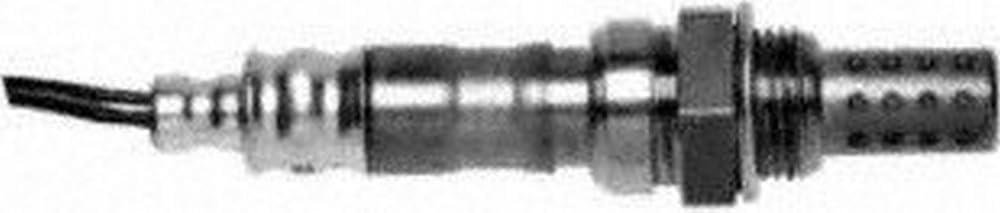
The Denso 234-3090 is a threaded zirconium oxygen sensor that measures exhaust oxygen levels and outputs an electrical signal to the engine control system. It is installed in the exhaust stream where a factory-style sensor is expected and is intended as a direct replacement part. Typical use is diagnostic and emissions control: it helps the vehicle maintain correct air-fuel ratio by giving the computer real-time feedback. Notable features include high measurement accuracy and a factory-quality design approach from a major OEM supplier, which supports consistent sensor readings and fitment. Practical benefits are straightforward installation where thread-fitment matches and reliable feedback for improved combustion control. Limitations are that the listing provides minimal fitment details and only basic specs, so buyers should confirm vehicle compatibility and connector type before purchase; the product information also lacks explicit heater circuit details that some applications require.
Best for: Someone looking for a reliable, factory-style replacement oxygen sensor to restore accurate air-fuel feedback and emissions performance on a well-maintained vehicle.
Less Ideal for: Buyers who need guaranteed fitment details for a specific year, trim, or connector type without further verification or those requiring a sensor explicitly specified for modified or nonstandard exhaust systems.
- Manufactured by an established OEM supplier for factory-quality construction
- High measurement accuracy for consistent oxygen readings
- Threaded mounting matches standard sensor ports for straightforward replacement
- Listing omits detailed fitment and connector/heater information needed to confirm vehicle compatibility
Verdict: Choose the Denso 234-3090 if you want a factory-quality, threaded zirconium oxygen sensor that restores accurate oxygen feedback for emissions and engine control.
2. Bosch 18004 Premium Original Equipment Oxygen Sensor

| Maximum Supply Voltage | 5 volts |
|---|---|
| Mounting Type | Flange Mount |
| Output Type | electrical |
| Upper Temperature Rating | 1472 °F |
This Bosch 18004 is a direct-fit replacement oxygen sensor built to return accurate exhaust oxygen readings to the engine control unit so the air-fuel mixture is properly regulated. It is typically installed in the exhaust stream where the factory sensor was located and is used to cure rough idle, reduced fuel economy, or check-engine codes tied to a bad downstream or upstream O2 sensor. Notable features include a double laser-welded stainless steel body for corrosion resistance, a fast-acting heater to reach operating temperature quickly, and direct-fit connectors with pre-coated threads to simplify installation. In practice the sensor provides reliable, factory-quality performance and helps avoid premature catalytic converter damage by maintaining the correct combustion ratio. The sensor is ceramic-based and 100 percent tested for functionality, which supports long service life, but buyers should confirm exact fitment for their engine and sensor position since compatibility is limited to select 2004 models. Installation may still require access under the vehicle and basic hand tools.
Best for: A buyer who wants a performance-minded, factory-quality replacement to restore accurate air-fuel control and maintain engine responsiveness on a 2004 Nissan Frontier.
Less Ideal for: Anyone looking for a universal or multi-vehicle sensor or those who need a heated vs unheated specification for a non-covered model should consider other options.
- Direct-fit connectors and pre-coated threads make installation straightforward
- Double laser-welded stainless steel body resists exhaust corrosion for longer life
- Fast-acting heater brings the sensor to operating temperature quickly for accurate readings
- 100% functional testing ensures consistent performance out of the box
- Compatibility is limited to select vehicles and engine positions so fitment must be verified
Verdict: Choose this Bosch direct-fit sensor if you want a factory-quality replacement that quickly restores accurate O2 readings and engine performance on a 2004 Nissan Frontier.
3. A-Premium O2 Oxygen Sensor (Upstream/Right)
| Mounting Type | Flange Mount |
|---|---|
| Output Type | Analog |
| Material Type | Zirconia Ceramic, Stainless Steel |
| Specific Uses For Product | Oxygen Sensor |
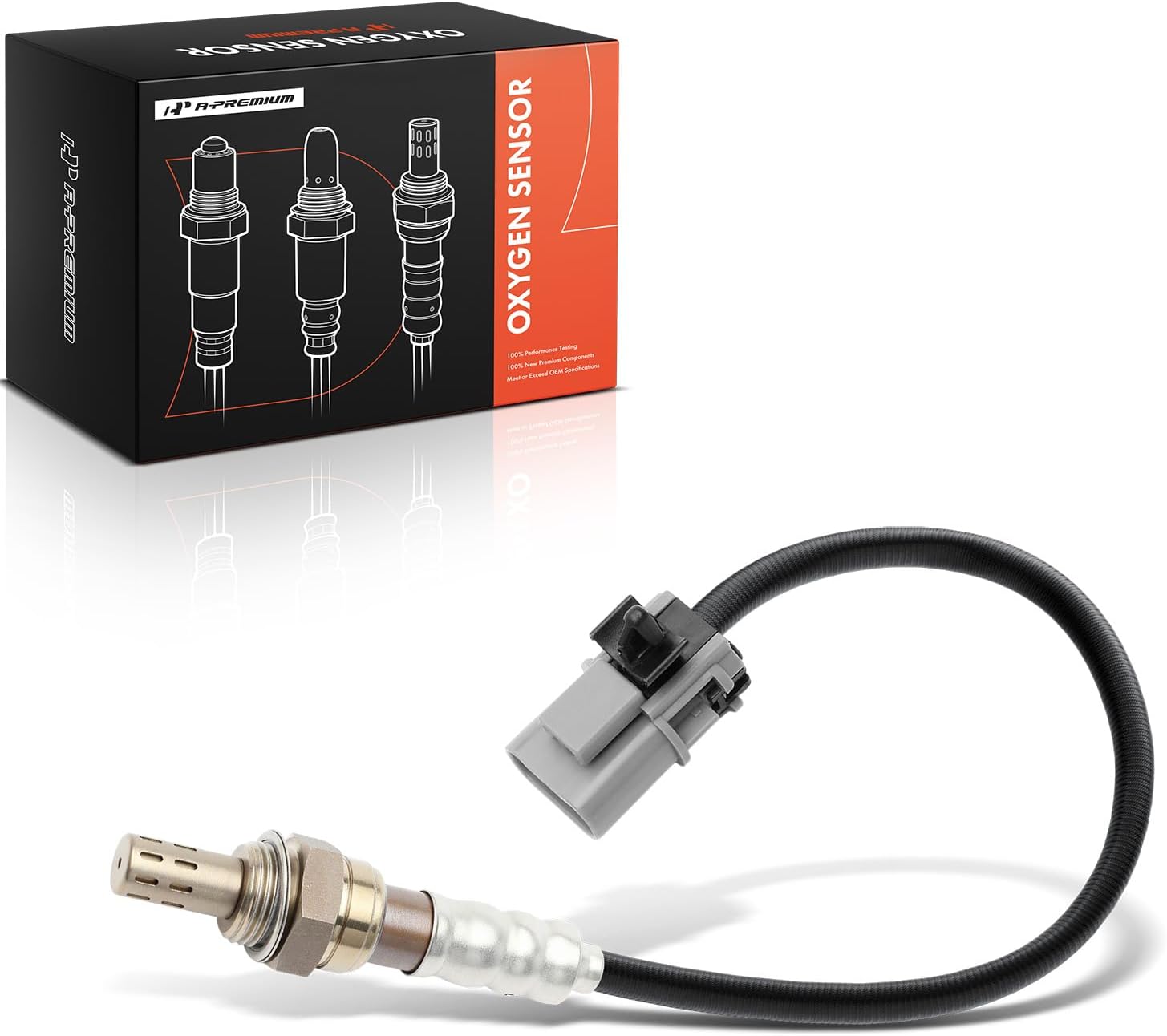
This A-Premium O2 sensor is a straightforward upstream replacement intended for vehicles that need a functioning front/right oxygen sensor. It installs in the exhaust flange and provides an analog voltage signal to the engine control system so fuel mixture and emissions stay within spec. Typical use is as a factory-style replacement during a check-engine code for O2 sensor failure or when troubleshooting poor fuel economy. The sensor uses a zirconia ceramic element and stainless steel housing for corrosion resistance, and the product comes with a one-year unlimited-mileage parts guarantee. Practical benefits include direct-fit mounting for simpler swap-in installation and a factory-like analog output that integrates with original engine controls. Limitations are that it is a basic analog sensor without advanced features like a built-in heater circuit or extended OEM warranty, so installation access and connector compatibility should be confirmed before purchase.
Best for: Buyers who want a no-frills, direct-fit replacement to restore proper fuel trim and emissions performance on a vehicle and prefer a practical, cost-conscious repair approach.
Less Ideal for: Drivers seeking a heated or premium OEM-equivalent sensor with extended warranty or advanced features should consider higher-spec alternatives.
- Direct-fit upstream flange design for straightforward replacement
- Zirconia ceramic sensing element for reliable oxygen measurement
- Stainless steel construction resists corrosion in exhaust environment
- One-year unlimited-mileage parts guarantee for basic peace of mind
- Analog output without an integrated heater may require longer warm-up on some engines
Verdict: A practical, direct-fit upstream oxygen sensor that restores proper fuel control for a reliable, budget-conscious repair.
4. EXPEDE Downstream Oxygen Sensor (234-4323) for Nissan Frontier/Xterra/Sentra

| Brand | EXPEDE |
|---|---|
| Model | 234-4323 |
| Manufacturer Part Number | CC-OS01473 |
| OEM Part Number | 234-4323 |
This EXPEDE downstream oxygen sensor is a direct-replacement part intended for certain Nissan 2.4L Frontier and Xterra models (2001 to 2004) and 2.0L Sentra models (1998 to 1999). It replaces factory part numbers such as 234-4323 and 226A03S661 and is built with a double laser-welded stainless steel body and high-temperature resistant materials to improve durability and sensor response. Installation is straightforward for someone with basic automotive skills since it is manufactured to factory fit and function. In practice this sensor restores downstream oxygen monitoring used by the engine control system for emissions and fuel-trim adjustments, helping resolve check-engine lights tied to the downstream circuit. The included one-year warranty gives short-term protection. Limitations are that fitment is narrow to the listed Nissan engines and model years and long-term longevity beyond the warranty depends on operating conditions and exhaust contaminants.
Best for: Buyers seeking an affordable, direct-fit downstream oxygen sensor to clear emissions-related check-engine lights and restore proper fuel-trim monitoring on supported older Nissan 2.0L and 2.4L vehicles.
Less Ideal for: Drivers who need a sensor for vehicles outside the listed model years or engine sizes or those who prefer long-term aftermarket performance upgrades or extended warranties.
- Direct-replacement for listed Nissan part numbers and model years for straightforward fitment
- Double laser-welded stainless steel body for corrosion and heat resistance
- Made from high-temperature resistant materials for faster sensor response
- Manufactured to factory fit and function for easier installation
- Fitment limited to specific 1998–2004 Nissan 2.0L and 2.4L applications
- Only a one-year warranty which may be short for heavy-use vehicles
Verdict: A budget-friendly, factory-fit downstream oxygen sensor for restoring emissions and fuel-trim function on the specified Nissan 2.0L and 2.4L models.
5. Bosch 15975 Premium Original Equipment Oxygen Sensor

| Material | Stainless Steel |
|---|---|
| Mounting Type | Flange Mount |
| Maximum Supply Voltage | 12 Volts (DC) |
| Output Type | Push-Pull |
This Bosch 15975 oxygen sensor is a direct-fit replacement designed to restore accurate O2 feedback for affected Nissan Frontier engines. It installs like a factory-style sensor with a flange mount, pre-coated threads, and a direct-fit connector so you can swap it in without rewiring. Bosch uses a double laser-welded stainless steel housing and a fast-acting internal heater so the sensor reaches operating temperature quickly and resists exhaust corrosion for longer life. In practice that means more reliable closed-loop fueling after replacement, fewer drivability issues, and reduced risk of check-engine lights tied to a failing sensor. The unit is tested 100 percent for function and ships ready to install, but fitment depends on engine and sensor position so confirm the exact location on your Frontier before buying. This is a straightforward, durable replacement focused on longevity rather than performance tuning or aftermarket upgrades.
Best for: Drivers who prioritize a dependable, long-lasting replacement to restore proper fueling and eliminate oxygen-sensor related faults on their 1998–2004 Nissan Frontier.
Less Ideal for: Shoppers seeking performance-tuned sensors for modified engines or motorsport use should consider specialty options instead.
- Direct-fit design with OEM-style connector and pre-coated threads for easy installation
- Durable double laser-welded stainless steel body that resists exhaust corrosion
- Fast-acting heater brings the sensor to operating temperature quickly for reliable closed-loop control
- 100% functional testing from the factory ensures consistent performance
- Compatibility varies by engine and sensor position so you must verify exact fitment before installation
Verdict: Choose this Bosch sensor if you want a rugged, factory-style replacement that reliably restores proper air-fuel monitoring on a 1998–2004 Nissan Frontier.
6. Bosch 13420 Oxygen Sensor

| Mounting Type | Flange Mount |
|---|---|
| Output Type | Push-Pull |
| Upper Temperature Rating | 1500 °F |
| Material Type | Stainless Steel |
| Maximum Supply Voltage | 5 volts DC |
The Bosch 13420 is a factory-style oxygen sensor that measures oxygen in the exhaust and reports that data to the engine control unit so fuel trim and emission control remain accurate. It is typically used as a replacement sensor for compatible Nissan applications to restore proper fuel economy and reduce emissions after a failing sensor. Notable features include a stainless steel double laser-welded body for corrosion resistance, a fast-acting heater for quick warm-up, and true direct-fit connectors with anti-seize on the threads to simplify installation. In practice the sensor arrives ready to bolt in and should bring sluggish-running engines back toward correct fuel trims and smoother idle. Limitations are that fitment depends on vehicle year, engine, and sensor location so buyers must verify exact application before ordering, and this is a single sensor rather than a multi-pack for multiple bank replacements.
Best for: Buyers who want a proven, brand-name replacement sensor that restores proper fuel control and emissions on the specified Nissan Frontier years and prefer a ready-to-install, factory-quality part.
Less Ideal for: Shoppers looking to replace multiple sensors at once or those who need a universal or adjustable sensor for custom exhaust setups should consider other options.
- Direct-fit design with factory-style connectors simplifies installation
- Stainless steel double laser-welded body resists exhaust corrosion
- Integrated fast heater brings the sensor to operating temperature quickly
- Threads come pre-coated with anti-seize to prevent galling during installation
- Compatibility varies by engine and sensor position so you must confirm fitment before purchase
Verdict: Choose the Bosch 13420 when you want a factory-quality, ready-to-install oxygen sensor to restore proper fuel control and emissions on the covered Nissan Frontier models.
Choosing the Right 1998-2004 Nissan Frontier Oxygen Sensor: Key Factors to Consider
Fitment And Connector Compatibility
Correct fitment is the single most important factor for replacing an oxygen sensor on a 1998-2004 Nissan Frontier. Many Frontier owners will find that sensors must match the factory thread size, hex boss, and wiring connector to plug into the stock harness without cutting or splicing. Incorrect fitment can introduce wiring faults, poor grounding, or exhaust leaks that lead to false trouble codes or degraded performance.
When assessing options, confirm whether the sensor is listed for the exact year range and if it is specified as upstream or downstream. Upstream sensors sit before the catalytic converter and provide the primary feedback for air-fuel control. Downstream sensors monitor converter efficiency and usually have different placement and sometimes different wiring. Choosing a sensor with the correct connector reduces installation time and lowers the chance of electrical issues.
Sensor Type And Signal Characteristics
Understanding the sensor type matters because it affects how quickly and accurately the engine computer can adjust fuel trim. Narrowband oxygen sensors are the factory standard on most 1998-2004 Frontiers and switch rapidly around stoichiometry. Their voltage behavior is distinct and the ECU expects that pattern. Wideband sensors provide a broader, linear output and are usually found in tuning or aftermarket monitoring systems rather than stock replacement scenarios.
For typical replacement needs, choose a sensor whose output and wiring match the vehicle's original design. Mismatched signal types can confuse the ECU, cause drivability problems, and trigger check engine codes. If you plan to use a wideband for monitoring, ensure you understand how it will interface with existing engine controls and whether additional hardware is required.
Response Time And Accuracy
Faster response time allows the engine control unit to adjust fuel delivery more precisely, which improves idle stability, throttle response, and fuel economy. Sensors with quicker warm-up and lower latency are especially important for cold-start behavior and transient throttle changes typical in daily driving.
Accuracy is equally important because an unstable or noisy signal can cause the ECU to chase incorrect trim values. Look for sensors specified with low voltage drift and consistent switching behavior at operating temperature. For the Frontier's engine management, reliable switching and repeatable readings help maintain steady emissions and prevent false diagnostic trouble codes.
Durability And Heat Resistance
Oxygen sensors are exposed to high exhaust temperatures and combustion byproducts, so durability is critical. Sensors with robust element protection, quality ceramic sensing materials, and solid construction resist contamination from oil and coolant leaks and tolerate the thermal cycling common on these trucks.
Choose sensors with strong heat shielding and protective boots where possible, since prolonged exposure to heat and road debris shortens sensor life. Durable sensors reduce the frequency of replacements and minimize the risk of premature failure triggering an emissions warning light or degrading performance.
Wiring, Grounding, And Harness Quality
A sensor's electrical performance depends heavily on the quality of its wiring and ground. Poor insulation, inadequate heat protection, or mismatched connector pins can cause intermittent faults, open circuits, or poor grounding that lead to check engine lights and erratic sensor readings.
When evaluating replacement options, inspect whether the sensor includes factory-style terminals and a pigtail with proper heat-resistant insulation. Solid grounding and corrosion-resistant terminals reduce the chance of electrical faults. For installations that require a pigtail, ensure the wire length and terminal type suit the Frontier's routing to avoid stress on the connector during vehicle motion.
Serviceability And Installation Considerations
Ease of installation affects whether you can complete the job at home or need professional help. Sensors that use the stock connector and match thread specifications will generally install with common hand tools. Anti-seize on the threads and a proper socket size make removal and future replacement easier.
Consider access to the sensor location on the Frontier when planning the repair. Upstream sensors near the exhaust manifold may be harder to reach and more susceptible to heat seizure. Sensors with slightly longer leads or included extension harnesses can simplify installation without requiring modifications. Also verify whether the replacement requires recalibration or ECU resets on these model years; in most cases, a simple clearing of codes after installation is sufficient.
Upstream Versus Downstream Sensor Roles
On the 1998-2004 Nissan Frontier, upstream and downstream oxygen sensors serve distinct functions. The upstream sensor measures exhaust oxygen before the catalytic converter and supplies the primary feedback the engine computer uses to trim fuel delivery for optimal combustion.
The downstream sensor sits after the catalytic converter and evaluates converter efficiency. While it does not usually influence immediate fuel trims, a failing downstream sensor can trigger a check engine light and indicate catalytic converter problems. Understanding which bank and position you are replacing helps ensure correct selection and avoids unnecessary troubleshooting.
- Upstream sensor: critical for closed-loop fuel control and driveability.
- Downstream sensor: monitors catalytic converter performance and emissions.
- Replacing the wrong position can leave the original issue unresolved and cause diagnostic confusion.
Common Symptoms Indicating Sensor Replacement
Several clear symptoms often point to a failing oxygen sensor on the Frontier. A persistent check engine light with an O2-related code, rough idle, decreased fuel economy, or a noticeable change in throttle response are typical indicators.
Not all symptoms require immediate replacement; sometimes wiring issues or exhaust leaks produce similar behavior. Start with simple checks like connector condition and exhaust integrity before swapping the sensor to ensure you address the root cause.
- Rough or unstable idle
- Higher fuel consumption over normal driving patterns
- Check engine light with an oxygen-sensor-related code
- Black smoke from the exhaust or strong fuel smell
Testing And Diagnostic Steps
Basic diagnosis helps determine whether the sensor itself is at fault or if the problem lies elsewhere. On the 1998-2004 Frontier, visual inspection of the connector and wiring is the first step. Look for corrosion, damaged insulation, or loose pins that can cause intermittent readings.
If visual checks are clean, test the sensor's signal behavior at operating temperature. Narrowband sensors should switch voltage around the stoichiometric point; a slow or static reading suggests an aging or contaminated sensor. For owners comfortable with basic tools, measuring voltage swings with a multimeter provides useful information before replacement.
- Inspect connector and wiring for corrosion or damage
- Measure sensor voltage at operating temperature for switching behavior
- Check for exhaust leaks upstream of the sensor that can skew readings
- Clear codes and road-test after repairs to confirm resolution
DIY Installation Tips For Frontier Owners
Many owners can replace an oxygen sensor with basic tools, but preparation improves success. Park the truck on level ground, secure it with jack stands if you need to access the underside, and work with a cool exhaust to avoid burns. Use penetrating oil on seized threads but avoid getting it into the sensor element.
Use a proper oxygen sensor socket or an open-end wrench sized to the sensor hex boss. Apply a light coating of anti-seize compound to the threads only if the replacement part does not already have it pre-applied. After installing the new sensor and reconnecting the harness, clear stored codes and perform a test drive to confirm the check engine light does not return.
- Work on a cool exhaust to prevent burns
- Use an oxygen sensor socket to avoid damage
- Apply anti-seize sparingly to threads if needed
- After installation, clear codes and perform a road test
When To Seek Professional Diagnosis
If diagnostics point to wiring faults, intermittent codes, or if the check engine light returns after replacing a correctly fitted sensor, seek professional inspection. Technicians can perform advanced tests such as oscilloscope tracing of sensor signals, pressure checks for vacuum or exhaust leaks, and catalytic converter evaluations.
Also consult a professional when the sensor is hard to access, when you lack tools like a suitable socket or torque wrench, or when you suspect additional engine management issues that require manufacturer-level diagnostic equipment on the 1998-2004 Frontier.
- Persistent codes after replacement
- Intermittent faults or wiring issues
- Difficulty accessing the sensor or removing seized sensors
- Suspicion of catalytic converter damage
Still looking for the perfect fit?
Select your Nissan Frontier configuration to see the most relevant Oxygen Sensors recommendations
How We Chose the Best 1998-2004 Nissan Frontier Oxygen Sensor
Our selection process focused on the attributes that matter most when replacing an oxygen sensor on a 1998-2004 Nissan Frontier. We prioritized exact fitment and connector compatibility to avoid splicing or aftermarket adapters, and verified sensor position coverage for upstream and downstream locations used by these model years. Response time and signal stability were primary technical criteria because sluggish or noisy sensors undermine engine control and fuel economy. Durability under thermal cycling and resistance to contamination were weighed to estimate service life for typical Frontier use.We also considered the quality of wiring and heat shielding, and whether the sensor used an appropriate sensing element for closed-loop operation on these engines. Exclusions included any options that required vehicle modifications, nonstandard connectors, or uncertain fitment information. The resulting shortlist reflects sensors that meet fitment, electrical compatibility, responsiveness, durability, and heat-resistance standards relevant to the 1998-2004 Nissan Frontier.
Our full evaluation process is outlined in our review methodology.
FAQ
How do I know which oxygen sensor on my Frontier needs replacement?
Start by reading the diagnostic trouble code; codes tied to upstream or downstream positions usually identify the bank and sensor number. Also inspect wiring and connectors and observe symptoms like rough idle or decreased fuel economy. If the code persists after fixing wiring or exhaust leaks, the sensor itself is likely the issue.
Can I replace the oxygen sensor myself on a 1998-2004 Frontier?
Yes, many owners can replace the sensor with common tools and an oxygen sensor socket. Work on a cool exhaust, use penetrating oil for seized threads, and clear codes after installation. If access is difficult or electrical issues are present, professional help may be advisable.
Will a bad oxygen sensor trigger the check engine light on this Frontier?
Often a failing oxygen sensor will cause the check engine light, particularly when the ECU detects out-of-range voltages or inconsistent switching. However, wiring problems or exhaust leaks can produce the same symptom, so perform visual checks and diagnostics before replacing the sensor.
How long do oxygen sensors typically last on the 1998-2004 Frontier?
Lifespan varies with driving conditions and exposure to contaminants. Under normal conditions many sensors last several years, but repeated thermal cycling, oil or coolant contamination, and short trips that prevent full warm-up can shorten life. Regular inspection of wiring and exhaust condition helps extend service intervals.
Should I replace upstream and downstream sensors at the same time?
Not always. Replace the sensor that is malfunctioning according to diagnostics. If the downstream sensor shows converter-related issues or the upstream sensor has high mileage, some owners choose to replace both to avoid staggered failures. Consider condition, mileage, and diagnostic codes when deciding.
What can cause false oxygen sensor codes besides a bad sensor?
Common causes include damaged wiring or connectors, exhaust leaks upstream of the sensor, vacuum leaks affecting fuel trims, and contamination from oil or coolant leaks. Addressing these underlying issues first prevents needless sensor replacements and recurring codes.
Final Verdict
When replacing an oxygen sensor on a 1998-2004 Nissan Frontier, prioritize correct fitment and electrical compatibility to avoid installation headaches. Balance sensor responsiveness and durability against installation accessibility and harness quality to get reliable engine control and steady fuel economy.If you diagnose wiring or exhaust issues, address those before installing a new sensor. For most owners, choosing a sensor that matches the factory signal type and connector delivers the best tradeoff between performance and ease of installation, letting you restore proper combustion control with confidence.
Explore More:
- Check out all Nissan Frontier parts & accessories
- Explore Oxygen Sensors Maintenance & Repair Guides
- Explore Engine
- Browse all Auto Parts
