

Note: This article contains affiliate links. If you click on these links and make a purchase, I may earn a small commission at no extra cost to you. This helps support my research and content. Read my full affiliate disclosure here.
If you drive a 1997-2004 Dodge Dakota, the thermostat is a small but critical component that controls engine warm-up and operating temperature. A correctly functioning thermostat helps your engine reach operating temp quickly, reduces wear from extended cold running, and keeps cooling-system pressures and cabin heating predictable.This guide covers the top thermostats shortlisted for the 1997-2004 Dodge Dakota and explains the evaluation criteria used to pick them. We focus on fitment, opening temperature, flow characteristics, and durability so you can pick a replacement that restores proper temperature control. Read on to compare the best options and learn what matters when swapping a thermostat on this Dakota range.
Looking for other parts? See all Dodge Dakota parts & accessories.
Top Picks at a Glance
| Best Overall The best all-around choice for most situations | MotoRad 7420-195 Fail-Safe Thermostat (195°F) | 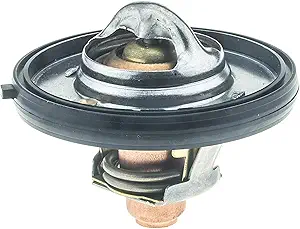 |
| Best Quality Built to a higher standard if you want something more solid | MotoRad 2000-195 High Performance Engine Coolant Thermostat |  |
| Best Value The sweet spot between price and what you get | MotoRad 300-160 Engine Coolant Thermostat |  |
| Best Budget The cheapest option that still gets the job done reliably | MotoRad 200-160 Engine Coolant Thermostat |  |
| Highest Rated A top-rated pick with lots of positive feedback | Gates 33009 Engine Coolant Thermostat |  |
| Most Popular A crowd favorite that many people choose with confidence | MotoRad 420-195 Engine Thermostat |  |
| Best Seller A high-volume bestseller chosen again and again | MotoRad 300-180 Engine Coolant Thermostat | |
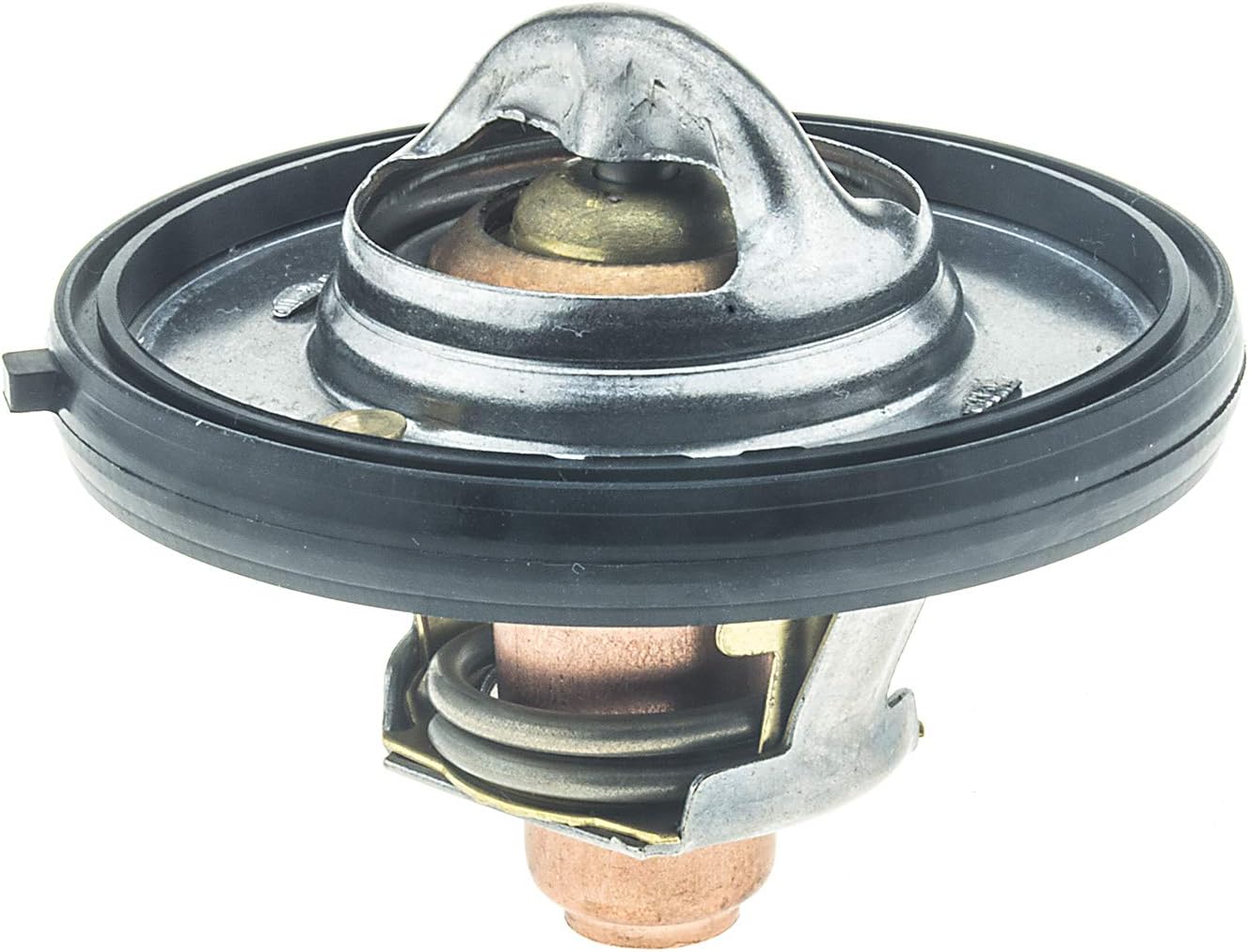
1. MotoRad 7420-195 Fail-Safe Thermostat (195°F)
| Model Name | 7420-195 |
|---|---|
| Temperature Control Type | Thermostatic |
| Control Method | App |
| Material | Metals, High-temperature Resistant Plastics |
The MotoRad 7420-195 is a fail-safe replacement thermostat engineered to protect engines by ensuring coolant continues to circulate if the cooling system begins to fail. In normal operation it functions like a standard 195°F thermostat, opening and closing to regulate engine temperature. Its distinguishing feature is a patented fail-safe piston that locks the valve fully open during overheating, preventing the catastrophic consequences of a thermostat that sticks closed. Installation follows the same procedure as other inline thermostats and it is built from metals and high-temperature plastics with factory-quality testing and calibration. Practical benefits include added protection against engine damage from cooling-system failures and compatibility with select Dodge Dakota applications in the 1997–2004 range when fitment is confirmed. The main trade-offs are that it cannot prevent failures elsewhere in the cooling system and it opens fully only after an overheating event rather than avoiding all overheating, so regular cooling-system maintenance remains important.
Best for: Buyers who want added protection against engine damage from thermostat failure and prefer a drop-in, factory-quality replacement for routine service on a 1997–2004 Dodge Dakota.
Less Ideal for: Those looking for an active electronic thermostat with variable temperature control or users who need to address other failing cooling components rather than the thermostat itself.
- Fail-safe piston locks the valve open during overheating to maintain maximum coolant flow
- Factory-quality testing and calibration for consistent opening temperature
- Direct replacement design for the same installation procedure as standard thermostats
- Only activates when overheating occurs and does not prevent cooling-system component failures
Verdict: Choose this MotoRad fail-safe thermostat for peace of mind because it mechanically locks open during overheating to preserve coolant flow and protect the engine.
2. MotoRad 2000-195 High Performance Engine Coolant Thermostat

| Brand Name | MotoRad |
|---|---|
| Model Name | 2000-195 |
| Item Type Name | Engine Coolant Thermostat |
| Material Type | Copper |
The MotoRad 2000-195 is a high-performance replacement thermostat that manages coolant flow to keep engine temperature in its optimal range. Installed in the coolant housing, it opens and closes based on coolant temperature to reduce warm-up time and prevent overheating under load. The unit is built from copper with a polished finish and MotoRad describes features intended to improve thermal management and fuel efficiency. For a 1997–2004 Dodge Dakota, this thermostat provides a direct-fit replacement designed for factory-style operation and straightforward swap with the stock thermostat. Expect normal driving benefits such as stable operating temperature and faster recovery from high-load conditions. Limitations include limited vehicle-specific documentation in the listing and the need to verify flange and gasket compatibility during installation; no electronic control or adjustable calibration is provided. Routine coolant system maintenance and correct thermostat rating are still required for best results.
Best for: Drivers upgrading a 1997–2004 Dodge Dakota who want a straightforward, higher-grade replacement thermostat to stabilize engine temperatures under towing or spirited driving.
Less Ideal for: If you need an adjustable or electronically controlled thermostat for custom engine tuning or modern engine management integration, choose a different specialty unit.
- Marketed as a high-performance, direct-replacement thermostat for many older domestic vehicles including Dodge models
- Copper construction that supports reliable heat transfer and corrosion resistance
- Simple mechanical design for plug-and-play installation without electronic connections
- Fits common Dodge Dakota engine families in the 1997–2004 era according to fitment listing
- Listing does not provide an explicit temperature rating or degree opening specification
- Fitment requires checking flange/gasket match for specific Dakota engine and year variations
Verdict: For a 1997–2004 Dodge Dakota needing a reliable mechanical upgrade, the MotoRad 2000-195 delivers a durable, direct-fit thermostat that helps maintain steadier operating temperatures under load.
3. MotoRad 300-160 Engine Coolant Thermostat

| Brand Name | MotoRad |
|---|---|
| Model Name | 300-160 |
| Item Type Name | Engine Coolant Thermostat |
| Material Type | Metal |
| UPC | 055644300603 |
The MotoRad 300-160 is a straightforward replacement engine coolant thermostat intended to restore proper engine warm-up and temperature control in compatible vehicles. It installs in the engine cooling system where the thermostat governs coolant flow to the radiator, so it is typically used during routine cooling-system repairs or when the original thermostat fails. The unit is metal construction and presented as a factory-style thermostatic valve; the listing emphasizes durable internals and thermal management benefits such as reduced emissions and improved operating power. Because it is a direct-fit aftermarket part for many classic and late-1990s trucks and cars, it simplifies swaps with stock housings and hoses and helps the engine reach and hold normal operating temperature. Limitations include the need to verify exact fitment for your Dakota year and engine and the absence of detailed installation hardware in the package description, so you may need basic tools and possibly a new gasket or seal. It does not include advanced electronic controls or variable-temperature features beyond standard thermostatic operation.
Best for: A practical buyer looking to replace a failed or aging thermostat on a 1997–2004 Dodge Dakota and restore reliable engine temperature control without modifying the cooling system.
Less Ideal for: Not a good choice for someone wanting adjustable or high-performance temperature control or for installs where a custom thermostat housing or electronic temperature management is required.
- Factory-style thermostatic operation suitable for direct replacement
- Metal construction aimed at durability
- Compatible with many older Dodge and Ford truck applications including late 1990s models
- Helps the engine reach and maintain correct operating temperature for improved performance and emissions
- Fitment varies by year and model so confirming compatibility is required
Verdict: A durable, factory-style replacement thermostat that’s a practical, direct-fit option to restore correct coolant temperature control on compatible late-1990s and early-2000s vehicles.
4. MotoRad 200-160 Engine Coolant Thermostat

| Brand Name | MotoRad |
|---|---|
| Model Number | 200-160 |
| Included Components | Engine Coolant Thermostat |
| Material Type | Copper |
The MotoRad 200-160 is a straightforward replacement engine thermostat intended to restore correct cooling system operation on older trucks and SUVs. It replaces several factory part numbers and is commonly used during routine cooling system service to ensure the engine reaches and holds operating temperature. Constructed with copper and described as a compact, mechanical thermostat, it installs in the same housing as the original unit and requires no electrical hookup. The practical benefits are reliable temperature regulation, broad legacy fitment for many 1970s through early 2000s vehicles, and easy swap-in installation for a heater or overheating fix. Limitations are that this is a conventional mechanical thermostat rather than a modern adjustable or electronic unit, so it does not offer programmable or vehicle-networked control and fitment must be confirmed for 1997–2004 Dodge Dakota variants before buying. For budget repairs it is a low‑complexity, direct replacement option that gets cooling back to spec without extras.
Best for: Buyers repairing or maintaining older Dakota trucks who want a low-cost, factory-style replacement that reliably restores correct coolant temperature without extra features.
Less Ideal for: Shoppers seeking an adjustable, performance, or electronically controlled thermostat or owners who need guaranteed fitment for newer or modified engines should look elsewhere.
- Direct replacement for multiple legacy part numbers, simplifying sourcing for older vehicles
- Copper construction for reliable heat transfer and durability
- Simple mechanical design with no electrical connections makes installation straightforward
- Wide documented fitment across many older trucks and SUVs, increasing the chance it matches classic cooling systems
- Not an adjustable or electronic thermostat so no fine tuning or modern thermal management features
Verdict: If you need an inexpensive, factory-style replacement thermostat to restore proper cooling on an older Dodge Dakota, the MotoRad 200-160 is a practical, no-frills choice.
5. Gates 33009 Engine Coolant Thermostat

| Manufacturer | Gates |
|---|---|
| Item model number | 33009 |
| Position | Front, Rear |
| OEM Part Number | 105000106405, 3012691, 3235347, 3238509, 8983501426 |
The Gates 33009 is a straightforward replacement coolant thermostat built to restore correct engine temperature control on compatible vehicles. It uses factory-controlled calibration so the valve opens and closes at the intended temperature, which helps maintain warm-up speed and consistent operating temperature under different pressure conditions. Typical use is as a direct-fit replacement during routine cooling system service or when a failing thermostat causes overheating or extended warm-up. The machined exterior and listed OEM cross references make it easy to match to the vehicle’s original part. Because it is a single thermostat unit, installation is simple for anyone comfortable with basic cooling system work, but plan to drain some coolant and bleed the system afterward. One limitation is that the part is discontinued by the manufacturer, so long-term availability may be constrained compared with current-production alternatives.
Best for: Buyers who prioritize a reliable, factory-calibrated replacement to restore proper engine temperature control and prefer matching the original part specification.
Less Ideal for: Drivers seeking a newer model with updated features, extended availability, or performance-oriented thermostat options should consider current-production alternatives.
- Factory-controlled calibration for accurate opening and closing
- Direct-match OEM part numbers for easier fitment verification
- Machined exterior indicates solid construction and consistent tolerances
- Simple single-unit replacement reduces installation complexity
- Marked as discontinued by the manufacturer which could limit future availability
Verdict: Choose this Gates thermostat when you want a factory-calibrated, direct-match replacement to reliably restore correct engine temperature control.
6. MotoRad 420-195 Engine Thermostat

| Brand | MotoRad |
|---|---|
| Model Number | 420-195 |
| Item Type | Engine Thermostat |
The MotoRad 420-195 is a straightforward engine thermostat intended as a factory-style replacement for vehicles that use the listed Chrysler/Dodge/Jeep/Mitsubishi part numbers. It installs in place of the original thermostat and regulates coolant flow to maintain engine operating temperature, helping the engine reach and hold proper temperature under normal driving. The listing notes compatibility with many Dodge and related models and cross-references several OEM part numbers, which makes it useful when matching parts by number. Its copper construction implies reliable thermal response and durability compared with lower-grade replacements. This thermostat is simple to fit during routine cooling-system service and works with standard hoses and housings on compatible vehicles. Limitations are that fitment must be verified for your specific year and engine, and the product description does not list an exact temperature rating or gasket/hardware details, so you may need to reuse or purchase a separate gasket or thermostat housing components when installing.
Best for: Buyers who want a risk-conscious, number-matched replacement thermostat for routine maintenance on compatible vehicles and prefer a direct factory-style swap.
Less Ideal for: People seeking a performance thermostat with a nonstandard opening temperature or a complete installation kit including gaskets and hardware.
- Direct replacement that cross-references multiple factory part numbers for easier matching
- Copper material for good thermal conductivity and expected longevity
- Simple, conventional design for straightforward installation during cooling-system service
- Widely available fitment for many Dodge and Chrysler models of the era
- Manufacturer listing does not specify the thermostat opening temperature
- Hardware and gasket details are not included and may require separate purchase
Verdict: Choose this MotoRad thermostat when you need a number-matched, factory-style replacement for routine cooling-system maintenance on compatible Dodge-era vehicles.
7. MotoRad 300-180 Engine Coolant Thermostat
| Material Type | Stainless Steel |
|---|---|
| Mounting Type | In-line |
| Temperature Control Type | Thermostatic |
| Included Components | Engine Coolant Thermostat |
The MotoRad 300-180 is a direct-replacement engine coolant thermostat built from stainless steel with a brushed finish and a mechanical, thermostatic valve. It installs inline to regulate coolant flow and maintain normal engine operating temperature, reducing warm-up time and helping the cooling system run within its designed range. The unit is presented as an OEM-spec replacement and is compatible with many older Ford, Dodge, Chevy, GMC, and Jeep applications; for the 1997-2004 Dodge Dakota it provides a straightforward swap to restore proper temperature control. Notable features include stainless-steel construction for corrosion resistance and a simple mechanical design that does not require electronics or calibration. Because it is a conventional thermostat there are no smart features or backlight, but that simplicity also means fewer failure modes and easier diagnostics. Buyers should confirm exact fitment for their Dakota year and engine before ordering since the listing covers many vehicles and part variants.
Best for: A buyer who wants a reliable, factory-style replacement to restore proper cooling performance on an older pickup and prefers a low-risk, low-maintenance part.
Less Ideal for: Drivers seeking adjustable, performance-oriented thermostats or integrated electronic temperature control should look at dedicated performance or digital thermostat options.
- Stainless steel construction resists corrosion for longer service life
- Mechanical thermostatic design requires no electronics and is easy to diagnose
- Marketed as an OEM-spec replacement for many older trucks and SUVs
- Simple inline mounting for straightforward installation
- Fitment list covers many vehicles so buyers must verify year and engine compatibility
- No electronic control or temperature readout for adjustable operation
Verdict: Choose the MotoRad 300-180 if you want a straightforward, factory-style stainless steel replacement thermostat to reliably restore normal cooling on an older Dakota.
Choosing the Right 1997-2004 Dodge Dakota Thermostat: Key Factors to Consider
Opening Temperature
Opening temperature determines when the thermostat begins to allow coolant flow through the radiator and therefore sets the engine's warm-up characteristics and steady-state temperature. A thermostat that opens too early will keep the engine running cool, reducing efficiency and cabin heat; one that opens too late can cause extended high temperatures and potential overheating.
For the 1997-2004 Dodge Dakota, match the replacement thermostat's opening temperature to the vehicle's factory specification or a proven equivalent. Consider whether you want the factory spec for normal driving or a slightly different opening temperature if you have modifications that change heat load, but be cautious about deviating far from the original value because it affects emissions systems and heater performance.
Flow Rate and Bypass Behavior
How the thermostat manages flow before and after it opens affects engine temperature stability. Some thermostats have larger bypass passages that maintain controlled circulation at warm-up, while others restrict flow more tightly until fully open. Restricted flow can speed warm-up but may create hot spots if the vehicle is under heavy load and the thermostat sticks.
Evaluate published flow characteristics if available and consider thermostats designed to match the Dakota's coolant routing. Good bypass behavior helps preserve even cylinder temperatures during transitional driving and reduces stress on the water pump and radiator.
Material and Corrosion Resistance
Thermostats are made from various metals and elastomers; these materials influence longevity in a cooling system that may experience fluctuating temperatures and different coolant chemistries. Corrosion-resistant housings and stainless or plated valve components resist pitting and sticking, which are common failure modes in older vehicles.
Choose thermostats with durable metals and high-quality seals to minimize the risk of leaks at the housing or valve sticking from corrosion. Where rubber components are used, confirm they tolerate typical coolant formulations to avoid premature deterioration.
Gasket and Seal Compatibility
Many thermostat replacements require a new gasket, O-ring, or seal at the thermostat housing to prevent coolant leaks. Using the correct gasket thickness and material is essential to maintain proper seating and avoid leaks that can lead to air ingress and overheating.
For the 1997-2004 Dodge Dakota, check whether the thermostat comes with the needed seal or whether you will need a separate gasket kit. Also consider the condition of the housing surface; a warped or pitted housing may need resurfacing or replacement to ensure a reliable seal.
Thermal Cycling Durability
A thermostat experiences repeated heating and cooling cycles that can fatigue springs, valves, and seals. Components that resist thermal fatigue will maintain consistent opening temperatures and avoid sticking after many miles.
Look for thermostats with robust spring mechanisms and tested thermal cycling performance. While long-term test data may not always be published, construction quality and material choices are reasonable proxies for expected durability in the Dakota's operating environment.
Ease Of Installation And Serviceability
Installation factors such as whether the thermostat is a drop-in replacement, whether it includes a gasket, and how readily accessible the housing is on the 1997-2004 Dakota affect the time and tools required. A design that allows straightforward orientation and secure mounting reduces the chance of installation error.
Consider whether additional parts like new bolts, a housing gasket, or coolant will be needed. Also account for the common workshop steps on this Dakota range, such as draining a portion of coolant and bleeding air after installation. Choosing a thermostat compatible with standard service procedures simplifies replacement and reduces the potential for follow-up issues.
Common Thermostat Failure Symptoms
Recognizing thermostat failure early helps prevent more serious cooling-system damage. Classic signs include the engine overheating during normal driving, inconsistent temperature gauge readings, heater output that is weak or fluctuates, and the engine taking an unusually long time to reach operating temperature.
Other symptoms specific to thermostat malfunction include rapid temperature swings on the gauge when coming to a stop or idling, coolant leaks at the thermostat housing area, and unusually high or low heater box temperatures. Some electrical issues with temperature sensors can mimic thermostat problems, so confirm thermostat behavior before replacing other components.
- Engine overheats only after long drives or heavy load
- Engine runs cold or never reaches normal temperature
- Fluctuating cabin heat output
- Coolant seepage at the thermostat housing
How To Test A Thermostat On The Dakota
There are safe, practical checks you can do before removing the thermostat. With the engine cold, remove the radiator cap only if cool and start the vehicle. Watch the upper radiator hose and temperature gauge as the engine warms. The upper hose should remain relatively cool until the thermostat begins to open, then it will heat up as coolant flows to the radiator.
For a more controlled test, some owners use an inline infrared thermometer to monitor valve or housing temperature while the engine warms. Another diagnostic is to carefully remove the thermostat and perform a boiling-water bench test to see whether it opens at the specified temperature. Always follow safety precautions when working with hot coolant and never force the engine to overheat for a test.
- Observe hose temperature changes during warm-up
- Check for steady gauge movement rather than erratic swings
- Bench test in hot water to verify opening temperature
Thermostat Housing And Gasket Considerations
The thermostat housing on the Dakota can develop leaks from a degraded gasket surface or from corrosion. When replacing the thermostat, inspect the housing for pitting, cracks, or warped surfaces. A proper seal requires a flat, clean mating surface and the correct gasket material.
If the housing shows wear, plan for either resurfacing or replacement and have the appropriate gasket or seal on hand. Tightening bolts to the correct torque and following the recommended sequence prevents distortion that can cause future leaks.
- Inspect housing mating surface for corrosion or warping
- Use the correct gasket material and thickness
- Torque bolts to spec to avoid crushing the gasket
Cooling System Maintenance When Replacing The Thermostat
Replacing the thermostat is a good opportunity to inspect other cooling-system components. Check radiator condition, hose integrity, hose clamps, and coolant level and quality. Old or contaminated coolant can accelerate corrosion and damage seals.
Bleeding air from the system after installation is critical to prevent hotspots and to ensure accurate temperature readings. Follow the Dakota's recommended bleeding procedure and confirm the heater delivers consistent warmth after the job is complete.
- Inspect and replace worn hoses or clamps
- Flush or top up coolant if contaminated or low
- Properly bleed the cooling system to remove air pockets
When To Replace The Thermostat Versus Other Repairs
Not all temperature issues are caused by the thermostat. A failing water pump, clogged radiator, collapsed hose, or faulty temperature sensor can produce similar symptoms. If tests show the thermostat is opening at the correct temperature and flow is adequate, expand troubleshooting to these other areas.
If the thermostat is old, exhibits sticking behavior, or if the housing is leaking, replacement is typically a simple and cost-effective first step. Combine the thermostat swap with routine cooling-system checks to avoid repeated shop visits.
- Confirm thermostat opening temperature before replacing other parts
- Check water pump and radiator condition if overheating persists
- Address housing leaks and gasket issues during thermostat replacement
Still looking for the perfect fit?
Select your Dodge Dakota configuration to see the most relevant Thermostats recommendations
How We Chose the Best 1997-2004 Dodge Dakota Thermostat
We applied vehicle-specific filters and practical performance criteria to build this list for the 1997-2004 Dodge Dakota. First, every candidate was checked for direct fitment to the specified year range and common engine configurations for this vehicle to avoid fitment surprises. We prioritized thermostats with documented opening temperatures matched to factory specifications or widely accepted performance alternatives.Key evaluation criteria included opening temperature accuracy, flow rate and bypass behavior, construction materials and corrosion resistance, and thermal cycling durability. We also considered compatibility with stock thermostat housings and the likelihood of requiring gasket or seal replacement. Ease of installation and the availability of service parts such as gaskets or O-rings were factored in as well.We excluded any options that required nonstandard modifications to the cooling system, or that lacked clear fitment information for the 1997-2004 Dakota scope. Listings without specification of opening temperature or material construction were also removed. The result is a set of thermostats chosen for reliable temperature control, durable construction, and straightforward installation for this Dodge Dakota range.
Our full evaluation process is outlined in our review methodology.
FAQ
What are common signs of a bad thermostat on my Dakota?
Common signs include the engine running unusually cold, overheating, fluctuating temperature gauge readings, weak or inconsistent cabin heat, and coolant leaks around the thermostat housing. These symptoms often point to a thermostat that is stuck open or closed.
How do I test the thermostat without removing it?
You can monitor hose and gauge behavior during warm-up. The upper radiator hose should stay cool until the thermostat opens, then warm quickly. An infrared thermometer can help observe temperature changes. For definitive results, a bench boiling test after removal is most reliable.
Should I replace the gasket when changing the thermostat?
Yes. Replacing the gasket or O-ring is recommended to ensure a proper seal and prevent leaks. Old gaskets can harden or deform, leading to seepage that may cause air ingress and overheating.
Can a thermostat cause my Dakota to overheat only at idle?
Yes. A thermostat that is partially stuck or has poor bypass flow can allow heat to build at low speeds or idle when airflow through the radiator is reduced. Confirm thermostat operation and check for other issues like fan operation and coolant flow.
Is it worth testing the thermostat on a workbench?
A bench test is a straightforward way to verify the opening temperature and movement. It removes variables like sensors and air in the system, making it useful when symptoms are ambiguous or when you need to confirm a thermostat's condition.
How long should a replacement thermostat last in a 1997-2004 Dakota?
Lifespan depends on coolant condition, maintenance, and materials. A properly installed, quality thermostat with clean coolant and good seals can last many years, while corrosion or contaminated coolant can shorten service life.
Final Verdict
For the 1997-2004 Dodge Dakota, prioritize a thermostat that matches the factory opening temperature, offers reliable flow characteristics, and uses durable materials that resist corrosion. Inspect the thermostat housing and replace seals during the swap to prevent leaks and air intrusion. Balance the desire for faster warm-up against the need for stable operating temperature to protect engine components. With attention to fitment, installation, and cooling-system condition, you can restore consistent temperature control and avoid repeat repairs.
Explore More:
- Check out all Dodge Dakota parts & accessories
- Explore Thermostats Maintenance & Repair Guides
- Explore Cooling System
- Browse all Auto Parts
