

Note: This article contains affiliate links. If you click on these links and make a purchase, I may earn a small commission at no extra cost to you. This helps support my research and content. Read my full affiliate disclosure here.
If your 1995-2000 Chevrolet Tahoe is showing rough idle, coolant loss, or poor throttle response, the intake manifold is a common place to look. Picking the right intake manifold replacement matters because this part impacts sealing between coolant and intake passages, maintains correct vacuum for engine control, and sets the foundation for reliable air delivery to each cylinder.This guide shortlists seven top intake manifolds for the 1995-2000 Tahoe, focusing on fitment, sealing durability, and ease of installation. We evaluate candidate manifolds against practical buyer concerns—serviceability, material construction, and how the part affects engine idle, coolant integrity, and emissions. Read on to understand what to expect and which tradeoffs matter for your Tahoe before you begin repairs or upgrades.
Looking for other parts? See all Chevrolet Tahoe parts & accessories.
Top Picks at a Glance
| Best Overall The best all-around choice for most situations | GM Genuine Parts 12638038 Intake Manifold Assembly |  |
| Best Quality Built to a higher standard if you want something more solid | GM Performance Parts 24502592 Aluminum Intake Manifold |  |
| Best Value The sweet spot between price and what you get | GM Genuine Parts 12639087 Intake Manifold Assembly | 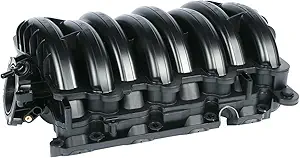 |
| Best Budget The cheapest option that still gets the job done reliably | Baxzl Upper Intake Manifold for 1996-2000 5.7L V8 Vehicles |  |
| Highest Rated A top-rated pick with lots of positive feedback | GM Genuine Parts 25200449 Intake Manifold |  |
1. GM Genuine Parts 12638038 Intake Manifold Assembly

| Brand | GM GENUINE PARTS |
|---|---|
| Manufacturer | ACDelco |
| Item model number | 12638038 |
| Exterior | Machined |
This GM Genuine Parts intake manifold is a direct-fit style replacement built to factory-quality standards and marketed as a verified GM component. It is typically used during engine repairs or rebuilds to restore proper air distribution to the intake ports and maintain factory performance and emissions. The unit arrives machined and ready to install, matching the original part number for straightforward swap-in installation where fitment matches. Using a genuine-manufacturer part reduces fitment guesswork and helps preserve factory drivability, idle quality, and fuel economy compared with poorly matched aftermarket manifolds. The practical downsides are that this is a stock replacement rather than a performance upgrade and it carries the dimensions and weight of an OEM-style cast manifold, so it will not reduce intake restrictions or add power on its own. Buyers should plan for a dealer-style replacement procedure and expect standard compatibility checks for year and engine variant before ordering.
Best for: Buyers who want a reliable, factory-quality replacement manifold to restore original drivability and emissions on a GM V8-powered Tahoe from the 1995–2000 era and prioritize correct fit and long-term dependability.
Less Ideal for: Enthusiasts seeking a performance-oriented intake for increased airflow or power gains should look at aftermarket performance manifolds instead.
- Factory-validated fit and form for GM applications which simplifies installation
- Machined exterior which indicates ready-to-install finish
- Designed to meet GM engineering and testing standards for durability and reliability
- Not designed to increase engine performance or airflow beyond factory specifications
Verdict: Choose this GM Genuine Parts manifold when you want a direct, factory-quality replacement that restores original fit, function, and reliability for a 1995–2000 Chevrolet Tahoe.
2. GM Performance Parts 24502592 Aluminum Intake Manifold

| Model | Intake Manifold |
|---|---|
| Manufacturer | GM Performance |
| Exterior | Machined |
| Item model number | 24502592 |
This GM Performance Parts intake manifold is a factory-quality aluminum dual-plane unit built for LT1 1992-96 engines with a spread/square bore layout and a distributor hole. It replaces the factory manifold to restore reliable airflow and bolt-on fitment on appropriately equipped V8s, and its machined exterior and natural finish make it a durable drop-in for a performance rebuild or refresh. In use it improves throttle response in the midrange thanks to the dual-plane runner geometry, and it maintains compatibility with carbureted setups that require the spread/square bore spacing. Installation is straightforward for a competent DIYer or shop using standard intake gaskets and hardware, though any changes to fuel or ignition systems will need tuning afterward. This part is focused on drivability and reliability rather than radical top-end gains, so racers seeking maximum high-rpm power may prefer a dedicated single-plane or performance-specific manifold instead.
Best for: Enthusiasts rebuilding or upgrading a 1995-2000 Tahoe with an LT-series V8 who prioritize improved midrange response and reliable factory-fit replacement parts.
Less Ideal for: Drivers seeking a manifold specifically tuned for high-rpm horsepower or race applications should consider a single-plane or race-oriented intake instead.
- Factory-quality aluminum construction for durability and consistent fit
- Dual-plane runner design that enhances midrange torque and throttle response
- Machined exterior finish for a clean appearance and precise sealing
- Direct replacement for LT1 1992-96 applications with distributor provision
- Designed for midrange drivability rather than maximum high-rpm power
Verdict: A durable, factory-style aluminum dual-plane intake that restores and sharpens midrange performance for LT-series V8s in 1995-2000 Tahoe builds.
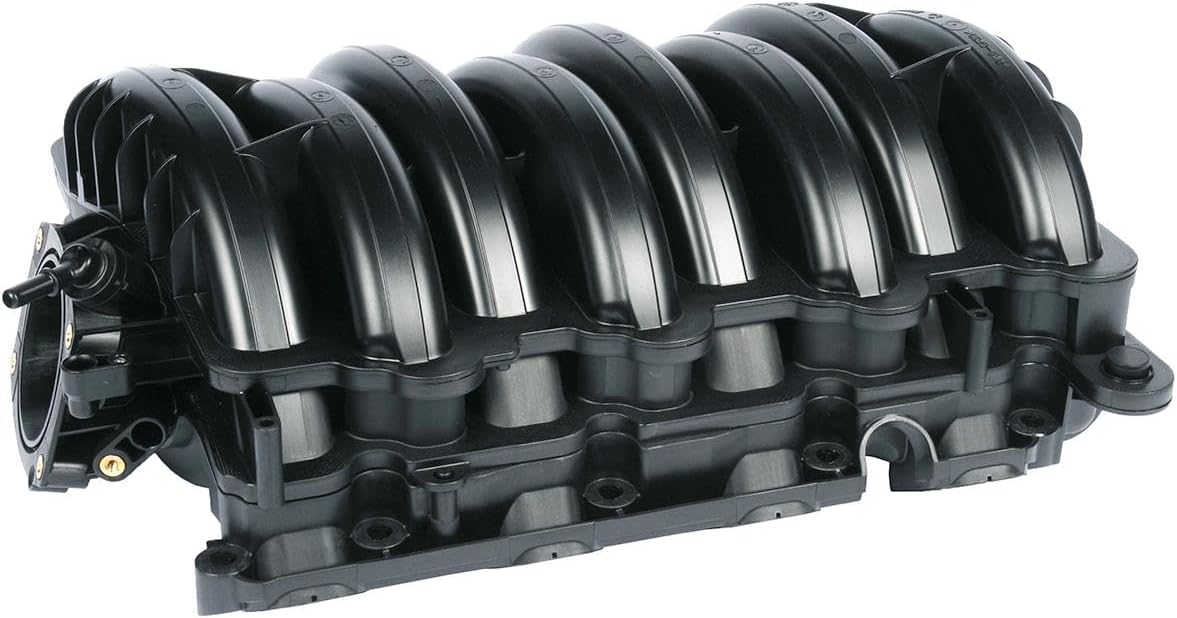
3. GM Genuine Parts 12639087 Intake Manifold Assembly
| OEM Part Number | 12639087 |
|---|---|
| Model | Intake Manifold Assembly |
| Exterior | Machined |
| UPC | 808709067702 |
This GM Genuine Parts intake manifold is a direct-fit replacement designed and tested to GM standards for reliable fit, form, and function. It installs where the factory unit sat and is intended for routine repairs or restoring a stock intake path on compatible GM V8 engines. The part is machined for a precise mating surface and produced to the same specifications used by General Motors, which helps maintain factory performance, emissions, and idle quality after replacement. Because it is a factory-style piece, you get predictable vacuum routing and compatibility with stock sensors and gaskets. It does not offer performance upgrades such as larger runners or port matching, so builders seeking more airflow or horsepower gains will need a performance manifold instead. For a practical repair or an engine rebuild that prioritizes reliability and correct fitment, this manifold is a straightforward choice that reduces fitment guesswork and simplifies installation.
Best for: Buyers who want a dependable, factory-spec replacement to restore original drivability and emissions on a 1995–2000 Chevrolet Tahoe without chasing performance gains.
Less Ideal for: Anyone building a performance engine or seeking measurable horsepower gains should choose a dedicated performance intake manifold instead.
- Factory-quality manufacturing and machining for reliable fit
- Designed and validated to General Motors specifications
- Direct replacement that preserves factory vacuum and sensor compatibility
- Reduces installation uncertainty compared with aftermarket alternatives
- Not designed to increase airflow or improve engine performance beyond stock
Verdict: Choose this GM Genuine Parts intake manifold when you need a dependable, factory-spec replacement that ensures correct fitment and restores original engine operation.
4. Baxzl Upper Intake Manifold for 1996-2000 5.7L V8 Vehicles

| Position | Upper |
|---|---|
| Manufacturer | Baxzl |
| Exterior | Machined |
| Manufacturer Part Number | JQQG-04K0-15181 |
This upper intake manifold from Baxzl is a direct-replacement style part built to match factory fit and function for a range of 1996–2000 GM 5.0L and 5.7L V8 engines. It is typically used to replace a cracked or leaking intake that causes poor idle, vacuum leaks, or coolant/oil contamination in the intake plenum. The unit is machined and inspected before shipping to offer consistent mating surfaces and straightforward installation for a mechanically inclined DIYer or a professional installer. The main benefits are low cost compared with dealer parts and broad coverage across late 1990s Chevy and GMC trucks and SUVs. Buyers should note this is a replacement aftermarket part rather than a performance upgrade, so expect factory-equivalent airflow and no power gains. Also a professional install is recommended to ensure correct torque and gasket sealing, and the six-month support window is modest compared with longer warranties from some manufacturers.
Best for: Buyers looking to fix a leaking or damaged intake on a late-1990s GM truck or SUV on a tight budget who prioritize correct fit and affordable replacement over performance gains.
Less Ideal for: People seeking an aftermarket performance intake or long-term warranty backing should consider higher-end or branded performance options instead.
- Engineered to match original fitment for many 1996–2000 GM 5.0L and 5.7L engines
- Machined exterior surfaces for consistent sealing and straightforward installation
- Lower cost alternative to dealer replacement parts
- Manufacturer inspects parts before shipping to reduce obvious defects
- Aftermarket replacement with no performance improvement over factory manifold
- Limited six-month support period for quality issues
Verdict: A cost-effective, factory-fit upper intake manifold replacement for late-1990s GM 5.0L and 5.7L trucks and SUVs when you need a budget-friendly fix.
5. GM Genuine Parts 25200449 Intake Manifold

| Manufacturer | ACDelco |
|---|---|
| Brand | GM GENUINE PARTS |
| Model | 25200449 |
| Exterior | Machined |
This GM Genuine Parts intake manifold is a direct-replacement unit built to GM specifications for fit, form, and function. It routes and distributes the intake charge evenly to each cylinder and is intended as a like-for-like replacement for the factory component. Typical installation is a bolt-on swap when replacing a worn or cracked manifold during routine engine repair or maintenance. Notable features include machined exterior surfaces and GM validation that aims to match original factory tolerances. The practical benefits are straightforward: it reduces the uncertainty of fitment and sourcing, supports predictable engine performance, and avoids the variability sometimes found with aftermarket generic units. Important limitations are that it only replaces the manifold itself and does not include gaskets, sensors, or related hardware, so plan to buy a complete gasket/seal kit and follow torque specs during installation. Buyers should also verify vehicle compatibility before ordering since fitment is specific to GM applications.
Best for: Buyers who prioritize a reliable, factory-matching replacement over aftermarket alternatives and want a straightforward direct-fit part for routine engine repairs on compatible GM trucks from the era.
Less Ideal for: Shoppers seeking performance upgrades, port-matching modifications, or a complete kit with gaskets and sensors included should consider other options.
- Factory-validated design that matches GM specifications for fit and function
- Machined exterior finish signaling consistent manufacturing quality
- Direct-replacement fit intended to simplify installation and reduce fitment issues
- Backed by GM Genuine Parts lineage for parts traceability and consistency
- Does not include gaskets or installation hardware, requiring additional purchases
Verdict: Choose this GM Genuine Parts intake manifold when you want a factory-quality, direct-fit replacement that minimizes fitment risk and restores original engine behavior.
Choosing the Right 1995-2000 Chevrolet Tahoe Intake Manifold: Key Factors to Consider
Material and Casting Quality
The intake manifold material directly affects heat tolerance, susceptibility to warping, and longevity. Aluminum manifolds offer better heat dissipation and resist the plastic cracking that affected some later-era components, but they can transfer more heat into the intake charge unless properly insulated. Castings should show consistent wall thickness and smooth intake port runners; rough or porous casting surfaces increase turbulence and can trap deposits.
For the 1995-2000 Tahoe, look for manifolds with solid gasket surfaces and visible machining where ports mate to the head. Good material quality reduces the chance of leakage over time and tolerates the temperature cycles common on V8 engines in heavier vehicles. Inferior materials or thin castings can lead to warpage that causes vacuum or coolant leaks requiring costly rework.
Sealing Design and Gasket Interface
How the manifold seals to the cylinder heads and around coolant passages is critical for preventing cross-contamination of coolant and intake air. The gasket interface geometry, raised bosses for bolts, and presence of dedicated coolant passage seals determine long-term reliability. A design that clamps evenly avoids localized compression and reduces the chance of gasket blowouts.
On the Tahoe, some failures originate where coolant passages and intake runners intersect, so pay attention to whether the manifold uses integrated ridges or separate sealing surfaces for those passages. Gasket material compatibility and the recommended torque sequence are also part of a good sealing strategy, because uneven torque can warp the manifold flange and cause leaks.
Intake Port Alignment and Runner Finish
Runner shape, length, and how well the ports align with the cylinder heads influence idle quality and torque delivery. Poor alignment can create turbulence and uneven air distribution that shows up as rough idling or cylinder imbalance. Smooth, well-polished runner surfaces reduce deposit buildup and help maintain consistent airflow.
For this Tahoe range, correct port alignment also simplifies installation of the throttle body, sensors, and EGR components. Consider whether the manifold maintains stock runner geometry or intentionally modifies it for torque or top-end power. Either approach is valid, but you should match the manifold's intent to how you use the vehicle.
Compatibility With Stock Sensors and Accessories
The manifold must accommodate the Tahoe's original sensor locations, vacuum fittings, throttle-body bolt patterns, and any required EGR or PCV plumbing. If the manifold moves or omits ports, you may need adapters or should re-route hoses, which complicates installation. Ensure sensor bosses are present and correctly located so stock connectors reach without strain.
Practical compatibility also covers spacer clearances around the distributor, fuel rails, and ignition components. In tight engine bays, a manifold that requires repositioning nearby components increases labor time and the chance for installation errors.
Serviceability and Installation Accessibility
A design that eases gasket replacement and provides access to mounting bolts shortens repair time and reduces the chance of damaging nearby components. For the 1995-2000 Tahoe, consider whether the manifold allows access to the rear bolts and whether thermostat housings, linkage, or wiring harnesses must be removed for installation.
Manifolds that integrate common fasteners or use longer studs for reinstallation can save a lot of labor. Also check whether the design requires specialized tools for torqueing or alignment; simpler installation reduces the risk of improper sealing or stripped hardware during reassembly.
Impact on Engine Performance and Driveability
Different manifolds can subtly change torque characteristics and throttle response. A manifold designed to prioritize low-end torque can improve towing and everyday drivability, while one with shorter, more direct runners may favor high-rpm power. Consider how you use the Tahoe and choose a manifold whose airflow behavior matches that use.
Also factor in whether the manifold design affects vacuum sources used for brakes or emissions controls. Unexpected changes in vacuum behavior can manifest as idle issues or degraded control system performance if not addressed during installation.
Common Intake Manifold Symptoms On 1995-2000 Tahoe
Several recurring symptoms point to intake manifold issues on these Tahoe model years. Rough idling, misfires at low load, or a persistent vacuum leak code are common indicators. Coolant loss without visible external leaks can signal a coolant-to-intake seal failure, which is especially important to diagnose quickly to avoid engine overheating.
Another sign is visible coolant residue near the manifold gaskets or coolant smell from the intake area. Drivers may also notice fluctuating idle speed or poor fuel economy when airflow to certain cylinders is restricted by a cracked or warped manifold. Early detection reduces repair scope and prevents collateral damage to sensors or the intake tract.
- Rough idle or low-speed misfire
- Coolant loss with no external leak
- Vacuum leak codes or poor idle stability
- Visible coolant residue or smell near intake
- Degraded fuel economy or uneven throttle response
Diagnosing An Intake Manifold Leak
Start with a visual inspection: look for coolant drips, crusted residue, and gasket material that appears crushed or deteriorated. Pressure-testing the cooling system can reveal leaks that only show under boost or engine pressure. A smoke test of the intake tract is a useful way to find vacuum leaks around gasket surfaces or small cracks in the manifold.
When diagnosing vacuum leaks, listen for hissing near the manifold while the engine idles and confirm with a hand-held vacuum gauge. For leaks that affect coolant passages, monitoring coolant level with the system cold and then pressurized helps locate the leak path. Keep in mind that small leaks can be intermittent and may only appear under thermal cycling.
- Visual inspection for residue or cracked gaskets
- Cooling system pressure test for coolant passage leaks
- Smoke test for vacuum leaks
- Hand-held vacuum gauge assessment
- Monitor coolant level across thermal cycles
Gasket Replacement Tips And Torque Considerations
Replacing intake manifold gaskets on the 1995-2000 Tahoe requires careful surface preparation. Clean mating surfaces thoroughly and remove old gasket material without gouging or changing the flange flatness. Use a proper torque sequence and follow recommended torque specs to avoid warping the manifold flange; progressive tightening in stages ensures even clamping.
Bolt or stud condition matters. Replace corroded fasteners and inspect stud threads for wear before reassembly. If a service manual specifies sealant or threadlocker in certain locations, apply it carefully and only where recommended. Correct torque and clean hardware reduce the risk of future leaks and improve long-term sealing reliability.
- Thoroughly clean mating surfaces before installing new gaskets
- Use progressive torque sequence and correct torque specs
- Replace corroded bolts or studs
- Apply sealants only where specified
- Re-check torque after initial heat cycles
Maintenance: Cleaning And Preventing Deposit Buildup
Keeping the intake manifold and associated passages clean helps preserve even airflow and prevents localized lean or rich conditions. When removing the manifold, clean combustion-chamber adjacent ports with appropriate cleaners and brushes, taking care not to introduce debris into intake runners. Clean runner surfaces reduce the chance of sticky throttle response and uneven cylinder fill.
Regular maintenance of PCV and EGR systems reduces deposit formation inside the manifold. Replace deteriorated hoses and seals promptly and inspect vacuum fittings during routine service. Preventative maintenance extends the service life of the manifold and lowers the chance of needing unplanned repairs.
- Clean runners and gasket faces during service
- Inspect and replace PCV and EGR hoses as needed
- Avoid harsh abrasives that damage port surfaces
- Use quality gaskets to limit oil and coolant intrusion
- Monitor vacuum fittings for cracking or looseness
Performance Upgrade Considerations For The Tahoe
If you are considering an intake manifold performance upgrade, align the choice with how the Tahoe is driven. Modifications that increase high-rpm airflow may not help towing or low-speed torque and can introduce fitment complexities with stock components. A performance-focused manifold should still retain correct sensor bosses and vacuum ports for reliable engine control.
Expect that upgrades may require tuning to optimize fuel delivery and ignition timing. If you plan to add other induction or fueling changes, consider how the manifold integrates with those components. For street-driven Tahoes, moderate enhancements that maintain good low-end response usually yield the most noticeable real-world benefits.
- Match manifold airflow characteristics to vehicle use
- Ensure sensor and vacuum port compatibility
- Plan for possible tuning after major airflow changes
- Consider combined upgrades across induction and fueling
- Prioritize drivability for street and towing applications
Still looking for the perfect fit?
Select your Chevrolet Tahoe configuration to see the most relevant Intake Manifolds recommendations
How We Chose the Best 1995-2000 Chevrolet Tahoe Intake Manifold
We focused on attributes that matter specifically for the 1995-2000 Chevrolet Tahoe and excluded units that require unspecified machine work or unclear fitment notes. Our selection filters emphasized correct flange alignment for the V8 intake ports, verified coolant passage sealing, and compatibility with the stock throttle-body and EGR routing used on these model years. We prioritized manifolds made from materials that resist warpage under heat cycling and designs that simplify intake manifold gasket replacement without extensive engine disassembly.Evaluation criteria included: material and casting quality, coolant-to-intake sealing design, intake port alignment and finish, compatibility with OEM sensor and throttle-body locations, and overall ease of installation including hardware access. We also considered reported longevity and whether the design reduced common vacuum leak points. Exclusions: manifolds that required custom machining, those with unclear or aftermarket-only sensor locations, and any listings that did not provide torque or gasket sealing recommendations. The goal was to surface options that restore reliable operation and simplify service on the 1995-2000 Tahoe.
Our full evaluation process is outlined in our review methodology.
FAQ
What are the typical symptoms of an intake manifold gasket failure on a 1995-2000 Tahoe?
Common signs include rough idle, coolant loss with no visible external leak, and vacuum leak codes. You may also notice a sweet coolant smell near the intake or fluctuating idle speed.
Can I drive the Tahoe with a small intake manifold leak?
Driving briefly is possible, but it is not recommended. Small leaks can allow coolant into the intake or cause vacuum problems that worsen engine control and may lead to overheating or more extensive damage.
How do I know if the intake manifold needs cleaning or replacement?
Visual inspection during service reveals carbon buildup and warped flanges. If the manifold is cracked, warped, or repeatedly leaks after gasket replacement, replacement is the better option. Moderate deposits can often be cleaned if the flange surfaces remain flat.
Are there special torque specs I should follow for intake manifold bolts?
Yes, follow the factory torque sequence and progressive torque values for the intake manifold. Using the correct specs prevents flange distortion and uneven sealing. If you do not have the manual, consult a reliable repair guide for the exact values.
Will upgrading the intake manifold improve towing performance?
It depends on the manifold design. Options that preserve or enhance low-end torque can help towing, while high-rpm oriented manifolds may not. Choose a manifold whose airflow profile matches towing needs.
How can I check for an intake manifold vacuum leak at home?
Listen for hissing at idle and use a hand-held vacuum gauge to check for steady vacuum. You can also perform a smoke test or carefully spray a safe carb cleaner around gasket seams to see if idle changes, indicating a leak.
Final Verdict
For the 1995-2000 Chevrolet Tahoe, prioritize manifolds that restore reliable coolant-to-intake sealing while matching the vehicle's intended use. Focus on material quality, correct port alignment, and a sealing design that minimizes vacuum and coolant leak risk. Balance performance intent against serviceability; for daily driving and towing, favor options that preserve low-end torque and sensor compatibility.Ultimately, pick a manifold that reduces installation complexity and addresses the failure mode you observed. Correct gasket installation and proper torqueing are as important as the manifold choice in achieving long-term reliability.
Explore More:
- Check out all Chevrolet Tahoe parts & accessories
- Explore Intake Manifolds Maintenance & Repair Guides
- Explore Engine
- Browse all Auto Parts
