

Note: This article contains affiliate links. If you click on these links and make a purchase, I may earn a small commission at no extra cost to you. This helps support my research and content. Read my full affiliate disclosure here.
If your Ford Focus is running rough, using more fuel than expected, or showing an emissions-related fault, the oxygen sensor can be a likely cause. Choosing the right Ford Focus oxygen sensor matters because fitment, response speed, and durability affect drivability, emissions, and fuel economy in everyday use. This guide highlights the top shortlisted options for this vehicle and explains the criteria we used to evaluate them, including fitment accuracy and sensor response characteristics. Read on to understand what to expect and how the picks were chosen.
Looking for other parts? See all Ford Focus parts & accessories.
Top Picks at a Glance
| Best Reviewed A top-rated pick with lots of positive feedback | JADRANCI Upstream Oxygen Sensor F1FZ-9F472-A (Replacement) |  |
| Most Popular A crowd favorite that many people choose with confidence | BOSCH 15753 Premium Fit Oxygen Sensor |  |
| Best Quality Built to a higher standard if you want something more solid | higherbro 3-Pack Oxygen O2 Sensors (Upstream, Center, Downstream) for 2003–2007 Ford Focus 2.0L/2.3L |  |
| Best Budget The cheapest option that still gets the job done reliably | BELKEBIR Oxygen Sensor 15717 – Front/Rear Replacement (2-pack) |  |
| Most Sold A high-volume bestseller chosen again and again | QIJIAUTO O2 Oxygen Sensor Kit (Upstream and Downstream) for Ford Focus |  |
| Best Value for Money The sweet spot between price and what you get | Bosch 17358 Premium Original Equipment Oxygen Sensor |  |
| Best Overall The best all-around choice for most situations | Bosch Premium Original Equipment Oxygen Sensor (model 17321) |  |
1. JADRANCI Upstream Oxygen Sensor F1FZ-9F472-A (Replacement)
| Compatible vehicle | Ford Focus 1.0L 2015-2018 |
|---|---|
| Position | Upstream oxygen sensor |
| Manufacturer | Jadranci |
| Manufacturer part number | F1FZ-9F472-A |
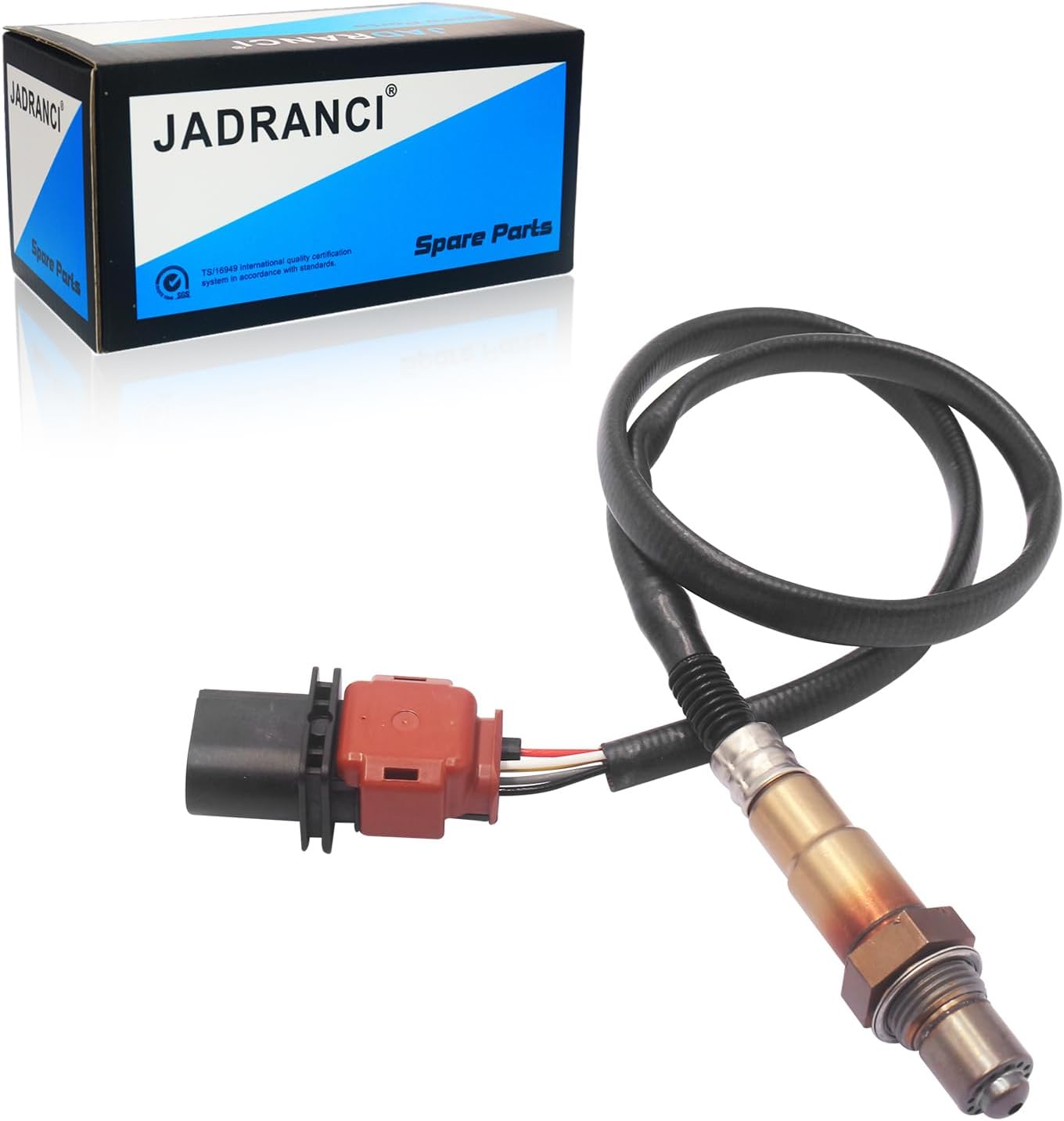
This upstream oxygen sensor from JADRANCI is a direct-fit replacement listed for the Ford Focus 1.0L (2015–2018) and is intended to restore accurate air-fuel monitoring for the engine control module. It installs in the upstream position to measure exhaust oxygen before the catalytic converter so the PCM can adjust fuel trim and maintain emissions compliance. The listing highlights matching part numbers and provides visual comparisons to help confirm fit. Buyers report straightforward installs when access allows and that the sensor cleared efficiency-related engine codes and returned normal operation. The product emphasizes durability and manufacturer testing, and the seller offers a 12-month return service. Limitations are typical of aftermarket sensors: installation can be tight in some engine bays and may require a proper anti-seize and correct torque to avoid thread or harness issues; professional installation is recommended if you lack experience. If exact part-number match and careful fit verification are observed this sensor provides a budget-friendly way to replace a failing upstream O2 sensor on the specified Focus models.
Best for: Reliability-focused buyers who prioritize restoring factory-like sensor function on a Focus 1.0L (2015–2018) without paying dealer prices and who will verify part numbers before buying.
Less Ideal for: Drivers who need a guaranteed factory-brand sensor from the dealer or who plan to DIY without the tools or access needed to safely reach the upstream sensor.
- Listed as direct replacement for Focus 1.0L 2015–2018 with matching part numbers
- Reports of successful installs that cleared related engine codes and restored normal operation
- Seller includes part-number guidance and multiple product images to verify fit
- 12-month return service for post-purchase support
- Tight engine bay access can make removal and wiring clip access difficult on some Focus engines
- Aftermarket part may require careful installation technique and correct torque to avoid sensor or thread damage
Verdict A budget-friendly direct-fit upstream O2 sensor for the Ford Focus 1.0L (2015–2018) that can clear efficiency codes and restore sensor function when the correct part number and careful installation are used.
2. BOSCH 15753 Premium Fit Oxygen Sensor

| Brand | Bosch |
|---|---|
| Material | Stainless Steel |
| Maximum Supply Voltage | 12 Volts |
| Mounting Type | Flange Mount |
| Output Type | Push-Pull |
The Bosch 15753 is a direct-fit oxygen sensor intended to replace a failing sensor on compatible Ford Focus engines to restore accurate air-fuel readings and clear related check-engine lights. It installs like a factory replacement using a pre-coated threaded mount and matching connector, so the sensor is typically used as a plug-and-play swap during routine diagnostics or preventive maintenance. Notable features include a double laser-welded stainless steel body for corrosion resistance, a fast-acting heater to reach operating temperature quickly, and factory-style wiring and connectors that simplify installation. In use it should return fuel trim and emissions control to expected behavior, reduce rough running caused by a faulty sensor, and help maintain fuel economy. Limitations to keep in mind are fitment differences between pre- and post-cat positions and occasional reports of shorter-than-original wiring lengths, so verifying exact sensor position and harness reach before installation is important.
Best for: Convenience-driven buyers who want a reliable, ready-to-install factory-style replacement to fix emissions-related symptoms quickly without extra fabrication or wiring work.
Less Ideal for: Drivers who need custom-length wiring, aftermarket performance tuning, or multi-vehicle universal sensors should look for specialized or universal options instead.
- Direct-fit design with matching connector and pre-coated threads for straightforward installation
- Stainless steel double laser-welded body resists exhaust corrosion for longer service life
- Fast-acting internal heater brings the sensor to operating temperature quickly to improve cold-start readings
- Factory-tested for functionality to help ensure consistent performance out of the box
- Wiring length may differ from the original harness in some vehicle applications which can complicate installation
- Limited warranty coverage noted when sold through liquidation closeout channels
Verdict A user-friendly, factory-style replacement oxygen sensor for Ford Focus owners who prioritize easy installation and proven durability.
3. higherbro 3-Pack Oxygen O2 Sensors (Upstream, Center, Downstream) for 2003–2007 Ford Focus 2.0L/2.3L

| Fitment | 2003-2007 Ford Focus L4 2.0L and 2.3L |
|---|---|
| Sensor Quantity | 3 (Upstream, Center, Downstream) |
| Mounting Type | Flange Mount |
| Output Type | Push-Pull |
This higherbro kit provides upstream, center, and downstream oxygen sensors intended to replace the factory sensors on 2003–2007 Ford Focus L4 2.0L and 2.3L engines. Typical use is a direct replacement when you have check-engine codes, poor fuel economy, or rough idle caused by failing sensors. The set includes three sensors so you can address all monitoring points at once, which simplifies troubleshooting and ensures consistent readings across the exhaust system. Buyers report straightforward fitment and prompt restoration of drivability and emissions performance. Practical benefits include replacing worn sensors in one job and avoiding mismatched sensor performance from mixing old and new units. Limitations are typical of aftermarket sensor kits: long-term durability versus higher-end factory-quality replacements can vary and warranty details are minimal. Expect to verify connector and thread compatibility before installation and follow vehicle-specific torque and anti-seize guidance during fitting.
Best for: Drivers focused on extracting peak performance and restoring accurate air-fuel control on their Ford Focus who prioritize matching sensor response across the exhaust system to improve drivability and emissions.
Less Ideal for: Owners who want extended factory-backed durability or OEM-labeled replacement parts should consider higher-priced, factory-quality sensors instead.
- Includes upstream, center, and downstream sensors so all exhaust monitoring points can be renewed at once
- Sold as a matched kit which reduces the chance of inconsistent sensor response across the system
- Reported to fit 2003–2007 Ford Focus 2.0L and 2.3L applications without modification
- Aftermarket longevity can be variable compared with higher-cost factory-quality sensors
- Limited published warranty and manufacturer support information
Verdict A convenient matched three-sensor kit that restores proper oxygen sensing on 2003–2007 Ford Focus engines, offering performance-minded buyers a practical way to refresh the exhaust monitoring system at once.
4. BELKEBIR Oxygen Sensor 15717 – Front/Rear Replacement (2-pack)

| Brand | BELKEBIR |
|---|---|
| Material | Stainless Steel |
| Maximum Supply Voltage | 12 Volts |
| Upper Temperature Rating | 800 Degrees Celsius |
This BELKEBIR 15717 comes as a two-pack oxygen sensor set intended to replace front and rear O2 sensors on compatible Ford vehicles such as the Focus. The sensors plug into the factory harness and supply real-time exhaust oxygen data to the engine control system, which helps the engine adjust fuel trim and maintain emissions performance. Notable features include a stainless steel body, platinum sensing element and an 800 C upper temperature rating that aim to provide durability under high-heat exhaust conditions. Buyers will appreciate the longer leads reported by some users, which can ease routing during installation. As a budget option, it delivers the core function of restoring correct sensor feedback and can help recover fuel economy and smooth idle when an original sensor fails. Limitations are typical for aftermarket budget sensors: fit and long-term durability can vary by vehicle and some users have reported failures, so validation after installation is recommended and professional diagnostics should be used if check-engine warnings persist.
Best for: Value-minded Ford Focus owners who prioritize low-cost repairs and want a straightforward replacement to clear O2-related drivability or fuel-economy issues.
Less Ideal for: Drivers seeking a lifetime-grade factory-quality replacement or who need guaranteed long-term reliability for high-mileage or performance-tuned Focus models should consider higher-end factory-quality options.
- Sold as a two-piece set to cover both upstream and downstream positions
- Stainless steel construction and high temperature rating for heat resistance
- Platinum sensing element for accurate oxygen detection
- Longer-than-stock lead length reported, easing installation routing
- Aftermarket build quality can vary and some units have been reported defective
- Not guaranteed to match factory longevity or calibration on all vehicles
Verdict A cost-effective two-pack that restores O2 sensing on a Ford Focus quickly, but buyers should accept some variability in long-term durability.
5. QIJIAUTO O2 Oxygen Sensor Kit (Upstream and Downstream) for Ford Focus
| Mounting Type | Threaded |
|---|---|
| Output Type | Push-Pull |
| Sensor Type | Heated |
| Wire Quantity | 4 Wires, 5 Wires |
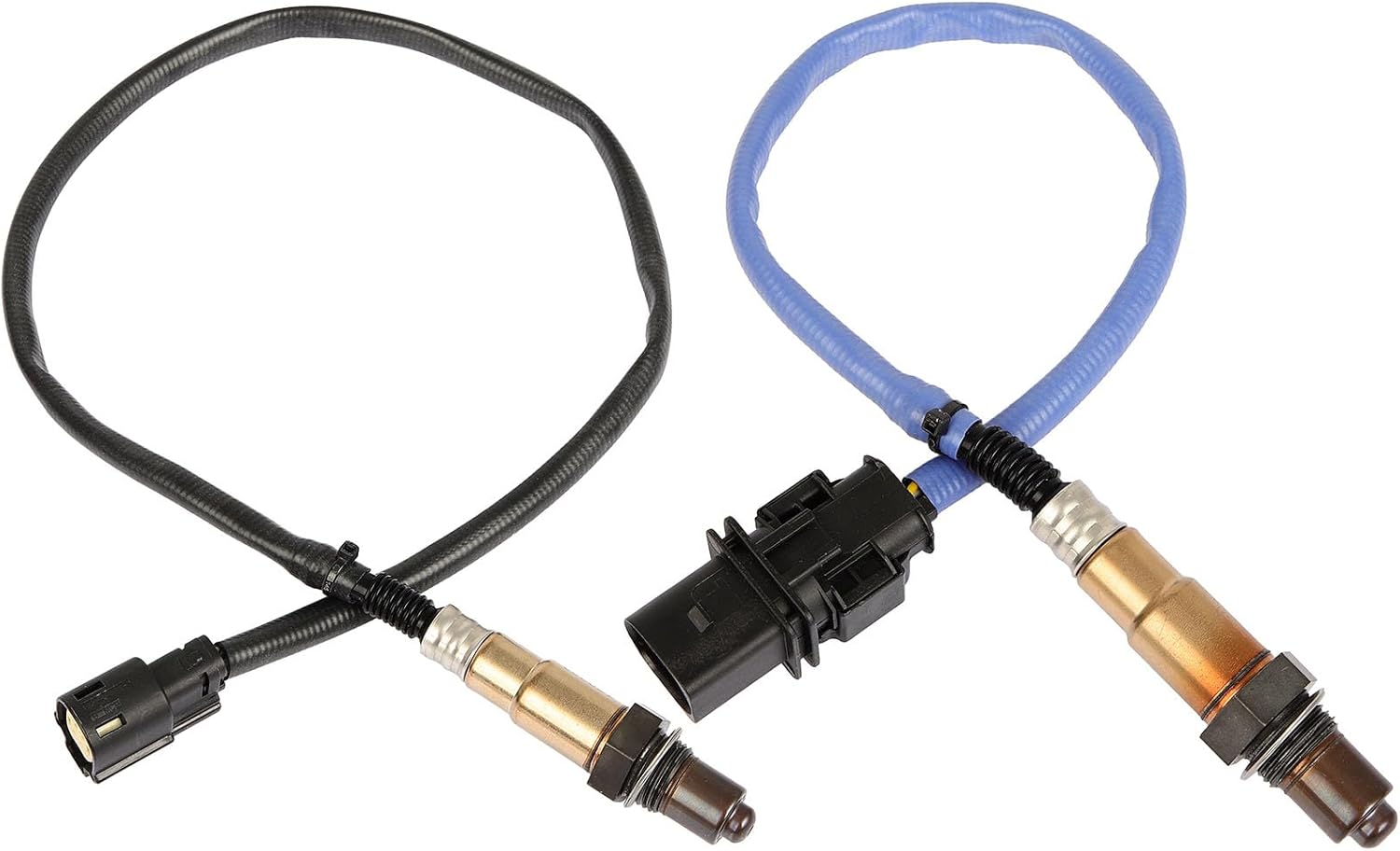
These QIJIAUTO oxygen sensors are a pair of heated upstream and downstream replacements designed to restore oxygen sensing on compatible Ford Focus models. They install in threaded ports and use factory-style push-pull connectors and wiring harnesses to replace failing sensors that trigger check engine lights or cause poor fuel economy. Notable practical features include a protective layer against sensor poisoning, silver-alloy joints intended to ease installation, and multiple wire-count options to match factory harnesses. In use they should clear O2-related fault codes, help stabilize idle and acceleration, and can improve fuel trim and economy when the original sensors have degraded. Limitations include mixed long-term reliability reports from users and the typical variability of aftermarket sensors versus factory-quality parts, so they may be best for drivers seeking an affordable repair rather than a lifetime solution. Confirming vehicle fitment and connector type before ordering is important to avoid returns.
Best for: Risk-averse mainstream buyers who want a straightforward, lower-cost replacement to clear O2 fault codes and restore normal drivability on a Ford Focus without experimenting with obscure brands.
Less Ideal for: Drivers seeking a long-term OEM-equivalent solution for high-mileage or performance vehicles should consider factory-quality replacements or professional diagnostic service instead.
- Sold as an upstream and downstream pair so both banks can be serviced at once
- Heated sensor design for faster warm-up and reliable readings under typical driving
- Protective surface treatment claimed to resist poisoning and extend sensor life
- Includes wiring/connector options to match common factory harness configurations
- Some user reports indicate premature failure after only a few months of use
- Aftermarket construction may not match long-term durability of factory-quality sensors
Verdict A budget-friendly heated O2 sensor pair that can restore fuel trim and clear codes on a Ford Focus but may not match the longevity of factory-quality units.
6. Bosch 17358 Premium Original Equipment Oxygen Sensor
| Brand | Bosch |
|---|---|
| Material | Stainless Steel |
| Maximum Supply Voltage | 12 Volts (DC) |
| Mounting Type | Flange Mount |
| Upper Temperature Rating | 1000 Degrees Celsius |
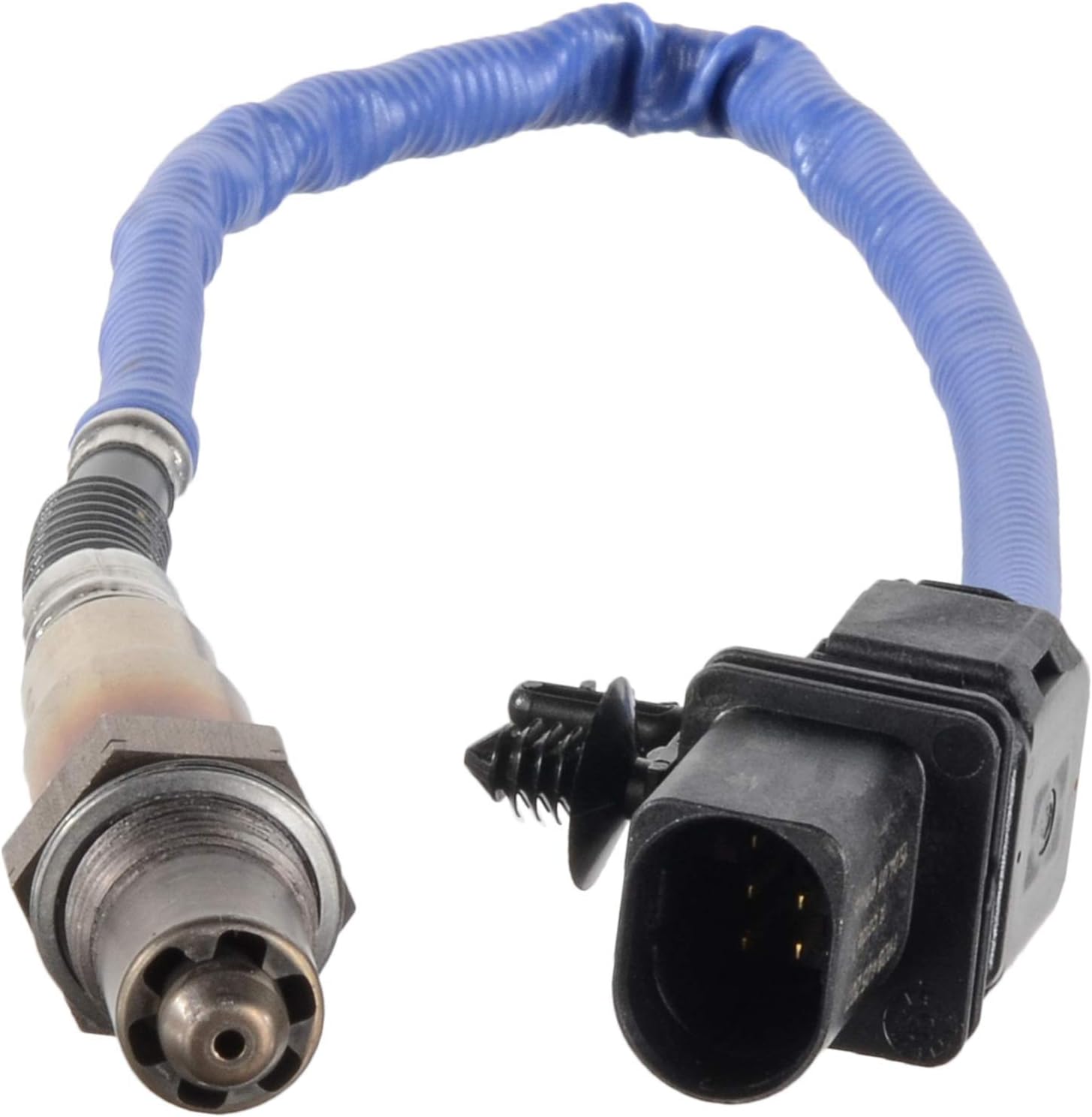
This Bosch 17358 oxygen sensor is a factory-quality direct-fit replacement intended to restore correct air-fuel monitoring on compatible Ford Focus engines. It installs like a factory part with direct-fit connectors and threads pre-coated with anti-seize, so most DIYers or technicians can swap it in without wiring changes. Notable features include a double laser-welded stainless steel body for corrosion resistance, a fast-acting heater for quick warm-up, and factory testing to confirm functionality before shipping. In practice the sensor helps clear engine codes related to oxygen detection, stabilizes fuel trim, and can prevent failed emissions checks when fitted correctly. The stainless body and high temperature rating suggest good durability in exhaust conditions, but like all sensors it will age over time and may require replacement at manufacturer-recommended intervals. Buyers should confirm exact position and engine fitment for their Focus since engine variants affect compatibility, and installation can be tight depending on exhaust layout.
Best for: A practical optimizer who wants a reliable, factory-quality replacement that balances durability and straightforward DIY installation to fix emissions or fuel-trim issues on a Ford Focus.
Less Ideal for: Drivers looking for a universal or performance-tuned wideband sensor for tuning or motorsport use should consider dedicated aftermarket options instead.
- Direct-fit factory-style connector and pre-coated threads for straightforward installation
- Double laser-welded stainless steel body for improved corrosion resistance
- Fast-acting heater reduces warm-up time for quicker accurate readings
- Factory testing ensures the sensor arrives functional and ready to use
- Compatibility depends on engine and sensor position so verify fitment before buying
- Will eventually wear like any sensor and requires replacement at service intervals
Verdict A durable, factory-style oxygen sensor that gives Ford Focus owners a straightforward, cost-effective way to restore proper emissions and fuel control.
7. Bosch Premium Original Equipment Oxygen Sensor (model 17321)

| Material | Stainless Steel |
|---|---|
| Maximum Supply Voltage | 5 Volts |
| Mounting Type | Threaded |
| Output Type | Analog |
| Upper Temperature Rating | 1200 Degrees Fahrenheit |
This Bosch oxygen sensor is a direct-fit replacement designed to restore proper air-fuel sensing on compatible Ford vehicles. It installs like a factory-quality part with a threaded mounting, pre-coated threads, and a plug-and-play connector so most installers can swap it in without modifications. The sensor uses a fast-acting heater to get to operating temperature quickly, which helps the engine control module see correct readings sooner after start-up and can reduce cold-start emissions and drivability issues. Bosch highlights a double laser-welded stainless steel body and factory testing for longevity and resistance to exhaust contamination. In practice that means fewer premature failures compared with lower-cost units, though a minority of buyers report isolated defects and occasional customer service difficulties. This part is aimed at routine replacement to clear O2-related fault codes and return fuel trim behavior to normal, not for performance tuning or custom applications.
Best for: Buyers seeking a balanced, reliable factory-replacement oxygen sensor that restores proper engine operation and emissions control without fuss or modification.
Less Ideal for: Drivers looking for high-performance or aftermarket tuning sensors or those who need multi-vehicle universal fitment should consider specialist alternatives.
- True direct-fit connector and threaded mounting for simple installation
- Fast-acting heater reduces time to proper operating temperature and improves cold-start response
- Double laser-welded stainless steel body for corrosion resistance and longer service life
- Factory testing for functional performance reduces risk of out-of-the-box failures
- Some customers report occasional faulty units and limited help from support when problems arise
- Not intended for performance tuning or non-standard engine modifications
Verdict A reliable, factory-style replacement for Ford Focus owners who want a plug-and-play Bosch sensor that prioritizes durability and fast warm-up.
Choosing the Right Ford Focus Oxygen Sensor: Key Factors to Consider
Fitment and Connector Compatibility
Correct fitment is the single most important factor because an oxygen sensor must physically and electrically mate with the Ford Focus vehicle harness and exhaust bung. Sensors that do not match plug type or thread pitch can cause installation problems, wiring strain, or poor sealing.
A proper match reduces installation time and prevents exhaust leaks or intermittent electrical connections that could lead to false fault codes. Verify vehicle-specific fitment information and connector style to avoid adapters or splicing, which add failure points.
Sensor Response Time
Response time determines how quickly the sensor reflects changes in exhaust oxygen content, which directly affects the engine control unit's ability to maintain optimal air-fuel ratio. Faster response supports smoother idle, better transient throttle response, and more precise fuel control during acceleration.
Sluggish sensors can cause hesitations, rough transitions, or prolonged open-loop operation. Prioritize sensors with documented low latency and stable output under changing temperatures and load conditions.
Durability and Materials
Oxygen sensors operate in a harsh environment with high temperatures, corrosive exhaust gases, and road contaminants. Construction materials, protective coatings, and ruggedized housings influence how long a sensor maintains accuracy and physical integrity.
Choose sensors with high-temperature ceramics, corrosion-resistant sheaths, and robust wiring insulation. These features reduce the chance of premature failure from heat cycling, moisture intrusion, or physical damage during routine maintenance.
Signal Accuracy and Stability
Accurate and stable voltage or current signals are essential for the engine control system to calculate fuel trim correctly. Sensors that drift or produce noisy readings can lead to repeated correction cycles, higher emissions, and trigger diagnostic trouble codes.
Look for sensors specified with tight signal tolerances and low drift over time. Stable signal output is particularly important for vehicles that frequently operate in stop-and-go traffic or experience wide temperature swings.
Heated Vs Unheated Elements
Many modern oxygen sensors include an internal heater to bring the element to operating temperature quickly, reducing the time the engine runs in open-loop mode after cold starts. For a Ford Focus, heated sensors often restore closed-loop control sooner, improving emissions and fuel economy right after startup.
Consider whether the vehicle location requires a heated unit, the presence of wiring for the heater circuit, and the heater's power draw and durability. Improperly matched heated elements can cause longer warm-up periods or draw on electrical systems.
Installation and Serviceability
Ease of installation affects both DIY repairs and shop labor time. Factors include protective boots or anti-seize on threads, wiring lead length, and the ability to access the sensor with common tools. Sensors designed for straightforward installation reduce the risk of thread damage or connector stress.
Also consider sensor replaceability and diagnostic accessibility. Sensors that allow clear access for testing or replacement streamline maintenance and reduce the chance of installation-related faults.
FAQ
How can I tell if my Ford Focus oxygen sensor is failing?
Common signs often include a persistent check engine light, rough idle, reduced fuel economy, or noticeable surging during acceleration. You may also see increased exhaust emissions or a failed emissions test. These symptoms do not prove sensor failure by themselves, so diagnostic scanning and targeted testing usually help confirm whether the oxygen sensor is the cause.
Should I replace upstream and downstream sensors at the same time?
It depends on the age and condition of each sensor. Upstream sensors affect fuel trimming directly and often show symptoms earlier, while downstream sensors monitor catalyst performance. If one sensor fails but the other is old and close to expected life, replacing both can be sensible to avoid repeat labor. However, replacing only the failed unit is also a common approach when the other sensor still shows stable readings.
Can I install an oxygen sensor myself?
Many owners with basic mechanical skills can install an oxygen sensor using hand tools and a proper sensor socket. Ensure the replacement matches the vehicle's connector, thread pitch, and heating requirements. Take care to prevent thread damage, torque to specification, and protect the wiring harness during installation. If access or wiring is complex, professional installation can reduce risk.
How do mechanics typically test an oxygen sensor?
Testing often involves scanning for diagnostic trouble codes and checking live sensor data with a scan tool to observe response patterns and voltage or current levels. Mechanics may also use a digital multimeter or oscilloscope to measure signal behavior, and inspect wiring, connectors, and exhaust leaks. Dynamic testing during warm-up and under load helps reveal sluggish or unstable sensors.
Will a bad oxygen sensor trigger a check engine light oxygen sensor code?
Yes, a failing oxygen sensor frequently triggers a check engine light and stores a trouble code related to sensor performance or circuit faults. Codes can indicate slow response, out-of-range signals, heater circuit issues, or circuit faults. A stored code is a useful starting point but should be confirmed with live data and proper diagnostics before replacing parts.
How long do oxygen sensors usually last in a Ford Focus?
Typical lifespan varies with driving conditions and sensor type. Many sensors remain functional for several years, while exposure to contaminants, frequent short trips, or harsh conditions can shorten service life. Rather than relying on a fixed interval, monitor symptoms and diagnostic data to determine when replacement is warranted.
How We Chose the Best Ford Focus Oxygen Sensor
We focused exclusively on oxygen sensors sized and calibrated for the Ford Focus and evaluated candidates across four to six practical dimensions that matter in real-world repair and maintenance. Key criteria included fitment and connector compatibility for exact vehicle mating, sensor response time to ensure timely air-fuel corrections, construction quality and materials for corrosion and heat resistance, and long-term reliability under varied driving conditions. We also looked at signal stability and tolerance to contaminants since inconsistent readings can trigger faults or degrade performance.We excluded units that lacked clear fitment data for the Ford Focus, generic universal sensors that require modifications, and products without verifiable manufacturing or material specifications. The result is a list of seven top options that meet the functional requirements for this vehicle and represent the best balance of durability, responsiveness, and correct electrical interface.
Our full evaluation process is outlined in our review methodology.
Conclusion
When selecting a Ford Focus oxygen sensor, prioritize correct fitment and connector compatibility first, then focus on response time and signal stability. Consider durability features like corrosion-resistant materials and whether a heated element is required for faster warm-up.Be realistic about tradeoffs: faster, more durable sensors often offer better long-term performance but may have different installation needs. Use vehicle-specific fitment data and diagnostic testing to guide replacements and avoid unnecessary labor or repeat repairs.
Explore More:
- Check out all Ford Focus parts & accessories
- Explore Oxygen Sensors Maintenance & Repair Guides
- Explore Engine
- Browse all Auto Parts
