

Note: This article contains affiliate links. If you click on these links and make a purchase, I may earn a small commission at no extra cost to you. This helps support my research and content. Read my full affiliate disclosure here.
If you drive a GMC Canyon, the oil filter housing is a small component that can have big consequences. A failing housing can cause leaks, drop oil pressure, or allow contaminants into the engine. Choosing the right oil filter housing replacement for your Canyon matters whether you are repairing a leak or proactively swapping a cracked unit.This guide summarizes the top six oil filter housings we shortlisted for the GMC Canyon. We evaluated each option for fitment accuracy, sealing performance, construction quality, and durability so you can quickly find a reliable replacement. Read on for the key criteria we used and practical advice to spot symptoms and plan the repair.
Looking for other parts? See all GMC Canyon parts & accessories.
Top Picks at a Glance
| Best Overall The best all-around choice for most situations | GM Genuine Parts Engine Oil Filter Cap with Seal and Funnel |  |
| Best Quality Built to a higher standard if you want something more solid | GM Genuine Parts Engine Oil Filter Cap with Seal |  |
| Best Value The sweet spot between price and what you get | Allmotorparts Oil Filter and Housing Cap Assembly (replaces 12605565 / PF458G) |  |
| Best Budget The cheapest option that still gets the job done reliably | A-Premium Oil Filter Housing Cap Assembly for Chevrolet Colorado & GMC Canyon 2.8L (2016–2022) |  |
| Highest Rated A top-rated pick with lots of positive feedback | A-Premium Oil Filter Housing Cap Assembly |  |
| Most Popular A crowd favorite that many people choose with confidence | A ABSOPRO Engine Oil Filter Housing Cover Cap 12583470 | 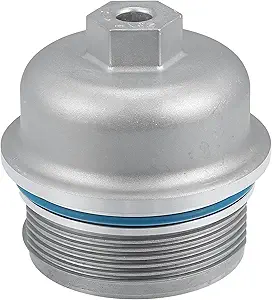 |
1. GM Genuine Parts Engine Oil Filter Cap with Seal and Funnel
| Manufacturer Part Number | 12583470 |
|---|---|
| Brand Name | GM GENUINE PARTS |
| Manufacturer | ACDelco |
| Compatible with Vehicle Type | Car, Sports Utility Vehicle, Truck |
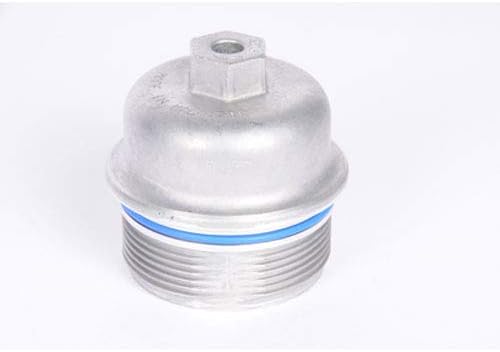
This GM Genuine Parts kit replaces the engine oil filter cap and includes the cap seal and a small funnel for cleaner fluid changes. It is built to factory-style specifications by ACDelco and intended for direct replacement where the OEM part number matches. In practice the cap snaps into the filter housing and the included O-ring helps ensure a proper seal to prevent leaks; the funnel makes topping or refilling oil during service less messy. The construction and fitment focus on matching factory tolerances, which simplifies installation for DIYers and technicians and reduces the chance of cross-threading or seal failure common with cheap aftermarket caps. Limitations: the listing is for the cap assembly only and not a complete housing or internal filter element, so confirm fitment to your specific GMC Canyon application before ordering. The product is best used during routine oil service or when replacing a damaged or leaking cap.
Best for: Buyers who want a reliable, factory-matching replacement cap for routine oil service on their GMC Canyon and prefer parts that fit like the originals.
Less Ideal for: Anyone looking to replace the entire filter housing, internal filter element, or perform modifications that require nonfactory parts should look at other options.
- Factory-quality replacement designed to match GM/ACDelco specifications
- Includes cap seal (O-ring) and a funnel for cleaner oil changes
- Vehicle-specific fit reduces installation issues and leak risk
- Not a full filter housing or filter element; only the cap and seal are supplied
Verdict: Choose this GM Genuine Parts cap when you want a factory-matching replacement cap and seal that makes oil service straightforward and leak-resistant.
2. GM Genuine Parts Engine Oil Filter Cap with Seal
| Brand Name | GM GENUINE PARTS |
|---|---|
| Manufacturer | ACDelco |
| Closure Type | Twist-On |
| Automotive Fit Type | Vehicle Specific Fit |
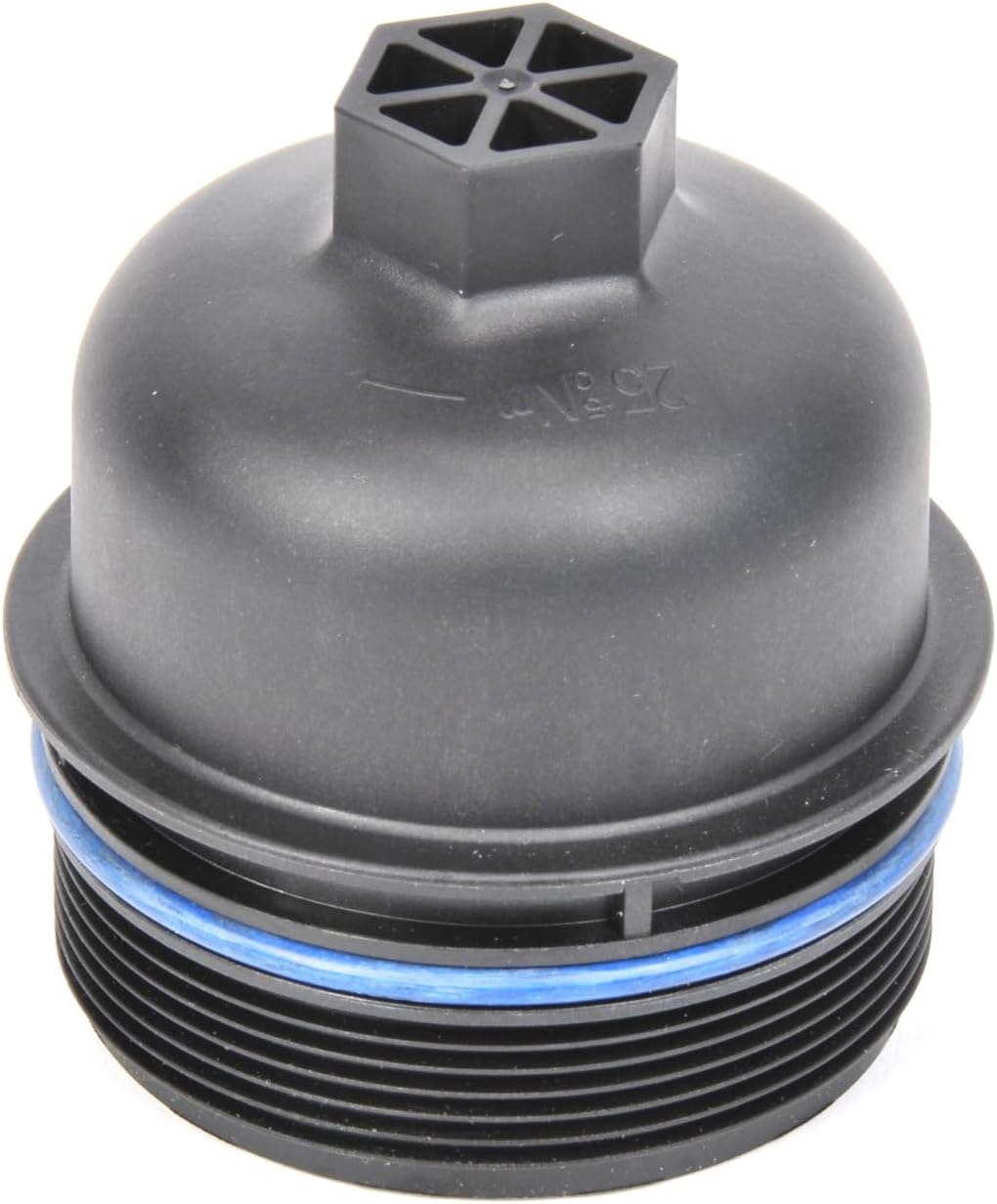
This GM Genuine Parts oil filter cap is a direct-fit replacement for the factory oil filter housing on compatible GM trucks and restores the twist-on closure and seal integrity. It is a molded nylon cap supplied with the sealing O-ring so installation simply involves removing the old cap and twisting this unit into place; the factory-style closure offers the same engagement and hand operation drivers expect. The cap’s plastic construction balances durability and corrosion resistance while staying lightweight, and being a GM Genuine Part means fitment and sealing tolerances match the original. Practical benefits include avoiding oil leaks caused by worn or damaged caps and keeping the oil change process straightforward. Limitations are that it is a single cap only and does not include the full housing or internal filter element, and buyers must confirm vehicle-specific fit before purchasing.
Best for: Buyers who want a reliable, factory-matching replacement cap to maintain proper sealing and simplify routine oil changes on a GMC truck.
Less Ideal for: Drivers seeking a complete oil filter housing upgrade, performance-modified housings, or a bundled kit with the filter element should look elsewhere.
- Factory-quality replacement that matches original fit and sealing tolerances
- Includes seal to simplify installation and help prevent oil leaks
- Nylon construction resists corrosion and handles typical engine bay conditions
- Only the cap and seal are included, not the oil filter element or housing assembly
Verdict: Choose this genuine GM replacement cap when you need a factory-matching, leak-free seal to keep your GMC Canyon's oil filter housing performing like new.
3. Allmotorparts Oil Filter and Housing Cap Assembly (replaces 12605565 / PF458G)

| Replaces Part Numbers | 12605565, PF458G, PF457G, 12605566 |
|---|---|
| Thread Size | M20 x 1.5 |
| Material Type | cobalt |
| Unit Count | 1.0 Count |
This Allmotorparts assembly replaces the oil filter and the plastic housing cap with a metal-style cap and includes a gasket and oil filter so you can install it in one visit. It is intended as a like-for-like replacement when the original cap is cracked or leaking and is built to meet factory-style fit and function. Typical use is a direct swap during a routine oil change or when diagnosing an oil leak around the filter housing; the included filter and gasket simplify the job and reduce parts-sourcing time. The metal construction claims improved durability over the original plastic cap, which helps prevent future cracking in vehicles exposed to heat cycling. Limitations are that it is an aftermarket part rather than a factory unit and fitment must be confirmed against your vehicle year and engine, and if the housing mounting surface is warped or the housing itself is damaged a full housing replacement may still be required.
Best for: A practical owner who wants a ready-to-install replacement to stop oil leaks quickly and avoid multiple parts orders during an oil service.
Less Ideal for: Do not choose this if your vehicle’s filter housing mounting surface is warped or the housing is structurally cracked beyond the cap, or if you prefer factory-sourced parts and documentation.
- Includes oil filter and gasket for one-step installation
- Metal cap claimed to be more durable than original plastic cap
- Sold as a complete assembly so leaking housings can be fixed without sourcing multiple parts
- Compatible with multiple GM-derived engines listed for straightforward fit checks
- Aftermarket part rather than a factory-produced unit
- Requires confirming exact vehicle-year and engine compatibility before purchase
Verdict: If you need a straightforward, durable aftermarket replacement to stop oil-housing leaks and complete an oil service in one go, this assembly is a practical choice.
4. A-Premium Oil Filter Housing Cap Assembly for Chevrolet Colorado & GMC Canyon 2.8L (2016–2022)

| Compatible engines | L4 2.8L |
|---|---|
| Compatible years | 2016-2022 |
| Included parts | Oil filter housing cap, O-ring |
| OEM part numbers | 921020, 55595790 |
This oil filter housing cap assembly replaces the factory cap on 2.8L 2016–2022 Chevrolet Colorado and GMC Canyon engines and includes the cap and a matching O-ring for a complete seal. It is intended for straightforward swap-in installation without special tools, restoring the filter mounting point and ensuring proper sealing of the cartridge. The part is built to the original-fit specification so it matches factory mounting points and should reduce installation fiddliness compared with generic universal caps. Practical benefits include saving a trip to a dealer and lowering repair cost by replacing a worn or damaged cap yourself, plus a one-year unlimited-mileage guarantee for added confidence. Limitations are that this is a single replacement cap and O-ring only, not a full filter service kit, and fitment is specific to the stated 2.8L models so buyers must confirm compatibility before ordering.
Best for: Buyers looking to cut service costs by repairing a damaged or leaking oil filter cap themselves on a tight budget and who prioritize correct fitment over aftermarket extras.
Less Ideal for: People wanting a complete service kit with filter and drain components or those who prefer to have parts fitted by a dealer as part of a warranty-covered service.
- Made to factory-spec dimensions for direct-fit installation
- Includes O-ring for a complete replacement seal
- Simple swap that avoids dealer-level repair for a common failure point
- One-year unlimited-mileage guarantee from the brand
- Contains only the housing cap and O-ring so a separate oil filter and related items are required for a full service
Verdict: A cost-conscious, factory-fit replacement cap and O-ring that lets you fix a leaking or damaged oil filter housing on 2.8L 2016–2022 Canyon/Colorado without visiting a dealer.
5. A-Premium Oil Filter Housing Cap Assembly

| Manufacturer | PremiumpartsWhosale |
|---|---|
| Brand | A-Premium |
| Manufacturer Part Number | APOFH078 |
| OEM Part Number | 917-046, 917046, 12583470, 12572836,917046 |
This A-Premium oil filter housing cap assembly replaces the factory cap on compatible V6 GM and Saab engines and is supplied with a replacement O-ring for a complete swap. It is machined from aluminum, which gives it a solid feel and good corrosion resistance compared with plastic caps, and it includes the sealing O-ring needed during installation. Typical use is a direct replacement during routine oil service or when a cracked or leaking factory cap is found; the metal construction reduces the chance of damage from overtightening or engine heat. Fitment lists a range of Cadillac, Chevrolet, GMC, Pontiac and Saab V6 engines, so confirm fit with your VIN before ordering. The manufacturer backs the part with a one-year unlimited-mileage guarantee, which adds confidence for long-term ownership. Limitations are that compatibility is vehicle-specific and you must verify the reference numbers, and being an aftermarket part it may require careful torqueing to match factory sealing behavior.
Best for: Drivers who prioritize a durable, metal replacement cap for routine oil changes and want the reassurance of a manufacturer guarantee when repairing or refreshing a tired housing cap.
Less Ideal for: Anyone who needs a direct match for non-V6 engines or who prefers to stick strictly with factory-brand replacement parts should look elsewhere.
- Aluminum construction offers improved durability and resistance to heat and cracking versus plastic caps
- Includes replacement O-ring for a ready-to-install swap during oil service
- Covers many V6 GM and Saab engine applications when matched to listed reference numbers
- Backed by a one-year unlimited-mileage guarantee from the manufacturer
- Fitment is vehicle- and VIN-specific so incorrect selection can cause incompatibility
Verdict: Choose this metal replacement oil filter housing cap if you want a tougher, corrosion-resistant swap-in for compatible V6 GM engines backed by a one-year guarantee.
6. A ABSOPRO Engine Oil Filter Housing Cover Cap 12583470
| Compatible with Vehicle Type | Car |
|---|---|
| Closure Type | Twist-On |
| Material Type | Metal |
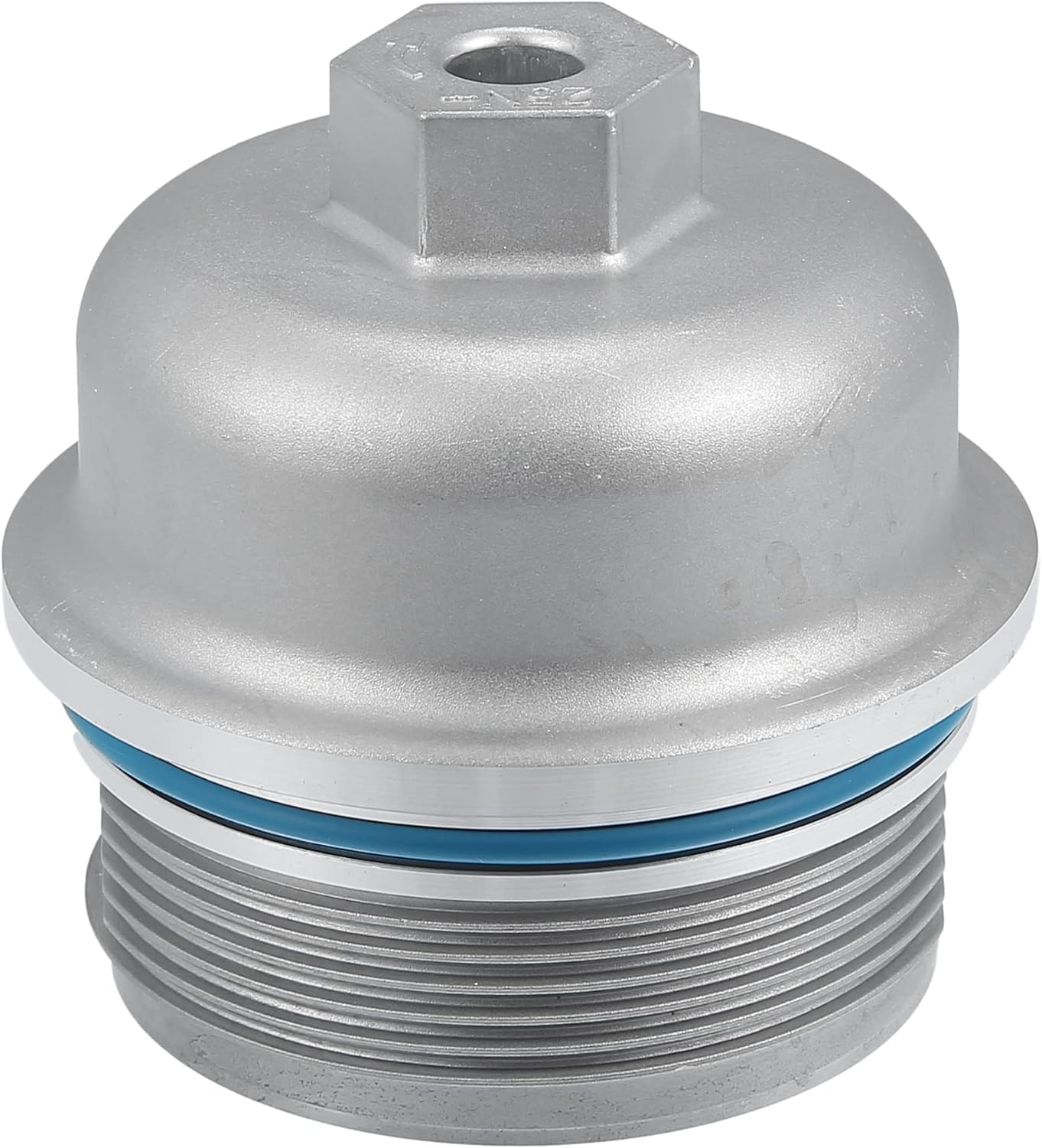
This metal-tone engine oil filter housing cover cap is a direct-replacement accessory intended to seal the cartridge oil filter assembly on compatible GM 3.6L engines. It installs in place of the factory cap and is typically replaced whenever the oil filter element is serviced to maintain a tight seal and prevent leaks. The cap is described as metal with plastic components and a twist-on closure type, matching the original function and fitment number 12583470. For routine oil changes it offers a simple swap-in part that keeps the filter cartridge contained and the system sealed. It is not an OEM part so buyers should expect aftermarket tolerances; professional installation is recommended if you are not comfortable with oil system work. The product keeps maintenance simple and can reduce the likelihood of oil seepage when properly installed, but exact fit and finish may vary compared with factory parts.
Best for: Buyers who prioritize reliable sealing for routine oil changes on a GMC Canyon 3.6L and who prefer parts with positive user feedback before committing.
Less Ideal for: Drivers seeking a guaranteed factory-brand replacement or those who want to perform DIY installs without professional assistance.
- Built to match factory sealing function for cartridge oil filter systems
- Metal exterior with plastic components for corrosion resistance
- Twist-on closure for straightforward removal and installation
- Listed fitment includes GMC Canyon 3.6L 2015-2016 so it targets the vehicle in this article
- Aftermarket part rather than factory replacement so fitment and finish can vary
- Manufacturer recommends professional installation which could add labor cost
Verdict: A practical aftermarket replacement cap that restores sealing function for the GMC Canyon 3.6L during oil-service intervals while offering a budget-friendly alternative to factory parts.
Choosing the Right GMC Canyon Oil Filter Housing: Key Factors to Consider
Fitment and Compatibility
Accurate fitment is the first priority when replacing the oil filter housing on a GMC Canyon. The housing must align with the engine's mounting studs, oil pressure sensor ports, and oil lines without forcing hoses or electrical connectors into awkward positions. Improper alignment can cause leaks at the connections or undue stress on the housing and adjacent components.
Compatibility also means matching the flow path and filter type used on your Canyon's engine. A housing designed for the wrong filter cartridge or bypass valve arrangement may alter oil pressure or filtration performance. Confirming exact engine and model-year fitment reduces the risk of installation complications and ensures the replacement integrates with existing oil cooler or sensor fittings where applicable.
Seal Materials and Design
The gasket and o-ring materials used with the housing directly affect long-term leak resistance. Look for seals made from oil-resistant elastomers such as high-temperature nitrile or Viton, which hold up better to engine heat and oil additives. A poor-quality gasket will harden, crack, or compress unevenly and allow seepage past mating surfaces.
Design details like integrated grooves, backup rings, and correct gland geometry help maintain a consistent seal under pressure cycles. Some housings include replaceable seals or a service kit, which simplifies future maintenance and reduces the chance of repeated leaks after a repair.
Material Strength and Resistance to Cracking
Oil filter housings endure thermal cycling and vibration in the Canyon's engine bay, so material selection and wall thickness matter. Cast aluminum housings offer good heat dissipation and strength, while some engineered thermoplastics provide corrosion resistance and lighter weight. Each material has tradeoffs: plastics can be more susceptible to stress cracking if not reinforced, and metals can corrode if exposed to coolant or road chemicals.
Inspecting the housing design for stress risers, thin flanges, or sharp corners can indicate potential crack points. Reinforced bosses around bolt holes and smooth transitions in the casting or molding reduce the risk of cracking under load. Choosing a housing built to withstand the Canyon's operating environment lowers the chance of repeat failures.
Seal Location and Oil Line Connections
Where seals are located and how oil lines attach affect both leak risk and service complexity. Housings that place critical seals at accessible flanges simplify gasket replacement. Conversely, designs with multiple mating surfaces or internal seals can be harder to diagnose when a leak develops.
Pay attention to the routing and connection style of oil lines and fittings. Quick-connect fittings should seat cleanly and have retainers to prevent vibration-induced separation. If the housing interfaces with an oil cooler or sensor, confirm port orientation does not require bending lines or relocate sensors in ways that make service or inspection difficult.
Ease of Service and Replacement Parts
A housing that is straightforward to service saves time and reduces the risk of installation errors. Consider whether common maintenance items like gaskets, o-rings, and filter cartridges are standard sizes and readily available. Housings designed to allow filter access without extensive disassembly cut labor time and lower the chance of disturbing nearby components.
Also look for housings that accept replaceable inserts or kits. Being able to replace only the seal components instead of the entire housing can be more economical and less wasteful, provided the base housing is structurally sound. Service-friendly designs also make it easier for DIY owners to perform the job correctly.
Durability Under Heat and Vibration
The Canyon's operating temperatures and roadway vibration demand parts that retain integrity over thousands of miles. Materials and seal compounds must resist hardening, swelling, or softening when repeatedly exposed to hot oil. Vibration resistance is particularly important where oil lines and fittings attach; connections that loosen over time can lead to slow leaks.
Durability also ties into corrosion resistance. If the housing contacts coolant passages or lives near deicing chemicals, coatings or inherently corrosion-resistant materials will extend service life. Choosing a housing rated for sustained thermal and vibrational stress reduces the likelihood of unexpected failures.
Common Symptoms of a Failing Oil Filter Housing
Recognizing symptoms early helps prevent engine damage. The most obvious sign is oil visible on or beneath the housing after the vehicle has been parked, often accompanied by a drop in engine oil level. Slow leaks may appear as dampness around gasket joints or seeping from oil line connections.
Other symptoms include fluctuating oil pressure readings, dashboard oil pressure warnings, or unusual oil consumption. In some cases a cracked housing can allow air to enter the oil system, which may cause momentary low oil pressure spikes during start-up. Pay attention to any new burning oil smell or smoke from the engine bay, which indicates oil contacting hot surfaces.
- Visible oil pooling under the vehicle near the engine
- Dampness or wet residue on housing seams and oil line fittings
- Intermittent oil pressure warnings or gauge fluctuations
- Increased oil consumption without obvious external leaks
- Burning oil odor from engine bay after driving
How to Inspect the Housing During Service
A routine inspection while changing the oil or filter can spot issues before they worsen. Clean the housing area and inspect mating surfaces for nicks, corrosion, or gasket remnants. Rotate the engine to relieve pressure and check the condition of seal faces and o-rings.
Examine bolt holes and bosses for signs of stress or elongation. Look for hairline cracks around corners and thin sections by feeling for roughness and using a flashlight to highlight fractures. Verify that oil line fittings seat straight and that their retainers or clamps are present and secure.
- Clean area before inspection to identify fresh leaks
- Check seal faces for hardening, cracking, or deformation
- Inspect threaded holes and bosses for stripped threads or elongation
- Confirm oil lines and sensor fittings are straight and secure
Gasket and Seal Replacement Tips
When replacing the gasket or oil filter housing, always use the correct seal material and the full gasket kit if available. Lightly lubricate o-rings with engine oil to prevent initial dry rubbing and to help them seat. Avoid using sealants unless the service manual specifies an RTV; excess sealant can migrate into oil passages and cause blockages.
Torque bolts to the manufacturer's sequence and specification to prevent uneven clamping that can distort the housing flange. If the housing uses multiple fasteners of different lengths, keep track of their positions during disassembly. After installation, start the engine and inspect for leaks at ambient temperature and again after a short drive to confirm the seals are holding under operating temperature.
- Use specified gasket kits and correct seal materials
- Lightly coat o-rings with engine oil before installation
- Follow correct bolt torque sequence to avoid flange distortion
- Recheck for leaks cold and after a warm-up drive
When to Replace the Entire Housing
Some issues warrant replacing the whole housing rather than just the gasket. Visible cracks, stripped or damaged bolt bosses, or evidence of previous repair attempts that altered the flange surface are signs the housing's integrity is compromised. If the housing material shows extensive corrosion or stress fractures, replacement is the safest choice.
Also consider complete replacement if the housing design does not support a reliable seal due to warpage or if internal passages show contamination that cannot be cleaned without risk. Replacing the housing ensures fresh sealing surfaces and decreases the likelihood of repeat leaks.
- Cracks or fractures in the housing structure
- Damaged or elongated bolt holes and bosses
- Warped or heavily corroded mating surfaces
- Internal contamination that cannot be reliably cleaned
Preparing for the Repair: Tools and Parts Checklist
Preparing the right tools and replacement parts makes the job efficient. You will typically need a torque wrench, appropriate sockets and extensions, gasket scraper or soft-edge tool, clean rags, and a container for drained oil. Include replacement seals and o-rings, the correct oil filter, and fresh engine oil for top-off after the repair.
Having replacement hose clamps or quick-connect retainers on hand prevents delays if original fittings are worn or damaged. If a pressure sensor is mounted to the housing, include a replacement sensor or seal if its connector or threads show wear. Finally, plan for a safe method to lift and support the vehicle if undercarriage access is required.
- Torque wrench and correctly sized sockets
- Gasket kit with specified o-rings and seals
- Replacement oil filter and fresh engine oil
- Hose clamps or quick-connect retainers as needed
- Clean rags and a container for drained oil
How We Chose the Best GMC Canyon Oil Filter Housing
We focused editorial selection on criteria that matter specifically for GMC Canyon oil filter housings. Primary filters included exact fitment to the GMC Canyon engine mount points and port locations, and verified compatibility with factory oil filter type and flow paths. Seal performance was evaluated by checking materials and design features that resist compression set and oil degradation.We prioritized housings made from durable materials and designs that reduce stress concentrations that can cause cracking. Thermal and vibration resistance were considered, because the Canyon's engine bay conditions can accelerate aging. Another critical criterion was serviceability, including ease of access to the housing and whether the design supports standard replacement gaskets and o-rings.We excluded units with ambiguous fitment information or housings that required significant modification to existing lines or sensors. Units missing clear seal material specifications or without compatible gasket/seal kits were also filtered out. In short, we chose housings that balance accurate fitment, reliable sealing, robust construction, and reasonable serviceability for GMC Canyon owners.
Our full evaluation process is outlined in our review methodology.
FAQ
How long does an oil filter housing last on a GMC Canyon?
Lifespan varies with material and operating conditions. Many housings last the life of the vehicle if not exposed to road chemicals or severe heat cycles, but plastic units may show cracking after several years. Regular inspection and replacement of seals can extend service life.
Can I replace just the gasket if my oil filter housing is leaking?
Often a leaking housing is resolved by replacing gaskets and o-rings, provided the housing mating surfaces are undamaged and the housing itself is not cracked. If there is warpage, corrosion, or visible cracking, a full housing replacement is the safer option.
What are the risks of driving with a leaking oil filter housing?
Driving with a leak can lead to low oil levels and reduced oil pressure, which risks engine wear or catastrophic failure. Leaks can also spray oil onto hot engine components and create fire or smoke hazards. It is best to address significant leaks promptly.
How can I tell if a crack is causing intermittent oil pressure warnings?
Intermittent pressure warnings linked to the housing often occur when a crack allows air ingress or temporary loss of oil at certain engine loads. Inspect the housing for hairline fractures, check oil level, and observe whether warnings correspond with driving conditions. Professional pressure testing can confirm the source.
Do all oil filter housings use the same gasket or seal?
No, gasket and seal types differ by housing design and material. Some housings use flat gaskets, while others rely on o-rings or multiple seals. Always use the correct kit specified for your GMC Canyon housing design to ensure proper sealing.
Is it safe for a DIYer to replace the oil filter housing?
Many owners with basic mechanical skills can replace the housing if they have the right tools and follow torque specifications. However, tasks requiring removal of obstructing components or dealing with sensor fittings may be better handled by a professional if you are unsure.
Final Verdict
For GMC Canyon owners, prioritizing fitment accuracy and seal quality will yield the most reliable outcomes when replacing an oil filter housing. Weigh material durability against serviceability and prefer housings that use robust elastomer seals and have reinforced mounting points. Routine inspection during oil changes helps identify seal degradation or early cracking so you can intervene before oil loss affects the engine.When deciding between replacing seals or the entire housing, choose replacement when mating surfaces and bolt bosses remain undamaged; opt for a full housing swap if you find cracks, warped flanges, or compromised threads. That approach balances cost, longevity, and peace of mind for Canyon owners maintaining healthy oil circulation.
Explore More:
- Check out all GMC Canyon parts & accessories
- Explore Oil Filter Housings Maintenance & Repair Guides
- Explore Engine
- Browse all Auto Parts
