

Note: This article contains affiliate links. If you click on these links and make a purchase, I may earn a small commission at no extra cost to you. This helps support my research and content. Read my full affiliate disclosure here.
If you plan to tow a small trailer, carry a bike rack, or add a cargo carrier, choosing the right Subaru Crosstrek XV tow hitch receiver matters for safety and convenience. The wrong receiver can reduce ground clearance, overstress mounting points, or leave you with limited towing capacity when you need it most. This guide shortlists the top tow hitch receivers suited to the Crosstrek XV and explains the practical differences between mounting styles, capacity ratings, and installation approaches.We evaluated options that fit the XV's frame and typical owner needs, focusing on secure attachment, correct hitch receiver size, and realistic towing capacity. Below you will find our recommended picks followed by clear guidance to help you pick the right receiver for your Crosstrek XV and intended towing or cargo tasks.
Looking for other parts? See all Subaru Crosstrek parts & accessories.
Top Picks at a Glance
| Best Overall Tow Hitch Receiver A well-rounded receiver balancing strength, fit, and ease of installation | CURT Class 3 Trailer Hitch 2-Inch Receiver (Fits Select Subaru Crosstrek) |  |
| Best Budget Tow Hitch Receiver A low-cost receiver that provides safe basic towing capability | APS Trailer Hitch Receiver for Subaru Crosstrek (2018–2023) |  |
| Best Premium Tow Hitch Receiver Higher-end construction, superior finishes, and long-term corrosion protection | B&W Class 3 Trailer Hitch Receiver with 2" Receiver for 2018-2025 Subaru Crosstrek |  |
| Best Heavy-Duty Tow Hitch Receiver Built for higher tongue weight and heavier towing demands | ROMELACK Class 3 2" Trailer Hitch Receiver for Subaru Crosstrek and Impreza Wagon |  |
| Best Compact Tow Hitch Receiver Low-profile design that preserves ground clearance and looks cleaner | CURT Class 1 Trailer Hitch 11286 for Subaru Impreza/XV Crosstrek |  |
| Best 2-Inch Tow Hitch Receiver Standard 2-inch receiver size for wide accessory and trailer compatibility | Nilight Class 3 2" Receiver Trailer Hitch for 2018–2024 Subaru Crosstrek |  |
1. CURT Class 3 Trailer Hitch 2-Inch Receiver (Fits Select Subaru Crosstrek)
Best Overall Tow Hitch Receiver

| Receiver size | 2 inches |
|---|---|
| Gross trailer weight | 3,500 lbs |
| Tongue weight | 525 lbs |
| Material | Carbon Steel |
| Finish type | Co-cured liquid A-coat and black powder coat |
This CURT Class 3 hitch gives a Subaru Crosstrek a full 2-inch receiver and the capacity to tow small campers, boat trailers, utility trailers and cargo carriers without fuss. It is engineered as a vehicle-specific kit, so mounting points and hardware line up for a factory-style fit and relatively straightforward installation. The hitch is built from high-strength steel with precise welding and a co-cured dual-layer finish of liquid A-coat plus black powder coat to resist rust, chipping and UV exposure for long-term durability. With a 3,500 lb gross trailer weight and 525 lb tongue weight rating it covers the majority of everyday towing tasks while leaving room for accessories such as hitch-mounted racks and carriers. The main limitations are that it is designed only for select Crosstrek years so fitment must be checked, and the 2-inch receiver does not support vertical-hang bike racks that require special mounting; heavier towing needs will require a higher-class hitch setup. For most Crosstrek owners this balances capacity, corrosion protection and a clean installation footprint.
Best for: Buyers who want a reliable, vehicle-specific hitch for everyday towing and accessories and who prioritize a clean fit and durable finish.
Less Ideal for: Drivers planning heavy-duty towing above the listed capacity or those who need a nonstandard receiver arrangement such as vertical-hang bike racks.
- Vehicle-specific design for a clean, factory-style fit and easier installation
- 3,500 lb gross trailer weight and 525 lb tongue weight suitable for common towing tasks
- Durable dual-layer co-cured finish to resist rust, chipping and UV damage
- Factory-style 2-inch receiver that works with standard hitch-mounted accessories
- Fits only select Subaru Crosstrek model years so you must verify compatibility before buying
Verdict: The best all-around tow hitch receiver that balances load capacity, corrosion resistance, straightforward installation, and compatibility for most everyday towing needs.
2. APS Trailer Hitch Receiver for Subaru Crosstrek (2018–2023)
Best Budget Tow Hitch Receiver
| Maximum Towing Capacity | 3500 pounds |
|---|---|
| Pull Force | 3500 pounds |
| Automotive Fit Type | Vehicle Specific Fit |
| Material Type | Carbon Steel |
| Finish Type | Powder Coated |
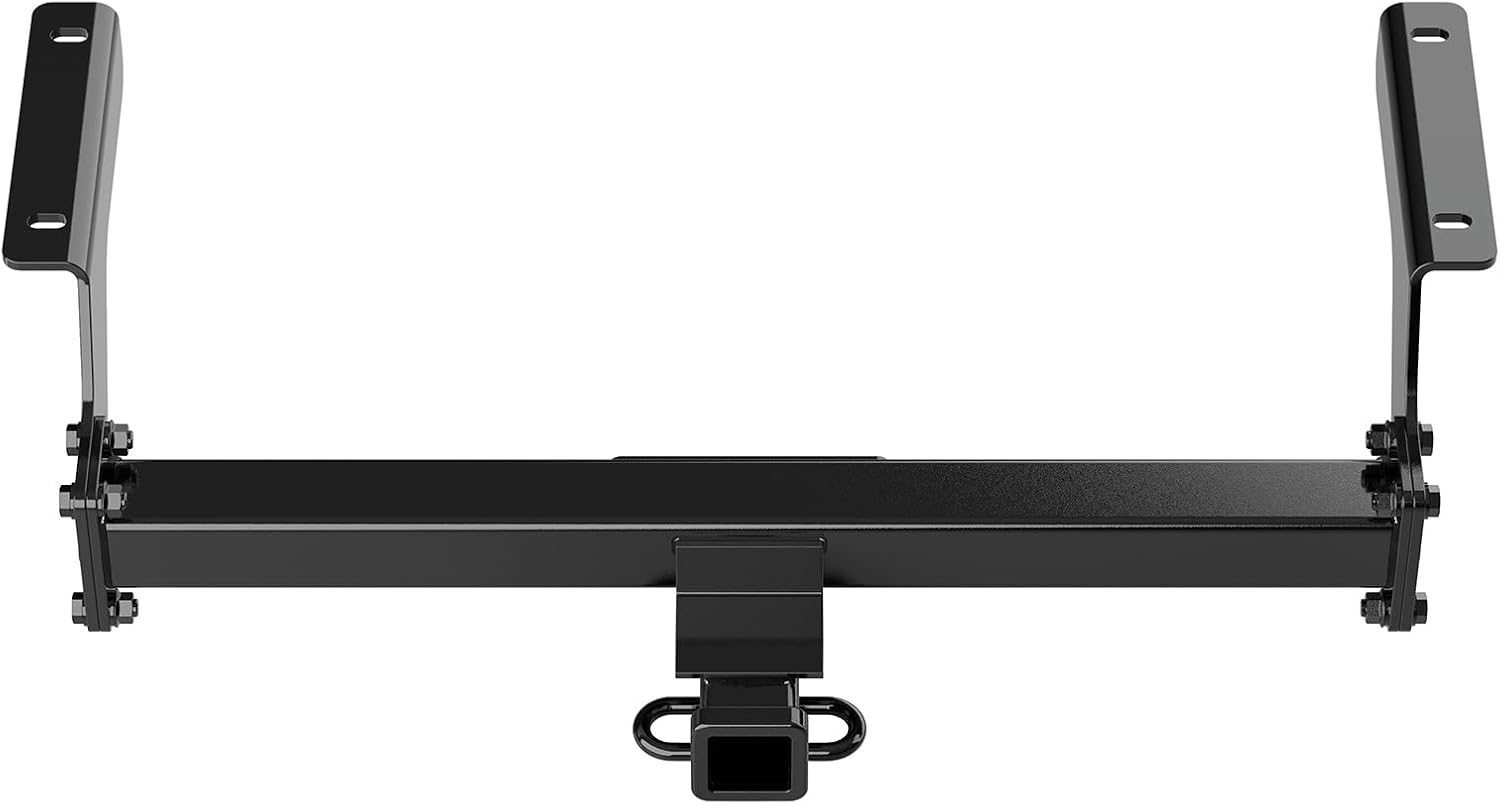
This APS trailer hitch receiver is a vehicle-specific, bolt-on Class 3 unit built to match the factory rear bumper fit of the Subaru Crosstrek (2018–2023). It provides a straightforward no-drill installation with the included mounting hardware and a user manual, so you can fit it in a driveway with basic tools. Made from carbon steel with a powder-coated finish and additional corrosion-resistant coating, it is aimed at regular towing needs rather than heavy commercial use. The hitch is rated for 3,500 pounds towing and 525 pounds tongue weight, which covers small trailers, bike racks, and cargo carriers. Its strengths are simple installation, factory-style fitment, and sufficient capacity for common recreational towing; the finish and materials are adequate for seasonal exposure but are not premium-grade like heavier commercial hitches. If you need a basic, vehicle-specific hitch that installs cleanly and supports typical weekend towing, this is a practical choice for budget-conscious Crosstrek owners.
Best for: Buyers who prioritize a reliable, budget-friendly hitch that bolts on to their Crosstrek for occasional towing, hauling a small trailer, or carrying bike racks without extra installation complexity.
Less Ideal for: Drivers who plan frequent heavy towing, commercial use, or who want a premium finish and maximum long-term corrosion resistance should consider higher-end heavy-duty hitches.
- Vehicle-specific design that fits Subaru Crosstrek 2018–2023 for factory-style appearance
- Bolt-on, no-drill installation with included mounting hardware and manual
- 3,500 lb towing capacity with 525 lb tongue weight suitable for trailers, bike racks, and cargo carriers
- Carbon steel construction with powder-coated and additional corrosion-resistant coating for seasonal durability
- Finish and materials are serviceable for recreational use but not as rugged as heavy-duty commercial hitches
Verdict: The best budget tow hitch receiver for buyers who need reliable, basic towing capacity and a straightforward install without paying for premium finishes or heavy-duty capacity.
3. B&W Class 3 Trailer Hitch Receiver with 2" Receiver for 2018-2025 Subaru Crosstrek
Best Premium Tow Hitch Receiver

| Maximum Towing Capacity | 4500 pounds |
|---|---|
| Pull Force | 5000 pounds |
| Automotive Fit Type | Vehicle Specific Fit |
| Finish Type | Powder Coated |
This B&W Class 3 receiver is a bolt-on hitch built for the 2018–2025 Subaru Crosstrek (including 2024–2025 Wilderness) and targets buyers who want a heavy-duty, long-lasting tow solution. It installs using factory mounting points with included hardware, so no drilling or welding is required. The hitch is made from high-strength steel with precision welds and a black powder coat finish for improved corrosion resistance and wear protection. The standard 2-inch receiver accepts common ball mounts, bike racks, and cargo carriers, and the hitch is rated for up to 4,500 lb gross trailer weight and 675 lb tongue weight, matching light towing and accessory needs. Because it is a vehicle-specific fit and meets SAE J684 test standards, the unit offers a clean installation and factory-quality alignment. The primary compromise is that a heavier-duty or multi-vehicle hitch may cost more or weigh more, but for Crosstrek owners wanting a premium, durable factory-style replacement, this is a strong choice.
Best for: Buyers who prioritize long-term durability, corrosion protection, and refined construction over saving on initial cost and who want a factory-style, vehicle-specific hitch for their Crosstrek.
Less Ideal for: Shoppers looking for the absolute lightest weight or the lowest upfront cost, or those who need a universal hitch for multiple vehicle types.
- Vehicle-specific bolt-on design for 2018–2025 Crosstrek for a clean, no-drill installation
- Heavy-duty steel construction with precision welding for improved strength and longevity
- Durable black powder coat finish that helps resist rust and road wear
- Standard 2-inch receiver compatible with common hitch-mounted accessories
- Tested to SAE J684 standards and backed by a limited lifetime warranty
- Adds vehicle weight compared with minimalist or lightweight accessory carriers
Verdict: The best premium tow hitch receiver for shoppers who prioritize stronger materials, better corrosion protection, refined welding/finish, and longer service life over upfront cost.
4. ROMELACK Class 3 2" Trailer Hitch Receiver for Subaru Crosstrek and Impreza Wagon
Best Heavy-Duty Tow Hitch Receiver

| Compatible vehicles | Subaru Crosstrek 2016-2026; Impreza Wagon 2018-2024 (except WRX STi & w/quad exhaust) |
|---|---|
| Receiver size | 2 inches |
| Class | Class 3 |
| Maximum towing capacity | 4500 Pounds |
| Material | Alloy Steel |
This ROMELACK Class 3 rear receiver gives Crosstrek and Impreza Wagon owners a straightforward way to add substantial towing capability. It provides a standard 2-inch receiver for ball mounts, cargo carriers, bike racks, and other accessories, and is rated for 4,500 pounds trailer weight with a 675-pound tongue weight capacity. The hitch is constructed from alloy steel with electrophoresis pretreatment and a black powder-coat finish to resist corrosion, and the welds and mounting design are aimed at long-term durability. Installation is advertised as no-drill using existing factory holes, which speeds fitting and keeps the vehicle bodywork intact. For heavy-duty towing setups you can pair this receiver with weight-distributing hardware to better manage higher tongue loads, but the hitch itself is a vehicle-specific, fixed unit so choice of accessories and proper installation are important for maximum safety. Buyers should plan for professional install if they need precise alignment or wiring integration for larger trailers.
Best for: Buyers who need to add substantial towing capacity to their Crosstrek or Impreza Wagon and prefer a vehicle-specific, bolted-on receiver that supports weight-distributing setups and common 2-inch accessories.
Less Ideal for: Drivers who plan to tow extremely heavy loads beyond the hitch rating or who want an adjustable or removable receiver for frequent clearance-sensitive use should consider a different solution.
- Vehicle-specific fit for Subaru Crosstrek and Impreza Wagon simplifies installation and fitment checks
- Class 3, 2-inch receiver supports common heavy-duty accessories and towing setups
- Rated 4,500 lb trailer capacity and 675 lb tongue weight suitable for many mid-weight trailers
- Alloy steel construction with electrophoresis and powder-coat finish improves corrosion resistance
- No-drill installation uses existing mounting points to avoid cutting or drilling the chassis
- Manufacturer warranty listed is one year which is shorter than some aftermarket hitch brands
Verdict: The best heavy-duty tow hitch receiver for users who need higher tongue weight and towing capacity for towing heavier loads or adding weight-distributing setups.
5. CURT Class 1 Trailer Hitch 11286 for Subaru Impreza/XV Crosstrek
Best Compact Tow Hitch Receiver

| Pull Force | 2000 pounds |
|---|---|
| Automotive Fit Type | Vehicle Specific Fit |
| Material Type | Carbon Steel |
| Finish Type | Gloss, Powder-Coated |
This CURT Class 1 hitch is a compact, vehicle-specific receiver engineered for Subaru Impreza and XV Crosstrek fitment. It installs under the rear bumper to keep a low visual profile and preserve ground clearance while providing a standard 1-1/4-inch receiver useful for bike racks, cargo carriers, and small utility trailers. Built from carbon steel with a co-cured undercoat and high-gloss powder coat, the hitch resists rust and road wear. The design includes integrated safety chain loops, concealed main body for a cleaner look, and all necessary mounting hardware for a straightforward install. Its 2,000 lb gross trailer weight and 200 lb tongue weight rating mean it covers most light-duty towing needs without adding bulk. The primary limitation is capacity and receiver size: it is not intended for heavier towing or larger 2-inch accessories, so buyers who need higher towing limits or larger hitch-mounted gear will need a different class. For compact-vehicle owners wanting a neat, low-impact towing solution, this unit balances strength and subtlety well.
Best for: Buyers who prioritize a low-profile, factory-like hitch that preserves ground clearance and vehicle appearance while enabling occasional light towing or hitch-mounted racks.
Less Ideal for: Anyone who needs higher towing capacity, frequent heavy towing, or wants to use 2-inch hitch accessories should choose a higher-class hitch instead.
- Vehicle-specific design for a precise, low-profile fit on Subaru Impreza/XV Crosstrek
- 1-1/4-inch receiver suited to bike racks and small cargo carriers
- 2,000 lb GTW and 200 lb tongue weight covers common light-duty towing tasks
- Durable co-cured undercoat plus high-gloss powder coat resists rust and chips
- Includes mounting hardware and integrated safety chain loops for straightforward installation
- Limited to Class 1 capacity and smaller 1-1/4-inch receiver, not suitable for heavier trailers or larger accessories
Verdict: The best compact tow hitch receiver for buyers who want a lower-profile, space-saving design that keeps ground clearance and vehicle aesthetics while still offering usable towing capacity.
6. Nilight Class 3 2" Receiver Trailer Hitch for 2018–2024 Subaru Crosstrek
Best 2-Inch Tow Hitch Receiver

| Vehicle fit | 2018–2024 Subaru Crosstrek |
|---|---|
| Receiver size | 2 inches |
| Maximum Towing Capacity | 3500 pounds |
| Finish Type | Powder Coated |
This Nilight Class 3 trailer hitch is a bolt-on 2-inch receiver built specifically for 2018–2024 Subaru Crosstrek models to provide a factory-style towing anchor without drilling or body modification. It supports common towing tasks and accessories by offering a 2" receiver that accepts ball mounts, bike racks, cargo carriers, and other medium-duty gear. The hitch is rated to tow up to 3,500 pounds with a tongue weight of about 525 pounds, and Nilight applies a powder-coated finish and welded construction to resist corrosion and wear on daily-driven Crosstreks. Installation is straightforward for a competent DIYer or shop using the vehicle-specific mounting points, and integrated safety chain loops add standard towing security. Limitations are its medium-duty rating, which is fine for trailers and racks within the Crosstrek's capacity but not suited for heavy commercial towing, and the unit adds some rear weight that can slightly affect handling on lightweight crossovers.
Best for: Buyers who want a simple, factory-style 2" receiver for their 2018–2024 Subaru Crosstrek to carry bike racks, cargo carriers, or tow light-to-medium trailers while keeping a bolt-on installation.
Less Ideal for: People planning heavy towing beyond typical crossover limits or those who need a weight-distributing hitch solution for larger trailers should look at higher-capacity or specialized systems.
- Vehicle-specific bolt-on design for 2018–2024 Subaru Crosstrek simplifies installation and fitment
- Standard 2-inch receiver works with most ball mounts, bike racks, cargo carriers, and other common accessories
- 3,500 lb gross towing capacity and 525 lb tongue weight cover typical towing and hauling needs for a Crosstrek
- Powder-coated finish and welded construction offer corrosion resistance for long-term use
- 3,500 lb rating is medium-duty and not intended for heavy trailers or commercial towing
Verdict: The best 2-inch tow hitch receiver for buyers who need the common, versatile receiver size that fits most ball mounts, bike racks, and medium-duty towing accessories.
Choosing the Right Subaru Crosstrek XV Tow Hitch Receiver: Key Factors to Consider
Towing Capacity and Load Ratings
Towing capacity and tongue weight ratings determine what you can safely tow or carry. For the Crosstrek XV, matching the receiver's published capacity to the vehicle's rated limits prevents overloading the chassis or drivetrain. Always check both the receiver's gross trailer weight rating and the maximum tongue weight; underrating either can lead to sway, reduced braking performance, or damage to mounting points.
When evaluating capacity, consider whether your typical loads are light gear and small trailers or heavier payloads like utility trailers. Allow a margin for added cargo in the vehicle and trailer. If you plan to carry bikes or a cargo carrier, tongue weight is especially important because concentrated loads at the receiver can stress the rear suspension and alter handling.
Hitch Receiver Size and Class
Hitch receiver size affects what accessories and ball mounts you can use. Common receiver sizes and their corresponding classes determine the maximum load and the type of towing applications supported. Choosing the correct size ensures compatibility with bike racks, cargo carriers, and ball mounts without resorting to adapters that can reduce capacity or increase leverage stress.
Consider the kinds of accessories you expect to use and whether you want a standard 1.25-inch receiver for light accessories or a larger receiver size for heavier towing. Also think about whether a higher class receiver will provide future flexibility if your towing needs change, while remaining within the Crosstrek XV's vehicle limits.
Mounting Method and Installation
Mounting method determines how the receiver attaches to the vehicle and affects installation complexity, strength, and reversibility. Bolt-on receivers that use existing factory holes typically minimize the risk of vehicle damage and are simpler to fit, while units requiring drilling or trimming can provide a closer fit but increase installation time and potential for error.
Consider whether you plan to install the receiver yourself or have it professionally installed. Some bolt-on assemblies come with complete hardware and clear instructions and can be installed in a driveway with basic hand tools. Receivers that require welding, drilling, or bumper modification should be considered only if you have access to professional installation and are comfortable with permanent changes to the vehicle.
Ground Clearance and Bumper Fit
A receiver's design affects rear ground clearance and how it sits relative to the bumper. Low-hanging crossmembers or heavy plate designs can reduce approach angles and increase the risk of scraping on steep driveways or off-road trails. For Crosstrek XV owners who value ground clearance, choosing a receiver profile that sits close to the vehicle but still preserves clearance is important.
Also check how the receiver interfaces with the bumper fascia. Some installations require minor trimming of the fascia for a clean fit; others tuck neatly behind the bumper for a factory look. Poorly fitting receivers can rattle, trap debris, or cause rubbing that damages paint and plastic.
Corrosion Resistance and Finish
Receivers are exposed to road salt, water, and grit, so corrosion resistance is a key long-term concern. A durable finish, such as high-quality powder coating, and plated or stainless hardware will prolong service life and maintain appearance. Rust can weaken mounting points and make future removal difficult, so prioritize products with good anti-corrosion measures.
Also inspect weld quality and hidden surfaces that may be prone to corrosion if not properly protected. Consider applying additional undercoating around bolt heads and seams during installation to extend life in harsh climates.
Accessory Compatibility and Ease of Use
Think about the accessories you want to use with the receiver, such as bike racks, cargo carriers, or ball mounts. Some receivers include integrated features like removable pins, anti-rattle fittings, or dual-position hitches that improve everyday usability. Compatibility with standard hitch-mounted electrical connectors and wiring harness routing is also important for towing lights and brakes.
Ease of use also covers how easy it is to insert and secure accessories. Anti-rattle devices, proper pin diameters, and accessible mounting bolts reduce hassle and make frequent accessory changes simpler and safer.
Understanding Receiver Classes and What They Mean for the Crosstrek XV
Receiver classes define physical dimensions and typical load ranges that help match a hitch to intended use. For Crosstrek XV owners, understanding those classes clarifies whether a receiver is suited only for light accessories or for heavier towing tasks.
A correctly classed receiver prevents you from using undersized hardware or adapters that exceed load ratings. When selecting a receiver, compare the class rating to your expected trailer or cargo loads and remember that the vehicle's own towing limits remain the ultimate constraint.
- Confirm both gross trailer weight and tongue weight ratings.
- Avoid using adapters that change pin sizes unless they are rated for the same load.
- Choose a higher class only if it does not exceed vehicle-rated towing limits.
Bolt-On Versus More Involved Installations
Many Crosstrek XV owners prefer bolt-on receivers because they use factory mounting points and avoid drilling or welding. Bolt-on kits tend to be faster to install and easier to reverse if you want to remove the receiver later. They also reduce the chance of misalignment that can compromise load distribution.
More involved installations that require drilling or trimming can yield a tighter fit or allow for higher-capacity installations, but they increase installation time and may necessitate professional work. Consider whether the installation method aligns with your mechanical comfort level and whether you want to preserve the vehicle's original structure.
- Bolt-on: minimal modification and easier DIY installation.
- Drill/trim: potential for cleaner integration but less reversible.
- Professional installation recommended for permanent modifications.
Wiring and Electrical Considerations for Towing
Towing a trailer requires proper wiring for lights and, for many trailers, brakes. Ensure the receiver installation allows neat routing of the vehicle wiring harness and provides an accessible location for a trailer connector. Poor routing can lead to exposed wires, corrosion, or connector damage.
If you plan to tow regularly, consider the quality and placement of the included wiring harness or the ease of connecting an aftermarket harness. Protective conduit, grommets, and secure attachment points reduce the risk of chafing and moisture intrusion.
- Verify connector location after receiver installation for easy hook-up.
- Use corrosion-resistant connectors and sealed wiring where possible.
- Plan cable routing to avoid heat sources and moving suspension parts.
Maintaining Your Receiver and Attachment Points
Regular maintenance preserves receiver performance and prevents corrosion-related failures. Inspect mounting bolts for proper torque, check for loose hardware after the first hundred miles of towing, and re-torque as needed. Clean off road salt and debris and touch up any chipped finish to limit rust.
Also inspect the vehicle frame near mounting points for paint damage or early corrosion. Keeping fasteners lubricated and using anti-seize on threads can make future removal and service easier.
- Inspect mounting hardware after initial use and at regular service intervals.
- Wash underside of receiver after exposure to road salt and apply protective coatings when needed.
- Replace worn or corroded pins and clips promptly to maintain safety.
Practical Tips for Choosing Ball Mounts and Accessories
Once you have the correct receiver size and class, select ball mounts and accessories rated to match the receiver and the vehicle. Choose a ball mount with the correct drop or rise to level the trailer and avoid excessive tongue weight transfer. Consider multi-position or adjustable mounts for greater flexibility with different trailers or cargo carriers.
Anti-rattle devices and locking hitch pins add convenience and security when the receiver is used frequently. Also verify that bike racks and cargo carriers are within the tongue weight limits specified by both the receiver and the Crosstrek XV.
- Match ball mount ratings to receiver and vehicle limits.
- Measure trailer coupler height to select appropriate drop or rise.
- Use anti-rattle hardware for quieter, more secure operation.
Still looking for the perfect fit?
Select your Subaru Crosstrek configuration to see the most relevant Tow Hitch Receivers recommendations
How We Chose the Best Subaru Crosstrek XV Tow Hitch Receiver
We prioritized fitment, structural strength, and real-world usability when selecting tow hitch receivers for the Subaru Crosstrek XV. Key evaluation criteria included certified towing capacity and load ratings to ensure each receiver can handle common trailer and cargo loads without overstressing the vehicle. Mounting method and fit were assessed so the receiver integrates with the Crosstrek XV frame points and preserves ground clearance and bumper alignment. Corrosion protection and finish mattered because roadside exposure and winter driving can accelerate rust and reduce long-term reliability. Ease of installation and available hardware were reviewed to distinguish true bolt-on systems from those requiring more invasive drilling or trimming. Finally, accessory compatibility and receiver hitch size were considered to ensure common hitch-mounted gear will fit and function safely.We excluded any receivers that required significant body modification or custom fabrication, as well as units without clear load rating documentation. The shortlist emphasizes options that balance durability, correct hitch receiver size, and practical installation models suitable for typical Crosstrek XV owners.
Our full evaluation process is outlined in our review methodology.
FAQ
Can the Crosstrek XV be fitted with a Class 3 hitch receiver?
It depends on the specific receiver design and the vehicle's published towing limits. Class 3 receivers are physically larger and rated for higher loads, but you must ensure the receiver's rated towing capacity does not exceed the Crosstrek XV's manufacturer limits. Also consider installation complexity and whether any reinforcement is required.
Is professional installation necessary for a bolt-on hitch receiver?
Not usually. Many bolt-on receivers are designed for straightforward installation using basic tools and the vehicle's factory mounting points. However, if you are not comfortable with torque specifications, wiring, or trimming bumper facings, professional installation can ensure correct fitment and secure attachment.
How does receiver hitch size affect accessory choice?
Receiver hitch size determines which accessories will fit without adapters. Smaller receivers are common for light-duty racks, while larger receivers accept heavier-duty mounts and ball mounts. Choosing the proper size avoids using adapters that can reduce rated capacity or introduce unwanted movement.
Will installing a receiver change ground clearance or handling?
Some receiver designs sit below the bumper and can reduce rear ground clearance, potentially causing scraping on steep approaches. Heavier towing loads and added tongue weight can also affect ride height and handling. Selecting a low-profile receiver and observing tongue weight limits helps minimize these impacts.
What should I expect for wiring when adding a hitch receiver?
Expect to route wiring harnesses from the vehicle's rear to a connector near the receiver. Some installations include a vehicle-specific wiring kit, while others require an aftermarket harness. Protect wiring with conduit and secure it away from moving parts and heat sources to prevent damage.
How often should I inspect the hitch and mounting hardware?
Inspect the hitch and mounting hardware after the first few trips with a new installation and then at regular intervals, such as during oil changes or seasonal maintenance. Check for loose bolts, corrosion, worn pins, and any signs of movement or deformation around the mounting points.
Final Verdict
Choose a receiver that matches both the Subaru Crosstrek XV's towing limits and the kinds of accessories you plan to use. Prioritize correct hitch receiver size and rated towing capacity, then consider mounting method, ground clearance, and corrosion protection to ensure long-term reliability. Balance installation complexity against your willingness to modify the vehicle or have professional work done.By focusing on fitment, capacity, and corrosion-resistant construction, you can pick a receiver that provides secure towing and hassle-free accessory use for daily driving and light towing tasks.
Explore More:
- Check out all Subaru Crosstrek parts & accessories
- Explore Exterior Accessories
- Browse all Accessories
