

Note: This article contains affiliate links. If you click on these links and make a purchase, I may earn a small commission at no extra cost to you. This helps support my research and content. Read my full affiliate disclosure here.
If you drive a Subaru Forester and need more consistent boost, better throttle response, or a direct replacement after a failure, choosing the right turbocharger matters. The wrong unit can leave you with balky power delivery, premature wear, or fitment headaches during installation. This guide brings together six top turbocharger options suitable for Subaru Forester owners, shortlisted for real-world durability, drivability, and compatibility.Below we summarize why each option made the list and explain the evaluation criteria used, including fitment, boost characteristics, and long-term serviceability. Read on to find the turbocharger that matches how you use your Forester and your tolerance for modification or maintenance.
Looking for other parts? See all Subaru Forester parts & accessories.
Top Picks at a Glance
| Best Overall The best all-around choice for most situations | Bode-man Turbocharger Replacement for Subaru 2.0L FA20 (MGT2259S) |  |
| Best Quality Built to a higher standard if you want something more solid | BuyAutoParts Replacement Turbocharger for Subaru Impreza WRX (2008–2014) |  |
| Best Value The sweet spot between price and what you get | A-Premium TD04L-04HL Complete Turbocharger Turbo Kit |  |
| Best Budget The cheapest option that still gets the job done reliably | BFO VF52/VF55 Turbocharger for Subaru Impreza WRX / Legacy / Forester 2.5XT |  |
| Highest Rated A top-rated pick with lots of positive feedback | Lamerto MGT2259S Turbocharger Replacement for Subaru 2.0L (14411-AA881) |  |
| Most Popular A crowd favorite that many people choose with confidence | maXpeedingrods Turbocharger TD04L-13T for Subaru 2.0L (58T/EJ205) |  |
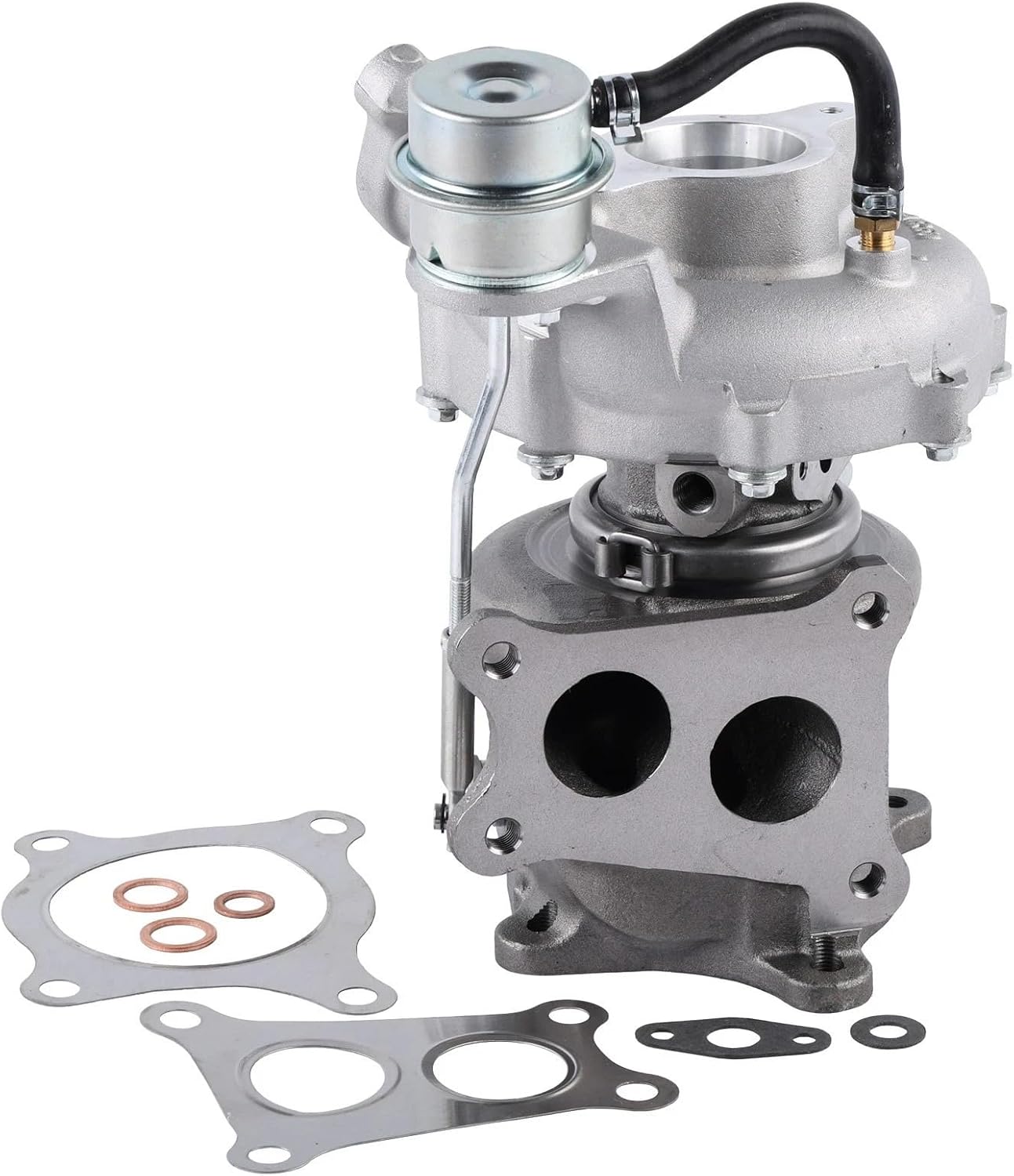
1. Bode-man Turbocharger Replacement for Subaru 2.0L FA20 (MGT2259S)
| Manufacturer | Bode-man |
|---|---|
| Manufacturer Part Number | DBTC127 |
| OEM Part Number | 14411AA881, 8143060007 |
| Engine fitment | Subaru 2.0L FA20 turbo |
This Bode-man turbocharger is sold as an OEM-style replacement for the MGT2259S unit found on Subaru 2.0L FA20 turbo engines. It is intended to drop into the factory location and restore boost, throttle response, and acceleration lost to a worn or leaking turbo. The unit features a precision-balanced rotating assembly and heat-resistant housings to handle elevated exhaust temperatures typical of turbocharged Subarus. Installation is the same basic process as swapping a factory turbo and will typically be done during a repair to return the car to factory-like performance. Practical benefits include regaining factory boost levels and drivability without needing a custom tune or additional modifications. Limitations are that this is a direct replacement rather than a performance upgrade, so it will not increase peak power beyond factory spec and proper verification of OEM numbers is needed before purchase to ensure fitment.
Best for: Buyers seeking a reliable, factory-style replacement to restore original boost and drivability on a Subaru with a tired or failed FA20 turbo should consider this unit.
Less Ideal for: Drivers looking for a performance upgrade, higher boost, or modified-engine components should choose a performance-oriented turbo instead.
- Designed to match factory fit and function for straightforward installation
- Precision-balanced rotating assembly for smoother operation and reduced vibration
- Heat-resistant housings suited to turbocharged exhaust temperatures
- Restores factory boost, throttle response, and drivability
- Not a performance upgrade so it will not increase peak power over factory levels
- Requires verification of OE part number to confirm correct fitment
Verdict: Choose this Bode-man unit when you want a factory-style replacement that restores original boost and drivability on Subaru 2.0L FA20 turbo engines.
2. BuyAutoParts Replacement Turbocharger for Subaru Impreza WRX (2008–2014)

| Fitment | 2008–2014 Subaru Impreza WRX (US-spec), not STI |
|---|---|
| Quality standard | ISO/TS 16949 |
| Core deposit | No core required |
| Replacement for | IHI VF52 |
This BuyAutoParts turbocharger is a brand-new, direct-fit replacement intended to replace the factory IHI VF52 turbo on US-spec 2008–2014 Subaru Impreza WRX models. It is built to ISO/TS 16949 quality standards and marketed for an OEM fit and finish, so installation follows the same routing and mounting as the original unit with no modification required. Typical use is as a straightforward replacement when a worn or failed turbo needs swapping; the listing emphasizes inspecting or replacing the oil feed line and priming the center bearing during install to improve longevity. The package and part numbers match common OEM references, which helps confirm compatibility. Practical benefits include avoiding core returns and receiving a ready-to-install unit with factory-style performance. Limitations are that this is not an upgraded performance turbocharger, so it will restore stock boost and response rather than increase power, and long-term reliability depends on proper oil/feed line service and installation technique.
Best for: Buyers seeking a reliable, factory-equivalent replacement to get a turbocharged Subaru back to stock performance with minimal fuss and a focus on correct fitment and installation.
Less Ideal for: Drivers looking to upgrade for more power, larger turbo support, or track-focused modifications should consider performance-oriented aftermarket turbos instead.
- Exact-fit replacement matching IHI VF52 routing for straightforward install
- Built to ISO/TS 16949 quality standards and inspected before shipping
- No core deposit required so unit is ready to install out of the box
- Restores factory performance but does not increase boost or power for performance gains
Verdict: Choose this unit if you want a ready-to-install, factory-equivalent turbocharger to restore a 2008–2014 Subaru Impreza WRX to stock performance quickly and with minimal hassle.
3. A-Premium TD04L-04HL Complete Turbocharger Turbo Kit

| Compatible vehicles | Subaru Forester 2004-2008, Impreza 2003-2007, Baja 2004-2006, Saab 9-2X 2006 |
|---|---|
| Turbo model | TD04L-04HL |
| Material | Alloy |
| Gasket included | Yes |
This A-Premium TD04L-04HL turbocharger is a direct-replacement style assembly intended to restore boost on compatible Subaru H4 2.5L and 2.0L applications and the Saab 9-2X 2.5L. The kit arrives as a ready-to-install turbo with gaskets included, which simplifies swap-outs for a mechanic or experienced DIYer. Built from alloy and supplied with the common TD04L-04HL internals, it provides the same basic function as a factory turbo: recover intake pressure and restore midrange power and throttle response. Practical benefits include a full assembly that reduces parts hunting and a one-year unlimited-mileage quality guarantee for peace of mind. Limitations to consider are modest customer feedback and the need to confirm exact submodel fitment—for example the 2007 Impreza listing only covers WRX variants—so careful verification before purchase is essential. Expect a like-for-like replacement rather than an aftermarket performance upgrade, and plan for professional installation if you are not comfortable with turbo plumbing and exhaust work.
Best for: Buyers seeking a practical, ready-to-install replacement turbo to restore factory-level boost and reliability on compatible Subaru H4 engines will appreciate this kit.
Less Ideal for: Drivers looking for increased performance or custom tuning parts should consider aftermarket performance turbos instead.
- Complete turbo assembly reduces the need to source separate parts
- Includes gaskets for a more straightforward installation
- One-year unlimited-mileage quality guarantee from the seller
- Alloy construction and standard TD04L-04HL internals suitable for factory replacement use
- Not marketed as a performance upgrade; intended as a replacement part
- Customer reviews are mixed, indicating variable user experience
Verdict: If you need a practical, complete replacement turbo to restore original boost on compatible Subaru H4 engines, this TD04L-04HL kit is a convenient, install-ready option.
4. BFO VF52/VF55 Turbocharger for Subaru Impreza WRX / Legacy / Forester 2.5XT

| Fitment | Forester 2.5XT 2007-2011; Impreza WRX 2009-2014; Legacy/Outback listed years |
|---|---|
| Turbo Model | RHF5H / RHF55 / VF52 |
| Compressor Wheel Diameter | 46/59 mm |
| Turbine Wheel Diameter | 47/51 mm |
| Cooling Type | Water Cooling |
This BFO turbo is a replacement VF52/VF55 unit aimed at Subaru 2.5L turbo engines such as the Forester 2.5XT and Impreza WRX. It installs in place of the factory turbo to restore boost and drivability after failure or to refresh an older turbo. The unit specifies water cooling, a 360-degree thrust bearing, and compressor and turbine wheel diameters that align with the original VF52/VF55 family, supporting up to about 320 hp in advertised terms. Practical benefits include straightforward bolt-on fitment to the listed models, familiar inlet/outlet flange patterns, and a design intended for daily driving and mild tuning. As an aftermarket budget option, expect variability in long-term durability compared with higher-end remanufactured or OEM turbos, and some users may need to check mating hardware and gaskets during installation. It is best used by those replacing a worn turbo or seeking a low-cost refresh rather than extreme-performance builds.
Best for: Buyers needing an affordable, bolt-in turbo replacement for routine repair or a cost-conscious refresh of a Subaru 2.5L turbo engine; ideal for drivers who prioritize getting their vehicle back on the road without premium pricing.
Less Ideal for: Enthusiasts planning high-boost, extensively modified builds or track-focused power increases should consider higher-spec or rebuilt turbos designed for sustained high output.
- Direct-fit design for listed Subaru 2.5L turbo models so installation is familiar to independent shops
- Water-cooled center section and full 360-degree thrust bearing for reliable thermal management under normal driving
- Compressor and turbine sizing consistent with VF52/VF55 family, supporting restored boost and up to advertised 320 hp capability
- Aftermarket budget construction may not match longevity or balancing precision of higher-end remanufactured or factory-quality turbos
Verdict: A cost-conscious, direct-fit replacement turbo for Subaru 2.5L turbo engines that restores boost and drivability without the premium price of remanufactured units.
5. Lamerto MGT2259S Turbocharger Replacement for Subaru 2.0L (14411-AA881)

| Manufacturer Part Number | 14411-AA881, MGT2259S |
|---|---|
| OEM Part Number | 14411-AA881; 14411-AA880; 814306-0007 (and variants) |
| Fitment | Forester FA20 2014-2018; WRX/Levorg FA20F 2015-2021 |
| Turbo Model | MGT2259S |
This Lamerto MGT2259S is a direct-replacement turbo designed to restore boost and engine performance on Subaru 2.0L FA20/FA20F engines. It installs in place of the listed part numbers (including 14411-AA881) and is intended for Forester and WRX/Levorg applications from the model years shown. The unit functions like a standard turbine-driven forced induction device to increase intake air density and recover exhaust energy for more power or improved efficiency. Notable features include broad listed OEM part compatibility and pre-shipment testing claimed by the seller. For a reliability-minded buyer this turbo can return lost performance caused by a failed unit and address symptoms like poor acceleration, blue/gray smoke, or increased oil consumption. Important limitations are that this is offered as a replacement unit rather than a performance upgrade and it does not include installation hardware details or a specified warranty in the listing, so professional installation and inspection of related engine systems are recommended to ensure long-term reliability.
Best for: Buyers who prioritize restoring reliable, factory-like performance after a turbo failure and want a direct replacement that matches factory part numbers for Forester and WRX/Levorg 2.0L applications.
Less Ideal for: Drivers seeking a performance upgrade, higher-flow unit, or a turbo tuned for increased power output should consider purpose-built performance turbos instead.
- Direct-replacement fit for multiple Subaru OEM part numbers, simplifying swap-in repairs
- Pre-shipment testing claimed by the seller to reduce risk of shipping defects
- Restores factory-style boost characteristics to recover power and drivability
- Compatible with common failure symptom fixes such as addressing oil leak-related smoke
- Listing does not specify a formal warranty or extended support terms
- Not marketed as a performance or upgraded turbo compared with aftermarket performance units
Verdict: A practical factory-style replacement turbo for Subaru FA20/FA20F engines that restores reliable, stock-like boost and drivability after turbo failure.
6. maXpeedingrods Turbocharger TD04L-13T for Subaru 2.0L (58T/EJ205)

| Application | Subaru Forester XT / Impreza 2.0L 1998-2003; Impreza WRX 2000-; Saab 9-2X 2005-2006 |
|---|---|
| Turbo Model | TD04L-13T (TD04 series) |
| Cooling Type | Water & Oil Cooled |
| Bearing Type | Journal (Floating) Bearing |
| Maximum Power | Up to 211HP |
This maXpeedingrods TD04L-13T turbocharger is sold as a direct OEM replacement for 2.0L Subaru turbo models and compatible Saab 9-2X engines. It is intended to drop in where the original turbo fits and returns factory-style boost characteristics while supporting roughly 211 hp, making it suitable for restoring worn units or rebuilding a stock-level turbo system. Notable features include a ductile iron turbine housing rated for high exhaust temperatures, a forged aluminum compressor wheel for improved airflow, and water-and-oil cooling for durability. The turbo uses a journal floating bearing design and claims 270-degree thrust bearing coverage, which should help longevity under regular driving and occasional spirited use. Installation is typical turbocharger work and may require professional fitting if you are not experienced with exhaust, oil, and coolant lines. This is not a high-end performance core for big-power builds but is a practical, value-oriented option for owners who want a reliable factory-style replacement without major modifications.
Best for: Owners looking to replace a worn turbo with a cost-conscious, factory-style unit that restores stock performance and reliability while keeping installation straightforward.
Less Ideal for: Enthusiasts planning large power upgrades, frequent full-throttle track use, or those who need a top-tier performance or ball-bearing turbo for high boost builds.
- Designed as a direct OEM replacement for Subaru 2.0L turbo applications for straightforward fitment
- Ductile iron turbine housing and high-temperature-rated turbine wheel for exhaust-side durability
- Forged aluminum compressor wheel with aerodynamic profile to improve airflow and boost response
- Water and oil cooling plus journal floating bearing support for dependable thermal management
- Journal (floating) bearing design is less robust for extreme high-power or sustained track use compared with ball-bearing turbos
- Sold as an individual turbocharger only, so additional gaskets or actuator adjustments may be required at installation
Verdict: A practical, factory-style TD04 replacement that gets 2.0L Subaru turbos back to stock performance with good durability at a value-oriented price.
Choosing the Right Subaru Forester Turbocharger: Key Factors to Consider
Fitment and Mounting Compatibility
Correct fitment is the first thing to verify when selecting a turbocharger for a Subaru Forester. The turbo must match the vehicle's exhaust manifold flange, oil feed and return paths, coolant lines if applicable, and actuator mounting points. Mismatched flanges or line positions often require adapters, rerouting, or custom manifolds that add cost and increase installation complexity.
Using a turbo with OEM-style interfaces reduces the chance of leaks and avoids interference with nearby components such as heat shields, steering linkages, or intake plumbing. For owners who want a straightforward swap, prioritize units advertised or documented to match Forester mounting geometry. If minor adapters are needed, factor in their availability and the potential need for professional installation.
Compressor and Turbine Sizing
Compressor and turbine wheel sizes govern how quickly the turbo spools and the shape of the powerband. A larger compressor can support higher peak power but may introduce more lag at low rpm. Conversely, a smaller, more compact housing often yields quicker spool and stronger midrange torque but might limit maximum airflow.
Consider how you drive the Forester day-to-day. If you prioritize city and highway responsiveness, favor a unit with a compressor/turbine balance that enhances low- to mid-range boost. For drivers targeting higher peak power on a tuned engine, a larger unit may be appropriate, but expect tradeoffs in low-rpm response and potential need for additional supporting modifications.
Bearing Type and Internal Design
The turbo's internal bearing system—commonly journal bearings or ball bearings—affects spool behavior and longevity. Ball-bearing designs typically spool faster and recover quicker from transient conditions, which improves throttle response. Journal-bearing designs can be more tolerant of certain oil supply conditions and are often found in factory-style replacements.
Evaluate the typical operating conditions of your Forester. Frequent short trips, heavy towing, or sustained high-load driving influence bearing life and lubrication needs. Select a design with a track record for durability under those conditions and ensure your oil change intervals and oil type are compatible with the turbo's requirements.
Thermal Durability and Heat Management
Turbochargers must operate at high exhaust temperatures, so thermal durability is critical. Housing materials, coating options, and turbine wheel metallurgy all affect how well a unit resists heat-related wear. Units designed with improved thermal resistance help prevent cracking, warping, and premature bearing failure.
Consider also the Forester's engine bay packaging: adequate heat shielding and routing of plumbing reduce heat soak to intake and nearby components. If you plan higher boost levels or frequent heavy operation, choose a turbo with proven heat-management features and plan for any additional shielding or coolant/oil cooling upgrades.
Serviceability and Parts Availability
Access to replacement cartridges, seals, and rebuild kits directly influences long-term ownership costs. Turbochargers that use common cartridge formats or for which rebuild kits are readily available make repairs faster and more economical. Some designs allow for quick cartridge swaps without major disassembly, which can cut downtime.
When evaluating options for a Subaru Forester, check that bearings, seals, and housings have documented replacement parts and that rebuild procedures are supported by clear documentation. If you live in an area with limited repair options, prioritize turbos with widespread parts availability.
Boost Control and Actuation
How boost is controlled—via a wastegate actuator, electronic control, or external boost controller—shapes drivability. A precisely calibrated actuator improves consistency in boost onset and prevents overboost events. Compatibility with the Forester's existing boost control system reduces the need for calibration or ECU changes.
Think about whether you want a drop-in actuator setup or plan to tune the engine management. If you intend to keep the Forester's stock ECU and map, choose a turbo that works with the vehicle's factory boost characteristics. For those planning more aggressive tuning, ensure the turbo's actuation and control range match the intended boost targets.
Signs Your Forester Needs a Turbocharger Replacement
Knowing the common symptoms of turbocharger distress helps determine whether you need a replacement, rebuild, or just a diagnostic service. Look for changes in throttle response, unusual noises, or visible oil leaks around the turbocharger housing.
Some issues are straightforward to spot during a test drive, while others are best identified during an inspection with cooling and oil lines depressurized. Early detection lets you plan for a suitable replacement that restores performance without introducing new problems.
- Whistling or siren-like noises at boost indicating damaged blades or air leaks
- Noticeable loss of boost pressure and sluggish acceleration
- Blue or gray exhaust smoke during acceleration suggesting oil leakage into the turbine housing
- Oil in the intake piping or intercooler indicating seal failure
Preparing Your Forester for a Turbo Swap
Preparation reduces installation time and risk. Start by gathering the correct gaskets, oil feed and return fittings, and any required mounting studs or clamps. Inspect the exhaust manifold and lines for cracks or warpage that could compromise the new turbo's seal.
Drain and replace engine oil prior to installation if the existing oil is degraded, and inspect the oil cooler and lines for blockages. Plan for routing of coolant lines if the replacement unit requires coolant through the center housing. Finally, set aside time to test for leaks and to verify boost with a gauge after installation.
- Order OEM-style gaskets and oil fittings compatible with Forester plumbing
- Replace engine oil and oil filter to avoid contaminating the new turbo
- Check exhaust manifold flatness and bolts for proper torque
- Have a boost gauge and basic diagnostic tools on hand for post-install checks
Installation Considerations and Common Pitfalls
Successful turbo installation depends on attention to detail. Common mistakes include inadequate oil priming before initial start, improper torque on mounting studs, and neglecting heating and cooling line integrity. Failing to prime the turbo oil feed can cause immediate bearing damage on first start.
Also avoid over-tightening or misaligning flanges, which can create stress points and leaks. After installation, run the engine at idle until oil pressure stabilizes and check for leaks. Allow the turbo to cool before shutting the engine off after a hot run to protect bearings from oil coking.
- Prime the turbo with clean oil before initial startup
- Torque bolts to factory specs and use proper gaskets
- Verify oil pressure and look for leaks immediately after start
- Let the engine idle briefly after high-load runs before shutdown
When to Consider a Rebuild Versus Full Replacement
Deciding between rebuilding the existing turbocharger and installing a new unit depends on damage extent, parts availability, and long-term goals. Rebuilding can be cost-effective when damage is limited to seals or bearings and when a suitable rebuild kit is available.
However, if the turbine or compressor wheels are damaged, housings are warped, or the unit has had prolonged heat-related damage, a full replacement often provides a more reliable long-term solution. Consider whether you want to maintain factory performance or pursue a different boost profile when making this choice.
- Rebuild is sensible for seal or bearing failures with intact wheels and housings
- Replace when wheels are chipped, housings cracked, or thermal damage is present
- Verify availability of a rebuild kit compatible with Forester cartridge dimensions
Supporting Modifications and Tuning for Upgrades
If you choose a turbocharger upgrade that pushes beyond factory airflow, plan supporting modifications. These may include upgraded intercoolers to reduce intake temperatures, reinforced fuel systems to maintain air-fuel ratios, and ECU tuning to manage timing and boost safely.
Upgrades can deliver more power and better responsiveness but also increase stress on the engine and drivetrain. Make incremental changes and validate each modification with proper tuning and monitoring to avoid unintended reliability issues.
- Consider a larger intercooler for sustained high boost levels
- Plan fuel system upgrades if fueling limits are reached
- Use controlled ECU tuning to match turbo characteristics and prevent knock
How We Chose the Best Subaru Forester Turbocharger
Our shortlist focuses on turbochargers that meet the functional needs of Subaru Forester owners across stock-replacement and performance-oriented use. We prioritized four to six concrete evaluation criteria that matter most for this vehicle.Fitment and OEM-style interfaces: We favored units that retain factory mounting points, oil and coolant feed/drain arrangements, and actuator bolt patterns to minimize modification and ensure straightforward installation.Boost control and compressor map suitability: Units were evaluated for how their compressor/turbine sizing affects spool, midrange torque, and peak boost relative to the Forester's engine characteristics.Durability and materials: We considered shaft and bearing design, journal or ball-bearing choices, and housing materials that influence heat tolerance and service life.Serviceability and parts availability: Preference was given to turbos with accessible rebuild parts, common cartridge formats, and clear support for replacement cores or repair kits.Thermal management and compatibility: Units that work with the Forester's stock cooling and oiling systems, or that offer clear upgrade paths for heat shielding or oil-cooler interfaces, ranked higher.We excluded options that require extensive custom fabrication, irreversible engine changes, or that lack documented fitment data for the Subaru Forester. The result is a set of turbochargers that balance drivability, reliability, and installation practicality for owners seeking replacement or an upgrade.
Our full evaluation process is outlined in our review methodology.
FAQ
What are common turbocharger symptoms on a Subaru Forester?
Common symptoms include reduced acceleration and boost, unusual high-pitched or grinding noises during spool, blue smoke on acceleration indicating oil leakage, and oil found in intake plumbing. These signs often point to seal, bearing, or blade damage.
Can I install a turbocharger myself or should I use a professional?
Installation complexity depends on your experience. A mechanically competent owner can perform a direct-fit swap with proper tools and a torque wrench, but professional installation is recommended if fabrications, line modifications, or ECU changes are required.
How long does a turbocharger typically last on a Forester?
Turbo life varies with driving habits, maintenance, and operating conditions. With regular oil changes and careful driving, a turbo can last many tens of thousands of miles, but frequent high-load use or neglected oil service shortens its lifespan.
Is it better to rebuild my existing turbocharger or replace it?
Rebuilds make sense for limited damage like worn seals or bearings when rebuild kits are available. Replacement is preferable if wheel damage, housing cracks, or extensive thermal damage exist, as these issues are harder to reliably repair.
Will upgrading the turbocharger affect my Forester's fuel economy?
Upgrading can change fuel consumption depending on driving style and boost targets. If tuned aggressively for more power, fuel use typically increases under acceleration. A properly sized upgrade matched to daily driving may not significantly alter economy.
What should I check after installing a new turbocharger?
After installation, prime the oil feed, verify oil pressure, inspect for oil and coolant leaks, and confirm boost behavior with a gauge. Also check exhaust and intake plumbing for leaks and listen for abnormal noises during spool and boost.
Final Verdict
When choosing a turbocharger for a Subaru Forester, prioritize fitment, appropriate compressor and turbine sizing for your driving style, and durability features that match your usage. Balance the desire for quicker spool or higher peak power with the practicalities of installation, thermal management, and serviceability.Focus on options that maintain OEM interfaces if you want a straightforward swap, or pick a clearly documented upgrade path if you plan additional modifications. By weighing these tradeoffs, you can select a turbocharger that delivers the performance and reliability you need from your Forester.
Explore More:
- Check out all Subaru Forester parts & accessories
- Explore Turbochargers Maintenance & Repair Guides
- Explore Engine
- Browse all Auto Parts
