

Note: This article contains affiliate links. If you click on these links and make a purchase, I may earn a small commission at no extra cost to you. This helps support my research and content. Read my full affiliate disclosure here.
If you plan to tow a small trailer or add a cargo carrier to your 2010-2014 Subaru Outback, the right tow hitch receiver makes a big difference in safety and convenience. The wrong receiver can limit towing capacity, interfere with rear sensors, or complicate installation. This guide shortlists the top six tow hitch receivers that suit the Outback's bumper lines and typical towing loads.We evaluated each option for fitment, towing capacity, installation method, and long-term durability so you can pick a receiver that fits how you use your Outback. Read on for the key factors that matter and the tradeoffs between bolt-on simplicity and integrated hitch designs.
Looking for other parts? See all Subaru Outback parts & accessories.
Top Picks at a Glance
| Best Overall Tow Hitch Receiver A well-rounded receiver balancing strength, fit, and value | Draw-Tite Class 3 Trailer Hitch 2" Receiver (Fits 2010–2019 Subaru Outback) |  |
| Best Budget Tow Hitch Receiver A low-cost receiver that covers basic towing needs reliably | Kojem Class 3 Trailer Hitch Receiver for 2010–2019 Subaru Outback, 2" Receiver |  |
| Best Premium Tow Hitch Receiver Higher-end construction, finish, and heavier-duty hardware for longevity | CURT Class 3 Trailer Hitch with 2" Receiver and Rubber Tube Cover for 2010–2019 Subaru Outback |  |
| Best Heavy-Duty Tow Hitch Receiver Maximum rated capacity and reinforced construction for big loads | T-TOP WLS Class 3 Trailer Hitch 2" Receiver for Subaru Outback (2010–2019) |  |
| Best Class III Tow Hitch Receiver Standard mid-range class receiver for versatile towing and accessories | CURT Class 3 Trailer Hitch 2" Receiver with 4-Way Wiring for 2014-2019 Outback |  |
| Best Easy-Install Tow Hitch Receiver Designed for straightforward bolt-on installation with minimal tools | maXpeedingrods Class 3 Trailer Hitch, 2" Receiver for Subaru Outback 2010–2019 | 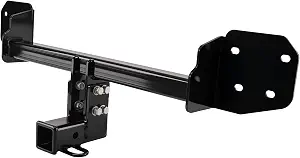 |
1. Draw-Tite Class 3 Trailer Hitch 2" Receiver (Fits 2010–2019 Subaru Outback)
Best Overall Tow Hitch Receiver
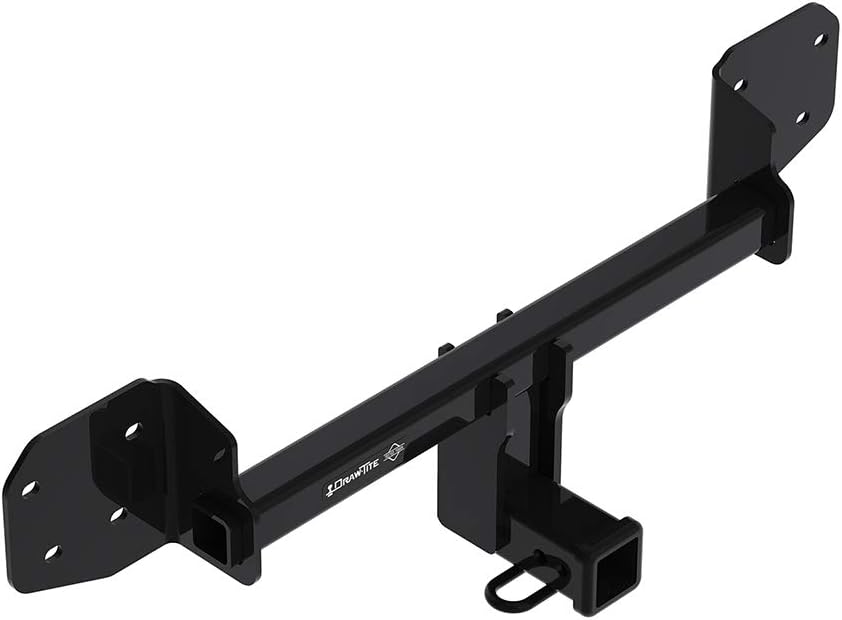
| Receiver opening | 2 inches |
|---|---|
| Class rating | Class 3 |
| Gross trailer weight | 4,000 pounds |
| Tongue weight | 600 pounds |
| Material | Alloy Steel |
This Draw-Tite Class 3 hitch is a model-specific receiver built to restore or add towing capability to a 2010–2019 Subaru Outback. It provides a 2-inch square receiver opening compatible with common accessories such as bike racks, cargo carriers, and light trailers. The hitch is all-welded alloy steel with a black powder-coat finish, which improves durability and corrosion resistance for long-term use in varied weather. Draw-Tite rates it for up to 4,000 lb gross trailer weight and 600 lb tongue weight, which covers most light trailers, small boats, and heavy cargo carriers without a weight-distribution system. Installation is straightforward for a DIY mechanic comfortable with basic hand tools and lifting the rear bumper area; the package includes mounting hardware and is shaped for a custom fit to the Outback. The hitch does not accept weight-distribution systems, so heavier towing setups requiring that feature will need a different solution. For everyday towing and accessory mounting on an Outback this hitch balances strength, fit, and corrosion protection well.
Best for: Buyers who want a durable, factory-quality hitch that fits their 2010–2019 Outback and delivers reliable everyday towing and accessory mounting with minimal fuss.
Less Ideal for: Drivers planning to tow heavy trailers that need a weight-distribution system or those who require higher towing capacities than this hitch provides.
- Vehicle-specific design for a precise fit to the Subaru Outback, simplifying installation.
- Solid all-welded alloy-steel construction provides strong load handling and longevity.
- Black powder-coat finish resists rust and corrosion in wet or salty conditions.
- 2-inch receiver accepts widely available hitch accessories and mounts.
- Includes mounting hardware and is backed by a lifetime limited warranty.
- Cannot be used with weight-distribution systems, limiting heavier trailer setups.
Verdict: The best overall tow hitch receiver offers the ideal balance of build quality, towing capacity, corrosion resistance, and ease of installation for most DIY mechanics looking for a reliable everyday hitch.
2. Kojem Class 3 Trailer Hitch Receiver for 2010–2019 Subaru Outback, 2" Receiver
Best Budget Tow Hitch Receiver

| Hitch Class | Class 3 |
|---|---|
| Receiver Tube Size | 2 in |
| Maximum Towing Capacity | 4000 Pounds |
| Tongue Weight | 600 Pounds |
| Finish Type | Powder Coated |
This Kojem Class 3 trailer hitch is a vehicle-specific bolt-on receiver for 2010–2019 Subaru Outback models. It installs using the factory mounting points and provides a 2-inch receiver tube suitable for everyday towing tasks like small trailers, bike racks, and cargo carriers. Constructed from alloy steel with a black powder-coated finish, the hitch aims to offer basic corrosion resistance and strength up to the advertised 4,000 lb towing and 600 lb tongue weight limits. The crosstube is concealed for a cleaner look and it ships with installation hardware and instructions, though professional installation is recommended if you are not experienced. As a budget option it delivers core towing capability and a solid fitment for the specified Outback years, but it lacks premium coatings and extras found on higher-end units and may require attention to rust prevention over long term heavy exposure.
Best for: Buyers on a tight budget who need a factory-fitting hitch for occasional towing or accessories on a 2010–2019 Subaru Outback and prioritize cost over premium finishes.
Less Ideal for: Frequent heavy-duty towing, drivers who run in very salty or coastal environments, or anyone wanting advanced anti-corrosion treatments should consider more heavily finished or higher-end options.
- Vehicle-specific fit for 2010–2019 Subaru Outback simplifies installation
- Class 3 rating with 2-inch receiver supports common towing needs up to 4,000 lb
- Alloy steel construction and concealed crosstube for durability and cleaner appearance
- Black powder-coated finish provides basic corrosion protection
- Includes installation hardware and instructions for bolt-on fitment
- Powder coat is basic compared with thicker corrosion-resistant finishes used on premium hitches
Verdict: The best budget tow hitch receiver provides acceptable strength and corrosion protection at a low price, making it the right choice for cost-conscious buyers who only need occasional towing capability.
3. CURT Class 3 Trailer Hitch with 2" Receiver and Rubber Tube Cover for 2010–2019 Subaru Outback
Best Premium Tow Hitch Receiver

| Compatible vehicle | 2010–2019 Subaru Outback |
|---|---|
| Receiver opening | 2" x 2" |
| Gross trailer weight | 4,000 lbs |
| Tongue weight | 600 lbs |
This CURT Class 3 trailer hitch is a vehicle-specific mounting kit engineered for the 2010–2019 Subaru Outback and includes a 2" x 2" receiver plus a rubber tube cover. It is designed and tested to SAE J684 standards and carries a 4,000 lb gross trailer weight and 600 lb tongue weight rating, so it handles typical light- to mid-weight towing tasks such as small trailers, cargo carriers, and bike racks. The hitch is precision welded, features a high-gloss black powder coat with an additional Bonderite rust-resistant treatment, and has an open-back receiver for easier cleaning and maintenance. Installation uses vehicle-specific hardware for a close fit and the rubber cover fits by friction to keep debris out when the receiver is unused. The build quality and corrosion protection make this a durable choice for frequent use, though towing limits remain constrained by the vehicle manufacturer and heavier towing will need a different platform or upgrade path.
Best for: Buyers who prioritize long-term durability, corrosion resistance, and a refined finish for frequent light- to mid-weight towing on a 2010–2019 Outback.
Less Ideal for: Drivers who plan to tow consistently above the vehicle's rated capacity or need a heavier-duty receiver for commercial-grade towing.
- Vehicle-specific design for a tight, factory-quality fit on 2010–2019 Subaru Outback
- Tested to SAE J684 with a 4,000 lb GTW and 600 lb TW rating suitable for common towing needs
- Durable welded construction with high-gloss powder coat and Bonderite corrosion treatment
- Open-back receiver eases cleaning and maintenance
- Includes rubber friction-fit tube cover to protect the receiver when not in use
- Towing capacity is limited by the vehicle's manufacturer ratings, not the hitch itself
Verdict: The best premium tow hitch receiver is for buyers willing to pay more for superior materials, thicker steel, refined finishes, and longer-lasting corrosion resistance that perform under frequent or demanding use.
4. T-TOP WLS Class 3 Trailer Hitch 2" Receiver for Subaru Outback (2010–2019)
Best Heavy-Duty Tow Hitch Receiver

| Compatible with Vehicle Type | Except Sport Model, for 2010-2019 Subaru Outback |
|---|---|
| Maximum Towing Capacity | 4000 pounds |
| Pull Force | 4000 pounds |
| Material Type | Carbon Steel |
| Finish Type | Powder Coated |
This Class 3 trailer hitch converts a 2010–2019 Subaru Outback (except Sport models) into a capable towing vehicle by providing a standard 2-inch receiver and a 4,000 lb gross towing capacity with 600 lb tongue weight. It bolts onto factory mounting points and ships with all mounting hardware for a straightforward installation without drilling or welding. Built from heavy-duty carbon steel and finished in black powder coat, the hitch resists corrosion and should stand up to regular towing and outdoor exposure. The 2-inch receiver accepts common accessories such as ball mounts, bike racks, cargo carriers, and spare tire mounts, making it a versatile upgrade for hauling trailers, bikes, or gear. Important limitations are that it is vehicle-specific so fitment excludes Sport models and users must torque factory bolts to specification during install to achieve rated strength; professional installation is recommended if you are not comfortable with torque requirements. Overall it is a practical, reinforced option for drivers who need a durable, higher-capacity hitch for routine towing on the specified Outback years.
Best for: Drivers of 2010–2019 Subaru Outbacks (non-Sport) who need a reinforced, higher-capacity hitch for regular towing or heavy cargo and prioritize a vehicle-matched, bolt-on installation.
Less Ideal for: People seeking a universal hitch for multiple vehicle types or owners of Sport model Outbacks should look for alternative options.
- Class III rating with 4,000 lb gross towing capacity and 600 lb tongue weight for heavier loads
- Vehicle-specific bolt-on design for direct fit to 2010–2019 Subaru Outback (except Sport) using factory mounting points
- Heavy-duty carbon steel construction with black powder-coat finish for corrosion resistance
- Includes all mounting hardware for an installation that requires no drilling or welding
- Standard 2-inch receiver supports a wide range of accessories for towing and cargo carrying
- Not compatible with Sport model Outbacks and limited to the specified model years
- Achieves rated strength only when factory bolts are torqued to the specified 42 ft-lbs, which may require a torque wrench or professional install
Verdict: The best heavy-duty tow hitch receiver is selected for its higher towing and tongue-weight ratings and reinforced construction, ideal for users who regularly tow heavy trailers or carry substantial loads.
5. CURT Class 3 Trailer Hitch 2" Receiver with 4-Way Wiring for 2014-2019 Outback
Best Class III Tow Hitch Receiver

| Compatible Vehicle Range | 2014–2019 Outback |
|---|---|
| Receiver Size | 2 inches |
| Maximum Towing Capacity | 4000 pounds |
| Material Type | Alloy Steel |
| Included Components | Trailer Hitch and Wiring Kit |
This CURT Class 3 hitch is a vehicle-specific replacement for 2014–2019 Outback owners who need a mid-range towing solution. It installs to the frame and provides a 2" receiver that accepts common Class 3 accessories like ball mounts, cargo carriers, and bike racks. The kit includes a custom 4-way flat wiring harness that plugs into the vehicle to power trailer lights and a rubber dust cover to protect the connector when not in use. Built from alloy steel with a powder-coated finish and precision welds, the hitch is intended to resist rust and chipping for long-term use. With a 4,000 lb gross trailer weight and 600 lb tongue weight rating it covers most recreational towing and light utility tasks. Expect a sturdy, factory-style fit and straightforward bolt-on installation, though professional installation may be preferred if you are not comfortable working under the bumper. The wiring requires connection to the vehicle battery for full function, so plan for that during installation.
Best for: Buyers who need a reliable, mid-capacity hitch for recreational towing and accessories on a 2014–2019 Outback and who prioritize a direct-fit, factory-style installation.
Less Ideal for: Drivers requiring heavy commercial towing above 4,000 lb or those who need a hitch with integrated wiring features beyond a basic 4-way flat connector should look elsewhere.
- Vehicle-specific design for direct bolt-on fit to 2014–2019 Outback frames
- 2" receiver fits standard Class III accessories for versatile towing and cargo options
- Includes custom plug-and-play 4-way flat wiring harness and protective dust cover
- Durable alloy steel construction with powder-coated finish resists corrosion and chipping
- Rated for 4,000 lb gross trailer weight and 600 lb tongue weight suitable for most recreational towing
- Wiring harness requires a battery connection and basic electrical steps during installation
Verdict: The best Class III tow hitch receiver targets buyers who need the common mid-range towing capacity and accessory compatibility of a Class III unit for versatile recreational and utility use.
6. maXpeedingrods Class 3 Trailer Hitch, 2" Receiver for Subaru Outback 2010–2019
Best Easy-Install Tow Hitch Receiver
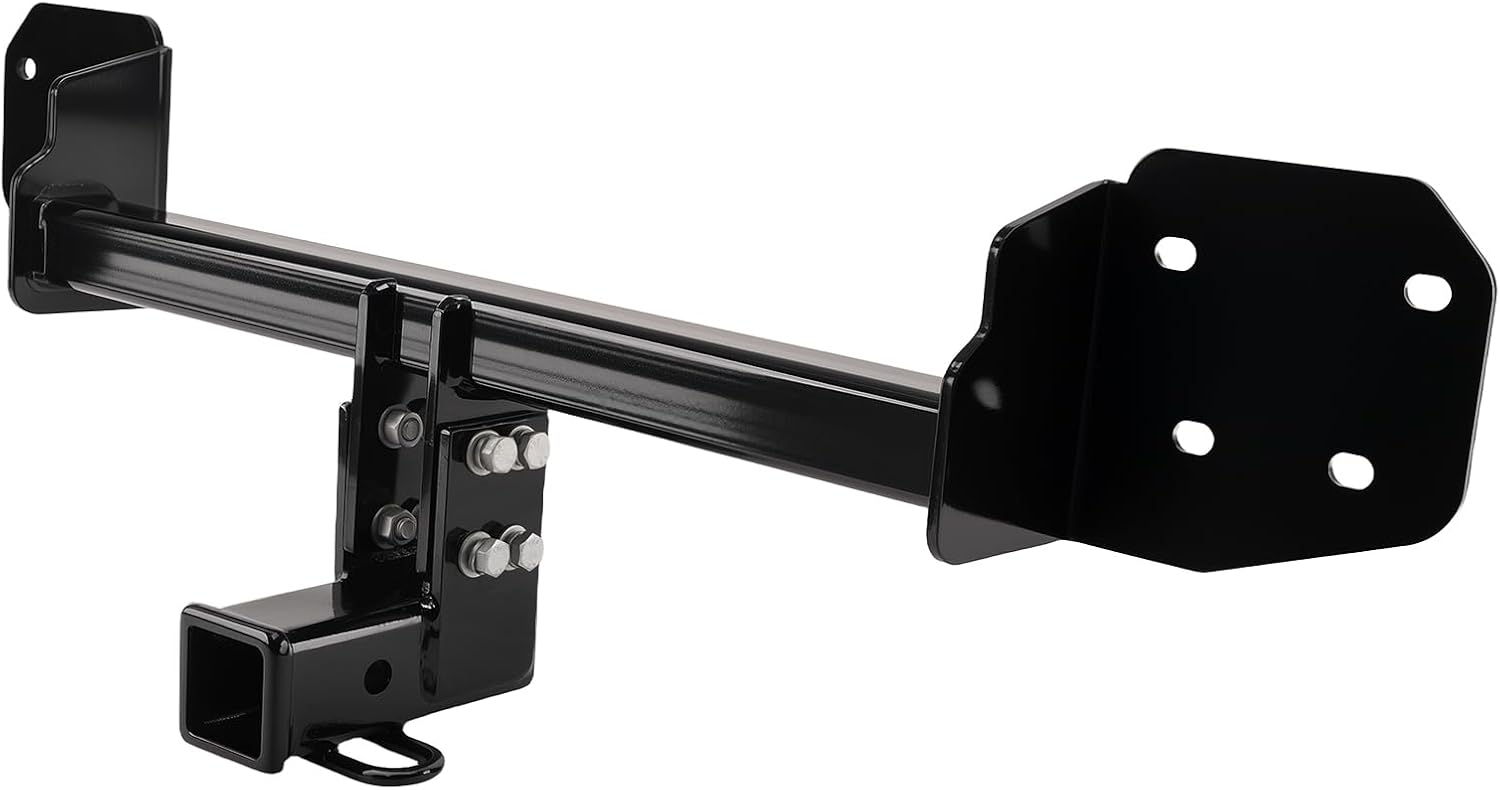
| Compatible with Vehicle Type | Car |
|---|---|
| Pull Force | 4000 pounds |
| Automotive Fit Type | Vehicle Specific Fit |
| Material Type | Alloy Steel |
| Finish Type | Powder Coated |
This maXpeedingrods Class 3 trailer hitch is a vehicle-specific 2-inch receiver designed to add towing and cargo-carrying capability to a Subaru Outback (2010–2019). It provides a 4,000 lb Gross Trailer Weight rating and a 600 lb tongue weight rating, letting you use common ball mounts, bike racks, and cargo carriers. Built from alloy steel with thick welds and a powder-coated finish, the hitch is aimed at long-term corrosion resistance and durability. For DIY installers the bolt-on 2" receiver design accepts standard 2" accessories and should align with factory mounting points, which simplifies fitment and reduces the need for specialty tools. Its practical limits are the stated weight capacities and the vehicle's own towing limits, so it is best for light trailers, small campers, and accessory carriers rather than heavy towing. The product includes basic hardware and the brand offers technical support, which helps if you run into questions during installation.
Best for: DIY-minded Subaru Outback owners who want a bolt-on, vehicle-specific receiver to carry bikes, cargo carriers, or tow light trailers without needing specialized tools or extensive fabrication.
Less Ideal for: Drivers who plan to tow heavy trailers, large campers, or exceed factory towing limits should choose a higher-capacity hitch or consult a professional installer.
- Vehicle-specific fit for Subaru Outback 2010–2019 which eases alignment during installation
- Standard 2" receiver accepts a wide range of hitch-mounted accessories
- Alloy steel construction with powder-coated finish for corrosion resistance
- 4,000 lb gross trailer weight and 600 lb tongue weight ratings suitable for light towing
- Not rated for heavy-duty towing or larger trailers beyond the listed capacities
Verdict: The best easy-install tow hitch receiver is chosen for its bolt-on design, clear instructions, and simple hardware that let most DIY mechanics complete installation quickly without specialized tools.
Choosing the Right 2010-2014 Subaru Outback Tow Hitch Receiver: Key Factors to Consider
Towing Capacity and Hitch Class
Towing capacity determines what you can safely tow and is tied to both the vehicle and the hitch class. For the 2010-2014 Outback, choose a receiver whose rated tongue weight and gross trailer weight align with the loads you expect to haul. A Class 3 style receiver is common for light trailers and hitch-mounted carriers, but confirm the specific numeric ratings rather than relying on class labels alone.
Matching ratings prevents overloading the vehicle's rear suspension and braking system. When you exceed rated tongue weight, steering and braking can be adversely affected, so pick a receiver that provides a reasonable margin above your typical trailer or cargo carrier weight. Also consider trailer braking requirements, as higher gross trailer weights often require an independent trailer brake system, which affects your overall towing setup.
Fitment and Frame Attachment Points
Correct fitment ensures the receiver mounts to factory frame or reinforced attachment points without altering bumper structure. For the Outback, look for receivers that reference the 2010-2014 model years and explain which frame points are used for mounting. A receiver that bolts to existing holes is easier to install and less likely to require trimming of the bumper or drilling into nonstructural body panels.
Poor fitment can lead to reduced ground clearance, interference with exhaust hangers, or contact with plastic bumper covers. Verify clearance around the spare tire well and that the receiver does not obstruct the rear hatch or sensors. If body trimming is required, plan for potential additional labor or aftermarket trim pieces to maintain a factory appearance.
Installation Method and DIY Difficulty
Installation varies from straightforward bolt-on kits to more involved installations that require cutting, drilling, or temporarily lowering exhaust components. Bolt-on receivers that use factory holes and come with comprehensive hardware and instructions are far easier for a confident DIYer. Consider whether you have access to lifts, jack stands, and the tools necessary for torqueing large fasteners to spec.
Labor time affects total ownership experience. Longer installations increase the chance of missed torque steps or alignment issues. Additionally, confirm whether the receiver requires professional alignment or special tools to fit correctly. If you prefer a shop install, factor in installation time and whether the shop has experience with this vehicle.
Corrosion Resistance and Finish
Hitch receivers are exposed to road salt, water, and debris, so a durable finish is essential to prevent rust and preserve structural integrity. Look for receivers with robust coatings such as full powder-coating, e-coating, or specialty rust inhibitors applied to all surfaces, including inside the receiver tube. Welds and mating surfaces should be protected or primed to delay corrosion onset.
Long-term corrosion resistance matters more in climates with winter de-icing or coastal exposure. Flaking paint or rust can make removal and maintenance difficult and may compromise pinholes or mounting hardware. Consider regular underbody inspections and the use of anti-corrosion treatments if your driving conditions are harsh.
Receiver Size and Accessory Compatibility
Receiver tube size dictates what hitch accessories you can use. Standard sizes include 1.25-inch and 2-inch square receivers, and many light towing and carrier needs use the 2-inch size for better accessory availability. Confirm the receiver size and whether included adapters or shims are necessary for your ball mount or cargo carrier.
Also check pinhole placement and the availability of anti-rattle accessories. Some receivers place the hitch tube closer to the bumper, which can limit the length of the hitch-mounted accessory that clears the rear of the vehicle. Ensure your chosen receiver provides adequate clearance for any bike racks, cargo carriers, or ramps you intend to use.
Impact on Ground Clearance and Rear Access
A receiver that hangs low can reduce ground clearance and increase the chance of bottoming out on steep driveways or rough roads. Some receiver designs tuck closer to the bumper, preserving clearance, while others protrude more for structural reasons. Consider how often you drive off-road or need full rear hatch access with a carrier attached.
Also assess how a loaded hitch affects loading and unloading from the rear, including whether a carrier blocks the hatch from opening fully. If you frequently carry rear-mounted gear, choose a receiver that balances strength with a compact profile to reduce interference with daily use.
Understanding Hitch Classes and What They Mean for the Outback
Hitch classes provide a quick reference to typical loads but do not replace the need to check exact weight ratings. For most Outback owners, Class 2 and Class 3-style receivers cover common towing and carrier needs. Pay attention to the listed tongue weight and gross trailer weight numbers and how they relate to your trailer, bike rack, or cargo carrier.
Choosing a receiver with a slightly higher rating than your largest expected load gives you a safety margin without adding unnecessary bulk. Also verify whether the receiver requires a specific ball size or mounting hardware to reach its rated capacity.
- Class labels are general; always confirm numeric ratings
- Match tongue weight rating to the accessory or trailer
- Consider whether you need a 2-inch receiver for wider accessory compatibility
Bolt-On Vs Welded or Integrated Designs
Bolt-on receivers that use factory attachment points are often simpler to install and easier to remove if you want to restore the rear profile. Integrated or welded receivers can offer a cleaner look and sometimes higher structural rigidity, but they may require more advanced installation methods and bodywork.
Think about whether you want a receiver that can be installed by one or two people with basic tools or if you prefer a permanently mounted solution that shops typically handle.
- Bolt-on: easier for DIY and reversible
- Welded/integrated: cleaner appearance, potentially stronger
- Check hardware quality and torque requirements for bolt-on kits
Common Installation Steps and Tips
Typical installation steps include raising the vehicle safely, removing or lowering any obstructing components such as heat shields or the spare tire, loosely fitting the receiver with supplied hardware, and torquing to the specified values. Many kits include clear instructions but double-check torque specs against the hardware grade.
Use anti-seize or thread locker as recommended by the instructions, and consider having a helper hold the receiver while you align bolts. After installation, retorque fasteners after an initial break-in period of a few hundred miles to ensure nothing worked loose.
- Always use appropriate jack stands and safety equipment
- Follow torque specs and retorque after short usage
- Inspect for exhaust or wiring interference before final tightening
Trailer Wiring and Electrical Considerations
Mounting the receiver is only part of setting up for towing. You will also need the appropriate trailer wiring to power brake lights, turn signals, and running lights. Some receivers require routing connectors near the hitch area; others work with existing vehicle wiring harnesses designed for towing.
Plan for the wiring harness location and any modules necessary for trailer brake controllers if your trailer needs active braking. Ensure that connectors are weather-sealed and that wiring is clamped away from hot or moving parts.
- Confirm whether your Outback already has a tow wiring option preinstalled
- Use sealed connectors and protective conduit for long-term reliability
- Locate wiring to avoid exhaust heat and suspension movement
Maintaining Your Receiver Over Time
Regular maintenance will keep a hitch receiver functioning and safe. Inspect mounting hardware for corrosion and correct torque periodically, especially after winter. Clean and reapply protective coatings or grease to moving parts like pins and locks to prevent seizing.
If you notice paint flaking or surface rust, address it promptly by cleaning, priming, and recoating the affected area. Lubricate hitch pins and check that any anti-rattle devices are still effective.
- Inspect hardware and finish seasonally
- Recoat or treat minor rust early to avoid structural issues
- Keep pin and lock mechanisms lubricated and free of debris
Still looking for the perfect fit?
Select your Subaru Outback configuration to see the most relevant Tow Hitch Receivers recommendations
How We Chose the Best 2010-2014 Subaru Outback Tow Hitch Receiver
We focused on attributes that matter specifically for 2010-2014 Subaru Outback owners and their common towing needs. Our selection criteria prioritized correct vehicle fitment, documented towing capacity for compatible hitch classes, corrosion resistance for road salt and wet climates, and installation method. We favored receivers with clear weight ratings, compatible ball-mount sizes, and designs that minimize interference with bumper trim, exhaust, and rear sensors.We evaluated build quality and finish, checking for thick steel construction, durable powder-coat or e-coating, and reinforced welds where applicable. Ease of installation was another key filter: bolt-on options that use existing frame points scored higher for DIY-friendly installs, while receivers requiring body modifications were scrutinized for required tools and complexity. Tow-related accessories such as pinhole placement and clearance for cargo carriers were also considered.Exclusions: we excluded any receiver listings lacking explicit fitment for the 2010-2014 Outback, undocumented weight ratings, or finishes unsuitable for wet and salty road environments. We did not include receivers intended for heavy commercial towing beyond the vehicle's recommended limits. The result is a focused set of options tailored to typical Outback towing use cases.
Our full evaluation process is outlined in our review methodology.
FAQ
Can I install a tow hitch receiver on my Outback myself?
Often you can install a bolt-on receiver yourself if you have basic tools and a safe way to lift the vehicle. Difficulty depends on whether the kit uses existing frame holes or requires drilling. If the kit calls for lowering the exhaust or accessing tight spaces, factor in extra time or professional help.
What receiver size should I choose for common cargo carriers?
Most cargo carriers and many bike racks use a 2-inch receiver for better compatibility and strength. If you already have a 1.25-inch accessory, adapters exist but can reduce capacity and increase movement. Match receiver size to the accessories you intend to use.
Will installing a hitch affect my Outback's ground clearance?
Some receivers do reduce rear ground clearance depending on how far the receiver protrudes below the bumper. Low-profile designs tuck closer to the bumper and preserve clearance, while heavier-duty receivers may hang lower. Consider how you drive and whether you need extra clearance for driveways or off-road use.
Do I need to upgrade suspension for towing with a hitch receiver?
It depends on the loads you plan to carry. Light carriers and small trailers that stay within the vehicle and hitch rating usually do not require suspension upgrades. Heavier or more frequent towing may benefit from load-leveling springs or airbags to maintain ride height and improve handling.
How do I know the receiver will not interfere with my rear sensors or exhaust?
Check fitment notes for any mention of sensor relocation or exhaust trimming. Properly designed receivers for the Outback will account for sensor placement and exhaust routing. During installation, temporarily fit the receiver and confirm clearances before final torque.
Is special wiring required to tow a trailer safely?
Yes, trailer lights require a dedicated wiring harness and for heavier trailers a brake controller may be necessary. Verify connector type and whether a module is needed to integrate trailer lights with the vehicle's electrical system.
Final Verdict
When choosing a tow hitch receiver for a 2010-2014 Subaru Outback, prioritize correct fitment and rated towing capacity that exceed your typical loads. Balance installation simplicity with long-term durability and corrosion resistance to match local driving conditions.Select a receiver size that matches your accessories and confirm wiring needs before hitting the road. With the right receiver and proper installation, you will maintain safety, preserve vehicle function, and get reliable towing performance from your Outback.
Explore More:
- Check out all Subaru Outback parts & accessories
- Explore Exterior Accessories
- Browse all Accessories
