

Note: This article contains affiliate links. If you click on these links and make a purchase, I may earn a small commission at no extra cost to you. This helps support my research and content. Read my full affiliate disclosure here.
If you plan to tow with a Subaru Outback Wagon, choosing the right tow hitch receiver affects safety, vehicle handling, and what you can actually tow. The correct receiver ensures proper load distribution, preserves ground clearance, and avoids interference with the exhaust and bumper while carrying trailers, bike racks, or cargo carriers.This guide highlights seven shortlisted tow hitch receivers best suited to the Outback Wagon and explains the key criteria we used to evaluate them. You will get practical insight on fitment, towing capacity, installation approach, and compatibility with common towing accessories to help you pick the best option for your needs.
Looking for other parts? See all Subaru Outback parts & accessories.
Top Picks at a Glance
| Best Overall Tow Hitch Receiver The best all-around receiver balancing fit, strength, and ease of use | Draw-Tite Class 3 Trailer Hitch 2" Receiver for 2010–2019 Subaru Outback Wagon |  |
| Best Budget Tow Hitch Receiver A low-cost receiver that covers basic towing needs reliably | Kojem Class 3 Trailer Hitch for 2010–2019 Subaru Outback, 2" Receiver |  |
| Best Premium Tow Hitch Receiver Higher-end construction, corrosion protection, and stronger materials | CURT Class 3 Trailer Hitch 2" Receiver for 2020–2025 Legacy and Outback |  |
| Best Low-Profile Tow Hitch Receiver A discreet, low-clearance receiver that preserves rear aesthetics | TULALUX 2" Class 3 Trailer Hitch Receiver for 2010–2019 Subaru Outback Wagon (Except Sport) |  |
| Best 2-Inch Tow Hitch Receiver Standard 2-inch opening for wide accessory and ball-mount compatibility | T-TOP WLS Class III 2-inch Trailer Hitch Receiver for Subaru Outback 2010–2019 |  |
| Best Heavy-Duty Tow Hitch Receiver Higher-capacity receiver rated for larger tongue and gross loads | Fsazub Class 3 Trailer Hitch, 2" Receiver for 2010–2019 Subaru Outback (Except Sport) |  |
| Best Bolt-On Tow Hitch Receiver Easy-to-install bolt-on design requiring no welding or frame cutting | HD Ridez Class 3 Bolt-On Trailer Hitch Receiver for Subaru Outback 2014–2019 |  |
1. Draw-Tite Class 3 Trailer Hitch 2" Receiver for 2010–2019 Subaru Outback Wagon
Best Overall Tow Hitch Receiver
| Receiver size | 2 inch square |
|---|---|
| Class rating | Class 3 |
| Gross trailer weight | 4,000 pounds |
| Tongue weight | 600 pounds |
| Material | Alloy Steel |
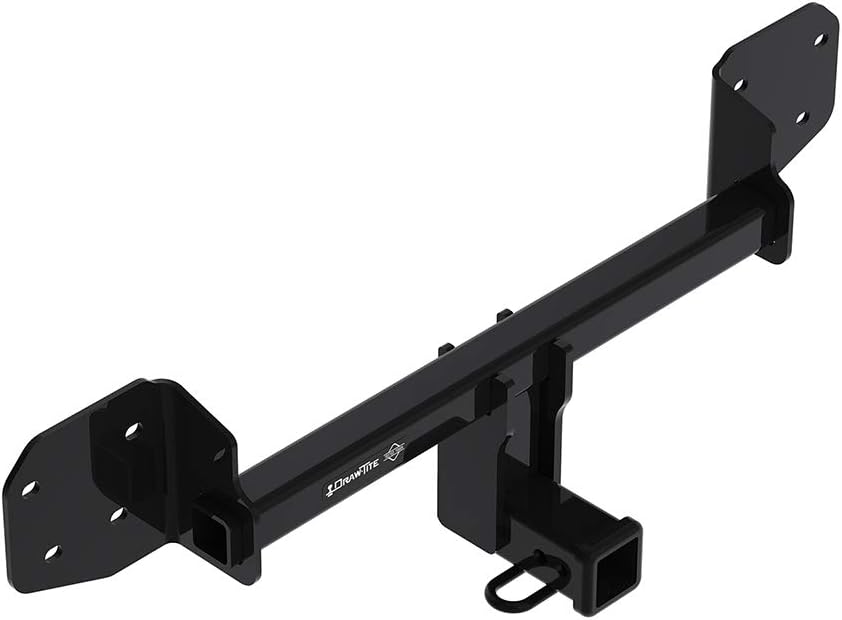
The Draw-Tite Class 3 2-inch receiver is a custom-fit trailer hitch built for the 2010–2019 Subaru Outback wagon. It mounts to factory attachment points and provides a solid, all-welded alloy-steel frame with a black powder-coat finish to resist corrosion. Typical uses include towing light trailers, attaching bike racks, or carrying cargo carriers; the hitch is rated for 4,000 lb gross trailer weight and 600 lb tongue weight, which covers most everyday towing and accessory needs. Draw-Tite supplies the mounting hardware and the design is tested to relevant industry standards, so installation is straightforward for a competent DIYer or a professional shop. Notable features are its vehicle-specific fit, durable finish, and lifetime limited warranty. The hitch does not support weight-distribution systems, so heavier trailers that require load leveling need a different solution. Expect a durable, factory-quality feel but plan around the 600 lb tongue weight limit if you tow heavier loads or use heavy accessories.
Best for: Buyers who want a dependable, factory-quality hitch for routine towing, bike racks, or cargo carriers on a 2010–2019 Subaru Outback wagon and prioritize fitment and long-term durability.
Less Ideal for: Anyone planning to tow heavy trailers that require weight-distribution or owners who need higher tongue-weight capacity for large cargo or specialty towing setups.
- Vehicle-specific design for 2010–2019 Outback wagon ensures a precise fit and straightforward installation
- Solid all-welded alloy steel construction for long-term strength
- Black powder-coat finish resists rust and corrosion
- Rated 4,000 lb GTW and 600 lb tongue weight suitable for most light towing and accessory use
- Includes mounting hardware and backed by a nationwide lifetime limited warranty
- Not compatible with weight-distribution systems, limiting heavier trailer setups
Verdict: The best all-around tow hitch receiver for most buyers, offering a reliable mix of build quality, easy installation, correct capacity, and long-term durability for routine towing needs.
2. Kojem Class 3 Trailer Hitch for 2010–2019 Subaru Outback, 2" Receiver
Best Budget Tow Hitch Receiver

| Hitch Class | Class 3 |
|---|---|
| Receiver Tube Size | 2 in |
| Maximum Towing Capacity | 4000 Pounds |
| Material | Alloy Steel |
| Finish Type | Powder Coated |
This Kojem Class 3 trailer hitch provides a straightforward, budget-friendly way to add a factory-style 2-inch receiver to 2010–2019 Subaru Outback wagons. It is made from alloy steel with a black powder-coated finish and a concealed cross tube, and it is rated for 4,000 pounds gross towing and 600 pounds tongue weight. Typical use is bolt-on installation to the Outback frame using the provided hardware and instructions; many buyers will be able to have a shop install it quickly. The powder coat and steel construction give decent corrosion resistance and strength for occasional towing of trailers, bikes, or small campers. Being a vehicle-specific fit simplifies alignment and keeps the hitch tucked under the bumper for a cleaner look. Limitations for cost-focused designs include a basic finish and hardware rather than premium corrosion protections or extra integrated features like wiring mounts or anti-rattle systems, so owners who expect very heavy frequent towing or want long-term salt‑belt durability may opt for higher-end options.
Best for: Buyers who want an affordable, no-frills way to add a reliable 2-inch receiver to a 2010–2019 Subaru Outback for occasional towing and weekend trailers and gear.
Less Ideal for: Drivers who tow very frequently, regularly approach the maximum rating, or need advanced corrosion protection and integrated accessories should consider higher-end alternatives.
- Vehicle-specific fit for 2010–2019 Subaru Outback simplifies installation and alignment.
- Class 3 rating with 2-inch receiver supports common towing needs up to 4,000 lb and 600 lb tongue weight.
- Powder-coated alloy steel construction offers solid strength and basic corrosion resistance.
- Concealed cross tube keeps the hitch tucked under the bumper for a cleaner appearance.
- Finish and hardware are basic compared with premium corrosion-resistant or noise-reduction features.
Verdict: The best budget tow hitch receiver for cost-conscious buyers who need a safe, functional hitch that performs well for occasional towing without extra bells or premium materials.
3. CURT Class 3 Trailer Hitch 2" Receiver for 2020–2025 Legacy and Outback
Best Premium Tow Hitch Receiver

| Maximum Towing Capacity | 3500 Pounds |
|---|---|
| Tongue Weight | 350 Pounds |
| Receiver Tube Size | 2-inch |
| Material | Carbon Steel |
| Finish Type | Gloss Black Powder Coat with co-cured A-coat |
This CURT Class 3 hitch is a vehicle-specific receiver engineered for 2020–2025 Legacy and Outback models and aimed at buyers who expect durable, long-term towing performance. It provides a 2-inch receiver opening and is rated for 3,500 pounds gross trailer weight and 350 pounds tongue weight, making it suitable for small travel trailers, boat trailers, and cargo carriers. The hitch is built from carbon steel with robotic and manual welds for consistent strength, and CURT’s co-cured A-coat plus black powder coat finish gives robust protection against rust, chips, and UV exposure. Typical use is permanent rear mounting to the factory mounting points for regular towing or attaching hitch accessories like bike racks and cargo carriers. The vehicle-specific design simplifies installation and yields a close fit to the bumper and underbody. The main trade-offs are that it is a fixed, non-adjustable receiver intended for the specified Subaru models only and weighs more than lighter general-purpose hitches, which reflects its thicker steel construction and durability focus.
Best for: Buyers who prioritize long-term durability and factory-quality fitment for frequent towing or heavy accessory use on a 2020–2025 Legacy or Outback and are willing to pay for thicker steel and superior corrosion protection.
Less Ideal for: Drivers who rarely tow, need a universal or multi-vehicle hitch, or prefer the lightest possible aftermarket hitch to save weight and cost.
- Vehicle-specific design for a precise fit on 2020–2025 Legacy and Outback models
- Thicker carbon steel construction with mixed robotic and manual welds for strength and durability
- Co-cured A-coat plus black powder coat finish for strong corrosion, chip, and UV resistance
- 2-inch receiver accepts a wide range of standard ball mounts and hitch accessories
- Manufactured and tested to SAE J684 standards for dependable towing performance
- Fixed receiver design limited to the listed Subaru model years with no universal fitment
- Heavier, bulkier assembly compared with lightweight, economy hitches
Verdict: The best premium tow hitch receiver for buyers willing to pay more for thicker steel, superior corrosion coatings, tighter manufacturing tolerances, and longer-lasting performance under frequent towing use.
4. TULALUX 2" Class 3 Trailer Hitch Receiver for 2010–2019 Subaru Outback Wagon (Except Sport)
Best Low-Profile Tow Hitch Receiver

| Compatible Vehicle | 2010–2019 Subaru Outback Wagon (except Sport) |
|---|---|
| Receiver Size | 2 inches |
| Maximum Towing Capacity | 4000 pounds |
| Material | Carbon Steel |
| Finish Type | Powder Coated |
This TULALUX 2-inch Class 3 receiver is a bolt-on tow hitch made for 2010–2019 Subaru Outback Wagon models (except Sport). It installs using factory mounting points for a near-factory fit and keeps the bumperline tidy for a low-profile appearance while still supporting common towing tasks. Constructed from carbon steel with a powder-coated finish, the hitch resists corrosion and is suited to seasonal use in wet or salty climates. With a 4,000 pound maximum towing capacity and 600 pound tongue weight it covers small trailers, cargo carriers, hitch-mounted bike racks, and other popular accessories without overbuilding. The 2-inch receiver size preserves compatibility with the broadest range of aftermarket hitch accessories. Expect a straightforward bolt-on installation for DIYers with basic tools, though professional installation may be preferable if you want torque-accurate hardware or rustproofing attention. This is a focused solution if you want strong towing ability without a bulky bumper-dropper; it is not aimed at heavy commercial towing or vehicles outside the listed fitment.
Best for: Buyers who prioritize a low-visual-profile hitch that preserves the Outback's bumperline while keeping full recreational towing capability and easy bolt-on fitment.
Less Ideal for: Drivers who need heavy-duty commercial towing, larger fifth-wheel or gooseneck setups, or who plan to tow above the listed capacities should choose a heavier-duty solution.
- Vehicle-specific design for 2010–2019 Outback Wagon provides a clean, factory-style installation
- Class 3 2-inch receiver supports a wide range of hitch-mounted accessories
- 4,000 lb towing capacity and 600 lb tongue weight cover common recreational towing needs
- Carbon steel construction with powder-coat finish improves durability and corrosion resistance
- Not intended for heavy commercial towing beyond the stated capacity
Verdict: The best low-profile tow hitch receiver for owners who want minimal visual impact and reduced ground intrusion while retaining full towing capability and a clean bumperline.
5. T-TOP WLS Class III 2-inch Trailer Hitch Receiver for Subaru Outback 2010–2019
Best 2-Inch Tow Hitch Receiver

| Compatible Vehicle | 2010–2019 Subaru Outback (except Sport) |
|---|---|
| Receiver Size | 2 inches |
| Maximum Towing Capacity | 4000 pounds |
| Material | Carbon Steel |
| Finish | Powder Coated |
This Class III 2-inch trailer hitch converts a 2010–2019 Subaru Outback (except Sport models) into a flexible towing platform. It bolts to factory mounting points and ships with all required hardware, so installation is straightforward for a home mechanic with basic hand tools and a torque wrench. Constructed from carbon steel with a black powder-coat finish, the receiver is rated for 4,000 pounds gross trailer weight and 600 pounds tongue weight, which covers small trailers, bike racks, cargo carriers, and light campers. The industry-standard 2-inch square opening makes it compatible with the wide ecosystem of ball mounts and accessories. Because it is vehicle-specific, the hitch fits tightly against the frame for a near-factory look and avoids drilling or welding. The main limitations are fitment scope and weight: it is not for Sport Outback variants and it is intended for light to moderate towing rather than heavy commercial loads.
Best for: Buyers who want the common 2-inch receiver size on a 2010–2019 Subaru Outback to add towing, bike racks, or cargo carriers while keeping a factory-like installation and appearance.
Less Ideal for: People who need a hitch for Sport model Outbacks or who plan to tow consistently near or above heavy-duty towing limits should look for a different solution.
- Vehicle-specific fit for Subaru Outback 2010–2019 (except Sport) for clean, factory-like integration
- Class III 2-inch receiver rated to 4,000 lb GTW and 600 lb tongue weight supports common towing tasks
- Bolt-on installation using existing mounting points with all mounting hardware included
- Durable carbon steel construction with black powder-coat finish for corrosion resistance
- Standard 2-inch opening compatible with a wide range of ball mounts and cargo accessories
- Not compatible with Sport model Outbacks
- Capacity is suitable for light to moderate towing but not heavy commercial loads
Verdict: The best 2-inch tow hitch receiver for buyers who need the common, versatile receiver size that supports a broad range of ball mounts, cargo carriers, and towing accessories.
6. Fsazub Class 3 Trailer Hitch, 2" Receiver for 2010–2019 Subaru Outback (Except Sport)
Best Heavy-Duty Tow Hitch Receiver

| Compatible Vehicle | 2010-2019 Subaru Outback (Except Sport) |
|---|---|
| Hitch Class | Class 3 |
| Receiver Size | 2 inches |
| Maximum Towing Capacity | 4500 pounds |
| Tongue Weight | 675 pounds |
This Fsazub Class 3 trailer hitch is a vehicle-specific receiver built to add serious towing capability to 2010–2019 Subaru Outback models (except Sport). It bolts to the factory mounting points and provides a 2-inch square receiver suitable for ball mounts, bike racks, and cargo carriers. Constructed from carbon steel with a triple coating process and powder coat finish, the hitch is aimed at resisting corrosion and road wear for regular towing use. With a 675 pound tongue weight and 4,500 pound gross towing capacity it handles heavier trailers and equipment common to weekend hauling or light commercial tasks. Installation includes mounting hardware and a manual, so a DIY-savvy owner can fit it in a garage; professional installation will ensure torque specs and alignment. Limitations include vehicle-specific fitment only for non-Sport Outback trim and the product warranty period is short, so buyers who need long-term support or across-model compatibility should consider other options.
Best for: Owners who frequently tow heavier trailers or equipment with a 2010–2019 Subaru Outback (non-Sport) and prioritize a high-capacity, vehicle-specific receiver for regular use.
Less Ideal for: Drivers who need a hitch that fits multiple vehicle models or who want a long-term manufacturer warranty and extended support.
- Vehicle-specific fit for 2010–2019 Subaru Outback (except Sport) for a seamless installation
- 2-inch receiver compatible with common tow accessories like ball mounts and bike racks
- High rated towing: 4,500 lb GTW and 675 lb tongue weight for heavier trailers
- Carbon steel construction with multi-stage coating for improved corrosion resistance
- Comes with installation hardware and manual for straightforward fitting
- Warranty coverage is limited to one month from delivery
Verdict: The best heavy-duty tow hitch receiver for users who regularly haul heavier trailers or equipment and need higher tongue and gross trailer weight ratings with robust construction.
7. HD Ridez Class 3 Bolt-On Trailer Hitch Receiver for Subaru Outback 2014–2019
Best Bolt-On Tow Hitch Receiver

| Receiver size | 2 inches |
|---|---|
| Gross trailer weight | 4000 lbs |
| Tongue weight | 600 lbs |
| Test standard | SAE J684 |
This HD Ridez bolt-on trailer hitch is built to fit Subaru Outback wagons from 2014 through 2019 and installs using the vehicle's existing mounting points and the included hardware. It provides a 2-inch Class 3 receiver rated to a 4,000 lb gross trailer weight and 600 lb tongue weight, and the manufacturer says the assembly meets SAE J684 testing for strength and durability. Fabricated from heavy gauge steel with robotic welding and a multi-layer high-gloss powder coat, the hitch resists corrosion and road debris for long-term use. The kit ships with a weather-tight hitch cover, mounting bolts, and instructions so a competent DIYer with basic hand tools can complete the install without drilling or welding. Expect a visible, factory-style look because the receiver is designed to align with the factory bumper. The main limitations are vehicle-specific fitment—this is tailored to the Outback 2014–2019—and the installed unit adds weight and may require care to avoid bumper scuffs during installation.
Best for: DIY-minded owners who want a straightforward, reversible bolt-on hitch that installs with basic hand tools and factory mounting points and prioritizes a factory-style appearance and tested towing capacity.
Less Ideal for: Buyers who need a hitch for different vehicles, heavy commercial towing beyond the listed ratings, or who prefer a welded or custom-fabricated solution should look elsewhere.
- Bolt-on design uses factory mounting points for a reversible DIY install
- Class 3 2-inch receiver with 4,000 lb gross trailer weight and 600 lb tongue weight ratings
- Includes mounting hardware, hitch cover, and instructions for straightforward installation
- Multi-layer high-gloss powder coat and steel construction for corrosion resistance and durability
- Fitment limited to Subaru Outback 2014–2019 models only
Verdict: The best bolt-on tow hitch receiver for DIY installers who want a straightforward, reversible installation using existing mounting points and basic hand tools without welding.
Choosing the Right Subaru Outback Wagon Tow Hitch Receiver: Key Factors to Consider
Towing Capacity and Tongue Weight
Rated towing capacity and tongue weight limits are the primary safety numbers to check before hitch selection. Towing capacity refers to the maximum trailer weight the combined vehicle and hitch can handle, while tongue weight is the downward force the trailer places on the receiver and hitch ball.
For the Outback Wagon, matching the hitch's towing and tongue weight ratings to your intended trailer or cargo is critical. Underrating can cause sway, overheating of brakes, and accelerated drivetrain wear. Overrating is less common but still useful as it provides margin and longevity. Verify both ratings rather than assuming a heavier-duty hitch can compensate for vehicle chassis limits.
Receiver Class and Hitch Size
Receiver class and physical size determine what accessories and ball mounts will fit. Class 1 and 2 receivers are typically for light-duty accessory use, while Class 3 receivers are common for towing small trailers and cargo. The internal receiver opening size, such as 1.25-inch or 2-inch, dictates compatible ball mounts and hitch-mounted gear.
Choosing the correct receiver size for your planned use avoids adapter stacks that reduce strength and ground clearance. If you plan to tow regularly or haul heavier loads, prioritize a receiver that supports the needed class and size without adapters to preserve towing geometry and safety.
Fitment and Mounting Method
How the hitch attaches to the Outback Wagon affects installation time, structural integrity, and whether bumper or exhaust trimming is required. Bolt-on hitches that use existing factory holes are faster to install and easier to uninstall without permanent modifications. Weld-on or frame-modification options may provide higher strength but require professional installation and permanent changes.
Confirm that the hitch design aligns with the Outback Wagon's frame rails and does not interfere with the spare tire, exhaust, or heat shields. Proper fitment reduces the risk of installation errors and ensures towing forces load the vehicle structure as intended.
Corrosion Protection and Material Quality
Hitches are exposed to road salt, water, and debris, so corrosion protection affects longevity and safety. Look for solid steel construction, fully welded seams where applicable, and durable finishes such as powder coating or e-coating designed for underbody use.
Higher-quality materials and coatings reduce the need for frequent replacement and lower the chance of rust-related weakening. Consider regional climate when evaluating coatings; coastal or winter conditions require more robust corrosion resistance to maintain structural integrity over time.
Electrical and Accessory Integration
Towing a trailer typically requires wiring for lights and sometimes brakes. A hitch that provides accessible mounting points for wiring harnesses or integrates with factory wiring adapters simplifies installation. Some designs include convenient access holes or brackets for installing trailer wiring modules and brake controller ports.
Also consider how the receiver works with common accessories such as bike racks, cargo carriers, and step plates. Clearance from the bumper and the location of the receiver opening affect how easy it is to use hitch-mounted gear regularly without obstructing the license plate or tailgate operation.
Ground Clearance and Rear Departure Angle
Adding a hitch can reduce rear ground clearance or change the vehicle's departure angle, which matters if you encounter steep driveways, off-road sections, or steep ramps. Low-mounted receivers or profiles that hang below the bumper can catch on curbs or trail obstacles.
Choose a hitch with a profile that preserves as much clearance as possible while still meeting strength requirements. Consider whether any additional drop or rise needed for your ball mount will further affect clearance when the vehicle is loaded.
Understanding Hitch Classes and What They Mean for the Outback Wagon
Hitch classes group receivers by typical load capability and physical opening size. For the Outback Wagon, most owners find Class 1 or Class 3 options meet their needs, depending on whether they plan to tow light trailers or haul heavier loads like small campers or utility trailers.
A Class 3 receiver with a 2-inch opening is often the most versatile choice because it supports a wide range of mounts and accessories while maintaining a relatively compact profile. Even so, always align the hitch's published ratings with the Outback Wagon's allowed towing numbers and tongue weight limits.
- Class 1: best for light cargo carriers and small accessories
- Class 2: intermediate uses and small trailer towing
- Class 3: common for moderate towing duty and most accessory compatibility
Bolt-On Vs. More Involved Installations
Bolt-on installers that use factory mounting points minimize the risk of damaging the bumper or cutting into structural members. They are typically faster and can be installed with basic tools or by a general shop familiar with the Outback Wagon.
More involved installations that require trimming, drilling, or welding can sometimes allow for a lower-profile or higher-capacity hitch, but they increase installation time and cost. If you prefer to keep the vehicle largely unmodified, prioritize bolt-on designs that are engineered for the Outback Wagon Wagon configuration.
- Bolt-on: quicker, reversible, less invasive
- Modified-fit: may improve clearance or strength but is more permanent
Wiring and Brake Controller Considerations
Trailer wiring and brake controllers are critical for legal and safe towing. Check whether the hitch design provides room and attachment points for routing wiring harnesses and for mounting a brake controller if you plan to tow a trailer with electric or hydraulic brakes.
Some hitches leave easier access to factory wiring connectors behind the bumper, reducing the need to fish new wires. Planning wiring paths in advance reduces installation time and avoids exposing connectors to road debris.
- Look for hitches with wiring mounting brackets or pass-through holes
- Plan brake controller mounting locations before finalizing hitch and ball mount choices
Maintaining Clearance With Cargo Carriers and Bike Racks
When using hitch-mounted cargo carriers or bike racks, consider how much the accessory will protrude behind the rear bumper and whether it will obstruct access to the rear hatch. Receiver height and the need for drop or rise shanks influence how level the cargo will sit and whether items clear the ground.
A 2-inch receiver often provides the most straightforward compatibility with common racks and carriers while preserving vehicle handling. Measure the combined length of the carrier and cargo to ensure parking and driveway clearance remains manageable.
- Check license plate and hatch clearance with the accessory mounted
- Consider quick-release or folding carriers for frequent cargo use
Routine Inspection and Rust Prevention
After installation, periodically inspect the hitch for loose hardware, chipped coating, or developing rust, especially if you drive in winter conditions or near saltwater. Tighten mounting bolts to the specified torque and touch up any exposed metal with a rust-inhibiting paint or coating.
Keeping the receiver tube clean and free of debris also reduces wear on pins and prevents binding when attaching mounts. Simple maintenance preserves towing capacity and keeps the hitch functioning reliably.
- Inspect bolts and welds every few months and after heavy towing
- Wash and dry the hitch area to remove salt and grime in corrosive conditions
Still looking for the perfect fit?
Select your Subaru Outback configuration to see the most relevant Tow Hitch Receivers recommendations
How We Chose the Best Subaru Outback Wagon Tow Hitch Receiver
We focused on fitment, structural strength, and installation practicality when narrowing the field to the seven tow hitch receivers featured here. First, we restricted candidates to designs that explicitly match the Subaru Outback Wagon's frame and mounting points to avoid fitment compromises that can affect safety.Evaluation criteria included rated towing capacity and tongue weight limits, since those specifications determine what trailers and accessories you can haul without overloading the vehicle. We also assessed hitch class and receiver size to ensure compatibility with common ball mounts, cargo carriers, and bike racks. Ease of installation was a key filter, favoring bolt-on or minimally invasive options that reduce labor time and the risk of exhaust or bumper interference.Corrosion protection and material quality were considered to predict long-term durability in varied climates. Finally, we looked at accessory compatibility such as wiring pass-throughs and step clearance to ensure practical everyday use. We excluded universal or trimmed-fit designs that require extensive modification to the Outback Wagon's bumper or frame, and we did not consider hitches intended only for light accessory use that lack sufficient towing ratings for trailering.
Our full evaluation process is outlined in our review methodology.
FAQ
What receiver size should I choose for my Outback Wagon?
Most Outback Wagon owners opt for a 2-inch receiver for broader accessory compatibility and better support for moderate trailers. Choose a size that matches the ball mount and accessories you plan to use and that meets your towing capacity needs.
Can I install a tow hitch receiver myself?
You can install many bolt-on receivers with basic tools if you have mechanical experience. However, installation often involves torqueing bolts to specific values and routing wiring, so less experienced owners may prefer a professional installer to ensure correct fitment and safety.
Will a hitch change my vehicle's fuel economy?
A permanently mounted hitch may have a small effect on fuel economy due to added weight and altered aerodynamics, especially when towing. The impact is usually modest for light accessories but can be more noticeable when pulling a trailer.
How do I know if a hitch will interfere with the spare tire or exhaust?
Check the hitch design for clearance notes and vehicle-specific fit diagrams. Hitches engineered for the Outback Wagon should account for spare tire location and exhaust routing; confirm fitment details and included instructions before installation.
Do I need a different hitch for carrying bikes versus towing a trailer?
Bike racks and cargo carriers present different load characteristics than trailers. For racks, focus on receiver height, protrusion from the bumper, and anti-rattle fitment. Trailers require attention to towing and tongue weight ratings as well as wiring for lights and brakes.
How often should I inspect my hitch after installation?
Inspect mounting hardware, welds, and the receiver tube every few months and after any heavy towing or off-road use. Regular inspections help catch corrosion or loosening before they become safety issues.
Final Verdict
When choosing a tow hitch receiver for a Subaru Outback Wagon, prioritize matching the hitch's towing capacity and tongue weight to your intended loads, and pick a receiver size that supports the accessories you plan to use. Favor bolt-on designs that fit the Outback Wagon's factory mounting points unless you need a specialty installation.Balance corrosion protection, ease of wiring integration, and ground clearance when weighing options. With those tradeoffs in mind, select the hitch that best aligns with your towing frequency and the types of trailers or carriers you will haul to ensure safe, reliable towing performance.
Explore More:
- Check out all Subaru Outback parts & accessories
- Explore Exterior Accessories
- Browse all Accessories
