

Note: This article contains affiliate links. If you click on these links and make a purchase, I may earn a small commission at no extra cost to you. This helps support my research and content. Read my full affiliate disclosure here.
If you own a 2000-2004 Subaru Outback and need to add towing capability, picking the right tow hitch receiver matters for safety, load limits, and installation effort. The wrong receiver can limit what you tow, complicate installation, or create premature wear on attachment points. This guide covers the top shortlisted tow hitch receivers compatible with the 2000-2004 Outback and explains the practical differences that matter for owners.We evaluate each option for structural fit, rated towing capacity, hitch receiver size, and how the unit integrates with the Outback's frame and exhaust routing. Read on for clear guidance on fitment, installation approaches, and which criteria should drive your choice before you inspect specific products.
Looking for other parts? See all Subaru Outback parts & accessories.
Top Picks at a Glance
| Best Overall Tow Hitch Receiver A well-rounded, vehicle-fit hitch with strong build and reliable ratings | CURT Class 2 Trailer Hitch 122703 with Ball Mount, Pin and Clip |  |
| Best Budget Tow Hitch Receiver An affordable, no-frills receiver that covers basic towing needs | CURT Class 2 Trailer Hitch 1-1/4-Inch Receiver for Select Subaru Legacy/Outback |  |
| Best 2-Inch Class 3 Tow Hitch Receiver Standard 2" receiver rated for higher GTW and common accessories | CURT 13390 Class 3 Trailer Hitch, 2-Inch Receiver |  |
| Best 1.25-Inch Class 2 Tow Hitch Receiver Smaller 1.25" receiver for light-duty towing and bike racks | CURT 12270 Class 2 Trailer Hitch Receiver, 1-1/4-Inch |  |
| Best Heavy-Duty Tow Hitch Receiver Reinforced construction and higher gross/tongue weight ratings for big loads | CURT Class 3 Trailer Hitch and 4‑Pin Wiring Harness for Select Subaru Outback |  |
1. CURT Class 2 Trailer Hitch 122703 with Ball Mount, Pin and Clip
Best Overall Tow Hitch Receiver

| Gross trailer weight | 3,500 pounds |
|---|---|
| Tongue weight | 350 pounds |
| Receiver size | 1-1/4 inch |
| Material type | Carbon Steel |
| Finish | Dual-coat (A-coat plus powder coat) |
This CURT Class 2 hitch is a factory-style receiver designed to fit select 2000–2004 Subaru Outback and Legacy models for straightforward, everyday towing. It accepts a 1-1/4-inch ball mount and ships with a ball mount, hitch pin, and mounting hardware so you can tow or carry hitch accessories right away. Built from welded carbon steel and finished with CURT’s dual-coat process, it resists rust and chipping better than basic powder coat hitches and is tested to SAE J684 standards for predictable on-road performance. The 3,500 lb gross trailer weight and 350 lb tongue weight ratings make it suitable for small boat trailers, lightweight campers, utility trailers, and hitch-mounted cargo or bike racks so long as you observe the lowest-rated component in the towing chain. Installation is vehicle-specific and typically bolts to factory mounting points, which keeps fitment clean and installation time reasonable for a DIYer with basic tools. The main limitations are the 1-1/4-inch receiver size, which restricts heavy towing and some accessory types, and the hitch’s class 2 capacity, which is not intended for large trailers or heavy loads.
Best for: Buyers who want a proven, vehicle-matched hitch that balances everyday towing capability with a durable finish and straightforward installation for regular outdoor and recreational use.
Less Ideal for: Do not choose this if you need to tow heavy trailers, carry oversized hitch accessories, or require a higher-capacity receiver for commercial towing tasks.
- Vehicle-specific fit for select Subaru Legacy and Outback models for tidy installation
- Includes ball mount, hitch pin, and mounting hardware for immediate use
- Dual-coat finish offers strong corrosion and chip resistance
- Welded carbon steel construction with SAE J684 testing for reliable light-duty towing
- 1-1/4-inch receiver and Class 2 rating limit capacity for heavier trailers
Verdict: The pick for readers who want a proven, vehicle-specific hitch that balances strength, corrosion resistance, and straightforward installation for everyday towing needs.
2. CURT Class 2 Trailer Hitch 1-1/4-Inch Receiver for Select Subaru Legacy/Outback
Best Budget Tow Hitch Receiver

| Pull Force | 3500 pounds |
|---|---|
| Automotive Fit Type | Vehicle Specific Fit |
| Compatible with Vehicle Type | Passenger Car |
| Material Type | Carbon Steel |
This CURT Class 2 trailer hitch is a bolt-on, vehicle-specific receiver engineered to expand cargo and towing capability on select Subaru Legacy and Outback models. It installs under the rear bumper to provide a 1-1/4-inch receiver for a ball mount, bike rack, or cargo carrier and is rated for 3,500 pounds gross trailer weight and 300 pounds tongue weight. Constructed from carbon steel with robotic welding and a high-gloss powder coat finish, the hitch resists rust and is tested to SAE J684 for safety. Typical use is light towing of small utility trailers, boats, or pop-up campers and mounting rear cargo accessories. The hitch prioritizes function and fit over cosmetic extras, so expect a straightforward utilitarian appearance and necessary hardware for installation rather than decorative plating or integrated wiring. If you want a reliable, factory-quality fit that keeps costs down while safely increasing hauling options for your 2000-2004 Outback, this hitch delivers; however, it does not include wiring or premium styling features and is aimed at basic towing needs rather than heavy-duty applications.
Best for: Buyers who need the most affordable, bolt-on way to add light towing or rear cargo capacity to a 2000–2004 Subaru Outback and prioritize function and fit over cosmetic extras.
Less Ideal for: Users who plan frequent heavy towing, need integrated wiring or electrical hookups, or want a decorative or plated hitch finish.
- Vehicle-specific design for a custom fit on compatible Subaru models
- 3,500 lb GTW and 300 lb TW ratings suitable for most light-duty towing and cargo accessories
- Carbon steel construction with powder-coat finish for durability and corrosion resistance
- 1-1/4-inch receiver accepts common ball mounts, bike racks, and cargo carriers
- Does not include trailer wiring or electrical components
- Basic appearance with no premium cosmetic features
Verdict: Choose this slot if you want the lowest-cost bolt‑on hitch that safely expands cargo capacity without premium finishes or extras.
3. CURT 13390 Class 3 Trailer Hitch, 2-Inch Receiver
Best 2-Inch Class 3 Tow Hitch Receiver
| Maximum Towing Capacity | 4000 Pounds |
|---|---|
| Automotive Fit Type | Vehicle Specific Fit |
| Material Type | Carbon Steel |
| Finish Type | Gloss, Powder-Coated |
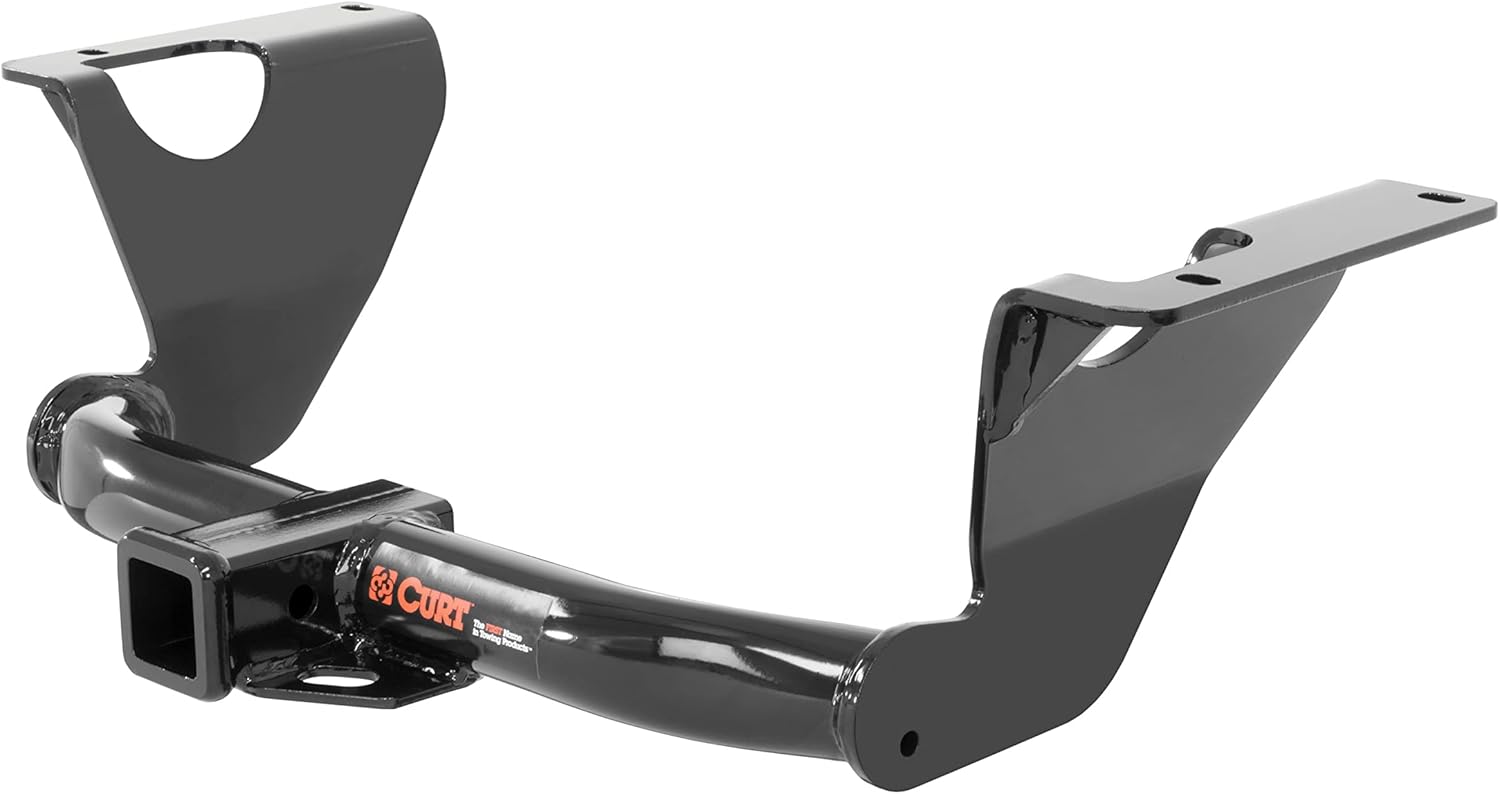
The CURT 13390 is a custom-fit Class 3 trailer hitch designed to mount to select Subaru Outback and Legacy models and provides a standard 2-inch receiver for common ball mounts, bike racks and cargo carriers. It is engineered from carbon steel with precise welding and a co-cured plus powder-coat finish to resist rust and chipping, so it holds up under regular towing use and in wet climates. With a 4,000 lb gross trailer weight rating and 600 lb tongue weight rating it covers most small campers, boat trailers and utility loads you would haul behind an early 2000s Outback. Fitment is vehicle-specific which simplifies installation and helps preserve bumper and frame integration, though installation may still require basic tools or professional fitting. The hitch is focused on towing capability rather than low-profile styling, so it adds a visible receiver and requires observing the vehicle and trailer weight limits when loading. If you want a solid, tested 2-inch Class 3 receiver for a 2000–2004 Outback, this hitch delivers reliable towing capacity and durable corrosion protection.
Best for: Buyers who need a factory-quality 2-inch Class 3 receiver for a 2000–2004 Subaru Outback and want the towing capacity to haul small campers, boats, or utility trailers with confidence.
Less Ideal for: Customers seeking a no-drill universal hitch, a hidden/flush-mount receiver, or those who do not plan to tow heavier recreational loads should consider alternatives.
- Vehicle-specific design for a precise fit to applicable Subaru Outback and Legacy years
- 2-inch receiver sized for common ball mounts, racks and carriers
- 4,000 lb gross trailer weight and 600 lb tongue weight ratings for a wide range of trailers
- Durable carbon steel construction with co-cured undercoat and powder-coat finish to resist corrosion
- Installation can require moderate mechanical skill or shop labor for proper mounting and torqueing
Verdict: This label is for buyers who need the universal 2‑inch Class III receiver size and higher towing capacity for larger ball mounts, carriers, or trailers.
4. CURT 12270 Class 2 Trailer Hitch Receiver, 1-1/4-Inch
Best 1.25-Inch Class 2 Tow Hitch Receiver

| Receiver size | 1-1/4 inches |
|---|---|
| Gross trailer weight | 3,500 lbs |
| Tongue weight | 350 lbs |
| Material | Carbon Steel |
The CURT 12270 is a custom-fit Class 2 trailer hitch designed for select Subaru Legacy and Outback models and gives a compact 1-1/4-inch receiver for light towing and accessory use. It is rated for 3,500 lbs gross trailer weight and 350 lbs tongue weight, making it suitable for small utility trailers, light boat trailers, or for carrying bike racks and cargo carriers. The hitch is made from welded carbon steel and finished with a liquid A-coat plus black powder coat for corrosion resistance, and CURT says designs are tested to SAE J684. Installation is intended to be vehicle-specific, so it mounts cleanly to the car frame without major modification and uses straightforward hardware. Limitations are its Class 2 capacity and smaller receiver size, which rule out heavier trailers and larger 2-inch accessories; buyers needing heavier-duty towing should choose a higher-class hitch. For drivers who want a low-profile, factory-quality solution for occasional towing and accessory mounting, this fits the bill.
Best for: Buyers who plan only light towing or primarily want to mount bike racks or cargo carriers on a 2000–2004 Subaru Outback and prefer a compact, vehicle-specific receiver that installs cleanly.
Less Ideal for: Drivers who regularly tow heavy trailers, travel trailers, or need to use 2-inch hitch accessories should choose a higher-capacity hitch instead.
- Custom-fit design for select Subaru Legacy and Outback models for straightforward installation and a clean look
- Rated 3,500 lbs GTW and 350 lbs TW suitable for common light towing and hitch-mounted accessories
- Durable welded carbon steel construction with liquid A-coat plus powder coat for rust and chip resistance
- 1-1/4-inch receiver limits compatibility with larger 2-inch hitch accessories and heavier towing needs
Verdict: Select this slot if you only plan light towing or accessory use and prefer a compact 1.25‑inch Class II receiver with simpler hardware.
5. CURT Class 3 Trailer Hitch and 4‑Pin Wiring Harness for Select Subaru Outback
Best Heavy-Duty Tow Hitch Receiver

| Class rating | Class 3 |
|---|---|
| Receiver size | 2-inch |
| Gross trailer weight | 4,000 lbs |
| Tongue weight | 600 lbs |
| Included component | 4-pin wiring harness |
The CURT Class 3 hitch kit outfits compatible Subaru Outback models with a 2-inch receiver and a vehicle-matched 4‑pin wiring harness so you can tow without splicing factory wiring. Designed as a complete towing solution, the hitch is rated for up to 4,000 lbs gross trailer weight and 600 lbs tongue weight and installs using provided hardware for a clean, custom fit. CURT emphasizes corrosion protection with a co-cured liquid Bonderite undercoating and a durable powder coat finish to resist rust and chipping in wet climates. Typical uses include towing medium trailers, boat trailers, cargo carriers, or fitting hitch-mounted racks; the included wiring makes trailer lights plug-and-play. The main limitations are the capacity ceiling—suitable for moderate heavy loads but not for commercial heavy-haul applications—and the kit is vehicle-specific so fitment is limited to the supported Outback years. Installation requires basic DIY tools and a moderate level of mechanical comfort to torque fasteners and route the harness correctly.
Best for: DIY-minded Subaru Outback owners who tow medium to heavier recreational loads and want a factory-quality, vehicle-matched hitch and wiring kit they can install themselves.
Less Ideal for: Users who regularly tow loads above the stated 4,000 lb GTW or need a hitch for commercial heavy-haul duty should look at higher-capacity, commercial-grade towing solutions.
- Vehicle-specific design for a precise fit and clean appearance
- Includes 4‑pin wiring harness that plugs into factory connectors with no splicing
- 2‑inch receiver and Class 3 rating support a wide range of towing accessories
- Corrosion-resistant co-cured Bonderite plus powder coat finish for long-term durability
- Rated capacity (4,000 lb GTW, 600 lb TW) is strong for consumer towing but not for commercial heavy-haul needs
Verdict: This pick is aimed at DIYers who tow heavier trailers and want a tow hitch built and rated for elevated GTW and tongue‑weight capacities.
Choosing the Right 2000-2004 Subaru Outback Tow Hitch Receiver: Key Factors to Consider
Towing Capacity and Tongue Weight
Verify the gross trailer weight and tongue weight ratings for any hitch you consider because they determine what you can tow safely. The Outback's frame and suspension impose practical limits; choosing a receiver with a rating that matches or exceeds your intended loads prevents overload and reduces stress on mounting points.
Tongue weight is particularly important when towing trailers or loading cargo carriers. A receiver with insufficient tongue weight capacity can cause sagging at the rear, compromised handling, and premature wear on suspension components. Always match device ratings to the combined weight of trailer, cargo, and accessories and allow a safety margin rather than working right at the published limit.
Receiver Hitch Size and Accessory Compatibility
Receiver size determines what accessories will fit without adapters. Common sizes are 1.25-inch and 2-inch openings; the latter is more versatile for heavier loads and widely used for bike racks and cargo carriers. Confirm the receiver hitch size you choose is compatible with the accessories you plan to use.
Adapters can change sizes but may reduce the hitch's effective capacity and add leverage that stresses the receiver. For owners planning heavier towing or using a wider range of attachments, selecting the correct opening size from the start avoids compromises and potential safety issues.
Mounting Method and Installation Complexity
Hitches for the 2000-2004 Outback come in bolt-on designs and units that require drilling or minor frame modification. Bolt-on hitch receivers are generally faster to install and easier to reverse if you later remove the hitch. However, some applications may need a drilled or welded mount to achieve higher capacities or clearances.
Consider whether you will install the hitch yourself or use a shop. DIY-friendly bolt-on receivers reduce labor and the risk of incorrect installation, while more involved installs can require tools, underbody access, and time. Also factor in whether bumper trimming or temporary exhaust repositioning is needed for fitment.
Corrosion Resistance and Finish
The Outback is often used in regions with wet weather and road salt, so corrosion-resistant finishes matter. Look for hitches with durable powder-coat, e-coating, or additional rustproofing on welds and mounting surfaces. A robust finish extends service life and reduces maintenance for a vehicle that may see heavy seasonal exposure.
Pay attention to how exposed hardware and the internal receiver tube are treated. Some designs include protective plugs or covers for the receiver opening to limit moisture intrusion. Proper surface preparation and finish quality will influence long-term durability and reduce the chance of seized bolts during removal.
Ground Clearance and Exhaust/Routing Considerations
Hitch geometry affects ground clearance and how the receiver interacts with the Outback's exhaust and rear valence. Low-clearance designs can scrape on driveways and speed bumps, while poorly routed hardware can interfere with the exhaust leading to noise or heat exposure.
Check how the hitch sits relative to the bumper and whether it requires modifying the rear valence or trimming the bumper cover. Hitches that maintain adequate clearance and accommodate the existing exhaust path minimize installation fuss and preserve everyday drivability.
Hardware Accessibility and Maintenance
Accessible mounting hardware simplifies inspection and future maintenance. Bolts that are reachable without removing interior trim or complex components make it easier to torque-check and address corrosion. For owners who plan to remove the hitch seasonally, easy-to-access hardware shortens the job.
Consider whether the design uses grade-rated bolts, includes lock washers or thread locker recommendations, and if replacement fasteners are standard sizes. Maintenance-friendly designs reduce lifetime ownership hassle and make it simpler to keep the hitch safe and secure.
Fitment Tips For 2000-2004 Outback Frames
Confirming frame attachment points and any interference with the spare tire or exhaust is the first step before purchase. The Outback's underbody layout can vary slightly with trim levels, so inspect the mounting area for pre-existing holes, reinforcement plates, or factory plugs that a bolt-on hitch can use.
When evaluating fitment guidance from manufacturers, compare the listed hardware kit contents to what you see on your vehicle. Some installs reuse existing bolts or require short extension bolts; others include dedicated brackets that align to the frame. Documenting what you need up front prevents surprises during installation.
- Look for alignment with factory-drilled holes to avoid drilling
- Check for clearance around the muffler and spare tire well
- Verify included hardware matches your vehicle's underbody
Choosing Between 1.25-Inch and 2-Inch Receivers
Select the receiver opening based on the loads and accessories you expect to use. For light cargo carriers and small bike racks, a 1.25-inch receiver may be sufficient. For most towing tasks, a 2-inch receiver provides greater accessory availability and higher rated capacities.
If you anticipate occasionally towing heavier loads or using a ball mount with more leverage, choose the larger receiver to avoid overstressing the hitch. Bear in mind that adapters reduce rated capacity and can introduce wobble or fitment issues.
- 1.25-inch: light-duty accessories and compact bike racks
- 2-inch: greater towing flexibility and heavier accessories
- Avoid unnecessary adapters when possible
DIY Installation Checklist
Plan a safe workspace with a flat surface and good lighting. You will typically need jack stands or ramps for underbody access, a torque wrench, sockets, and possibly a pry bar to line up holes. Protect the bumper and trim pieces to avoid scratches while you work.
Before starting, test-fit fasteners and mock up the hitch with hand-tight bolts. Follow torque specifications for grade bolts and recheck torque after a short break-in period. If you encounter significant rusted or distorted mounting surfaces, address those issues before final torqueing.
- Essential tools: jack stands, torque wrench, socket set, penetrating oil
- Test-fit hardware before final torque
- Re-torque after initial use to ensure bolts settle
Wiring and Electrical Considerations
Adding a tow hitch receiver is often accompanied by trailer wiring for lights and signals. For the Outback, plan routing that avoids hot surfaces and moving parts. Use existing grommets where possible and secure connectors with zip ties to prevent chafing.
Choose a wiring solution that matches the trailer connector type you will use and ensure the vehicle's electrical system is capable of the additional load. In some cases, adding a relay or using a powered wiring harness preserves vehicle lighting performance and reduces risk of blown fuses.
- Route wiring away from exhaust and suspension components
- Use grommets for bulkhead passes
- Consider a powered harness or relay for heavy accessory loads
Maintaining Your Hitch Over Time
Inspect the hitch at regular intervals for loose hardware, corrosion, and paint damage. Address surface rust early with wire brushing and touch-up coatings to prevent progression into structural areas.
Keep the receiver opening clean and use a plug or cover when not in use to limit moisture and debris. Check torque on mounting bolts seasonally, especially after exposure to heavy loads or rough roads, and replace any damaged fasteners with grade-equivalent hardware.
- Clean and touch up paint chips promptly
- Use receiver plugs to prevent moisture buildup
- Seasonally inspect and re-torque mounting bolts
Still looking for the perfect fit?
Select your Subaru Outback configuration to see the most relevant Tow Hitch Receivers recommendations
How We Chose the Best 2000-2004 Subaru Outback Tow Hitch Receiver
We prioritized solutions that deliver dependable fitment and safe towing performance for the 2000-2004 Subaru Outback. Our editorial filters focused on compatibility with the Outback frame and mounting points, verified weight ratings appropriate for common towing loads, and manufacturing quality indicators such as material thickness and weld integrity. We also considered whether the hitch preserves ground clearance and exhaust routing on this model, plus how the receiver interfaces with common accessories like bike racks and cargo carriers.Evaluation criteria included: structural fit to the Outback chassis and factory attachment points; published gross trailer weight and tongue weight ratings; receiver hitch size and pin compatibility; corrosion resistance and finish; and installation method including bolt-on options and any required trimming or drilling. We excluded hitches that lacked clear fitment documentation for 2000-2004 Outback or that required extensive frame modification. The resulting shortlist reflects units that balance strength, corrosion protection, and straightforward installation for typical Outback owners.
Our full evaluation process is outlined in our review methodology.
FAQ
Can I install a tow hitch receiver on my 2000-2004 Outback myself?
Often you can if you have basic mechanical skills, a safe lift or jack stands, and the right tools. Many compatible receivers are bolt-on designs that avoid drilling. However, installs requiring drilling or frame modification are better handled by a shop.
What receiver size should I choose for the Outback?
It depends on what you plan to carry. For light accessories, a 1.25-inch receiver can work, but most owners who tow or use larger carriers opt for a 2-inch receiver for greater capacity and accessory compatibility.
Will adding a hitch affect my Outback's ground clearance?
Some hitch designs sit lower and can reduce ground clearance, particularly when using long ball mounts or loaded carriers. Check the hitch geometry and how it mounts to the bumper to ensure it meets your clearance needs.
Do I need to upgrade suspension when installing a hitch?
Usually not for light towing or carrier use, but heavier trailers that approach the vehicle's tow limits may necessitate suspension reinforcement or load-leveling to maintain handling and ride height.
How should I care for the hitch after winter exposure?
Rinse road salt off the hitch and receiver, inspect for corrosion, and touch up any damaged finish. Apply penetrating oil to bolts if they begin to seize and replace hardware showing significant rust.
Final Verdict
For the 2000-2004 Subaru Outback, prioritize a receiver that matches your intended towing loads, offers the receiver size you need, and mounts cleanly to factory attachment points. Tradeoffs typically involve capacity versus installation complexity and ground clearance. If you plan to tow regularly, choose a stronger 2-inch receiver with adequate tongue weight rating; if you only need a bike rack or cargo carrier, a lighter bolt-on receiver may be sufficient.Use the factors discussed here to weigh strength, fitment, finish, and ease of installation so you pick a hitch that supports your towing goals while minimizing installation headaches and long-term maintenance.
Explore More:
- Check out all Subaru Outback parts & accessories
- Explore Exterior Accessories
- Browse all Accessories
