

Note: This article contains affiliate links. If you click on these links and make a purchase, I may earn a small commission at no extra cost to you. This helps support my research and content. Read my full affiliate disclosure here.
If you drive a Jeep Gladiator, properly functioning oil cooler lines are essential for engine longevity and reliable daily performance. Worn, cracked, or leaking lines can cause oil loss, poor cooling, and potential engine damage, especially under towing or off-road loads. This guide gathers the top seven oil cooler lines and kits specifically suited to the Gladiator and explains the criteria used to vet them.You will find shortlisted options that balance durable materials, proper fit, and straightforward installation. The guide also outlines common symptoms of line failure and practical considerations for replacement or repair to help you choose the right solution for your needs.
Looking for other parts? See all Jeep Gladiator parts & accessories.
Top Picks at a Glance
| Best Overall The best all-around choice for most situations | LESHIAUTO Transmission Cooler Line Quick-Connect Fittings (2-Pack) |  |
| Best Quality Built to a higher standard if you want something more solid | Dorman Automatic Transmission Oil Cooler Hose Assembly |  |
| Best Value The sweet spot between price and what you get | Boltigen 3/8" ID Transmission Oil Cooler Hose, 20 ft |  |
| Best Budget The cheapest option that still gets the job done reliably | Dusledel 52854784AA Transmission Cooler Line Quick-Connect Fitting, 2-Pack |  |
| Highest Rated A top-rated pick with lots of positive feedback | Gates 27065 Transmission Oil Cooler Hose, 3 ft |  |
| Most Popular A crowd favorite that many people choose with confidence | EVIL ENERGY 1/2" Transmission Oil Cooler Hose, 5 ft, CPE |  |
| Best Seller A high-volume bestseller chosen again and again | EVIL ENERGY 3/8" Transmission Oil Cooler Hose, 5 ft, SAE J1532 |  |
1. LESHIAUTO Transmission Cooler Line Quick-Connect Fittings (2-Pack)
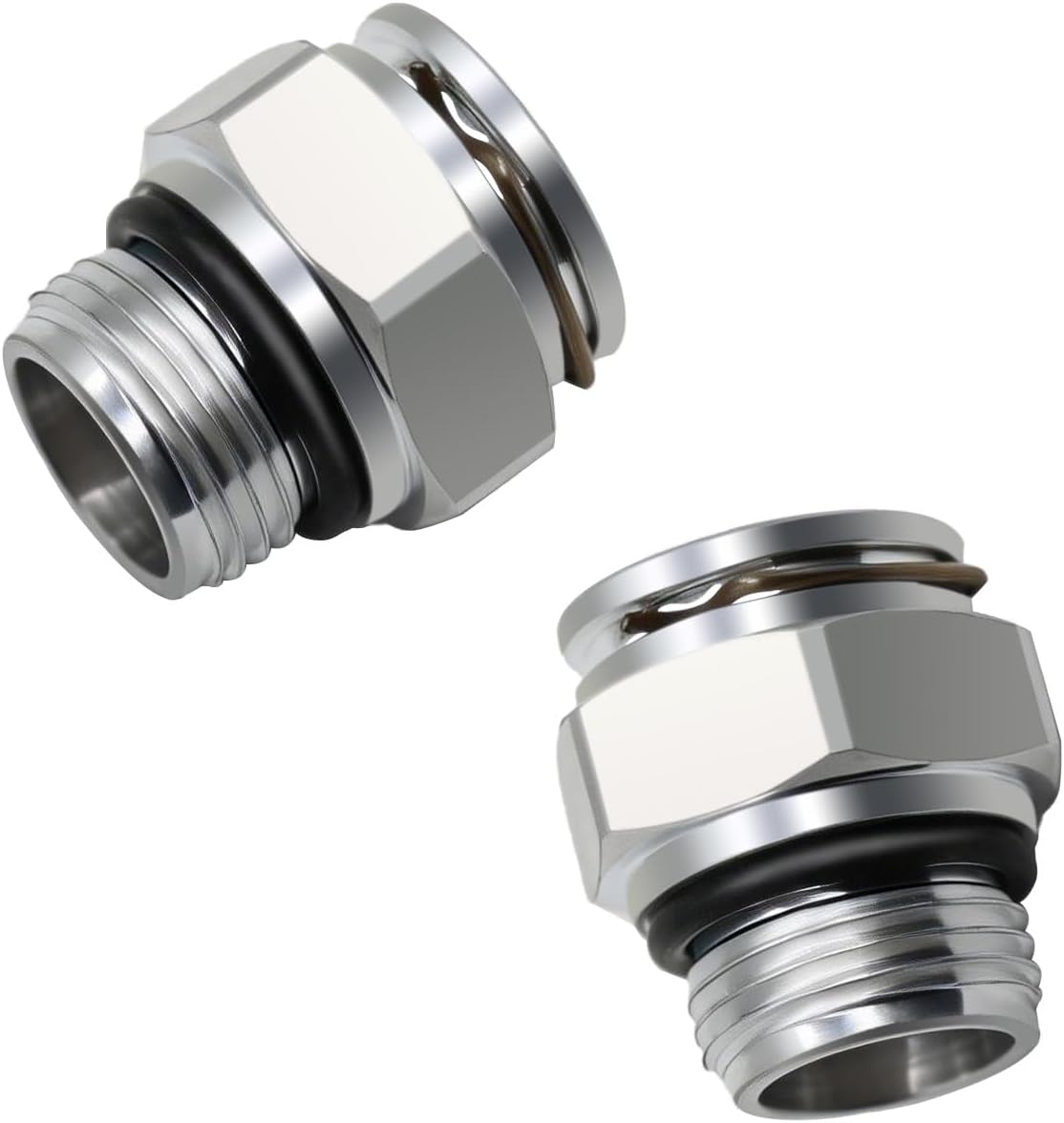
| Number of Pieces | 2 |
|---|---|
| Connector Type | Quick-Connect |
| Material | Aluminum alloy |
| Included Components | 2x Transmission Cooler Line Fitting |
These two quick-connect transmission cooler line fittings are simple replacement parts for worn or leaking oil cooler tube connectors. Made from aluminum alloy with nitrile rubber sealing rings, they are intended to clamp onto the vehicle cooling tube and provide a corrosion-resistant, pressure-tight connection. Installation is straightforward: access the cooler line at the front of the vehicle, remove the old connector, and snap the new fitting into place. For everyday drivers this restores factory-style sealing and helps prevent leaks that could lead to transmission overheating or fluid loss. The anodized metal construction and rubber O-ring offer good resistance to road corrosion and vibration, though buyers should verify exact vehicle compatibility before ordering. These fittings come as a two-piece set so you can replace both ends at once or keep a spare on hand. They are a focused repair part rather than an upgrade, so they do not alter cooling performance beyond restoring the original connection integrity.
Best for: Drivers who need a practical, factory-style repair for a leaking transmission cooler line and prefer a quick, low-effort replacement that restores original sealing.
Less Ideal for: Anyone looking to upgrade cooling capacity or change hose routing should look at full cooler line assemblies or aftermarket performance parts instead.
- Aluminum alloy body resists corrosion and bending under road conditions
- Nitrile rubber sealing ring provides a secure, pressure-resistant seal
- Quick-connect design makes replacement fast with basic hand tools
- Sold as a two-piece set so both fittings can be replaced at once or one kept as a spare
- Compatibility covers many FCA models but requires confirming fit for specific year/configuration
Verdict: A straightforward two-piece quick-connect replacement that restores sealed, factory-style transmission cooler line connections on compatible FCA vehicles.
2. Dorman Automatic Transmission Oil Cooler Hose Assembly

| Material Type | Metal, Rubber |
|---|---|
| Item Length | 46 Inches |
| Maximum Pressure | 100 Pound per Square Inch |
| Included Components | 1 Transmission Line |
This Dorman transmission oil cooler hose assembly replaces a leaking or damaged factory line and restores proper transmission cooling on compatible Jeep Wrangler years. It pairs metal tubing with rubber sections and factory-style connectors so it fits where the original did and survives undercar exposure. Typical use is a direct swap when the original line is corroded, punctured, or has failed at a fitting; installers report the assembly lines up well but expect to fit E-clips and to manipulate the tube slightly for perfect alignment. Notable features include a 46 inch overall length, a 100 psi maximum pressure rating, and materials chosen for durability in an undercar environment. The practical benefits are straightforward: it brings cooling back to spec, prevents overheating, and avoids the higher cost of dealer parts. Limitations are that some careful hand-bending and connector attention are needed during installation and the kit may not include small fasteners used on the vehicle, so have basic hardware on hand.
Best for: Buyers who prioritize long-term reliability and want a repair that restores proper transmission cooling without upgrading components; good for owners comfortable with a moderate DIY install or with access to a trusted mechanic.
Less Ideal for: If you need a plug-and-play, fully hardware-complete kit or want an upgraded heavy-duty performance line, this standard replacement may not meet those needs.
- Direct-replacement design matches factory fit and function for specified Jeep Wrangler years
- Durable combination of metal and rubber materials suited for undercar service
- Rated to 100 PSI for reliable transmission fluid containment under pressure
- Includes complete hose assembly so you replace the entire run rather than patching
- May require minor tube bending and patience installing connector keepers to achieve leak-free fitment
- Does not include certain small mounting fasteners in the package
Verdict: A factory-style replacement that reliably restores transmission cooling on compatible Jeep Wranglers, making it the sensible choice for reliability-minded repairs.
3. Boltigen 3/8" ID Transmission Oil Cooler Hose, 20 ft

| Material | CPE, Synthetic Rubber with polyester braid |
|---|---|
| Size | 3/8''-20FT |
| Working Pressure | 300 psi |
| Burst Pressure | 1800 psi |
| Temperature Range | -40°F to 302°F |
This Boltigen 3/8" ID transmission oil cooler hose is a long, flexible line intended to connect an oil cooler to a transmission or to route hydraulic fluids in automotive and industrial systems. It is typically used when replacing worn cooler lines or when fabricating a custom run for an aftermarket cooler because the 20-foot length lets you cut to fit. The hose combines a polyester braid reinforcement with a CPE outer jacket to resist abrasion, oil, and heat, and it meets SAE J1532. Rated for 300 psi working pressure and a 1800 psi burst pressure with a temperature range from -40°F to 302°F, it will handle transmission fluid, oil, hydraulic fluid, lubricants, and gasoline in demanding conditions. Practical benefits include generous length for routing, strong pressure margins for safety, and good chemical and heat resistance. Limitations are that the product is supplied as bulk hose requiring fittings and clamps for installation, and the 3/8" internal diameter may not match all factory line sizes without adapters.
Best for: A practical buyer who wants a durable, long length of transmission cooler hose to cut and fit for custom installations or repairs and values reliability and pressure safety.
Less Ideal for: Those who need a ready-to-install preassembled line with fittings or users who require a different internal diameter as a direct factory replacement.
- Long 20 ft length allows custom routing and multiple cuts from one roll
- Meets SAE J1532 and uses polyester braid plus CPE jacket for strong abrasion and oil resistance
- High pressure ratings with 300 psi working and 1800 psi burst for safe operation
- Wide temperature range (-40°F to 302°F) suitable for extreme environments
- Sold as hose only so fittings and proper clamps must be purchased separately
- 3/8" inner diameter may require adapters to match some factory connections
Verdict: Choose this hose when you need a long, SAE-rated 3/8" line that tolerates high pressure and extreme temperatures for custom cooler or hydraulic runs.
4. Dusledel 52854784AA Transmission Cooler Line Quick-Connect Fitting, 2-Pack

| Material | Stainless Steel |
|---|---|
| Connector Type | Quick-Connect |
| Thread Size | 0.86 inch |
| Set Name | 2-Pack |
This two-pack of Dusledel 52854784AA quick-connect fittings replaces damaged or leaking transmission/oil cooler line connectors on supported vehicles. Each fitting is precision machined from metal with rubber sealing elements and uses a quick-connect design so you can swap them without complex tools during routine cooling-line repairs. In service the parts restore a secure connection, help maintain coolant flow through the cooler, and reduce the risk of leaks that can lead to overheating. The compact, factory-style form and stainless construction aim to resist corrosion and wear under normal driving conditions. Limitations are that these are replacement fittings only and require matching line ends and correct part numbers for fit; installation may need a basic familiarity with transmission cooler plumbing or a mechanic if access is tight. For budget repairs they offer a straightforward way to fix a coolant connection and get a vehicle back on the road quickly.
Best for: A cost-conscious DIYer or independent shop looking to repair a leaking transmission or oil cooler line on supported Jeeps and related models without buying a full hose assembly.
Less Ideal for: People who want a complete preassembled hose assembly or who are uncomfortable working on transmission cooler plumbing should look for full-line replacements or professional installation.
- Quick-connect design allows faster replacement without complex tools
- Precision machining and metal construction for a tight seal and corrosion resistance
- Sold as a two-pack so you have a spare or can replace both sides at once
- Only a connector fitting replacement so compatibility with existing lines and exact part match is required
Verdict: A low-cost, factory-style quick-connect fitting set that makes repairing a leaking transmission/oil cooler connection quick and practical for budget repairs.
5. Gates 27065 Transmission Oil Cooler Hose, 3 ft

| Material Type | Synthetic Rubber |
|---|---|
| Included Components | Transmission Oil Cooler Hose |
| Temperature Range | -40 F to +275 F |
| Meets/Exceeds | SAE 100R6 |
The Gates 27065 transmission oil cooler hose is a straightforward replacement line engineered for durability between the transmission and cooler. Made with a nitrile inner tube, braided reinforcement cord, and an oil- and abrasion-resistant CSM cover, it handles exposure to heat, ozone, and common transmission fluids. Typical use is as a direct replacement or repair hose routed between the cooler and transmission where a flexible, serviceable section is needed. Notable features include a hose diameter indicator, easy-to-follow instructions in the package, and a rated operating range from -40 F to 275 F, which covers most underhood conditions. Practical benefits are long service life under thermal stress, resistance to chemical attack from fluids, and strengthened reinforcement to resist bulging or failure under pressure. The hose is a single-piece replacement so installers should confirm fittings and clamps match the vehicle; it is not a preformed line so routing may require trimming and careful clamp placement during installation.
Best for: Careful owners prioritizing a durable, factory-quality replacement hose for their Jeep Gladiator who value long-term reliability and resistance to heat and fluid exposure.
Less Ideal for: People seeking a vehicle-specific preformed line or a complete assembly with fittings and clamps should look for a model-specific kit instead.
- Synthetic nitrile tube and CSM cover resist oil, ozone, and abrasion
- Braided fiber reinforcement increases strength and pressure resistance
- Wide temperature range suitable for extreme underhood conditions
- Includes hose diameter indicator and clear instructions to simplify installation
- Sold as a straight hose requiring trimming and proper clamps for exact fitment
Verdict: Choose this Gates hose when you need a tough, chemically resistant replacement hose built to withstand high underhood temperatures for reliable long-term service.
6. EVIL ENERGY 1/2" Transmission Oil Cooler Hose, 5 ft, CPE

| Material | Chlorinated Polyethylene (CPE) |
|---|---|
| Size | 1/2 inch ID |
| Length | 5 Feet |
| Working Pressure | 250 psi |
| Burst Pressure | 1000 psi |
This transmission oil cooler hose is a simple replacement line intended to connect the transmission to an external oil cooler on a Jeep Gladiator. Built from chlorinated polyethylene, it is rated for a 250 psi working pressure and a 1000 psi burst pressure, so it handles standard transmission fluid pressures and brief spikes safely. The 5-foot length and 1/2-inch ID suit common cooler routing and give enough slack for a front-mounted cooler; the hose is also specified to tolerate temperatures from -40°F to 257°F for reliable heat and oil resistance. In practice this is an economical, flexible line for swapping out brittle or leaking factory cooler lines or for plumbing an aftermarket cooler. Installation is straightforward with proper fittings and clamps, but you should confirm fitting sizes and routing on the Gladiator to avoid kinks and rubbing. This is a single-piece hose rather than a preformed assembly, so you may need extra hardware or retainers for a neat, secure installation.
Best for: A cautious buyer who values products with strong user feedback and wants a durable, heat-resistant replacement hose for adding or repairing a transmission oil cooler on a Gladiator.
Less Ideal for: People seeking a vehicle-specific, pre-bent replacement line or a complete kit with fittings and brackets should consider purpose-built assemblies instead.
- CPE construction resists heat and oil exposure common around transmission and cooler
- 250 psi working pressure and 1000 psi burst rating for typical transmission system demands
- 5-foot length and 1/2-inch ID suit common cooler-to-transmission runs without splicing
- Wide temperature range (-40°F to 257°F) for reliable performance in varied climates
- Supplied as a straight hose only, not a preformed or vehicle-specific assembly
Verdict: Choose this hose if you want a well-reviewed, heat- and oil-resistant 1/2-inch replacement line for routing an aftermarket or replacement transmission oil cooler on a Gladiator.
7. EVIL ENERGY 3/8" Transmission Oil Cooler Hose, 5 ft, SAE J1532

| Material Type | Chlorinated Polyethylene (Cpe) |
|---|---|
| Specification | SAE J1532 |
| Working Pressure | 250psi |
| Burst Pressure | 1000psi |
| Temperature Range | -40°F to 257°F |
This EVIL ENERGY 3/8" transmission oil cooler hose is a flexible replacement line intended to connect an oil cooler to a transmission or cooler loop. Made from chlorinated polyethylene (CPE) and built to SAE J1532, it is rated for a 250 psi working pressure and a 1000 psi burst pressure, so it suits typical passenger-car cooler circuits. The hose tolerates a wide temperature range from -40°F to 257°F and resists oil and heat, which helps maintain service life under everyday driving and light towing. Its 85.5 mm minimum bend radius lets you route the line in tight engine bays without kinking if installed with reasonable radii. Trade-offs are that this is a raw hose without fittings or preformed ends, so installation requires clamps or fittings and some trimming for a proper fit, and the generic fit means you must verify connectors for a Scion xB application. For reliability-focused buyers who want a durable, factory-quality replacement hose, this is a straightforward, well-specified option when paired with the correct fittings and careful installation.
Best for: Reliability-focused DIY owners who prioritize a durable, factory-spec replacement hose for oil cooler circuits and are comfortable adding fittings and making precise installations.
Less Ideal for: Buyers seeking a complete plug-and-play assembly with factory-matched fittings or a vehicle-specific preformed line should consider purpose-made kits instead.
- Constructed from CPE for good oil and heat resistance.
- SAE J1532 specification with 250 psi working and 1000 psi burst pressure.
- Wide operating temperature range for durability in varied climates.
- 5-foot length provides flexibility for routing and replacements.
- Sold as bare hose without fittings or preformed ends, requiring additional clamps or connectors.
- Generic hose requires checking connector compatibility for Scion xB applications.
Verdict: A heavy-duty, SAE-rated 3/8" oil cooler hose built for reliable, heat- and oil-resistant service when fitted correctly.
Choosing the Right Jeep Gladiator Oil Cooler Lines: Key Factors to Consider
Material and Construction
The base materials and hose construction dictate how well oil cooler lines withstand heat, pressure, and environmental exposure. Modern oil lines often use multi-layer constructions combining synthetic rubber or PTFE inner liners with braided stainless steel or fabric outer layers. Those layers resist swelling, oil permeation, and abrasion, which is critical in a Jeep Gladiator where lines may rub against chassis components.
Look for hoses rated for the operating temperatures and pressures of your engine. Higher temperature ratings reduce the risk of softening and premature failure when towing or during long highway runs. Corrosion-resistant fittings and crimped or swaged connections are preferable to simple clamps because they maintain a consistent seal over time and reduce leak risk.
Fitment and Compatibility
Correct fitment is one of the most important practical factors when replacing oil cooler lines on a Jeep Gladiator. Lines designed specifically for the Gladiator model will follow the original routing, use the same mounting points, and pair with factory oil cooler fittings to minimize installation time and the chance of kinking or excess slack.
Pay attention to whether a kit covers both feed and return lines, includes required fittings, and lists compatible model years. An exact-fit kit reduces the need for modifications and ensures the lines clear steering and suspension components during articulation.
Fittings and Connection Type
Fittings are frequent failure points if they corrode or are mismatched. Choose oil cooler lines that use high-quality, corrosion-resistant fittings that match the Gladiator's factory threads and sealing methods. Common options include AN-style fittings, crimped adapters, or factory-style threaded fittings depending on the installation.
Ensure the kit includes the correct fittings for your vehicle or that replacement fittings are readily available. Secure connections and proper torque spec adherence during install help prevent oil cooler line leak symptoms such as seepage at joints or sudden oil loss.
Routing and Protective Features
How the line is routed and whether it includes protective sleeving affects longevity. Lines that come with abrasion-resistant sleeves, heat shields, or molded bends are less likely to be damaged by rocks, suspension travel, or engine heat. On a Jeep Gladiator, off-road driving increases exposure to debris and scrubbing, so these protective features extend service life.
Also consider whether the lines maintain adequate clearance from hot exhaust components and moving suspension parts. Kits that include molded brackets or mounting hardware to secure the hoses reduce vibration and chafing that can lead to premature leaks.
Ease of Installation and Included Hardware
A kit that includes all necessary mounting hardware, clamps, and clear instructions reduces labor time and the risk of missing components during a replace oil feed and return lines job. Some kits are designed for DIY installation with basic hand tools, while others may require specialty tools for crimping fittings or bending lines.
Factor in whether you have access to a lift or jack stands and whether the installation requires partial removal of body panels or the oil cooler. Kits that minimize disassembly and provide straightforward install guidance will save time and reduce the chance of errors that can lead to leaks.
Durability and Service Life
Durability considerations include both material longevity and resistance to common leak causes. Multi-layer hoses with braided outer jackets, swaged fittings, and reinforced bends typically last longer than simple rubber hoses with clamp-on fittings. For Gladiator owners who tow or drive off-road, longer service life offsets the inconvenience and cost of frequent replacements.
Also consider warranty coverage and availability of replacement components such as fittings or hose sections. Easier access to parts and clear maintenance instructions can extend the practical service life of the line assembly.
Common Symptoms of Damaged Oil Cooler Lines
Recognizing oil cooler line leak symptoms early helps prevent engine damage. Common signs include oil spots under the vehicle, a drop in oil level between services, or a burning oil smell when oil contacts hot engine or exhaust parts. You may also notice reduced oil pressure or dashboard warnings during severe leaks.
Some leaks start as slow seepage at fittings and worsen over time. Watch for wetness around fittings, swollen hose sections, or visible cracks in the hose cover. If you suspect a leak, inspect lines for rubbing points, missing clamps, or corroded fittings.
- Oil puddles or stains beneath the engine area
- Visible wetness around fittings or along the hose
- Burning oil odor while driving
- Intermittent low oil pressure or warning light
When to Repair Versus Replace
Minor leaks at a clamp or a corroded fitting can sometimes be repaired with proper replacement hardware or by tightening and re-clamping. However, if the hose shows surface cracking, soft spots, or internal swelling, full replacement is safer because these failures often progress rapidly under pressure and heat.
For older Gladiators or vehicles with high mileage, replacing both feed and return lines proactively is often more cost-effective than repeated repairs. Replacing both lines and associated fittings at once ensures consistent material condition and reduces the need for repeated service.
- Repair: isolated fitting leaks, minor clamp failures, or replaceable adapters
- Replace: damaged hose material, multiple leak points, or visible swelling
Preparing for an Oil Cooler Line Installation
Before starting an oil cooler line install, gather all necessary tools including wrenches sized for your fittings, a drain pan for catching oil, replacement clamps or swaged fittings, and any mounting hardware included with the kit. Work on a cooled engine and take steps to prevent spills.
Plan for proper disposal of old oil and contaminated rags. If the kit does not include new O-rings or crush washers for connections, obtain those parts beforehand to ensure leak-free mating surfaces during reassembly.
- Tools: wrenches, socket set, drain pan, torque wrench
- Consumables: replacement clamps, O-rings, thread sealant if specified
- Safety: gloves, eye protection, and proper disposal containers
Tips to Prevent Future Leaks
After installation, periodically inspect lines and fittings, especially after off-road outings or heavy towing. Tighten mounting brackets if any vibration is evident, and replace any protective sleeves that become frayed. Keeping lines clear of road debris and checking for rubbing points will prevent accelerated wear.
When servicing the oil system, refill and cycle the engine, then recheck for leaks at operating temperature. Addressing minor seepage early prevents progressive deterioration and costly repairs later.
- Inspect after first few drives post-install and at regular intervals
- Secure loose lines with additional clamps or mounting brackets
- Replace protective sleeves if worn or compromised
Compatibility Notes for Different Model Years
Jeep Gladiator oil cooler lines can vary across model years. When selecting parts, ensure the kit references the correct year range or explicitly lists compatibility with your Gladiator. Differences may include fitting thread types, length, or mounting bracket shapes.
If a kit is not clearly labeled for your model year, verify the included fittings and compare routing to your factory lines. Choosing an exact-fit kit reduces the chance of modification during oil cooler line install and helps maintain factory routing and clearance.
- Confirm part listings include your Gladiator model year
- Verify whether feed and return lines are both covered
- Match fitting types and mounting points to factory hardware
How We Chose the Best Jeep Gladiator Oil Cooler Lines
We prioritized components and kits that address the practical failure modes Gladiator owners face while delivering solid fitment and durability. Selection criteria included material construction, hose and fitting compatibility, OEM-equivalent or upgraded routing conformity, and protection against common leak points. We favored lines and kits that use corrosion-resistant fittings and abrasion-resistant hose layers because Gladiator use often involves exposure to debris and moisture.We also evaluated installation practicality: kits that include necessary fittings, clamps, and clear instructions ranked higher because they reduce installation time and potential for mistakes during replace oil feed and return lines tasks. Performance under pressure and heat was assessed by construction specs such as temperature and PSI ratings rather than lab testing, with preference for designs rated for higher operating temperatures typical of towing or heavy-duty use.Exclusions: we excluded universal, non-specific lines that require extensive modification or custom fabrication, and any components lacking clear material or fitting specifications. Final selections reflect products that balance reliable engine oil cooler lines performance with straightforward oil cooler line install for Jeep Gladiator owners.
Our full evaluation process is outlined in our review methodology.
FAQ
How long do oil cooler lines typically last on a Jeep Gladiator?
Service life varies with driving conditions and material quality. Under normal driving, properly constructed lines often last many years, but exposure to off-road debris, heat, and chemicals can shorten lifespan. Inspect lines periodically for signs of wear and replace them if you see cracking, swelling, or persistent seepage.
Can I replace only the leaking line or should I replace both feed and return lines?
You can replace a single leaking line if the other shows no signs of wear, but replacing both feed and return lines at the same time is often recommended for consistency and to avoid repeated labor. Replacing both reduces the chance of the remaining line failing soon after.
Are special tools required to install oil cooler lines on a Gladiator?
Many installations require only common hand tools, but some kits use swaged fittings or crimped connections that may need a specific crimping tool. Check the kit details before starting and gather any specialty tools or fitting adapters listed by the manufacturer.
What should I do if I smell burning oil after installing new lines?
A burning oil smell often indicates oil contacting hot engine or exhaust components, possibly from a small leak or residual oil on components. Recheck all fittings for tightness, inspect for seepage, and clean any spilled oil from hot surfaces. If the smell persists, re-evaluate routing and clearances to prevent contact with heat sources.
How can I identify if a fitting is the source of a leak?
Inspect the area around each fitting for wetness, oil buildup, or dirt that attracts oil. Wipe the area clean, run the engine to operating temperature, and observe for fresh seepage. Tighten fittings to specified torque if applicable, and replace damaged O-rings or washers if leaks continue.
Will upgrading to braided stainless lines prevent leaks entirely?
Braided stainless lines are more abrasion-resistant and often have higher temperature and pressure ratings, which reduces some common failure modes. However, leaks can still occur at fittings or from improper installation. Proper fittings, routing, and periodic inspection remain essential.
Final Verdict
Prioritize fitment, durable construction, and correct fittings when choosing replacement oil cooler lines for your Jeep Gladiator. Durable materials and protective routing reduce the chance of leaks and extend service intervals, while kits that include proper hardware make installation simpler.Balance the tradeoff between convenience and durability based on how you use the Gladiator. For towing or regular off-road use, opt for sturdier construction and corrosion-resistant fittings. For mostly street use, an exact-fit replacement that restores factory routing and sealing is often sufficient.
Explore More:
- Check out all Jeep Gladiator parts & accessories
- Explore Oil Cooler Lines Maintenance & Repair Guides
- Explore Cooling System
- Browse all Auto Parts
