

Note: This article contains affiliate links. If you click on these links and make a purchase, I may earn a small commission at no extra cost to you. This helps support my research and content. Read my full affiliate disclosure here.
If you own a 2004-2015 Nissan Titan, an efficient radiator is one of the most important parts for dependable daily driving and towing. A failing radiator can cause overheating, coolant loss, and long-term engine damage, so choosing the right replacement matters. This guide shortlists the top radiator options for the 2004-2015 Titan and explains the practical differences that affect performance, durability, and installation.The picks below reflect options that suit common Titan use cases from commuting to light towing. We evaluate cooling capacity, build quality, and vehicle-specific fitment to help you pick the best radiator for your needs. Read on for buying factors, installation considerations, and answers to common Titan radiator questions.
Looking for other parts? See all Nissan Titan parts & accessories.
Top Picks at a Glance
| Best Overall The best all-around choice for most situations | KAX CU2691 Engine Cooling Radiator for 2004–2015 Titan/Armada/QX56 |  |
| Best Quality Built to a higher standard if you want something more solid | Mishimoto Performance Aluminum Radiator for Nissan Titan (2004–2014) |  |
| Best Value The sweet spot between price and what you get | Readair Engine Coolant Radiator with Transmission Oil Cooler (fits 2004-2015 Nissan Titan and similar 5.6L models) |  |
| Best Budget The cheapest option that still gets the job done reliably | ZonCar Replacement Radiator for 2004–2015 Nissan Titan and 2005–2015 Armada |  |
| Highest Rated A top-rated pick with lots of positive feedback | KAX CU2691 Engine Radiator (Replacement) |  |
| Most Popular A crowd favorite that many people choose with confidence | SCITOO Full Aluminum Radiator Replacement for 5.6L Nissan Titan/Armada/QX56/Pathfinder (2691) |  |
| Best Seller A high-volume bestseller chosen again and again | AutoExact 0882 Aluminum Radiator for 2004-2015 Nissan Titan/2005-2015 Armada/2004-2010 Infiniti QX56 |  |
1. KAX CU2691 Engine Cooling Radiator for 2004–2015 Titan/Armada/QX56
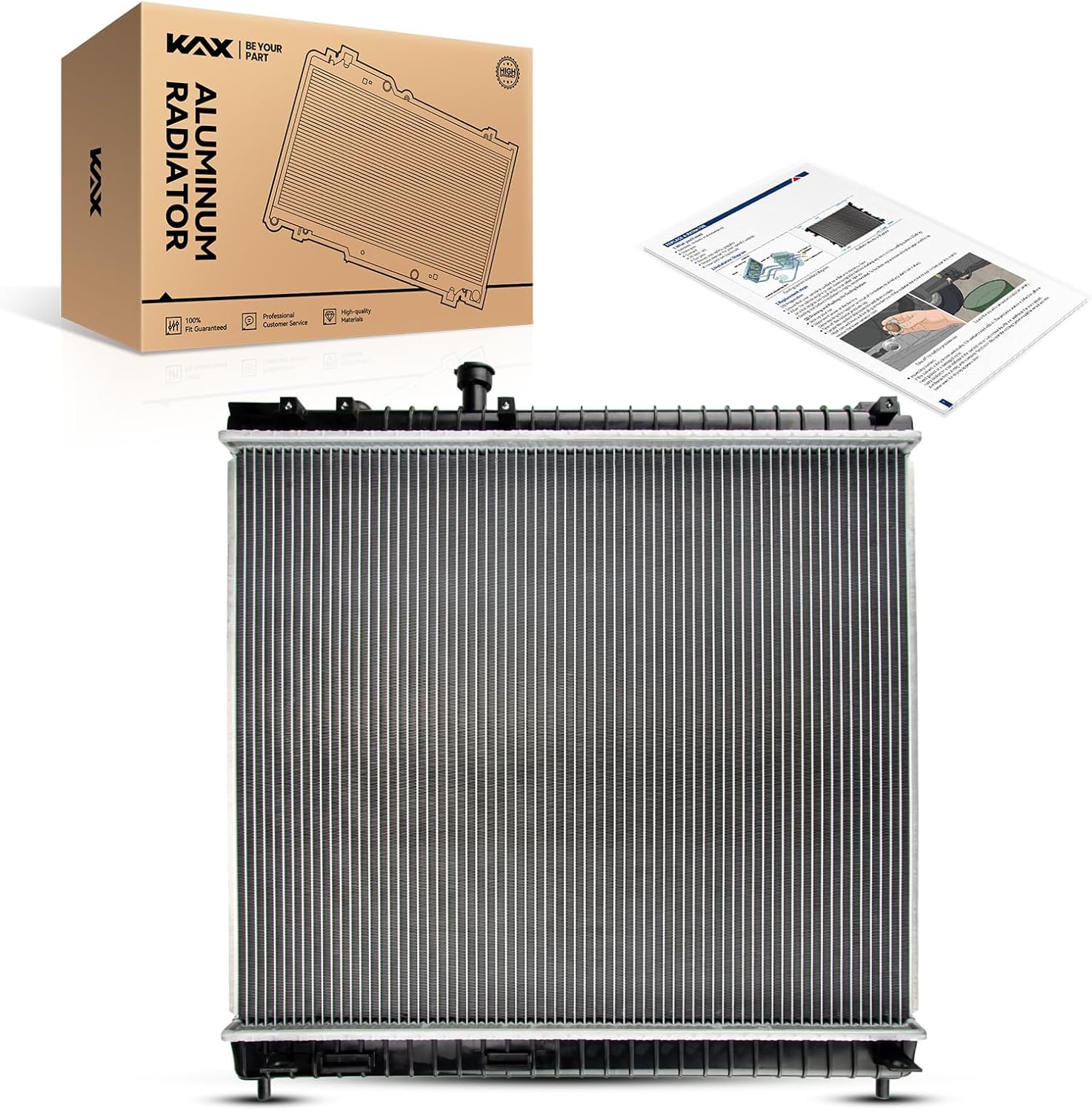
| Compatible models | 2004-2015 Titan; 2005-2015 Armada; 2004-2010 QX56 |
|---|---|
| Core thickness | 1 in |
| Inlet/outlet diameter | 1-3/8 in |
| Manufacturer part number | 1288RDT048JUS |
This KAX CU2691 radiator is a full replacement unit intended to match factory fitment for 2004–2015 Nissan Titan and compatible Armada and QX56 models. It uses a high-density, multi-louvered fin aluminum core plus precision TIG welding and PA66 GF30 plastic tanks to deliver efficient heat dissipation and corrosion resistance. The part lists multiple OEM cross numbers so it installs in place of the factory radiator and is packaged with reinforced protection to reduce shipping damage. In practice you can expect stable cooling performance and a leak-tested assembly suitable for restoring overheating or damaged radiator systems. Installation is straightforward for a professional or experienced DIYer because the mounting and hose inlet/outlet locations follow the original layout, though the manufacturer recommends professional installation. Limitations include plastic end tanks rather than full all-aluminum construction and a 1 inch core thickness which is typical but not the highest capacity option for extreme towing or heavy-duty use.
Best for: Buyers who want a balanced, all-around factory-style replacement radiator to restore cooling performance and reliability on a 2004–2015 Titan or equivalent Nissan/Infiniti vehicle.
Less Ideal for: Drivers who regularly tow at maximum capacity or run extreme-duty cooling setups should consider heavy-duty performance radiators with thicker cores and full-metal construction.
- Direct replacement fit for 2004–2015 Titan and compatible Armada/QX56 applications with listed OEM cross numbers
- High-density multi-louvered fins and aluminum core for effective heat dissipation
- Precision TIG welding and leak-tested construction for reliable, corrosion-resistant performance
- Reinforced shockproof packaging reduces risk of transit damage
- Plastic (PA66 GF30) end tanks instead of full metal end tanks
- Core thickness is 1 inch which may not offer maximum cooling for heavy towing or severe duty
Verdict: A reliable, factory-fit replacement radiator that balances cooling efficiency and fitment for most 2004–2015 Titan owners seeking dependable service.
2. Mishimoto Performance Aluminum Radiator for Nissan Titan (2004–2014)

| Fitment | 2004–2014 Nissan Titan |
|---|---|
| Core | 2-row, 38% thicker than stock |
| Core volume | 37% increase over stock |
| Transmission cooler | Integrated internal cooler with CNC-machined fittings |
This Mishimoto aluminum radiator is a direct-fit replacement for 2004–2014 Nissan Titan trucks that upgrades cooling capacity and durability compared with the factory unit. It uses a 2-row core that Mishimoto says is 38% thicker than stock and increases core volume by about 37%, which translates to better heat transfer under towing, heavy load, or spirited driving. The machined aluminum end tanks are TIG-welded for greater pressure tolerance than plastic tanks, and the integrated CNC-machined transmission cooler fittings reduce the risk of leaks or coolant contamination of the transmission. Installation is intended to be bolt-in using factory lines and hardware, so shops and experienced DIYers should have a straightforward swap. The main compromises are weight and cost compared with the stock radiator: this is a heavier, premium replacement aimed at long-term reliability and performance rather than the cheapest fix. For drivers who push their Titan with towing or performance upgrades, it offers tangible cooling gains and greater longevity.
Best for: Drivers who want a durable, performance-focused cooling upgrade for a 2004–2014 Titan—especially those who tow, haul, or run performance modifications and prioritize lower operating temperatures and long-term reliability.
Less Ideal for: Owners seeking the lowest-cost, OEM-equivalent replacement for occasional street driving or those who prioritize lightweight, budget repairs over long-term durability.
- 38% thicker 2-row core and 37% greater core volume for improved heat dissipation
- All-aluminum construction with TIG-welded end tanks for greater durability than plastic tanks
- CNC-machined integrated transmission cooler fittings to prevent leaks and cross-contamination
- Direct-fit design that uses factory lines and hardware for straightforward installation
- Higher cost and greater weight compared with the stock replacement radiator
Verdict: Choose this Mishimoto radiator if you need a robust, direct-fit cooling upgrade for a 2004–2014 Titan that lowers engine and transmission temperatures under heavy use.
3. Readair Engine Coolant Radiator with Transmission Oil Cooler (fits 2004-2015 Nissan Titan and similar 5.6L models)

| Transmission Oil Cooler Included | Yes |
|---|---|
| Core Height | 23-1/2 inch |
| Core Thickness | 1-1/4 inch |
| Core Width | 26-11/16 inch |
| Inlet/Outlet Diameter | 1-3/8 inch |
This Readair radiator is a direct replacement designed to fit 5.6L Nissan/Infiniti models from 2004–2015 and includes a built-in transmission oil cooler. It uses an aluminum core with TIG-welded joints and reinforced PA66 GF30 inlet/outlet tanks, and the unit is leak-tested prior to shipping. Typical installation replaces the factory radiator to restore cooling performance and add the integrated trans cooler without separate plumbing. The treated coating and brass cooler suggest improved corrosion resistance, and the included transmission cooler saves time versus installing an aftermarket add-on. Practical buyers will appreciate the OEM-style fitment and covered two-year unlimited-mileage guarantee. Expect professional-level mounting and hose alignment but plan for routine fluid flushing and bleeding during replacement. This is a vehicle-specific replacement part, so confirm compatibility before purchase and be prepared to reuse or replace mounting hardware and sensors if needed.
Best for: Buyers looking to restore factory cooling and add a built-in transmission cooler on 2004–2015 5.6L Nissan/Infiniti vehicles who prioritize a straightforward, vehicle-specific replacement.
Less Ideal for: People seeking a universal upgrade with larger aftermarket cores or those who need an engine oil cooler integrated into the radiator should look at other options.
- Direct-fit design for 5.6L Nissan/Infiniti 2004–2015 models simplifies installation
- Aluminum core with TIG-welded joints for durable heat transfer and structural strength
- Integrated transmission oil cooler eliminates need for a separate cooler installation
- Leak-tested assembly with treated coating and brass cooler for improved corrosion resistance
- Does not include an engine oil cooler
- May require replacement or transfer of factory mounting hardware and sensors during install
Verdict: A vehicle-specific, durable replacement radiator that restores cooling and adds an integrated transmission cooler for 2004–2015 5.6L Nissan/Infiniti models.
4. ZonCar Replacement Radiator for 2004–2015 Nissan Titan and 2005–2015 Armada

| Manufacturer | Zoncar |
|---|---|
| Brand | ZonCar |
| Model | Cooling Radiators |
| Manufacturer Part Number | 6235RDT0489US |
This ZonCar replacement radiator is a budget-focused direct-fit option for 2004–2015 Nissan Titan, 2005–2015 Armada, and 2004–2010 QX56 applications. It uses a multi-layer tube layout and aluminum alloy construction to increase heat dissipation and deliver factory-level cooling for everyday driving and towing within the vehicle's stock limits. Installation follows the same mounting points and hose connections as the factory unit, so routine swapouts use familiar procedures and basic tools. The aluminum build improves thermal conductivity and resists corrosion compared with basic copper-brass cores, and the design targets reliable performance for daily use. Expect good cooling recovery during highway towing and stop-and-go traffic, though enthusiast drivers seeking higher-capacity or performance-modified cooling should consider uprated radiators. Also confirm fitment for your exact model and engine before purchase since this unit is offered for specific years and models.
Best for: Drivers who need an affordable, like-for-like replacement radiator to restore proper cooling on the listed Nissan Titan and related models without modifying the cooling system.
Less Ideal for: Those building performance cooling systems or regularly towing far beyond factory recommendations should look for heavy-duty or high-capacity radiators instead.
- Aluminum alloy construction for improved heat transfer and corrosion resistance
- Multi-layer tube layout designed to increase cooling area and efficiency
- Direct-replacement fitment for specified 2004–2015 Titan and related models
- Suitable for everyday driving and typical towing demands
- Not intended as a high-performance or heavy-duty aftermarket upgrade
Verdict: A cost-conscious replacement that restores factory-style cooling for 2004–2015 Nissan Titan and related models without requiring system changes.
5. KAX CU2691 Engine Radiator (Replacement)

| Compatible models | 2004–2015 TITAN (2005 gas only), 2005–2015 Armada, 2004–2010 QX56 |
|---|---|
| Transmission oil cooler | Included |
| Radiator flow type | Down Flow |
| Material | Aluminum core with PA66 GF30 plastic tanks |
| Manufacturing standard | IATF 16949 tested |
This KAX CU2691 radiator is a factory-replacement style cooling unit intended to restore proper engine temperature control on compatible Titan, Armada, and QX56 models. It installs in place of the listed OEM part numbers and includes a built-in transmission oil cooler, making it suitable for vehicles with automatic transmissions. The core uses a high-thermal-conductivity aluminum construction with high-density multi-louvered fins and precision TIG welding, which should improve heat transfer and resist leaks compared with lower-quality units. Plastic PA66 GF30 tanks offer heat and corrosion resistance, and the product is tested for leaks and durability to industry quality standards. Packaging is reinforced to reduce shipping damage. Expect a straightforward swap when replacing a worn or leaking radiator, but plan for professional installation if you lack experience since fitment and connections must match the vehicle. There is also no engine oil cooler included, so applications needing that will require a different part.
Best for: Buyers who prioritize a durable, tested replacement that restores reliable cooling to older Nissan Titan-based vehicles and who value a direct-fit, OEM-compatible option backed by quality controls.
Less Ideal for: Drivers who need integrated engine oil cooling or who are looking for a performance-upgrade radiator with larger cores or aftermarket performance features.
- Direct-fit replacement that lists many OEM part numbers for straightforward swap-in compatibility
- Aluminum core with multi-louvered fins for efficient heat dissipation
- Precision TIG welding and quality testing reduce leak risk
- Includes transmission oil cooler for automatic-transmission models
- Reinforced packaging minimizes risk of transit damage
- Does not include an engine oil cooler for applications that require one
Verdict: A durable, factory-style replacement radiator built and tested to restore dependable cooling for the specified Nissan Titan-era vehicles.
6. SCITOO Full Aluminum Radiator Replacement for 5.6L Nissan Titan/Armada/QX56/Pathfinder (2691)
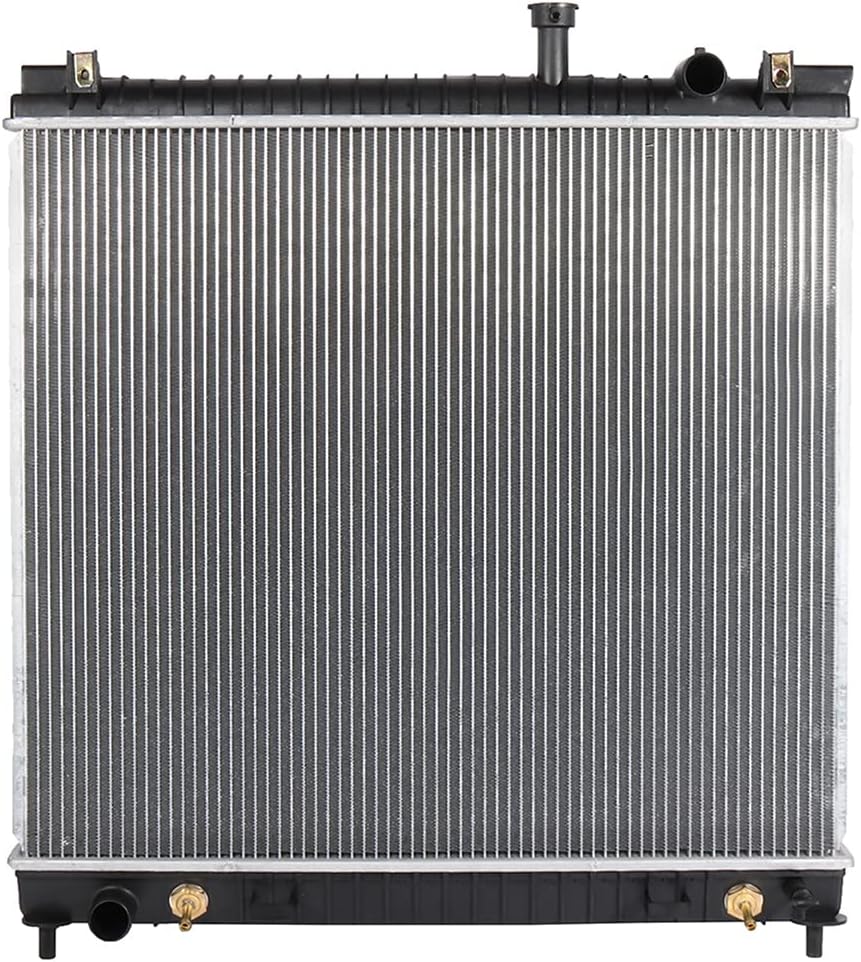
| Fitment | 5.6L Titan/Armada/QX56/Pathfinder (years listed) |
|---|---|
| Core Rows | 1 Row |
| Inlet Diameter | 1 3/8 in. |
| Outlet Diameter | 1 3/8 in. |
| Engine Oil Cooler | Included |
This SCITOO replacement radiator is a direct-fit aluminum unit engineered for 5.6L Nissan Titan, Armada and Infiniti QX56/Pathfinder engines. It replaces the factory radiator with a single-row aluminum core and integrated engine oil cooler, intended for routine cooling system repairs or when the original radiator fails. Typical installation is bolt-in when matched to the listed vehicles and it keeps coolant flowing and engine temperatures controlled under normal driving and towing loads. Notable features include full-aluminum construction for better heat transfer and corrosion resistance compared with many plastic-tank radiators, 1 3/8 inch inlet and outlet sizing to match stock hoses, and a one-row core profile that simplifies compatibility and lowers weight. The trade-off is the single-row core which may be less capable of extreme heavy-duty cooling compared with multi-row performance radiators, so it is best for stock or lightly loaded use rather than heavy-duty continuous towing. The manufacturer provides fitment guidance and technical support to help with proper selection and installation.
Best for: Buyers who want a factory-style replacement radiator that restores cooling performance with an aluminum construction and straightforward fitment, and who value vendor support and positive customer feedback when making a safer selection.
Less Ideal for: Drivers who frequently tow heavy loads, operate in extreme climates, or want maximum cooling margin should consider a multi-row or performance-oriented radiator instead.
- Full-aluminum core improves heat transfer and resists tank corrosion compared with plastic-tank units.
- Integrated engine oil cooler simplifies replacement when the original cooler is part of the radiator assembly.
- Built to match factory inlet and outlet diameters for straightforward hose connections and fitment.
- Model-specific design intended for bolt-in installation on the listed 5.6L vehicles.
- Single-row core may provide less cooling headroom under sustained heavy towing or extreme conditions.
Verdict: A factory-style full-aluminum replacement radiator with an integrated oil cooler that restores reliable cooling for 5.6L Nissan/Titan family vehicles while offering easier fitment and vendor support.
7. AutoExact 0882 Aluminum Radiator for 2004-2015 Nissan Titan/2005-2015 Armada/2004-2010 Infiniti QX56

| Compatibility | 2005-2015 Nissan Armada; 2004-2015 Nissan Titan; 2004-2010 Infiniti QX56 |
|---|---|
| Core material | Aluminum |
| Position | Front |
This AutoExact 0882 radiator is a full replacement designed to drop into specified Nissan and Infiniti V8 vehicles without modification. It uses an all-aluminum core with multi-louvered fins, flat-flow B-type tubes, and optimized airflow channels to improve heat dissipation over aged or damaged factory radiators. The unit includes deep-extrusion header tanks, precision welds, and premium seals; the seller says each radiator is pressure- and leak-tested before shipping. In practice this means straightforward installation with existing hoses, fan shroud, and cooler lines and reliable cooling for towing or daily driving. The construction emphasizes corrosion resistance and thermal expansion protection to help longevity. Limitations to note are the single-year warranty and that this is an aftermarket unit rather than a factory original, so long-term fit and finish can vary by vehicle and installer experience. Expect a solid, budget-conscious replacement that restores cooling capability for the covered Titan model years.
Best for: Buyers who prioritize a reliable, ready-to-install replacement to restore proper cooling on a 2004–2015 Titan or similarly specified vehicle and who prefer minimal fuss and straightforward fitment.
Less Ideal for: Those seeking a factory-branded OEM radiator or an extended warranty package should consider dealer parts or higher-end aftermarket options with longer coverage.
- Direct-fit design for the listed Nissan and Infiniti model years to simplify installation
- All-aluminum core with multi-louvered fins and flat-flow tubes for improved heat dissipation
- Leak-tested construction with deep-extrusion header tanks and precision welds for durability
- Aftermarket unit with a one-year warranty rather than a longer factory-backed coverage
Verdict: A practical, directly compatible aluminum replacement that restores cooling performance for the listed Titan years with minimal installation hassle.
Choosing the Right 2004-2015 Nissan Titan Radiator: Key Factors to Consider
Cooling Capacity and Core Design
Cooling capacity determines how effectively the radiator removes heat from the engine coolant. For the 2004-2015 Nissan Titan, consider core height, thickness, and whether the radiator uses a single-row or multi-row core. A thicker, multi-row core generally holds more fluid and exposes more surface area to airflow, improving cooling during towing or heavy loads.
Core material and fin density affect heat transfer and airflow restriction. Aluminum cores are common for their balance of weight and thermal conductivity. Higher fin count improves heat rejection but can restrict airflow if paired with insufficient fan or shroud design. Match core design to your typical driving: stop-and-go city use needs different airflow dynamics than highway towing.
Fitment and Mounting Accuracy
Correct fitment is critical to avoid modification of hoses, brackets, or the fan shroud. For this Titan range, confirm that the radiator's mounting points, inlet and outlet locations, and transmission cooler connections align with the truck's factory layout. Even small differences in filler neck height or hose barb locations can complicate installation.
A radiator that matches OEM mounting and accepts the stock cap and filler neck reduces installation time and avoids potential leaks. If you plan to reuse the factory fan assembly or A/C condenser spacing, verify that the replacement provides the same clearance to maintain proper airflow and component fit.
Material Quality and Corrosion Resistance
Radiators are exposed to coolant, road salt, and debris, so material choice and corrosion protection affect service life. Aluminum cores with brass or aluminum tanks are common; fully aluminum units are lighter and resist electrolysis differently than mixed-metal designs. Look for quality welds, robust end tanks, and protective coatings on tanks and fins.
Internal corrosion depends on coolant maintenance and system integrity. A radiator with a durable finish and good manufacturing tolerances will tolerate occasional coolant pH variation better and last longer in wet or salted-road environments.
Transmission Cooler Integration
Many Titan models route transmission fluid through a cooler inside or attached to the radiator. Confirm whether a replacement radiator includes the appropriate transmission cooler ports and that they match the factory line fittings. An incorrect cooler interface can require additional adapters or plumbing changes, risking leaks or reduced cooling efficiency.
If you tow regularly, the transmission cooler's capacity and flow paths become more important. Choose a radiator that maintains or improves transmission fluid cooling without complicating installation or requiring custom hoses.
Ease Of Installation and Compatibility With Factory Parts
Ease of installation is a practical concern for owners doing the job themselves. Radiators that use factory mounting brackets, accept the original fan shroud and cap, and match hose diameters reduce installation time and the likelihood of errors. Check whether the replacement requires special tools, trimming of the shroud, or transfer of fittings from the old unit.
Compatibility with the factory overflow tank and sensor locations can also simplify the process. If you are not using a professional installer, prioritize radiators designed for direct-fit replacement to minimize surprises.
Serviceability and Warranty
Consider how easy it will be to inspect, flush, and repair the radiator over time. Units with accessible drain plugs, straight-forward mounting, and standard fittings make routine maintenance such as a coolant flush simpler. Also review warranty coverage and what it includes; a solid warranty often indicates confidence from the manufacturer in construction quality.
Warranties can vary by duration and what is covered, such as core failure versus external damage. While warranty does not guarantee long life, it provides recourse if premature failure occurs.
Common Radiator Symptoms On The 2004-2015 Titan
Recognizing early symptoms helps prevent costly engine damage. Typical signs include rising coolant temperatures at idle or under load, visible coolant leaks under the front of the truck, a sweet smell from the engine bay, and frequent need to top off coolant. Intermittent overheating during towing or steep climbs is a common indicator the radiator is not removing sufficient heat.
Other symptoms can be loss of heater performance due to low coolant flow, or contamination in the coolant suggesting internal breakdown or corrosion. If you notice milky residue around the radiator cap or in the coolant, that can indicate contamination or a failing component elsewhere in the cooling system.
- High gauge readings at idle or in traffic
- Coolant pooling beneath the vehicle
- Reduced heating inside the cabin
- Frequent coolant top-offs and visible discoloration
When To Replace Versus Repair
Small external leaks or localized damage may be repairable with proper welding or epoxy in some cases, but repairs are often temporary on older or extensively corroded radiators. For the 2004-2015 Titan, evaluate whether the core and tanks are structurally sound and whether internal corrosion is present before attempting repair.
Replacement is usually the best long-term option when there are multiple leak locations, significant core blockage, or if the radiator has been previously repaired. Replacing with a correct-fit unit restores cooling capacity and reduces the chance of repeat failures when the truck is used for towing or heavy-duty work.
- Repair: small, localized external leak; otherwise structurally sound core
- Replace: multiple leak points, internal corrosion, or diminished cooling performance
Coolant Maintenance And Radiator Care
Maintaining correct coolant concentration and following a regular flush schedule helps extend radiator life. For the Titan, follow manufacturer-recommended coolant type and service intervals, and inspect hoses, clamps, and the thermostat during service. A clogged or degraded coolant can accelerate internal corrosion and reduce heat transfer.
Regular visual inspections catch external damage from road debris early. Keep the radiator fins clear of obstructions, and straightened where bent. After any front-end impact or off-road use, inspect the radiator and transmission cooler lines for damage to prevent slow leaks.
- Follow scheduled coolant flushes to avoid buildup
- Inspect and replace aged hoses and clamps
- Keep fins clean and free of debris
Installation Tips For Owner-Installers
Plan the job with proper tools and a safe workspace. Drain coolant into a suitable container and keep referrals for safe disposal in mind. Transfer any sensors, mounts, or fittings from the old radiator if the replacement relies on reused parts. Use new hose clamps and inspect the fan shroud and fan for wear while the system is open.
Torque fasteners to factory specs and ensure the filler neck and cap seat correctly to maintain system pressure. After installation, fill the system slowly, bleed trapped air according to recommended procedures, and monitor for leaks and correct temperature behavior on the first drive.
- Use correct hose clamps and torque values
- Bleed the cooling system to remove trapped air
- Check for leaks after warm-up and a short test drive
Upgrading Cooling For Towing And Heavy Use
If you tow frequently or operate in hot climates, consider radiators with greater core thickness or additional rows to increase heat capacity. Also evaluate oil and transmission cooling integrations that can reduce heat stress when hauling heavy loads. Ensure any upgrade still aligns with the 2004-2015 Titan mounting geometry to avoid installation complications.
Upgrading fans or shrouds can complement a higher-capacity radiator by improving airflow at low speeds. Keep in mind that bigger is only beneficial if the rest of the cooling system, including fans and coolant flow, supports the increased capacity.
- Choose thicker cores for sustained towing heat rejection
- Confirm upgraded units match factory mounting and connections
- Consider fan upgrades for improved low-speed cooling
Still looking for the perfect fit?
Select your Nissan Titan configuration to see the most relevant Radiators recommendations
How We Chose the Best 2004-2015 Nissan Titan Radiator
We focused exclusively on radiators that suit the 2004-2015 Nissan Titan and applied filters that prioritize real-world durability and correct fitment. Key evaluation criteria included cooling capacity under load, core construction and material (aluminum core, tube-and-fin vs multi-row designs), and OEM-matching mounting points to minimize modification during installation. We also considered compatibility with factory transmission cooler lines where applicable, and how easy the unit is to install using factory brackets and hose locations.Additional factors were corrosion resistance and paint or coating quality for longevity in mixed climates, and whether the radiator accepts the factory filler neck and pressure cap height to preserve coolant system behavior. We excluded any parts lacking explicit fitment claims for the 2004-2015 Titan or units that require substantial modification to mounting or plumbing. Finally, we prioritized options that balance cooling performance with straightforward installation for typical owner-installed repairs.
Our full evaluation process is outlined in our review methodology.
FAQ
How do I know if my Titan radiator is leaking or the leak is from a hose?
Start with a visual inspection while the engine is cool. Look for coolant traces around hose connections, clamps, and the radiator seams. If the leak is near a hose or clamp, it may be a hose issue. Pressure-testing the cooling system helps pinpoint leaks by showing where pressure is lost under a controlled load.
Can I install a radiator myself for the 2004-2015 Nissan Titan?
Many owners can perform the replacement with basic mechanical skills and tools. Key steps include draining coolant, removing the fan shroud and mounting hardware, transferring fittings, and properly bleeding the system. If you are unsure about bleed procedures or transmission cooler lines, professional help is advisable.
How often should I flush the coolant on a Titan after installing a new radiator?
Follow Nissan's recommended interval for your model year and the coolant type used. As a rule, a fresh system should be inspected after the first few hundred miles for leaks and coolant level, and thereafter follow routine flush intervals to prevent buildup and corrosion.
Will a higher-capacity radiator cause installation issues on my Titan?
Higher-capacity radiators can fit without issue if they match the Titan's mounting points and clear the fan shroud, A/C condenser, and other components. Always verify the replacement's dimensional and mounting specs to avoid interference and ensure proper hose alignment.
What are signs the transmission cooler in the radiator is failing?
Signs include rising transmission temperatures under load, transmission fluid contamination, or external leaks near the cooler ports. If you observe slipping or unexplained transmission behavior after radiator service, inspect the cooler passages and connections for leaks or blockage.
Is there a difference between OEM and aftermarket radiators for the Titan?
OEM-fit radiators generally match factory dimensions and connections exactly, while aftermarket options vary in materials and core design. Many aftermarket units are designed for direct fitment and comparable performance, but confirm fitment details and construction before choosing.
Final Verdict
For the 2004-2015 Nissan Titan, prioritize a radiator that matches factory fitment and provides adequate cooling capacity for your typical use. If you tow or operate in hot conditions, favor thicker cores and reliable transmission cooler integration. For routine driving, a direct-fit unit with good corrosion resistance and OEM-style mounting will restore dependable cooling with minimal installation fuss.Balance durability, ease of installation, and cooling performance when making your choice. Addressing symptoms early and choosing a properly fitted radiator reduces the risk of overheating and costly engine or transmission damage.
Explore More:
- Check out all Nissan Titan parts & accessories
- Explore Radiators Maintenance & Repair Guides
- Explore Cooling System
- Browse all Auto Parts
