

Note: This article contains affiliate links. If you click on these links and make a purchase, I may earn a small commission at no extra cost to you. This helps support my research and content. Read my full affiliate disclaimer here.
Choosing the right Honda Fit brake pads affects safety, comfort, and maintenance costs. The right pads deliver predictable stopping power, acceptable noise levels, and reasonable lifespan so you can drive with confidence. This guide presents seven shortlisted options that represent common choices for this vehicle. We evaluated options based on stopping performance and durability, plus noise and dust characteristics and compatibility. Read on to find pads that match your driving needs and service habits.
Looking for other parts? See all Honda Fit parts & accessories.
Top Picks at a Glance
| Best Reviewed A top-rated pick with lots of positive feedback | Detroit Axle Front Brake Kit with 10.32" Rotors and Ceramic Pads for 2009–2014 Honda Fit |  |
| Most Popular A crowd favorite that many people choose with confidence | SCITOO Front Ceramic and Rear Semi-Metal Brake Pad Set for Honda CR-V / Compatible Honda Models |  |
| Best Quality Built to a higher standard if you want something more solid | PowerStop Front Brake Kit for Honda Fit (Front Rotors & Z17 Ceramic Pads) |  |
| Best Budget The cheapest option that still gets the job done reliably | Bendix Premium SBC1394 Ceramic Front Brake Pads |  |
| Most Sold A high-volume bestseller chosen again and again | BOSCH QuietCast Premium Ceramic Rear Brake Pad Set (BC1086) |  |
| Best Value for Money The sweet spot between price and what you get | Bendix Priority1 Ceramic Front Brake Pads (CFC1394) |  |
| Best Overall The best all-around choice for most situations | SCITOO Ceramic Front Brake Pad Kit (8-piece) |  |
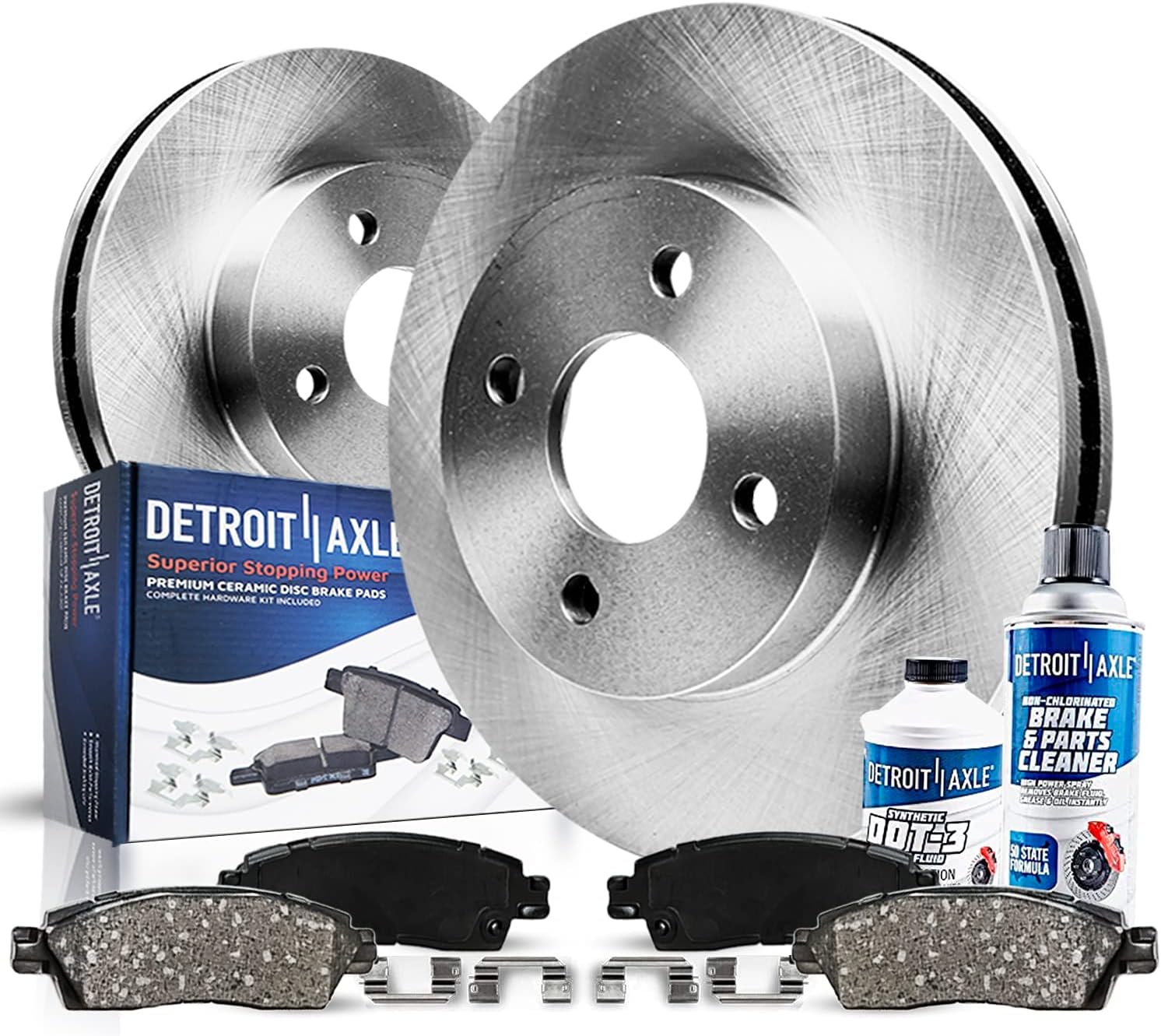
1. Detroit Axle Front Brake Kit with 10.32" Rotors and Ceramic Pads for 2009–2014 Honda Fit
| Fitment | 2009–2014 Honda Fit (specified trims) |
|---|---|
| Front rotor diameter | 10.32 inch (262mm) |
| Pad type | Ceramic |
| Kit contents | 2 rotors, 2 pads, hardware, brake cleaner, brake fluid |
This Detroit Axle front brake kit supplies everything needed to refresh the front braking system on a 2009–2014 Honda Fit (specified fitment listed). It includes two vented 10.32" rotors, two ceramic front brake pads with hardware, a can of brake cleaner, and a bottle of brake fluid so you can complete a front brake job without sourcing parts separately. The rotors are zinc plated to resist corrosion and have ventilation slots to help cooling and reduce fade during repeated stops. Ceramic pads are quiet and produce less dust than many semi-metallic pads, which is useful for daily-driven Fits. Installation is straightforward for someone comfortable with basic brake work because the locating holes are machined for factory-style fit. Limitations: the included brake fluid and cleaner are convenient but some users prefer to buy higher-grade fluid separately, and this kit is intended for standard street use rather than high-performance or track applications.
Best for: Reliability-focused buyers who prioritize a straightforward, factory-quality front brake refresh for a daily-driven Honda Fit and want a complete kit that simplifies maintenance.
Less Ideal for: Drivers seeking high-performance or track-capable brake components or those who want premium-grade consumables included should consider aftermarket performance options or separate higher-spec fluids.
- Complete kit includes rotors, ceramic pads, hardware, brake cleaner, and brake fluid for one-stop installation.
- Vented 10.32" rotors with slots improve cooling and help reduce brake fade under normal driving.
- Zinc plating on rotors resists corrosion and keeps wheel area cleaner.
- Machined locating holes ensure factory-style fit without modifications.
- Ceramic pads offer quieter operation and lower dust than many alternatives.
- Brake fluid included is basic and some buyers choose to replace it with a higher-grade fluid.
- Not engineered for heavy track use or extreme performance driving.
Verdict A convenient, reliability-focused front brake kit for 2009–2014 Honda Fit that delivers factory-style fit and quiet, low-dust braking for everyday use.
2. SCITOO Front Ceramic and Rear Semi-Metal Brake Pad Set for Honda CR-V / Compatible Honda Models

| Material | Front – Ceramic; Rear – Semi-Metallic |
|---|---|
| Specification Met | OEM |
| Number of Items | 4 |
| Manufacturer Part Number | 826657-5206-1303088501 |
This SCITOO kit supplies front ceramic and rear semi-metallic brake pads intended as direct factory-replacement components for compatible Honda vehicles. In use the ceramic fronts aim to deliver quieter operation and smoother initial bite while the semi-metal rears provide heat resistance under heavier loads. The pads are treated to reduce break-in time and include gaskets to absorb vibration for reduced squeal. Installation is straightforward for a routine brake pad job because the set is labeled vehicle-specific and meant to fit without modification. Practical benefits include improved quietness, consistent stopping feel, and materials chosen to balance longevity and braking performance. Limitations to note are that fitment is vehicle-specific so you must confirm the exact Honda Fit pad numbers before buying, and some buyers report occasional mismatched pieces in a set requiring replacement; also performance will vary from factory-quality pads under extreme driving. For a convenience-minded buyer who wants a ready-to-install replacement with quieter ceramic fronts, this kit is a sensible option when the fitment matches your Honda model.
Best for: Convenience-driven buyers who prioritize an easy, ready-to-install brake pad replacement and a quieter driving experience without aftermarket tuning.
Less Ideal for: Drivers seeking track-oriented performance or maximum fade resistance should choose dedicated high-performance or heavy-duty brake compounds instead.
- Combination of ceramic front and semi-metal rear materials for quieter braking up front and heat-resistant rears
- Treated pads reduce break-in time for more consistent stopping from first use
- Designed for direct factory-replacement installation without modification
- Gasket/backing design reduces vibration and audible squeal
- Fitment is vehicle-specific so wrong part numbers will prevent installation
- Some buyers report occasional packaging errors that required a replacement set
Verdict A convenient, ready-to-install replacement pad set that favors quiet, consistent braking for everyday Honda use when correct fitment is confirmed.
3. PowerStop Front Brake Kit for Honda Fit (Front Rotors & Z17 Ceramic Pads)

| Vehicle fit | 2009-2014 Honda Fit (front) |
|---|---|
| Pad type | Z17 ceramic |
| Kit contents | Front rotors, front pads, stainless hardware, shims |
This PowerStop kit supplies everything needed to refresh the front braking system on a 2009–2014 Honda Fit: two mill-balanced replacement rotors, Z17 ceramic pads, stainless steel hardware, and rubberized shims. The Z17 ceramic pads are low-dust, chamfered and slotted for quieter operation and a predictable break-in, making them suited to daily-driven Fits where clean wheels and steady bite matter. The included rotors are factory-replacement style with precision milling to reduce vibration and restore pedal feel compared with worn rotors. Installation is bolt-on and uses supplied stainless hardware, so a competent DIYer can complete both sides in a couple of hours. Limitations are that this is a daily-driver / stock-replacement kit rather than a high-performance track setup, so aggressive heat resistance and extreme fade performance are not the focus. Also some buyers may prefer coated or drilled/slotted rotors for specific looks or cooling needs, which this kit does not provide.
Best for: A performance-oriented buyer who wants reliable, quieter braking and improved pedal feel for day-to-day driving and spirited street use on a Honda Fit.
Less Ideal for: Drivers who regularly track their car, do heavy towing, or need upgraded high-temperature fade resistance should consider dedicated performance brake pads and rotors instead.
- Complete kit includes matched rotors, ceramic Z17 pads, stainless hardware and shims for a one-stop front brake refresh
- Low-dust ceramic pads reduce wheel soiling and are chamfered and slotted to minimize noise during normal driving
- Mill-balanced OE-style rotors restore smooth pedal feel and reduce vibration compared with worn rotors
- Designed as a stock-replacement/daily driver solution rather than a high-heat racing or towing brake upgrade
- Rotors are non-drilled and non-coated which may not suit buyers wanting extra cooling or corrosion protection
Verdict A practical, performance-minded front brake refresh for Honda Fit drivers seeking quieter, low-dust ceramic pads and factory-style rotors without stepping up to track-oriented hardware.
4. Bendix Premium SBC1394 Ceramic Front Brake Pads

| Material | Ceramic |
|---|---|
| Auto Part Position | Front |
| Specification Met | OEM |
| Automotive Fit Type | Vehicle Specific Fit |
These Bendix Premium ceramic front brake pads are a direct-fit, factory-quality replacement engineered to match the fit and braking behavior of the original parts for Honda Fit applications. They are used the way any front pad set is: remove the wheel and caliper, replace old pads and shims, and bed them in for quiet, consistent stopping. Notable features include a ceramic friction compound for reduced dust and noise, painted exterior for corrosion resistance, and vehicle-specific fitment so pads and included clips align without modification. In daily driving the pads deliver smooth, progressive bite with reduced brake fade compared with cheaper organic pads, and many buyers report low noise and good longevity. Limitations to note: ceramic pads can cost a bit more than low-end options and they are optimized for street use rather than heavy towing or track use, where a semi-metallic pad would handle higher heat. Also the listing indicates grease is not included, so add proper caliper/lubricant when installing.
Best for: Budget-conscious Fit owners who prioritize quiet, low-dust daily driving and want a reliable, factory-quality replacement without overspending.
Less Ideal for: Drivers who regularly tow, carry heavy loads, or do spirited/track driving should consider higher-performance semi-metallic pads designed for elevated heat and braking demands.
- Vehicle-specific fit for Honda Fit to simplify installation
- Ceramic formulation reduces dust and cabin noise during normal driving
- Painted exterior and corrosion-resistant finish for longer service life
- Designed to match factory fit, form, and function for reliable braking behavior
- Not optimized for heavy-duty, high-heat driving or track use
- Brake grease is not supplied with the pads
Verdict A cost-conscious, factory-quality ceramic front pad set that delivers quiet, low-dust braking for Honda Fit daily drivers but is not intended for heavy-duty or track use.
5. BOSCH QuietCast Premium Ceramic Rear Brake Pad Set (BC1086)

| Material | Ceramic |
|---|---|
| Auto Part Position | Rear |
| Specification Met | OEM |
| Manufacturer | Bosch Automotive |
The Bosch QuietCast BC1086 is a rear ceramic brake pad set built to provide quiet, consistent braking and reduced dust. It is intended as a direct replacement, with pre-attached multilayer rubber-core shims and powder-coated backing plates to minimize noise and resist corrosion. Typical use is a like-for-like replacement during routine brake service on compatible Hondas where rear pads match this fit; the kit ships ready to install with pads for one axle, hardware where available, and lubricant for sliding contact points. In practice the ceramic compound produces confident stopping with low brake dust and few squeals, and many owners report easy DIY installation and good fitment. Limitations to note are occasional missing specific shims or clips that some vehicle-specific caliper brackets require, which may necessitate reusing original hardware, and ceramic pads can feel slightly less aggressive than heavy-duty semi-metallic options under repeated hard stops. If your Honda Fit requires this exact rear pad fit, Bosch gives a reliable, quiet replacement, but verify that the pad kit includes every clip your caliper needs before starting the job.
Best for: A risk-averse mainstream buyer who prioritizes quiet, low-dust, factory-quality replacement parts and straightforward DIY or shop-fit service for regular commuting Hondas.
Less Ideal for: Drivers who frequently tow, race, or habitually perform heavy repeated hard stops should consider performance-oriented semi-metallic pads instead.
- Pre-attached multilayer rubber-core shims reduce noise and improve shim-to-plate bond
- Ceramic friction material delivers quiet braking with low dust
- Powder-coated backing plates resist corrosion for longer service life
- Includes pads for one axle plus hardware and lubricant for easier installation
- May not include every vehicle-specific retainer or large shim, requiring reuse of original clips
- Ceramic pads are less suited to repeated high-heat, aggressive driving compared with performance semi-metallics
Verdict A quiet, low-dust factory-quality rear pad set that’s a safe choice for routine brake replacement if it matches your Honda Fit’s required fitment.
6. Bendix Priority1 Ceramic Front Brake Pads (CFC1394)

| Material | Ceramic |
|---|---|
| Auto Part Position | Front |
| Specification Met | OEM |
| Automotive Fit Type | Vehicle Specific Fit |
These Bendix Priority1 ceramic front brake pads are a direct-fit replacement designed for Honda Fit applications and similar Honda models. They install like a factory-quality pad and include installation hardware to simplify a DIY swap. The ceramic friction material delivers a quiet initial feel and consistent stopping power under normal driving and city commute conditions, and the pads are machined with slots, chamfers, and shims to reduce noise and vibration. Buyers will appreciate the brake fade resistance and an emphasis on reliable, everyday braking rather than aggressive track performance. Some kits may include clips that do not match every caliper version exactly, so you might reuse existing hardware in a few cases. Also expect some light pad dust and occasional squeak depending on vehicle conditions and bedding. For a practical optimizer looking to balance cost, comfort, and dependable street braking on a Honda Fit, these pads offer a sensible, factory-minded upgrade with mostly positive real-world feedback.
Best for: A practical optimizer who wants a factory-quality, cost-conscious replacement that restores reliable, quiet daily braking on a Honda Fit without chasing performance upgrades.
Less Ideal for: Not ideal for drivers who need race or heavy towing performance where high-temperature, heavy-duty metallic compounds are required.
- Vehicle-specific fit for Honda applications for straightforward installation
- Ceramic compound provides consistent stopping power and reduced brake fade during normal driving
- Machined finish with shims, slots, and chamfers to minimize noise and vibration
- Includes installation hardware to simplify replacement
- Included clips may not match every caliper variation requiring reuse of original hardware
- Ceramic pads can produce visible brake dust and occasional squeak in some conditions
Verdict If you want a sensible, factory-spec ceramic replacement for a Honda Fit that prioritizes quiet, consistent street braking at a good value, these Bendix pads are a strong choice.
7. SCITOO Ceramic Front Brake Pad Kit (8-piece)
| Material | Ceramic |
|---|---|
| Auto Part Position | Front |
| Automotive Fit Type | Vehicle Specific Fit |
| Manufacturer Part Number | 807431-5206-1932471 |
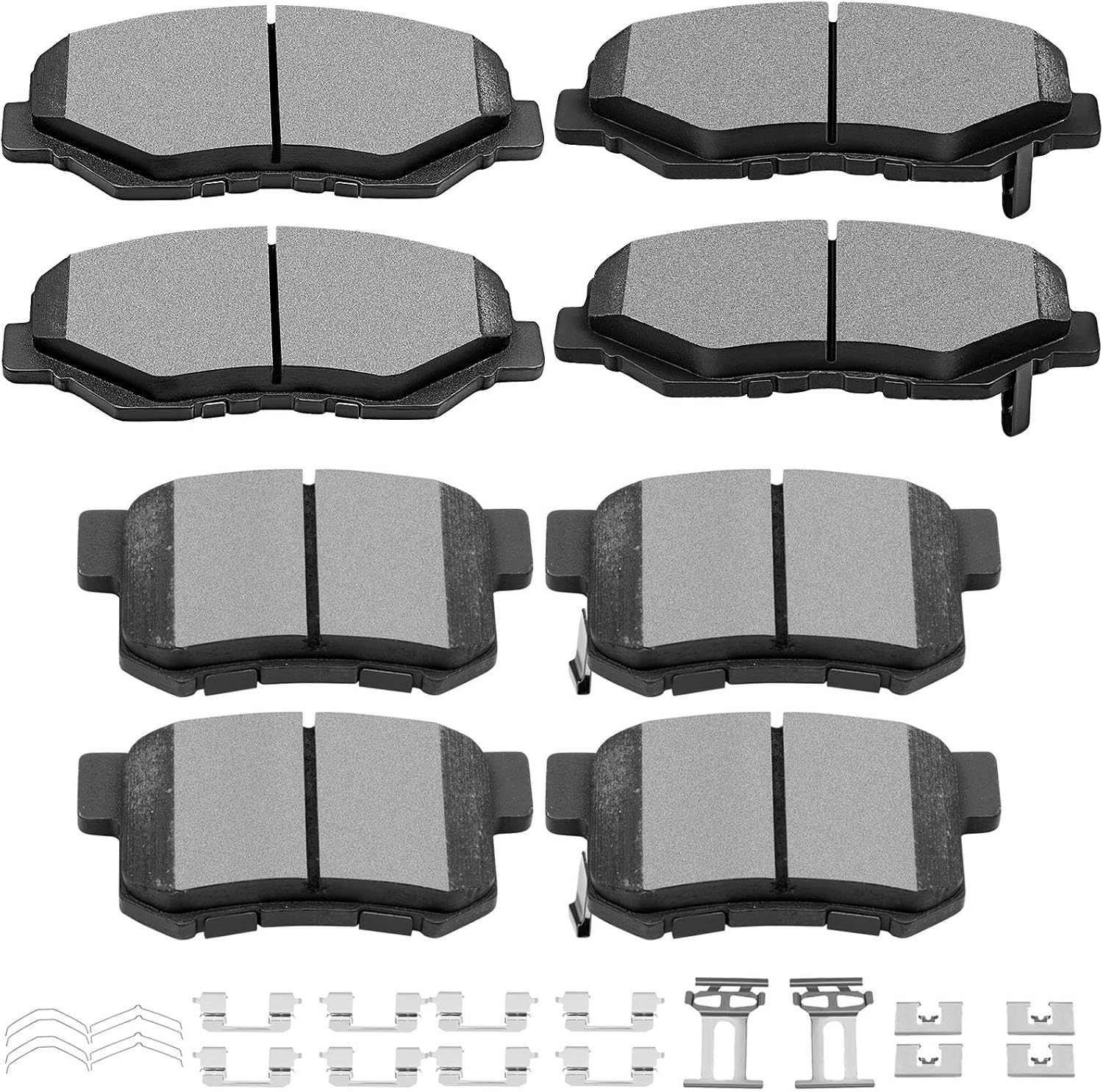
These SCITOO ceramic brake pads are a budget-friendly, vehicle-specific replacement designed to reinstall without modifications. The kit contains eight pieces intended for front fitment and uses a ceramic friction material that reduces dust and helps keep braking quiet; SCITOO also includes hardware and pads treated to shorten break-in time. For routine driving on a Honda Fit this translates into steady, predictable stopping power, minimal rotor dust on alloy wheels, and a quieter driving experience compared with semi-metallic pads. Installation is straightforward for anyone familiar with brake jobs and the pads are packaged for easy unpacking. The main limitations are variability in long-term durability reported by some users and mixed global reviews that suggest lifespan may vary with driving style; aggressive, heavy towing or performance driving will wear ceramic pads faster than higher friction options. Also these are sold as front pads only, so expect to replace rear pads separately if needed.
Best for: A balanced all-round buyer who wants an affordable, quiet, low-dust factory-style brake replacement for everyday driving on a Honda Fit and values straightforward installation over performance braking extremes.
Less Ideal for: Drivers who prioritize maximum stopping performance under heavy loads, track use, or aggressive driving should choose a higher-friction performance pad instead.
- Vehicle-specific fit for a direct factory-quality replacement install
- Ceramic formulation reduces brake dust and cabin noise
- Includes treated pads to shorten break-in time and basic installation hardware
- Packaged as a complete eight-piece front set for a full axle replacement
- Mixed reports on long-term wear life compared with premium brands
- Sold for front positions only so rear pads must be purchased separately if needed
Verdict A quiet, low-dust ceramic front pad kit that delivers good everyday braking and easy installation for Honda Fit owners, but not the best choice for heavy-duty or high-performance use.
Choosing the Right Honda Fit Brake Pads: Key Factors to Consider
Stopping Performance
Stopping performance is the primary function of any brake pad and directly affects safety. You should consider how the pads respond across a range of temperatures and speeds, including initial bite, progressive feel, and resistance to fade during repeated stops. Pads formulated for stronger friction will shorten stopping distances but can increase rotor wear and dust. Conversely, softer compounds may feel more forgiving but can require more pedal travel. Look for pads whose performance matches your driving style, whether you do mostly city commuting with frequent stops or longer highway driving with occasional hard stops.
Durability and Wear
Durability determines how often you will replace the pads and how much rotor wear they will cause. Longer-lasting materials reduce maintenance frequency but may come at the cost of increased rotor abrasion. Consider factors such as compound hardness, backing plate quality, and heat tolerance, all of which influence longevity. Also factor in expected annual mileage and driving conditions, since frequent stop-and-go traffic accelerates wear compared with steady cruising. Choosing pads with predictable wear characteristics helps plan maintenance and avoid unexpected service.
Noise and Vibration
Noise and vibration affect comfort and can indicate fitment or material issues. Some compounds produce audible squeal, chatter, or high-frequency tones during light braking, while others remain quiet but may generate more dust. Backing plate design, shim quality, and proper bedding-in all influence noise behavior. If quiet operation is a priority, look for pads with noise-damping shims and proven low-squeal formulations. Keep in mind that even quiet pads can squeal if hardware is worn or rotors are uneven, so address related components when installing new pads.
Pad Material and Heat Management
The pad material governs how the friction surface behaves under load and temperature. Organic and low-metallic formulations tend to be gentler on rotors and quieter but may fade sooner under high heat. Semi-metallic or higher-performance composites manage heat better and resist fade but can be harsher on rotors. Ceramic variants often offer a balance of quiet operation, lower dust, and steady pedal feel for street use. Consider the typical operating temperatures your driving produces and choose a material that controls fade while matching rotor compatibility and your tolerance for dust and noise.
Fitment and Installation
Correct fitment is essential for safe braking and straightforward installation. Pads designed for the Honda Fit should match the vehicle's caliper profile, retention clips, and sensor access points where applicable. Poorly fitting pads can cause uneven wear, noise, and reduced braking efficiency. Consider whether the pads require additional hardware, shims, or anti-rattle clips and whether you are comfortable performing the installation or will use professional service. Ease of installation can reduce labor time and decrease the chance of installation-related issues.
Maintenance and Service Considerations
Think about how pad choice interacts with routine maintenance and service intervals. Some pad compounds require a bedding-in procedure to achieve optimal stopping performance and wear patterns. Also consider how often you inspect calipers, hardware, and rotors when changing pads, and whether the pads will simplify future service. Availability of replacement sets and compatibility with commonly used rotors and hardware matter if you prefer to handle maintenance yourself. Choosing pads that align with your maintenance habits helps extend component life and maintain reliable braking.
FAQ
How often should I replace Honda Fit brake pads?
Replacement frequency depends on driving style and mileage. Many drivers replace pads between 25,000 and 70,000 miles, but heavy city traffic or aggressive braking shortens that interval. Inspect pads visually for remaining thickness and listen for consistent squeal indicators. When in doubt, have a technician measure pad thickness against the vehicle's service specification.
What are common brake pad wear symptoms to watch for?
Typical signs include reduced stopping power, a spongy or soft pedal, increased stopping distance, and unusual noises like squealing or grinding. Visual cues such as uneven wear or very thin friction material also indicate replacement is needed. Address symptoms promptly to avoid rotor damage and maintain braking performance.
Should I choose different pads for front versus rear brake pads?
Front and rear pads often differ because the front brakes handle a larger share of stopping force. Front pads typically experience greater heat and wear rates. Choose pads designed for each axle and ensure the compound and thickness are appropriate for their respective load. Matching material type across axles is common, but axle-specific designs can optimize performance and longevity.
Are ceramic brake pads a good option for a Honda Fit?
Ceramic pads are usually a practical choice for everyday driving because they balance quiet operation, low dust, and stable pedal feel. They tend to produce less noise and residue than some metallic formulations and generally work well in mild to moderate driving conditions. If you do frequent heavy braking or towing, consider a compound rated for higher heat instead.
What causes brake pad noise like grinding or squeal?
Noise can come from several sources, including worn pads that expose metal backing, glazed friction surfaces, contaminated pads or rotors, or loose hardware. Squeal is often high-frequency vibration in the pad or shim, while grinding usually indicates metal-on-metal contact from worn pads. Proper installation, quality shims, and timely replacement reduce the likelihood of these noises.
How important is pad thickness and fitment when replacing pads?
Pad thickness affects remaining service life and required rotor clearance. Using pads that match the vehicle's thickness specification ensures proper contact and safe pedal travel. Correct fitment prevents uneven wear and noise and ensures the pads engage the rotor fully. Always verify fitment for the specific model and axle before installation.
How We Chose the Best Honda Fit Brake Pads
Our selection process focused on the attributes that matter most to Honda Fit owners. We prioritized consistent stopping performance under typical urban and highway driving, measured by subjective pedal feel and fade resistance. Durability was evaluated in terms of expected pad life and construction quality to reflect real-world replacement intervals. Noise and dust characteristics were considered to account for driver comfort and wheel cleanliness. Fitment and installation ease were included to ensure the pads suit the Honda Fit's common caliper and rotor setups. We also assessed the materials and backing plate design to reduce the chance of premature glazing or uneven wear. We excluded pads intended only for track use, heavy commercial vehicles, or custom racing setups because those trade comfort and longevity for extreme performance. We did not include items that require modifications to the vehicle or adapters. The result is a list focused on street-legal options that balance stopping power, lifespan, and daily drivability.
Our full evaluation process is outlined in our review methodology.
Conclusion
Choosing Honda Fit brake pads means balancing stopping power, longevity, and comfort. Prioritize pads that deliver reliable stopping performance for your typical driving conditions while keeping an eye on expected wear and noise characteristics. Consider material choice, fitment accuracy, and maintenance habits when making a selection. Accepting a tradeoff between quieter operation and extreme fade resistance will help you pick pads that match how you drive and how often you service the vehicle.
Explore More:
- Check out all Honda Fit parts & accessories
- Explore Brake System
- Browse all Auto Parts
