

Note: This article contains affiliate links. If you click on these links and make a purchase, I may earn a small commission at no extra cost to you. This helps support my research and content. Read my full affiliate disclosure here.
If your F-450 is showing ABS warnings, inconsistent traction control, or sporadic speedometer readings, the wheel speed sensors are a common and practical place to start. Choosing the right Ford F-450 ABS wheel speed sensor matters because incorrect fitment, poor signal quality, or damaged wiring can leave the ABS system disabled or provide intermittent faults while driving.This guide covers the seven shortlisted ABS wheel speed sensors selected for fitment with the Ford F-450 and explains the decision factors we used, including fitment accuracy, electrical signal reliability, and durability against the heavy-duty conditions this truck faces. Read on to understand what to check before purchasing and how to approach installation or diagnostics.
Top Picks at a Glance
| Best Overall The best all-around choice for most situations | A-Premium Front ABS Wheel Speed Sensor (ALS3106) for Ford Super Duty, Front Left or Right |  |
| Best Quality Built to a higher standard if you want something more solid | TRQ Front ABS Wheel Speed Sensor BSA12725 for Ford Super Duty & Excursion Fitment |  |
| Best Value The sweet spot between price and what you get | Anxingo Front ABS Wheel Speed Sensor (pair) for Ford Super Duty and Excursion |  |
| Best Budget The cheapest option that still gets the job done reliably | OCPTY Rear Center ABS Wheel Speed Sensor (ALS1889) for Ford F-Series Super Duty |  |
| Highest Rated A top-rated pick with lots of positive feedback | DOICOO ABS Wheel Speed Sensor (rear center) for Ford Super Duty |  |
| Most Popular A crowd favorite that many people choose with confidence | A-Premium Rear Center ABS Wheel Speed Sensor (Rear Center) |  |
| Best Seller A high-volume bestseller chosen again and again | Carbhub Rear Center ABS Wheel Speed Sensor (6L3Z9E731-A) |  |
1. A-Premium Front ABS Wheel Speed Sensor (ALS3106) for Ford Super Duty, Front Left or Right
| Output Type | Analog |
|---|---|
| Mounting Type | Wheel Mount |
| Sensing Distance | 1 centimeters |
| Harness Length | 56.5 inches |
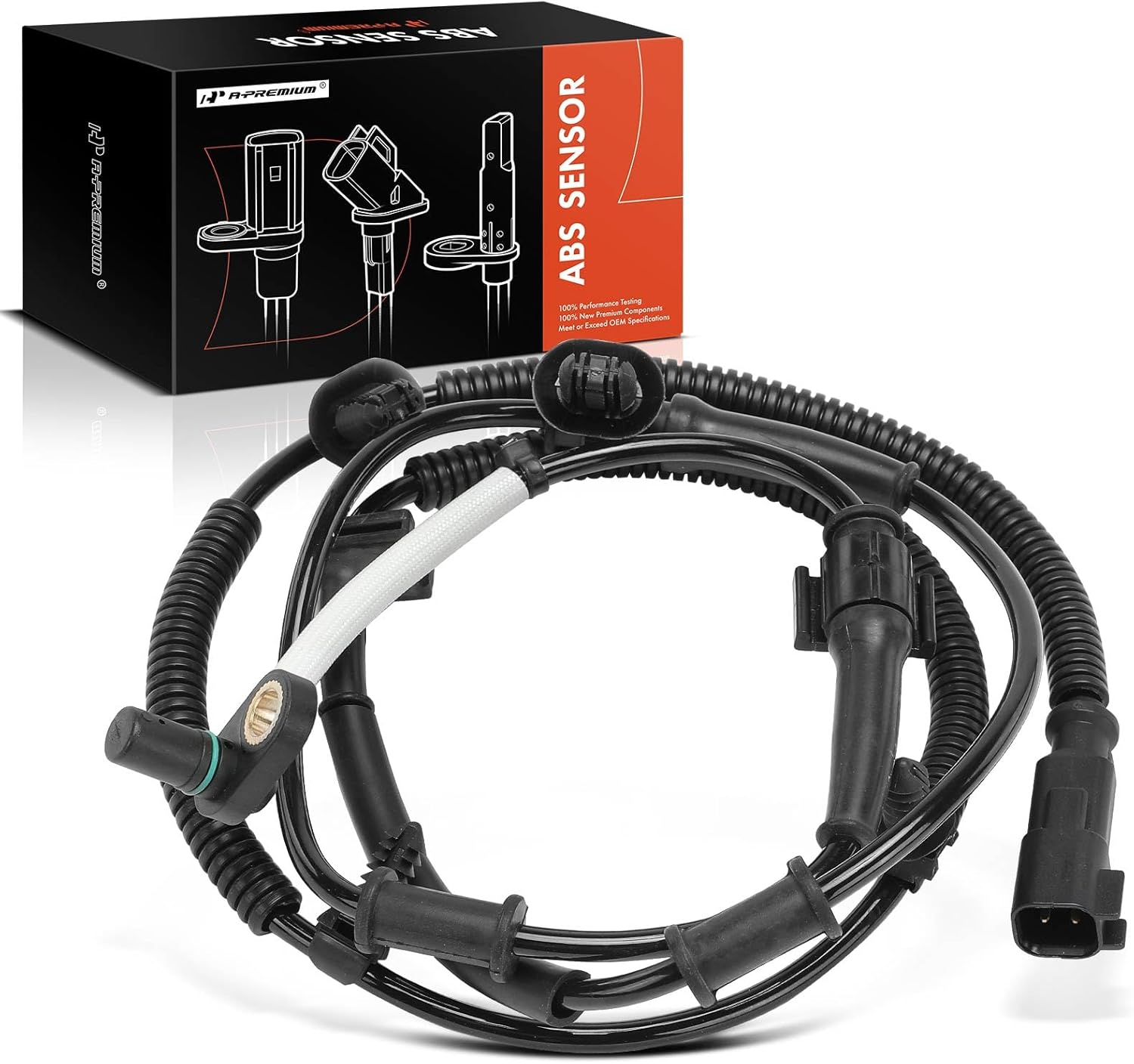
This A-Premium ABS wheel speed sensor is a direct-fit replacement for front left or right positions on specified 2017–2022 Ford Super Duty models with monobeam suspension and certain RWD configurations. It replaces the factory sensor and plugs into the existing harness using the included 56.5-inch wiring lead and rectangular connector, and mounts with a two-bolt wheel mount. In use it provides an analog output and is intended to restore accurate wheel-speed readings for ABS, traction control, and stability systems. The sensor combines metal and polymer construction for durability and claims a stable, fast-response signal. Practical benefits include a full wiring harness included for easier installation and compatibility with listed OEM reference numbers. Limitations are that fitment is restricted to the specified Ford models and suspension setups, and installation still requires basic mechanical access and proper routing to avoid damage. The one-year parts guarantee covers the sensor itself but not installation or related labor costs.
Best for: Drivers who want a balanced, cost-conscious replacement that restores ABS and traction system function on supported Ford Super Duty front axles and prefer a ready-to-install sensor with harness included.
Less Ideal for: Those working on non-listed years, different suspension configurations, or multi-vehicle projects should seek a sensor explicitly listed for their exact vehicle or consult a dealer for a factory-specific part.
- Includes full wiring harness with 56.5-inch lead and rectangular connector for plug-and-play installation on compatible vehicles
- Two-bolt wheel mount and OEM reference compatibility simplify replacement and alignment with factory mounting points
- Metal and polymer construction aimed at durability in wheel-well environments
- Analog output and claimed fast response restore reliable input for ABS and traction systems
- Compatibility is limited to specific Ford Super Duty years and monobeam or RWD configurations listed in the product details
Verdict: A practical, ready-to-install front wheel speed sensor that restores ABS/traction function on supported Ford Super Duty trucks without needing separate harnesses.
2. TRQ Front ABS Wheel Speed Sensor BSA12725 for Ford Super Duty & Excursion Fitment

| Mounting Type | Flange Mount |
|---|---|
| Output Type | Push-Pull |
| Material Type | Acrylonitrile Butadiene Styrene |
| Included Components | ABS Wheel Speed Sensor |
| Warranty Description | 2 years |
This TRQ front ABS wheel speed sensor replaces the factory front speed sensor on compatible Ford Super Duty models and Excursion trucks to restore wheel speed input for the ABS and traction control systems. It is a flange-mount, push-pull output sensor made from ABS plastic and sold as a single unit for one front wheel position. Typical use is straightforward replacement during brake or hub service or when an ABS warning or intermittent speed signal appears. The direct-fit design and TRQ fitment references mean installation should require no modifications and can save time for DIYers and technicians. Material and mounting choices keep the sensor lightweight, but plastic construction may not match the longevity of higher-end metal-bodied sensors in extremely harsh off-road environments. The sensor covers many model years and front driver or passenger side positions for 4WD variants, so confirm exact vehicle and wheel side before ordering.
Best for: Drivers who prioritize restoring reliable ABS and traction control operation quickly on specified Ford Super Duty or Excursion front wheels and value a direct-replacement part they can install themselves.
Less Ideal for: Someone building a heavy-duty off-road or extreme-duty truck who wants a metal-bodied or performance-grade sensor engineered for constant water, mud, or debris exposure should consider heavy-duty alternatives.
- Direct-fit flange mounting for front wheel replacement on listed Ford Super Duty and Excursion models
- Push-pull output compatible with factory ABS systems
- Sold as a single pre-assembled sensor for quick swap during brake or hub work
- Clear fitment references and DIY install videos from the brand to assist installers
- ABS plastic housing may be less durable than metal-bodied aftermarket sensors in extreme off-road or heavy-duty service
Verdict: Choose this TRQ front sensor when you need a confirmed direct-replacement to quickly restore ABS/traction control function on the listed Ford Super Duty and Excursion front wheel positions.
3. Anxingo Front ABS Wheel Speed Sensor (pair) for Ford Super Duty and Excursion

| Material | Acrylonitrile Butadiene Styrene |
|---|---|
| Maximum Supply Voltage | 12 Volts |
| Measurement Accuracy | ±1% |
| Mounting Location | Spindle |
| Connector Quantity | 2 |
These two front ABS wheel speed sensors replace the factory front left and right sensors on compatible Ford Super Duty trucks and the Excursion. They mount at the spindle and connect with the vehicle wiring using the supplied female connector and pin terminal, restoring wheel speed input for the ABS and traction systems after an original sensor fails. The sensors are made from ABS plastic, rated to operate on standard 12-volt vehicle systems, and are sold as a matched left/right pair which simplifies replacement and reduces diagnostic time. In practice they provide an accurate signal for the ABS module and are a straightforward swap for technicians or confident DIYers when the fitment matches. Limitations include that these are aftermarket components rather than factory-brand units and longevity can vary depending on exposure to road debris and corrosion; confirm fitment to the specific model years listed before installation. The package includes two sensors for front left and right positions and the seller offers replacement support if there are fitment issues.
Best for: Buyers who want a practical, ready-to-install replacement to restore ABS function on specified Ford Super Duty trucks and Excursion models without sourcing separate parts.
Less Ideal for: Those seeking an OEM-branded sensor or a heavy-duty sealed unit for extreme off-road or corrosion-prone use should consider alternative factory-quality parts.
- Sold as a matched left/right pair so both front sensors can be replaced at once
- Designed to plug into factory wiring with standard connector and pin terminals
- Plastic construction resists impact and is compatible with 12V vehicle electrical systems
- Claims ±1% measurement accuracy which supports reliable ABS and traction control input
- Aftermarket construction may not match factory longevity in harsh environments
Verdict: A convenient matched pair of front wheel speed sensors that gets ABS and traction systems back to working order quickly for the listed Ford Super Duty and Excursion years.
4. OCPTY Rear Center ABS Wheel Speed Sensor (ALS1889) for Ford F-Series Super Duty

| Mounting Type | Flange Mount |
|---|---|
| Output Type | electrical signal |
| Specific Uses For Product | Direction,Speed,Wheel Speed |
| Material Type | Acrylonitrile Butadiene Styrene |
This OCPTY rear center ABS wheel speed sensor is a direct-replacement style sensor intended for Ford F-150 and Super Duty models within the listed year ranges. It transmits wheel speed and direction as an electrical signal to the vehicle ABS module and installs using a flange mount like the factory part. In everyday use it restores ABS and traction function after a failed sensor, helping the system maintain steering control during hard braking. The sensor is molded from ABS plastic and is offered as a single aftermarket unit; the listing emphasizes fitment references and plug shape so buyers can match it to their vehicle. Practical benefits include straightforward bolt-in installation for DIYers and a low price that makes replacing one failed sensor inexpensive. Limitations are typical of economy aftermarket parts: long-term durability and exact fitment can vary, and buyers should verify plug and reference numbers before ordering to avoid compatibility issues.
Best for: Buyers looking to fix a single failed rear-center ABS sensor on a Ford Super Duty without spending on an OEM replacement and who prioritize low cost and a simple bolt-in swap.
Less Ideal for: Those who need guaranteed long-term durability under heavy commercial use or who prefer parts with manufacturer-backed warranties and documented longevity.
- Designed to match factory flange-mount installation for a straightforward replacement
- Transmits electrical wheel speed and direction signals required for ABS and traction control
- Low-cost option that minimizes repair expense when replacing a single failed sensor
- Includes manufacturer reference numbers and plug guidance to help verify fitment
- Aftermarket construction and ABS plastic body may not match long-term durability of factory units
- Fitment reliability depends on checking plug type and reference numbers; wrong choice requires return
Verdict: A cost-conscious bolt-in replacement that restores ABS function on compatible Ford Super Duty trucks without the expense of an OEM sensor.
5. DOICOO ABS Wheel Speed Sensor (rear center) for Ford Super Duty
| Brand | DOICOO |
|---|---|
| Material | ABS, Plastic, Metal, Aluminum, brass, Electronic Parts |
| Mounting Type | Plug In |
| Response Time | 0.85 Milliseconds |
| Upper Temperature Rating | 150 Degrees Celsius |
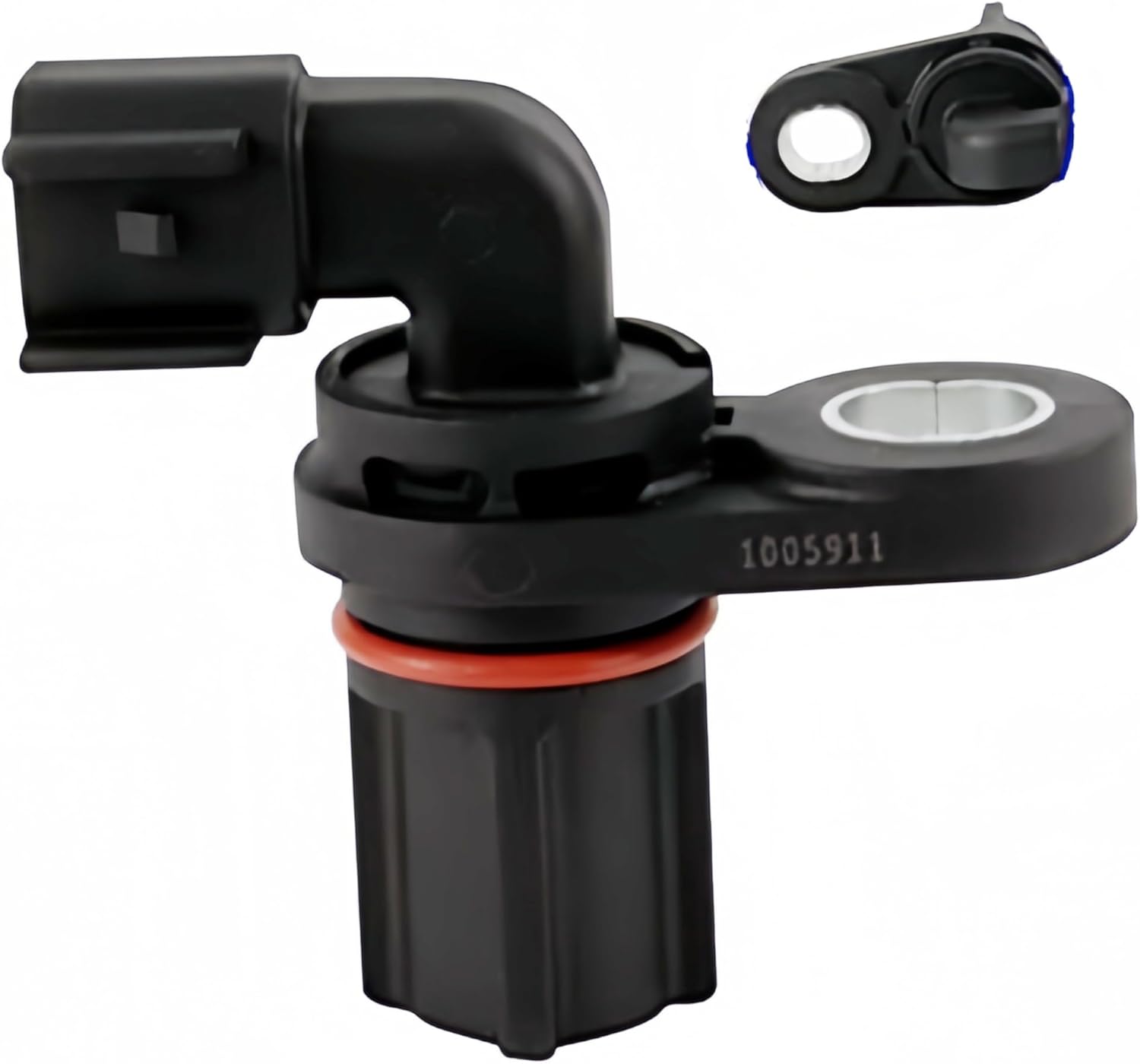
This DOICOO rear center ABS wheel speed sensor replaces a failed factory sensor to restore wheel speed signals used by the ABS and traction systems. It is a plug-in replacement intended for rear center positions on select Ford F-150 and Super Duty models and arrives with the connector and mounting style to match the original part. Typical use is direct replacement during routine repairs after a diagnostic identifies a bad sensor; installation generally involves unplugging the old sensor, swapping the unit, and clearing codes. Notable features include a fast electrical response time and a claimed high temperature rating that help it survive under-hood conditions, and the listing states it meets OEM-style fit and does not require programming. Practical benefits are that it can eliminate ABS warning lights, restore proper braking and stability control behavior, and is sized for straightforward DIY or shop installation. Limitations are that fitment is specific to rear center locations on the listed Ford model years so buyers must verify the exact part number and vehicle application before purchase.
Best for: Buyers who prioritize dependable, ready-to-fit replacements to clear ABS faults and restore braking and stability systems on covered Ford Super Duty trucks.
Less Ideal for: Drivers who need sensors for locations or model years not listed here or who require a sensor with an extended manufacturer warranty or OEM-branded part.
- Direct plug-in replacement for specified rear center locations on Ford F-150 and Super Duty models
- Fast response time and claimed measurement accuracy for reliable wheel speed signaling
- Designed to match factory-style fit so no programming or special tools are required for typical installs
- High temperature rating and durable materials intended for long life in underbody conditions
- Compatibility limited to the listed rear center positions and model years so it is not a universal sensor
Verdict: A straightforward, factory-style rear center ABS speed sensor built to reliably replace a failed unit and get ABS and traction systems working again on the specified Ford Super Duty trucks.
6. A-Premium Rear Center ABS Wheel Speed Sensor (Rear Center)

| Mounting Type | Flange Mount |
|---|---|
| Output Type | Analog |
| Upper Temperature Rating | 85 °C |
| Material Type | Acrylonitrile Butadiene Styrene |
This A-Premium rear center ABS wheel speed sensor is a direct replacement sensor intended to restore wheel speed input to the ABS on supported Ford trucks and large vans. It mounts using a flange and provides an analog output to the vehicle wiring harness, so installation follows the same basic steps as the original sensor: unplugging the harness, removing the old sensor and securing the flange-mounted unit in the hub area. The sensor is molded from ABS plastic and rated to 85 C, which is typical for underbody electrical parts and helps it resist heat near brakes and hubs. Practical benefits include restoring ABS and traction control function, preventing error codes, and avoiding unnecessary brake system diagnostics. Limitations are that this is an aftermarket unit rather than a factory-branded sensor and buyers should verify exact fitment against the listed reference numbers and vehicle years before purchase; fitment covers rear center locations on many Ford models but is not universal across all years and trims.
Best for: Buyers who want a practical, budget-conscious replacement to get a disabled ABS/traction control system working again and who check compatibility carefully before ordering.
Less Ideal for: Do not choose this if you require a factory-branded or OE-specified sensor for warranty, fleet standards, or high-mileage heavy-duty use; professional remanufactured or dealer parts may be better.
- Flange-mount design matches factory mounting for straightforward replacement.
- Analog output compatible with original ABS wiring for direct swap-in.
- Upper temperature rating of 85 C suitable for typical brake-area heat exposure.
- Made from common ABS plastic for corrosion and impact resistance in normal use.
- Aftermarket part rather than factory-branded sensor so fit and long-term durability can vary.
Verdict: A practical, flange-mounted aftermarket rear-center sensor that restores ABS function on supported Ford trucks and vans when verified for exact fitment.
7. Carbhub Rear Center ABS Wheel Speed Sensor (6L3Z9E731-A)

| Mounting Type | Flange Mount |
|---|---|
| Output Type | electrical signal |
| Specific Uses For Product | automotive, vehicle speed measurement, anti-lock braking system, traction control |
| Included Components | 1 Rear center ABS wheel speed sensor |
This Carbhub rear center ABS wheel speed sensor replaces a failing wheel speed unit to clear ABS warnings and restore the anti-lock brake and traction control systems. It is advertised as a direct-fit replacement with a factory-style connector and flange mount, so installation is typically a plug-and-play swap at the rear center location without wiring changes or special tools. The sensor outputs an electrical signal to the vehicle ECU for accurate speed detection; quality claims and inspection images suggest a supply-chain focus on reliability. For everyday drivers the practical benefits are straightforward: you regain correct ABS behavior, avoid diagnostic codes, and restore brake stability under hard stops or slippery conditions. Limitations are that fitment is specific to the listed Ford and Lincoln model years and this is a single sensor unit sold alone, so buyers replacing multiple corners must purchase additional sensors separately.
Best for: Buyers who prioritize a low-risk, straightforward repair that restores factory braking safety systems without wiring changes or complex installation.
Less Ideal for: Shoppers who need a full set of sensors, broad multi-vehicle compatibility, or a sensor for a vehicle outside the listed Ford and Lincoln year ranges.
- Direct-fit with factory-style connector for plug-and-play installation
- Flange mount and OEM-compatible mounting points for correct alignment
- Restores ABS and traction control function to clear warning lights
- Single-sensor packaging makes it easy to replace the affected corner quickly
- Fitment limited to specific Ford Super Duty and Lincoln Mark LT model years
- Sold as one sensor only so replacing multiple sensors requires extra purchases
Verdict: A straightforward, factory-style rear center speed sensor replacement for risk-averse buyers who want a plug-and-play fix to restore ABS and traction control on compatible Ford Super Duty and Lincoln Mark LT trucks.
Choosing the Right Ford F-450 ABS Wheel Speed Sensor: Key Factors to Consider
Fitment and Connector Compatibility
Correct fitment matters because the sensor must sit at the intended gap from the tone ring and plug into the vehicle harness without splicing or adaptors. A mismatch can cause poor signal amplitude or intermittent readings, triggering ABS faults or an inaccurate speedometer.
Look for sensors specified for the Ford F-450 and confirm the connector shape, pin count, and wire colors before installation. Even when physical mounting appears compatible, subtle differences in mounting flange location or sensor length can change the air gap and affect pulse timing.
Signal Output and Electronic Specs
Sensors produce either analog variable voltage or digital frequency signals; matching the expected signal type and amplitude is essential for the ABS module to interpret wheel speed correctly. Differences in output impedance, voltage tolerance, or frequency response can create erratic ABS behavior under load.
Review the sensor's electrical specifications where available, including operating voltage range, signal type, and resistance. A sensor with documented EMI shielding and stable frequency response at low and high RPMs reduces the risk of false fault codes during towing or heavy hauling.
Durability and Environmental Resistance
Ford F-450s often operate in harsh conditions and carry heavy loads, so sensors must resist water intrusion, corrosion, and mechanical shock. A compromised seal or brittle plastic housing can fail after road exposure, leading to repeated replacements and downtime.
Choose sensors with robust housings, corrosion-resistant terminals, and effective sealing around the sensing face. Reinforced cable jackets and strain reliefs at the connector help prevent chafing where the harness contacts suspension or steering components.
Mounting Geometry and Tone Ring Clearance
Accurate mounting geometry ensures the sensor's sensing element sits in the correct relationship to the wheel speed tone ring. If the sensor is too close, it can be damaged; too far and it may not detect pulses reliably. Uneven mounting can also cause variable air gap as the suspension moves, creating noise in the ABS signal.
Inspect the mounting flange, retention clip, and tag locations to confirm the sensor will secure firmly and maintain gap under load. For vehicles with worn tone rings or bent hubs, plan to check the ring condition before relying on a new sensor to resolve ABS faults.
Wiring Integrity and Connector Seal
Many ABS issues are driven by wiring problems rather than the sensor element itself. Damaged insulation, corroded pins, or poor seals at the connector allow moisture and salt to compromise the signal path and cause intermittent faults.
Verify the harness length and routing are sufficient for the F-450's suspension travel and steering angles. Prefer sensors with replaceable pigtails or robust sealed connectors, and consider protecting the harness with loom wrap in areas prone to abrasion.
Serviceability and Installation Ease
Truck owners and technicians value sensors that are straightforward to install and service. Sensors designed for simple bolt-on replacement, with clear connector access and no need for module reprogramming, reduce labor time and the chance of installation errors.
Look for sensors that include installation guidance or fitment notes. Features like molded alignment tabs, captive bolts, or integrated clips make it easier to achieve correct positioning without removing additional components.
Common ABS Sensor Symptoms on the Ford F-450
Recognizing the typical symptoms helps decide whether the sensor is likely the cause of an ABS fault. Classic signs include a persistent ABS warning light, activation of ABS under normal braking, or a speedometer that reads erratically at low speeds.
You may also notice traction control deactivating unexpectedly or inconsistent cruise control performance. These symptoms often occur intermittently, especially when wiring is the underlying issue, so testing under different driving conditions is useful.
- ABS warning lamp illuminated or flashing
- Intermittent traction control or stability control warnings
- Uneven or pulsing brake feel during normal stops
- Speedometer jumps or reads incorrectly at low speeds
How to Locate the ABS Wheel Speed Sensor on Your F-450
Finding the sensor requires access to the wheel hub area where the tone ring or reluctor wheel is mounted. On heavy-duty trucks like the F-450, sensors are typically located at the wheel hub assembly or on the differential output flange depending on axle configuration.
Inspect the harness route from the sensor toward the chassis, noting clips and grommets where the wiring passes through suspension components. Being familiar with the connector location can save time when diagnosing electrical faults or preparing for a replacement.
- Check inside the wheel well near the hub for the sensor body and mounting bolt
- Follow the sensor cable to find inline connectors and protective grommets
- Look for corroded pins or damaged cable insulation at common rub points
Basic Diagnostic Steps Before Replacing a Sensor
Start with a visual inspection of the sensor and wiring for physical damage, corrosion, or loose connectors. Sometimes cleaning a corroded connector and re-seating it clears ABS faults without a sensor swap.
Next, use a multimeter to check resistance where applicable, and perform a wiring continuity check back to the ABS control module. If you have access to a scan tool, monitor wheel speed readings while spinning the wheel to confirm whether the sensor produces a consistent signal.
- Visually inspect connector seals and cable routing
- Check sensor resistance against expected ranges
- Use a scan tool or oscilloscope to verify real-time wheel speed signal
When to Replace Wiring or Connectors Instead of the Sensor
If diagnostics show intermittent continuity, voltage drops, or visible wire damage, replacing the pigtail or repairing the harness can be more durable and cost-effective than swapping the sensor alone. Wiring repairs address the common failure mode where moisture and chafe cause intermittent faults.
Choose repair options that restore strain relief and sealing. A new sealed connector or a short replacement pigtail preserves the sensor-to-module signal path and reduces the chance of repeat failures.
- Consider harness repair when the sensor's resistance checks out but signals are intermittent
- Replace connectors with sealed units to prevent future corrosion
- Reroute or protect the harness if it rubs against moving suspension parts
Installation Tips to Ensure Reliable Operation
When installing a replacement sensor, clean the mounting surface and inspect the tone ring for damage or heavy corrosion. Use proper torque on mounting bolts and align the sensor to maintain the correct air gap.
Avoid touching the sensing face with oily or greasy hands and ensure wiring is routed away from pinch points. After installation, cycle the ignition and test-drive the vehicle while monitoring ABS and speedometer behavior to confirm the issue is resolved.
- Clean mounting area and inspect the tone ring before fitting the sensor
- Hand-tighten then torque mounting hardware to spec to prevent misalignment
- Secure the harness with existing clips and add protective loom where needed
How We Chose the Best Ford F-450 ABS Wheel Speed Sensor
We evaluated candidates using criteria focused on real-world fitment and long-term reliability for Ford F-450 owners. Primary filters included exact vehicle fitment and connector compatibility to reduce installation issues and wiring adaptors. We prioritized sensors with consistent digital or analog signal output specifications that match OEM signal patterns to avoid ABS or speedometer errors. Durability factors included corrosion-resistant housings, robust mounting features, and sealing against road splash and salt to withstand heavy-duty duty cycles.Electrical reliability was assessed through claimed tolerance to voltage spikes, EMI resistance, and stable frequency response under wheel speed changes. We considered ease of installation such as plug-and-play connectors and clear alignment features that lower the chance of sensor mispositioning. Candidates that required complex vehicle-specific programming or frequent recalibration were deprioritized.Excluded items were universal-fit probes without clear Ford F-450 connector matches, generic sensors lacking spec sheets, and products that rely on significant vehicle modification. Our final shortlist reflects products that balance correct fitment, dependable signal output, and construction suited to heavy-duty service.
Our full evaluation process is outlined in our review methodology.
FAQ
How do I know if my Ford F-450 needs a wheel speed sensor replacement?
Common indicators are a persistent ABS warning light, erratic speedometer readings, or traction control warnings. Intermittent symptoms under specific driving conditions often point to wiring but consistent absence of signal from one wheel usually means the sensor itself is faulty.
Can I drive my F-450 if an ABS wheel speed sensor is faulty?
You can usually drive the truck, but ABS and traction control may be disabled, increasing stopping distance and reducing stability during heavy braking or slippery conditions. It is best to repair the fault promptly, especially if you tow or carry heavy loads.
Is it necessary to recalibrate the ABS module after replacing a wheel speed sensor?
Often a simple ignition cycle or driving the vehicle will allow the ABS module to relearn the new sensor signal. In some cases, a scan tool may be required to clear fault codes or perform a relearn procedure, depending on onboard diagnostics and module behavior.
What does an ABS sensor code P0500 indicate on a Ford F-450?
Code P0500 typically relates to vehicle speed sensor issues, which can stem from the wheel speed sensor or its circuit. Diagnosis should confirm whether the fault is a missing signal, wiring fault, or a related module issue before replacing parts.
Can wiring problems mimic a bad wheel speed sensor?
Yes. Exposed wires, corroded connectors, or poor ground points often cause intermittent signals that mimic sensor failure. A thorough continuity check and connector inspection can reveal wiring faults before swapping the sensor.
Should I choose OEM or aftermarket sensors for the F-450?
Both OEM and quality aftermarket sensors can work well. Focus on fitment accuracy, connector match, and documented electrical specs rather than brand alone. Aftermarket options that match OEM signal characteristics and offer good sealing are acceptable choices.
How can I test the ABS sensor wiring on my F-450?
Use a multimeter to check continuity and resistance, and look for voltage at the connector with the ignition on where applicable. For a more complete test, monitor the sensor output while spinning the wheel with a scan tool or oscilloscope to confirm a stable signal waveform.
Final Verdict
When replacing an ABS wheel speed sensor on a Ford F-450, prioritize correct fitment, reliable electrical output, and durable environmental protection. Those three areas most directly affect whether the ABS module receives a clean, consistent signal and whether the repair endures heavy-duty use.Weigh the tradeoffs between ease of installation and long-term sealing and wiring quality. If wiring faults are present, repairing the harness first often prevents repeat failures. Use the decision criteria provided here to choose a replacement that restores ABS functionality and keeps the truck safe under load.
