

Note: This article contains affiliate links. If you click on these links and make a purchase, I may earn a small commission at no extra cost to you. This helps support my research and content. Read my full affiliate disclosure here.
If you drive a Honda Odyssey, the brake booster plays a major role in how the brake pedal feels and how quickly your vehicle responds in everyday stops and emergencies. Choosing the right Honda Odyssey brake booster affects pedal effort, braking consistency, and long-term reliability. This guide covers the top shortlisted options for this category and explains the practical criteria we used, including braking responsiveness and vacuum system integrity. Read on to understand which features matter most and why these units made the list.
Looking for other parts? See all Honda Odyssey parts & accessories.
Top Picks at a Glance
| Best Overall The best all-around choice for most situations | A-Premium Vacuum Power Brake Booster for Honda Odyssey 1999–2004 (without master cylinder) |  |
| Best Quality Built to a higher standard if you want something more solid | A-Premium Vacuum Power Brake Booster for Honda Odyssey 2011-2017 (No Master Cylinder) |  |
| Best Value The sweet spot between price and what you get | A-Premium Vacuum Power Brake Booster for Honda/Acura (fits select 1991–1997 models) |  |
| Best Budget The cheapest option that still gets the job done reliably | Pemnture Vacuum Power Brake Booster (no master cylinder) |  |
| Highest Rated A top-rated pick with lots of positive feedback | SKP Power Brake Booster SKBB004 |  |
| Most Popular A crowd favorite that many people choose with confidence | PartsFlow Power Brake Booster 534927 for Honda Odyssey 2005–2010 |  |
| Best Seller A high-volume bestseller chosen again and again | Cardone Remanufactured Vacuum Power Brake Booster (54-74829) |  |
1. A-Premium Vacuum Power Brake Booster for Honda Odyssey 1999–2004 (without master cylinder)

| Compatible models | Honda Odyssey 1999-2004 |
|---|---|
| Diaphragm style | Dual |
| Diaphragm diameter | 9.539 in |
| Master cylinder stud thread | M8 x 1.25 |
| Material | Steel |
This A-Premium vacuum power brake booster replaces the factory unit on 1999–2004 Honda Odyssey models and is supplied without a master cylinder so you install it to an existing or separate master cylinder. It uses a dual-diaphragm design and steel construction with an anti-rust coating intended to extend service life. Typical installation replaces the old booster behind the master cylinder and restores power-assist braking feel, reducing pedal effort and improving stopping confidence compared with a failed non-assisted setup. Notable features are the direct-fit reference numbers for Honda applications and M8 x 1.25 stud thread compatibility with the master cylinder interface. Practical benefits include factory-style operation and corrosion protection for longer durability. Limitations are that it ships without the master cylinder so additional parts or bench bleeding may be required during installation, and professional installation is recommended if you are not comfortable with brake system work.
Best for: Balanced all-round buyers who want a factory-style replacement to restore dependable power-assist braking on a 1999–2004 Honda Odyssey and prioritize compatibility and long-term durability.
Less Ideal for: Buyers looking for a complete plug-and-play assembly that includes a master cylinder or those who prefer professional-supplied remanufactured assemblies with all components preinstalled.
- Made for 1999–2004 Honda Odyssey fitment with listed Honda reference numbers for easier matching
- Dual-diaphragm booster design for consistent boost and pedal feel
- Steel body with anti-rust coating to resist corrosion
- Direct master cylinder stud thread compatibility (M8 x 1.25) for straightforward mechanical fit
- Does not include the master cylinder so additional parts or installation steps are required
Verdict: A direct-fit, corrosion-resistant power brake booster that restores factory-style power assist for 1999–2004 Honda Odyssey models.
2. A-Premium Vacuum Power Brake Booster for Honda Odyssey 2011-2017 (No Master Cylinder)

| Compatible Models | Honda Odyssey 2011-2017; Acura RDX 2013-2018 |
|---|---|
| Diaphragm Style | Single |
| Diaphragm Diameter | 11.118 in |
| Master Cylinder Included | No |
| Master Cylinder Stud Thread Size | M8 x 1.25 |
This A-Premium vacuum power brake booster replaces the factory booster to restore pedal assist and braking feel on compatible Honda Odyssey model years. It is a single-diaphragm, steel-bodied unit with anti-rust coating and is supplied without a master cylinder, so installation requires reusing the existing master cylinder or fitting a separate unit. Typical use is a direct replacement when the original booster fails or leaks vacuum; the steel construction and protective coating aim to improve longevity and resist corrosion. The unit includes standard stud thread size M8 x 1.25 for mounting and matches referenced OEM numbers for fitment, which helps simplify installation for experienced DIYers or mechanics. Limitations are that the master cylinder is not included and the part requires correct bench bleeding and proper torqueing during installation to ensure safe brake performance. Buyers should also confirm vacuum hose and check-valve condition when replacing the booster.
Best for: Performance-oriented buyers seeking a high-quality replacement booster to restore factory braking response on a Honda Odyssey and who prioritize durability and consistent pedal feel.
Less Ideal for: Buyers who want a plug-and-play kit including a new master cylinder or those uncomfortable with brake system installation and bleeding should consider professional installation or alternative kits that include all components.
- Direct-fit replacement for Honda Odyssey 2011-2017 and Acura RDX 2013-2018 reference numbers
- Single-diaphragm design matches factory boosters for familiar pedal feel
- Steel construction with anti-rust coating for improved durability
- Standard M8 x 1.25 master cylinder stud threads simplify mounting
- Does not include the master cylinder, requiring a separate purchase or reuse of the original unit
- Installation requires brake system knowledge and proper bleeding to ensure safe operation
Verdict: A durable, factory-matching vacuum brake booster built to restore strong, consistent pedal assist for Honda Odyssey owners focused on performance and longevity.
3. A-Premium Vacuum Power Brake Booster for Honda/Acura (fits select 1991–1997 models)

| Manufacturer | PremiumpartsWhosale |
|---|---|
| Brand | A-Premium |
| Master Cylinder Included | No |
| Master Cylinder Stud Thread Size | M8 x 1.25 |
This A-Premium vacuum power brake booster replaces a failed or weak factory booster to bring power-assisted braking back to normal on compatible Odyssey and other Honda/Acura models. It is a steel, dual-diaphragm style booster with anti-rust coating intended for direct replacement where the stock master cylinder is retained or reused. Typical installation involves unbolting the old booster from the firewall, transferring the brake pedal linkage, and reconnecting vacuum and master cylinder studs. The unit’s dual diaphragm design and factory-style stud pattern aim to provide predictable pedal feel and restore stopping confidence. Practical benefits include corrosion-resistant coating for longer service life and a one-year unlimited-mileage guarantee for peace of mind. Limitations are that the master cylinder is not included and exact fit requires matching the listed reference numbers and stud thread size, so buyers should confirm compatibility before purchasing. Professional installation is recommended if you are not experienced with brake systems.
Best for: Practical optimizers who want a cost-conscious, serviceable replacement to restore factory-style brake assist on a mid-1990s Honda Odyssey and prioritize reliability and longevity over premium upgrades.
Less Ideal for: Drivers seeking a complete bolt-in brake assembly or a performance-upgraded booster should look for kits that include a master cylinder or are targeted at enhanced stopping performance.
- Direct-replacement steel booster designed for listed 1991–1997 Honda/Acura/Isuzu models
- Dual-diaphragm design for consistent power-assist and pedal feel
- Anti-rust coating to help extend service life in corrosive environments
- Includes manufacturer one-year unlimited-mileage guarantee
- Does not include the master cylinder so additional parts or transfer of the original unit are required
- Fitment requires matching reference numbers and stud thread size which may need verification
Verdict: A practical, corrosion-resistant replacement booster that restores power-assist braking for compatible 1991–1997 Honda Odyssey owners without replacing the master cylinder.
4. Pemnture Vacuum Power Brake Booster (no master cylinder)
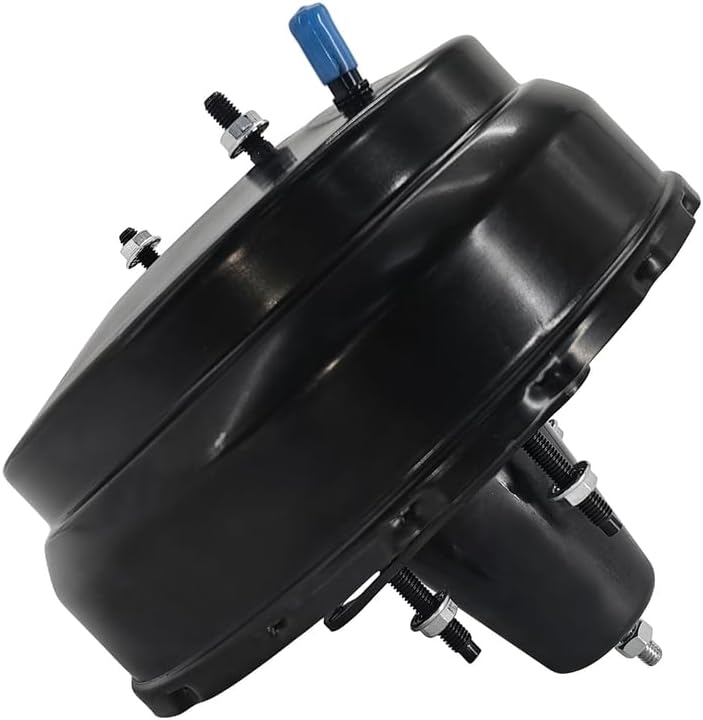
| Compatible vehicles | Honda Odyssey 1995-1997; select Acura/Honda models 1990s |
|---|---|
| Material | Steel |
| Master cylinder included | No |
| Part numbers listed | 532710, 46400SK7A51, 46400SK7A52, 46400SK7A53 |
This Pemnture vacuum power brake booster is a basic replacement unit intended for older Honda and Acura vehicles; the listing specifies compatibility with 1995–1997 Honda Odyssey models. It installs in place of the factory booster and provides vacuum-assisted braking without a master cylinder included, so installation requires reuse of the original master cylinder or purchase of a separate unit. The booster is steel construction with a diaphragm-style internal design and is promoted as lightweight and quiet thanks to precision-machined internals that reduce friction and vibration. For a budget-focused buyer this offers an affordable way to restore pedal assist and braking feel on an older Odyssey, but expect limited documentation, no included master cylinder, and variable fitment that makes careful year/trim selection important. This is a value-minded replacement rather than a performance upgrade, suitable for routine street driving but not tuned braking systems.
Best for: Budget-conscious owners seeking an inexpensive brake booster replacement to restore normal pedal assist on a mid-1990s Honda Odyssey who prioritize cost savings over brand-name parts.
Less Ideal for: Drivers who want a complete replacement kit, performance-oriented brake upgrades, or guaranteed plug-and-play fitment without any additional parts or adjustment should consider higher-end or OEM options.
- Sold as a direct-style replacement compatible with 1995–1997 Honda Odyssey listings
- Steel construction and diaphragm-style design aimed at reliable vacuum assist
- Promoted as quiet operation due to precision-machined internal parts
- Lightweight design that may reduce stress on suspension compared with heavier aftermarket units
- Master cylinder not included so additional parts or reuse of the factory unit are required
- Fitment requires careful year and trim selection and may need minor adjustments during installation
Verdict: An affordable, no-frills replacement brake booster for mid-1990s Honda Odyssey owners who need to restore vacuum-assisted braking on a tight budget.
5. SKP Power Brake Booster SKBB004

| Brand | SKP |
|---|---|
| Model | SKP |
| Manufacturer | SKP |
| Exterior | Machined |
This SKP power brake booster is a new, aftermarket replacement engineered to match factory fit and function for older Honda and Acura models including the 1995-97 Odyssey. It installs in place of a worn or failed booster to restore brake pedal feel and vacuum assist, using all-new internal components rather than a remanufactured core. Typical use is a full brake booster swap during a brake system repair or when loss of vacuum assist causes hard pedal effort. Notable features include precision manufacturing to intended factory dimensions and a machined exterior for consistent assembly. The practical benefits are straightforward: it brings back normal braking effort without dealer pricing and claims rigorous quality control for long-term reliability. Limitations to consider are that the unit is vehicle-specific so fit must match the listed model years and some buyers prefer OEM-branded parts for guaranteed factory provenance; professional installation is recommended because correct vacuum and hydraulic connections are critical for safe operation.
Best for: Reliability-focused owners who prioritize restoring factory braking performance on a mid-1990s Odyssey and prefer a new aftermarket replacement over a remanufactured unit.
Less Ideal for: Buyers seeking a modern universal solution or those who want a factory-branded OEM part for guaranteed original provenance should consider other options.
- 100% new construction rather than remanufactured cores
- Engineered to match factory fit, form, and function for listed Honda and Acura models
- Precision manufacturing and quality control aimed at consistent performance
- Restores normal brake pedal effort and vacuum assist when installed correctly
- Compatibility limited to specific older Honda and Acura model years
- Requires professional installation to ensure safe vacuum and brake line connections
Verdict: A cost-effective, all-new replacement booster that restores factory-style braking for compatible Honda and Acura vehicles.
6. PartsFlow Power Brake Booster 534927 for Honda Odyssey 2005–2010

| Vehicle fitment | Honda Odyssey 2005-2010 |
|---|---|
| Reference number | 53-4927, 01469SHJA00 |
| Master cylinder stud thread size | M8x1.25 |
| Brake booster diaphragm style | Single |
This PartsFlow power brake booster replaces the factory unit on 2005–2010 Honda Odyssey models and restores power-assisted braking by multiplying pedal force to the master cylinder. It is a single-diaphragm, steel-bodied vacuum booster sold as a complete unit intended for direct installation using the vehicle's original mounting hardware. Typical use is a like-for-like replacement after failure or a leaking booster; installation requires transferring fasteners and may require adjustment or replacement of the brake light switch. Practical benefits include restoring firm pedal feel and reducing stopping distance without modifying the braking system. Limitations are that it uses standard vacuum assistance only and will not upgrade braking performance beyond factory levels, and some vehicles may need a new brake light switch or master cylinder if there was fluid contamination. The unit comes with a 12-month guarantee but buyers should confirm fit and inspect the master cylinder before installation.
Best for: Convenience-driven buyers who want a straightforward, factory-replacement fix to restore normal brake pedal feel on a 2005–2010 Honda Odyssey without modifying the braking system.
Less Ideal for: Drivers seeking upgraded braking performance, racing capability, or a hydro-boost conversion should look at performance or specialty options instead.
- Direct-fit replacement designed for Honda Odyssey 2005–2010 so installation follows factory mounting points
- Steel construction and single-diaphragm design mirror factory-style build for predictable pedal feel
- Includes the booster as a complete unit so the part replaces a failed or leaking booster without major system changes
- Manufacturer-stated 12-month guarantee gives short-term coverage after installation
- Does not improve braking performance beyond factory specifications
- May require brake light switch replacement or master cylinder attention if original components were compromised
Verdict: A convenient, factory-style replacement booster that restores power-assist and pedal feel for Honda Odyssey 2005–2010 owners.
7. Cardone Remanufactured Vacuum Power Brake Booster (54-74829)
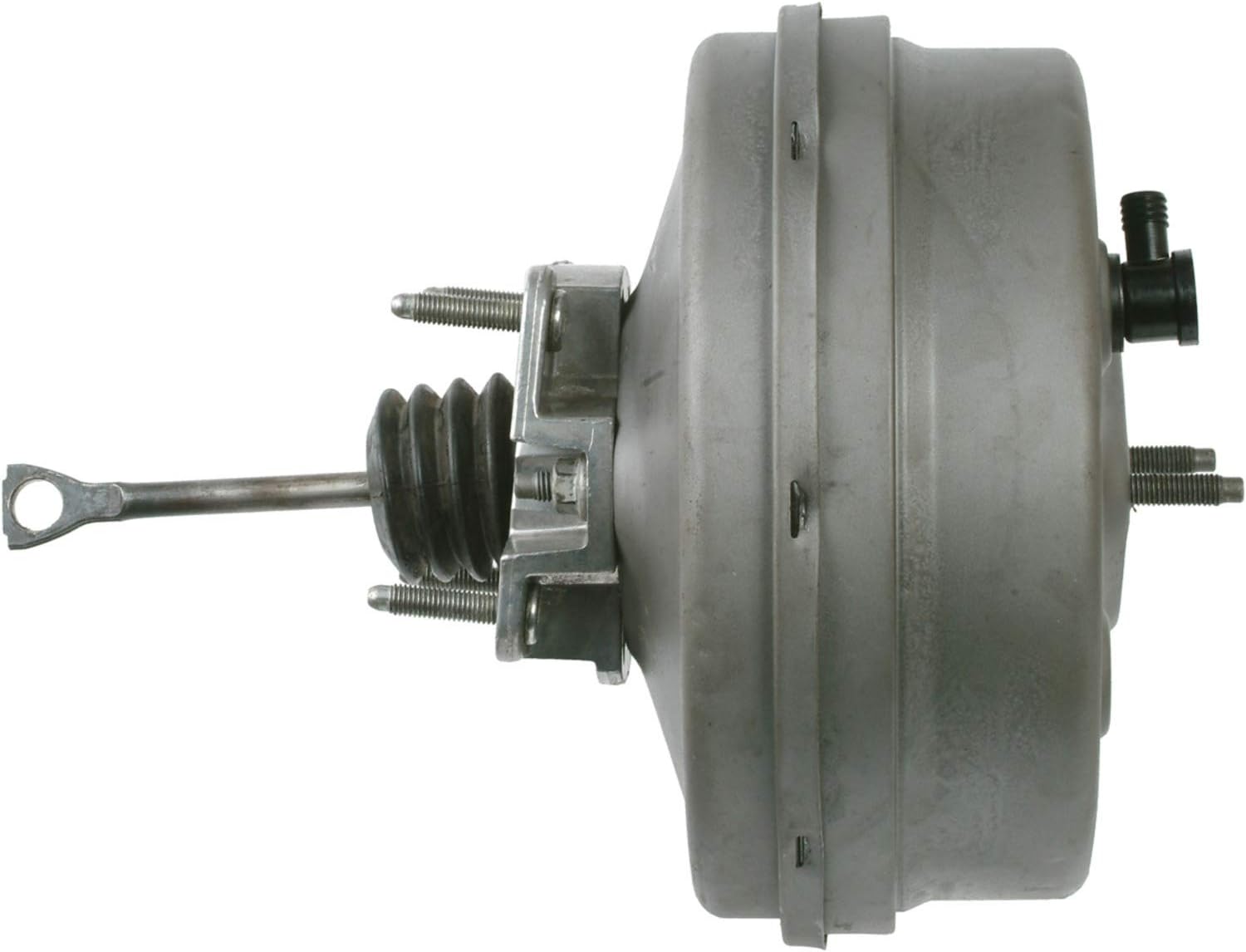
| Manufacturer | A1 Cardone |
|---|---|
| Model | Cardone 54-74829 Vacuum Power Brake Booster |
| Exterior | Machined |
| OEM Part Number | 15250764, 15804966, 15840835 |
This Cardone remanufactured vacuum brake booster is designed as a direct-fit replacement that restores power-assisted braking to factory-like performance. It is typically used when the original booster is leaking, has lost vacuum, or delivers a hard brake pedal. Cardone reports that units are reverse engineered, fitted with new seals and check valves, and given rust-prohibitive finishing to improve durability. In practice the unit provides like-new pedal feel and straightforward replacement when the correct vehicle application is confirmed. Benefits include pre-adjusted output rods for quicker installation and on-car testing during remanufacture for consistent performance. Limitations to consider are inherent variability in remanufactured parts quality and occasional reports of early failure or surface rust on some units, so careful inspection at installation is wise. Installation can be tight under the dash on some vehicles and may require basic brake-line and pedal-area work or a professional installer for owners uncomfortable with that access challenge.
Best for: Risk-averse mainstream buyers seeking a cost-effective, factory-replacement style brake booster to restore reliable power braking without pursuing performance upgrades.
Less Ideal for: Drivers looking for brand-new aftermarket performance boosters or those who prefer parts with full new-unit warranties and guaranteed new-condition components should consider alternatives.
- Direct-fit remanufactured unit intended to match factory braking performance.
- New seals and check valves installed for restored vacuum integrity.
- Pre-adjusted master cylinder output rod for faster installation.
- Rust-prohibitive finish applied to extend service life.
- Remanufactured units show occasional variability in longevity and some reports of early failure.
- Some units have exhibited surface rust despite finishing, requiring inspection before installation.
Verdict: A practical remanufactured brake booster that restores factory-like power braking as a direct-fit replacement.
Choosing the Right Honda Odyssey Brake Booster: Key Factors to Consider
Vacuum Integrity and Check Valve Performance
A brake booster depends on a steady vacuum source to provide power assist, so seal quality and check valve function directly impact pedal feel and stopping power. If the check valve leaks or the diaphragm has porosity, you will notice a harder pedal and reduced assist.
When evaluating vacuum integrity, consider how quickly the booster holds vacuum after engine shutdown and whether the check valve prevents backflow under varying engine loads. Components that resist vacuum leaks over time reduce the chance of intermittent assist failures and improve long-term reliability.
Diaphragm Durability and Material Quality
The internal diaphragm is the core moving part that creates pressure differential for assist. Material choice and manufacturing tolerances influence how the diaphragm resists fatigue, temperature cycles, and chemical exposure from brake system vapors.
A durable diaphragm maintains consistent boost levels through thousands of cycles, preserving pedal modulation. Look for boosters that use reinforced elastomers or proven diaphragm designs to lower the risk of sudden assist loss and extend service life.
Pedal Feel and Responsiveness
Pedal feel covers initial travel, firmness, and modulation under both light and heavy braking. Responsiveness is how quickly the booster applies assist after you depress the pedal, which affects stopping distance in real-world scenarios.
A good unit delivers predictable assist across speed ranges and after repeated stops. Consider how boost onset changes when the engine is cold or after long downhill braking. Consistent pedal behavior makes it easier to judge braking force and enhances driver confidence.
Mounting Fit and Pushrod Alignment
Proper fitment to the vehicle firewall and correct pushrod length and alignment are crucial for safe operation. Misalignment can cause binding, uneven pedal travel, or premature wear on the master cylinder interface.
Confirm that the booster matches the Honda Odyssey firewall pattern and that the pushrod geometry provides the correct free play at the pedal. Ease of installation and accurate alignment reduce likelihood of adjustment errors that affect brake balance and feel.
Compatibility With Master Cylinder and Brake System
Although the booster provides assist, it works in tandem with the master cylinder and the rest of the brake system. Correct bore size, mounting flange pattern, and pushrod interface ensure the booster and master cylinder operate as a matched assembly.
Choosing a booster designed for the same master cylinder bore and mounting arrangement helps preserve hydraulic balance and prevents issues such as excessive travel or inconsistent pressure delivery. Ensure the unit supports the vehicle's intended braking dynamics.
Serviceability and Corrosion Resistance
Components exposed on the firewall and underhood are subject to moisture and road contaminants, so corrosion resistance matters for longevity. Serviceable features, like replaceable check valves or accessible fittings, can simplify future maintenance.
A booster with durable coatings, stainless hardware, and service-friendly design reduces long-term ownership complexity. Consider how easy it is to inspect vacuum lines and check valve function during routine maintenance to catch early signs of wear.
How We Chose the Best Honda Odyssey Brake Booster
To assemble this list we focused on technical and reliability factors that matter for the Honda Odyssey brake booster application. Primary criteria included vacuum seal integrity and diaphragm durability, since a reliable vacuum source and strong internal components determine pedal assist performance. We also evaluated responsiveness under repeated stops and how quickly the unit restores vacuum-assist after low-speed or cold starts. Mounting fit and straightforward installation for the vehicle's firewall pattern were considered, along with corrosion resistance of external components and the quality of the pushrod and check valve. We excluded products without clear specifications for vacuum compatibility or those that lacked serviceable fittings. We also filtered out units intended for different vehicle families or generic, non-specific assemblies. The final selection prioritizes boosters that balance consistent pedal feel, durable internals, and correct vacuum characteristics for the Honda Odyssey application.
Our full evaluation process is outlined in our review methodology.
FAQ
What are common brake booster symptoms I should watch for?
Common symptoms often include a hard or unassisted brake pedal, increased pedal travel, or a hissing sound near the firewall. You may notice reduced braking responsiveness, especially at idle or low speeds. These signs usually indicate loss of vacuum or diaphragm deterioration rather than issues with hydraulic components.
How can I test the brake booster to confirm a problem?
A simple functional check is to pump the brake pedal several times with the engine off, then hold the pedal down and start the engine. The pedal should move downward slightly as the engine creates vacuum. If there is no change or the pedal remains hard, the booster may have a vacuum or diaphragm issue. Listening for hissing can also indicate a vacuum leak.
Can I replace the brake booster myself for a Honda Odyssey?
Depending on mechanical skill and access to tools, replacing the booster can be a DIY job, but it involves disconnecting the vacuum line, unbolting the booster from the firewall, and disconnecting the pushrod at the pedal. Proper alignment and torque of fasteners are important. If you are unsure about safe reassembly or bleed procedures for the brake system, consulting a professional is advisable.
How does a brake booster vacuum leak affect braking?
A vacuum leak reduces the assist available, which increases pedal effort and can lead to inconsistent braking feel. Leaks may be intermittent, causing symptoms that come and go, or they may worsen over time. Addressing vacuum source and check valve issues usually restores normal assist levels.
What is the difference between the brake booster and the master cylinder?
The brake booster provides power assist by using engine vacuum to reduce pedal effort, while the master cylinder converts pedal input into hydraulic pressure that moves brake calipers or wheel cylinders. They function as a matched pair, so problems in one can affect overall braking performance. The booster affects pedal effort; the master cylinder affects hydraulic pressure delivery.
Conclusion
When choosing a Honda Odyssey brake booster, prioritize vacuum integrity, diaphragm durability, and correct fitment for the vehicle firewall and master cylinder interface. Balance pedal feel and responsiveness with long-term reliability features such as corrosion resistance and serviceable components.Expect tradeoffs between ease of installation and the highest-grade materials; focus on the factors that most affect safety in your driving conditions and select a unit that aligns with those priorities.
Explore More:
- Check out all Honda Odyssey parts & accessories
- Explore Brake Boosters Maintenance & Repair Guides
- Explore Brake System
- Browse all Auto Parts
