

Note: This article contains affiliate links. If you click on these links and make a purchase, I may earn a small commission at no extra cost to you. This helps support my research and content. Read my full affiliate disclosure here.
If you tow frequently, drive in hot climates, or push your Ridgeline hard, a dedicated transmission cooler can meaningfully reduce gearbox temperatures and extend component life. Choosing the right 2026 Honda Ridgeline transmission cooler matters because cooling capacity, mounting fit, and line compatibility directly affect reliability and service intervals.This guide covers six shortlisted transmission coolers suited to the 2017-present Ridgeline, focusing on cooling performance, installation practicality, and long-term durability. Read on for what we tested for fit and what to expect during install and routine maintenance.
Looking for other parts? See all Honda Ridgeline parts & accessories.
Top Picks at a Glance
| Best Quality Built to a higher standard if you want something more solid | KarParts360 Transmission Oil Cooler for Honda Ridgeline (Front) |  |
| Best Value The sweet spot between price and what you get | Go-Parts Transmission Oil Cooler Replacement (OEM 25500-5J8-013) |  |
| Best Budget The cheapest option that still gets the job done reliably | FILTERUP 8-Pass Aluminum Transmission Oil Cooler Kit (5/16" Lines) |  |
| Highest Rated A top-rated pick with lots of positive feedback | SONAKY Transmission Oil Fluid Cooler (replacement for 25560-5B7-A01) |  |
| Most Popular A crowd favorite that many people choose with confidence | ACmango 6-Pass Tube-and-Fin Transmission Cooler Kit (5/16" Inlet) |  |
| Best Seller A high-volume bestseller chosen again and again | TEMSONE 16-Pass 1/2" Transmission Cooler with 8AN Tube-Fin |  |
1. KarParts360 Transmission Oil Cooler for Honda Ridgeline (Front)
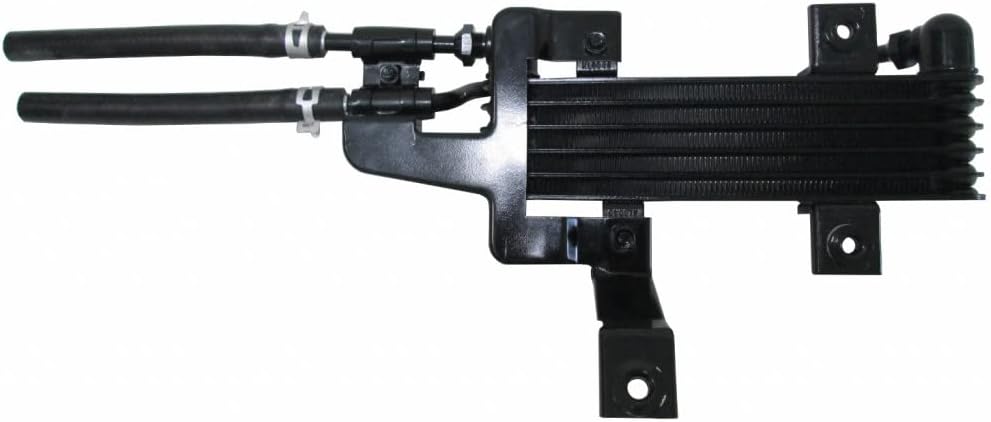
| Manufacturer Part Number | CLX-M0-19136-CL360A55 |
|---|---|
| OEM Part Number | 255005J8013 |
| ABPA Partslink Number | HO4050103 |
| Position | Front |
| Safety Rating | DOT Certified |
This KarParts360 transmission oil cooler is an aftermarket direct-replacement unit engineered to match the OEM part numbers 255005J8013 and HO4050103 for the Ridgeline. It installs in the front position and is intended to restore proper transmission cooling by providing OE-comparable core area and mounting provisions so it drops in without major modification. Typical use is as a replacement for a damaged or failing cooler or when upgrading a worn stock unit to regain cooling capacity; the manufacturer says the unit has been endurance-tested and built from durable materials for routine driving and towing loads. The practical benefits are straightforward: precise fitment reduces installation time, and a similar core surface area helps maintain transmission temperature under load. Limitations are that this is an aftermarket part rather than a factory-made unit and long-term performance depends on installation quality and vehicle duty cycle; the listing does not provide measured flow or cooling capacity numbers, so buyers wanting quantified performance gains should look for lab-tested alternatives.
Best for: Buyers who want a performance-minded replacement that restores factory cooling capability and fits without modification, especially those replacing a damaged cooler or returning cooling performance after heavy use.
Less Ideal for: Drivers seeking a documented performance upgrade backed by measured cooling figures or a branded factory-quality replacement should consider purpose-built performance coolers or OEM parts instead.
- Direct-replacement fitment matching OEM part numbers for a drop-in installation
- Core dimensions described as comparable to factory to preserve cooling surface area
- Durable construction with accelerated cycling tests claimed for reliability
- Designed for front-position installation compatible with listed Ridgeline applications
- Aftermarket unit with no published measured cooling capacity or flow specs
- No explicit long-term warranty details provided
Verdict: A direct-fit aftermarket cooler that restores factory-level transmission cooling for Ridgeline owners who need a reliable replacement without modification.
2. Go-Parts Transmission Oil Cooler Replacement (OEM 25500-5J8-013)

| OEM Part Number | 25500-5J8-013 |
|---|---|
| Manufacturer Part Number | TOC001-1521197-0964774-AMZN |
| Fits Engine | 3.5L V6 GAS |
| Fits Years | 2014-2019 |
This Go-Parts transmission oil cooler is a direct bolt-on replacement intended to match the factory unit for 2014–2019 Ridgeline models with the 3.5L V6. It installs like the original part and is marketed as meeting or exceeding OEM specifications, so it is suitable for routine replacement after failure or during a refresh of the cooling system. The unit’s ISTA-certified packaging reduces the risk of shipping damage and the listing notes vehicle test fit verification, which helps ensure fitment for listed Ridgeline submodels. For drivers who tow occasionally or want a reliable factory-replacement cooler, this provides a straightforward swap without modifications. Limitations are that this is a like-for-like replacement rather than a performance upgrade, so it will not provide extra cooling capacity for heavy towing or demanding track use. Also the product listing does not include performance test data or warranty details beyond the brand statement.
Best for: A practical owner looking for a reliable, factory-style replacement cooler to restore proper transmission cooling on a 2014–2019 Ridgeline without modifying the vehicle.
Less Ideal for: Drivers who routinely tow heavy loads or need higher-than-stock cooling capacity should choose a dedicated performance cooler instead.
- Direct bolt-on design for straightforward replacement with factory fitment
- Manufactured to meet or exceed OEM specifications for compatibility
- Vehicle test fit verification reduces risk of incorrect fitment
- ISTA-certified packaging helps prevent shipping damage to the part
- Not designed as an upgraded high-capacity cooler for heavy towing or performance use
- Listing lacks independent performance data and detailed warranty terms
Verdict: Choose this cooler when you want a simple, factory-fit replacement to restore proper transmission cooling on a 2014–2019 Ridgeline without upgrades.
3. FILTERUP 8-Pass Aluminum Transmission Oil Cooler Kit (5/16" Lines)

| Material | T-6061 Aluminum |
|---|---|
| Line compatibility | 5/16" ID transmission lines |
| Passes | 8-pass |
| Hose material | CPE |
This FILTERUP 8-pass transmission oil cooler is a compact add-on kit that routes your vehicle's 5/16" transmission lines through a tube-and-fin cooler to reduce fluid temperature and slow component wear. Installation uses the included hoses, clamps, foam pads, mounting rods, clips, and an adapter so a DIYer with basic tools can fit it in a tight space. The cooler's T-6061 aluminum construction is corrosion resistant and keeps weight down while the CPE hose material gives flexibility for routing. In practice the unit is best for light-duty cooling upgrades or replacing an underperforming small cooler; it trims operating temperatures under towing or repeated hill driving but is not a heavy-duty, radiator-mounted solution for extreme towing. Because it is sized for 5/16" lines, confirm line inner diameter before buying and plan for secure mounting to avoid vibration. The kit is a solid budget-friendly upgrade for drivers who want measurable cooling without a complicated install, but those needing maximum cooling for heavy towing should choose a larger or vehicle-specific option.
Best for: Drivers seeking an affordable, easy-to-install transmission cooler to lower operating temperatures during everyday driving and occasional towing who prioritize cost and simplicity over maximum cooling capacity.
Less Ideal for: Those who regularly tow heavy loads, drive in extreme heat, or need a vehicle-specific heavy-duty cooling solution should consider a larger, purpose-built cooler instead.
- 8-pass tube-and-fin design increases heat transfer compared with single-pass coolers
- T-6061 aluminum construction is corrosion resistant and lightweight
- Includes hose, clamps, mounting rods, clips, foam pads, and adapter for a mostly complete DIY install
- CPE hoses offer good flexibility and abrasion resistance for routing in tight spaces
- Designed for 5/16" ID lines only so it is not universal for larger factory lines
- Not intended as a heavy-duty radiator-mounted cooler for extreme towing or high-load use
Verdict: A cost-effective, do-it-yourself 8-pass aluminum cooler that meaningfully reduces transmission temperatures for light-duty use and occasional towing.
4. SONAKY Transmission Oil Fluid Cooler (replacement for 25560-5B7-A01)

| Manufacturer | SONAKY |
|---|---|
| Model | Transmission Oil-Fluid Cooler |
| Manufacturer Part Number | SE-303 |
| Replaces | 25560-5B7-A01 |
This SONAKY transmission oil-fluid cooler is a straightforward replacement for part 25560-5B7-A01 intended for certain Honda Ridgeline, Pilot, Accord, and Crosstour models. It is built from polished materials and is sold as a complete cooler that you can install in place of the factory unit. In use it performs the basic job of removing heat from transmission fluid to help maintain stable transmission temperatures during daily driving and towing. The listing emphasizes durability and quality control checks, so installers should find a ready-to-fit unit that does not require modification. Practical benefits include restoring cooling performance on an aging or damaged factory cooler and preventing overheating under load. Limitations are that this is an aftermarket replacement so fit and finish may differ slightly from factory parts and compatibility is limited to the listed model years and transmissions, so confirm exact fitment before purchase.
Best for: Buyers who prioritize a dependable, ready-to-install replacement to restore transmission cooling on the listed Honda Ridgeline and related models, especially those wanting a durable cooler that handles regular driving and light towing.
Less Ideal for: Drivers who need an upgraded heavy-duty cooler for frequent heavy towing or motorsport use should consider performance-oriented aftermarket coolers instead.
- Direct replacement for part 25560-5B7-A01, simplifying fitment for compatible Hondas
- Polished construction suggests corrosion resistance and improved longevity
- Factory-style design lets you install it without major modifications
- Described as inspected and tested prior to shipment, which can reduce installation surprises
- Aftermarket unit may not match factory fit or finish exactly
- Compatibility limited to specific model years and transmission configurations
Verdict: A dependable, ready-fit replacement cooler for restoring factory-level transmission cooling on compatible 2017–2019 Honda Ridgeline and other listed Honda models.
5. ACmango 6-Pass Tube-and-Fin Transmission Cooler Kit (5/16" Inlet)

| Core type | 6-pass tube-and-fin |
|---|---|
| Inlet size | 5/16" ID |
| Material | T-6061 aluminum |
| Working pressure | 145 psi |
| Bursting pressure | 900 psi |
This ACmango 6-pass tube-and-fin cooler is a compact, universal transmission cooler kit intended to reduce transmission fluid temperatures by improving airflow through a multi-pass core. Installation uses the included hose, clamps, mounting rods, foam pads and a quick-connect Insta-dapt adapter to plumb into existing 5/16" lines and mount the 15.66"×7.5" core where it can see airflow. The 6-pass design and internal turbulators increase heat transfer, so in real-world use you should see lower operating temps during towing, hot-weather driving, or spirited runs. The aluminum construction and pressure testing specs indicate decent durability for street use, and the kit is small enough to fit behind a grille or in tight aftermarket mounting spots. Limitations are that it is a universal unit, so fitment to a 2026 Honda Ridgeline requires care measuring available space and routing; it does not include vehicle-specific brackets or fittings beyond the 5/16" adapter, and very heavy towing or extreme track use may benefit from a larger or vehicle-specific cooler.
Best for: Buyers who want a proven, compact aftermarket cooler to lower transmission temperatures for everyday towing, hot-weather driving, or spirited use and who value products with strong user feedback.
Less Ideal for: Those seeking a direct-fit, vehicle-specific cooler with dedicated brackets or anyone needing maximum capacity for sustained heavy towing should consider other options.
- 6-pass tube-and-fin core with turbulators for improved heat transfer
- Includes hose, clamps, mounting rods, foam pads and Insta-dapt adapter for a complete basic install
- Pressure tested aluminum construction rated for wide temperature range
- Compact footprint fits tighter mounting locations behind grille or in front of condenser
- Works with standard 5/16" transmission cooler lines common on many trucks
- Universal kit lacks vehicle-specific brackets or hard-line fittings, so custom mounting or adapters may be needed
- Smaller core size may be insufficient for very heavy towing or prolonged high-load use
Verdict: A compact, well-equipped 6-pass aluminum cooler that reliably reduces transmission temperatures for everyday towing and spirited driving when space is limited.
6. TEMSONE 16-Pass 1/2" Transmission Cooler with 8AN Tube-Fin

| Passes | 16 |
|---|---|
| Line compatibility | 1/2" (8AN) |
| Exterior | Machined |
This TEMSONE 16-pass tube-fin transmission cooler is a compact aftermarket unit intended to lower transmission fluid temperatures and help prevent overheating-related damage. It installs inline with 1/2" (8AN) transmission cooler lines and is commonly mounted where there is sufficient airflow, such as in front of a vehicle radiator or in a dedicated location with clearance. The 16-pass design increases fluid flow and heat rejection compared with single-pass cores, while the machined aluminum construction and corrosion-resistant coating aim to hold up to road exposure. For a Ridgeline owner wanting extra transmission protection during towing or hilly driving, this cooler adds a layer of thermal management without major plumbing changes. Limitations include the need to confirm line size and mounting space before purchase and the absence of vehicle-specific brackets, so expect some fabrication or universal mounting hardware work during installation.
Best for: Ridgeline owners who prioritize reducing transmission temperature risk during towing or frequent hill driving and who prefer a straightforward, robust aftermarket cooler rather than a vehicle-specific OEM replacement.
Less Ideal for: Buyers looking for a plug-and-play, vehicle-matched cooler with dedicated brackets and fittings or those unwilling to modify mounting or plumbing during installation.
- 16-pass tube-fin design improves heat transfer compared with simpler cores
- Compatible with 1/2" (8AN) transmission cooler lines for common aftermarket plumbing
- Durable machined aluminum construction with corrosion-resistant coating
- Compact footprint fits into tighter spaces where larger coolers might not
- No vehicle-specific brackets or fittings included so custom mounting may be required
- Requires confirmation that the Ridgeline has 1/2" lines or adapters before installation
Verdict: A compact, high-capacity 16-pass aluminum cooler that gives Ridgeline owners extra transmission protection when towing or driving in demanding conditions.
Choosing the Right 2026 Honda Ridgeline Transmission Cooler: Key Factors to Consider
Cooling Capacity and Core Design
Cooling capacity determines how much transmission fluid temperature drops during heavy use, and it is the primary performance metric for any transmission fluid cooler. Look for coolers with larger surface area, multi-row cores, or stacked-plate designs because they dissipate heat more effectively under sustained load.
Core material and fin density affect both cooling efficiency and susceptibility to clogging. Denser fins increase heat transfer but may trap debris more easily along highways. For Ridgeline owners who tow or drive in dusty conditions, choose a balance between fin density and a protective screen or guard to keep airflow consistent.
Fitment and Compatibility
A cooler that does not integrate cleanly with the Ridgeline's existing transmission lines can create installation headaches or introduce leak points. Confirm whether the unit is offered as a vehicle-specific kit or requires adapters and custom hoses. Vehicle-specific kits reduce guesswork by supplying fittings and mounting brackets designed for Ridgeline routing.
Compatibility also includes available mounting locations and clearance. Check for interference with the bumper, intercooler, or frame components. Proper fitment minimizes the chance of stone damage or rubbing that could lead to line failures down the road.
Line Connections and Hose Quality
The connection points between the cooler and the transmission lines are frequent failure locations when cheap fittings or hoses are used. Inspect the hose material and included fittings. Reinforced, heat-rated hoses reduce the risk of swelling or degradation from repeated heat cycles.
Threaded adapters, flared fittings, or crimped barbs each have installation implications. Barbed push-on fittings are simpler but need quality clamps; threaded or flared fittings can provide a more secure seal when properly installed. For the Ridgeline, select hoses and fittings rated for automatic transmission fluid and high-temperature service.
Mounting Hardware and Installation Ease
Ease of install matters if you plan to handle the job yourself or want minimal shop time. Kits that include vehicle-specific mounting brackets, detailed instructions, and all required clamps save time and reduce the likelihood of installation errors. Consider the required tools, need to lower the bumper or remove the splash shield, and whether the cooler location permits front-of-vehicle airflow without rerouting other components.
A straightforward install also reduces leak risk because it lessens the need for jury-rigged brackets or extended hoses. If professional installation is necessary, evaluate the complexity so you can anticipate labor time.
Durability and Corrosion Resistance
Road debris, moisture, and salt exposure can deteriorate coolers over time if the materials are not corrosion resistant. Look for aluminum cores with protective coatings, brass or stainless fittings, and welded end tanks that withstand repeated thermal cycling. Protective guards or screens help prevent fin damage from stones and road grit.
Durable construction also affects long-term maintenance costs. A robust cooler should maintain performance across seasons without developing leaks or significant clogging that require premature replacement.
Serviceability and Maintenance
Routine checks after installation help ensure the cooler continues to function properly. Consider how easy it is to inspect for leaks, replace hoses or clamps, and clean the core. Some designs allow for simple flushing or external cleaning without full removal, which is useful after heavy towing seasons.
Also think about filterless versus filtered setups. While most transmission coolers are passive heat exchangers, having accessible fittings and standard hose sizes makes sourcing replacement lines and maintaining the system more convenient for Ridgeline owners.
When a Ridgeline Needs an Auxiliary Transmission Cooler
Not every Ridgeline requires an auxiliary cooler, but certain use patterns increase the risk of overheating. Regular towing, frequent uphill runs, long-duration trailer hauling, or repeated low-speed heavy loads cause transmission fluid to operate at higher temperatures. An auxiliary cooler helps lower operating temperature margins and reduces the likelihood of heat-related wear.
Check operating temperature trends during typical use. If your Ridgeline routinely runs hotter during towing or you frequently tow near the truck's capacity, an aftermarket cooler becomes a practical investment to protect transmission internals and shift quality.
- Towing heavy loads or trailers
- Frequent stop-and-go driving in hot climates
- Extended uphill or mountainous driving
- Repeated short trips with heavy payloads
Picking a Mounting Location on the 2017-Present Ridgeline
The most common locations are ahead of the radiator or in front of the lower bumper area where airflow is strongest. The Ridgeline's front-end layout requires checking for interference with the radiator, condenser, and any lower crash structures. Choose a spot that maximizes airflow while protecting the cooler from road debris.
Use factory mounting points where possible to maintain secure attachment. If a kit supplies Ridgeline-specific brackets, follow the provided routing to avoid sharp bends in hoses and maintain adequate clearance from hot or moving parts.
- Prefer locations with direct frontal airflow
- Avoid contact with steering or suspension parts
- Keep hoses away from exhaust heat sources
Installation Tips and Common Pitfalls
Bleeding and securing connections are critical to prevent air pockets and leaks. After installing the cooler and connecting lines, run the engine and cycle through gears to flush air from the system while checking for leaks. Re-check clamps and fittings after a short test drive.
Avoid overly long hose runs or tight bends that can restrict flow. Use proper line supports to prevent chafing. If the kit includes adapters, verify thread directions and torque recommendations to avoid stripped fittings.
- Tighten clamps and fittings to manufacturer torque where given
- Support hoses with zip ties or clamps to prevent movement
- Retorque fittings and inspect for leaks after the first 50 miles
How an External Cooler Affects Transmission Fluid Service
Adding an external cooler can change the total fluid volume and may require different fill or bleed procedures. When installing a cooler kit, take note of any additional fluid capacity so you can check fluid level accurately after installation and during subsequent services.
Regular fluid checks become more important after adding a cooler, since extended line runs introduce more potential leak points. Maintain scheduled fluid inspections and address any seepage early to preserve transmission health.
- Record fluid level after installation and recheck after short drives
- Inspect hoses and fittings during routine oil changes
- Plan periodic core cleaning if operating in dusty or salty environments
Signs Your Ridgeline's Transmission Cooling Is Inadequate
Watch for higher-than-normal transmission temperatures during towing or heavy use. Other warning signs include frequent transmission overheating alerts, reduced shift quality when hot, or a tendency for the fluid to darken faster than expected. These symptoms suggest the factory cooler is at its limit for your driving pattern.
Address issues early. Continued operation at elevated temperatures accelerates clutch wear and shortens transmission life. An auxiliary cooler is a preventative measure that reduces risk and can restore safer operating margins during demanding use.
- Transmission temperature warnings during or after towing
- Noticeable loss of firm shift feel when hot
- Dark or burnt-smelling transmission fluid on inspection
Still looking for the perfect fit?
Select your Honda Ridgeline configuration to see the most relevant Transmission Coolers recommendations
How We Chose the Best 2026 Honda Ridgeline Transmission Cooler
We selected products based on practical criteria that matter to Ridgeline owners who tow, drive in hot weather, or want greater transmission longevity. Our evaluation emphasized cooling performance under load, measured by how effectively a cooler lowers transmission fluid temperature in sustained towing or stop-and-go conditions. We prioritized fitment and compatibility with the 2017-present Honda Ridgeline platform, looking for units or kits that allow straightforward integration with factory lines or provide clear hose-join solutions.Durability was another core filter, with attention to core construction, corrosion-resistant fins, and reinforced end tanks that withstand highway debris and road salt. Ease of installation was assessed through included mounting hardware and routing options, and whether the kit required additional line adapters or custom hoses. We also weighed maintenance factors such as serviceability, availability of replacement lines or fittings, and warranty or support policies.Excluded items included generic claims without documented flow or cooling specs, coolers that demanded major transmission modifications, or products lacking clear fitment guidance for the Ridgeline. Overall, we focused on units that strike a balance between real-world cooling gains, installation practicality, and long-term resilience.
Our full evaluation process is outlined in our review methodology.
FAQ
How do I know if adding a cooler will help my Ridgeline?
If you regularly tow heavy loads, experience high transmission temps, or notice shift quality degrading when hot, an auxiliary cooler often reduces operating temperature and wear. Monitoring temp under load or consulting service records can clarify whether cooling upgrades are warranted.
Will installing an external cooler change my transmission fluid service intervals?
An external cooler usually does not directly change manufacturer service intervals, but it can reduce fluid degradation from heat, which may help preserve fluid condition between services. After installation, check fluid levels and condition more frequently to confirm there are no leaks or contamination.
Can I install a transmission cooler myself on the Ridgeline?
Many owners with basic mechanical skills can install a cooler using vehicle-specific kits that include brackets and fittings. The task typically requires standard tools and careful routing. If you are uncomfortable with fluid connections or bleed procedures, professional installation ensures proper sealing and operation.
Do I need to modify factory transmission lines to fit an aftermarket cooler?
Some kits are vehicle-specific and use adapter fittings to avoid cutting factory lines, while universal coolers may require hose splicing or adapters. Choose a kit with clear Ridgeline-compatible parts to minimize line modification and reduce leak risk.
How often should I inspect the cooler and lines after installation?
Inspect fittings and hoses after the first short drive and again after the first 50 to 100 miles. Thereafter, check during routine maintenance or towing seasons for signs of leakage, chafing, or corrosion. More frequent inspections are wise if you tow often or drive on rough roads.
Are there common failure symptoms to watch for with an added cooler?
Watch for external leaks at fittings, decreased fluid level, or physical damage to the core from debris. Internally, persistent high operating temperatures or a sudden drop in shift quality after installation can indicate flow restriction or improper routing.
Final Verdict
For 2017-present Honda Ridgeline owners, the right transmission cooler reduces operating temperature margins and improves confidence when towing or driving in high-heat conditions. Prioritize a cooler with proven cooling capacity matched to your towing habits, vehicle-specific fitment or clear adapter options, and durable hose and fitting materials to minimize leak risk.Balance cooling gains against installation complexity and maintenance needs. If you tow regularly or observe elevated transmission temperatures, choose a robust, well-mounted cooler and maintain routine inspections to maximize longevity and performance.
Explore More:
- Check out all Honda Ridgeline parts & accessories
- Explore Transmission Coolers Maintenance & Repair Guides
- Explore Transmission & Drivetrain
- Browse all Auto Parts
