

Note: This article contains affiliate links. If you click on these links and make a purchase, I may earn a small commission at no extra cost to you. This helps support my research and content. Read my full affiliate disclosure here.
If you tow with a Ford Explorer Sport, choosing the right trailer hitch matters for safety, handling, and long-term durability. A good hitch ensures proper tongue weight distribution, prevents excessive frame stress, and resists road corrosion so towing remains predictable over thousands of miles.This guide shortlists seven top-rated trailer hitch receivers for the Explorer Sport and explains the factors that affect fitment, capacity, and installation. We evaluate each option for weight rating, mounting style, and corrosion protection to help you pick the best fit for your towing needs and driving habits.
Looking for other parts? See all Ford Explorer parts & accessories.
Top Picks at a Glance
| Best Overall Trailer Hitch The best all-around hitch balancing strength, fit, and ease of use | Draw-Tite Class 3 Trailer Hitch 76034, 2" Receiver for 2011–2019 Ford Explorer |  |
| Best Budget Trailer Hitch A low-cost hitch that provides safe, basic towing capability | KUAFU Class 3 2" Trailer Hitch Receiver for 2011–2019 Ford Explorer |  |
| Best Premium Trailer Hitch A higher-end hitch offering superior materials, finish, and features | CURT Class 3 Trailer Hitch 2-Inch Receiver (Fits Select Ford Explorer, Police Interceptor Utility) |  |
| Best Heavy-Duty Trailer Hitch Built for higher towing and tongue-weight capacities and durability | Draw-Tite Class 4 Trailer Hitch 2-Inch Receiver for 2020–2026 Ford Explorer / Lincoln Aviator |  |
| Best Low-Profile Trailer Hitch A discreet hitch design that keeps ground clearance and looks tidy | CURT Class 3 2" Trailer Hitch (Fits Select Ford Explorer, Lincoln Aviator) |  |
| Best Class III Trailer Hitch A common mid-range class providing solid capacity for varied towing jobs | CURT Class 3 Trailer Hitch with 2" Receiver and 4-Way Wiring Harness |  |
1. Draw-Tite Class 3 Trailer Hitch 76034, 2" Receiver for 2011–2019 Ford Explorer
Best Overall Trailer Hitch
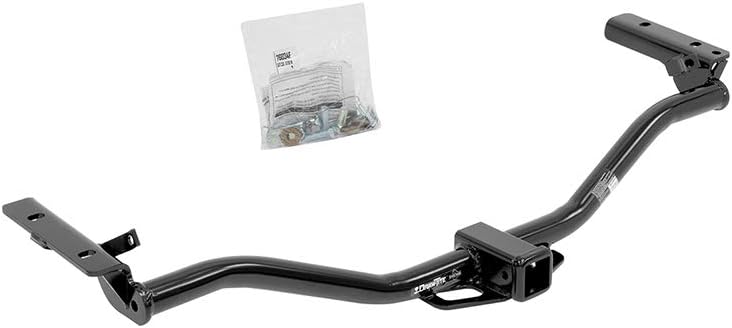
| Vehicle application | 2011-2019 Ford Explorer |
|---|---|
| Receiver size | 2 inch square |
| Maximum towing capacity | 4500 Pounds |
| Material | Stainless Steel |
| Finish type | Powder Coated |
This Draw-Tite Class 3 hitch is a custom-fit receiver engineered for the 2011–2019 Ford Explorer to make towing and carrying rear-mounted accessories straightforward for a DIY installer. It provides a 2-inch square receiver opening for common accessories like bike racks and cargo carriers and is rated for 4,500 lb gross trailer weight and 675 lb tongue weight, with compatibility for weight-distribution systems up to 5,000 lb. The hitch is built from all-welded steel and finished in a black powder coat that helps resist corrosion, and Draw-Tite states the design exceeds V-5 and SAE J684 testing standards. Installation is vehicle-specific, so bolt-on fitment is simplified compared with universal hitches, and the package includes mounting hardware. The main limitations are that it is intended only for the Explorer years listed and needs correct torque and hardware during install to meet rated capacities, and heavier towing setups may require additional wiring, brake controllers, or a heavier duty hitch class. For most Explorer owners who tow trailers, haul bikes, or add cargo carriers, this balances capacity, durability, and practical fitment.
Best for: Buyers who want a strong, factory-style hitch for a 2011–2019 Ford Explorer that installs cleanly and handles common towing and cargo tasks without upsizing to commercial hardware.
Less Ideal for: Drivers who need a hitch for vehicles outside the specified Explorer years or those planning heavy commercial towing beyond Class 3 capacities should look elsewhere.
- Vehicle-specific design for direct fit to 2011–2019 Ford Explorer reduces modification during installation
- 2-inch receiver works with standard bike racks, cargo carriers, and common towing accessories
- Solid all-welded steel construction with black powder coat offers durability and corrosion resistance
- Rated 4,500 lb GTW and compatible with weight-distribution systems for versatile towing
- Fitment limited to 2011–2019 Ford Explorer models so not suitable for other vehicles
Verdict: The best all-around trailer hitch that balances towing capacity, build quality, installation simplicity, and practical features for most DIY owners.
2. KUAFU Class 3 2" Trailer Hitch Receiver for 2011–2019 Ford Explorer
Best Budget Trailer Hitch

| Trailer Hitch Receiver Size | 2" Receiver Tube |
|---|---|
| Maximum Towing Capacity | 4000 Pounds |
| Max GTW w/ weight distribution | 5000 Pounds |
| Material Type | Alloy Steel |
| Finish Type | Powder Coated |
This KUAFU Class 3 trailer hitch is a vehicle-specific 2-inch receiver built for 2011–2019 Ford Explorer models and 2013–2017 Police Interceptor Utility vehicles. It provides a solid all-welded steel construction with a powder-coated finish and includes the mounting hardware and a trailer ball for a near-complete install kit. In use it serves everyday light towing tasks such as small campers, cargo carriers, and utility trailers up to the stated gross trailer weight limits, and the 2" receiver keeps compatibility with common hitch accessories. The hitch claims a 4,000 lb max gross trailer weight and up to 5,000 lb with a weight-distribution system, so it covers most typical family towing needs without stepping up to a heavier class. Installation is described as straightforward but professional installation is recommended to ensure proper torque and alignment. Buyers should note this is a budget-focused option so finish and fit may require minor adjustments during install compared with higher-end factory-style hitches.
Best for: Buyers seeking an affordable, inspected towing solution for routine light-duty towing on a Ford Explorer who prioritize cost and a vehicle-specific fit over premium finish or OEM-level fit.
Less Ideal for: Those who frequently tow near or above the hitch limits, need heavy-duty commercial towing, or want a factory-quality finish and perfect plug-and-play fit.
- Vehicle-specific fit for 2011–2019 Ford Explorer and 2013–2017 Police Interceptor Utility
- All-welded alloy steel construction for strength
- Includes mounting hardware and trailer ball for a more complete kit
- Powder-coated finish helps resist corrosion
- Budget construction may need minor fitment adjustments during installation
Verdict: The best budget trailer hitch for buyers who want a reliable, inspected towing solution that keeps costs down while covering common light-duty towing needs.
3. CURT Class 3 Trailer Hitch 2-Inch Receiver (Fits Select Ford Explorer, Police Interceptor Utility)
Best Premium Trailer Hitch

| Maximum Towing Capacity | 4000 Pounds |
|---|---|
| Tongue Weight | 400 Pounds |
| Receiver Size | 2-inch x 2-inch |
| Material | Carbon Steel |
| Finish Type | Gloss black powder coat with liquid A-coat |
This CURT Class 3 trailer hitch is a heavy-duty, vehicle-specific receiver designed to restore towing capability to select Ford Explorer and Police Interceptor Utility models. It installs at the rear and provides a standard 2-inch receiver tube for hauling utility trailers, boats, campers and cargo carriers. Notable features include a 4,000 lb gross trailer weight rating with a 400 lb tongue weight limit, compatibility with weight distribution systems up to 5,000 lb, and a co-cured liquid A-coat plus black powder coat finish for enhanced corrosion resistance. The hitch is made from high-strength carbon steel with precise welds for a secure fit and is tested to SAE J684 standards, which helps ensure real-world durability and safety. Installation is straightforward for users who follow vehicle-specific mounting points, though professional installation may be preferred for precise alignment. The design favors long-term corrosion protection and robust towing performance, but buyers should confirm application fit for their exact year and configuration before purchasing.
Best for: Buyers who prioritize long-term durability and corrosion resistance and want a precision-fit, high-capacity receiver for frequent towing on a Ford Explorer Sport application.
Less Ideal for: Casual users who only tow very light loads infrequently or who need a universal multi-vehicle hitch solution should consider simpler or more general-purpose options.
- Vehicle-specific design for a precise fit on select Ford Explorer and Police Interceptor Utility models
- 4,000 lb gross trailer weight rating with 400 lb tongue weight and 5,000 lb weight distribution compatibility
- Durable carbon steel construction with precise welding for strength
- Dual-layer co-cured liquid A-coat and powder coat finish for improved corrosion and chip resistance
- Fits only specific model years and configurations so compatibility must be verified before purchase
Verdict: The best premium trailer hitch for buyers willing to pay more for top-tier corrosion resistance, thicker steel, precision fit, and longer-lasting performance under frequent use.
4. Draw-Tite Class 4 Trailer Hitch 2-Inch Receiver for 2020–2026 Ford Explorer / Lincoln Aviator
Best Heavy-Duty Trailer Hitch
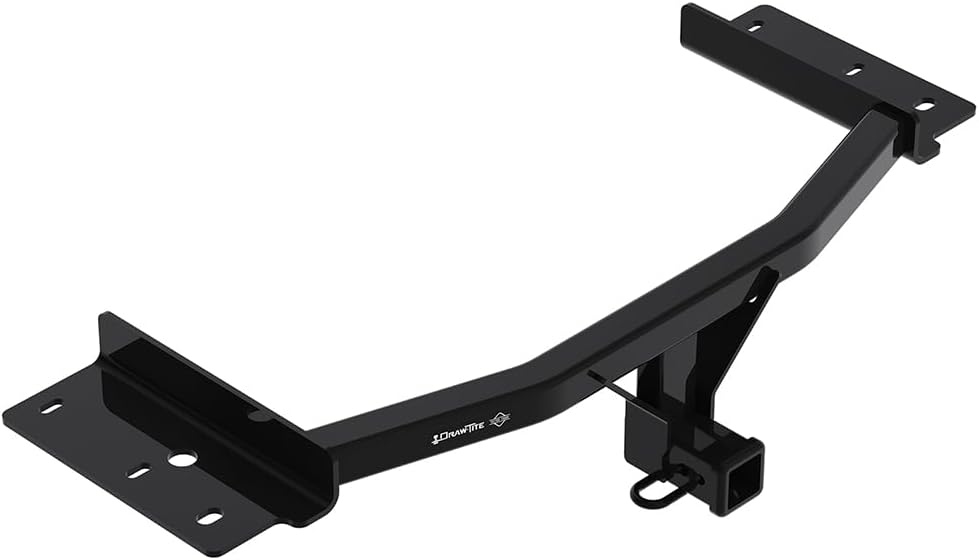
| Vehicle Application | 2020–2026 Ford Explorer, 2020–2026 Lincoln Aviator |
|---|---|
| Receiver Size | 2-inch square |
| Maximum Towing Capacity | 6,000 Pounds |
| Maximum Tongue Weight | 900 Pounds |
| Material | Alloy Steel |
This Draw-Tite Class 4 hitch is a purpose-built receiver for 2020–2026 Ford Explorer and compatible Lincoln Aviator models intended for frequent heavy towing. It provides a 2-inch square receiver and a factory-style, all-welded steel construction with a black powder coat to resist corrosion. The hitch is rated to 6,000 lb GTW and 900 lb tongue weight, which supports hauling boats, campers, and heavy cargo without swapping to an aftermarket reinforced receiver. It installs with the included mounting hardware and is designed to match vehicle attachment points for a tidy fit. Important limits to note are the prohibition on weight-distribution systems with this specific unit and the 900 lb tongue-weight ceiling, which may rule out certain large trailers or heavy tongue loads. For drivers who tow often and need a strong, vehicle-specific hitch that integrates cleanly with the Explorer rear structure, this Draw-Tite is a solid heavy-duty option; if you require weight-distribution capability or higher tongue-weight, consider an alternative rated for those features.
Best for: Buyers who tow heavy loads regularly from an Explorer and prioritize a reinforced, factory-style hitch that bolts to the vehicle for reliable, high-capacity towing.
Less Ideal for: Drivers who need weight-distribution capability or who plan to tow trailers with tongue weights that exceed 900 lb should consider a different hitch solution.
- Vehicle-specific fit for 2020–2026 Ford Explorer and Lincoln Aviator for clean installation and alignment
- Solid all-welded alloy steel construction for long-term strength and durability
- 6,000 lb gross trailer weight rating supports towing boats, campers, and utility trailers
- Black powder coat finish provides rust and corrosion resistance
- Includes mounting hardware for a complete bolt-on installation
- Cannot be used with weight-distribution systems, limiting options for heavier trailer setups
Verdict: The best heavy-duty trailer hitch for users who need increased towing and tongue-weight ratings and reinforced construction for hauling heavier loads regularly.
5. CURT Class 3 2" Trailer Hitch (Fits Select Ford Explorer, Lincoln Aviator)
Best Low-Profile Trailer Hitch

| Receiver size | 2" |
|---|---|
| Gross trailer weight | 6,000 lbs |
| Tongue weight | 600 lbs |
| Material | Carbon Steel |
| Finish type | Powder-Coated, co-cured |
This CURT Class 3 trailer hitch installs as a vehicle-specific replacement to give your Ford Explorer or Lincoln Aviator a compact, factory-style receiver for towing. It is built from high-strength carbon steel with precise welding and a dual-layer, co-cured plus powder-coat finish for corrosion resistance. The hitch is rated for 6,000 lbs gross trailer weight and 600 lbs tongue weight and uses a 2" receiver tube, making it suitable for utility trailers, small campers, and common accessory carriers. The concealed main body and tailored mounting points keep the receiver low-profile so the hitch stays discreet and maintains ground clearance and vehicle lines when not towing. Installation requires bolting to the vehicle frame and may be easier with a helper or basic shop tools. While the design emphasizes a subtle look and strong construction, buyers should verify vehicle-year fitment and remember towing limits are set by the lowest-rated component in their setup.
Best for: Buyers who want a discreet, compact receiver that keeps the vehicle's ground clearance and factory look when the hitch is not in use and who plan to tow trailers or use hitch-mounted accessories within a Class 3 capacity.
Less Ideal for: Drivers who need maximum towing capacity beyond Class 3 limits or those looking for a removable or no-drill plug-and-play hitch solution.
- Vehicle-specific design for a close, factory-integrated fit
- Low-profile, concealed main body preserves ground clearance and appearance
- Rated 6,000 lbs GTW and 600 lbs tongue weight for common towing needs
- Durable carbon steel construction with co-cured undercoat and powder-coat finish
- Precisely welded for consistent strength and fit
- Requires proper year-specific fitment verification and vehicle-frame mounting during installation
Verdict: The best low-profile trailer hitch for buyers who prioritize a subtle, compact receiver that preserves ground clearance and vehicle appearance when not towing.
6. CURT Class 3 Trailer Hitch with 2" Receiver and 4-Way Wiring Harness
Best Class III Trailer Hitch

| Receiver size | 2-inch |
|---|---|
| Gross trailer weight | 4,000 lbs |
| Tongue weight | 400 lbs |
| Material | Alloy Steel |
| Included components | Hitch and 4-pin wiring harness |
This CURT Class 3 hitch kit combines a 2-inch receiver with a custom 4-way flat wiring harness to convert a 2011–2019 Ford Explorer or Police Interceptor Utility into a ready-to-tow vehicle. The hitch is precision welded from alloy steel and finished with a co-cured liquid Bonderite undercoat plus a powder coat to resist rust, chipping, and UV exposure. Rated for up to 4,000 lbs gross trailer weight and 400 lbs tongue weight, it handles most light- to medium-duty towing like small campers, utility trailers, and bike or cargo carriers. The included wiring harness plugs directly into the vehicle harness with no splicing, making installation straightforward for a competent DIYer or installer. Practical benefits include a factory-style fit, integrated dust cover for the trailer connector, and heavy-duty construction that matches a vehicle-specific mounting footprint. Limitations are the Class 3 capacity ceiling and the hitch’s vehicle-specific fit, so it is not suitable for heavier towing or other vehicle models without buying a different model number.
Best for: Buyers who need a dependable, vehicle-specific mid-range hitch for routine towing and occasional trailer use and who value a plug-and-play wiring solution and corrosion resistance.
Less Ideal for: People planning to tow large or heavy trailers frequently or those who need a hitch for a different vehicle model should look at higher-capacity or alternative-fit options.
- Vehicle-specific design for a precise fit on 2011–2019 Ford Explorer and Police Interceptor Utility
- Durable dual-layer corrosion-resistant finish with co-cured undercoat and powder coat
- Includes a plug-and-play 4-way wiring harness with no splicing required
- Rated 4,000 lb GTW and 400 lb tongue weight, suitable for many light- to medium-duty towing needs
- Capacity limited to Class 3 levels so not suitable for heavy trailers
Verdict: The best Class III trailer hitch for shoppers who want the common mid-range receiver class that supports a wide range of light- to medium-duty towing tasks with dependable strength.
Choosing the Right Ford Explorer Sport Trailer Hitch: Key Factors to Consider
Vehicle-Specific Fitment and Mounting Style
Correct fitment ensures the hitch aligns with factory mounting points on the Ford Explorer Sport. A hitch designed for this exact model reduces the risk of interference with exhausts, bumper valances, or parking sensors.
Mounting style affects installation complexity and long-term durability. Bolt-on hitches that use existing threaded holes or included hardware are faster to install and easier to remove. Hitches that require drilling, cutting, or welding increase installation time and can affect vehicle resale value. Verify whether the hitch requires removal of trim or bumper panels and whether the design routes wiring harnesses around heat sources and moving parts.
Tow Rating and Tongue Weight Capacity
Tow rating and tongue weight determine what trailers and loads the Explorer Sport can tow safely. Choose a hitch whose gross trailer weight and maximum tongue weight meet or exceed the combined weight of your trailer plus cargo, and the vertical load transmitted through the ball mount.
Pay attention to both the hitch class and the published ratings rather than relying on class names alone. Exceeding either rating risks structural damage and unsafe handling. If you plan to carry heavy loads or a cargo carrier, prioritize higher tongue weight ratings to avoid sagging and compromised braking performance.
Receiver Size and Accessory Compatibility
Receiver size determines the range of ball mounts, cargo carriers, and hitch accessories you can use. A 2 inch hitch receiver is the most common choice for mid-size SUVs like the Explorer Sport and offers broad accessory compatibility.
If you expect to use specialized attachments such as weight distribution systems or bike racks, confirm shank dimensions, pinhole locations, and clearance for sway control brackets. Choosing a receiver size that matches your accessory needs eliminates the need for adapters that can add play and reduce the effective capacity.
Corrosion Protection and Finish
Hitches near the rear of the vehicle are exposed to water, road salt, and debris. A robust finish and proper coating extend service life and reduce maintenance.
Look for hitches with multi-stage coatings, e-coating underlayers, or powder-coat finishes applied over corrosion-resistant primers. Pay attention to weld quality and sealed fastener locations. Hitches with sacrificial coatings or replaceable components such as shank covers make long-term upkeep simpler for owners in snowy or coastal climates.
Installation Complexity and Hardware
Installation complexity affects both cost and the time your vehicle is out of service. Bolt-on kits that reuse factory holes and include all required hardware, nuts, and lock washers shorten install time.
Consider whether a hitch requires lowering the exhaust, removing bumper trim, or drilling into frame members. Availability of clear, vehicle-specific instructions and the inclusion of torque specs matter for safe installation. If you plan to install the hitch yourself, check the tool list and whether a second pair of hands is recommended.
Impact on Vehicle Electronics and Sensors
Modern Explorer Sport models often include parking sensors, collision mitigation systems, and rear cameras whose housings or wiring can run near the hitch area. A hitch that interferes with sensors or blocks camera views can impair safety systems.
Review how the hitch interfaces with wiring routes and whether sensor relocation brackets are required. Some hitches are designed to maintain sensor line-of-sight and provide cutouts or mounting points for factory harnesses. Ensuring compatibility reduces the likelihood of extra parts or service visits after installation.
Choosing Between Class III and Heavier Options
For the Ford Explorer Sport, class III hitches are a common choice because they balance capacity and compatibility for typical midsize SUV towing needs. Class III configurations usually support a 2 inch hitch receiver and provide enough gross trailer weight for most small to medium trailers and towing tasks.
- Confirm the published gross trailer weight and tongue weight rather than relying only on the class label.
- If you anticipate towing larger loads regularly, compare higher capacity options that still fit the Explorer Sport without major frame changes.
- Consider the tradeoff between extra capacity and added weight or visibility at the rear of the vehicle.
Wiring and Electrical Considerations
A proper wiring setup is essential for safe towing. Determine whether your Explorer Sport already has a factory tow package connector location and whether a plug-and-play harness is available for the hitch you choose.Routing and grounding are critical. Make sure wiring routing keeps connectors away from heat and moving parts, and that grounds attach to clean metal. Some hitches include wiring brackets or dedicated attachment points to simplify harness routing and protect connections during trailer backing and off-camber driving.
- Check if the hitch provides a bracket for the vehicle's connector.
- Ensure any included wiring harness is compatible with the vehicle's lighting and towing diagnostics.
- Consider adding a circuit tester to confirm proper bulb function before towing.
Trailer Ball Mounts, Cargo Carriers, and Sizing
The receiver is only part of the system; ball mounts, shank length, and drop height affect trailer geometry and handling. Measure from the vehicle hitch pin hole to the ground with the vehicle at normal load to determine required drop or rise.Cargo carriers and bike racks add weight behind the rear axle and change the vehicle's handling. Choose a ball mount with the correct rise or drop to maintain level towing and consider weight distribution if tongue weight approaches the hitch rating.
- Measure trailer coupler height and compare to vehicle hitch height to choose correct drop or rise.
- Select ball mount shank lengths to clear rear valances and provide safe tow angles.
- Use a weight distribution system if tongue weight exceeds recommended percentages of vehicle weight.
Rust Prevention and Inspection Routine
Even the best coatings wear over time from road debris and salt. Establish a simple inspection routine to check welds, fasteners, and the finish at least twice a year or after heavy exposure to corrosive conditions.Touch-up paints formulated for metal and rust-inhibiting sprays can extend service life. Replace worn fasteners and anti-rattle hardware as needed, and ensure the pin and clip remain secure before every trip.
- Inspect welds and fasteners for rust or cracking periodically.
- Keep fasteners torqued to spec and replace missing clips promptly.
- Apply touch-up coatings to chips and monitor sacrificial components for wear.
Still looking for the perfect fit?
Select your Ford Explorer configuration to see the most relevant Trailer Hitches recommendations
How We Chose the Best Ford Explorer Sport Trailer Hitch
Our selection focused on attributes that matter for the Ford Explorer Sport and owners who tow regularly. We prioritized correct vehicle-specific fitment and mounting design so the hitch bolts up without frame modification. Weight capacity and tongue weight rating were central criteria, since underrating creates safety and handling issues.Corrosion protection and finish mattered because the Explorer Sport is often used in varied climates and on salted roads. We considered hitch receiver size and accessory compatibility, emphasizing 2 inch hitch receiver options common for class III towing setups. Ease of installation and the availability of clear instructions factored into the list, as did compatibility with commonly used wiring harness routing.Excluded items included universal or adjustable hitches that require frame cutting or complex welding, and any products lacking clear vehicle-specific fit information. Our choices reflect hitches that balance strength, corrosion resistance, and straightforward installation for Explorer Sport owners.
Our full evaluation process is outlined in our review methodology.
FAQ
Will adding a trailer hitch affect my Explorer Sport's warranty?
It depends on how the hitch is installed and whether damage results from the hitch. Factory-installed hitches usually do not affect warranty coverage for unrelated components. If the hitch requires drilling or causes damage, warranty claims for affected areas may be reviewed on a case-by-case basis.
Can I install a trailer hitch myself or should I get professional help?
Many bolt-on hitches are designed for competent DIYers with basic hand tools and a torque wrench. If the kit requires exhaust removal, drilling, or electrical work, professional installation can save time and ensure correct torque and wiring. Choose based on your comfort level and the kit's stated requirements.
Do I need a 2 inch hitch receiver for common trailer accessories?
A 2 inch receiver is the most versatile choice for the Explorer Sport and fits many ball mounts, cargo carriers, and bike racks. Larger or smaller receivers are less common for this vehicle class and may require adapters or limit accessory choices.
How do I know what tongue weight my trailer will exert on the hitch?
Use a tongue weight scale or a truck scale to measure the vertical force at the coupler. Manufacturers often recommend tongue weight equal to a percentage of trailer gross weight. Measuring before you tow helps you choose an appropriate hitch and decide if a weight distribution system is needed.
Will a hitch block my rear sensors or camera on the Explorer Sport?
Some hitch designs sit close to sensor locations and can interfere with radar or ultrasonic parking systems, or obscure camera views. Look for hitches designed with sensor clearance or that provide recommended sensor relocation solutions to avoid operational issues.
How often should I inspect the hitch and fasteners?
Inspect the hitch, fasteners, and wiring at least twice a year and after exposure to heavy road salt or off-road use. Check for loose bolts, corrosion, and worn anti-rattle hardware before long trips.
Final Verdict
For the Ford Explorer Sport, prioritize a hitch that offers correct vehicle-specific fitment, adequate gross trailer weight and tongue weight capacity, and a durable corrosion-resistant finish. Balance your intended trailer size and accessory needs with receiver size and ease of installation.If you tow occasionally, a straightforward class III, 2 inch receiver with clear bolt-on mounting may be the best mix of capability and convenience. For heavier or frequent towing, choose a higher-rated receiver and ensure proper tongue weight management to maintain safe handling and braking performance.
Explore More:
- Check out all Ford Explorer parts & accessories
- Explore Other Accessories
- Browse all Accessories
