

Note: This article contains affiliate links. If you click on these links and make a purchase, I may earn a small commission at no extra cost to you. This helps support my research and content. Read my full affiliate disclosure here.
If you tow a camper, boat, or cargo carrier with a 2026 Ford Explorer, choosing the right trailer hitch matters for safety, handling, and legal load limits. The wrong hitch can reduce towing capacity, interfere with ground clearance, or complicate installation. This guide shortlists seven top trailer hitches compatible with the 2026 Ford Explorer and the 2020-present platform, focusing on fitment, load ratings, and installation practicality.We evaluated options across mounting style, tongue weight capacity, and receiver size to surface hitches that balance durability and ease of use. Read on for the criteria we used and practical considerations for selecting and installing the right hitch for your Explorer.
Looking for other parts? See all Ford Explorer parts & accessories.
Top Picks at a Glance
| Best Overall Trailer Hitch The best all-around hitch that balances fit, strength, and features | Draw-Tite Class 4 Trailer Hitch 2-Inch Receiver for 2020–2026 Ford Explorer / Lincoln Aviator |  |
| Best Budget Trailer Hitch A low-cost hitch that delivers safe towing without extras | KUAFU 2" Class 3 Trailer Hitch for 2020-2026 Ford Explorer and Lincoln Aviator |  |
| Best Premium Trailer Hitch Higher-end materials and finish with advanced corrosion protection | Draw-Tite 76910 Hidden Hitch 2" Removable Receiver for 2020-2026 Ford Explorer and 2020-2026 Lincoln Aviator |  |
| Best Class III Trailer Hitch Standard mid-range receiver rating for common light-truck towing needs | Autekcomma Class 3 Trailer Hitch 2-Inch Receiver for Ford Explorer and Lincoln Aviator |  |
| Best Heavy-Duty Trailer Hitch Built for higher tongue and gross towing capacities and rough use | ALMULOO Class 4 2-inch Trailer Tow Hitch Receiver for 2020–2026 Ford Explorer and Lincoln Aviator |  |
| Best Compact Trailer Hitch Low-profile or tucked design that preserves ground clearance and styling | Draw-Tite Class 2 Trailer Hitch 1-1/4-Inch Receiver (36787) |  |
1. Draw-Tite Class 4 Trailer Hitch 2-Inch Receiver for 2020–2026 Ford Explorer / Lincoln Aviator
Best Overall Trailer Hitch
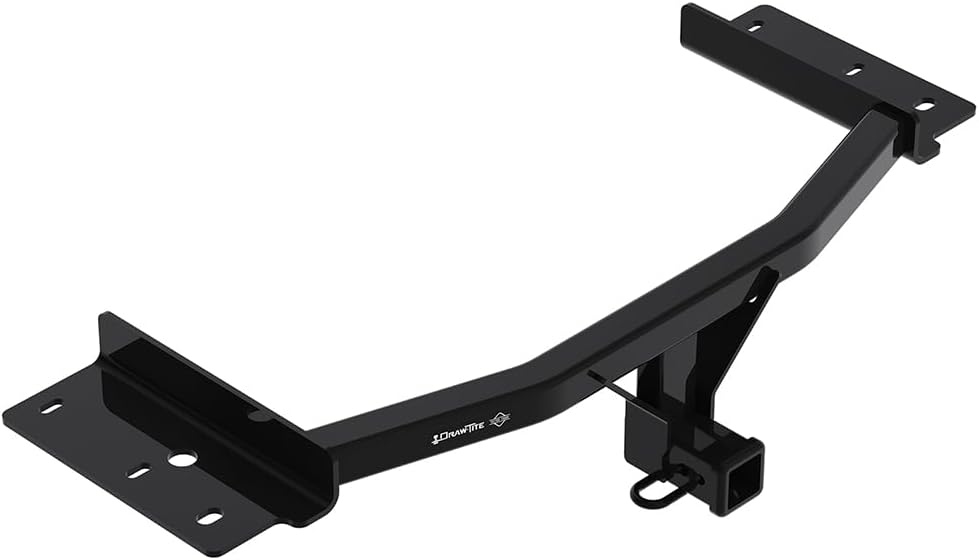
| Vehicle application | 2020–2026 Ford Explorer, 2020–2026 Lincoln Aviator |
|---|---|
| Receiver size | 2 inch square |
| Maximum towing capacity | 6000 Pounds |
| Maximum tongue weight | 900 Pounds |
| Finish type | Powder Coated |
This Draw-Tite Class 4 trailer hitch is a custom-fit receiver built for 2020–2026 Ford Explorer and 2020–2026 Lincoln Aviator that gives you a solid, no-frills towing solution. It bolts to factory mounting points and provides a 2-inch square receiver for common accessories such as bike racks, cargo carriers, and trailers. The hitch is all-welded alloy steel with a black powder coat finish intended to resist corrosion, and it is tested to meet V-5 and SAE J684 standards. Rated for up to 6,000 lb GTW and 900 lb tongue weight, it handles most mid-size towing tasks without extra reinforcement, though it does not support weight-distribution systems. Installation is typical for custom-fit hitches and includes the mounting hardware, so a competent DIYer can complete the job with basic tools and a helper. If you want a durable, factory-style receiver that balances strength and simplicity for everyday towing on the Explorer, this is a reliable choice, but buyers needing higher tongue-weight support or weight-distribution compatibility should look elsewhere.
Best for: DIY installers who want a durable, factory-style hitch that installs to existing mounting points and covers most recreational and hauling needs for the Explorer without extra modifications.
Less Ideal for: Drivers planning to tow heavy trailers that require weight-distribution systems or substantially higher tongue-weight capacity should consider a different hitch or towing solution.
- Vehicle-specific design for a near-factory fit and simpler installation
- Solid all-welded alloy steel construction with powder coat for corrosion resistance
- 2-inch receiver accepts common hitch accessories and attachments
- 6,000 lb gross trailer weight and 900 lb tongue weight capacity suitable for most mid-size towing jobs
- Not compatible with weight-distribution systems, limiting heavier trailer setups
Verdict: The pick that balances build quality, ease of installation, feature set, and price to suit most DIY installers looking for a reliable trailer hitch.
2. KUAFU 2" Class 3 Trailer Hitch for 2020-2026 Ford Explorer and Lincoln Aviator
Best Budget Trailer Hitch

| Receiver size | 2 inches |
|---|---|
| Gross Towing Weight | 6000 Pounds |
| Maximum Tongue Weight | 900 lbs |
| Material Type | Alloy Steel |
| Finish Type | Powder Coated |
This KUAFU Class 3 hitch provides a straightforward, budget-focused way to add a factory-style 2-inch receiver to 2020–2026 Ford Explorer and Lincoln Aviator models. Designed as a vehicle-specific fit, it is intended to serve as the connection point for ball mounts, bike racks, cargo carriers, and similar accessories. The hitch is made from alloy steel with a black powder coat for corrosion resistance and lists a gross towing weight of 6,000 lbs and a tongue weight of 900 lbs, which covers most light towing and utility needs. Hardware and instructions are included, and the unit is built to a simple, rugged geometry that keeps costs down while delivering the core strength buyers need. Expect professional installation for best results unless you are a competent DIYer with the right tools, since alignment and secure torque are important for safe towing. The product is a practical choice if you want a no-frills, strong receiver without premium features like integrated wiring or decorative trim.
Best for: Buyers who need a low-cost, vehicle-specific receiver that reliably restores towing capability and want a straightforward install without paying for premium extras.
Less Ideal for: People who want a hitch with built-in electrical connectors, decorative trim, or higher towing capacity for heavy trailers should consider upgraded or purpose-built alternatives.
- Vehicle-specific design for 2020–2026 Ford Explorer and Lincoln Aviator ensures proper fitment when installed correctly
- Class 3 2-inch receiver with 6,000 lb gross towing and 900 lb tongue capacity suitable for common light towing tasks
- Alloy steel construction with black powder coat improves durability and corrosion resistance
- Includes installation hardware and instructions to simplify mounting
- Does not include integrated electrical wiring or wiring harness for trailer lights
Verdict: A cost-conscious trailer hitch that prioritizes essential strength and correct fit while keeping price and installation complexity to a minimum for budget-minded DIYers.
3. Draw-Tite 76910 Hidden Hitch 2" Removable Receiver for 2020-2026 Ford Explorer and 2020-2026 Lincoln Aviator
Best Premium Trailer Hitch

| Maximum Towing Capacity | 3500 Pounds |
|---|---|
| Pull Force | 3500 Pounds |
| Automotive Fit Type | Vehicle Specific Fit |
| Material Type | Alloy Steel |
| Finish Type | Powder Coated |
The Draw-Tite 76910 is a factory-style, Class 3 hidden hitch designed specifically for 2020–2026 Ford Explorer and 2020–2026 Lincoln Aviator applications. It installs under the rear bumper so the 2-inch receiver remains out of sight when not in use and accepts common accessories like bike racks and cargo carriers. Built from all-welded alloy steel and finished with a durable black powder coat, it resists corrosion and is rated for 3,500 lb GTW and 350 lb tongue weight. Because it is vehicle-specific, fitment is tight and installation uses the provided hardware for a near-factory appearance. Note that this hitch does not support weight-distribution systems, so it is best for conventional towing loads within its rating rather than heavy trailer towing that needs load-shedding gear. The hidden design preserves rear styling while delivering solid towing performance for frequent tow users who want a long-lasting, well-finished hitch that blends with the vehicle.
Best for: Buyers who want a durable, high-quality hitch that preserves the vehicle’s rear styling and delivers reliable day-to-day towing without compromise on finish or fitment.
Less Ideal for: If you plan to tow heavier trailers that require a weight-distribution system or need maximum towing beyond 3,500 lb, choose a different hitch designed for weight distribution and higher capacity.
- Custom-fit design for a clean, factory-integrated look
- Solid all-welded alloy steel construction for strength
- Durable black powder coat finish improves corrosion resistance
- 2-inch removable receiver accepts common towing accessories
- Rated 3,500 lb GTW and 350 lb tongue weight for everyday towing tasks
- Not compatible with weight-distribution systems, limiting heavier trailer setups
Verdict: A higher-end trailer hitch that justifies a bigger investment with superior materials, corrosion resistance, tighter tolerances, and long-term durability for serious users.
4. Autekcomma Class 3 Trailer Hitch 2-Inch Receiver for Ford Explorer and Lincoln Aviator
Best Class III Trailer Hitch

| Maximum Towing Capacity | 6000 Pounds |
|---|---|
| Pull Force | 6000 Pounds Per Inch |
| Automotive Fit Type | Vehicle Specific Fit |
| Material Type | Carbon Steel |
This Autekcomma Class 3 trailer hitch converts compatible Ford Explorer and Lincoln Aviator models into a 2×2 inch receiver-equipped vehicle for everyday towing and cargo accessories. It is built from carbon steel with a dual-coat rust-resistant finish and is rated for a 6,000 lb gross trailer weight and 600 lb tongue weight, making it suitable for boats, utility trailers, cargo carriers, and most bike racks that mount on a platform. The hitch is vehicle-specific and installs using the factory mounting points without drilling; hardware and a hitch cover are included. Practical benefits include the durable powder-coat protection against chips and corrosion and compliance testing to SAE J684 and V-5 standards for added confidence while hauling. Limitations are the fitment scope—this kit is for specified Explorer and Aviator years and excludes vehicles that already have a factory receiver—and it does not support vertical hanging bike racks that require mounting bikes by their wheels. Buyers should confirm exact model year compatibility before ordering.
Best for: Buyers who need a durable, factory-quality 2-inch receiver added to a compatible Explorer or Aviator for versatile everyday towing and accessory use.
Less Ideal for: People who plan to tow heavier-than-midrange loads regularly or who need a hitch for multiple different vehicle makes or years beyond the specified fitment.
- Vehicle-specific design for direct bolt-on installation without drilling
- 6,000 lb towing capacity and 600 lb tongue weight suitable for common mid-range towing needs
- Carbon steel construction with dual-coat and powder finish for corrosion and chip resistance
- Includes hitch cover and necessary hardware for installation
- Tested to exceed SAE J684 and V-5 safety standards
- Fitment limited to specified Ford Explorer and Lincoln Aviator years and not compatible with vehicles that already have a factory receiver
- Not compatible with vertical hanging bike racks that mount bikes by their wheels
Verdict: A Class III trailer hitch that offers the most common mid-range towing capacity and receiver size, ideal for owners who need versatile, everyday towing capability.
5. ALMULOO Class 4 2-inch Trailer Tow Hitch Receiver for 2020–2026 Ford Explorer and Lincoln Aviator
Best Heavy-Duty Trailer Hitch
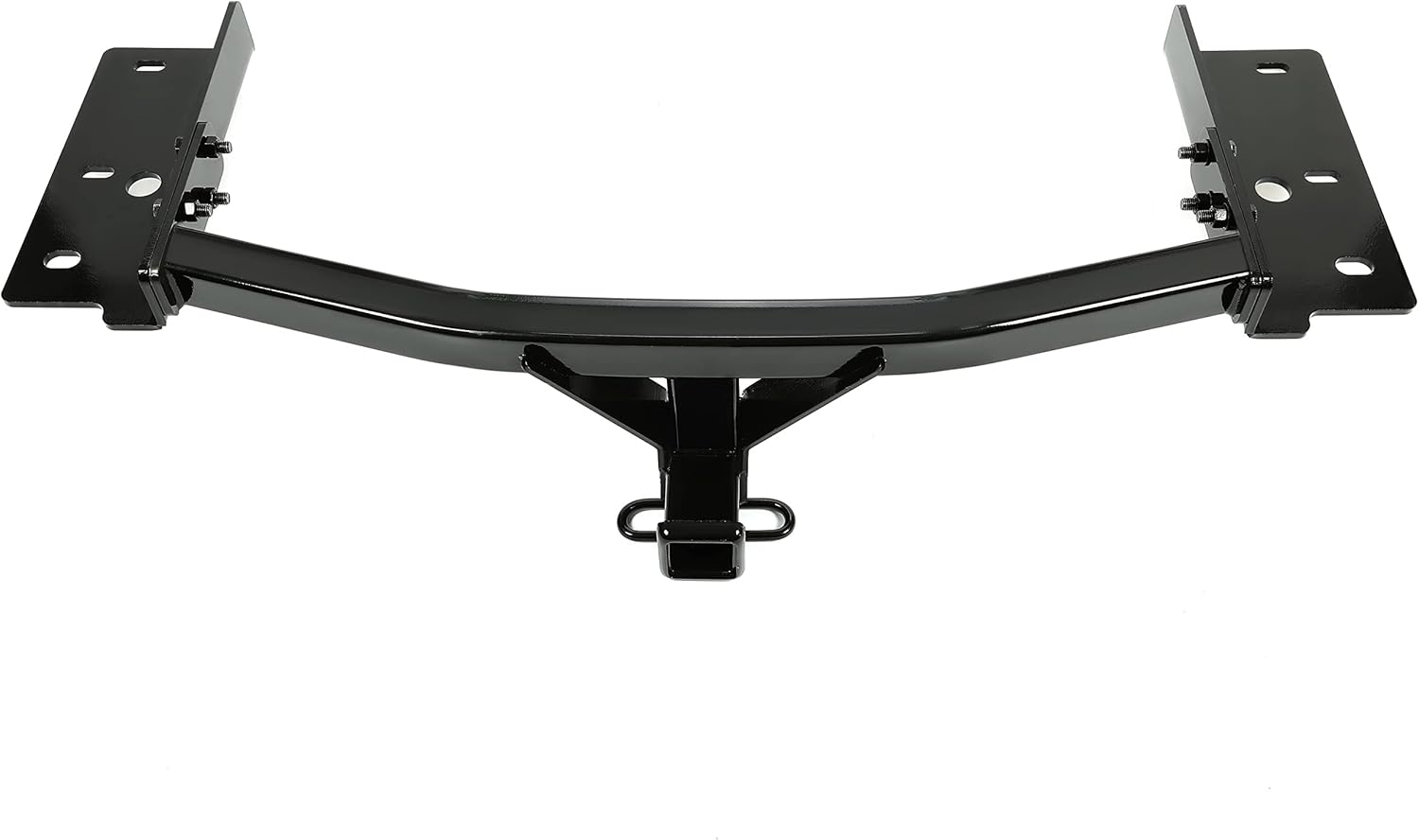
| Maximum Towing Capacity | 6000 Pounds |
|---|---|
| Material Type | Alloy Steel |
| Finish Type | Powder Coated |
| Item Type Name | Class 4 Trailer Tow Hitch |
| Receiver Size | 2-inch square |
This ALMULOO Class 4 trailer hitch provides a bolted, vehicle-specific replacement for 2020–2026 Ford Explorer and Lincoln Aviator models that need a 2-inch receiver. Built from alloy steel with a black powder coat, it is rated for a 6,000 lb gross trailer weight and 900 lb tongue weight, so it suits heavier weekend trailers and common towing accessories like bike racks and cargo carriers. The kit ships with mounting hardware and instructions and is designed for straightforward installation for experienced DIYers, though the manufacturer recommends professional installation for best results. The powder coat and robust construction help resist rust and stand up to regular use, while the standard 2-inch receiver keeps accessory options flexible. Limitations to note are that fitment is vehicle-specific and some models without factory receivers may require modification, and detailed install steps should be followed to ensure safe towing performance.
Best for: A DIY-focused buyer who regularly tows heavier trailers or uses heavy-duty cargo and accessory mounts and needs a rugged, vehicle-specific receiver for a 2020–2026 Ford Explorer or Lincoln Aviator.
Less Ideal for: Drivers who rarely tow light loads or those unwilling to handle a detailed installation should consider simpler hitch options or professional installation packages.
- Vehicle-specific fit for 2020–2026 Ford Explorer and Lincoln Aviator for a direct, secure mount
- 6,000 lb gross towing capacity and 900 lb tongue weight suitable for heavier trailers and common towing loads
- Durable alloy steel construction with powder-coated finish for corrosion resistance
- Standard 2-inch receiver accepts a wide range of towing accessories
- Includes mounting hardware and instructions for bolt-on installation
- May require modification on vehicles that did not come with a factory receiver
- Manufacturer recommends professional installation for optimal safety and fit
Verdict: A heavy-duty trailer hitch designed for higher tow ratings and rugged use, aimed at DIYers who regularly haul heavier trailers or need extra robustness.
6. Draw-Tite Class 2 Trailer Hitch 1-1/4-Inch Receiver (36787)
Best Compact Trailer Hitch

| Maximum Towing Capacity | 3500 Pounds |
|---|---|
| Pull Force | 3500 Pounds |
| Material Type | Alloy Steel |
| Finish Type | Powder Coated |
| Automotive Fit Type | Vehicle Specific Fit |
This Draw-Tite Class 2 hitch is a custom-fit, bolt-on receiver designed for the 2020-2026 Ford Explorer and Lincoln Aviator. It provides a low-profile 1-1/4-inch receiver for light towing tasks up to 3,500 pounds GTW and 300 pounds tongue weight, and its all-welded alloy steel construction with a powder-coat finish resists corrosion for long-term use. The unit is intended for a tucked, vehicle-specific fit that keeps the receiver visually subtle and preserves ground clearance compared with bulkier hitch options, making it a practical choice for daily-driven SUVs. Installation is straightforward for someone comfortable with basic hand tools or a shop can complete it quickly thanks to the bolt-on design. Note that it is a light-duty solution not compatible with weight distribution systems, so it is best for trailers and accessories within the listed capacity rather than heavy loads or large campers.
Best for: Buyers who want a discreet, factory-style hitch for occasional towing or accessory use on a 2020–2026 Ford Explorer and prioritize preserved ground clearance and a clean rear profile.
Less Ideal for: Drivers planning to tow heavy trailers, use a weight distribution setup, or haul large campers should choose a heavier-duty hitch with larger receiver size.
- Vehicle-specific bolt-on design preserves ground clearance and gives a tucked, low-profile appearance
- Rated 3,500 lb GTW and 300 lb tongue weight suitable for light towing and common cargo carriers
- All-welded alloy steel construction with powder-coat finish for durability and rust resistance
- Tested to meet V-5 and SAE J684 standards for reliable towing performance
- Not compatible with weight distribution systems, limiting use with heavier trailers
Verdict: A compact trailer hitch with a low-profile or tucked mounting that minimizes visual impact and preserves ground clearance while still providing safe towing capability.
Choosing the Right 2026 Ford Explorer Trailer Hitch: Key Factors to Consider
Towing Capacity and Trailer Hitch Weight Rating
Matching the hitch's gross trailer weight (GTW) and tongue weight ratings to the 2026 Ford Explorer's towing specifications is essential. A hitch with a higher rating than your planned loads provides a safety margin, but choosing a hitch with ratings that exceed the vehicle's maximum towing capacity does not increase the vehicle's allowable tow limit. When you attach trailers, tongue weight affects rear suspension and braking performance, so verify both GTW and tongue weight to avoid overloading the rear axle.
Pay attention to rating labels and manufacturer documentation. For lighter trailers or cargo carriers you may prefer a hitch with lower tongue weight but adequate GTW, while heavy trailers require higher tongue weight capacity. Always combine hitch rating with a properly sized ball mount and ensure the combined system meets your towing profile.
Receiver Size and Hitch Class
Receiver size determines the range of ball mounts and accessories you can use. The most common option for SUVs like the Explorer is a 2 inch receiver, which supports many ball mounts, bike racks, and cargo carriers. Hitch class reflects both receiver size and strength; for typical towing needs on the Explorer you will primarily consider Class III-style capacities. Choose a class and receiver size that accommodates your towing gear and potential accessory use.
If you plan on commercial-style towing or very heavy equipment, confirm the vehicle and hitch combination supports that class. Conversely, if you only need to carry a bike rack or small cargo carrier, a lower-profile receiver that preserves rear clearance can be more practical. Consider future needs so you buy a receiver that remains useful over time.
Mounting Style and Fitment for 2020–Present Explorer
Different hitches attach differently to the Explorer's underside: some use existing frame holes for a bolt-on fit while others require trimming of the bumper valance or temporary removal of the fascia. A bolt-on hitch with predrilled holes typically offers the cleanest installation and preserves factory crash structures. If a hitch requires cutting or drilling, factor in installation complexity and potential effects on resale value.
Confirm that the hitch is designed specifically for the 2020–present Explorer body and trim you own. Variations in exhaust routing, bumper height, and rear sensors across trims can affect fitment, so check whether any trimming or adapters are necessary before purchase.
Corrosion Resistance and Material Quality
A trailer hitch is exposed to road salt, moisture, and impacts, so material quality and protective finishes are important for longevity. Look for hitches made from high-strength steel with durable powder-coat finishes or additional rust-inhibiting treatments. Weld quality and plated hardware are also indicators of build quality.
Poor corrosion protection can lead to structural weakening and difficult removal years later. Investing in a hitch with better finishing can reduce maintenance, preserve structural integrity, and keep mounting points serviceable for future changes or upgrades.
Installation Complexity and Accessory Compatibility
Installation time and tools required vary widely. Many owners can handle a bolt-on hitch with basic hand tools and a torque wrench, while some installations need a lift, partial bumper removal, or trimming of the fascia. Consider whether you will install the hitch yourself or use professional installation when selecting a unit.
Also factor accessory compatibility, such as whether wiring harness access is straightforward and whether the receiver aligns with common ball mount heights. Look for hitches that leave room for exhaust clearance and rear sensor alignment to reduce post-installation adjustments.
Ground Clearance and Rear Departure Angle
A hitch that hangs low can reduce ground clearance and increase the chance of scraping on driveways or steep ramps. For owners who encounter rough roads or off-ramp angles, the vertical positioning of the receiver and the style of the cross tube matter. Some hitches tuck closer to the frame and preserve departure angle better than others.
Consider the height of common loads and the likelihood of bottoming out. If you frequently carry heavy rear-mounted cargo or use steep driveways, prioritize a hitch design that minimizes protrusion and keeps the receiver as high as practicable while still meeting weight rating needs.
Understanding Receiver Sizes and What They Mean
Receiver size is one of the first decisions when choosing a hitch for the 2026 Ford Explorer. The 2 inch receiver is a common balance of strength and accessory availability, compatible with a wide range of ball mounts, bike racks, and cargo carriers. Smaller receivers limit accessory options while larger receivers are heavier and may be unnecessary for typical SUV towing.
When picking a receiver, check the accessory shank dimensions and the pin-hole size. Using adapters or reducers can create unsafe loading conditions or reduce tongue weight capacity, so plan to match accessories to the receiver size whenever possible.
- 2 inch receivers offer broad accessory compatibility
- Pin-hole size affects which hitch pins and locks you can use
- Avoid unnecessary adapter use to preserve rated capacity
Wiring and Electrical Considerations
A safe tow setup needs reliable trailer wiring for stop, turn, and tail lights. On the 2026 Ford Explorer, routing a harness to the factory connector is often straightforward, but confirm connector type and mounting points before installation. Some installations route wiring through existing bumper cutouts while others use a vehicle-specific plug-and-play harness to minimize splicing.
If you plan to tow trailers with electric brakes, ensure the vehicle has or can accommodate a brake controller and that harness routing leaves room for a controller plug in the cabin if needed.
- Verify if a plug-and-play vehicle harness is available for your Explorer
- Plan routing to avoid interference with exhaust and suspension components
- Consider adding a dedicated fuse or circuit for trailer brake controllers
Preparing the Explorer Before Installation
Before starting any install, park on a flat surface and secure the vehicle with the parking brake. Gather necessary tools including torque wrench, sockets, and safety glasses. Clearing the exhaust area and temporarily removing any plastic undercovers can improve access and reduce installation time.
Inspect frame attachment points for rust or damage. Pre-treat mounting surfaces and loosely fit hardware to confirm alignment before torquing. Having a second person to help position the hitch makes bolt-up installations faster and more predictable.
- Use proper torque values to tighten bolts to manufacturer specs
- Protect painted surfaces with tape during fitting
- Test-fit accessories like ball mounts before final torque
Common Installation Pitfalls and How to Avoid Them
One frequent issue is misaligned bolt holes caused by using the wrong trim or missing factory clips. Verify the hitch is specific to the 2020–present Explorer and follow the fitment notes for trim variations. Another common pitfall is under-torquing hardware which can loosen under load; always use a calibrated torque wrench to final torque values.
Watch for interference with parking sensors or spare tire components. If trimming the fascia is required, mark cut lines carefully and protect exposed edges to avoid corrosion or rattles.
- Confirm trim-specific fitment before drilling or trimming
- Use thread locker where specified by the hitch instructions
- Re-check torque after a short test drive and again after several hundred miles
Maintaining Your Hitch for Long-Term Reliability
Regular inspection extends a hitch's life. Check bolts, welds, and finish for signs of corrosion or loosening at least twice a year and after winter months with road salt exposure. Clean and touch up scratches in the finish to prevent rust spread.
Lubricate the receiver and remove debris to keep accessories sliding in smoothly. Replace any worn pins, clips, or mounting hardware promptly to maintain rated performance.
- Inspect hardware for corrosion and retorque if necessary
- Touch up paint chips promptly to prevent rust
- Store removable accessories indoors when not in use to preserve finish
Still looking for the perfect fit?
Select your Ford Explorer configuration to see the most relevant Trailer Hitches recommendations
How We Chose the Best 2026 Ford Explorer Trailer Hitch
We applied a focused editorial process to narrow hitches appropriate for the 2026 Ford Explorer and other 2020-present Explorers. Primary evaluation criteria included fitment and mounting method to ensure bolt-on compatibility with vehicle frame points; gross trailer weight (GTW) and tongue weight ratings to match common towing loads; receiver size and class to support common towing accessories; corrosion resistance and material quality for long-term service life; and ease of installation, covering whether a hitch requires cutting, bumper removal, or simple bolt-on attachment.We also considered towing-related practicalities such as ground clearance impact, wiring access for trailer lights, and compatibility with common hitch accessories. Items excluded from consideration were any hitches that required structural modification to the vehicle frame, units with unclear or undocumented weight ratings, and products that lacked adequate corrosion protection for typical road conditions. Our shortlist prioritizes units that meet factory towing limits for the Explorer while offering straightforward installation options and durable construction.
Our full evaluation process is outlined in our review methodology.
FAQ
How do I know whether my Explorer needs a 2 inch receiver or larger?
It depends on the accessories and trailers you plan to use. A 2 inch receiver supports most bike racks, cargo carriers, and common ball mounts for mid-range towing. If you anticipate very heavy towing or specialized equipment, verify the vehicle's towing limits and choose a receiver and hitch class that meet those requirements.
Can I install a trailer hitch on my Explorer myself?
Many bolt-on hitches for the 2020–present Explorer are installable with basic tools and a torque wrench. However, installations that require cutting, drilling, or bumper removal might be better handled by a professional. Assess your comfort with mechanical work and the required tools before attempting installation.
Will adding a hitch change my Explorer's towing capacity?
No. The vehicle's factory towing capacity is set by the manufacturer and depends on engine, drivetrain, and chassis. Installing a hitch with higher ratings does not increase the vehicle's factory-specified towing limit. Choose a hitch that meets or exceeds your planned towing loads while staying within the vehicle's limits.
How does tongue weight affect my driving with a trailer?
Tongue weight presses down on the rear of the vehicle and affects suspension sag, steering, and braking balance. Too little tongue weight can make a trailer sway, while too much can overload the rear axle. Match the hitch and ball mount to achieve the recommended tongue weight for your trailer.
What should I budget for hitch installation time and effort?
Installation time varies. A straightforward bolt-on hitch can take one to three hours for a DIYer with basic tools. More involved installs requiring fascia removal or trimming can take longer. If you plan to use professional installation, expect the shop to factor in labor and any additional wiring or modifications.
Do hitch accessories affect the hitch's weight rating?
Yes. Using adapters, extenders, or rated reducers can change how loads transfer through the hitch and can reduce usable tongue weight and GTW. Always check the accessory ratings and avoid stacked adapters that can compromise capacity.
Final Verdict
Prioritize a hitch that matches the 2026 Ford Explorer's towing limits while offering the receiver size and mounting style you need. Focus on rated capacity, corrosion protection, and a fitment method that minimizes cutting or modification to the rear fascia. Installation complexity and accessory compatibility are practical tradeoffs: a bolt-on, 2 inch receiver-style hitch typically provides the best balance of versatility and ease of installation.Choose a hitch that aligns with the loads you plan to tow and the way you will use the vehicle. With the right match of rating, receiver size, and mounting approach, you will preserve vehicle performance and tow confidently.
Explore More:
- Check out all Ford Explorer parts & accessories
- Explore Other Accessories
- Browse all Accessories
