

Note: This article contains affiliate links. If you click on these links and make a purchase, I may earn a small commission at no extra cost to you. This helps support my research and content. Read my full affiliate disclosure here.
If you tow with a Ford Explorer, picking the right trailer hitch matters for safety, handling, and long-term durability. The right hitch ensures proper load distribution, preserves vehicle clearance, and reduces wear on mounting points so you can tow with confidence. This guide shortlists seven top-rated options and explains the key evaluation criteria we used, including towing capacity and ease of installation. Read on for practical guidance to match a hitch to how you plan to tow and carry gear.
Looking for other parts? See all Ford Explorer parts & accessories.
Top Picks at a Glance


1. CURT Class 3 Trailer Hitch with 2" Receiver and 4-Way Wiring Harness for 2011-2019 Ford Explorer

| Included Components | Class 3 Trailer Hitch, 2-Inch Receiver, 4-Pin Wiring Harness |
|---|---|
| Material Type | Alloy Steel |
| Vehicle Fit | 2011-2019 Ford Explorer, Police Interceptor Utility |
| Weight Carrying Capacity | Up to 4,000 lb GTW and 400 lb TW |
| Receiver Tube Size | 2-inch |
This CURT kit pairs a Class 3 2" receiver hitch with a custom 4-way flat wiring harness to provide a complete, factory-style towing solution for 2011–2019 Ford Explorer and Police Interceptor Utility models. The hitch is precision-welded from alloy steel, uses a co-cured liquid Bonderite plus powder coat finish for corrosion resistance, and is rated for up to 4,000 lb gross trailer weight and 400 lb tongue weight (with higher component ratings noted for other metrics). Installation is vehicle-specific so it bolts up cleanly without drilling and the wiring harness plugs into the factory connector with no splicing. In practice that means a tidy, reliable hookup for small trailers, bike racks, or cargo carriers and fewer wiring headaches. The package is heavier and requires lowering the exhaust for access on many model years, and attaching the harness tie-in to the hitch may need longer fasteners than those included. If you want a durable, well-finished, ready-to-use towing setup that matches factory fit and finish, this package covers the basics and simplifies installation for a wide range of towing tasks.
Best for: Balanced buyers who want a durable, factory-style towing solution that installs cleanly and covers everyday towing and accessory needs on a Ford Explorer.
Less Ideal for: Buyers who need very high towing capacity, frequent heavy towing, or a hitch for multiple vehicle types should consider a heavier-duty or different fitment option.
- Vehicle-specific design for a precise, bolt-on fit to 2011–2019 Ford Explorer models
- Includes a plug-and-play 4-way wiring harness that requires no splicing
- Durable corrosion-resistant finish with co-cured liquid Bonderite and powder coat
- Factory-style 2" receiver and Class 3 rating suitable for common towing needs
- Installation can be heavy and often requires temporary lowering of the exhaust for access
- Included zip ties/fasteners may be too short to secure wiring neatly to the hitch
Verdict: A complete, vehicle-specific Class 3 hitch and wiring kit that gives Ford Explorer owners a durable, plug-and-play towing setup with factory-style fit and finish.
2. CURT 13386 Class 3 Trailer Hitch (2" Receiver) for Select Ford Explorer / Police Interceptor Utility

| Material | Carbon Steel |
|---|---|
| Finish Type | Gloss Black Powder Coat with liquid A-coat co-cure |
| Maximum Towing Capacity | 4000 Pounds |
| Receiver Size | 2-inch |
This CURT Class 3 trailer hitch is a bolt-on, vehicle-specific receiver designed to equip select Ford Explorer and Police Interceptor Utility models with a standard 2" x 2" hitch. It is built from high-strength carbon steel with precise welding and a co-cured dual-layer finish of liquid A-coat and black powder coat to resist rust, chipping and UV exposure. Typical use is towing utility trailers, boats, small campers or mounting hitch accessories such as bike racks and cargo carriers. Notable features include a 4,000 lb gross trailer weight rating, compatibility with weight-distribution systems (5,000 lb WD rating), and testing to SAE J684 standards. In practice the hitch installs with factory-style fitment using included hardware and a fishing tool, though some installs can be tight around exhaust hangers and may need an extra set of hands or basic tools like a torque wrench. The hitch is strong and engineered for dependable towing, but fitment must be verified for the vehicle year and some purchasers report occasional cosmetic finish damage from shipping or installation handling.
Best for: Performance-oriented buyers who prioritize a factory-quality, vehicle-specific hitch that delivers strong towing capability and long-term durability for regular hauling or accessory use.
Less Ideal for: Buyers who need a universal or multi-vehicle hitch solution or who plan only occasional light-duty cargo carriage without towing requirements should consider lighter or simpler alternatives.
- Vehicle-specific design for a direct bolt-on fit on supported Ford Explorer and Police Interceptor Utility models
- 4,000 lb gross trailer weight rating with 2,000 to 5,000 lb compatibility when using weight distribution
- Durable dual-layer co-cured finish for improved resistance to rust, chips and UV
- Constructed from high-strength carbon steel with precision welding for real-world towing strength
- Can be heavy and awkward to lift during installation, often requiring a second person or tools to position
- Some users report finish or cosmetic scuffs from handling or shipping that may require touch-up
Verdict: A robust, vehicle-specific Class 3 hitch engineered for reliable, high-capacity towing on supported Ford Explorer and Police Interceptor Utility models.
3. KUAFU Class 3 2" Trailer Hitch for 2011-2019 Ford Explorer / 2013-2017 Police Interceptor Utility

| Automotive Fit Type | Vehicle Specific Fit |
|---|---|
| Maximum Towing Capacity | 5000 Pounds (with weight distribution) |
| Material Type | Alloy Steel |
| Finish Type | Powder Coated |
| Trailer Hitch Receiver Size | 2" Receiver Tube |
This KUAFU Class 3 trailer hitch is a vehicle-specific, all-welded 2" receiver designed to bolt to 2011–2019 Ford Explorer and 2013–2017 Police Interceptor Utility frames to provide a stable connection for towing. It is built from alloy steel with a powder-coated finish and ships with the mounting hardware and a trailer ball, so most buyers receive a ready-to-install kit. The hitch is rated for a 4,000 lb gross trailer weight and up to 5,000 lb with a weight-distribution system, which covers most light trailers, small campers, and utility loads. Installation is straightforward for a mechanic and can be done with basic shop tools, though one reviewer recommends reusing some factory bolts and upgrading others to grade 8 for added security. Practical benefits include a discreet tucked-under profile when not in use and a solid welded construction for predictable towing behavior. Limitations are fitment-specific nature and reports of occasional fit and clearance issues on some vehicles that may require adjustment or added exhaust support during installation.
Best for: Practical optimizers who want a budget-conscious, vehicle-specific trailer hitch that delivers dependable towing capacity for weekend trailers and utility loads without paying for premium name-brand options.
Less Ideal for: Buyers who need higher towing capacity, universal multi-vehicle hitches, or who prefer fully professional installation support bundled with the product.
- Vehicle-specific fit for 2011–2019 Ford Explorer and 2013–2017 Police Interceptor Utility
- Solid all-welded alloy steel construction with powder-coated finish for corrosion resistance
- Includes mounting hardware and trailer ball for a near-complete install kit
- 2" receiver size with up to 4,000 lb GTW or 5,000 lb with weight distribution covers common light towing needs
- Some buyers reported fitment and clearance issues that required adjustments or extra exhaust support
- Manufacturer-supplied bolts may be lower grade; upgrading fasteners is sometimes recommended
Verdict: A cost-effective, vehicle-specific Class 3 hitch that gives Ford Explorer owners reliable towing capacity and a complete hardware kit for straightforward installation.
4. ALMULOO Class 3 Trailer Hitch for 2011–2019 Ford Explorer (2" Receiver)

| Automotive Fit Type | Vehicle Specific Fit |
|---|---|
| Maximum Towing Capacity | 4000 Pounds |
| Material Type | Alloy Steel |
| Finish Type | Powder Coated |
This ALMULOO Class 3 trailer hitch is a vehicle-specific replacement for Ford Explorer (2011–2019) and Police Interceptor Utility (2013–2017) that provides a standard 2-inch square receiver for towing and accessory mounting. It is constructed from alloy steel with a black powder-coated finish to resist corrosion and is rated for up to 4,000 pounds gross trailer weight and 400 pounds tongue weight, with higher limits when using weight-distribution hardware. Typical uses include towing small trailers, mounting bike racks or cargo carriers, and adding tow hooks or recovery points. The package includes mounting hardware and instructions to support DIY or professional installation, and many buyers report straightforward fitment. Limitations to note are that missing fasteners have been reported occasionally and factory-style fit and finish may vary from OEM parts, so check hardware and consider professional installation if you need torque-critical or warranty-compliant work.
Best for: Budget-conscious Ford Explorer owners who need a straightforward, vehicle-specific hitch for light towing and accessory mounting and prioritize cost and basic utility over brand-name components.
Less Ideal for: Drivers who plan heavy towing, frequent trailer use at or above the hitch rating, or who require an exact factory-matching finish should consider higher-capacity or factory replacement hitches.
- Vehicle-specific fit for Ford Explorer and Police Interceptor Utility makes installation simple when compatible
- Standard 2-inch receiver supports common towing accessories and racks
- Alloy steel construction with powder-coated finish improves corrosion resistance for long-term use
- Rated for 4,000 lb gross trailer weight and 400 lb tongue weight, sufficient for light towing and most cargo racks
- Some customers reported missing bolts in the package which can delay installation
- Not an exact factory-style part so cosmetic fitment may differ from OEM finishes
Verdict: A cost-conscious, vehicle-specific Class 3 hitch that gives Ford Explorer owners a reliable 2-inch receiver for light towing and accessory use.
5. Draw-Tite Class 3 Trailer Hitch 2" Receiver for 2011–2019 Ford Explorer
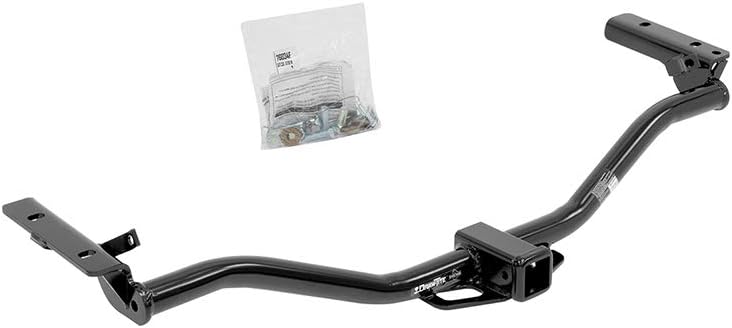
| Vehicle application | 2011–2019 Ford Explorer |
|---|---|
| Receiver size | 2 inch square |
| Maximum towing capacity | 4500 Pounds |
| Material | Stainless Steel |
The Draw-Tite Class 3 hitch is a custom-fit, all-welded steel receiver designed specifically for 2011–2019 Ford Explorer models. It installs to the factory frame using the supplied hardware and provides a hidden 2-inch receiver opening for bike racks, cargo carriers, and trailers. Key features include a black powder coat finish to resist corrosion and testing to V-5 and SAE J684 standards. In practice this hitch delivers dependable performance for weekend towing and accessory use, with a published gross trailer weight capacity of 4,500 lbs and tongue weight capacity of 675 lbs, and compatibility with weight-distribution systems. Several owners report a straightforward DIY install with common hand tools, though getting rusted factory fasteners free and repositioning the exhaust can add time. The hitch arrives mostly prepped but packaging sometimes leads to minor paint chips that are easily touched up. If you want a strong, factory-quality replacement that blends with the Explorer’s rear end and reliably handles typical towing tasks, this Draw-Tite is a practical, durable choice.
Best for: Buyers prioritizing reliability and a factory-quality, long-lasting hitch for regular recreational towing and accessory use on a Ford Explorer.
Less Ideal for: Drivers seeking a lightweight, universal or temporary mount solution or those who need higher-capacity commercial towing beyond 4,500 lbs should consider alternatives.
- Custom-fit design for a direct fit on 2011–2019 Ford Explorer, minimizing trimming or drilling
- Solid all-welded steel construction designed for strength under load
- 2-inch receiver supports common towing accessories and trailers
- Black powder coat finish offers corrosion resistance for long-term durability
- Installation can be slowed by seized factory fasteners and requires moderate mechanical skill and tools
- Packaging has resulted in occasional cosmetic paint chips on arrival
Verdict: A robust, factory-quality Class 3 hitch built for dependable, medium-duty towing on 2011–2019 Ford Explorer owners who value long-term reliability.
6. Draw-Tite Class 4 Trailer Hitch 2" Receiver for Ford Explorer (2020–2026)
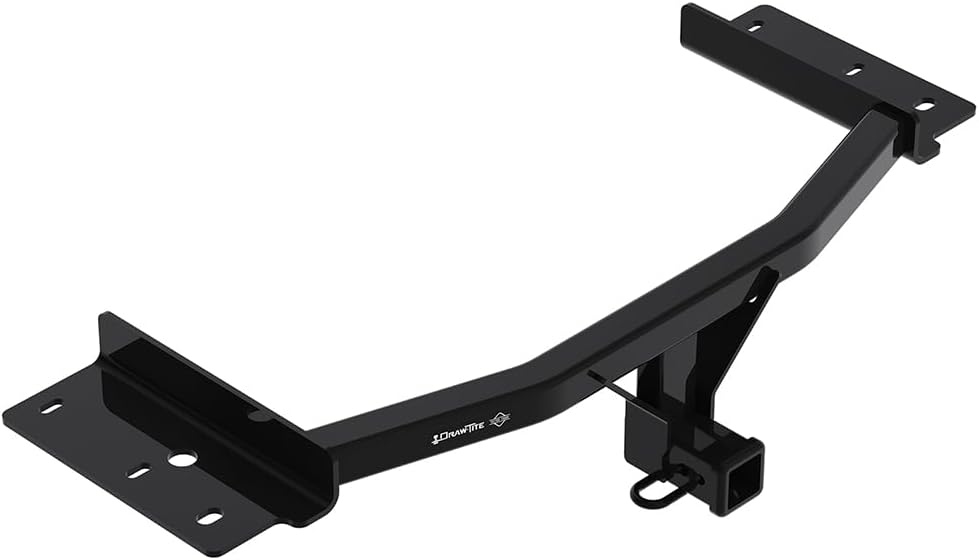
| Vehicle application | 2020–2026 Ford Explorer |
|---|---|
| Receiver opening | 2 inch square |
| Maximum towing capacity | 6000 Pounds |
| Maximum tongue weight | 900 Pounds |
This Draw-Tite Class 4 hitch is a custom-fit 2-inch receiver engineered for 2020–2026 Ford Explorer models. It mounts to the Explorer’s frame with the included hardware and is intended for towing trailers up to the hitch’s 6,000 lb gross trailer weight and 900 lb tongue weight limits. In day-to-day use it gives the Explorer a secure attachment point for bike racks, cargo carriers, and trailers without altering the vehicle’s appearance when not in use. Notable features include solid all-welded steel construction, a black powder coat finish for rust resistance, and design testing to V-5 and SAE J684 standards. Installation typically requires bumper removal and a helper or a floor jack to position the hitch, but many owners report straightforward bolt-on fitting when following the instructions. Limitations: the hitch is not compatible with weight distribution systems and some installers find the hardware fit or paint prep inconsistent, which may require touch-up paint or replacing fasteners. Also expect moderate installation time if you plan to do wiring or fascia work while installing.
Best for: Convenience-driven buyers who want a ready-made, vehicle-specific hitch that adds towing and cargo-carrying capability to a Ford Explorer with minimal fuss.
Less Ideal for: Drivers who require a hitch that works with weight distribution systems or those unwilling to perform moderate DIY installation and fascia removal should consider other options or professional installation.
- Custom-fit design specifically for 2020–2026 Ford Explorer for precise alignment
- Class 4 rating supports up to 6,000 lb GTW and 900 lb tongue weight for heavy-duty towing and accessories
- Solid all-welded steel construction with powder coat finish for strength and corrosion resistance
- Includes necessary mounting hardware and is tested to exceed common towing standards (V-5, SAE J684)
- Not approved for use with weight distribution systems
- Some users report paint chipping and inconsistent bolt length or fit requiring replacement hardware or touch-up
- Installation requires bumper removal and at least one helper or a floor jack to position the hitch
Verdict: A sturdy, vehicle-specific 2" Class 4 hitch that turns a Ford Explorer into a capable tow vehicle—just note it cannot be used with weight distribution systems and may need minor hardware or finish touch-ups.
7. CURT Class 3 Trailer Hitch 2" Receiver for Ford Explorer and Lincoln Aviator

| Material Type | Carbon Steel |
|---|---|
| Finish Type | Gloss, Powder-Coated |
| Compatible with Vehicle Type | Sport Utility Vehicle |
| Included Components | Class 3 Hitch |
This CURT Class 3 trailer hitch is a custom-fit receiver built for select Ford Explorer and Lincoln Aviator models and is intended for routine towing tasks like boats, campers and utility trailers. It installs by bolting to factory frame points and requires minor trimming of heat shields and the bumper fascia on some vehicle variants. Made from carbon steel with a co-cured liquid undercoat and powder coat finish, the hitch resists rust and chips for long-term use. It delivers a 2" receiver and a stated capacity of 6,000 lb gross trailer weight and 600 lb tongue weight, which covers most family trailers and small RVs. Installation can be heavy and awkward for one person so two people or a lift makes fitting faster, and instructions may require careful interpretation for heat-shield modifications. The concealed main body keeps a low-profile, factory-like appearance once installed, making it a practical, durable choice for mainstream owners who want a reliable, vehicle-specific hitch without custom fabrication.
Best for: Risk-averse mainstream buyers who prioritize a factory-quality, vehicle-specific hitch that reliably covers everyday towing needs and minimizes modification surprises.
Less Ideal for: Owners needing maximum heavy-duty towing beyond the stated capacity or those who want a universal or multi-vehicle hitch solution should look elsewhere.
- Vehicle-specific design for a precise fit to compatible Explorer/Aviator models
- Rated 6,000 lb GTW and 600 lb tongue weight suitable for common towing needs
- Durable carbon steel construction with co-cured undercoat and powder-coat finish for corrosion resistance
- Concealed main body gives a low-profile, near-factory look after installation
- May require trimming of heat shields and bumper fascia which can add time and require care
- Heavy assembly can be awkward for a single installer and is easier with two people
Verdict: A durable, vehicle-specific Class 3 hitch that provides a factory-like fit and 6,000 lb towing capacity for mainstream Ford Explorer and Lincoln Aviator owners.
Looking for the perfect fit?
Select your Ford Explorer configuration to see the most relevant Trailer Hitches recommendations
Choosing the Right Ford Explorer Trailer Hitch: Key Factors to Consider
Towing Capacity and Weight Ratings
Towing capacity determines what you can safely tow and is the first factor to verify. Match the hitch's gross trailer weight and tongue weight ratings to your planned trailers and loads to avoid overloading the vehicle or hitch. Higher weight ratings increase towing capability but may add complexity and weight. Ensure the hitch's ratings are compatible with the vehicle's own towing limits and remember that payload changes can affect safe towing margins.
Receiver Size and Compatibility
Receiver size dictates which accessories and ball mounts will fit. A 2 inch receiver is a common standard for many towing and accessory uses, but confirm the exact receiver dimension listed for the hitch. Compatibility with common accessories like cargo carriers, bike racks, and ball mounts affects versatility. Choosing the correct receiver size prevents fitment issues and keeps your options open for different towing setups.
Mounting Design and Vehicle Fitment
A hitch designed to mount to the Ford Explorer's frame points ensures secure installation and proper load transfer. Look for hitches that provide full-coverage mounting plates and use existing vehicle holes where possible to minimize drilling. Good fitment reduces stress on attachment points and helps maintain proper vehicle clearance. A vehicle-specific design simplifies alignment during installation and improves long-term reliability.
Material, Finish, and Corrosion Resistance
Durable materials and protective finishes extend hitch life, especially if you encounter road salt or coastal environments. Steel construction with a corrosion-resistant coating is common and helps prevent rusting where hardware and welds are exposed. A quality finish also reduces maintenance and keeps the hitch looking good under the bumper. Consider how the coating performs over time and whether fasteners are similarly protected.
Installation Complexity and Hardware
Installation difficulty varies by hitch design and the tools required. Some hitches bolt up with basic hand tools, while others call for vehicle lifting or more advanced tools. Check what hardware and instructions are included to estimate effort. Easier installs reduce time and potential for errors, while more complex installations may be better handled by professionals. Availability of clear instructions and hardware saves time and avoids surprises during the install process.
Accessory Compatibility and Clearance
Consider how the hitch interacts with accessories you plan to use, such as bike racks, cargo carriers, or towing mirrors. Clearance behind the bumper affects whether accessories sit level and whether rear sensors or exhaust components are impacted. A hitch that provides adequate clearance and standard mounting points will support a wider range of accessories and reduce interference with vehicle features. Planning for accessory fitment prevents frustrating compatibility problems after purchase.
How We Chose the Best Ford Explorer Trailer Hitch
We shortlisted products that specifically fit the Ford Explorer and that meet common towing and carrying needs for this vehicle. Our selection prioritized hitches designed for secure mounting to the Explorer's frame, verified receiver dimensions, and documented towing capacities appropriate for the vehicle class. We also considered materials and finish quality for corrosion resistance, the availability of installation hardware and instructions, and whether the hitch allowed for common accessories like bike racks and cargo carriers. We excluded universal-fit hitches without vehicle-specific fitment claims and any options lacking clear weight ratings or installation guidance. Final choices balanced strength, ease of install, long-term durability, and practical functionality relevant to Explorer owners.
Our full evaluation process is outlined in our review methodology.
FAQ
How do I know what towing capacity I need for my Ford Explorer?
Estimate the maximum trailer weight and tongue weight you expect to tow most often. Compare those numbers to the hitch's gross trailer weight and tongue weight ratings, and ensure the vehicle's rated towing capacity is not exceeded. Allow a safety margin for cargo, passengers, and any added equipment.
Can I install a trailer hitch myself, or should I get professional help?
Many hitches are designed for bolt-up installation with common tools, so experienced DIYers can handle them. However, if the install requires lifting the vehicle, drilling, or specialized torque procedures, a professional installer can ensure safe and correct mounting. Consider your comfort with tools and vehicle work before deciding.
What does receiver size mean and why is a 2 inch receiver common?
Receiver size refers to the internal dimensions of the hitch opening where accessories mount. A 2 inch receiver is widely used because it balances strength and accessory availability for towing and cargo solutions. Choosing the correct receiver size ensures your ball mount or rack will fit securely.
Will a hitch affect my vehicle's ground clearance or bumper lines?
Some hitches sit closer to the bumper while others extend lower. The mounting design and crossbar position determine ground clearance and how the hitch aligns with bumper lines. Reviewing fitment details helps avoid reduced clearance or unwanted visual impact.
How important is corrosion resistance for a trailer hitch?
Corrosion resistance matters because hitches are exposed to water, salt, and road debris. A robust finish and protected fasteners slow rust and extend service life. In harsher climates, prioritize coatings and materials designed to withstand corrosion for long-term durability.
What should I check before buying accessories for my hitch?
Confirm the hitch's receiver size and weight ratings first, then verify accessory compatibility with those dimensions. Also check for sufficient clearance behind the bumper and whether the hitch's design interferes with sensors or exhaust. Matching ratings and fit prevents unsafe setups and installation headaches.
Conclusion
Choose a Ford Explorer trailer hitch by matching the hitch's weight ratings and receiver size to how you plan to tow and carry accessories. Prioritize hitches that offer vehicle-specific mounting, corrosion-resistant materials, and clear installation hardware to reduce future issues. Balance ease of installation against the strength you need and consider accessory fitment and clearance before committing. Focusing on these factors will help you find a reliable hitch that meets your towing needs and integrates cleanly with the Explorer.
Explore More:
- Check out all Ford Explorer parts & accessories
- Explore Other Accessories
- Browse all Accessories
