

Note: This article contains affiliate links. If you click on these links and make a purchase, I may earn a small commission at no extra cost to you. This helps support my research and content. Read my full affiliate disclosure here.
If you tow regularly or occasionally with a 2011-2019 Ford Explorer, picking the right trailer hitch changes how the vehicle handles weight, braking, and trailer stability. The correct hitch preserves factory clearances and keeps towing within the vehicle's rated limits while minimizing noise and vibration.This guide shortlists seven top-rated trailer hitches specifically for the 2011-2019 Explorer. We evaluate each pick for load capacity, fitment and installation practicality, and corrosion resistance so you can select an option that matches how you tow. Read on to see how each hitch stacks up against the needs of Explorer owners and which features matter most when fitting your SUV.
Looking for other parts? See all Ford Explorer parts & accessories.
Top Picks at a Glance
| Best Overall Trailer Hitch The best all-around hitch balancing fit, strength, and value | Draw-Tite Class 3 Trailer Hitch 2" Receiver for 2011–2019 Ford Explorer |  |
| Best Budget Trailer Hitch A low-cost hitch that delivers safe towing on a tight budget | APS Rear Class 3 Trailer Hitch Receiver for Ford Explorer 2011-2017 |  |
| Best Premium Trailer Hitch A higher-end hitch with superior materials, finish, and features | CURT Class 3 Trailer Hitch 2-Inch Receiver (Fits Select Ford Explorer and Police Interceptor Utility) |  |
| Best Compact Trailer Hitch A low-profile hitch that preserves ground clearance and appearance | KUAFU Class 3 2" Trailer Hitch Receiver for 2011-2019 Ford Explorer |  |
| Best 2-Inch Receiver Trailer Hitch A standard 2-inch receiver for the widest accessory compatibility | Yeywo 2-Inch Receiver Trailer Hitch for Ford Explorer (2011–2019) |  |
| Best Easy-Install Trailer Hitch A hitch designed for straightforward, often no-drill installation | Autekcomma Class 3 Trailer Hitch Receiver for Ford Explorer (2011–2019) |  |
1. Draw-Tite Class 3 Trailer Hitch 2" Receiver for 2011–2019 Ford Explorer
Best Overall Trailer Hitch
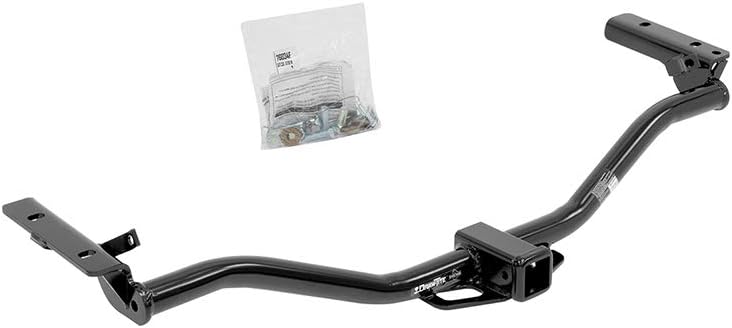
| Vehicle application | 2011-2019 Ford Explorer |
|---|---|
| Receiver size | 2 inch square |
| Maximum towing capacity | 4500 Pounds |
| Material | Stainless Steel |
This Draw-Tite Class 3 hitch is a custom-fit receiver for 2011–2019 Ford Explorer that turns the rear of the vehicle into a functional towing and cargo platform. It provides a 2-inch square receiver for bike racks, cargo carriers, and towing trailers within its 4,500 lb gross trailer weight and 675 lb tongue weight ratings, and is also usable with weight distribution systems up to 5,000 lb. The hitch is made from all-welded steel with a black powder coat finish for long-term corrosion resistance and is tested to V-5 and SAE J684 strength standards. Installation is vehicle-specific and includes the necessary mounting hardware, so most DIYers with basic tools can bolt it up without cutting or welding. The solid construction and factory-targeted fit minimize rattles and alignment issues, but like any vehicle-specific hitch it must be matched to the listed Explorer years and installed per torque specifications to achieve rated capacity.
Best for: Buyers who want a reliable, factory-style hitch for a Ford Explorer that balances towing capacity and ease of DIY installation for routine towing and accessory use.
Less Ideal for: People who need higher towing capacity than the listed ratings or who want a universal hitch that fits multiple vehicle makes and years.
- Vehicle-specific design for a precise fit on 2011–2019 Ford Explorer
- 2-inch receiver works with common racks, carriers, and trailer couplers
- Solid all-welded steel construction with black powder coat for corrosion resistance
- Rated 4,500 lb GTW and compatible with weight-distribution systems for heavier trailers
- Requires correct installation to reach rated capacities and proper wiring for trailer lights is not included
Verdict: The best all-around trailer hitch that balances reliable towing capacity, solid build quality, straightforward installation, and broad compatibility for most DIYers.
2. APS Rear Class 3 Trailer Hitch Receiver for Ford Explorer 2011-2017
Best Budget Trailer Hitch

| Compatible vehicles | Ford Explorer 2011-2017; Police Interceptor Utility 2013-2017 |
|---|---|
| Material | Carbon Steel |
| Finish | E-coat plus powder coat |
| Towing capacity | 4,000 lb (5,000 lb w/ distribution) |
| Tongue weight | 400 lb (500 lb w/ distribution) |
This APS Class 3 trailer hitch is a vehicle-specific bolt-on receiver made to fit Ford Explorer 2011-2017 and compatible Police Interceptor Utility 2013-2017. It is designed for straightforward installation with all mounting hardware and DIY instructions included, requiring no drilling for most installations. The hitch is constructed from carbon steel with a pretreated, e-coated and powder-coated finish to resist corrosion during regular use. Rated for a 4,000 lb towing capacity and 400 lb tongue weight (5,000 lb with weight distribution and 500 lb tongue weight with distribution), it covers common towing tasks like small trailers, bike racks, and cargo carriers. The main strengths are its vehicle-specific fit, complete hardware kit, and protective finish that extend service life for budget-conscious buyers. Limitations are that it is a basic, no-frills unit without premium features like integrated wiring or reinforced styling, and long-term durability can vary compared with higher-end brands that use heavier-gauge steel or extended warranties.
Best for: Buyers who need an affordable, functional towing receiver that fits Ford Explorer 2011-2017 and want a straightforward bolt-on installation with basic corrosion protection.
Less Ideal for: Drivers who tow heavy loads frequently, require advanced towing features, or prefer premium materials and longer manufacturer support should consider higher-end options.
- Vehicle-specific bolt-on design for a precise fit to Ford Explorer 2011-2017
- Includes all mounting hardware and DIY instructions for no-drill installation
- Carbon steel construction with e-coat and powder coat for improved rust resistance
- Towing ratings suitable for everyday loads: 4,000 lb gross towing and 400 lb tongue weight
- Does not include integrated wiring or electrical accessories for trailer lights
Verdict: The best budget trailer hitch for buyers who need a safe, functional towing solution with acceptable materials and basic features while keeping costs minimal.
3. CURT Class 3 Trailer Hitch 2-Inch Receiver (Fits Select Ford Explorer and Police Interceptor Utility)
Best Premium Trailer Hitch

| Maximum Towing Capacity | 4000 Pounds |
|---|---|
| Tongue Weight | 400 Pounds |
| Weight Distribution Capacity | 5000 Pounds |
| Receiver Size | 2 inches |
| Material | Carbon Steel |
This CURT Class 3 trailer hitch is a vehicle-specific 2-inch receiver designed to fit select Ford Explorer and Police Interceptor Utility models. It is built from high-strength carbon steel with precise welding and a co-cured liquid A-coat plus black powder coat finish for strong corrosion resistance. Install typically replaces or mounts to factory locations and is used for towing utility trailers, small campers, boats, and hitch-mounted accessories. The hitch is rated at 4,000 lbs gross trailer weight and 400 lbs tongue weight, and it is also compatible with a weight distribution setup that increases the rating to 5,000 lbs WD. Notable features include the dual-layer finish, factory-style fitment, and SAE J684 testing for safety. Practical benefits are a secure, factory-like fit, robust build quality, and better long-term resistance to rust and chipping compared with basic hitches. Trade-offs are that this is a vehicle-specific fit so it only works for the listed Explorer/PIU applications and its 2-inch receiver limits it to class 3 accessories and not heavier class 4 uses.
Best for: Buyers who prioritize corrosion protection, tight factory-style fit, and higher-quality materials for regular towing or long-term ownership of a 2011–2019 Ford Explorer or Police Interceptor Utility.
Less Ideal for: Shoppers who need a universal hitch for multiple vehicles or who plan to tow very heavy trailers that require a class 4 hitch should look elsewhere.
- Vehicle-specific design for a precise, factory-style fit
- Durable co-cured liquid A-coat plus powder coat finish for improved corrosion and chip resistance
- Robust carbon steel construction and controlled welding for strength and reliability
- 2-inch receiver provides broad compatibility with common class 3 towing accessories
- Limited to the select Ford Explorer and Police Interceptor Utility applications so not universal
Verdict: The best premium trailer hitch for buyers willing to pay more for top-tier materials, corrosion protection, higher load margins, and refined fit-and-finish.
4. KUAFU Class 3 2" Trailer Hitch Receiver for 2011-2019 Ford Explorer
Best Compact Trailer Hitch

| Trailer Receiver Size | 2" |
|---|---|
| Maximum Towing Capacity | 4000 Pounds |
| Max GTW w/ weight distribution | 5000 Pounds |
| Material Type | Alloy Steel |
| Finish Type | Powder Coated |
This KUAFU Class 3 trailer hitch is a vehicle-specific 2" receiver built to bolt to 2011–2019 Ford Explorer and 2013–2017 Police Interceptor Utility frames. It provides a solid all-welded alloy steel construction with a powder-coated finish that resists corrosion and handles everyday towing needs. The hitch is rated for a 4,000 lb gross trailer weight and up to 5,000 lb with a weight-distributing setup, and the package includes the ball, mounting hardware, and instructions for a straightforward install. In use it tucks close to the vehicle frame and keeps a low profile, preserving rear clearance and a cleaner rear appearance compared with bulkier aftermarket assemblies. Expect a straightforward fit when matched to the listed Explorer years, but professional installation is recommended to ensure torque specs and alignment. The hitch is practical for hauling trailers, cargo carriers, and towing accessories but does not include electronic wiring for trailer lights or integrated sway control components, so plan to purchase wiring or towing extras separately.
Best for: Buyers who prioritize a slim, frame-hugging hitch that preserves rear clearance and a clean factory-like look on 2011–2019 Ford Explorer vehicles and want a robust welded receiver ready for common towing tasks.
Less Ideal for: Drivers who need built-in wiring, advanced towing electronics, or heavier commercial towing capacity should consider hitches or kits with integrated electrical and higher ratings.
- Vehicle-specific fit for 2011–2019 Ford Explorer and 2013–2017 Police Interceptor Utility for a near-factory fitment
- All-welded alloy steel construction with powder-coated finish for durability and corrosion resistance
- Includes 2" receiver tube and basic mounting hardware plus trailer ball for a complete basic towing setup
- Rated up to 4,000 lb GTW and 5,000 lb with weight distribution, suitable for most small to mid-size towing jobs
- No integrated trailer wiring or electrical harness included
Verdict: The best compact trailer hitch for buyers who want a slim, low-profile design that tucks close to the frame to maintain clearance and a clean look.
5. Yeywo 2-Inch Receiver Trailer Hitch for Ford Explorer (2011–2019)
Best 2-Inch Receiver Trailer Hitch

| Maximum Towing Capacity | 4000 Pounds |
|---|---|
| Pull Force | 4000 Pounds |
| Automotive Fit Type | Vehicle Specific Fit |
| Material Type | Metal |
| Finish Type | Powder Coated |
This Yeywo trailer hitch is a vehicle-specific Class 3 2-inch receiver designed for 2011–2019 Ford Explorer and Police Interceptor Utility models. It installs as a three-piece kit that simplifies mounting and gives installers room to align hardware; once fitted it provides a common 2-inch receiver opening that accepts standard ball mounts, bike racks, and cargo carriers. The hitch is rated for up to 4,000 pounds gross trailer weight and 400 pounds tongue weight and the listing notes compatibility with weight-distribution systems for heavier setups. The metal construction and a multi-layer powder coating are intended to resist rust and abrasion in outdoor use. Practical benefits include broad accessory compatibility because of the standard receiver size and a vehicle-specific fit that preserves bumper clearance. Limitations to note are that proper installation may require tools and some underbody access, and buyers should confirm the rating matches their trailer and towing equipment before use.
Best for: Buyers who want a factory-style, vehicle-specific hitch that uses the common 2-inch receiver so they can use a wide variety of ball mounts and accessories for towing, bike racks, or cargo carriers.
Less Ideal for: Drivers who need a higher towing capacity than 4,000 lb or who prefer a hitch welded to a custom frame should consider heavier-duty or alternative mounting solutions.
- Standard 2-inch receiver fits most ball mounts and accessories
- Vehicle-specific design for 2011–2019 Ford Explorer models simplifies fitment
- 4,000 lb gross trailer weight rating supports a wide range of towing tasks
- Triple-layer powder coat finish improves corrosion and abrasion resistance
- Installation requires under-vehicle access and basic tools and may be easier with two people
Verdict: The best 2-inch receiver trailer hitch for shoppers who need the common receiver size that supports the largest range of ball mounts, accessories, and towing setups.
6. Autekcomma Class 3 Trailer Hitch Receiver for Ford Explorer (2011–2019)
Best Easy-Install Trailer Hitch

| Compatible Vehicle Type | Ford Explorer 2011-2019, Police Interceptor Utility 2013-2019 |
|---|---|
| Maximum Towing Capacity | 4000 Pounds |
| Pull Force | 4000 Pounds |
| Material Type | Carbon Steel |
| Finish Type | Black Matte Powder Coated |
This Autekcomma Class 3 trailer hitch converts compatible Ford Explorer and Police Interceptor Utility models into a standard 2" x 2" receiver for towing, bike racks, or cargo carriers. Designed as a vehicle-specific, bolt-on unit it installs without drilling using the supplied hardware and detailed manual, which makes it appealing for DIYers who want a straightforward fitment. The hitch is made from carbon steel with a dual-coat finish and black powder coat to resist rust, chipping, and UV exposure, and it includes a hitch cover to keep debris out of the receiver tube. Rated for a 4,000 lb gross trailer weight and 400 lb tongue weight, it also lists higher weight-distribution limits subject to the lowest-rated component in the towing setup. Installation is relatively quick for someone comfortable working under the bumper, but the product is vehicle-specific so fitment must be confirmed before purchase and any heavier towing should consider the rest of the towing system. Overall it delivers a strong, factory-style attachment with minimal installation effort for owners who need a reliable 2" receiver.
Best for: DIY owners of 2011–2019 Ford Explorer or 2013–2019 Police Interceptor Utility who want a fast, bolt-on installation and a standard 2" receiver for towing or cargo carrying.
Less Ideal for: Drivers who need trailer wiring, sway control components, or higher towing capacity without upgrading other towing system parts should look at complete towing packages or professional installation.
- Vehicle-specific bolt-on design eliminates drilling for most installs
- 2" x 2" Class 3 receiver supports common accessories like ball mounts and hitch racks
- Durable carbon steel construction with dual-coat and powder finish for corrosion resistance
- Includes hitch cover and all required hardware with installation manual
- Fitment limited to Ford Explorer 2011–2019 and Police Interceptor Utility 2013–2019 so not universal
Verdict: The best easy-install trailer hitch for DIYers who prioritize a simple, low-effort installation process, often featuring bolt-on or no-drill fitment and clear instructions.
Choosing the Right 2011-2019 Ford Explorer Trailer Hitch: Key Factors to Consider
Hitch Class and Weight Rating
Hitch class and the stated trailer hitch weight rating directly determine what you can tow and what tongue weight the hitch will support. For the 2011-2019 Ford Explorer, matching the hitch class to your typical trailer and accessory loads prevents overloading the vehicle and preserves braking and handling.
Look at both the tongue weight rating and maximum gross trailer weight. A higher class hitch may offer greater capacity, but you must also ensure the vehicle nd its drivetrain are rated for that load. Operating a hitch near its limits increases wear on suspension and brakes, so choose a rating that leaves a margin for safety and cargo variation.
Receiver Size and Accessory Compatibility
Receiver size determines which accessories and towing gear will fit without adapters. The 2 inch hitch receiver is the most common for SUV towing and supports a wide range of ball mounts, cargo carriers, and hitch-mounted accessories.
Confirm the receiver opens to the correct dimensions and that the hitch pin hole aligns with common accessory patterns. Using adapters to change receiver size can reduce capacity and add sway, so it is better to select a hitch with the right receiver size for your intended accessories.
Fitment and Vehicle-Specific Mounting
A vehicle-specific hitch designed for the 2011-2019 Explorer will align with factory mounting points, avoiding trim removal or bumper modification in most cases. Proper fitment reduces installation time and ensures the hitch sits correctly relative to the vehicle frame and exhaust.
Poorly fitted hitches can rub on the bumper, block sensors, or change ground clearance unexpectedly. Verify that the hitch design preserves factory sensors and spare tire clearance where applicable, and check whether any trim panels must be temporarily removed during install.
Installation Complexity and Required Tools
Installation difficulty affects total time and whether you can do the job yourself or need shop help. Some hitches use a basic bolt-on approach that works with common hand tools, while others require drilling, trimming, or supporting brackets that increase complexity.
Consider whether you have access to lifts or ramps, and check for special hardware like torque-rated bolts. If you plan to install the hitch yourself, choose one with clear instructions and minimal cutting or welding. Installation complexity also ties into hitch installation cost when professional labor is required.
Corrosion Protection and Finish
Hitches are exposed to moisture, salt, and road debris, so the finish and corrosion protection determine long-term durability. Powder-coated finishes, e-coated base layers, and rust-resistant hardware extend service life and reduce maintenance.
Inspect the finish around welds and mounting holes because these areas are vulnerable. Better protection lowers the likelihood of structural corrosion that can compromise the hitch nd lead to costly replacement down the line.
Ground Clearance and Rear Bumper Impact
Hitch placement affects ground clearance and approach or departure angles, which matters if you encounter steep driveways, ramps, or unpaved roads. A hitch that hangs too low increases the risk of catching on obstacles and can damage the hitch or bumper.
Measure how the hitch sits relative to the rear bumper and check whether the receiver restricts cargo access or blocks rear sensors. If you plan on carrying hitch-mounted cargo carriers, account for the extra length and how it changes the vehicle's turning radius and rear overhang.
Common Receiver Types and What They Mean
Receiver hitches come in a few standard sizes and mount styles. For Explorer owners, a 2 inch receiver balances versatility and strength for most towing and accessory needs, while larger receivers are reserved for heavier trailers or commercial use.
Choosing the receiver type also affects available accessories and the need for adapters. Stay within the rated capacity of both the receiver and the hitch when selecting ball mounts, bike racks, or cargo carriers.
- 2 inch receiver: standard for SUVs, wide accessory support
- Larger receivers: higher capacity but bulkier and less common
- Shank length and drop: affects trailer angle and ground clearance
Bolt-On Vs. Welded Hitches: Pros and Cons
Bolt-on hitches are the most common for passenger vehicles because they avoid permanent modifications to the frame and can be removed if needed. They typically require only hand tools and torque wrenches when the hitch uses existing factory holes.
Welded hitches may offer a lower profile or custom clearances but generally require a professional weld and are less desirable for owners who want reversibility. Consider corrosion protection at welds and factor in installation complexity when choosing between styles.
- Bolt-on: easier to install, reversible, fewer modifications
- Welded: potential for custom fit, usually requires professional work
How Hitch Placement Affects Vehicle Handling
Placing weight behind the rear axle changes load distribution and can increase rear squat, influence steering feel, and lengthen braking distances. Properly matching tongue weight and trailer mass helps preserve normal handling characteristics for the Explorer.
Use a trailer with weight distributed toward the tongue and avoid exceeding recommended tongue weight percentages. If you frequently tow heavy loads, consider suspension upgrades or anti-sway devices to maintain stable handling.
- Keep tongue weight within recommended range to avoid excessive squat
- Anti-sway or weight-distributing systems help with heavier trailers
- Monitor tire pressure and brake effectiveness when towing
Electrical and Wiring Considerations
Towing requires proper wiring for lights and, in some cases, trailer brakes. Many hitches are sold separately from wiring harnesses, so confirm whether an integrated plug or harness is part of the system or needs to be purchased and installed.
For the Explorer, look for wiring solutions that tie into factory connectors without cutting harnesses, and consider controllers that support trailer brake systems if you tow trailers above the vehicle raking threshold. Proper connectors and secure routing reduce the chance of corrosion and intermittent lighting faults.
- Choose harnesses that use factory-style plugs when possible
- Plan routing to avoid heat sources and moving parts
- Consider a brake controller if trailer weight requires auxiliary braking
Maintaining Your Hitch for Longevity
Regular inspection and maintenance keep a hitch functioning safely. Clean the hitch and receiver periodically, especially after exposure to salt or mud, and touch up chipped finishes to prevent rust.
Lubricate the hitch pin and check torque on fasteners after the first few hundred miles of towing and then at regular service intervals. Replace damaged hardware and keep an eye on welds and mounting points for signs of fatigue.
- Rinse and dry after exposure to road salt
- Inspect fasteners and torque settings periodically
- Touch up paint and protect exposed metal to prevent corrosion
Still looking for the perfect fit?
Select your Ford Explorer configuration to see the most relevant Trailer Hitches recommendations
How We Chose the Best 2011-2019 Ford Explorer Trailer Hitch
We shortlisted trailer hitches that offer secure, vehicle-specific fitment for the 2011-2019 Ford Explorer and then applied a consistent set of editorial filters. Key criteria included hitch weight rating and class, tow capacity alignment with Explorer towing specs, and whether the receiver type matched common accessory sizes such as a 2 inch hitch receiver. We also prioritized fitment accuracy and how the hitch interacts with the Explorer frame and bumper to avoid interference with factory sensors and trim.Installation practicality was assessed by looking at bolt-on versus weld-in designs, required tools, and whether supplemental hardware or drilling is necessary. Corrosion protection and finish quality were evaluated because hitches are exposed to road salt and moisture. Ground clearance and impact on departure angle were considered for owners who use the Explorer off-highway or on steep driveways. Finally, we excluded universal-fit or non-vehicle-specific hitches and products without clear specification sheets or mounting instructions. This process ensured the list focuses on reliable, installable options suited to the Explorer's chassis and towing use cases.
Our full evaluation process is outlined in our review methodology.
FAQ
What hitch class should I choose for towing with a 2011-2019 Ford Explorer?
It often depends on the trailer weight you expect to tow. Many Explorer owners find a Class III-style capacity appropriate because it supports typical recreational trailers and accessory loads, but you should match the hitch nd receiver ratings to the Explorer's towing limits and leave a safety margin.
Can I install a trailer hitch myself on a 2011-2019 Explorer?
You usually can if the hitch is a bolt-on design and you have basic hand tools, a torque wrench, and access to jack stands or ramps. Install times vary, and hitches requiring drilling or trimming may be better handled by a professional.
Will adding a hitch affect my Explorer's rear sensors or bumper fitment?
A properly designed vehicle-specific hitch should preserve bumper fit and leave parking sensors functional. Confirm the product notes for any recommended trim removal or sensor relocation steps before purchase and installation.
Do I need a wiring harness when I install a trailer hitch?
Yes, towing requires appropriate wiring for brake lights and turn signals, and heavier trailers may need a dedicated trailer brake controller. Some harnesses connect to factory plugs to avoid cutting the vehicle wiring harness.
How can I avoid corrosion on my hitch over time?
Choose a hitch with a durable finish such as powder coat or e-coating and rinse the hitch after exposure to salt or mud. Regularly inspect welds and fasteners and touch up any chipped areas to prevent rust from spreading.
Does adding a hitch change my towing insurance or vehicle warranty?
Adding a hitch itself usually does not void warranty coverage for unrelated systems, but installation that alters the frame or causes damage could affect warranty claims. Check your vehicle warranty terms and consult your dealer or a qualified installer if you are unsure.
Final Verdict
When choosing a trailer hitch for a 2011-2019 Ford Explorer, prioritize a hitch class and weight rating that align with both the trailer and the Explorer's towing limits. Fitment, receiver size, and installation complexity shape the practical usability of the hitch, while corrosion protection and ground clearance determine long-term durability and everyday convenience.Balance capacity with the vehicle apabilities and factor in wiring and any suspension needs for frequent heavy towing. With the right focus on rating, fitment, and installation, you can select a hitch that delivers safe, predictable towing for your Explorer.
Explore More:
- Check out all Ford Explorer parts & accessories
- Explore Other Accessories
- Browse all Accessories
