

Note: This article contains affiliate links. If you click on these links and make a purchase, I may earn a small commission at no extra cost to you. This helps support my research and content. Read my full affiliate disclosure here.
If you tow a trailer, carry a bike rack, or fit a cargo carrier on a 2026 Ford Explorer, choosing the right tow hitch receiver matters for safety and convenience. The correct receiver keeps loads stable, preserves vehicle clearance, and avoids exhaust or bumper interference. This guide shortlists seven top tow hitch receivers suited to the 2026 Explorer and the 2020-present generation, focusing on secure fitment, rated towing capacity, and installation method.You'll find compact explanations of key specs, installation approaches, and practical tradeoffs to help you pick the unit that matches the loads and uses you expect. Read on for the decision points we used to create the shortlist and the follow-up sections covering compatibility, towing setup, and installation considerations.
Looking for other parts? See all Ford Explorer parts & accessories.
Top Picks at a Glance
| Best Overall Tow Hitch Receiver The best all-around hitch balancing strength, fit, and ease of use | Draw-Tite Class 4 Trailer Hitch 2" Receiver for 2020–2026 Ford Explorer / Lincoln Aviator |  |
| Best Budget Tow Hitch Receiver A low-cost receiver that delivers basic towing capability without extras | KUAFU 2" Class 3 Trailer Hitch Receiver for 2020-2026 Ford Explorer / Lincoln Aviator |  |
| Best Premium Tow Hitch Receiver A higher-end receiver with superior materials, finish, and extra features | Draw-Tite 76910 Hidden Hitch 2 in. Removable Receiver for 2020-2026 Ford Explorer |  |
| Best Class III Tow Hitch Receiver A receiver sized and rated for moderate to heavy towing duties | CURT Class 3 Trailer Hitch 2-Inch Receiver (Fits Select Ford Explorer / Police Interceptor Utility) |  |
| Best Low-Profile Tow Hitch Receiver A compact, sleek receiver that preserves ground clearance and appearance | CURT Class 3 Trailer Hitch Receiver 2" for Ford Explorer and Lincoln Aviator |  |
| Best Heavy-Duty Tow Hitch Receiver A high-strength receiver built for larger loads and frequent towing | ALMULOO Class 4 2" Trailer Tow Hitch Receiver for 2020–2026 Ford Explorer & Lincoln Aviator |  |
| Best Corrosion-Resistant Tow Hitch Receiver A receiver with enhanced coatings or stainless components for long life | Tuxtreme Class 3 2" Trailer Hitch Receiver for Ford Explorer / Lincoln Aviator |  |
1. Draw-Tite Class 4 Trailer Hitch 2" Receiver for 2020–2026 Ford Explorer / Lincoln Aviator
Best Overall Tow Hitch Receiver
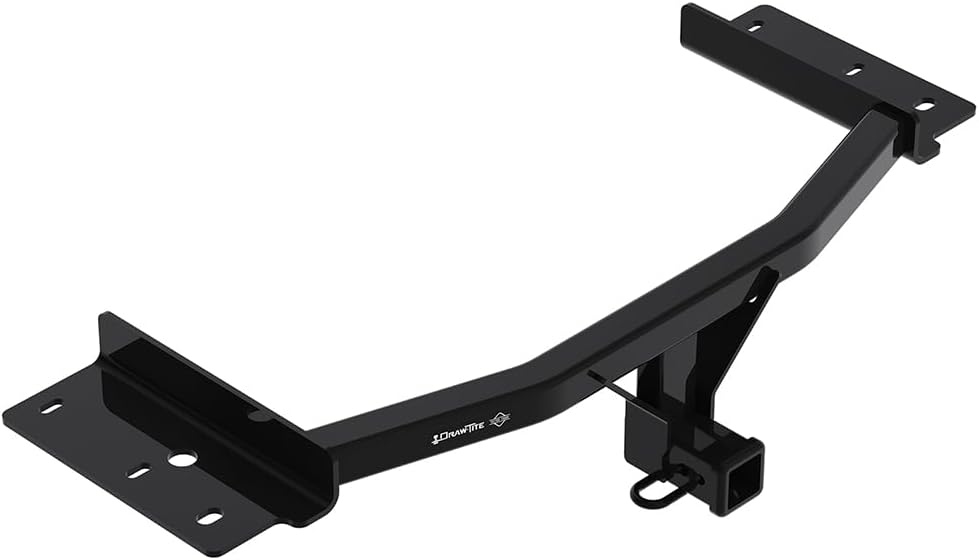
| Vehicle application | 2020-2026 Ford Explorer, 2020-2026 Lincoln Aviator |
|---|---|
| Receiver size | 2 inch square |
| Maximum towing capacity | 6000 Pounds |
| Maximum tongue weight | 900 Pounds |
| Material | Alloy Steel |
This Draw-Tite Class 4 hitch is a vehicle-specific receiver designed to mount to 2020–2026 Ford Explorer and 2020–2026 Lincoln Aviator frames and provide a solid, all-welded towing attachment. In daily use it gives you a 2-inch square receiver for bike racks, cargo carriers, and trailers, and it is rated to 6,000 lb GTW and 900 lb tongue weight for hauling boats, campers, or heavy cargo without needing complex adapters. The hitch arrives with the mounting hardware and a factory-style powder coat that resists corrosion; Draw-Tite notes it is tested beyond common V-5 and SAE J684 standards. Installation is straightforward for a competent DIY mechanic with basic tools, though some trimming or panel access may be needed depending on vehicle trim. Important limits: it is not compatible with weight-distribution systems and its 900 lb tongue weight may be restrictive for heavier tongue-heavy trailers. For owners who want a durable, custom-fit receiver that covers most towing tasks, this is a practical choice.
Best for: Buyers who need a dependable, factory-style receiver for routine towing and accessory mounting on a 2020–2026 Explorer or Lincoln Aviator and who prefer a straightforward installation they can handle themselves.
Less Ideal for: People who plan to tow with a weight-distribution setup or who regularly haul trailers with tongue weights above the hitch rating should look for a different solution.
- Vehicle-specific fit for 2020–2026 Ford Explorer and Lincoln Aviator ensures proper alignment and bolt locations
- Solid all-welded alloy steel construction for long-term strength
- Rated 6,000 lb GTW and 900 lb tongue weight for a wide range of trailers and accessories
- Includes mounting hardware and a black powder-coat finish for corrosion resistance
- Tested to exceed V-5 and SAE J684 towing standards
- Not compatible with weight distribution systems, limiting use with some heavier trailers
- 900 lb tongue weight may be insufficient for very tongue-heavy loads
Verdict: The best all-around tow hitch receiver that balances reliable build quality, straightforward installation, and broad towing capability for most DIY mechanics' needs.
2. KUAFU 2" Class 3 Trailer Hitch Receiver for 2020-2026 Ford Explorer / Lincoln Aviator
Best Budget Tow Hitch Receiver

| Receiver Size | 2 inches |
|---|---|
| Gross Towing Weight | 6000 Pounds |
| Maximum Tongue Weight | 900 Pounds |
| Material Type | Alloy Steel |
| Finish Type | Powder Coated |
This KUAFU Class 3 trailer hitch provides a straightforward, budget-focused option to add a 2-inch receiver to 2020-2026 Ford Explorer and Lincoln Aviator models. It is made from alloy steel with a black powder coat for corrosion resistance and ships with mounting hardware and instructions for bolt-up installation, though professional installation is recommended. The hitch is rated for 6,000 lb gross towing and 900 lb tongue weight, so it covers typical towing tasks like small trailers, boats, and cargo carriers without premium features such as integrated wiring or reinforced crossmembers. Practical benefits include a factory-style fitment for the specified vehicles, a common receiver size for accessories, and a durable finish that withstands road exposure. Limitations are the stripped-down feature set and the likelihood of needing a shop for installation if you lack tools or experience; buyers should also confirm any required vehicle modifications described by the manufacturer before fitting.
Best for: Buyers who need a safe, factory-style 2-inch receiver for their 2020–2026 Explorer or Aviator and prioritize low cost and reliable towing capacity over extra features.
Less Ideal for: People who want a fully featured hitch with wiring, enhanced reinforcement, or a plug-and-play installation experience should consider higher-end alternatives.
- Vehicle-specific fit for 2020-2026 Ford Explorer and Lincoln Aviator
- Class 3 2-inch receiver supports up to 6,000 lb gross towing and 900 lb tongue weight
- Alloy steel construction with black powder coat for corrosion resistance
- Includes mounting hardware and installation instructions
- No integrated wiring or accessory features included
- May require professional installation or vehicle modification
Verdict: The best budget tow hitch receiver for buyers who need a safe, functional hitch at a low price and are willing to trade premium features for savings.
3. Draw-Tite 76910 Hidden Hitch 2 in. Removable Receiver for 2020-2026 Ford Explorer
Best Premium Tow Hitch Receiver

| Maximum Towing Capacity | 3500 Pounds |
|---|---|
| Pull Force | 3500 Pounds |
| Automotive Fit Type | Vehicle Specific Fit |
| Material Type | Alloy Steel |
| Finish Type | Powder Coated |
This Draw-Tite 76910 hidden hitch is a custom-fit Class 3 receiver designed for 2020–2026 Ford Explorer (and Lincoln Aviator) owners who want a tidy, factory-like installation. It installs under the bumper so the 2 inch removable receiver stays out of sight when not in use, and the solid all-welded alloy steel construction and two-part black powder coat provide corrosion resistance and durable strength. The hitch is rated to 3,500 pounds GTW with a 350 pound tongue weight, which covers most light trailers, bike racks, and cargo carriers without a weight distribution system. Draw-Tite includes mounting hardware and backs the design with a lifetime limited warranty, and the custom fit reduces trimming or modification during install. Limitations are clear: it is vehicle-specific so it will only fit the listed Explorers and cannot be used with weight distribution systems, and buyers towing heavier trailers will need a higher-capacity class hitch. For mechanics focused on premium materials and a restrained, hidden appearance, this hitch delivers a durable, refined solution.
Best for: Mechanics and owners prioritizing a premium, factory-integrated look and durable materials who want a long-lasting tow solution for light to moderate towing on 2020–2026 Ford Explorer models.
Less Ideal for: Drivers who regularly tow heavy trailers requiring weight distribution or those needing a universal hitch that fits multiple vehicle models should look elsewhere.
- Hidden, removable 2 inch receiver keeps rear styling clean when not towing
- Solid all-welded alloy steel construction for strength and longevity
- Two-part black powder coat finish resists corrosion and road wear
- Custom-fit design specific to 2020–2026 Ford Explorer for straightforward installation
- Rated 3,500 lb GTW and 350 lb tongue weight suitable for most light towing needs
- Not compatible with weight distribution systems
- Vehicle-specific fit limits reuse on other models
Verdict: The best premium tow hitch receiver for mechanics who want top-tier materials, refined finishes, and added convenience features and are willing to pay more for longevity and performance.
4. CURT Class 3 Trailer Hitch 2-Inch Receiver (Fits Select Ford Explorer / Police Interceptor Utility)
Best Class III Tow Hitch Receiver

| Receiver size | 2 inches |
|---|---|
| Maximum towing capacity | 4000 Pounds |
| Tongue weight | 400 Pounds |
| Finish type | GLOSS BLACK POWDER COAT |
This CURT Class 3 hitch installs at the rear of select Ford Explorer and Police Interceptor Utility models to provide a standard 2-inch receiver for towing trailers and mounting common hitch accessories. It is engineered as a vehicle-specific kit so bolt points and fitment align with factory mounting locations, making installation straightforward for a competent DIYer or installer. The hitch is constructed from high-strength carbon steel with precise welding and a co-cured liquid A-coat plus powder coat for long-term corrosion and chip resistance. Capacity is 4,000 lb GTW and 400 lb TW with compatibility for a weight-distribution system that increases WD capacity to 5,000 lb. That makes it well suited for utility trailers, small campers, boats, and hitch-mounted cargo or bike carriers. Limitations are typical of a class 3 receiver: it does not support heavier commercial towing and requires verifying vehicle year/application before purchase to ensure fitment. The solid build and factory-style finish mean it blends with the vehicle and holds up to regular trailering use.
Best for: Buyers who want a mid-range, versatile hitch for a Ford Explorer or Police Interceptor Utility and prioritize a factory-style fit, corrosion protection, and the common 2-inch receiver for trailers and accessories.
Less Ideal for: Drivers who need heavy commercial towing beyond 4,000 lb GTW or a larger receiver size should consider higher-class hitches or heavier-duty alternatives.
- Vehicle-specific design for a precise, factory-style fit
- 2-inch receiver compatible with wide range of mid-range trailers and accessory mounts
- 4,000 lb gross trailer weight rating with optional 5,000 lb weight-distribution capability
- Durable dual-coat finish and sturdy welded carbon-steel construction for corrosion resistance
- Tested to SAE towing standards for safety and reliability
- Fits only select Ford Explorer and Police Interceptor Utility model years so fitment must be verified before buying
Verdict: The best Class III tow hitch receiver for buyers who need a standard mid‑range towing capacity and a common, versatile receiver size for trailers and accessories.
5. CURT Class 3 Trailer Hitch Receiver 2" for Ford Explorer and Lincoln Aviator
Best Low-Profile Tow Hitch Receiver

| Receiver size | 2" |
|---|---|
| Gross trailer weight | 6,000 lb |
| Tongue weight | 600 lb |
| Material | Carbon Steel |
| Finish | Powder-coated with co-cured undercoating |
This CURT Class 3 hitch is a custom-fit receiver designed to integrate cleanly with the Explorer and Aviator rear structure while providing a full 2" opening for standard ball mounts and hitch accessories. It installs as a vehicle-specific kit that conceals the main body for a near-factory appearance and uses high-strength carbon steel with precision welding and a co-cured powder coat finish to resist corrosion. Rated for 6,000 lb gross trailer weight and 600 lb tongue weight, it covers most towing needs from small campers to boat trailers while keeping the receiver low-profile so it does not protrude far below the bumper. The main benefits are a tidy, factory-like look and solid towing capacity without sacrificing a usable 2" receiver. The hitch is heavier and built for strength, so expect a substantial piece to handle the load, and final fit requires verifying model-year application before purchase.
Best for: Buyers who want a nearly invisible, factory-style hitch that preserves a full 2" receiver for towing and accessories while improving ground clearance and curb appeal.
Less Ideal for: Shoppers seeking a lightweight universal hitch or a no-cut bolt-on option for multiple vehicle makes should consider alternatives tailored to those needs.
- Vehicle-specific design that conceals the main body for a factory-integrated low-profile appearance
- 2" receiver tube keeps full accessory compatibility with standard ball mounts and racks
- 6,000 lb gross trailer weight and 600 lb tongue weight rating suitable for most mid-size towing needs
- Durable carbon steel construction with co-cured liquid undercoating and powder coat finish for corrosion resistance
- Hefty unit weight may require two people to handle during installation
Verdict: The best low-profile tow hitch receiver for owners who prioritize minimal visual impact and improved ground clearance while keeping a usable hitch opening.
6. ALMULOO Class 4 2" Trailer Tow Hitch Receiver for 2020–2026 Ford Explorer & Lincoln Aviator
Best Heavy-Duty Tow Hitch Receiver
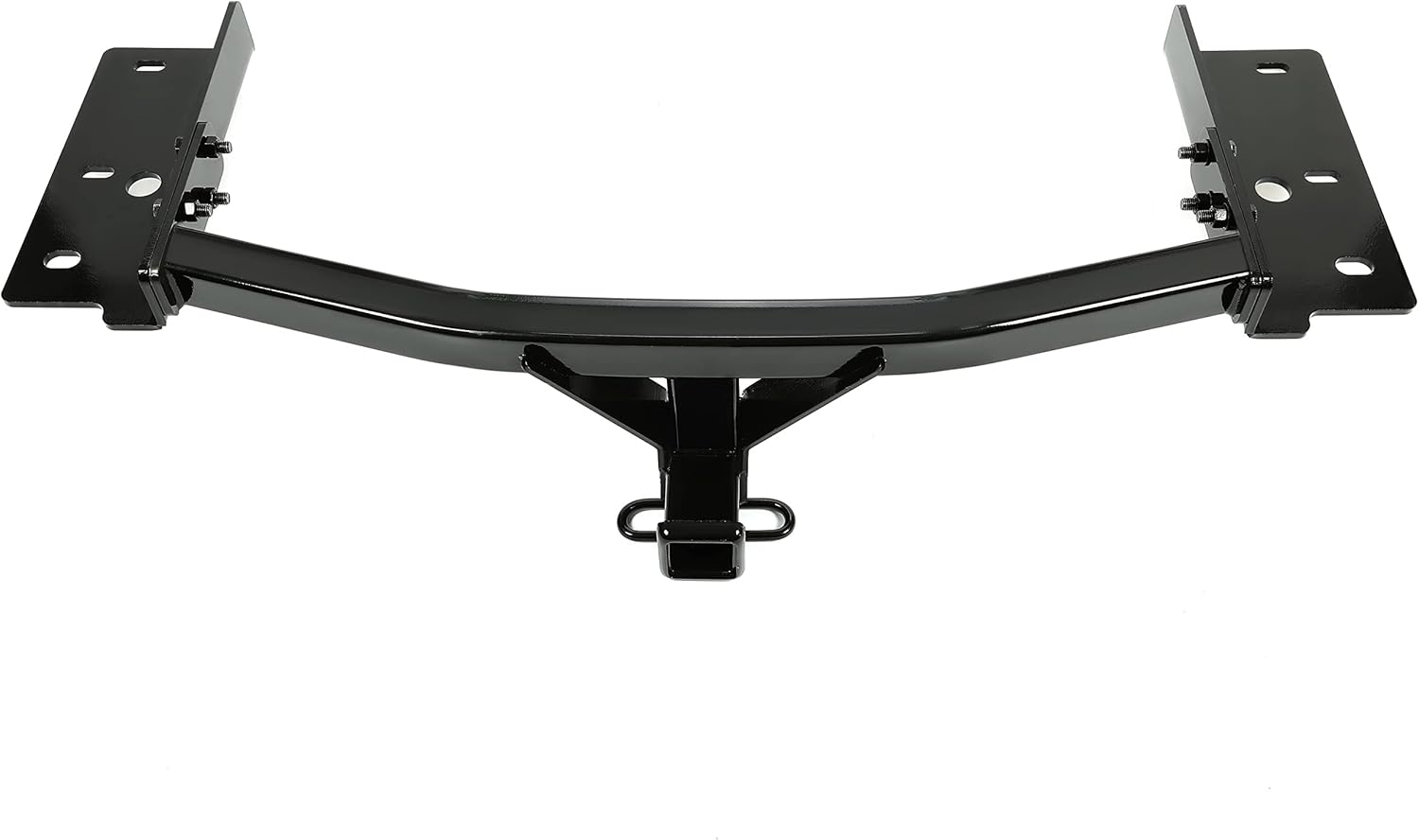
| Item Type Name | Class 4 Trailer Tow Hitch |
|---|---|
| Maximum Towing Capacity | 6000 Pounds |
| Material Type | Alloy Steel |
| Finish Type | Powder Coated |
| Automotive Fit Type | Vehicle Specific Fit |
This ALMULOO Class 4 hitch is a vehicle-specific 2-inch receiver built for heavy towing on 2020–2026 Ford Explorer and Lincoln Aviator SUVs. It provides a bolted installation with included hardware and a black powder-coat finish over alloy steel for corrosion resistance in regular outdoor use. Rated for a maximum gross trailer weight of 6,000 pounds and a 900-pound tongue weight, it supports common heavy-duty towing tasks like hauling medium trailers, cargo carriers, and bike or cargo racks when paired with proper hitch accessories. The 2-inch receiver keeps compatibility with a wide range of tow accessories while the alloy-steel construction gives a beefier feel for frequent use. Installation is intended to be straightforward for experienced DIY mechanics, though the manufacturer recommends careful reading of the instructions and professional installation if you are unsure. This hitch is vehicle-specific, so fitment and mounting points match the listed Explorer and Aviator years but it requires correct model-year alignment and torqueing to deliver full rated capacity.
Best for: DIY mechanics who regularly tow substantial loads and need a beefy, vehicle-matched receiver that holds up to repeated heavy use and accepts standard 2-inch hitch accessories.
Less Ideal for: Buyers who need a universal or multi-vehicle hitch solution or those who tow only very light loads and do not require a heavy-duty rating.
- Vehicle-specific fit for 2020–2026 Ford Explorer and Lincoln Aviator simplifies alignment and mounting.
- Heavy-duty alloy steel construction with powder-coat finish improves durability and rust resistance.
- 6000 lb gross trailer weight and 900 lb tongue weight ratings handle substantial towing tasks.
- Standard 2-inch receiver maintains wide compatibility with common hitch accessories.
- Includes mounting hardware and instructions for a complete install package.
- Requires correct year-model fitment and possible minor modifications on vehicles without a factory receiver.
Verdict: The best heavy-duty tow hitch receiver for DIY mechanics who tow large loads regularly and need higher load ratings and beefier construction for repeated use.
7. Tuxtreme Class 3 2" Trailer Hitch Receiver for Ford Explorer / Lincoln Aviator
Best Corrosion-Resistant Tow Hitch Receiver

| Pull Force | 6000 Pounds |
|---|---|
| Automotive Fit Type | Vehicle Specific Fit |
| Material Type | Carbon Steel |
| Finish Type | Powder Coated |
This Tuxtreme Class 3 hitch is a vehicle-specific, bolt-on 2-inch receiver engineered to fit Ford Explorer (2020-2024, excluding factory receiver 2025) and Lincoln Aviator (2020-2025) frames. It is fabricated from heavy-duty carbon steel, SAE J684 safety tested, and rated for 6000 lb gross trailer weight and 600 lb tongue weight, so it handles trailers, carriers, bike racks and similar loads. The standout here is the corrosion protection: a high-gloss multi-layer powder coat plus additional rust-resistant undercoating that helps the hitch resist salt, moisture, and road grime in wet climates. Installation is designed to be straightforward with included mounting hardware and no drilling on most vehicles, making it a practical DIY upgrade. The bolt-on design and vehicle-specific fit deliver a secure, factory-style attachment to factory frame points. Keep in mind the fit excludes Explorers with a factory receiver in 2025 and installation may still require basic tools and lifting support; this is a heavy assembly and typically not a same-day trunk swap for most owners.
Best for: Buyers in wet or coastal climates who need a rugged, vehicle-matched hitch with extra rust protection to extend service life while towing trailers or running hitch-mounted gear.
Less Ideal for: People who prefer a universal multi-vehicle hitch or who need a lighter, temporary carrier-style solution should consider alternative receivers or cargo racks.
- Multi-layer high-gloss powder coat plus undercoating for improved corrosion resistance in wet or salty environments
- Heavy-duty carbon steel construction with SAE J684 safety testing for reliable towing strength
- 6000 lb GTW and 600 lb TW rating accommodates trailers, small campers, cargo carriers and accessories
- Vehicle-specific bolt-on design mounts to factory frame points and includes all mounting hardware
- Heavy assembly may require an extra set of hands or a lift for installation rather than a quick DIY swap
- Not compatible with Ford Explorer models that already have a factory-installed receiver for 2025
Verdict: The best corrosion-resistant tow hitch receiver for buyers working in wet or salty climates who want extra protection against rust to extend service life.
Choosing the Right 2026 Ford Explorer Tow Hitch Receiver: Key Factors to Consider
Hitch Class and Rated Towing Capacity
Hitch class determines the basic strength and receiver opening size, which directly affects what you can tow and which accessories fit. For the 2026 Ford Explorer and its 2020-present platform, check the receiver's published gross trailer weight and tongue weight ratings and compare them with the vehicle's rated towing capacity to avoid overloading. Choosing a receiver rated significantly above your typical loads provides a safety margin and reduces stress during long hauls.
Consider both steady-state loads and dynamic forces from braking or steep grades. A higher-rated hitch can improve longevity under frequent towing, while a lower-rated one might suffice for occasional light-duty rack use. Ensure the hitch class you select matches common accessory sizes you plan to use, so you will not need adapters that reduce load ratings.
Mounting Method and Frame Attachment
How the receiver attaches to the Explorer frame affects rigidity and installation complexity. Bolt-on receivers that use existing frame holes are often simpler to install and preserve factory structure, while weld-on or modified mounts require specialized equipment and are generally not recommended for typical owners. Review whether the receiver uses the vehicle's spare tire access, bumper brackets, or frame rails for support and ensure mounting points avoid corrosion-prone areas.
A well-designed mounting kit includes grade hardware and torque specifications. Proper torque and threadlocker practices prevent loosening over time. Also verify whether installation requires dropping the exhaust, removing heat shields, or other steps that add time and potential interference with sensors.
Receiver Opening Size and Accessory Compatibility
Receiver opening size dictates which ball mounts, cargo carriers, and bike racks will physically fit. Common sizes for SUVs include 1.25-inch and 2-inch openings, with 2-inch receivers accommodating most medium-duty towing accessories. Choose a size that matches your intended accessories without needing reducers that can complicate load distribution.
If you anticipate towing heavier trailers or using weight-distributing hitches, choose a receiver and hitch ball combination rated accordingly. Consider whether a multi-size adapter will be needed and remember that adapters can change leverage and reduce the system's effective rating.
Ground Clearance and Bumper Integration
Receiver placement relative to the rear bumper and ground affects approach and departure angles and the risk of contacting obstacles. For the Explorer, confirm the receiver's drop tube or crossbar position so the hitch does not hang unusually low when loaded. Some receivers are tucked closer to the frame to preserve ground clearance, while others extend further back for easier access.
Also consider how the hitch integrates with the bumper fascia. A receiver that requires minimal trimming or that sits behind factory panels makes for a cleaner installation and reduces risk to sensors or parking aids. Verify whether a fascia trim or hole is needed and whether the kit supplies guidance or templates.
Corrosion Protection and Finish
Towing hardware is exposed to road salt, water, and debris, so coatings and finish quality matter for longevity. Receivers with robust zinc plating, e-coat, or powder-coated finishes resist rust and maintain structural strength over time. Pay attention to weld quality and seam protection, since rust can start at welded joints.
Consider local climate and usage frequency; owners in coastal or winter-salt regions should prioritize heavier corrosion protection and plan inspection intervals. Fasteners and brackets should also have matching corrosion-resistant treatments to avoid galvanic issues and ensure retrieval when servicing.
Installation Complexity and Required Tools
Installation time varies from simple bolt-on installs using hand tools to multi-hour procedures requiring lifts, exhaust removal, or cutting. Assess whether you have the tools and workspace to install the receiver yourself or whether professional installation is preferable. The Explorer's underbody may require access to tight spaces; kits that provide clear hardware and positioning templates reduce install time.
Factor in the need to route wiring for trailer lights and whether the receiver includes or aligns with factory tow wiring connectors. Hard-to-reach mounting bolts, torque specs, and instructions all affect the total time and cost you will spend getting the hitch ready for use.
Understanding Towing Limits for the 2026 Explorer
The tow hitch receiver is only one component of a towing system. The vehicle's braking, cooling, transmission design, and axle ratio also influence safe towing limits. For owners of a 2026 Ford Explorer within the 2020-present platform, match receiver ratings to the vehicle's published towing capacity so the combined system is within safe operating parameters.
If you plan frequent towing or heavy loads, consider whether additional cooling or braking upgrades are appropriate and ensure the hitch selection does not create a bottleneck in overall system capacity.
- Confirm gross trailer weight and tongue weight ratings on both the receiver and the vehicle.
- Account for payload, passengers, and cargo that reduce available tongue weight.
- Inspect braking system readiness for heavier towing tasks.
Wiring and Electrical Considerations
Trailer wiring is a complementary system that must be compatible with the chosen receiver location and the Explorer's factory connectors. Many receivers are designed to align with the vehicle's existing wiring harness routing; verify connector access before tightening the hitch into place.
For trailers with brakes, confirm whether the Explorer's electrical system supports an auxiliary brake controller and where that controller will be mounted. Clean, secure wiring routing prevents chafing and reduces the risk of electrical faults while towing.
- Check for prewired factory tow connectors behind the bumper.
- Plan routing for breakaway and trailer lighting wires to avoid heat sources.
- Use proper grommets or conduit when passing wires through metal.
Weight Distribution and Sway Control Basics
When towing heavier trailers, weight distribution systems and sway control devices can improve handling. The receiver must accept the extra hardware and maintain required clearance for the sway control's attachment points. Verify the receiver's compatibility with common weight-distributing hitch attachments and the available tongue weight range.
Proper ball placement and hitch setup reduce trailer sway and preserve steering feel. Test towing behavior at low speed with incremental load changes to fine-tune distribution and control settings.
- Use a properly rated ball mount for the trailer's tongue weight.
- Consider weight-distributing setups for trailers near the vehicle's towing limit.
- Regularly check hitch pins and clips for secure engagement.
Maintaining Your Receiver Over Time
Routine inspection and maintenance extend the life of a tow hitch receiver. After the first few uses, re-torque mount bolts to specified values and inspect for any signs of movement or rust. Keep the receiver opening clean and apply anti-seize or corrosion inhibitors to removable hardware if recommended.
Addressing surface rust early and replacing damaged pins or clips prevents small issues from becoming structural concerns. Plan seasonal checks, especially after winter or heavy-use periods.
- Re-torque fasteners after initial installation and at periodic service intervals.
- Clean and lubricate the receiver opening to prevent binding.
- Inspect welds and plate edges for corrosion and touch up coatings as needed.
Choosing Between Fixed and Removable Receivers
Fixed receivers remain attached and generally offer a simpler, lower-profile appearance. They are often stronger due to fewer moving components and may require less ongoing maintenance. Removable receivers can improve ground clearance and preserve bumper aesthetics when not towing, but they introduce additional wear points and require secure locking when installed.
For Explorer owners who tow regularly, a fixed, robust receiver may provide greater reliability. Those who rarely tow and prioritize rear aesthetics or lift clearance might prefer removable designs but should plan for secure storage and ensure locking hardware is corrosion resistant.
- Fixed receivers provide consistent alignment and fewer interfaces.
- Removable receivers reduce visual intrusion but require secure mounting practices.
- Consider theft-resistant pins and lockable hardware for removable units.
Still looking for the perfect fit?
Select your Ford Explorer configuration to see the most relevant Tow Hitch Receivers recommendations
How We Chose the Best 2026 Ford Explorer Tow Hitch Receiver
We selected the seven tow hitch receivers on this list by applying practical fitment, performance, and installation filters specific to the 2020-present Ford Explorer. Core evaluation criteria included hitch class and rated towing capacity to match factory towing limits, frame attachment method to ensure structural integrity, and receiver opening size for accessory compatibility. We also evaluated corrosion protection and finish for long-term durability in varied climates, clearances relative to exhaust and bumper profiles, and installation complexity so owners and installers can plan time and tools.We excluded products that required vehicle modifications beyond bolt-on mounting, those lacking published load ratings, or receivers designed for specialized commercial chassis that are incompatible with the Explorer's frame. Final selections favored units with clear manufacturer fit notes for the 2026 Explorer scope, documented hardware kits, and options that preserve sensor and parking aid function where applicable. Our focus remained on practical, safe towing performance rather than aftermarket styling or unrelated accessories.
Our full evaluation process is outlined in our review methodology.
FAQ
How do I confirm a receiver will fit my 2026 Ford Explorer?
Check the receiver's fitment notes that specify compatibility with the 2020-present Ford Explorer platform and the included hardware. Measure frame rail spacing and compare mounting hole patterns, and verify whether the kit uses factory holes or requires drilling.
Can I install a tow hitch receiver myself on the Explorer?
Many bolt-on receivers are installable with standard tools and a jack or lift, but some require exhaust lowering or access to tight fasteners. If you are comfortable with underbody work and torque specifications, DIY is possible. Otherwise, professional installation reduces risk of improper torque or wiring errors.
What receiver size should I choose for bike racks and cargo carriers?
A 2-inch receiver typically handles most medium-duty bike racks and cargo carriers and offers better compatibility for towing accessories. Smaller 1.25-inch receivers suit light accessories but limit heavier uses. Match the receiver size to your planned accessories to avoid adapters.
Will a different hitch change my Explorer's towing capacity?
The vehicle's published towing capacity sets the upper limit for safe towing. Selecting a receiver with a higher rating does not increase the vehicle's capacity, but choosing one with an adequate rating ensures the hitch is not the weakest link in the towing system.
Do receivers interfere with parking sensors or rear cameras?
Some installations require minor bumper trim or repositioning of sensors. Choose a receiver designed to sit behind the bumper fascia or one that provides clear guidance for sensor retention. Verify fit notes and plan for sensor calibration if recommended.
How often should I inspect my hitch receiver?
Inspect the receiver and mounting hardware after the first few towing trips and then at regular service intervals, such as every oil change or seasonally. Check fastener torque, look for corrosion at welds, and ensure pins and clips remain secure.
Final Verdict
Prioritize receiver ratings, mounting method, and installation practicality when picking a tow hitch receiver for your 2026 Ford Explorer. Match the receiver's gross trailer and tongue weight to the vehicle's limits, and consider corrosion protection and ground clearance based on your driving conditions. Installation complexity and wiring needs should factor into whether you DIY or seek professional help.Focus on a receiver that provides the correct receiver opening, a robust attachment to the frame, and a finish that resists the elements. With those tradeoffs balanced, you can choose confidently for safe, reliable towing with your Explorer.
Explore More:
- Check out all Ford Explorer parts & accessories
- Explore Exterior Accessories
- Browse all Accessories
