

Note: This article contains affiliate links. If you click on these links and make a purchase, I may earn a small commission at no extra cost to you. This helps support my research and content. Read my full affiliate disclosure here.
If you tow with a Ford Explorer, the right tow hitch receiver affects safety, load handling, and how simple installation will be. Selecting a receiver that matches your vehicle's frame, towing capacity, and expected trailer type helps prevent common issues such as improper load distribution, poor braking performance, and premature wear. This guide highlights the top shortlisted tow hitch receivers for Ford Explorer owners, focusing on fitment, rated towing capacity, and installation methods. Read on to understand our evaluation criteria and which features matter most before you install.
Looking for other parts? See all Ford Explorer parts & accessories.
Top Picks at a Glance
| Best Overall The best all-around choice for most situations | CURT 13386 Class 3 Trailer Hitch (2" Receiver) for Select Ford Explorer / Police Interceptor Utility |  |
| Best quality Built to a higher standard if you want something more solid | KUAFU Universal RV Trailer 2" Class III Mount Receiver |  |
| Best Value The sweet spot between price and what you get | Draw-Tite Class 3 Trailer Hitch 2" Receiver for 2011-2019 Ford Explorer |  |
| Best Budget The cheapest option that still gets the job done reliably | ALMULOO Class 3 Trailer Hitch for 2011–2019 Ford Explorer (2" Receiver) |  |
| Highest Rated A top-rated pick with lots of positive feedback | Draw-Tite Class 4 Trailer Hitch 2" Receiver for Ford Explorer (2020–2026) |  |
| Best Seller A high-volume bestseller chosen again and again | HS Power Class 3 Rear-Mount 2" Trailer Hitch Receiver for Ford Explorer |  |
1. CURT 13386 Class 3 Trailer Hitch (2" Receiver) for Select Ford Explorer / Police Interceptor Utility

| Material | Carbon Steel |
|---|---|
| Finish Type | Gloss Black Powder Coat with liquid A-coat co-cure |
| Maximum Towing Capacity | 4000 Pounds |
| Receiver Size | 2-inch |
This CURT Class 3 trailer hitch is a bolt-on, vehicle-specific receiver designed to equip select Ford Explorer and Police Interceptor Utility models with a standard 2" x 2" hitch. It is built from high-strength carbon steel with precise welding and a co-cured dual-layer finish of liquid A-coat and black powder coat to resist rust, chipping and UV exposure. Typical use is towing utility trailers, boats, small campers or mounting hitch accessories such as bike racks and cargo carriers. Notable features include a 4,000 lb gross trailer weight rating, compatibility with weight-distribution systems (5,000 lb WD rating), and testing to SAE J684 standards. In practice the hitch installs with factory-style fitment using included hardware and a fishing tool, though some installs can be tight around exhaust hangers and may need an extra set of hands or basic tools like a torque wrench. The hitch is strong and engineered for dependable towing, but fitment must be verified for the vehicle year and some purchasers report occasional cosmetic finish damage from shipping or installation handling.
Best for: Performance-oriented buyers who prioritize a factory-quality, vehicle-specific hitch that delivers strong towing capability and long-term durability for regular hauling or accessory use.
Less Ideal for: Buyers who need a universal or multi-vehicle hitch solution or who plan only occasional light-duty cargo carriage without towing requirements should consider lighter or simpler alternatives.
- Vehicle-specific design for a direct bolt-on fit on supported Ford Explorer and Police Interceptor Utility models
- 4,000 lb gross trailer weight rating with 2,000 to 5,000 lb compatibility when using weight distribution
- Durable dual-layer co-cured finish for improved resistance to rust, chips and UV
- Constructed from high-strength carbon steel with precision welding for real-world towing strength
- Can be heavy and awkward to lift during installation, often requiring a second person or tools to position
- Some users report finish or cosmetic scuffs from handling or shipping that may require touch-up
Verdict: A robust, vehicle-specific Class 3 hitch engineered for reliable, high-capacity towing on supported Ford Explorer and Police Interceptor Utility models.
2. KUAFU Universal RV Trailer 2" Class III Mount Receiver
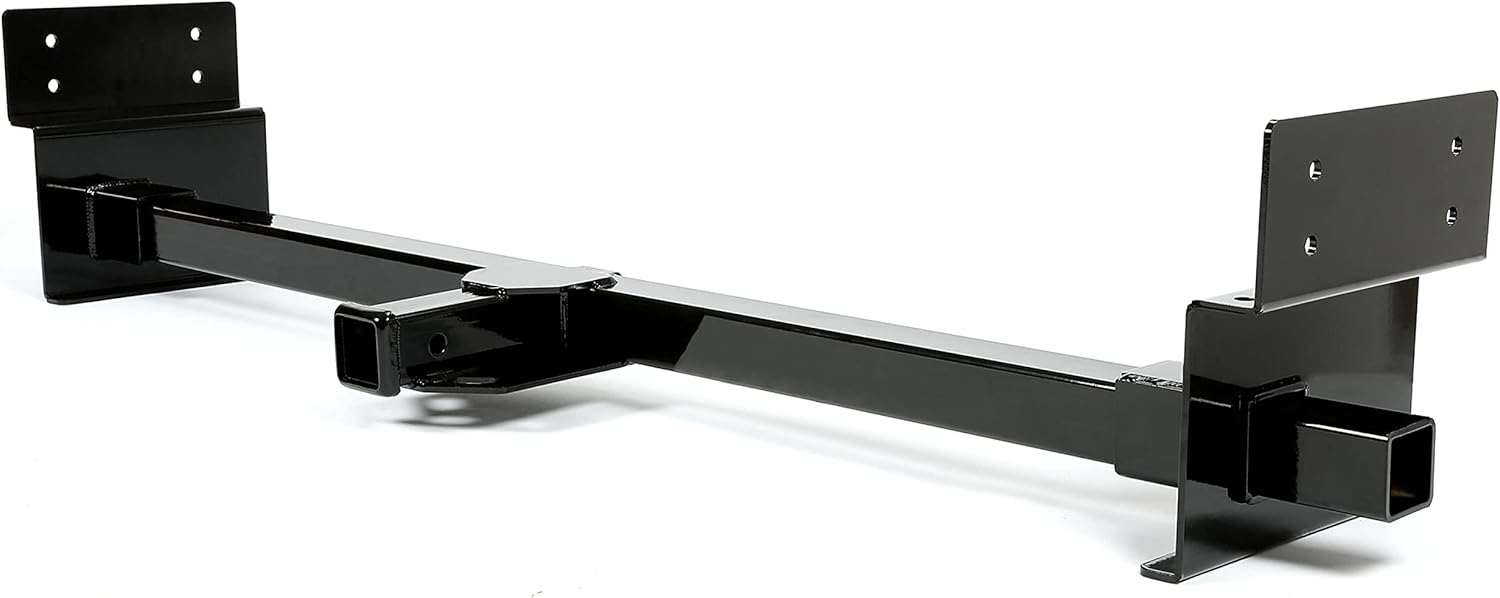
| Maximum Towing Capacity | 3500 Pounds |
|---|---|
| Tongue Weight | 350 Pounds |
| Receiver Size | 2 Inch Class 3 |
| Finish Type | Powder Coated |
| Automotive Fit Type | Universal Fit |
This KUAFU 2-inch Class III mount receiver is a beefy, welded-style hitch assembly built to carry up to 3,500 pounds gross trailer weight and 350 pounds tongue weight. It is intended for attaching to a vehicle or trailer frame and is commonly used for cargo carriers, bike racks, small trailers, and winch mounts. The hitch is heavy gauge steel with a powder-coated finish that resists corrosion and presents a factory-quality look. Installation requires drilling and fastening to the frame and is best handled with two people or a lift because of the assembly weight; the kit includes hardware and clear instructions. The practical benefit is a rugged, low-flex receiver that delivers secure towing for moderate loads and accessory hauling. Limitations are that this is a universal-style, frame-mounted hitch that may need notching, trimming, or welding for a precise fit on some vehicles and it does not include vehicle-specific brackets or pre-drilled holes for the Ford Explorer, so professional fitment or modification may be necessary for clean installation on that model.
Best for: Performance-oriented buyers who prioritize a strong, low-flex receiver for towing modest loads and hauling accessories and are comfortable arranging professional fitment or modifying mounts to achieve a secure install.
Less Ideal for: Buyers seeking a factory-fit, vehicle-specific hitch for a Ford Explorer or those who want a bolt-on installation without drilling or frame modification should consider a dedicated Explorer-specific receiver instead.
- Robust steel construction and powder coating for corrosion resistance and long service life.
- 3,500 lb gross trailer weight rating suitable for small trailers, cargo carriers, and bike racks.
- Includes mounting hardware and clear instructions to guide installation.
- Designed around a 2-inch Class III receiver size that accepts common accessories.
- Universal/frame-mount design may require drilling, notching, or welding for a proper fit on some vehicles.
- Heavy assembly weight makes installation a two-person job or requires lifting equipment.
- Not a vehicle-specific kit for the Ford Explorer so alignment and finish may need extra work.
Verdict: A rugged, performance-focused 2-inch Class III receiver that delivers strong towing for moderate loads but requires frame modification or professional installation for a clean Ford Explorer fit.
3. Draw-Tite Class 3 Trailer Hitch 2" Receiver for 2011-2019 Ford Explorer
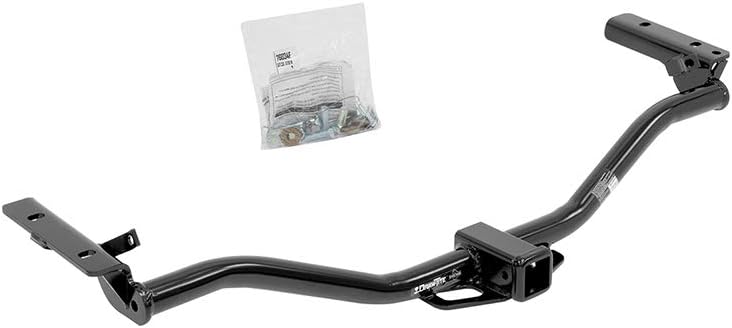
| Vehicle application | 2011-2019 Ford Explorer |
|---|---|
| Receiver opening | 2 inch square |
| Maximum towing capacity | 4500 Pounds |
| Finish type | Powder Coated |
This Draw-Tite Class 3 hitch is a custom-fit, 2-inch square receiver designed to bolt to the vehicle frame and provide substantial towing capacity. It is typically used to mount bike racks, cargo carriers, or tow trailers and is built with all-welded steel and a black powder coat to resist corrosion. The hitch is rated to 4,500 lb GTW and 675 lb tongue weight and accepts weight distribution systems up to 5,000 lb. Installation is vehicle-specific and many DIYers can fit it with common hand tools, ramps or jack stands, and attention to exhaust hanger removal; Draw-Tite includes the mounting hardware and fish-wire plate to ease bolt installation. Practical benefits include a mostly hidden, factory-style appearance, solid construction that meets V-5 and SAE J684 testing, and the ability to use standard 2-inch receiver accessories. Limitations are that installation can require time, specific sockets and torqueing, and some buyers report minor paint chips from shipping that may need touch-up to prevent surface rust over time.
Best for: Reliability-focused buyers who prioritize a strong, tested hitch and a near-factory fit for regular towing and accessory use.
Less Ideal for: Buyers looking for a universal or temporary hitch solution, or those who want a no-tools plug-and-play carrier that installs in minutes.
- Vehicle-specific fit for a tight, factory-like installation
- Solid all-welded steel construction with powder coat to resist corrosion
- Rated 4,500 lb GTW and compatible with weight distribution systems for heavier loads
- Includes mounting hardware and fish-wire plate to simplify installation
- Installation can be time-consuming and requires a range of sockets and tools to access frame bolts
- Some units arrive with minor paint chips that may need touch-up
Verdict: A rugged, vehicle-specific 2-inch Class 3 hitch that delivers reliable, tested towing capacity and a near-factory install for owners who prioritize dependability.
4. ALMULOO Class 3 Trailer Hitch for 2011–2019 Ford Explorer (2" Receiver)

| Automotive Fit Type | Vehicle Specific Fit |
|---|---|
| Maximum Towing Capacity | 4000 Pounds |
| Material Type | Alloy Steel |
| Finish Type | Powder Coated |
This ALMULOO Class 3 trailer hitch is a vehicle-specific replacement for Ford Explorer (2011–2019) and Police Interceptor Utility (2013–2017) that provides a standard 2-inch square receiver for towing and accessory mounting. It is constructed from alloy steel with a black powder-coated finish to resist corrosion and is rated for up to 4,000 pounds gross trailer weight and 400 pounds tongue weight, with higher limits when using weight-distribution hardware. Typical uses include towing small trailers, mounting bike racks or cargo carriers, and adding tow hooks or recovery points. The package includes mounting hardware and instructions to support DIY or professional installation, and many buyers report straightforward fitment. Limitations to note are that missing fasteners have been reported occasionally and factory-style fit and finish may vary from OEM parts, so check hardware and consider professional installation if you need torque-critical or warranty-compliant work.
Best for: Budget-conscious Ford Explorer owners who need a straightforward, vehicle-specific hitch for light towing and accessory mounting and prioritize cost and basic utility over brand-name components.
Less Ideal for: Drivers who plan heavy towing, frequent trailer use at or above the hitch rating, or who require an exact factory-matching finish should consider higher-capacity or factory replacement hitches.
- Vehicle-specific fit for Ford Explorer and Police Interceptor Utility makes installation simple when compatible
- Standard 2-inch receiver supports common towing accessories and racks
- Alloy steel construction with powder-coated finish improves corrosion resistance for long-term use
- Rated for 4,000 lb gross trailer weight and 400 lb tongue weight, sufficient for light towing and most cargo racks
- Some customers reported missing bolts in the package which can delay installation
- Not an exact factory-style part so cosmetic fitment may differ from OEM finishes
Verdict: A cost-conscious, vehicle-specific Class 3 hitch that gives Ford Explorer owners a reliable 2-inch receiver for light towing and accessory use.
5. Draw-Tite Class 4 Trailer Hitch 2" Receiver for Ford Explorer (2020–2026)
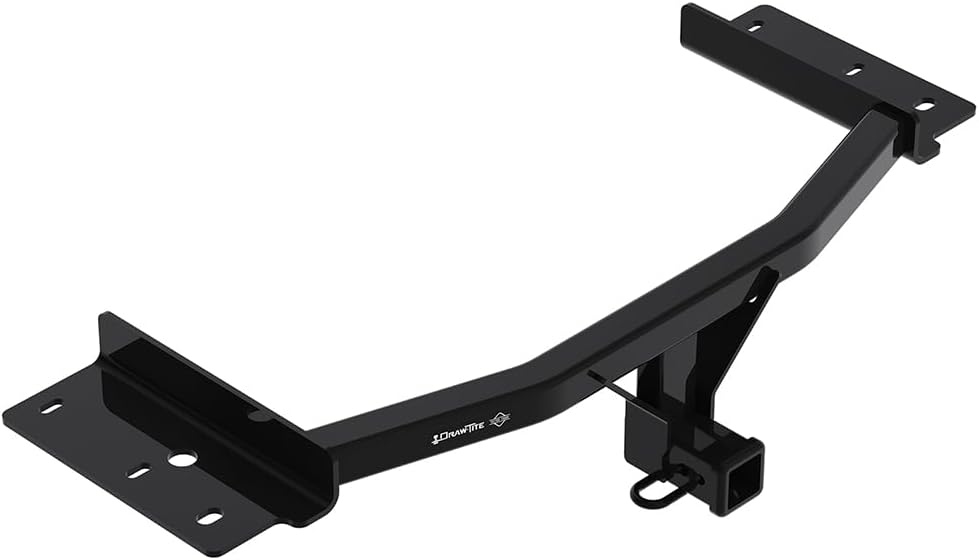
| Vehicle application | 2020–2026 Ford Explorer |
|---|---|
| Receiver opening | 2 inch square |
| Maximum towing capacity | 6000 Pounds |
| Maximum tongue weight | 900 Pounds |
This Draw-Tite Class 4 hitch is a custom-fit 2-inch receiver engineered for 2020–2026 Ford Explorer models. It mounts to the Explorer’s frame with the included hardware and is intended for towing trailers up to the hitch’s 6,000 lb gross trailer weight and 900 lb tongue weight limits. In day-to-day use it gives the Explorer a secure attachment point for bike racks, cargo carriers, and trailers without altering the vehicle’s appearance when not in use. Notable features include solid all-welded steel construction, a black powder coat finish for rust resistance, and design testing to V-5 and SAE J684 standards. Installation typically requires bumper removal and a helper or a floor jack to position the hitch, but many owners report straightforward bolt-on fitting when following the instructions. Limitations: the hitch is not compatible with weight distribution systems and some installers find the hardware fit or paint prep inconsistent, which may require touch-up paint or replacing fasteners. Also expect moderate installation time if you plan to do wiring or fascia work while installing.
Best for: Convenience-driven buyers who want a ready-made, vehicle-specific hitch that adds towing and cargo-carrying capability to a Ford Explorer with minimal fuss.
Less Ideal for: Drivers who require a hitch that works with weight distribution systems or those unwilling to perform moderate DIY installation and fascia removal should consider other options or professional installation.
- Custom-fit design specifically for 2020–2026 Ford Explorer for precise alignment
- Class 4 rating supports up to 6,000 lb GTW and 900 lb tongue weight for heavy-duty towing and accessories
- Solid all-welded steel construction with powder coat finish for strength and corrosion resistance
- Includes necessary mounting hardware and is tested to exceed common towing standards (V-5, SAE J684)
- Not approved for use with weight distribution systems
- Some users report paint chipping and inconsistent bolt length or fit requiring replacement hardware or touch-up
- Installation requires bumper removal and at least one helper or a floor jack to position the hitch
Verdict: A sturdy, vehicle-specific 2" Class 4 hitch that turns a Ford Explorer into a capable tow vehicle—just note it cannot be used with weight distribution systems and may need minor hardware or finish touch-ups.
6. HS Power Class 3 Rear-Mount 2" Trailer Hitch Receiver for Ford Explorer

| Hitch Class | Class 3 rear mount receiver |
|---|---|
| Receiver Tube Size | 2 inch standard |
| Gross Trailer Weight | Up to 4000 lbs |
| Tongue Weight | Up to 400 lbs |
| Weight Distribution Capacity | Up to 5000 lbs GTW with 500 lbs tongue weight |
This HS Power Class 3 rear-mount hitch is a direct-fit replacement designed to bolt to the factory mounting points on 2011–2017 Ford Explorer and 2013–2017 Ford Police Interceptor Utility models. Built from reinforced steel with a black powder-coat finish, it serves as the structural backbone for towing trailers, carrying hitch-mounted cargo, or attaching bike racks and steps. The 2-inch receiver accepts standard Class 3 accessories and supports 4,000 lb gross trailer weight and 400 lb tongue weight, with higher capacity when using a weight-distribution setup. Installation is straightforward for anyone comfortable with basic under-vehicle work and retains the vehicle's intended towing geometry. Note that the hitch ships as the receiver only, so pin, clip, ball mount, and wiring must be obtained separately. Also expect professional installation if you prefer torque-accurate mounting or have rusted factory hardware. The result is a durable, corrosion-resistant hitch that restores full towing capability without altering handling when fitted correctly.
Best for: Practical, risk-averse buyers who want a factory-quality, vehicle-specific hitch to restore or enable standard towing on a Ford Explorer without experimenting with universal kits.
Less Ideal for: Buyers seeking an all-in-one towing kit with wiring and ball mount included or those who need a higher-class hitch for extremely heavy commercial towing should consider other options.
- Direct-fit design for 2011–2017 Ford Explorer and 2013–2017 Police Interceptor Utility for straightforward installation
- Heavy-duty reinforced steel construction with powder-coat finish for long-term corrosion resistance
- Standard 2-inch receiver accepts a wide range of Class 3 towing accessories
- Supports up to 4,000 lb gross trailer weight and 400 lb tongue weight for common towing needs
- Does not include pin, clip, ball mount, or wiring so additional purchases are required
- Installation may require professional tools or assistance if factory hardware is corroded
Verdict: A sturdy, direct-fit Class 3 receiver that restores reliable towing capability to supported Ford Explorer models while requiring separate tow hardware and wiring.
Looking for the perfect fit?
Select your Ford Explorer configuration to see the most relevant Tow Hitch Receivers recommendations
Choosing the Right Ford Explorer Tow Hitch Receiver: Key Factors to Consider
Vehicle Fitment and Frame Attachment
Correct fitment to your Ford Explorer is the foundation of safe towing. A receiver that matches factory mounting points reduces the need for drilling or cutting and ensures loads transfer into the vehicle frame rather than body panels. Pay attention to whether the hitch uses existing bolt locations or requires supplementary brackets, since attachment method affects rigidity and long-term durability. Fitment also influences ground clearance and the receiver centerline relative to the bumper, which matters for trailer angle and approach/departure performance. Always verify fitment for your model year and trim level because variations in exhaust routing, spare tire placement, or bumper design can change mounting requirements.
Rated Towing Capacity and Receiver Class
Matching the receiver's rated towing capacity to your towing needs prevents overloading and reduces wear on the vehicle. Receiver classes (for example class designations used in industry) indicate maximum gross trailer weight and tongue weight limits; choose a class that provides a safety margin above the weight of the trailer and cargo you plan to tow. Consider both gross trailer weight and tongue weight because excessive tongue weight can overload the rear axle or change handling characteristics. Keep in mind that the vehicle's own tow rating, axle configuration, and available cooling or braking upgrades also affect safe towing limits even when the hitch itself is rated adequately.
Hitch Receiver Size and Compatibility
Receiver tube dimensions determine which ball mounts, bike racks, or cargo carriers you can use. Common sizes affect available ball-mount drop/rise and accessory stability, so select a receiver size that matches the accessories you already own or plan to use. Smaller tubes are lighter but limit accessory options; larger tubes offer greater versatility and load distribution. Also check pin hole diameter and placement, as mismatches require adapters that can introduce play and reduce towing control. Understanding these size details ahead of time avoids extra adapters and ensures accessories sit level and secure.
Installation Method and Complexity
Installation approach often determines how long the job will take and whether you can perform it yourself. Bolt-on receivers that use factory holes and included hardware are generally faster and less invasive to install, while receivers that require drilling, cutting, or welding increase labor and potential for error. Consider whether the hitch requires removal of fascia pieces, spare tire repositioning, or temporary exhaust adjustments during installation. If you prefer professional installation, factor in the expected complexity when budgeting time and selecting a compatible model that minimizes additional vehicle modification.
Material Quality and Corrosion Resistance
Durable materials and proper coatings extend the life of a tow hitch receiver under repeated loading and exposure to the elements. Look for receivers made from high-strength steel with protective finishes such as powder coat or multi-stage plating to resist rust where road salt or moisture is common. Pay attention to weld quality and fastener grade because weak welds or low-grade bolts can fail under cyclical towing loads. Proper corrosion resistance reduces the need for future replacement and helps maintain clearance and fitment where seams and mounting points meet the vehicle frame.
Accessory Integration and Electrical Considerations
Think about how the hitch will work with wiring harnesses, trailer connectors, and accessory mounts. Some receivers include built-in provisions for trailer wiring or offer clear routing paths that prevent chafing and exposure to heat. Consider whether the hitch design obstructs access to the vehicle's trailer connector or rear sensors, and if additional mounting tabs are supplied for safety chain anchors or stabilizer brackets. Planning for electrical integration and accessory attachment up front reduces installation surprises and ensures a functional towing setup for every trip.
How We Chose the Best Ford Explorer Tow Hitch Receiver
To create this list we screened a broad set of tow hitch receivers for Ford Explorer fitment and narrowed the field using four to six practical criteria. We prioritized precise vehicle fitment to the Ford Explorer frame rails and bumper points, rated towing capacity tied to receiver class, hitch receiver size and tongue dimensions, bolt-on versus weld-on attachment methods, and the presence of crossmembers or brackets that affect installation complexity. We also considered materials and corrosion resistance to ensure durability under road and weather exposure. Units that required extensive vehicle modification, nonstandard fabrication, or lacked clear specification documentation were excluded. The result is a curated set of receivers that balance strength, compatibility, and realistic installation requirements for typical Explorer towing needs.
Our full evaluation process is outlined in our review methodology.
FAQ
How do I know which hitch receiver class I need for my Ford Explorer?
Choose a hitch class that exceeds the gross trailer weight and tongue weight of what you plan to tow. Check your Ford Explorer's maximum towing rating and then select a receiver with a higher rated capacity to provide a safety margin. Remember to account for cargo and passengers because combined weight affects safe towing performance.
Can I install a tow hitch receiver myself or should I get professional help?
Many bolt-on receivers can be installed by a person with basic mechanical skills and common tools, especially when factory mounting points are used. If the installation requires drilling, welding, or modifying exhaust and fascia components, professional installation is usually safer and can prevent fitment issues. Choose based on your comfort level and the stated installation method.
Will a hitch receiver affect my vehicle's ground clearance or departure angle?
Yes, the receiver height and crossmember shape can reduce ground clearance and slightly change departure angle. Low-mounted receivers may contact steep driveways or trails more easily, so consider receiver centerline height relative to the bumper. If you do a lot of off-road driving, choose a design that preserves clearance or mounts tucked up to the frame.
How important is corrosion protection on a hitch receiver?
Corrosion protection is important because rust can weaken structural components and complicate removal or accessory changes. Receivers with robust coatings and proper weld sealing typically last longer in wet or salted conditions. Inspect exposed areas periodically and touch up chips to maintain protection.
Do hitch receivers come with provisions for trailer wiring and safety chains?
Some receivers include mounting tabs or clear routing paths for wiring and safety chain anchors, while others focus solely on structural attachment. Verify whether the receiver design interferes with your vehicle's connector access and plan for where to secure safety chains to maintain compliance with towing best practices.
Conclusion
Choosing the right Ford Explorer tow hitch receiver means balancing fitment, rated towing capacity, and installation complexity. Prioritize a receiver that aligns with your vehicle's mounting points, provides a safety margin above your expected trailer weight, and uses a durable attachment method that suits your installation skill level.Consider how receiver size, corrosion protection, and accessory integration will affect long-term use. Focusing on these factors will help you select a reliable receiver that meets both everyday towing and occasional heavy-use demands without unnecessary vehicle modification.
Explore More:
- Check out all Ford Explorer parts & accessories
- Explore Exterior Accessories
- Browse all Accessories
