

Note: This article contains affiliate links. If you click on these links and make a purchase, I may earn a small commission at no extra cost to you. This helps support my research and content. Read my full affiliate disclosure here.
Picking the right tires for a 2006-2011 Honda Civic matters more than many owners realize. Tires determine wet and dry traction, ride comfort, road noise, fuel economy, and how the car handles everyday cornering and emergency maneuvers. For owners of the 2006-2011 Civic (FA and FG), the correct tire choice ensures the chassis balance and suspension geometry perform as intended.This guide covers seven shortlisted tire options suited to common Civic tire sizes and driving conditions. We evaluate candidates across real-world concerns like wet traction, tread life, ride comfort, and rolling resistance so you can choose the right set for commuting, seasonal driving, or spirited street use. Read on to see the criteria we used and practical points to consider before you buy replacement tires.
Looking for other parts? See all Honda Civic parts & accessories.
Top Picks at a Glance
| Best Overall The best all-around choice for most situations | Goodyear Eagle Sport All-Season Tire 205/55R16 |  |
| Best Quality Built to a higher standard if you want something more solid | MICHELIN CrossClimate2 All-Season Radial Tire, 215/55R16 97H XL | 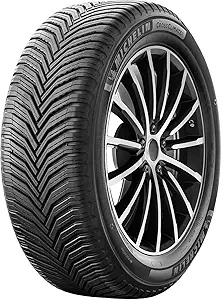 |
| Best Value The sweet spot between price and what you get | Landspider Citytraxx G/P All-Season Passenger Tire — 205/55R16 (4‑pack) |  |
| Best Budget The cheapest option that still gets the job done reliably | Fullway HP108 All-Season Performance Tire — 185/60R15 |  |
| Highest Rated A top-rated pick with lots of positive feedback | Hankook Kinergy PT H737 All-Season Tire (195/65R15 91H) |  |
| Most Popular A crowd favorite that many people choose with confidence | Fullway HP108 All-Season Performance Tire, 205/55R16 | |
| Best Seller A high-volume bestseller chosen again and again | Fullway HP108 All-Season Passenger Car Tire — 205/55R16 (single tire) |  |
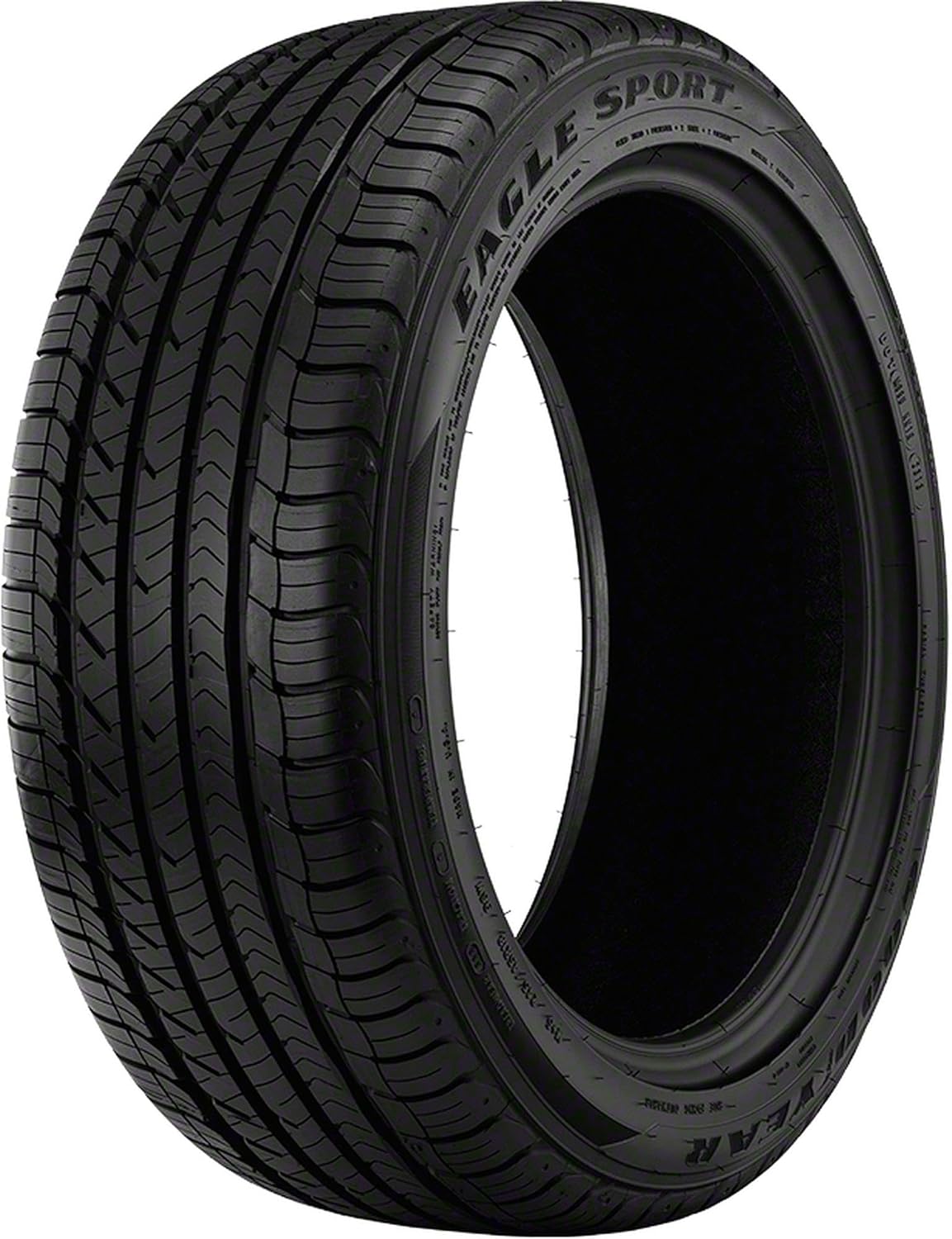
1. Goodyear Eagle Sport All-Season Tire 205/55R16
| Rim Size | 16 Inches |
|---|---|
| Load Index | 91 |
| Speed Rating | V |
| Tread Type | Asymmetrical |
| Seasons | Year Round |
The Goodyear Eagle Sport All-Season in 205/55R16 is a touring-performance tire built for everyday driving on a compact car like a Civic. Its asymmetrical tread with full-depth sipes and a performance-focused compound aims to deliver confident grip in wet and dry conditions while keeping road noise moderate. The tire includes an enhanced rim protector to reduce curb damage and is offered with a tread-life limited warranty rated to 50,000 miles under certain conditions. Use it for daily commuting, highway driving, and occasional spirited cornering where predictable handling matters more than outright track performance. Expect good water evacuation and stable steering at typical road speeds, though truly aggressive drivers may prefer a dedicated summer or ultra-high-performance tire. Overall it balances wet-weather safety, handling, and reasonable tread life for drivers who want a single tire that performs well across seasons.
Best for: Drivers who want a single, balanced tire for daily commuting and weekend driving that offers predictable handling, good wet grip, and reasonable tread life without switching tires seasonally.
Less Ideal for: Drivers who need maximum winter traction in deep snow or those seeking ultra-high-performance summer tires for track-focused use.
- Asymmetrical tread and full-depth sipes provide reliable wet and dry traction
- Enhanced rim protector helps reduce curb damage to wheels
- Tread compound and pattern tuned for responsive handling and stable steering
- Tread-life limited warranty rated to 50,000 miles for covered premature wear
- Not optimized for extreme winter conditions or heavy snow performance
Verdict: A well-rounded all-season 205/55R16 tire that balances wet-weather grip, responsive handling, and decent tread life for everyday Civic driving.
2. MICHELIN CrossClimate2 All-Season Radial Tire, 215/55R16 97H XL

| Size | 215/55R16 97H XL |
|---|---|
| Tread Type | Directional |
| Load Capacity | 1609 Pounds |
| Tread Depth | 10 32nds |
| UTQG | 640-B-A |
The Michelin CrossClimate2 is a grand-touring all-season radial designed to deliver secure traction in wet, dry, and light-snow conditions while lasting through high-mileage use. Its directional V-formation tread and angulated blocks boost road contact for shorter braking distances on dry pavement and help evacuate water to improve wet grip. 3-D SipeLock technology and a robust tread compound aim to extend tread life, supported by Michelin's 60,000-mile treadwear limited warranty for this size. The tire also includes PIANO Noise Reduction Tuning to keep highway noise down compared with many aggressive all-weather designs. In real-world driving this translates to confident braking, predictable handling in rain, and usable winter capability without swapping to dedicated snow tires for mild winters. Expect slightly more road noise on some concrete surfaces and higher cost than budget options, but the CrossClimate2 trades that for a premium blend of year-round traction and long service life that suits drivers prioritizing dependable performance across varied conditions.
Best for: Drivers who want a single tire that balances strong wet and dry braking with usable winter traction and extended tread life for long road use, especially those prioritizing performance across seasons without swapping tires.
Less Ideal for: Drivers who need maximum winter traction for heavy snow and ice or those seeking the lowest initial purchase price should consider dedicated winter tires or budget options instead.
- Strong wet traction from directional V-formation tread that helps shorten stopping distance
- Capable in light to moderate snow with a 3-Peak Mountain Snowflake rating and winter-oriented siping
- Designed for long tread life with 60,000-mile manufacturer treadwear limited warranty
- PIANO noise reduction tuning reduces highway noise compared with many all-weather tires
- Can be slightly louder than some touring tires on rough concrete or grooved surfaces
- Higher purchase cost than economy all-season alternatives
Verdict: Choose the CrossClimate2 if you want a high-mileage touring tire that delivers confident wet braking and respectable winter capability without changing tires seasonally.
3. Landspider Citytraxx G/P All-Season Passenger Tire — 205/55R16 (4‑pack)

| Size | 205/55R16 |
|---|---|
| Tread Type | Asymmetrical |
| UTQG | 560AA |
| Maximum Pressure | 44 PSI |
| Load Capacity | 1356 Pounds |
The Landspider Citytraxx G/P is an all-season passenger tire offered as a set of four in 205/55R16 size aimed at everyday driving. Its asymmetrical tread and UTQG of 560AA signal a durable tread compound with above-average wet traction and heat resistance, which translates to confident braking in rain and steady long-distance wear. Owners report a quiet, comfortable ride and good balance after installation, so expect predictable handling for commuting and highway miles. The tires are 4‑ply rated with a standard load range and a 44 psi maximum pressure, making them suitable for typical Civic load and inflation needs. Because this is an aftermarket budget-focused tire, you should account for professional mounting and balancing for best performance and to avoid warranty issues. These are not a performance summer tire or a dedicated winter tire, so drivers who need sport handling or severe winter capability should choose a different design. For a practical, value-oriented Civic replacement, the Citytraxx G/P offers solid mileage potential and wet-weather confidence at an entry-friendly price.
Best for: A practical buyer looking to replace all four tires on a 2006–2011 Honda Civic who prioritizes long tread life, quiet highway manners, and reliable wet traction on a budget.
Less Ideal for: Drivers seeking aggressive sport handling, track use, or specialized winter tires for frequent heavy snow should look for dedicated performance or winter designs instead.
- High UTQG (560) suggesting long tread life compared with many budget tires
- Traction A and Temperature A ratings for reliable wet braking and heat resistance
- Asymmetrical tread design for balanced handling and reduced road noise reported by users
- Sold as a matched four-pack so all four tires have the same wear and performance characteristics
- Not designed for high-performance summer grip or severe winter conditions
- Manufacturer information does not include a specific mileage warranty
Verdict: If you want an affordable, long‑wear all‑season replacement for a 2006–2011 Honda Civic that performs quietly and stops well in wet conditions, this four‑pack is a sensible choice.
4. Fullway HP108 All-Season Performance Tire — 185/60R15

| Rim Size | 15 Inches |
|---|---|
| Load Index | 84 |
| Speed Rating | H |
| Load Capacity | 1102 Pounds |
| Seasons | Year Round |
The Fullway HP108 is a value-oriented all-season performance tire intended for everyday passenger cars. It pairs an asymmetrical tread and a 4-ply radial construction to deliver predictable handling, lower cabin noise, and improved wet traction compared with basic touring tires. Typical use is on compact and compact-sedan fitments where drivers want safer rainy-weather grip and a quieter ride without paying premium brand prices. Notable features include reinforced sidewalls to protect rims, a claimed resistance to hydroplaning, and a moderate speed rating for highway driving. Practical benefits are a comfortable, quiet ride and even wear reported by many users, plus easy balancing and straightforward mounting. Important limitations are that it is a budget tire so handling will not match high-performance or sport tires and long-term treadlife can vary by driving style and climate. Buyers who prioritize low upfront cost will get the most value here; those seeking maximum cornering grip or extended high-mileage warranties should consider higher-tier alternatives.
Best for: Drivers who need an inexpensive, year-round replacement tire for daily driving on compact sedans and prioritize quiet, safe wet-weather performance over high-speed handling.
Less Ideal for: Enthusiast drivers who demand maximum cornering grip or buyers who need a long high-mileage warranty or premium brand performance.
- All-season tread with asymmetrical pattern for improved wet traction and reduced road noise
- Reinforced sidewalls help protect rims from curb damage
- Easy to mount and balance according to user reports
- Factory-style 4-ply radial construction suitable for everyday driving
- Performance and handling are modest compared with premium sport tires
Verdict: A cost-conscious choice for Civic owners who want a quiet, competent all-season tire with decent wet grip without paying premium brand prices.
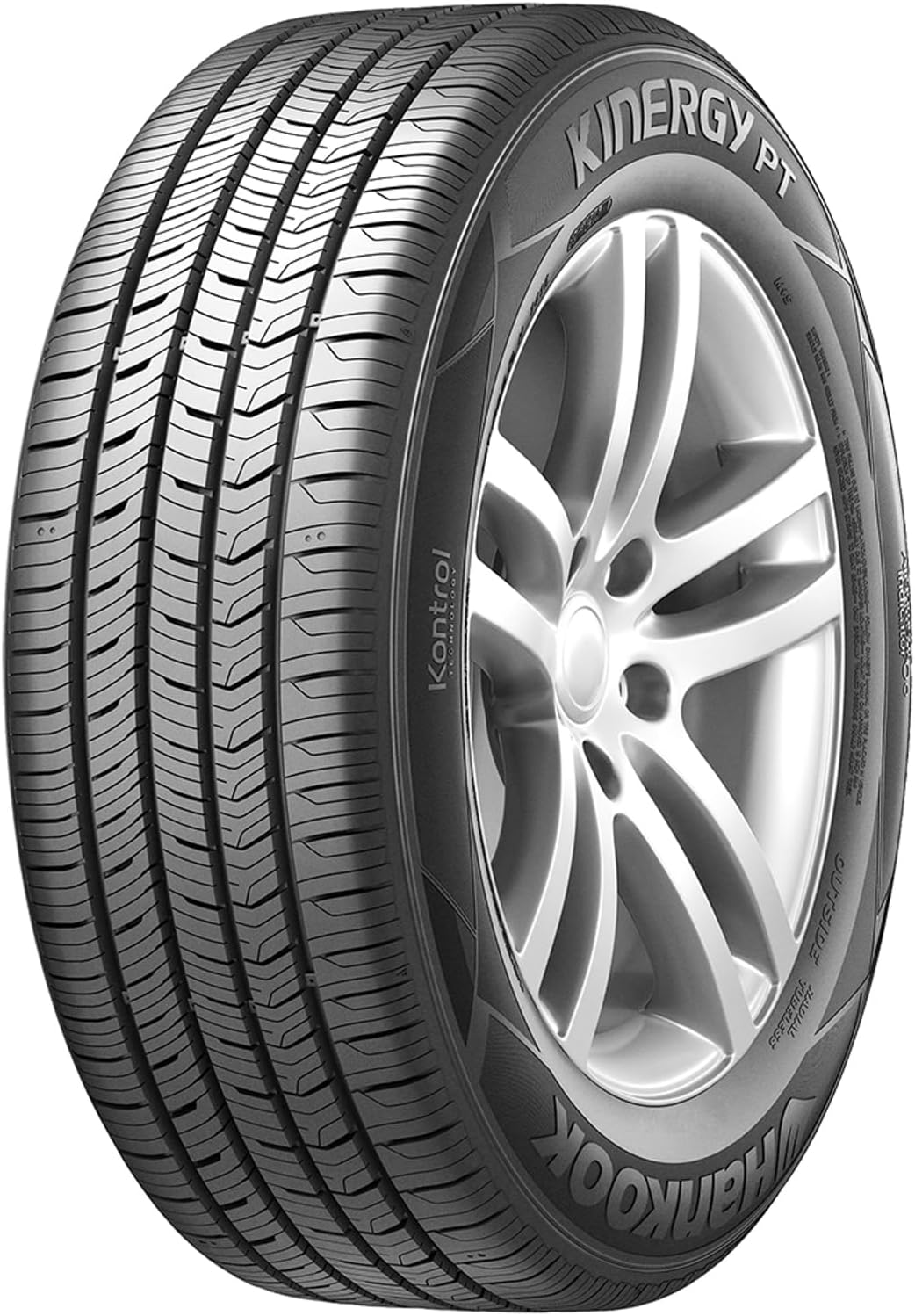
5. Hankook Kinergy PT H737 All-Season Tire (195/65R15 91H)
| Rim Size | 15 Inches |
|---|---|
| Load Index | 91.0 |
| Speed Rating | H |
| Tread Type | Asymmetrical |
| Seasons | Year Round |
The Hankook Kinergy PT H737 is a touring, all-season passenger tire built for everyday driving on sedans like the Honda Civic. It uses an asymmetrical tread and radial construction to deliver a smooth, quiet ride and predictable handling in dry and wet conditions. Typical use is daily commuting and highway driving where comfort and even wear matter more than aggressive grip. Notable features include a 10/32" tread depth for longer tread life and a 51 psi maximum inflation rating that supports stable load carrying up to the listed index. Practical benefits are lower road noise, comfortable ride quality, and solid wet traction for rain-prone seasons. Limitations include that this is a touring all-season design rather than a performance or winter-specific tire, so drivers who need maximum cornering grip or heavy snow capability should look elsewhere. Fitment is for 15-inch rims in the specified 195/65R15 size and it is sold individually rather than as a set.
Best for: Buyers seeking a dependable, low-noise tire for daily driving and highway miles who prioritize consistent wear and comfort over sporty handling.
Less Ideal for: Drivers who need winter/snow-specific performance or high-performance summer grip should choose a dedicated winter or performance tire instead.
- Quiet, comfortable ride suited to daily commuting
- Asymmetrical tread and 10/32" tread depth for extended tread life
- Year-round traction for wet and dry conditions
- Not optimized for heavy snow or spirited performance driving
Verdict: A reliable, quiet touring all-season tire that prioritizes comfort and even wear for everyday Civic use.
6. Fullway HP108 All-Season Performance Tire, 205/55R16
| Size | 205/55R16 |
|---|---|
| Load Capacity | 1356 Pounds |
| Construction | Radial |
| UTQG | Treadwear 380, Traction A, Temperature A |
| Maximum Pressure | 44 PSI |
The Fullway HP108 is an all-season performance radial offered in 205/55R16 that targets everyday driving on compact cars. It’s designed to reduce road noise and vibration for a smoother, more comfortable highway ride while the tread pattern and reinforced sidewalls aim to improve wet traction and resist hydroplaning. Typical use is daily commuting and occasional highway trips where predictable handling and comfort matter more than ultra-high performance. Notable features include a 380 UTQG treadwear rating with A traction and A temperature grades and a rim-protecting reinforced sidewall. Practical benefits are good wet and dry grip for its class, a quiet ride compared with other budget tires, and a lower cost compared with mainstream brands. Important limitations are that it is a budget tire so drivers of higher-powered or luxury Civics may notice more vibration and less refinement at high speeds, and long-term treadlife and noise levels can vary compared with premium options.
Best for: Drivers who prioritize reliable, budget-friendly all-season performance and a quiet, comfortable ride for everyday commuting and highway use in a 2006–2011 Civic fitment.
Less Ideal for: Owners seeking the quietest luxury-level ride, maximum high-speed stability, or the longest possible treadlife should consider higher-end tires instead.
- All-season tread with A traction and A temperature ratings for reliable year-round grip
- Reinforced sidewalls help protect rims from curb damage
- Designed to reduce road noise and provide a comfortable highway ride
- Budget price delivers good value compared with name-brand alternatives
- May show vibration or less refinement at higher speeds compared with premium tires
- Treadwear longevity can be less consistent than higher-priced competitors
Verdict: A cost-conscious all-season 205/55R16 tire that gives 2006–2011 Civic drivers dependable wet and dry grip with a comfortable, quiet ride at a budget price.
7. Fullway HP108 All-Season Passenger Car Tire — 205/55R16 (single tire)

| Size | 205/55R16 |
|---|---|
| Tread Type | Asymmetrical |
| Construction Type | Radial |
| Load Range | SL |
| UTQG | Treadwear 380, Traction A, Temperature A |
The Fullway HP108 is a basic all-season radial tire intended for everyday passenger-car use. It installs like a standard 205/55R16 tire and is designed to deliver quiet, comfortable highway cruising plus competent wet-weather grip thanks to its asymmetrical tread and A traction and temperature ratings. Typical use is commuting and general driving rather than aggressive performance; buyers report a smooth ride and predictable handling on paved roads. The tire is 4-ply rated with an SL load range and a reported load capacity suitable for most compact cars, and the UTQG treadwear 380 suggests reasonable longevity for a value-priced tire. Expect savings compared with premium brands but accept that you are buying a budget offering: there may be less refinement in refinement at high speeds and fewer proven winter credentials in severe snow or ice. Overall the HP108 is a sensible replacement when you prioritize upfront value and decent all-season performance for a 2006–2011 Civic sized 205/55R16.
Best for: Drivers who want an affordable, no-frills replacement tire that delivers predictable daily driving performance and decent wet-weather grip for a compact car.
Less Ideal for: Drivers seeking top-tier handling, maximum tread life, or specialized winter traction should consider higher-end or dedicated seasonal tires instead.
- All-season tread with asymmetrical design for balanced wet and dry traction
- UTQG 380/ A / A indicates reasonable tread life and solid traction and heat resistance
- Budget-friendly option that fits common compact car sizes like 205/55R16
- Reportedly quiet ride and comfortable highway performance
- Budget construction may lack the high-speed refinement and longevity of premium name-brand tires
- Not optimized for severe winter conditions or heavy snow and ice
Verdict: A cost-conscious all-season tire that gives reliable daily driving performance and decent wet traction for compact Civics sized 205/55R16.
Choosing the Right 2006-2011 Honda Civic Tires: Key Factors to Consider
Tire Size and Load Rating
Getting the correct tire size and load rating is the first practical step for any Civic owner. The wrong diameter or sidewall profile alters speedometer accuracy, suspension geometry, and can interfere with steering clearance or fender well space. Civic models in the 2006-2011 FA and FG range commonly use compact passenger car sizes; confirm the factory-recommended size on the placard or owner manual before purchasing.
Load rating matters because an under-rated tire will run hotter and wear faster under normal passenger loads. Choose tires with an equal or higher load index than the original equipment to maintain safe load capacity. If you change wheel sizes or add heavier aftermarket wheels, recalculate the required load index and confirm the tire's maximum load matches that need.
Wet Traction and Hydroplaning Resistance
Wet traction directly impacts everyday safety; many accidents happen in rain when tires cannot evacuate water fast enough. Look for tread patterns with efficient circumferential grooves and lateral channels that shed water. Tire compounds and siping design also influence grip on wet pavement, especially during sudden braking or evasive maneuvers.
Hydroplaning resistance is particularly important for the Civic due to its light weight and front-biased handling. Tires with deep grooves and continuous water evacuation paths reduce the risk of hydroplaning at highway speeds. For drivers in heavy-rain regions, prioritize wet traction over slight gains in dry cornering or fuel economy.
Tread Life and Treadwear Ratings
Tread life affects long-term ownership cost and convenience. Manufacturers often publish a treadwear rating or warranty; while these are not perfect predictors, they provide a comparative baseline for expected mileage. Tires with harder compounds or reinforced constructions typically last longer, but may trade off some grip.
For Civic owners who cover moderate annual mileage, seek a balance between longevity and performance. Consider driving conditions: frequent highway commuting at steady speeds tends to promote longer tread life, while urban stop-and-go and aggressive cornering accelerate wear. Check for uniform wear indicators and recommended rotation intervals to maximize life.
Comfort, Noise, and Ride Quality
Ride comfort and road noise greatly influence daily driving satisfaction. Tire construction, sidewall height, and tread block design determine how much vibration and road noise transmit into the cabin. Lower-profile tires often improve steering response but can increase harshness over potholes and rough pavement.
Civic owners should weigh the tradeoff between a firmer, sportier feel and a smoother, quieter ride. If most driving is commuting and errands, prioritize tires engineered for comfort and low noise. If the owner values sharper steering and more direct feedback, a performance-oriented tire with stiffer sidewalls may be preferable.
Seasonal Suitability and Temperature Performance
Temperature range and seasonal weather are central to tire choice. All-season tires are designed to provide acceptable traction across a range of conditions but do not match the grip of dedicated winter tires on snow or ice. If you live in an area with cold winters and regular snowfall, a set of winter tires dramatically improves safety and braking distances.
Even within all-season options, compound formulations vary: some maintain flexibility at low temperatures better than others. Consider whether you will change tires seasonally or rely on a single set year-round, and choose a compound and tread design aligned with local climate patterns.
Steering Response and Handling Balance
Tire choice affects steering precision and the Civic's handling balance. Tires with stiffer sidewalls and asymmetric tread patterns usually deliver crisper turn-in and better lateral grip, enhancing cornering performance. However, very aggressive compounds can reduce predictability at the limit and increase wear.
Owners who occasionally push their Civic on back roads or enjoy spirited driving should look for tires that preserve neutral handling and provide clear feedback without abrupt breakaway. For everyday drivers, predictable behavior and progressive loss of grip are preferable to a tire that snaps from grip to slide.
Common Civic Tire Sizes and Fitment Tips
The 2006-2011 Civic (FA and FG) was fitted with several OEM wheel and tire combinations depending on trim. Before selecting replacements, verify the tire sidewall markings and the vehicle placard to confirm the correct diameter, width, and aspect ratio. If you change wheel diameter, account for speedometer error and adjust overall tire diameter accordingly.
When considering alternative sizes, stick to offsets and backspacing that preserve suspension and brake clearance. If you plan a staggered or wider wheel, ensure the load rating and tire construction match the vehicle's weight and intended use. Always recheck clearance under full suspension compression.
- Confirm both diameter and load index on the placard
- Avoid mixing drastically different aspect ratios on the same axle
- If upsizing, maintain overall tire diameter within 3% of factory to preserve speedometer and ABS performance
All-Season Vs Winter Options for Year-Round Use
All-season tires offer a compromise between wet traction, dry handling, and light snow capability. For many Civic owners in temperate climates, a modern all-season provides acceptable traction year-round without seasonal changeover. However, note that all-season compounds harden in subfreezing temperatures and deliver reduced braking performance compared with winter rubber.
If you face regular snow or ice, plan for dedicated winter tires during the cold months. Winter tires use softer compounds and specialized siping to maintain traction, so swapping seasonally yields safer braking and better lateral grip in winter conditions.
- All-season: convenience and balanced performance
- Winter tires: superior cold-weather braking and traction
- Consider a two-wheel set for severe winter climates if you must compromise
Maintaining Tires: Rotation, Alignment, and Balance
Proper maintenance extends tread life and preserves handling. Rotate tires at regular intervals to encourage even wear across axles; many manufacturers recommend rotation every 5,000 to 7,500 miles depending on usage. Keep an eye on the treadwear indicators to know when replacement is due.
Wheel balancing and alignment are essential after fitting new tires or wheels. Poor balance causes vibration and uneven wear, while incorrect alignment accelerates inner or outer shoulder wear and can affect fuel economy. Have alignment checked if the vehicle pulls or if you notice unusual wear patterns.
- Rotate tires regularly to even out wear
- Balance new tires to prevent vibration
- Check alignment after suspension work or if wear is uneven
Understanding Tire Ratings and Labels
Treadwear, traction, and temperature grades offer comparative information about a tire's expected longevity and performance under standard tests. Treadwear ratings are relative and vary by manufacturer, but they help compare similar tires within a category. Traction grades reflect the tire's ability to stop on wet surfaces under controlled testing.
Speed ratings and load indices are critical for safety and legal compliance. Do not install tires with a lower speed rating than specified for the vehicle, and ensure the load index meets or exceeds the factory requirement. Pay attention to manufacturer guidance for inflation pressures to optimize wear and fuel economy.
- Check treadwear and traction grades for performance clues
- Match or exceed the original load index
- Follow recommended tire pressures for load and handling
Choosing Tires for Fuel Economy and Rolling Resistance
If you prioritize fuel economy, rolling resistance is a key factor. Tires designed with low rolling resistance compounds and optimized tread patterns can modestly improve fuel consumption over their lifetime. The gains are usually incremental but add up for drivers with steady highway mileage.
Balancing fuel economy with safety and traction is important. Extremely low rolling resistance tires may compromise wet grip or braking distances, so choose tires that list rolling resistance alongside solid wet traction performance.
- Low rolling resistance helps city and highway mileage
- Expect a tradeoff between maximum grip and fuel efficiency
- Maintain proper inflation to realize efficiency benefits
When to Consider Performance-Oriented Tires
Performance tires deliver sharper response, higher cornering grip, and more direct steering feel. Civic owners who enjoy spirited driving or who have modified suspension may find these traits worthwhile. Keep in mind that higher-grip compounds often wear faster and can increase road noise.
For many daily drivers, a mild performance tire that still offers reasonable tread life and wet traction is a practical middle ground. Evaluate your driving habits and local roads before choosing a performance-oriented option to avoid sacrificing safety in wet or winter conditions.
- Performance tires improve handling and steering precision
- Expect shorter tread life and potentially firmer ride
- Pair with proper alignment and suspension tuning for best results
Still looking for the perfect fit?
Select your Honda Civic configuration to see the most relevant Tires recommendations
How We Chose the Best 2006-2011 Honda Civic Tires
We focused on attributes that matter specifically for 2006-2011 Civic owners and the FA and FG chassis characteristics. Primary evaluation criteria included wet traction performance, dry handling and steering response, treadwear longevity, ride comfort and noise levels, and compatibility with common Civic wheel sizes and load ratings. We also considered fuel economy impact by checking rolling resistance ratings and assessed winter capability for all-season versus dedicated winter choices.Our process filtered out tires that did not meet standard load index and speed requirements typical for Civic fitments or that lacked manufacturer published specifications for treadwear or traction. We excluded tires designed exclusively for heavy trucks, off-road vehicles, or high-load commercial use, since those do not match Civic suspension and load demands. Final selections balanced real-world durability with predictable handling for daily driving, occasional spirited use, and seasonal needs. We prioritized broadly available tire constructions and well-documented performance metrics rather than niche specialty compounds.
Our full evaluation process is outlined in our review methodology.
FAQ
How often should I replace tires on a 2006-2011 Civic?
It often depends on mileage and wear patterns, but many passenger tires last between 40,000 and 70,000 miles. Inspect tread depth regularly and replace tires when treadwear indicators are reached or if you notice uneven wear, cracking, or sidewall damage.
Can I use the same tires year-round in light snow areas?
Usually yes. Modern all-season tires handle light snow and wet roads adequately. However, if temperatures frequently drop below freezing or you get regular snow and ice, dedicated winter tires provide noticeably better traction and shorter stopping distances.
Will different tire sizes affect my Civic's speedometer or fuel consumption?
Yes. Changing overall tire diameter beyond about 3 percent from factory can alter speedometer accuracy and affect gearing. Wider or taller tires can increase rolling resistance and slightly reduce fuel economy, so choose sizes that keep overall diameter close to the original.
How important is tire balancing and alignment after replacing tires?
Very important. Proper balancing prevents vibration and uneven wear, while correct alignment ensures even contact across the tread and predictable handling. Have both checked when installing new tires or after suspension work.
What does the tire tread wear indicator tell me?
Tread wear indicators are molded bars in the grooves that show when remaining tread depth approaches legal or safe minimums. When the tread is level with these bars, traction in wet conditions is significantly reduced and the tire should be replaced.
Is it okay to mix different tire types on the same Civic?
Mixing tire types can create uneven handling and unpredictable behavior, especially on a front-wheel-drive Civic. If you must mix tires temporarily, keep identical tires on the same axle and match load ratings and inflation pressures, then replace with a full set as soon as practical.
Final Verdict
When choosing tires for a 2006-2011 Honda Civic (FA and FG), prioritize correct size and load rating first, then focus on wet traction, tread life, and the ride quality that matches your driving routine. If you face winter conditions, plan for a seasonal switch to dedicated winter rubber to maintain braking performance and safety.Balance tradeoffs between sportier response and longer tread life based on mileage and road conditions. With the criteria discussed here—fitment, traction, longevity, comfort, and maintenance—you can select a tire that keeps the Civic safe and enjoyable across everyday driving scenarios.
Explore More:
- Check out all Honda Civic parts & accessories
- Explore Tires Maintenance & Repair Guides
- Explore Wheels & Tires
- Browse all Auto Parts
