

Note: This article contains affiliate links. If you click on these links and make a purchase, I may earn a small commission at no extra cost to you. This helps support my research and content. Read my full affiliate disclosure here.
If you drive a 2012-2015 Honda Civic you depend on a healthy cooling system to protect the engine from overheating and prevent costly failures. A failing water pump can show up as leaks, bearing noise, or rising engine temperature, and choosing the right replacement matters for reliability and long-term serviceability. This guide focuses on the top water pumps suited to the 2012-2015 Civic (FB and FG) range and the specific demands of its engine bay and cooling circuit.Below we shortlist the best options available for this model years span, explain why each made the list, and cover the practical factors—durability, correct fitment, seal and bearing quality, and installation considerations—you should weigh before you replace the pump. Continue for straightforward advice on signs of failure and installation notes tailored to these Civics.
Looking for other parts? See all Honda Civic parts & accessories.
Top Picks at a Glance
| Best Overall The best all-around choice for most situations | Gates Engine Water Pump compatible with Honda Civic 1.8L (2012–2015) |  |
| Best Quality Built to a higher standard if you want something more solid | Honda Genuine Water Pump 19200-R1A-A01 |  |
| Best Value The sweet spot between price and what you get | PHILTOP AW6213 Engine Water Pump Kit (fits 2.4L Honda/Acura 2012–2015) |  |
| Best Budget The cheapest option that still gets the job done reliably | MPLUS Engine Water Pump (fits 2012–2015 Honda Civic 1.8L; 2013–2015 Acura ILX 2.0L) |  |
| Highest Rated A top-rated pick with lots of positive feedback | TUCAREST AW6693 Water Pump (Pump Only) for 2012–2015 Honda Civic 1.8L |  |
| Most Popular A crowd favorite that many people choose with confidence | KAX Engine Water Pump with Gasket (fits Honda Civic 2012–2015, CR-V 2012–2014, Acura ILX 2013–2015) |  |
| Best Seller A high-volume bestseller chosen again and again | A-Premium Water Pump with Gasket for Honda Civic 2012–2015 / Acura ILX 2013–2015 |  |
1. Gates Engine Water Pump compatible with Honda Civic 1.8L (2012–2015)

| Compatible vehicles | Honda Civic 2012–2015 1.8L L4 |
|---|---|
| Automotive fit type | Vehicle Specific Fit |
| Brand | Sixity Auto / Gates |
This Gates-compatible engine water pump is a direct replacement designed for 2012–2015 Honda Civic 1.8L L4 engines and is intended for routine cooling system repairs. It replaces the factory pump and is used when the original pump shows signs of leakage, bearing noise, or reduced coolant circulation. The unit ships with original-style packaging and hardware, which simplifies installation for a DIYer or a professional mechanic. Because it is a vehicle-specific fit, gasket alignment and mounting points match the Civic application to reduce installation hassle. Practical benefits include restoring proper coolant flow and engine temperature control, which prevents overheating and supports long-term engine reliability. Limitations are typical of aftermarket parts: the listing does not include detailed material or lifespan data and buyer should confirm fitment for their exact engine sub-configuration before purchase. For those wanting a straightforward, like-for-like pump to get a Civic cooling system back to factory function, this is a sensible option.
Best for: Buyers who want a straightforward, like-for-like replacement to restore a Civic 1.8L cooling system with minimal fitment work and who value a part that matches factory mounting and hardware.
Less Ideal for: Drivers looking for performance upgrades, extended-life specialty pumps, or detailed manufacturer data on materials and longevity should consider higher-spec or branded OEM options.
- Vehicle-specific design for 2012–2015 Honda Civic 1.8L L4 to simplify fitment
- Includes original-style packaging and hardware for easier installation
- Direct replacement form and mounting to restore coolant circulation
- Product listing lacks detailed materials or expected service life information
Verdict: A practical, vehicle-specific replacement that restores proper cooling function for 2012–2015 Honda Civic 1.8L engines.
2. Honda Genuine Water Pump 19200-R1A-A01

| Model Number | 19200-R1A-A01 |
|---|---|
| Brand Name | Honda |
| Compatible with Vehicle Type | Car |
| Automotive Fit Type | Vehicle Specific Fit |
This genuine Honda water pump is a direct-fit replacement intended for 2012–2014 Civic NGV applications and delivers the same fit and function as the factory unit. Installation is straightforward for anyone replacing a failed pump during routine cooling system service because the part matches the manufacturer part number and mounting pattern. As a factory part it uses Honda-specified materials and tolerances, which helps restore original coolant flow and leak resistance without the guesswork of aftermarket interchange. The pump is best used when rebuilding the cooling system or swapping a worn unit to prevent overheating and maintain engine temperature control. The main limitations are a narrow vehicle fitment and the lack of bundled seals or a gasket in the listing, so you should confirm exact model fit and plan to source any required seals or coolant. For buyers wanting a no-surprises, factory-spec replacement for covered Civic model years, this pump provides reliable, OEM-aligned performance.
Best for: Buyers who prioritize restoring factory performance and reliability on compatible 2012–2014 Civic models and want a straightforward, correct-fit replacement from the manufacturer.
Less Ideal for: People looking for wide multi-year or multi-model compatibility, or those who want a water pump sold with full gasket and seal kits included.
- Factory genuine Honda part for exact fit and factory-spec performance
- Direct-fit vehicle-specific design simplifies installation and alignment
- Restores original coolant flow characteristics to help prevent overheating
- Fitment limited to specified Civic NGV model years so not universal
- Listing does not explicitly include seals or gasket requiring separate purchase
Verdict: Choose this genuine Honda water pump when you want a factory-fit replacement that restores original cooling performance for the specified Civic models.
3. PHILTOP AW6213 Engine Water Pump Kit (fits 2.4L Honda/Acura 2012–2015)
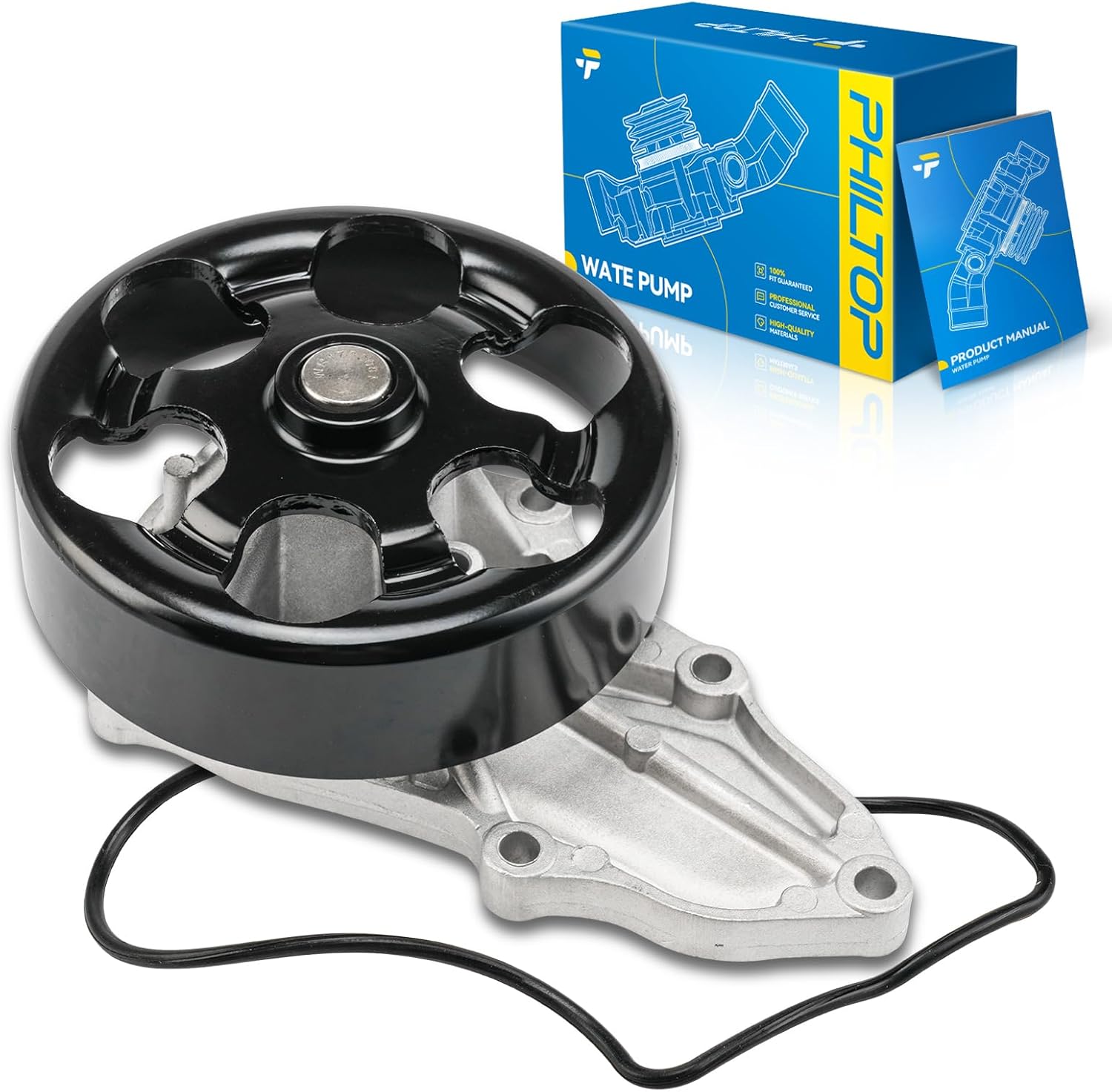
| Compatibility | Honda CR-V 2012-2014, Civic 2012-2015, Acura ILX 2013-2015 (2.4L) |
|---|---|
| Material | Aluminum |
| Manufacturer part number | 2056EWP063EUS |
| Item model number | AW6213 |
The PHILTOP AW6213 is a direct-fit replacement water pump kit intended for 2.4L Honda and Acura engines from the 2012–2015 model years. It replaces common OEM part numbers and comes with a machined aluminum pump, gasket and sealing hardware to simplify installation. In everyday use the stronger pulley and upgraded sealing aim to reduce noise and resist premature wear, helping the cooling system maintain stable engine temperature. The kit is manufactured in an IATF 16949 certified facility and includes a one-year / 30,000-km protection period, which gives added assurance after installation. Practical buyers will appreciate that the pump matches factory fitment so it installs like a factory replacement without modification. Limitations to expect are that this is a vehicle-specific fit so you must confirm exact year and engine option before buying, and the warranty is limited in duration compared with some extended aftermarket guarantees. Overall it is a practical replacement option for routine cooling system repairs on the specified Civic and compatible models.
Best for: Buyers who want a cost-effective, factory-style replacement that installs cleanly and restores proper cooling on 2012–2015 2.4L Honda and Acura vehicles. Ideal for DIYers and independent shops prioritizing reliable fitment and straightforward repair.
Less Ideal for: If you need a long-term performance upgrade or extended warranty protection, consider higher-end aftermarket or dealer parts with longer guarantees and performance-focused features.
- Direct-fit compatibility with 2.4L Honda CR-V, Civic and Acura ILX 2012–2015 for straightforward installation
- Machined aluminum housing and a high-strength pulley for quieter, wear-resistant operation
- Includes gasket and sealing hardware so you get the parts needed for a single-job replacement
- Manufactured in an IATF 16949 certified facility, suggesting consistent production quality
- Warranty coverage is relatively short at one year or 30,000 km
Verdict: A practical, factory-style replacement water pump kit that restores reliable cooling on 2.4L 2012–2015 Honda and Acura models with minimal fuss.
4. MPLUS Engine Water Pump (fits 2012–2015 Honda Civic 1.8L; 2013–2015 Acura ILX 2.0L)

| Compatible Vehicle Type | Honda Civic |
|---|---|
| OEM Equivalent Part Number | 135-2630 |
| Material Type | Aluminum |
This MPLUS replacement water pump is a straightforward factory-quality style pump made of aluminum and offered to fit 2012–2015 Honda Civic 1.8L and 2013–2015 Acura ILX 2.0L engines. It performs the basic job of circulating coolant through the engine cooling system and is sold as a single pump unit that installs in place of the original. The listing highlights OEM-equivalent part number 135-2630 and says manufacturing meets or exceeds factory standards, which suggests common-fit mounting points and a compatible impeller design. For owners on a budget this pump is attractive because it focuses on essential function rather than extras, and aluminum construction should resist corrosion better than cheaper cast-iron options. Expect a direct-replacement installation for typical DIY or shop swaps, but verify the part number and fitment photos against your old pump before ordering. The product documentation notes signs of pump failure to watch for like coolant leaks, unusual bearings noise, or overheating, so replacement timing should follow symptoms and coolant service history.
Best for: Drivers looking for a low-cost direct replacement that restores coolant circulation on late-model Civic 1.8L or ILX 2.0L engines and who prioritize economy and straightforward fitment.
Less Ideal for: Shoppers seeking premium performance upgrades, extended-life bearings, or pumps with included installation kits should consider higher-end or complete kit options instead.
- Made from aluminum which helps resist corrosion and aids longevity
- Labeled as OEM equivalent (135-2630) for straightforward fitment to the listed Civic/ILX engines
- Sold as a single, ready-to-install pump suitable for DIY replacement or professional swap
- Manufacturer claims manufacturing meets or exceeds factory standards for basic reliability
- No detailed performance or bearing lifespan data provided in the listing
- No included gasket or additional hardware specified, may require purchasing seals or bolts separately
Verdict: A budget-friendly aluminum replacement pump that restores factory-style coolant circulation for 2012–2015 Civic 1.8L and 2013–2015 ILX 2.0L engines.
5. TUCAREST AW6693 Water Pump (Pump Only) for 2012–2015 Honda Civic 1.8L

| Compatible engines | L4-1.8L R18Z1/R18A9 |
|---|---|
| Compatible years | 2012-2015 |
| Material Type | Aluminum |
| Fit type | Vehicle Specific Fit |
This TUCAREST AW6693 is a vehicle-specific replacement water pump sold as the pump only (no housing) for 2012–2015 Honda Civic 1.8L engines. It is intended to restore coolant circulation and prevent overheating by replacing a worn or failed pump. The unit is aluminum with an upgraded impeller and sealed high-load bearings that the manufacturer says improve coolant flow and durability. It ships with gaskets and seals for installation and is built in ISO/TS certified facilities to meet factory-spec dimensions. In real-world use the pump bolts into the original mounting location and functions like a factory replacement, making it suitable for a DIY install or a shop swap when the housing is reused. Buyers should note this listing is pump only so the old housing and any associated parts may need inspection or reuse during installation. Some customers reported occasional damaged gaskets in the box, so double-check seal condition before fitting. For reliability-minded shoppers, the construction and sealed bearings address common failure points but verifying the gasket and fitment before final assembly is recommended.
Best for: Buyers who prioritize long-term reliability and want a factory-quality replacement pump for a Civic 1.8L, whether installing it themselves or having a shop fit a direct swap.
Less Ideal for: Those replacing a water pump and housing together or wanting a complete replace-with-housing assembly should look for a kit that includes the housing and all mounting components.
- Vehicle-specific fit for 2012–2015 Honda Civic 1.8L engines
- Aluminum construction with upgraded impeller for improved coolant flow
- Sealed, high-load bearings designed for longer service life
- Manufactured in ISO/TS certified facilities and pre-tested for leak-free performance
- Ships as pump only, requires reuse or separate purchase of the housing in some repairs
- Reported instances of damaged gaskets in packaging so seal condition may need replacement
Verdict: A reliable, factory-quality replacement pump for 2012–2015 Honda Civic 1.8L owners who want a durable, direct-fit swap focused on long-term performance.
6. KAX Engine Water Pump with Gasket (fits Honda Civic 2012–2015, CR-V 2012–2014, Acura ILX 2013–2015)

| Model Number | AW6213 |
|---|---|
| Manufacturer Part Number | 8820EWP0636US |
| Material Type | Aluminum, Steel Impeller |
| Compatible Vehicle Type | Car |
| Automotive Fit Type | Vehicle Specific Fit |
This KAX water pump is a direct-fit replacement for affected 2012–2015 Honda Civic 2.4L engines and related CR-V and Acura ILX applications, supplied with a gasket for a ready-to-install swap. It uses an aluminum housing and a steel impeller, which helps with heat resistance and corrosion control compared with cheaper cast-iron alternatives. Buyers report straightforward bolt-on installation and reliable cooling function when fitted correctly, making it suitable for DIY mechanics or technicians doing a timed repair. The part lists many OEM-equivalent numbers and claims factory-quality manufacturing standards, and the included gasket and seals remove the need to source additional parts for most jobs. Some reviewers do report early failures or damaged gaskets on arrival, so inspect the unit and gasket before installation and be prepared to replace the gasket or return the part if damaged. This pump is a solid value for Civic owners seeking an affordable, vehicle-specific replacement but check fitment and inspect parts on delivery to avoid installation delays.
Best for: Buyers who prioritize a direct-fit, ready-to-install replacement with supporting fitment references and community feedback that confirms common compatibility and value.
Less Ideal for: Anyone who needs a long-term upgraded or high-performance cooling solution or who cannot accept the small risk of receiving a defective unit should consider a higher-end aftermarket or dealer-sourced pump.
- Direct vehicle-specific fit for Honda Civic 2012–2015 2.4L and listed CR-V/ILX models
- Includes gasket and seals for most installations
- Aluminum housing with steel impeller for improved corrosion and heat resistance
- Lists multiple OEM-equivalent part numbers for easier verification of fitment
- Some customers reported premature failures in a minority of units
- A few shipments arrived with a damaged gasket requiring replacement before installation
Verdict: A practical, vehicle-specific replacement that includes the gasket you need and offers good value for 2012–2015 Honda Civic owners looking for a straightforward DIY repair.
7. A-Premium Water Pump with Gasket for Honda Civic 2012–2015 / Acura ILX 2013–2015
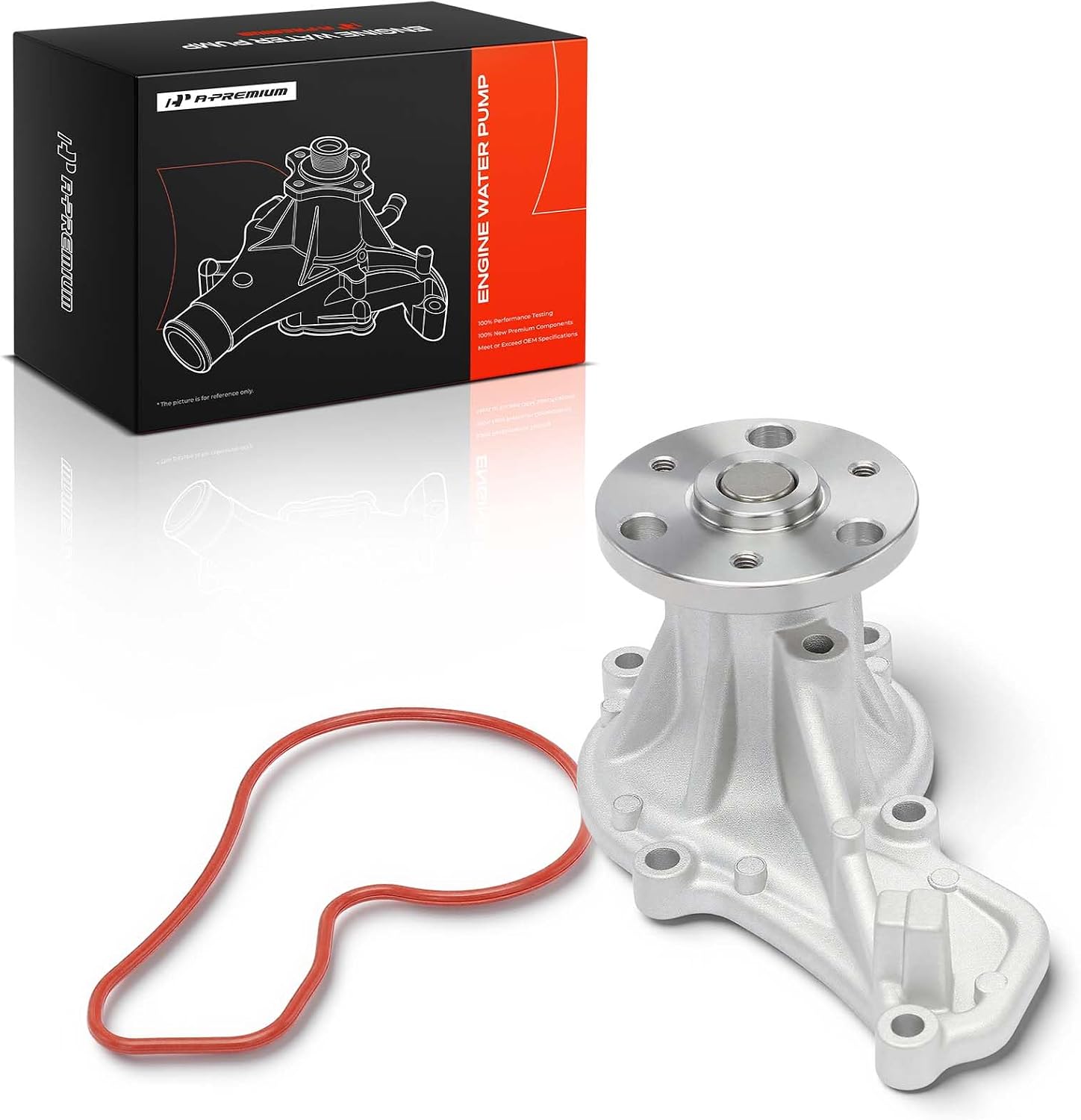
| Compatible vehicles | Honda Civic 2012-2015 L4 1.8L; Acura ILX 2013-2015 L4 2.0L |
|---|---|
| Housing material | Aluminum |
| Impeller material | Plastic |
| Drive type | Serpentine Belt |
This A-Premium water pump replaces the factory pump on 2012–2015 Honda Civic 1.8L and 2.0L engines and the 2013–2015 Acura ILX 2.0L. It uses an aluminum housing and a plastic impeller with reverse rotation and is driven by the vehicle serpentine belt. The pump ships with a gasket but no pulley, so installation typically involves swapping the original pulley and following standard coolant system bleeding procedures. Sellers highlight anticorrosion finishes and reinforced sealing to reduce leakage risk, which is important for long-term reliability. For a risk-averse buyer the one-year unlimited-mileage guarantee adds reassurance. Expect typical aftermarket fitment work such as checking OEM reference numbers and confirming bolt alignment before finalizing installation. The plastic impeller keeps costs and weight down but may not match high-end metal-impeller longevity under extreme conditions. In regular street use this pump offers a practical, factory-style replacement that restores coolant circulation without major modification.
Best for: Buyers seeking a reliable, factory-style replacement for coolant circulation on 2012–2015 Civic and 2013–2015 ILX four-cylinder engines who prefer a straightforward swap with warranty protection.
Less Ideal for: Drivers planning heavy-duty track use, extended high-temperature driving, or those who want an upgraded metal-impeller performance solution should consider more robust aftermarket options.
- Made with aluminum housing and corrosion-resistant finishes for durability
- Supplied with gasket for a more complete installation
- Designed to match factory drive type and impeller rotation for direct replacement
- Backed by a one-year unlimited-mileage guarantee
- Plastic impeller may be less durable than metal options under extreme heat or heavy use
- Pulley is not included, requiring reuse of the original pulley or separate purchase
Verdict: A practical, factory-style replacement water pump with gasket and a one-year guarantee that restores reliable cooling for 2012–2015 Civic and 2013–2015 ILX four-cylinder engines.
Choosing the Right 2012-2015 Honda Civic Water Pump: Key Factors to Consider
Fitment And Mounting Alignment
Exact fitment is essential for the 2012-2015 Civic because misaligned mounting or incorrect pulley spacing can cause belt wear, improper tensioning, and premature accessory failure. Confirm that the pump matches the FB and FG mounting pattern and that the shaft length and pulley surface sit at the same depth as the original to maintain belt alignment. Incorrect fitment can change how the timing or serpentine belt tracks, which in turn affects alternator and air-conditioning accessory loads.
Also check whether the replacement includes the correct gasket or O-ring type and that bolt hole locations match factory points. Some pumps are offered as direct-fit assemblies while others are housings that require reusing original components. For owners who want a straightforward swap, a direct-fit unit that mirrors the OEM mounting geometry will reduce installation time and the risk of leaks from poorly seated seals.
Bearing Quality And Expected Lifespan
Bearing quality dictates the pump's rotational smoothness and long-term life. Bearings that are underspecified or use lower-grade materials often produce noise after less than recommended service intervals and can seize under heavy duty or high-heat conditions. For Civic owners, a pump with sealed, grease-packed bearings and measurable service life expectations is preferable, especially if the vehicle sees regular highway duty or towing loads.
Listen for reported bearing noise in owner feedback; even minor rumble or chirp often precedes failure. Better bearings also reduce wobble that stresses seals and causes coolant leaks. Consider units with proven bearing designs and supplier documentation on bearing tolerances to avoid premature replacement.
Seal Design And Resistance To Coolant Degradation
The water pump seal prevents coolant from escaping along the shaft and is exposed to temperature cycles and coolant chemistry. Seal materials and design affect how the pump stands up to different coolant types and long-term thermal cycling common in Civic operation. Pumps using high-quality elastomers and robust mechanical seals resist swelling, hardening, or cracking that cause slow leaks over time.
Inspect whether the replacement uses a single-piece mechanical seal or multiple sealing surfaces, and whether it specifies compatibility with standard ethylene glycol or long-life coolants. For owners who do infrequent coolant changes, a more resistant seal can prevent seepage and reduce the chance of a surprise roadside leak.
Hydraulic Performance And Flow Characteristics
A replacement pump should provide comparable flow and pressure to the factory unit to maintain consistent engine temperature and heater performance. Undersized or differently profiled impellers can reduce coolant circulation, creating hot spots or slower warm-up times. Conversely, an overactive pump could increase parasitic load without a meaningful benefit.
Check manufacturer specs for flow rate and whether the impeller design matches the OEM contours. For Civic engines across 2012-2015, matching the original flow characteristics preserves thermostat operation and cabin heating behavior and reduces the risk of idle or load-related temperature swings.
Corrosion Resistance And Materials
Materials used for the pump housing, impeller, and fasteners influence long-term corrosion resistance, particularly in climates where road salt, hard water, or variable coolant mixes are common. Cast aluminum housings offer a good balance of weight and corrosion resistance, while some lower-cost options use plated steel or composite components that may degrade faster.
Verify coatings, anodizing, or use of stainless fasteners where possible. A corrosion-resistant finish keeps mounting surfaces flat and helps maintain gasket sealing over many years. Owners who operate their Civic in coastal or salted-road environments should pay particular attention to material specifications to avoid leaks caused by corrosion-induced surface pitting.
Installation Accessibility And Required Labor
The water pump on many 2012-2015 Civic engines can require partial accessory removal or coolant system draining, which affects labor time and complexity. Consider whether the replacement is a full assembly that includes the gasket and all necessary hardware, which reduces the chance of missing parts during reassembly. Some pumps require special tools or repositioning of the engine mount to access fasteners; verify the installation notes before you start.
If you plan DIY installation, check whether the pump comes with clear instructions and whether common steps such as belt tensioning, coolant bleeding, and torque specifications are documented. For owners budgeting for a shop job, pump units that minimize teardown will reduce installation cost and potential for installation-related leaks.
Common Signs Your Civic Water Pump Is Failing
Recognizing early symptoms helps avoid engine overheating and secondary damage. Look for coolant pooling under the car or dampness near the timing cover area, which can indicate a seal leak along the pump shaft. Coolant loss is often gradual at first and may be mistaken for other leaks; track coolant level over several days to detect slow seepage.
Unusual noises such as a rhythmic chirp or grinding from the front of the engine can signal bearing wear. Temperature fluctuations on the gauge, especially under load or while idling, suggest degraded flow. Also note any steam from the radiator or an illuminated temperature warning light, which are urgent indicators of cooling system compromise.
- Coolant puddles or crusty residue at the front of the engine
- Grinding or whining sounds that change with engine speed
- Higher idle temperatures or overheating during low-speed driving
- Green or orange coolant stains on the timing belt cover or engine block
DIY Considerations: Replacing The Water Pump On A 2012-2015 Civic
A competent DIYer with common hand tools can replace the pump, but plan for coolant draining, safe engine support, and careful belt routing. Take photographs of belt and accessory arrangements before removal and label hoses to avoid confusion. Replace the thermostat and hoses if they show age, since these items are easy to access during pump replacement and help ensure long-term system reliability.
Bleeding air from the cooling system properly after installation is critical to avoid hot spots. Follow the vehicle-specific bleeding procedure and run the engine to normal temperature while monitoring for leaks. Torque fasteners to factory specifications and use a new gasket or O-ring supplied with the pump to create a reliable seal.
- Have a drain pan and proper coolant disposal plan
- Keep replacement gaskets, new bolts, and thread sealant on hand if required
- Inspect timing/serpentine belt condition while components are accessible
- Plan for approximately half a day of work for experienced DIYers
Maintenance Tips To Extend Pump Life
Regular coolant changes with the manufacturer-recommended fluid and concentration reduce corrosive sediment and maintain seal health. Avoid mixing incompatible coolants, which can degrade elastomers and promote internal corrosion. Periodic visual checks for seepage, belt tension, and accessory noise will catch problems early.
Keep the cooling system clean by flushing at recommended intervals and replace worn belts and tensioners promptly. Addressing a small drip or faint bearing noise early can prevent a full pump failure that risks overheating and secondary engine damage.
- Follow the coolant replacement interval recommended for the vehicle
- Inspect drive belt and tensioner every service and replace if aged
- Top up coolant with the correct type rather than diluting with water alone
Choosing Between New-Style Assemblies And Rebuilt Units
New assembly pumps are usually supplied as a complete unit with gasket, bearing, and impeller matched to the housing. They reduce installation steps and the risk of mismatched components. Rebuilt or remanufactured pumps may reuse the original housing with replaced internals; quality varies based on the rebuild process and parts used.
If considering a rebuilt unit, confirm the rebuild includes new bearings, seals, and any wear-prone hardware. For the 2012-2015 Civic, direct-fit new assemblies that document OEM-equivalent flow and mounting geometry typically simplify installation and reduce the chance of repeat service.
- New assemblies: simpler install, consistent parts
- Rebuilt units: verify which components were replaced
- Always ensure gasket compatibility with the housing surface
When To Replace The Thermostat, Hoses, And Tensioner
Because these components are often exposed during a pump replacement, evaluating their condition at the same time is efficient. A failing thermostat can mimic pump problems by restricting flow, while aged hoses can split or leak when disturbed. Belt tensioners that have worn bearings will accelerate belt wear and stress the new pump bearings.
Replacing the thermostat and hoses when they show signs of age reduces the number of future interventions into the cooling system. This approach improves overall system reliability and can prevent the need to reopen the same components for related failures shortly after a pump swap.
- Replace thermostat if vehicle exhibits inconsistent operating temperature
- Replace hoses with soft spots, bulges, or external cracking
- Replace tensioner if pulley wobble or noise is present
Still looking for the perfect fit?
Select your Honda Civic configuration to see the most relevant Water Pumps recommendations
How We Chose the Best 2012-2015 Honda Civic Water Pump
We evaluated candidate water pumps using criteria that reflect real-world service needs for 2012-2015 Honda Civic engines. Primary evaluation points included mechanical durability, which covers bearing quality and shaft construction; seal integrity and resistance to coolant-related degradation; and exact fitment to the Civic FB and FG engine mounts and pulley alignment to avoid belt mis-tracking. We also prioritized pumps that meet or closely match factory flow and pressure specifications to preserve cooling performance and thermostat behavior.Additional filters included ease of installation, measured by whether the unit uses original-style mounting points and commonly available gaskets; availability of replacement seals and hardware; and the supplier's documented manufacturing tolerances. We excluded units with unclear fitment data, missing critical hardware like gaskets or mounting bolts, or reports of premature bearing or seal failures. Finally, we considered reported owner feedback about noise and leak rates to weigh real-world durability alongside specification sheets.
Our full evaluation process is outlined in our review methodology.
FAQ
How long do water pumps typically last on a 2012-2015 Civic?
Lifespan often depends on driving conditions and maintenance but many pumps last 60,000 to 100,000 miles. Regular coolant changes and addressing belt or tensioner wear can extend service life.
Can I drive the Civic if the water pump is leaking coolant?
Driving with an active leak risks engine overheating and should be avoided. If the leak is minor you might be able to move the vehicle a short distance, but substantial coolant loss requires immediate attention to prevent engine damage.
Will bearing noise always mean the water pump needs replacement?
Bearing noise is a strong indicator of impending pump failure, but it is worth verifying the source since other accessories can make similar sounds. If the noise tracks with engine speed and originates near the pump, plan to replace it soon.
Is it necessary to replace the thermostat when changing the water pump?
It is not strictly required, but replacing the thermostat at the same time is good practice if it is old or showing symptoms. It reduces future labor and ensures the cooling system functions cohesively after the pump swap.
What causes a water pump seal to fail on these Civics?
Seal failure usually results from bearing wear that allows shaft wobble, degraded seal materials from contaminated coolant, or improper installation. Maintaining clean coolant and addressing bearing noise early helps prevent seal failures.
Can I use a different type of coolant when replacing the pump?
You should use coolant specified for the vehicle and avoid mixing incompatible types. If you change coolant chemistry, flush the system thoroughly to remove residues that can harm seals or cause corrosion.
Final Verdict
When replacing a water pump on a 2012-2015 Honda Civic prioritize correct fitment, bearing quality, and seal design to ensure long-term cooling reliability. Evaluate hydraulic performance relative to the OEM unit and consider replacing related components such as the thermostat, hoses, and tensioner while the system is open.Balancing these factors will minimize the chance of repeat service and help you select a pump that keeps engine temperatures stable with low noise and leak-free operation. Choose the option that matches Honda FB and FG mounting and flow specs and plan for proper installation and coolant bleeding to secure the best outcome.
Explore More:
- Check out all Honda Civic parts & accessories
- Explore Water Pumps Maintenance & Repair Guides
- Explore Cooling System
- Browse all Auto Parts
