

Note: This article contains affiliate links. If you click on these links and make a purchase, I may earn a small commission at no extra cost to you. This helps support my research and content. Read my full affiliate disclosure here.
If you own a 1999–2006 Chevrolet Silverado 1500 and are troubleshooting rough idle, vacuum issues, or reduced power, the intake manifold is a likely place to check. Choosing the right intake manifold affects airflow balance, sealing at the gasket surfaces, and long-term durability under highway and towing loads.This guide covers the top shortlisted intake manifolds for your Silverado 1500 across the 1999–2006 range and explains the practical tradeoffs—fitment, sealing reliability, material, and installation complexity—we used to evaluate each option. Read on to understand which features matter most and how the picks address common intake manifold symptoms and leaks before you commit to a replacement or upgrade.
Looking for other parts? See all Chevrolet Silverado 1500 parts & accessories.
Top Picks at a Glance
| Best Overall The best all-around choice for most situations | GM Genuine Parts 12639087 Intake Manifold Assembly | 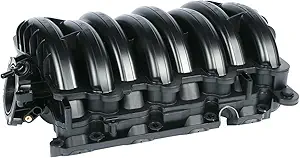 |
| Best Quality Built to a higher standard if you want something more solid | GM Genuine Parts 12623417 Intake Manifold Assembly |  |
| Best Value The sweet spot between price and what you get | maXpeedingrods Plastic Intake Manifold Assembly for 1999–2007 Chevy/GMC V8 Applications |  |
| Best Budget The cheapest option that still gets the job done reliably | A-Premium Upper Intake Manifold Replacement for 4.3L V6 |  |
| Most Popular A crowd favorite that many people choose with confidence | Dorman 615-183 Upper Plastic Intake Manifold with Gaskets |  |
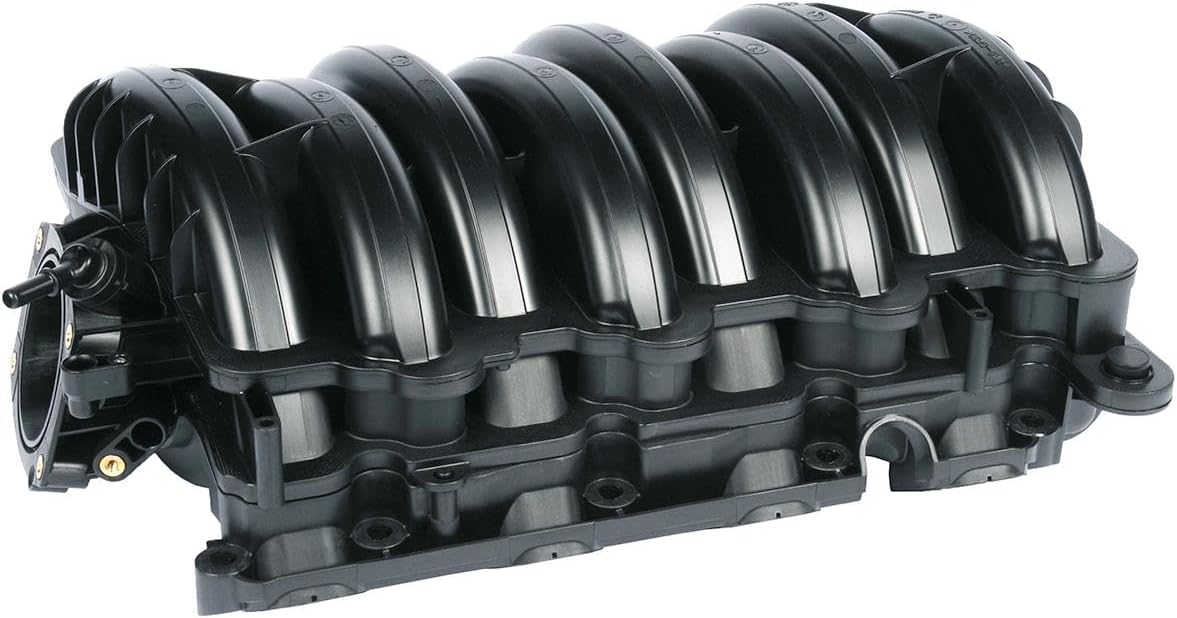
1. GM Genuine Parts 12639087 Intake Manifold Assembly
| OEM Part Number | 12639087 |
|---|---|
| Model | Intake Manifold Assembly |
| Exterior | Machined |
| UPC | 808709067702 |
This GM Genuine Parts 12639087 intake manifold is a factory-quality replacement designed to restore or improve intake airflow on compatible GM small-block engines. It installs like a direct-fit component and is used when replacing a damaged manifold or performing swaps such as fitting a 6.2L intake onto a 5.3L application. The part is manufactured to GM specifications for fit, form, and function and arrives machined and ready to bolt in. Real-world benefits include reliable fitment, minimal modification for most installs, and the option to port and match with larger throttle bodies for more performance. Common limitations reported by buyers are fragile plastic fittings such as the PCV nipple that can break in shipping or during handling and occasional fitment issues if vehicle-specific differences are not checked first. Expect to buy any engine-specific hoses or throttle body adapters separately when doing non-stock swaps.
Best for: Buyers wanting a dependable, factory-quality intake for restoration or performance swaps who value direct-fit installation and parts that match factory specifications.
Less Ideal for: Do not choose this part if you cannot verify exact engine fitment for your 1999–2006 Silverado or if you need a manifold with reinforced aftermarket fittings for heavy-duty off-road use.
- Factory-quality design engineered to GM specifications for reliable fit and function
- Machined exterior and ready-to-install finish reduces prep time
- Works as a direct replacement or upgrade for common GM intake swaps
- Accepts larger throttle bodies and responds well to porting for performance gains
- Some plastic fittings such as the PCV nipple have a history of breaking during shipping or handling
Verdict: Choose this GM Genuine intake when you want a direct-fit, factory-quality manifold that simplifies swaps and reliable replacements for 1999–2006 Silverado applications.
2. GM Genuine Parts 12623417 Intake Manifold Assembly

| OEM Part Number | 12623417 |
|---|---|
| Model | Manifold-Int |
| Exterior | Machined |
| UPC | 808709067511 |
This GM Genuine Parts intake manifold is a direct-fit replacement designed and validated by General Motors to restore intake routing and performance on compatible Chevrolet small-block engines. Installed in the intake port area, it provides the factory intake runner geometry and mounting points so throttle body, sensors, and fuel components align without modification. The machined exterior and OEM part number mean it matches factory fit and should simplify installation for a technician or experienced DIYer. For performance-focused builds in the 1999–2006 Silverado 1500 range, this manifold preserves stock airflow characteristics and reliability, making it a sensible choice when you want factory-caliber operation rather than aftermarket gains. It does not offer enlarged ports, variable runner tuning, or other performance-oriented features, so it will not increase horsepower by itself; anyone seeking measurable power gains should pair it with a tuned intake, throttle body, or head work. Overall it is solid for restoring stock performance and maintaining factory drivability and emissions function.
Best for: Buyers who need a reliable, factory-quality replacement manifold to restore stock performance and drivability on a 1999–2006 Silverado 1500 and prefer a direct-fit, trouble-free install.
Less Ideal for: People building a performance intake or pursuing horsepower gains who plan to use porting, larger throttle bodies, or tuned intake systems should choose an aftermarket performance manifold instead.
- Factory-validated fit and mounting for direct replacement on compatible GM V8 engines
- Machined exterior and OEM part number support reliable sealing and installation
- Restores factory airflow and emissions components without modification
- Backed by GM Genuine Parts heritage and engineering validation
- Does not provide enlarged ports, runner tuning, or other performance enhancements
Verdict: Choose this GM Genuine Parts manifold when you want a factory-fit replacement that restores stock airflow and reliability without modification.
3. maXpeedingrods Plastic Intake Manifold Assembly for 1999–2007 Chevy/GMC V8 Applications

| Application range | 1999–2007 Chevrolet and GMC V8 models listed |
|---|---|
| Material | Plastic molded manifold |
| Fitment | Direct bolt-on replacement |
| Manufacturer support | Lifetime technical support and 1-year limited warranty |
This maXpeedingrods intake manifold is a direct bolt-on replacement for many 1999–2007 Chevrolet and GMC V8 applications and is intended to restore or modestly improve engine breathing compared with an aged factory manifold. Made from molded plastic with smooth internal runners, it is built to reduce airflow restriction and can help recover low-end torque and combustion efficiency—useful for trucks that tow or carry loads. Installation is straightforward: it bolts up to factory locations and uses existing mounting interfaces so no modification is required. The part is offered with dealer-style fitment references and comes with manufacturer support and a limited warranty. Expect the benefit to be practical and reliability-focused rather than a major power upgrade; plastic construction keeps weight down but will not match high-end aftermarket performance manifolds for extreme horsepower builds. For routine replacement or restoring throttle response on a daily driver or work truck this manifold is a sensible, cost-conscious option.
Best for: Buyers who want a practical, factory-style replacement that restores airflow and drivability on older V8 trucks without expensive upgrades.
Less Ideal for: Drivers building a high-horsepower or racing engine who need an aluminum or performance-tuned intake for maximum flow and heat management.
- Direct bolt-on fitment to listed 1999–2007 Chevy and GMC V8 applications for easy installation
- Smooth internal runners designed to reduce airflow restriction and improve low-end torque
- Plastic construction that resists corrosion and reduces component weight
- Manufacturer provides technical support and a limited warranty
- Plastic manifold will not offer the same thermal or strength characteristics as high-end aluminum performance manifolds
Verdict: A practical, direct-fit replacement that restores low-end torque and throttle response on 1999–2007 Chevy and GMC V8 trucks without extra modification.
4. A-Premium Upper Intake Manifold Replacement for 4.3L V6

| Compatible engines | V6 4.3L |
|---|---|
| Reference numbers | 17113542, 12556521, 615-182, 87-1603, FH10114 |
| Item model number | APIM010 |
| Manufacturer | PremiumpartsWhosale |
| Brand | A-Premium |
This A-Premium upper intake manifold is a direct-fit replacement aimed at restoring airflow and vacuum connections on 4.3L V6 Chevrolet and GMC models from the 1999 to 2006 era. Intended for drop-in replacement, it matches common reference numbers so it lines up with factory mounting points and sensors, making installation straightforward for a DIY mechanic or a shop doing a routine intake swap. The manifold is molded plastic rather than metal, which keeps cost and weight down and resists corrosion, but it can flex more than a metal unit. Buyers will appreciate the included fitment coverage and the one-year unlimited-mileage guarantee for peace of mind. Some users report occasional fitment variance at vacuum ports and minor alignment issues, so double-check mating surfaces and vacuum hose sizes during install. Overall this part is practical for budget repairs where you want a reasonably accurate replacement without paying for an OEM unit or performance upgrades.
Best for: A practical buyer looking to repair a 1999–2006 Silverado 1500 V6 on a tight budget and who prefers an affordable, mostly plug-and-play replacement over buying a factory part.
Less Ideal for: Not the best choice for people seeking an upgraded performance manifold or those who want a heavy-duty metal replacement for high-stress applications.
- Designed as a direct-fit replacement for 4.3L V6 GM applications to simplify installation
- Plastic construction resists corrosion and keeps cost and weight low
- Covers a wide range of late 1990s–mid 2000s GM V6 vehicles using common reference numbers
- Backed by a one-year unlimited-mileage guarantee from the maker
- Plastic construction can flex more than metal manifolds and may feel less substantial
- Some reports of loose or oversized vacuum ports requiring minor adaptation during install
Verdict: A budget-focused, direct-fit intake manifold that restores factory fitment and function for 4.3L V6 Silverado 1999–2006 without the cost of a factory unit.
5. Dorman 615-183 Upper Plastic Intake Manifold with Gaskets

| Material Type | Plastic |
|---|---|
| Compatible with Vehicle Type | Car, Truck |
| Automotive Fit Type | Vehicle Specific Fit |
| Included Components | Intake manifold and gaskets |
This Dorman 615-183 replaces the upper intake manifold and comes with the gaskets needed for a full swap on compatible 1999–2006 Chevy 5.3L engines. It is molded from plastic and built to mirror factory fit and function, so installers can expect familiar mounting points and integrated passages for vacuum and coolant where applicable. The kit includes injector seals and gaskets, reducing parts hunting during a repair. Practical benefits include lower cost than dealer parts and a limited lifetime warranty for added confidence. Some owners report minor design changes such as relocated sensor ports and different mounting hardware, so careful attention to torque specs and wiring routing is required during installation. A small number of users experienced failures or drivability issues, so verifying fit and following instructions exactly is important. For a DIYer or shop replacing a leaking or cracked intake, this manifold offers a budget-friendly, mostly plug-and-play option, but cautious buyers should inspect for shipping damage and be prepared to adjust sensor wiring or use correct fasteners and torque tools.
Best for: Buyers who want a cost-conscious, largely direct-replacement intake for Chevy small-block maintenance or overhaul and who prioritize confirmed fit and community feedback when choosing parts.
Less Ideal for: People seeking a factory-metal or performance-oriented aftermarket manifold or those unwilling to troubleshoot relocated sensors and nonstandard mounting hardware.
- Includes gaskets and injector seals for a more complete installation
- Designed to match factory fit and mounting locations for easier replacement
- Lower cost alternative to dealer manifold with a limited lifetime warranty
- Packaged as a vehicle-specific kit to reduce parts compatibility guesswork
- Plastic construction and some changed sensor/mount locations can require minor wiring or hardware adjustments
- Some reported units arrived damaged or required a replacement unit
Verdict: A budget-friendly, vehicle-specific replacement that provides a near-factory fit and the convenience of included gaskets for 1999–2006 Silverado 5.3L intake repairs.
Choosing the Right 1999-2006 Chevrolet Silverado 1500 Intake Manifold: Key Factors to Consider
Fitment And Exact Compatibility
Correct fitment matters because the 1999–2006 Chevrolet Silverado 1500 uses specific intake flange geometry, bolt patterns, and sensor locations that must match the manifold. A manifold that is not precisely compatible can cause misaligned ports, throttle linkage interference, or require adapter plates that create additional leak points.
Confirming compatibility reduces installation time and avoids modifications to vacuum lines, coolant passages, or PCV plumbing. It also ensures that stock intake gaskets and hardware line up, which preserves OEM torque sequences and reduces the risk of uneven sealing that can lead to vacuum leaks or coolant intrusion.
Sealing Design And Gasket Interface
The manifold-to-head sealing surface is the primary defense against vacuum leaks and coolant seepage on this generation Silverado. Look for manifolds with generous gasket contact areas, raised sealing lips where appropriate, and surfaces machined or finished to accept a replacement gasket without gaps.
How the manifold compresses the gasket under the correct bolt torque pattern directly affects idle quality and drivability. Poor sealing design can produce intermittent vacuum leaks that mimic other symptoms, so prioritize manifolds with proven gasket interfaces and clear installation guidance.
Material Quality And Thermal Stability
Intake manifolds for these trucks are commonly made from aluminum or composite materials. Material choice influences weight, heat absorption, and long-term dimensional stability. Aluminum offers strength and heat conduction but can warp if repeatedly overheated; engineered composites resist heat soak and can reduce intake temperatures but vary in long-term durability.
For Silverado owners who tow or operate in hot climates, prioritize manifolds with verified thermal stability and manufacturing quality to avoid warpage, cracking, or deformation that would compromise the gasket seal.
Vacuum And Sensor Porting
The 1999–2006 Silverado relies on a network of vacuum fittings and sensors for emission controls, fuel management, and cruise functions. A replacement manifold must provide the correct number, size, and placement of ports for the PCV, brake booster vacuum, MAP or vacuum taps, and any EVAP connections.
Mismatched porting forces rerouting with hoses and fittings that can introduce extra joints and potential leak points. Choose manifolds with factory-style porting or clearly documented port locations to maintain system integrity and simplify installation.
Installation Complexity And Hardware
Installation difficulty affects labor time and the chance of installation error. Manifolds that reuse stock hardware locations and require minimal accessory removal save time. Consider whether the manifold requires removal of accessories such as throttle bodies, EGR components, or fuel rails, and whether new gaskets or longer bolts are included.
Also factor in whether the manufacturer supplies torque specifications and a recommended bolt sequence. Missing or nonstandard hardware increases the chance of incorrect torqueing, uneven compression, and subsequent leaks.
Airflow And Performance Potential
For owners seeking improved throttle response or modest power gains, internal runner shape, plenum volume, and port matching to the cylinder head matter. A manifold that smooths airflow and reduces turbulence can improve midrange torque and responsiveness without other engine changes.
However, aggressive performance manifolds may shift torque curves and require additional tuning or supporting modifications. Balance performance intent with everyday drivability and make sure the manifold's airflow characteristics match how you use the Silverado 1500.
Common Intake Manifold Symptoms On 1999–2006 Silverado 1500
Owners of the 1999–2006 Chevrolet Silverado 1500 often see recognizable signs when the intake manifold or its gasket begins to fail. Symptoms include rough idle, stumbling on acceleration, intermittent misfires, higher-than-normal idle speed, and engine coolant loss when the manifold interfaces coolant passages. These symptoms can appear gradually or after events such as overheating or long-term vibration.
Another typical sign is an engine vacuum leak that causes a lean condition detectable by diagnostic codes or a change in throttle response. Pay attention to hissing sounds around the intake manifold area and check for residue or dried coolant at gasket edges as indicators of seepage.
- Rough or unstable idle
- Unexplained coolant loss near the intake manifold area
- Hissing or vacuum leak noises
- Reduced throttle response or hesitation
- Check engine light with lean or misfire codes
Diagnosing An Intake Manifold Leak Or Vacuum Leak
Start diagnosis by visually inspecting gasket seams and vacuum lines for cracks, loose fittings, or degraded hose clamps. For vacuum leaks, use a handheld vacuum pump on accessible ports or perform a controlled smoke test if available to find escaping air paths. For coolant-related manifold leaks, inspect for dried coolant deposits or wetness around the intake-manifold-to-head interface.
If the engine runs, carefully apply a small amount of carburetor-cleaner-style spray or an appropriate safe leak-detection aerosol around gasket seams while idling; a change in RPM may indicate a leak. Always follow safety precautions when using flammable aerosols and avoid direct contact with hot components.
- Visual inspection for residue and loose hoses
- Smoke test to locate vacuum leaks
- Use a vacuum pump or idle-response sprays cautiously
- Check for coolant traces at seams and bolt heads
Preparing For Intake Manifold Replacement On This Truck
Preparation reduces time and error during replacement. Gather new intake gaskets, any manufacturer-recommended replacement bolts or studs, and replacement vacuum hoses if original lines show age-related cracking. Have service information handy for the correct bolt torque sequence and torque specs for the 1999–2006 Chevrolet Silverado 1500 to ensure even sealing.
Label vacuum lines and electrical connectors during disassembly to avoid confusion on reassembly. Drain coolant if the manifold interfaces coolant passages, and plan for a controlled work area with organized trays for hardware. A torque wrench, extension bars, and a mirror or inspection light will make access to rear bolts easier.
- New gaskets and recommended replacement hardware
- Torque wrench and manufacturer torque specs
- Draining coolant when required
- Label vacuum lines and connectors during removal
Maintenance Tips To Prolong Intake Manifold Life
Regular visual checks for hose deterioration and gasket seepage catch early problems before they worsen. Keep PCV and related valves functioning to limit oil buildup inside the intake plenum. Periodic intake manifold cleaning can remove carbon deposits that impede airflow and contribute to uneven port sealing.
Avoid repeated overheating events and address cooling-system issues promptly, since excessive heat cycling accelerates seal and material deterioration. When servicing the intake, replace any brittle vacuum hoses and use fresh gaskets to maintain reliable sealing rather than reusing old components.
- Inspect vacuum hoses and clamps regularly
- Service PCV components to limit oil contamination
- Clean intake passages when carbon buildup affects performance
- Replace gaskets and brittle hoses during service
When To Consider A Performance-Oriented Intake Manifold
Consider a performance-oriented manifold if the truck has supporting modifications such as camshaft, intake-port work, or tuning that can use improved airflow characteristics. These manifolds can offer smoother airflow and potential midrange gains, but they must still match the Silverado 1500's vacuum and sensor needs.
Remember that performance manifolds can change drivability and may require recalibration of engine management. For daily-driven trucks used for towing and hauling, weigh reliability and sealing performance above marginal peak-power gains.
- Best with supporting engine modifications
- May require tuning or ECU calibration
- Prioritize sealing and factory porting for daily-driven trucks
How We Chose the Best 1999-2006 Chevrolet Silverado 1500 Intake Manifold
We focused on fitment and sealing performance specific to the 1999–2006 Chevrolet Silverado 1500. Selection started with parts designed or specified for the exact year range and then prioritized manifolds that address common failure points for these trucks. Key evaluation criteria included intake-to-head sealing design, flange and gasket contact area, material and casting quality, and compatibility with stock sensors and vacuum fittings.We also evaluated airflow characteristics where relevant for performance-oriented options, and assessed ease of installation for typical DIY and shop-level replacements. Durability under highway loads and resistance to warpage or cracking were considered. Exclusions: we did not include manifolds that require extensive cylinder-head modification, custom fabrication, or that lack documented fitment for the 1999–2006 Silverado 1500. The result is a short list of candidates that balance correct fit, sealing integrity, and practical installation concerns for this truck platform.
Our full evaluation process is outlined in our review methodology.
FAQ
What are the most common signs of an intake manifold gasket failure on a 1999–2006 Silverado 1500?
Common signs include rough or fluctuating idle, hissing vacuum noises near the manifold, unexplained coolant loss or dried coolant around the manifold seams, and diagnostic codes for lean condition or misfires. Symptoms often get worse under load or during idle.
Can I drive the truck with a small intake manifold vacuum leak?
Driving with a small vacuum leak is possible but not recommended. A leak can cause lean running, drivability issues, and potential long-term engine damage. It also makes diagnostics difficult. Addressing leaks promptly reduces the risk of further complications.
How do I check for an intake manifold coolant leak without removing the manifold?
Visually inspect for wetness or dried coolant residue at the gasket edges and bolt heads. Pressure-testing the cooling system can reveal external leaks, and a careful smoke test or idle-response spray around the manifold seam may indicate a leak path. For internal coolant intrusion, look for white residue in intake ports or oil that appears milky.
Do I need new bolts or torque specs when replacing the intake manifold?
Yes. Many manufacturers recommend replacing stretch bolts or using specific torque sequences and incremental torque values. Follow the documented torque specs and sequence for the 1999–2006 Silverado 1500 to ensure even gasket compression and avoid future leaks.
How often should the intake manifold be cleaned on these Silverado trucks?
There is no fixed interval; cleaning is usually condition-driven. If you observe reduced throttle response, excessive carbon buildup in intake ports, or if the PCV system is contaminated, plan cleaning during major service. Regular inspections will indicate when cleaning is appropriate.
Will a performance intake manifold improve towing capability?
A performance intake manifold may improve airflow and throttle response, which can help under certain conditions. However, towing performance depends on overall engine setup, gearing, and cooling. For towing, prioritize sealing reliability and thermal stability over small peak-power gains.
Final Verdict
For the 1999–2006 Chevrolet Silverado 1500, prioritize intake manifolds that deliver correct fitment, proven sealing surfaces, and the required vacuum and sensor porting. Material stability and clear installation guidance matter as much as airflow gains, especially for trucks used for towing or daily driving.Balance your goals: choose a durable, well-sealed manifold for reliability and drivability, or opt for a performance-oriented unit only if you have complementary engine modifications and are prepared to address tuning and installation nuances.
Explore More:
- Check out all Chevrolet Silverado 1500 parts & accessories
- Explore Intake Manifolds Maintenance & Repair Guides
- Explore Engine
- Browse all Auto Parts
