

Note: This article contains affiliate links. If you click on these links and make a purchase, I may earn a small commission at no extra cost to you. This helps support my research and content. Read my full affiliate disclosure here.
If your 2009-2014 Ford F-150 has inconsistent fan speeds, weak airflow, or no blower at certain settings, the blower motor resistor is a common and fixable cause. Replacing the right resistor restores predictable HVAC performance and keeps the cabin comfortable during summer and winter. This guide covers six top-rated blower motor resistors specifically for the 2009-2014 Ford F-150, shortlisted for proper fitment and long-term reliability.Below we evaluate each option for fitment, thermal durability, and electrical reliability so you can pick the resistor that matches your repair approach and service skills.
Looking for other parts? See all Ford F-150 parts & accessories.
Top Picks at a Glance
| Best Overall The best all-around choice for most situations | POHILA HVAC Blower Motor Resistor for 2009–2017 Ford F-150/Expedition/Navigator |  |
| Best Quality Built to a higher standard if you want something more solid | Motorcraft YH-1827 HVAC Blower Motor Resistor |  |
| Best Value The sweet spot between price and what you get | A-NAFTULY HVAC Blower Motor Resistor YH-1715 (replacement) |  |
| Highest Rated A top-rated pick with lots of positive feedback | MNJWS HVAC Blower Motor Resistor Module for 2010–2014 Ford F-150 and 2010–2017 Expedition/Navigator |  |
| Most Popular A crowd favorite that many people choose with confidence | AA Ignition HVAC Blower Motor Resistor (3F2Z-18591-AA Compatible) |  |
| Best Seller A high-volume bestseller chosen again and again | Marsflex Blower Motor Resistor (APAC05006) for Manual AC Control |  |
POHILA HVAC Blower Motor Resistor for 2009–2017 Ford F-150/Expedition/Navigator

| Compatible years | 2009-2017 |
|---|---|
| Manufacturer | POHILA |
| Manufacturer Part Number | POHILAYILI7382D-DX |
| ASIN | B0CB814KGS |
This POHILA blower motor resistor replaces the factory unit to restore variable fan speeds in affected F-150, Expedition, Navigator and related models. It installs into the blower housing and is intended as a direct-fit replacement for the referenced part numbers, with a wiring harness included for plug-and-play or rewiring when the original connector is damaged. The part is made from reinforced materials and the listing states it is tested before shipping, which aligns with typical aftermarket replacements that prioritize fit and basic durability. In use it returns lost blower speeds and eliminates intermittent blower operation, although some owners report a slight delay when changing speeds compared with factory parts. Installation is straightforward for a DIYer with basic hand tools and access to the blower motor area. If you need a simple, cost-effective repair to restore HVAC function without replacing the entire blower assembly, this unit is a practical option, but expect modest differences in response time versus factory parts.
Best for: Buyers wanting a reliable, budget-friendly repair to restore HVAC fan control on the covered Ford trucks and SUVs who prefer a straightforward DIY install over replacing the entire blower assembly.
Less Ideal for: People seeking exact factory-matched response characteristics or professional shops that prefer sourcing OEM factory-quality parts from original suppliers.
- Direct-fit replacement for specified 2009–2017 Ford applications for easy installation
- Includes wiring harness for plug-and-play or to replace a damaged connector
- Made from reinforced materials and tested prior to shipping for basic durability
- Restores variable fan speeds and resolves intermittent blower operation
- Some users note a minor delay in fan speed response compared with factory units
Verdict: A practical, easy-to-install replacement resistor that reliably restores blower speed control on covered 2009–2017 Ford trucks and SUVs.
Motorcraft YH-1827 HVAC Blower Motor Resistor
| Brand | Motorcraft |
|---|---|
| Model | YH1827 |
| Part Number | YH1827 |
| Material Type | resistor |
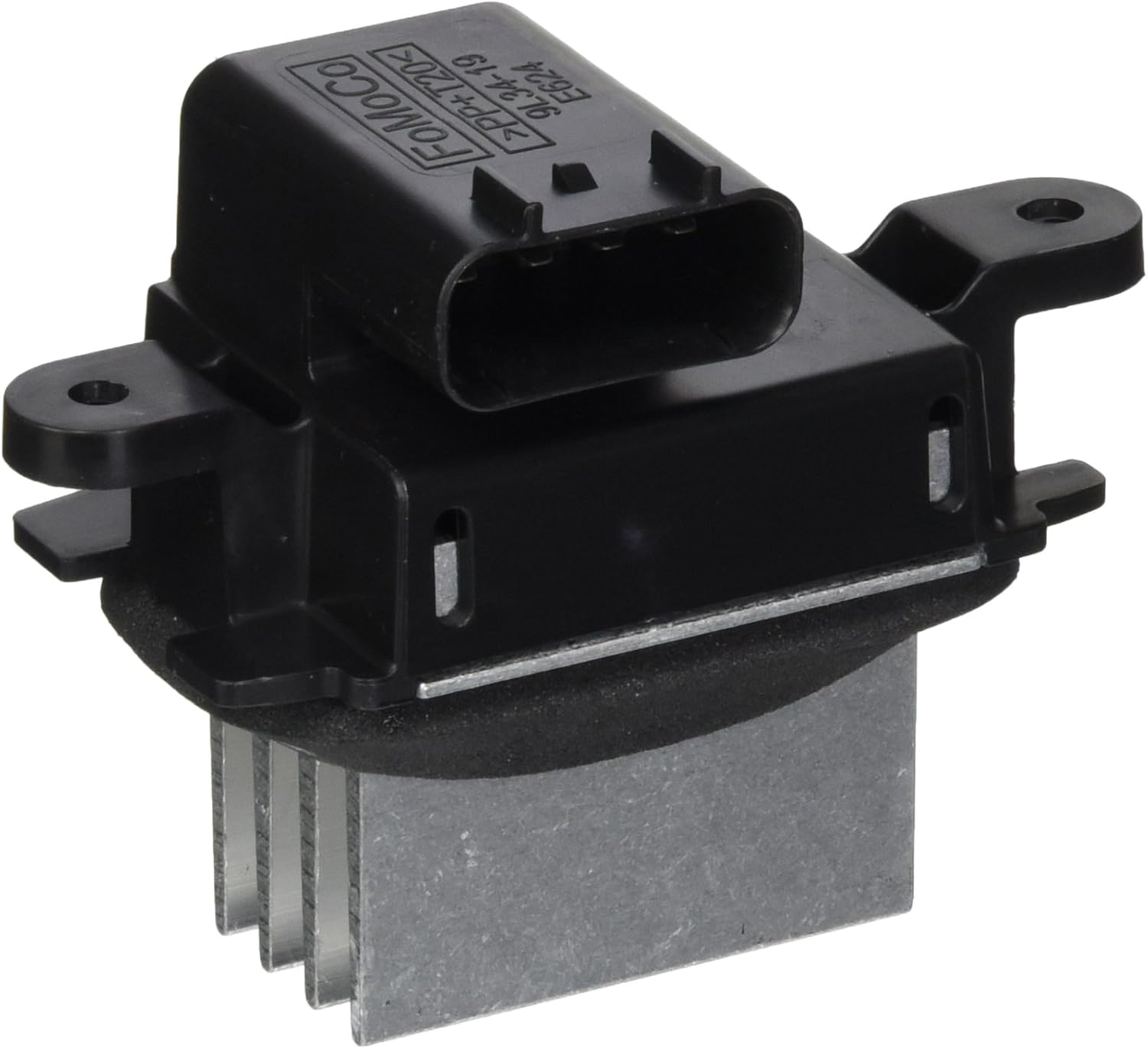
The Motorcraft YH-1827 blower motor resistor is a factory-quality replacement part that restores stepped fan speeds and fixes fans stuck on high in compatible Ford vehicles. It installs in the HVAC duct behind the glove box and connects to the existing blower harness to control the lower speed settings that rely on resistance elements. Because this is a genuine Motorcraft part, fit and connector geometry match original equipment for many Ford models, reducing fuss during installation and avoiding the pin-alignment issues sometimes found with cheaper aftermarket resistors. Installation typically requires basic hand tools and access in a tight space so a short deep 1/4" drive or small ratchet makes the job easier. The resistor itself is a simple electrical component so there are no adjustable features to tune performance, and if your vehicle uses a different part number or wiring harness you will need the matching resistor or an updated harness instead of this unit.
Best for: Buyers who prioritize reliable, factory-quality replacements to restore proper blower fan control on Ford trucks and want a direct fit part engineered for the vehicle rather than a cheaper universal substitute.
Less Ideal for: If you need a universal or adjustable resistor for nonstandard wiring or custom HVAC modifications, this vehicle-specific OEM replacement is not appropriate.
- Genuine Motorcraft part with factory-quality fit and connector geometry
- Directly restores fan speed control and fixes blower stuck on high
- Simple bolt-in install that uses the vehicle's existing harness
- Well suited to dual climate and vehicle-specific HVAC systems
- Access behind the glovebox is tight and may require a deep socket or small ratchet to remove mounting screws
Verdict: Choose this Motorcraft resistor when you want a genuine factory-quality replacement that reliably restores fan speed control on compatible Ford HVAC systems.
A-NAFTULY HVAC Blower Motor Resistor YH-1715 (replacement)

| Brand | A-NAFTULY |
|---|---|
| Model | YH-1715, 3F2Z-18591-AA, 973-444 |
| Manufacturer Part Number | AN70221 |
| Compatible Control Type | Manual AC control |
This blower motor resistor replaces failed speed control on compatible 2009–2014 Ford F-150 and select Ford SUVs and trucks with manual climate controls. It mounts in the blower housing and restores full fan speed range when the original resistor fails or a single speed is stuck. The unit is sold as a single direct-replacement module and uses the same mounting and connector locations as the factory part, so installation is typically a quick screw-out, plug-in swap that takes under 20 minutes for someone comfortable working under the dash or in the passenger footwell. Buyers can expect OEM-style fit and consistent fan speeds after installation. Limitations are typical for resistor-style controls: it fixes failures from a bad resistor but will not address a failing blower motor or wiring issues and compatibility must be confirmed against the listed part numbers before purchase.
Best for: A practical buyer who wants a low-cost, ready-to-install repair to get a 2009–2014 Ford F-150 HVAC fan working reliably again without unnecessary upgrades.
Less Ideal for: Not a good choice for owners troubleshooting intermittent electrical faults, those who need a new blower motor, or users who want an upgraded electronic speed controller.
- Direct-fit replacement for listed Ford models so installation is straightforward
- Restores full fan speed range and resolves common single-speed or no-blower symptoms
- Compact module uses factory mounting and connector for a fast DIY swap
- Multiple interchangeable part numbers listed for easier compatibility checks
- Only fixes resistor-related failures and will not repair a bad blower motor or damaged wiring
Verdict: Choose this resistor when you need an inexpensive, factory-style direct replacement to quickly restore proper fan speeds on a 2009–2014 Ford F-150.
MNJWS HVAC Blower Motor Resistor Module for 2010–2014 Ford F-150 and 2010–2017 Expedition/Navigator

| Voltage | 12 Volts |
|---|---|
| Manufacturer | MNJWS |
| Manufacturer Part Number | BMR-FD-001 |
| OEM Part Number | BL3Z-19E624-A, YH-1829 |
This MNJWS blower motor resistor replaces the factory blower control module to restore fan speed range and proper climate control function on compatible Ford trucks and SUVs. It is a plug-and-play replacement for models with dual-zone automatic temperature control and is typically accessed behind the glove box; installation generally takes 15 to 30 minutes with basic hand tools. The part implements the resistor network and electrical connector needed to step fan speeds and limit current to the blower motor, so it fixes common failures such as the fan being stuck on one speed or not running at all. Reviews and the included wiring diagram show it matches factory part numbers and fitment for the listed years, and buyers report quick, reliable fixes when connectors are fully seated. A few users note occasional pin alignment or fitment mismatches on certain model years, and tight access to the rear screw can make installation fiddly, but those issues are usually solvable at home. This is a practical, lower-cost replacement for restoring proper HVAC operation without dealer intervention.
Best for: Buyers who prioritize a reliable, factory-style repair to restore HVAC fan control and want a cost-effective, do-it-yourself replacement rather than taking the vehicle to a shop.
Less Ideal for: People seeking a guaranteed OEM branded module or those who prefer having complex electrical repairs handled by a dealer or professional technician.
- Direct-fit replacement listed to match Ford part numbers for the covered years
- Plug-and-play electrical connector that restores full fan speed control when properly seated
- Typically a quick DIY swap behind the glove box with basic 8mm tools
- Includes wiring diagram to aid installation and verification
- Some buyers reported pin alignment or minor fitment differences that required adjustment
- Rear mounting screw is hard to reach and can make installation awkward in tight hands
Verdict: A reliable, direct-fit replacement that gets fan speed control back to factory-style operation without a dealer visit.
AA Ignition HVAC Blower Motor Resistor (3F2Z-18591-AA Compatible)
| Manufacturer | AA Ignition |
|---|---|
| Item model number | 3F2Z-18591-AA |
| Compatible part numbers | 3F2Z18591AA, YH1715, 973-444 |
| Fitment | Select Ford, Lincoln, Mercury vehicles (manual A/C) |
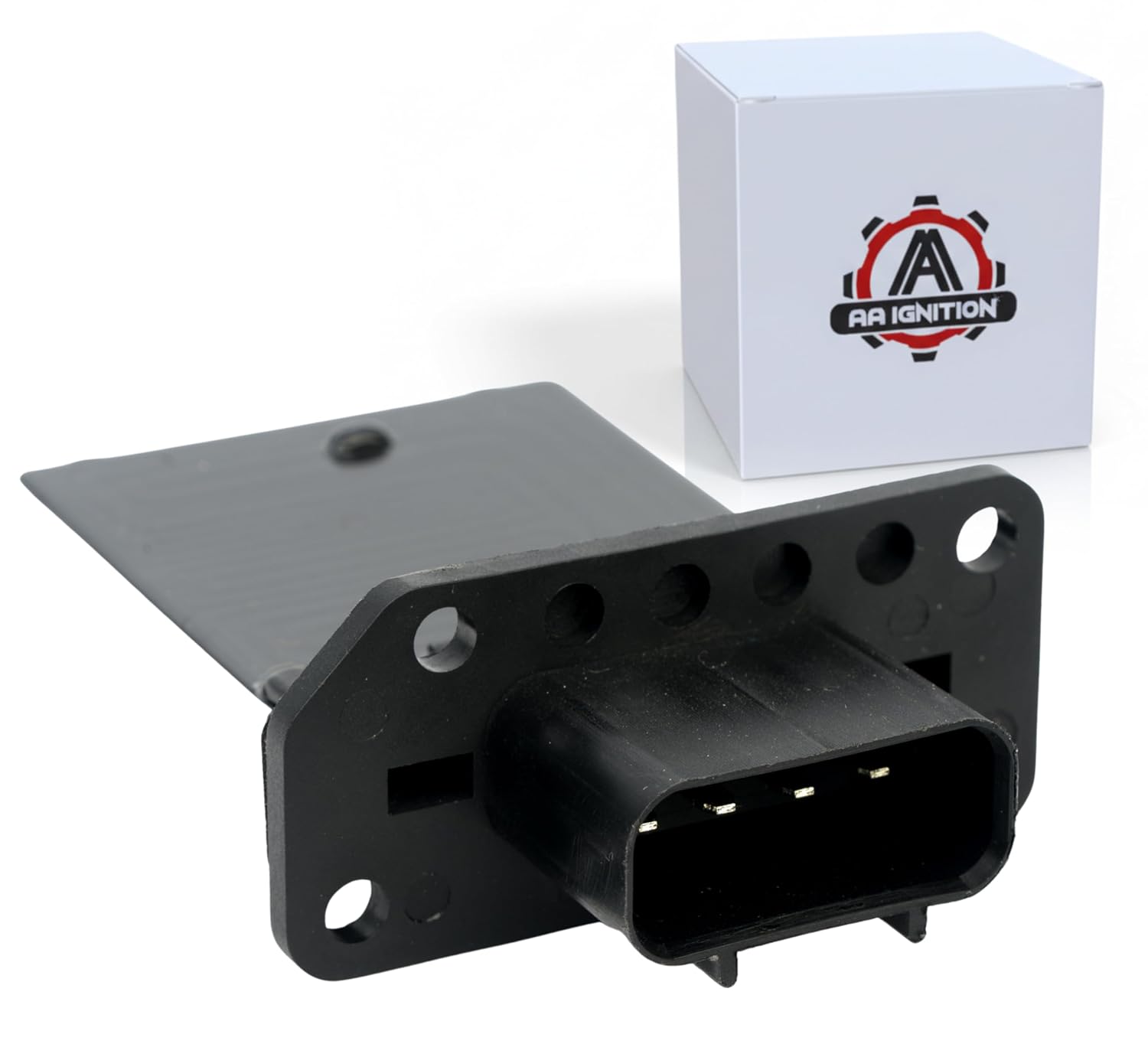
This AA Ignition blower motor resistor is a direct replacement designed to restore variable fan speeds when the original resistor fails. It installs in minutes by removing the blower housing screws and swapping the assembly, and the listing includes the common replacement part numbers so you can confirm fit. In real use it returns full control of blower speeds and solves symptoms like a single-speed blower or no airflow at low settings. The part is marketed for many Ford platform vehicles with manual AC controls including F-150 model years covered by the fitment list. Customers report straightforward installs and immediate fixes, though longevity varies between units. The resistor is not a factory part but aims to match OEM function and finish, and some buyers note shorter service life compared with more expensive factory-quality alternatives. If you prefer a low-cost, quick repair this unit works well, but those prioritizing long-term durability may prefer a higher-end replacement or dealer part.
Best for: Buyers who want a quick, inexpensive repair to restore blower fan speed control and value peer experiences showing correct fit and simple installation.
Less Ideal for: Drivers who prioritize maximum long-term durability or need parts for vehicles with automatic climate control should consider higher-end or dealer-sourced replacements.
- Direct-fit replacement that restores fan speed control for affected HVAC systems
- Easy installation that only requires removing a few screws and swapping the resistor assembly
- Includes common OEM part numbers for straightforward fitment verification
- Low-cost option that provides an immediate fix for blower failures
- Not a genuine factory part so durability can be inconsistent between units
- Designed only for vehicles with manual AC controls and will not fit automatic climate control systems
Verdict: A budget-friendly, easy-to-install replacement that reliably restores blower speed control for manual-A/C Ford trucks like the F-150.
Marsflex Blower Motor Resistor (APAC05006) for Manual AC Control
| Model Name | APAC05006 |
|---|---|
| Speed | 3250 RPM |
| Voltage | 12 Volts |
| Horsepower | 228 Watts |
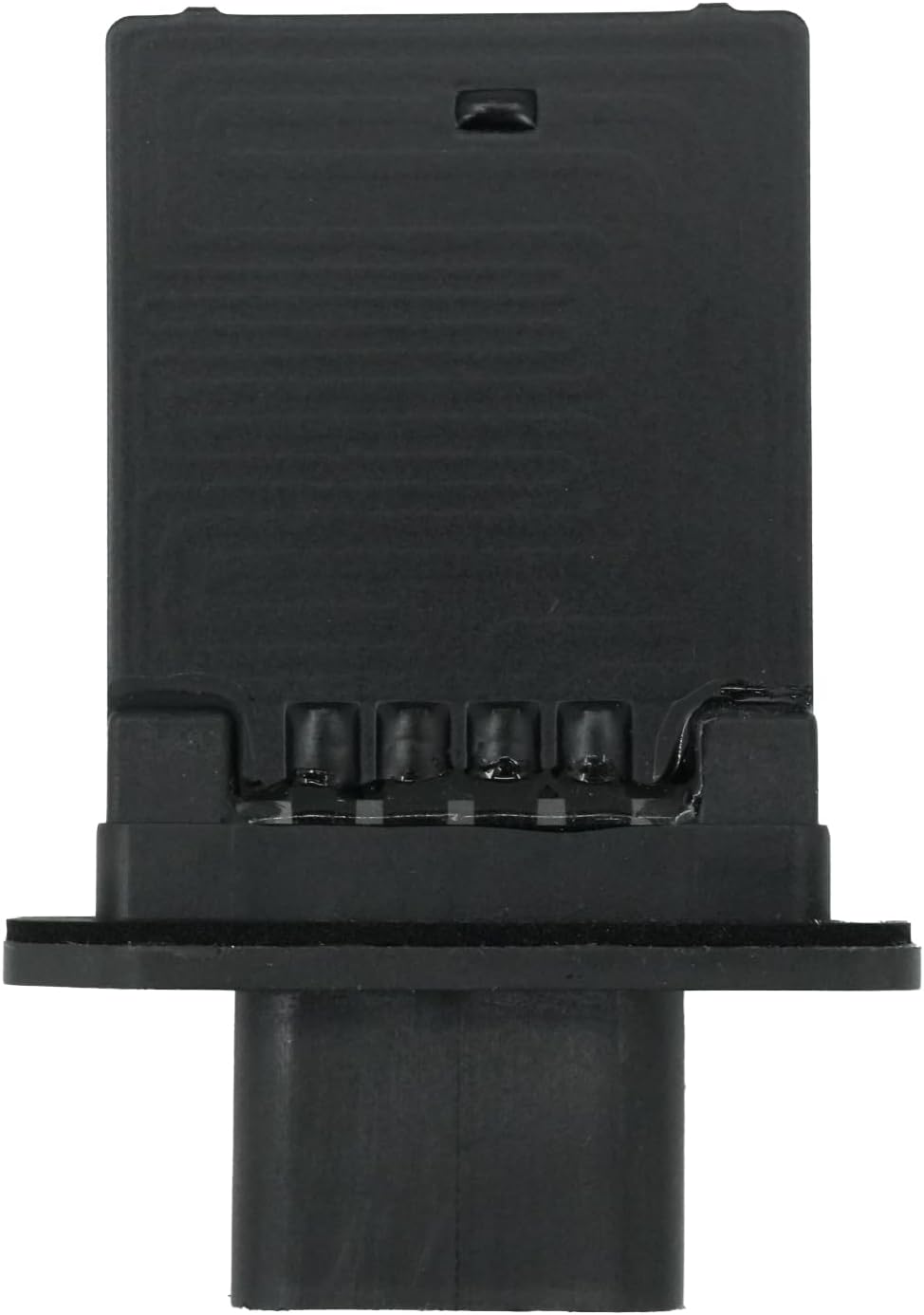
This Marsflex blower motor resistor replaces the factory resistor that controls blower motor speeds on manual AC systems. It installs in the blower housing and restores low, medium, and high fan settings by regulating current to the blower motor. The unit is sold as a single resistor module built to match factory-style fit and connector layout for covered Ford F-150 model years. Installation is typically a short DIY job: remove the glove box or lower dash access, unbolt the old module and slide the new one into the housing. Users report proper fan operation and secure fit when fully seated, and the part is intended to withstand normal operating heat when airflow over the element is present. Important limitations are variable long-term durability and sensitivity to installation: poor seating or damaged connector plastics can cause overheating or intermittent contact, so take care during fitment and confirm the connector is fully engaged.
Best for: Buyers who want a low-cost, straightforward replacement that restores blower fan speed control and prefer to do the repair themselves or avoid a shop visit.
Less Ideal for: Customers seeking a long-term heavy-duty upgrade for extreme-duty vehicles or those who prefer professional installation and warranty-backed dealer parts should consider other options.
- Factory-style fit and connector layout for compatible manual AC systems
- Restores full range of blower speeds when installed correctly
- Straightforward DIY installation that requires only simple hand tools
- Meets or exceeds factory design claims and is compact for tight blower housings
- Some users report premature failure or melting around connector plastic under heavy heat
- Performance depends on correct seating and airflow over the resistor element
Verdict: A budget-friendly, factory-style replacement that reliably restores blower speed control on compatible F-150s when installed carefully.
Choosing the Right 2009-2014 Ford F-150 Blower Motor Resistor: Key Factors to Consider
Fitment and Connector Compatibility
Accurate fitment is critical because the 2009-2014 Ford F-150 uses a specific resistor housing and multi-pin connector orientation. A resistor that matches the factory mounting points and connector ensures you avoid splicing wires or modifying the HVAC harness. Incorrect fitment can cause poor electrical contact, intermittent speeds, or introduce corrosion points.
When shopping, verify the part number cross‑references to the 2009-2014 F-150 chassis and confirm the connector matches the truck's blower harness. Ease of installation is higher when the resistor drops into the factory mounting bracket without additional adapters, which also preserves the OEM grounding path and reduces the chance of vibration-related failures.
Electrical Specifications and Speed Taps
Resistor elements must provide the correct resistance values for the blower speed taps so the fan delivers predictable low and medium speeds. Components rated with clear electrical specs allow you to confirm compatibility with the F-150's blower motor control circuit and prevent overloading when the fan draws current.
A resistor with properly engineered speed taps yields consistent airflow across settings and reduces stress on the blower motor. Avoid parts that list vague or missing electrical data because they can cause mismatch, resulting in only some speeds functioning or excessive current draw that shortens blower motor life.
Thermal Management and Durability
Blower motor resistors dissipate heat as part of their normal operation, especially on lower fan speeds. Good thermal management in the resistor housing and element design reduces the chance of heat-related failures. Materials that resist heat deformation and terminal oxidation extend service life in a work truck environment.
Look for resistors with heat‑rated components and protective housings that channel heat away from plastic connectors. Better cooling and heat-resistant materials help resist failure from repeated long runs and high cabin-temperature conditions, which are common in trucks used for towing or hauling.
Corrosion Resistance and Terminal Quality
The F-150 often sees exposure to moisture, road salt, and debris that can corrode terminals and connector contacts. Resistors with plated terminals and sealed connector areas reduce electrical resistance increases over time and help maintain reliable fan operation. Poor terminal quality leads to intermittent fan speeds and can complicate diagnostics.
Consider parts that specify corrosion-resistant finishes on pins and robust seals around the mating surfaces. Sturdy terminals also make installation cleaner and reduce the likelihood of damaging the harness during removal or refit, which is particularly important for older Ford trucks with looser connectors.
Ease of Installation and Serviceability
A straightforward swap minimizes labor and the risk of installation errors. For the 2009-2014 F-150, the resistor is accessible from the passenger footwell area, but variations in housing and mounting clips can affect the time and tools required. Parts designed for direct replacement eliminate cutting or splicing and often include clear instructions or harness retainers.
Choose a resistor that uses the factory mounting pattern and connector so the job can be completed with common hand tools. Consider whether the replacement requires dashboard trim removal or lower kick panel removal and whether replacement hardware is included to avoid extra trips to the parts counter.
Long-Term Reliability Under Truck Use
Pickup trucks frequently face heavier duty cycles than passenger cars, including extended idling, frequent stop-start driving, and exposure to contractor gear or wet environments. A resistor selected for long-term reliability should handle those duty cycles without frequent replacement. Components rated for higher thermal cycles, vibration, and moisture ingress will last longer.
Assess manufacturer or supplier durability claims that relate to vibration resistance and thermal cycle ratings. Durable construction not only reduces the likelihood of repeat repairs but also helps maintain consistent HVAC comfort for occupants, whether driving locally or on long hauls.
Where the Resistor Sits in the F-150 HVAC System
On the 2009-2014 Ford F-150 the blower motor resistor sits in series with the blower motor to create the lower fan-speed steps. It is typically mounted in the HVAC plenum or housing near the blower to keep wiring runs short and provide the required thermal path for the resistor element.
Understanding that the resistor directly affects the low and medium fan speeds helps you diagnose whether a fan issue is electrical or motor-related. If the motor runs on high but not on other speeds, the resistor is the likely culprit because the high-speed setting usually bypasses the resistor.
- Resistor is often accessible from the passenger footwell or lower glove box area.
- High fan speed commonly bypasses the resistor, so a functioning high speed is an important diagnostic clue.
- Heat dissipation means the resistor may be located where airflow helps cool the element.
Common Symptoms and How to Diagnose
Several symptoms point to a failing blower motor resistor: the fan works only on high, certain speed positions are dead, or the blower operates intermittently. Visual inspection of the resistor housing can reveal burned or corroded contacts, but electrical checks provide conclusive evidence.
Perform a simple blower resistor test by checking continuity across speed taps and verifying voltage at the connector when different fan settings are selected. If the high speed has battery voltage at the motor but lower speeds do not, the resistor is likely faulty.
- Fan only works at high speed
- Some switch positions yield no airflow
- Intermittent operation or overheating smell
Tools and Prep for a Smooth Replacement
Preparing the truck and gathering the right tools makes the replacement straightforward. Common tools include a screwdriver or small socket set, a flashlight, and optionally contact cleaner and dielectric grease for the connector. Disconnect the battery before working on the HVAC electrical system to reduce the risk of short circuits when accessing the resistor.
Work in a well-lit area and keep fasteners organized. If the replacement involves removing trim or the glove box, follow factory fastener locations and be careful with plastic clips to avoid breakage.
- Small socket set or screwdriver
- Flashlight and trim pry tool
- Contact cleaner and dielectric grease for connector care
When to Replace Vs Inspect the Blower Motor
A failing resistor can mimic blower motor problems, but the correct remedy depends on diagnostics. If the motor runs normally at high speed but low speeds are dead, replacing the resistor is the typical fix. If the motor hesitates, makes grinding noises, or draws excessive current at any speed, the blower motor itself may need attention.
Inspect the blower motor and its bearings for wear while the resistor is out. A worn motor can overload a new resistor and lead to premature failure, so confirm the motor spins freely and draws expected current before finalizing the repair.
- Replace resistor when low speeds fail but high speed works
- Inspect motor bearings and draw if motor noise or sluggish operation present
- Address motor issues first to protect a new resistor
Protecting the Replacement: Connector Care and Sealing
Taking a few minutes to clean and protect the connector helps the replacement last longer. Remove light corrosion from pin contacts, apply a small amount of dielectric grease, and ensure the connector seats fully. Some resistors include protective boots or seals; if not, consider adding a moisture barrier to areas exposed to road spray or humidity.
Proper mounting torque for screws and ensuring the resistor housing sits flush prevents vibration from loosening electrical contacts. These small steps reduce the chance of intermittent faults and extend the life of the replacement component.
- Clean contacts and use dielectric grease sparingly
- Confirm full seating of the connector to prevent intermittent faults
- Ensure secure mounting to avoid vibration-related problems
Still looking for the perfect fit?
Select your Ford F-150 configuration to see the most relevant Blower Motor Resistors recommendations
How We Chose the Best 2009-2014 Ford F-150 Blower Motor Resistor
We prioritized parts that address the common failure modes for the 2009-2014 Ford F-150 blower system. Selection began with resistors manufactured to match OE electrical specifications and connector pinouts to ensure direct fit and correct blower-speed behavior. We then filtered for thermal protection and resistor element design that reduce heat-related failures in prolonged HVAC use.Durability testing criteria included materials quality for the resistor housing, corrosion-resistant terminals, and secure mounting features that prevent vibration-related failures in pickup duty cycles. Electrical reliability checks focused on steady voltage drop across speed taps and insulation to avoid intermittent fan operation. We also evaluated ease of installation, including access to the resistor location and whether the part required any wiring changes.Excluded items included universal or multi-vehicle resistors that do not match the F-150's connector layout, parts lacking clear electrical specs, and components without documented thermal rating. The final picks reflect parts that balance correct fitment, proven durability under truck use, and straightforward installation for DIYers and technicians.
Our full evaluation process is outlined in our review methodology.
FAQ
What does it mean if the blower only works on high in my 2009-2014 F-150?
If the fan runs only on high, the blower motor resistor is often the cause because high speed typically bypasses the resistor. This pattern indicates the resistor elements that provide lower speeds may have failed or the connector is corroded.
How hard is it to replace the blower motor resistor on a 2009-2014 F-150?
Replacement is usually straightforward and can be completed with basic hand tools. Access often requires removing a lower trim or glove box panel. If you are comfortable with simple electrical connectors and fasteners, it is an achievable DIY task.
Can a bad blower motor cause the resistor to fail on the F-150?
Yes, a failing blower motor that draws excessive current or has worn bearings can overload the resistor and shorten its life. It is wise to inspect the motor for noise and free rotation when replacing the resistor to avoid repeat failures.
How do I test the blower motor resistor before buying a replacement?
You can test by checking for continuity across the resistor speed taps and measuring voltage at the connector for each fan setting. If high speed shows full voltage at the motor but lower settings do not, the resistor is likely defective.
Will cleaning the connector fix intermittent fan speeds on my F-150?
Cleaning a corroded connector can restore proper contact and sometimes resolve intermittent operation. However, if the resistor elements are burned or the housing is damaged, cleaning alone will not fix the underlying failure.
How long should a properly installed blower motor resistor last in a Ford F-150?
Lifespan varies with usage and exposure, but a quality resistor installed correctly and with a healthy blower motor typically lasts several years. Harsh conditions, frequent heavy HVAC use, or a faulty motor can shorten that service life.
Final Verdict
For a 2009-2014 Ford F-150, prioritize a blower motor resistor that matches the truck's connector and mounting pattern, provides clear electrical specifications, and uses heat-resistant materials. Confirm the blower motor itself is in good condition before installation to avoid straining a new resistor. By focusing on fitment, thermal durability, and connector quality you minimize repeat repairs and restore reliable cabin airflow.
Explore More:
- Check out all Ford F-150 parts & accessories
- Explore Blower Motor Resistors Maintenance & Repair Guides
- Explore HVAC
- Browse all Auto Parts
