

Note: This article contains affiliate links. If you click on these links and make a purchase, I may earn a small commission at no extra cost to you. This helps support my research and content. Read my full affiliate disclosure here.
If you own a 1995-2004 Toyota Tacoma and are troubleshooting rough idle, poor fuel economy, or emissions faults, the EGR valve is a common suspect. Choosing the right EGR valve matters because fit, flow characteristics, and sealing directly affect drivability and emissions compliance on these Tacomas.This guide covers our shortlisted top options for the 1995-2004 Tacoma, explains the evaluation criteria we used, and walks through installation and testing basics. Below are the top picks and the practical considerations to help you pick the correct valve for your truck.
Looking for other parts? See all Toyota Tacoma parts & accessories.
Top Picks at a Glance
| Best Overall The best all-around choice for most situations | Dorman EGR Valve (911-608) for Select Toyota Models |  |
| Best Quality Built to a higher standard if you want something more solid | Holstein Exhaust Gas Recirculation (EGR) Valve |  |
| Best Value The sweet spot between price and what you get | TUCAREST EGV943 EGR Valve with Gasket |  |
| Best Budget The cheapest option that still gets the job done reliably | coolautocore EGV943 EGR Valve with Gasket, Direct Fit |  |
| Highest Rated A top-rated pick with lots of positive feedback | Toyota 25870-75040 EGR Valve Assembly |  |
| Most Popular A crowd favorite that many people choose with confidence | Standard Motor Products EGV762 EGR Valve |  |
| Best Seller A high-volume bestseller chosen again and again | Dorman 911-609 EGR Vacuum Modulator |  |
Dorman EGR Valve (911-608) for Select Toyota Models

| Material | Metal |
|---|---|
| Inlet Connection Type | Flange |
| Outlet Connection Type | Flange |
| Number of Ports | 2 |
This Dorman EGR valve is a direct-replacement unit built to match factory fit and function on compatible Toyota models from the late 1990s and early 2000s. It is typically used to restore proper exhaust gas recirculation when a failed valve triggers rough idle, P0401 codes, or check engine lights. Constructed from metal with a machined finish, the valve includes flange inlet and outlet connections and two ports, and is engineered to resist heat and carbon buildup that commonly causes EGR failures. Installers will appreciate that the part is engineered to align with the OEM mounting points and vacuum lines, though some users reported missing small gaskets or the need for minor adaptions in tight or rusted installations. For routine repairs this valve delivers a durable, serviceable replacement that can eliminate EGR-related drivability issues, but expect some shop time if underlying vacuum components or rusted fasteners need attention during installation.
Best for: A practical owner or DIY mechanic seeking a reliable, factory-style replacement to fix EGR-related drivability problems on compatible Toyota vehicles from the late 1990s to early 2000s and who values durability and long-term serviceability.
Less Ideal for: Shoppers who want a performance-modified or high-flow EGR solution or those unwilling to deal with possible installation complications from rusted hardware should consider alternatives.
- Direct-replacement design matches factory mounting and connections
- Metal construction and machined finish for durability and heat resistance
- Engineered to resist carbon buildup common to EGR failures
- Includes at least one intake manifold gasket in the kit
- Some buyers reported missing the small lower gasket that seals to the EGR pipe
- May require extra work or adapters on vehicles with rusted fittings or nonstandard pipe ends
Verdict: Choose this Dorman EGR valve if you want a durable, factory-style replacement that reliably restores proper EGR function on compatible late 1990s–early 2000s Toyota vehicles.
Holstein Exhaust Gas Recirculation (EGR) Valve

| Brand Name | Holstein |
|---|---|
| Item Type Name | Exhaust Gas Recirculation (EGR) Valve |
| Included Components | Exhaust Gas Recirculation (EGR) Valve |
| Exterior Finish | Machined |
This Holstein EGR valve is a direct replacement designed to duplicate factory function and fit, so it is meant to return a vehicle to stock performance and emissions behavior. It is typically installed in place of a failed or clogged valve to restore smooth idle, reduce rough running under load, and help maintain fuel economy and emissions compliance. The unit is described as precision engineered from heat-resistant materials and includes a gasket where applicable for a leakproof seal, which simplifies installation and reduces the need for additional parts. Because it is manufactured as a factory-style replacement, you can expect consistent operation that matches original control and response rather than a performance-modified behavior. The practical benefits are straightforward: reliable operation, long-term durability in hot exhaust conditions, and a fit that minimizes adjustment or fabrication. Buyers seeking aftermarket performance gains from the EGR itself should note this is intended as a factory-quality replacement rather than a performance upgrade.
Best for: Buyers who want a dependable replacement to restore factory drivability and emissions performance in a Tacoma from the 1995 to 2004 era and who prioritize reliability and correct fit over aftermarket gains.
Less Ideal for: Drivers looking for performance-oriented EGR solutions, aggressive tuning, or parts intended to increase power should consider performance-specific components instead.
- Direct-fit replacement that matches factory function for straightforward installation
- Built from heat-resistant materials intended for long-term durability
- Includes gasket where applicable to help ensure a leakproof seal
- Precision-engineered internals to restore smooth idle and proper emissions control
- Designed as a factory-style replacement so it does not provide performance-enhancing modifications
Verdict: Choose this Holstein EGR valve when you want a dependable, factory-quality replacement that restores stock drivability and emissions control for a 1995–2004 Tacoma.
TUCAREST EGV943 EGR Valve with Gasket
| Valve Type | Diaphragm Valve |
|---|---|
| Inlet Connection Type | Flange |
| Outlet Connection Type | Flange |
| Number of Ports | 2 |
| Material Type | Steel |
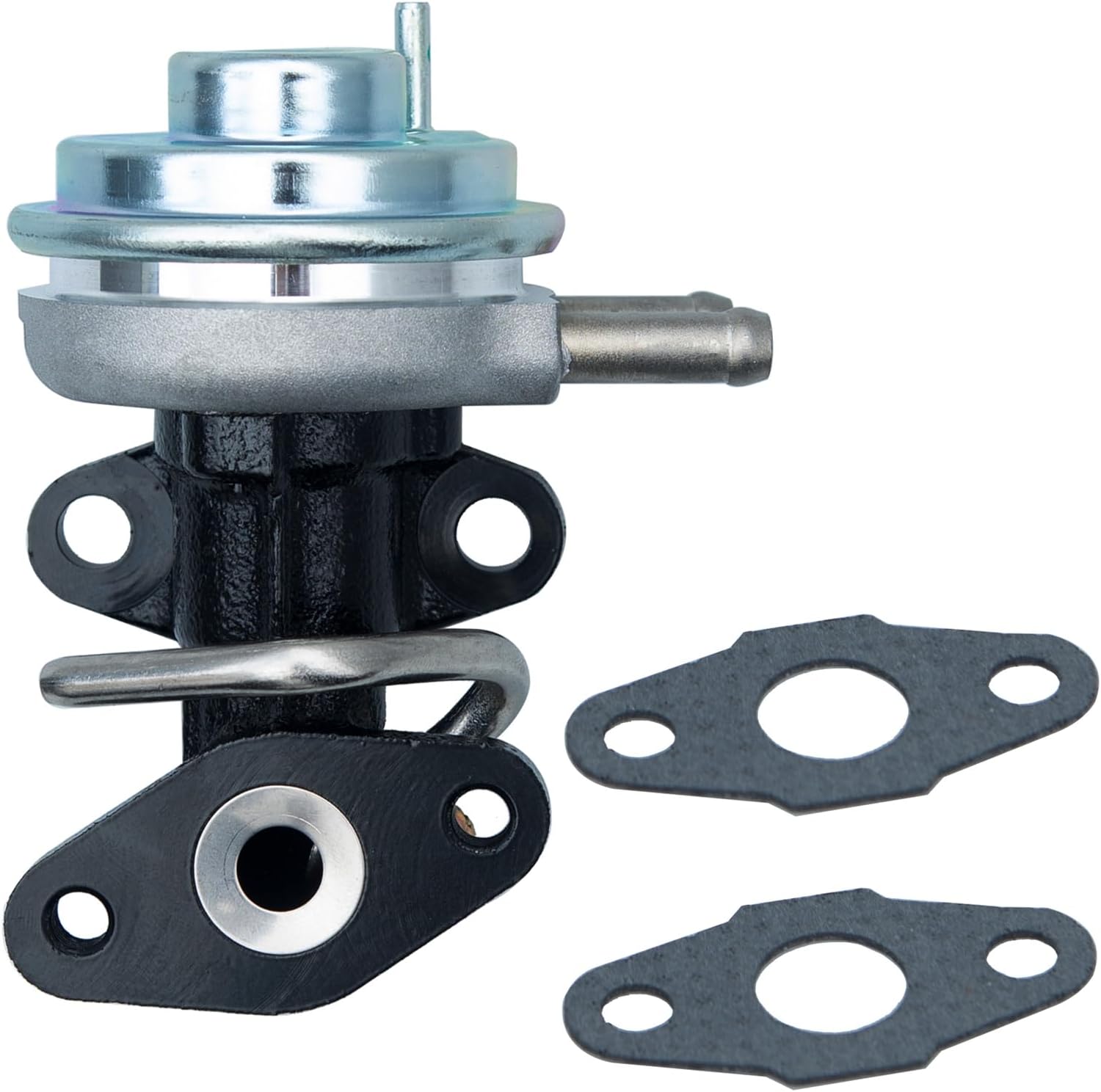
The TUCAREST EGV943 is a replacement exhaust gas recirculation valve supplied with a gasket and built to fit Toyota 2.4L and 2.7L engines with automatic transmissions from the mid 1990s to early 2000s. It functions as a direct-fit swap for the factory unit, using a diaphragm valve and flange inlet/outlet connections for straightforward installation. TUCAREST says the valve is bench-tested for leakage, response and flow characteristics and uses a silicon-reinforced diaphragm with steel reinforcement aimed at improved heat resistance and durability. In practical use the part restores proper EGR flow to reduce combustion temperatures and help knock and emissions control when installed correctly. Expect easier installation for DIYers or professional mechanics because it follows factory mounting and connection points and comes with a gasket. Limitations include dependency on correct vehicle fitment—verify compatibility with the exact engine/transmission combination—and aftermarket parts may vary slightly from factory tolerances, so careful installation and testing are recommended.
Best for: Buyers who prioritize a practical, factory-style replacement for a troubled EGR valve on a 1995–2004 Toyota Tacoma or similar Toyota models and want a part that simplifies DIY or shop installation.
Less Ideal for: If you need a performance-tuned or modified EGR solution for off-road or racing applications, this stock-replacement valve is not intended for those uses.
- Direct-fit design for specified Toyota 2.4L and 2.7L automatic-transmission models for easier installation
- Includes gasket for a complete swap and proper sealing at installation
- Diaphragm valve construction with silicon-reinforced diaphragm and steel reinforcement for improved heat resistance
- Bench-tested for leakage, response and flow characteristics to match factory performance
- Compatibility must be confirmed for exact engine and transmission combinations since fitment varies by year and model
Verdict: Choose the TUCAREST EGV943 when you want a practical, direct-fit replacement EGR valve that restores factory-style operation on compatible 1995–2004 Toyota Tacomas.
coolautocore EGV943 EGR Valve with Gasket, Direct Fit

| Manufacturer Part Number | 25620-75050 |
|---|---|
| Included Components | 1pcs EGV943 EGR Valve |
| Condition | Brand New Interchange Part |
This coolautocore EGV943 is a direct-fit replacement EGR valve intended to restore proper exhaust gas recirculation on compatible Toyota 2.7L and 2.4L engines. It installs in place of the original valve and is supplied with a gasket for a straightforward swap; the listing notes calibration to factory specifications and bench testing for resistance, leakage, response, and flow. In daily use the valve should help recover smooth idle, throttle response, and easier starting when a failed EGR was causing drivability issues. Construction claims a reinforced silicon diaphragm and steel components for improved heat resistance and longer life than cheap alternatives. Limitations include the absence of installation instructions in the package and the fact that this is an aftermarket part rather than a factory-branded unit, so mileage and longevity may vary with driving conditions. If your vehicle has additional underlying intake or vacuum issues, replacing the EGR valve alone may not fully resolve symptoms.
Best for: Buyers looking to fix EGR-related drivability issues on a budget who want a ready-to-install replacement that claims factory-equivalent fit and tested performance.
Less Ideal for: Shoppers wanting a factory-branded OEM part or those who prefer a part with full manufacturer installation support and warranty documentation.
- Direct-fit design calibrated to factory specifications for easier installation
- Bench-tested for resistance, leakage, response, and flow to match performance
- Reinforced silicon diaphragm and steel components for improved heat resistance
- Includes gasket so no additional sealing parts are required
- No printed installation instructions included in the package
- Aftermarket part so long-term durability may vary compared with factory-brand units
Verdict: A cost-focused, direct-fit EGR valve replacement that restores factory-style operation for compatible Toyota Tacomas without needing extra parts.
Toyota 25870-75040 EGR Valve Assembly
| Manufacturer | Toyota |
|---|---|
| Model | Egr Valve |
| Item model number | 25870-75040 |
| Exterior | Machined |
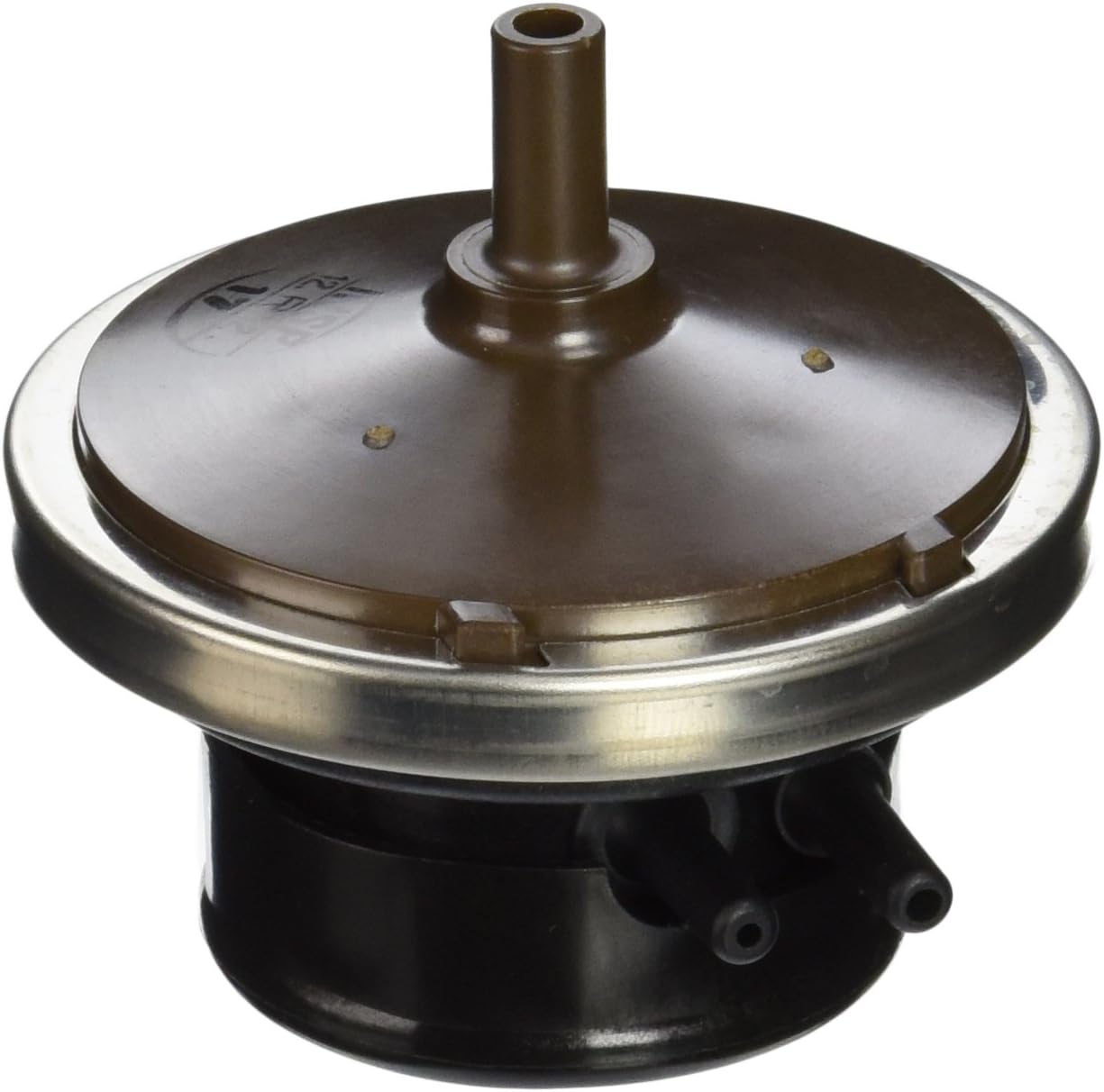
This is a genuine Toyota EGR valve assembly sold as a direct factory-quality replacement. It installs in place of a worn or malfunctioning EGR valve to restore proper exhaust gas recirculation and help resolve emissions faults and rough idle symptoms. The machined exterior and Toyota part number mean the fit and connectors match factory locations, which simplifies installation for DIY mechanics or technicians following factory procedures. Using an original Toyota part reduces the risk of compatibility issues and can help maintain emission compliance. The main limitation is that this is a single replacement component with no gasket or hardware shown, so you should verify the needed mounting parts and torque specs before beginning the job. Buyers should also confirm exact vehicle application and part number fitment to ensure it matches their Tacoma year and engine variant.
Best for: Buyers who prioritize long-term reliability and prefer factory-brand replacements to preserve emissions equipment and minimize fitment surprises during installation.
Less Ideal for: Shoppers who need a complete repair kit with gaskets and hardware included or those looking for a universal aftermarket option that covers multiple vehicle families.
- Factory-brand part designed to match Toyota fitment and connectors
- Machined exterior for durable, factory-quality appearance
- Simplifies installation by aligning with factory mounting and specifications
- Helps restore proper EGR function to address emissions and idle issues
- Package details do not list gaskets or mounting hardware so additional parts may be required
- No explicit fitment years or engine variants shown in the listing text
Verdict: Choose this genuine Toyota EGR valve when you want a factory-quality replacement to maximize reliability and reduce fitment risk for your Tacoma repair.
Standard Motor Products EGV762 EGR Valve

| Brand Name | Standard Motor Products |
|---|---|
| Model Number | EGV762 |
| Valve Type | EGR Valve |
| Material Type | Metal |
The Standard Motor Products EGV762 is a single-piece EGR valve sold as a vehicle-specific replacement part. It replaces the exhaust gas recirculation function by opening and closing to route exhaust gas back into the intake under the engine control unit's command. Buyers will typically install it when diagnosing rough idle, hesitation, or an EGR-related trouble code. The unit is metal with a machined finish and ships as one complete valve ready to swap in. In practice it delivers the straightforward function you expect from an aftermarket valve and several customers report correct fit and improved drivability on older GM trucks. However fitment appears inconsistent across some model years and engine configurations, and a minority of users reported driveability problems or a wrong physical match requiring the original part to be refitted. If exact fit and proven compatibility are critical, expect to double-check part numbers and vehicle application before installing. The product is simple to use but may not match factory parts in every vehicle without careful verification.
Best for: Buyers who prioritize verified customer experience and want an affordable, ready-to-install replacement when an EGR valve failure is suspected, provided they confirm exact vehicle application first.
Less Ideal for: Anyone who needs guaranteed factory-identical fit and performance without verification should consider aftermarket options with explicit Tacoma fitment or OEM replacements instead.
- Metal construction and machined finish suggest durable, serviceable hardware.
- Sold as a complete valve for straightforward replacement without extra components.
- Multiple buyers report restored drivability and resolved hesitation after installation.
- Compact, vehicle-specific design simplifies installation for compatible engines.
- Fitment is inconsistent for some years and engine variants, with reports of wrong or undersized units.
- Not guaranteed to match factory performance in every application, leading to possible drivability issues.
Verdict: Choose this valve if you want an inexpensive, ready-to-install aftermarket EGR replacement backed by customer reports of solving drivability issues, but confirm fitment for your Tacoma before installing.
Dorman 911-609 EGR Vacuum Modulator

| Material | Metal |
|---|---|
| Inlet Connection Type | Threaded |
| Number of Ports | 2 |
| Manufacturer Part Number | 911-609 |
This Dorman 911-609 vacuum modulator replaces the factory EGR modulator on supported older Toyota, Lexus and Subaru engines and is intended to restore proper EGR control when the original unit has failed. It is a direct-fit style replacement with threaded inlet connections and two vacuum ports, so installation is straightforward for a DIYer familiar with basic vacuum lines. The metal construction and the brand's aftermarket engineering aim to provide reliable service and durability in everyday driving. In practice it is typically used to clear EGR-related trouble codes and restore smooth idle and emissions function without replacing the full EGR valve. Some users report seamless fixes and easy installation, while a few have observed calibration differences that can require additional troubleshooting of vacuum routing. For risk-averse buyers this part is a lower-cost alternative to a factory modulator and often resolves common P0401-style issues, but careful fit and correct hose routing are important to avoid drivability effects on sensitive engines.
Best for: Buyers who prioritize a dependable, lower-cost replacement to clear EGR faults on older Toyota-family vehicles and prefer a part that is easy to swap during a routine repair.
Less Ideal for: Drivers who want a factory exact calibrated unit for late-model vehicles or those unwilling to troubleshoot vacuum routing after installation should consider alternatives.
- Direct replacement designed to match original fit and function for specified applications
- Metal construction aimed at improved durability over a failed OEM unit
- Threaded inlet and two vacuum ports make installation simple for routine repairs
- Frequently resolves EGR-related check engine codes and restores emissions function
- Some reports of calibration or flow differences compared with the original that can affect drivability
- Compatibility must be confirmed by vehicle trim; not universal across all Toyota models
Verdict: A cost-effective, factory-fit replacement that often clears EGR faults and returns emissions function on older Toyota-family engines when installed and routed correctly.
Choosing the Right 1995-2004 Toyota Tacoma EGR Valve: Key Factors to Consider
Correct Fitment and Mounting
Correct fitment ensures the valve attaches without modification and aligns with the intake passages on your 1995-2004 Tacoma. Mismatched bolt patterns or incorrect flange geometry can cause vacuum leaks or require adapters that compromise sealing.
Check that the valve matches the Tacoma's mounting pattern and either uses the original gasket dimensions or supplies a proper replacement gasket. Proper fitment reduces installation time and the risk of leaks that lead to poor idle, drivability issues, or check-engine lights specific to this truck.
Flow Characteristics and Valve Control
EGR valves must meter exhaust gas accurately to prevent stalling or increased NOx emissions. On Tacomas of this era, the valve's ability to modulate flow smoothly at idle and under load affects throttle response and combustion stability.
Whether the valve is vacuum-operated or electronic, consistent control across the operating range is important. Look for valves with predictable diaphragm or pintle movement and minimal hysteresis so the engine control system can manage EGR rates without hunting or surge.
Sealing and Gasket Quality
A reliable seal between the EGR valve and intake manifold prevents vacuum and exhaust leaks that can masquerade as other issues. Older Tacomas frequently develop carbon buildup that can warp mating surfaces; a quality gasket and proper torque specs are essential to maintain a leak-free joint.
Consider valves that include the correct gasket or specify compatible part numbers. Materials that resist heat and oil contamination will hold torque better and reduce the need for repeat service.
Durability Against Carbon and Corrosion
Exhaust gases carry soot and acidic compounds that lead to carbon deposits and corrosion inside the EGR valve. Durable internal components and coatings help the valve retain proper motion and seal over time, reducing recurrence of symptoms and maintenance frequency.
Evaluate valve designs with serviceable diaphragms or replaceable internal components when available. Materials such as treated metals and robust elastomers extend service life on vehicles that have accumulated mileage over the 1995-2004 Tacoma span.
Electrical and Vacuum Interface Compatibility
For electrically controlled EGR valves, connector type and sensor compatibility matter. For vacuum-operated units, port sizes and nipple placement must match the Tacoma's vacuum lines. Incorrect interfaces can lead to misrouting, vacuum leaks, or faulty feedback to the engine control system.
Confirm that the valve's electrical plug matches the factory harness or that vacuum ports align with OEM hose routing. Attention to these details prevents troubleshooting headaches after installation.
Serviceability and Replacement Strategy
Think about how you will maintain the valve over time. Some options are rebuildable or come with replaceable diaphragms and gaskets, while others are sealed units intended to be swapped when they fail. For trucks driven hard or with high mileage, having a serviceable valve can be more economical and faster to repair.
Consider availability of gaskets and repair kits, instructions for cleaning carbon from mating surfaces, and whether the unit provides clear torque and installation notes. A repairable design can limit downtime and cost in the long run.
Common Symptoms That Point to the EGR Valve
Owners of 1995-2004 Tacomas often see rough idle, stumbling under light throttle, or an illuminated check-engine light when the EGR valve is not functioning correctly. Symptoms can be intermittent, which is typical when carbon buildup causes partial sticking of the valve.
Other symptoms include reduced fuel economy and increased emissions readings. A reinforced diagnostic approach helps separate EGR issues from vacuum leaks or other intake problems.
- Rough or fluctuating idle at warm-up
- Stalling or surging during light-load driving
- Check-engine light with codes related to EGR flow or position
- Noticeable drop in fuel efficiency
How to Locate and Inspect the EGR Valve on These Tacomas
The EGR valve on 1995-2004 Toyota Tacoma engines mounts to the intake manifold or throttle body area and connects to the exhaust plenum via a short passage. Before removing the unit, visually inspect for soot, oil seepage, and the condition of the mounting gasket.
A careful inspection can reveal warped mating surfaces or excessive carbon that will affect the new valve's performance. Photograph hoses and connectors before disassembly for correct reassembly.
- Check vacuum hoses and electrical connectors for cracking or corrosion
- Inspect the mounting flange for carbon buildup and pitting
- Confirm hose routing to avoid kinks when reinstalling
Testing Procedures: How to Test an EGR Valve
Testing depends on whether the valve is vacuum- or electrically actuated. For vacuum units, a handheld vacuum pump can apply vacuum to observe diaphragm movement and whether the engine responds. For electrically controlled valves, use a multimeter to check connector signals and observe commanded movement if the valve has a position sensor.
When testing, note engine response under controlled conditions. Lack of valve motion under vacuum or electrical command, or erratic movement, typically indicates an internal failure or heavy carbon restriction that needs cleaning or replacement.
- Use a vacuum pump to confirm diaphragm holds vacuum and actuates the valve
- Check electrical continuity and resistance values against known ranges when applicable
- Observe engine behavior when actuating the valve to confirm proper flow response
Cleaning Vs Replacement: When to Service the Valve
Light carbon fouling can sometimes be cleared with careful cleaning of the valve body and mating surfaces, but cleaning is only effective if components are not warped and seals remain serviceable. Replacing the gasket and ensuring the mounting flange is flat are critical whenever cleaning is performed.
If the diaphragm, pintle, or internal electronics show wear, or if the valve fails to hold vacuum, replacement is the safer choice. For Tacomas with higher mileage, replacement often yields more predictable long-term results than repeated cleanings.
- Clean when movement is restricted but parts remain undamaged
- Replace if the diaphragm leaks, electronics fail, or mating surfaces are damaged
- Always replace or inspect gaskets after cleaning or removal
Installation Tips Specific to 1995-2004 Tacomas
Use proper torque values and an even tightening pattern on the mounting bolts to prevent flange distortion and gasket leaks. Ensure the replacement valve comes with the correct gasket or that you source the factory-style gasket to match flange thickness.
After installation, clear any related diagnostic trouble codes and perform a test drive that includes light-load steady throttle and idle checks to confirm there are no vacuum leaks or driveability issues.
- Hand-start bolts and tighten incrementally in a cross pattern
- Replace any cracked vacuum lines and check hose clamps
- Double-check electrical connectors for secure engagement
Cost Considerations and Refurbished Vs New Options
Cost is often a factor when deciding between a new or refurbished valve. Refurbished units can offer significant savings if the rebuild includes new seals, diaphragms, and testing to ensure correct movement. However, the long-term value depends on the quality of the refurbishment process.
New units remove uncertainty about internal wear but may carry a higher upfront cost. Factor in the expected remaining life of the vehicle and the completeness of included installation hardware when making the decision.
- Confirm refurbishment includes replacement of wear items and flow testing
- Verify that any new valve includes the correct gasket and mounting hardware
- Weigh long-term reliability needs against immediate budget constraints
Still looking for the perfect fit?
Select your Toyota Tacoma configuration to see the most relevant EGR Valves recommendations
How We Chose the Best 1995-2004 Toyota Tacoma EGR Valve
We prioritized parts that deliver correct fitment, predictable flow control, and long-term sealing performance for the 1995-2004 Toyota Tacoma. Our selection criteria focused on fit and compatibility with the Tacoma mounting and vacuum/electrical interfaces, consistent valve travel or diaphragm response under typical engine vacuum or electronic actuation, and materials that resist corrosion and carbon buildup common on older engines. We also weighed ease of installation, including whether the part uses the factory mounting bolt pattern and standard gasket dimensions, plus the clarity of installation guidance.Durability was judged by expected resistance to carbon accumulation and corrosion, and by the presence of replaceable diaphragms or serviceable components when applicable. We considered rebuilt versus new options only when refurbishment processes included replacement of wear items and testing to factory tolerances. Exclusions: we filtered out parts without clear Tacoma-specific fitment data, poorly documented units, and items lacking basic sealing hardware or gasket information. The final list balances reliability, installation practicality, and expected long-term performance for these model years.
Our full evaluation process is outlined in our review methodology.
FAQ
What are common EGR valve symptoms on a 1995-2004 Tacoma?
Common symptoms include rough idle, stalling at low speed, reduced fuel economy, and intermittent check-engine lights. Carbon buildup or a leaking diaphragm often causes these issues on older Tacomas.
Can I clean the EGR valve instead of replacing it?
You can clean the valve if the internal components and mounting surfaces are undamaged and the diaphragm holds vacuum. Cleaning is a temporary fix if underlying wear or electronic faults exist, in which case replacement is recommended.
How do I test whether the EGR valve is working?
For vacuum valves, use a hand vacuum pump to apply vacuum and observe valve movement and engine response. For electrical valves, check connector signals and resistance values, and watch for commanded movement via diagnostic tools when possible.
Does a bad EGR valve trigger code P0401 on these Tacomas?
Yes, insufficient EGR flow can set a low-flow code like P0401. However, that code can also result from vacuum leaks, clogged passages, or faulty sensors, so diagnosis should include inspection of hoses, passages, and the valve itself.
Should I replace the gasket when installing a new EGR valve?
Yes, replacing the gasket is important to prevent exhaust and vacuum leaks. A new gasket helps ensure a proper seal against carboned or uneven mating surfaces on older intake manifolds.
Is a refurbished EGR valve a good option for an older Tacoma?
A refurbished valve can be a good value if the rebuild includes replacement of wear parts, thorough cleaning, and testing to restore correct flow. Confirm the refurbishment details before choosing that option.
Final Verdict
Prioritize proper fitment, consistent flow control, and durable sealing when choosing an EGR valve for a 1995-2004 Toyota Tacoma. Addressing carbon buildup, replacing gaskets, and confirming electrical or vacuum interfaces will resolve most drivability and emissions-related symptoms.Balance upfront cost against expected long-term reliability and serviceability. If you need a long-lasting solution, favor options with robust materials and clear compatibility information so you can restore stable idle and emissions performance with confidence.
Explore More:
- Check out all Toyota Tacoma parts & accessories
- Explore EGR Valves Maintenance & Repair Guides
- Explore Engine
- Browse all Auto Parts
