

Note: This article contains affiliate links. If you click on these links and make a purchase, I may earn a small commission at no extra cost to you. This helps support my research and content. Read my full affiliate disclosure here.
If your 1997-2001 Toyota Camry is showing a soft pedal or inconsistent brake assist, replacing the brake booster can bring back predictable stopping performance. The right brake booster restores firm pedal feel, reliable vacuum assist, and consistent braking under day-to-day driving and emergency stops.This guide covers six well-suited brake boosters for the Camry, shortlisted for fit, build quality, and ease of installation. We evaluated options based on compatibility with the 1997–2001 Camry vacuum system, physical fitment in the engine bay, and factors that affect braking feel and safety. Read on to find the type of replacement that best matches your needs and mechanical comfort level.
Looking for other parts? See all Toyota Camry parts & accessories.
Top Picks at a Glance
| Best Overall The best all-around choice for most situations | SCITOO Power Brake Booster (Model 180281) — Replacement for 1995–2001 Toyota Camry |  |
| Best Quality Built to a higher standard if you want something more solid | Cardone Remanufactured Vacuum Power Brake Booster 53-2766 |  |
| Best Value The sweet spot between price and what you get | DRIVESTAR Vacuum Power Brake Booster (PBV8041) |  |
| Best Budget The cheapest option that still gets the job done reliably | AZHZ Vacuum Power Brake Booster for Toyota Camry 1995-2001 |  |
| Highest Rated A top-rated pick with lots of positive feedback | DRIVESTAR Power Brake Booster (without Master Cylinder) for 1997–2001 Lexus ES300 / Toyota Camry |  |
| Most Popular A crowd favorite that many people choose with confidence | Fexhull Vacuum Power Brake Booster (Fits 1997–2001 Toyota Camry & compatible models) |  |
SCITOO Power Brake Booster (Model 180281) — Replacement for 1995–2001 Toyota Camry

| Model | 180281 |
|---|---|
| Material | Steel |
| Master Cylinder Stud Thread Size | M8x1.25 |
| Diaphragm Style | Dual |
This SCITOO power brake booster is a direct replacement-style unit intended for 1995–2001 Toyota Camry applications and similar Toyota models. It restores vacuum-assisted braking by swapping in place of the factory booster and reconnecting the master cylinder studs and vacuum line. The unit uses a dual-diaphragm design and steel construction aimed at matching factory mounting and pedal feel so installation is straightforward for a competent DIYer or a shop. Practical benefits include a familiar brake pedal response after fitting and compatibility with the original master cylinder studs and vacuum hose routing. Some buyers report good long-term performance while others have seen early failures or fitting details like a plastic vacuum barb that may differ from the original, so expect to verify hose connections during installation. If you want a cost-conscious replacement that aims to reproduce factory operation, this booster is a reasonable option, but budget-minded buyers should inspect the unit and vacuum fittings before final installation.
Best for: Buyers who want an affordable, factory-style replacement to restore normal brake assist on a mid-1990s Camry and prefer a straightforward swap that gets the car back on the road without upgrades.
Less Ideal for: Drivers seeking a high-performance or heavy-duty brake booster upgrade, or those unwilling to check and modify vacuum fittings during installation, should consider other options.
- Designed to match factory mounting and stud pattern for straightforward replacement
- Dual-diaphragm design intended to restore familiar pedal feel and vacuum assist
- Steel construction provides stronger housing than lightweight alternatives
- Compatible with commonly used master cylinder stud thread M8x1.25 for direct fit
- Some units shipped with plastic vacuum barb that may not match the original and could require swapping
- Mixed reports of early diaphragm failures in a small number of units
Verdict: A budget-conscious, factory-pattern replacement booster that restores vacuum-assisted braking for 1995–2001 Toyota Camry owners.
Cardone Remanufactured Vacuum Power Brake Booster 53-2766

| Manufacturer | A1 Cardone |
|---|---|
| Brand | Cardone |
| Model | Cardone 53-2766 Remanufactured Vacuum Power Brake Booster |
| Exterior | Machined |
This Cardone remanufactured vacuum power brake booster is a direct-fit replacement designed to restore or improve braking assist on compatible Camry models from the late 1990s and early 2000s. It is rebuilt with factory-quality seals and check valves and goes through testing to ensure proper fit and reliable operation. The unit includes a rust-prohibitive finish and pre-adjusted master cylinder output rods when supplied, which can speed installation and reduce adjustment time during benching and bleed procedures. In real-world use the booster delivers strong vacuum assist and consistent pedal feel once push-rod clearance is set correctly, though some buyers report a notably softer pedal depending on system setup. As a remanufactured part it is more sustainable than new production and may incorporate minor design improvements targeting common failure points, but individual units can vary and a small number of users reported early failures or required adjustments at installation. Expect straightforward replacement fitment but plan for careful push-rod adjustment and a full brake bleed after installation.
Best for: Drivers rebuilding or upgrading a 1997–2001 Camry braking system who prioritize restoring strong braking assist with a part that aims to match or improve factory performance.
Less Ideal for: Someone who wants a brand-new unit or an upgraded performance booster with altered boost characteristics should consider other options instead.
- Remanufactured to match factory performance with 100% tested seals and check valves
- Rust-prohibitive finish to resist corrosion and extend service life
- Pre-adjusted master cylinder output rods included when applicable for faster installation
- Re-engineered improvements targeting common failure points for increased durability
- Remanufactured units can show variability in feel and longevity between samples
- May require careful push-rod adjustment and multiple bleed cycles to achieve correct pedal feel
Verdict: A practical remanufactured replacement that restores factory-style brake assist for 1997–2001 Toyota Camry owners seeking reliable, like-new performance.
DRIVESTAR Vacuum Power Brake Booster (PBV8041)

| Manufacturer | DRIVESTAR |
|---|---|
| Manufacturer Part Number | PBV8041 |
| Fitment years | 1995-2001 specified models |
| ASIN | B0B3XC6HPM |
This DRIVESTAR vacuum power brake booster is a factory-replacement style unit intended to return power-assist braking to compatible 1995–2001 Camry and related models. It installs in place of the original booster and is used whenever the factory unit fails or the brake pedal becomes hard. Notable features called out by the manufacturer include an EPDM sealing ring rated for wide temperature ranges to reduce vacuum leaks and a galvanized 45# steel push rod with increased surface hardness for wear resistance. In real-world use that should translate to reliable vacuum retention and durable pushrod life under normal driving. Several users report straightforward fit and restored brake function, though there are also reports of pushrod adjustment issues that required rework during installation. This unit is a practical choice for drivers seeking a budget-friendly, serviceable replacement that aims to match factory fit and function, but sensible installation and verification of pushrod length and sealing are recommended to avoid braking problems after install.
Best for: Buyers who want a cost-conscious, practical replacement to restore factory-style power assist on their late 1990s Camry and prefer a unit they can install and verify themselves or have a mechanic fit.
Less Ideal for: Drivers who expect a fully pre-adjusted, drop-in high-end remanufactured booster without any installation tuning should consider higher-priced remanufactured options or professional installation service.
- Direct-replacement design for compatible 1995–2001 Toyota Camry applications
- EPDM sealing ring rated for extreme temperatures to help prevent vacuum leakage
- Galvanized 45# steel push rod with high surface hardness for improved wear resistance
- Widely reported straightforward installation and restored brake assist in many user reports
- Some installers reported pushrod length or movement issues after vacuum build that required adjustment or trimming
Verdict: A budget-friendly, factory-style replacement booster that restores power-assist braking for compatible 1995–2001 Camry models when properly installed.
AZHZ Vacuum Power Brake Booster for Toyota Camry 1995-2001

| Brand | AZHZ |
|---|---|
| Model | Power Brake Booster |
| Manufacturer Part Number | 180281-5453-1008453811 |
| Compatibility Vehicles | 1995–2001 Toyota Camry (listed years) |
This AZHZ vacuum power brake booster is a direct replacement-style unit intended to restore pedal assist on 1995–2001 Toyota Camry vehicles. It provides vacuum amplification so the brake pedal requires less force, which helps return factory-style braking feel after the original booster wears or fails. The unit uses a painted steel housing and reportedly durable internal seals to resist corrosion and wear in everyday driving conditions. Installation is typical for a booster swap: remove the master cylinder, unbolt the old booster from the firewall, transfer any necessary brackets or pushrod, then mount and reconnect the master and vacuum hose. For budget-focused repairs this part delivers the core function without premium branding, but it may not match OEM fit-and-finish or include manufacturer-backed testing and formal warranty coverage, so expect to verify fit and inspect mounting points during installation. If you want a low-cost way to get reliable pedal assist back on a Camry from this era, this booster covers that need but requires basic mechanical confidence to fit correctly.
Best for: Buyers repairing a used Camry who prioritize an affordable, functional replacement to restore pedal assist rather than a premium branded unit.
Less Ideal for: Drivers who want factory-backed warranties, certified OEM replacements, or who prefer dealer-sourced parts for guaranteed fit and long-term assurance should consider alternatives.
- Compatible with 1995–2001 Camry years listed for direct replacement fitment
- Vacuum-assisted design restores lighter pedal effort and more confident stopping
- Painted steel housing and wear-resistant internal components aimed at corrosion resistance
- Simple, familiar installation procedure matching standard booster replacement steps
- No manufacturer warranty or certification information provided with the listing
- Aftermarket fit and finish may require minor adjustment or transfer of hardware during install
Verdict: A budget-friendly replacement booster that brings back proper brake pedal assist for 1995–2001 Toyota Camry models.
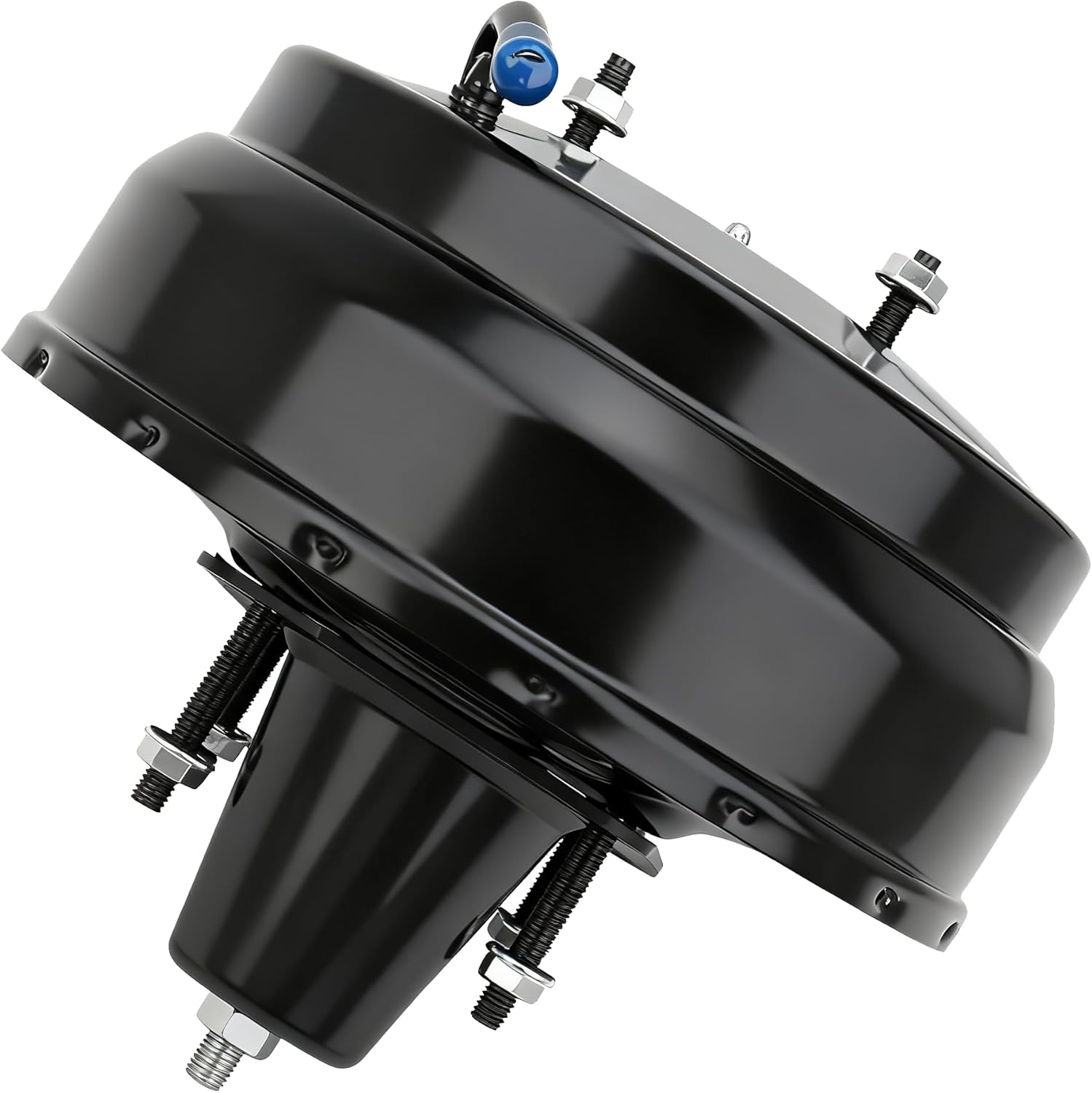
DRIVESTAR Power Brake Booster (without Master Cylinder) for 1997–2001 Lexus ES300 / Toyota Camry
| Fitment | 1997-2001 Lexus ES300, Toyota Camry |
|---|---|
| Manufacturer | DRIVESTAR |
| Manufacturer Part Number | PBV8054 |
| OEM Part Numbers | 53-2768, 4461033420, 4461033430, 4461033460, 4461033510 |
This DRIVESTAR power brake booster is a direct-replacement vacuum booster intended for 1997–2001 Toyota Camry and Lexus ES300 applications to restore the vehicle's power-assist braking. Installed between the brake pedal and master cylinder, it returns lost pedal assist for easier, safer braking in daily driving and highway use. The unit is marketed as meeting factory-quality standards and arrives preassembled without the master cylinder so you can reuse your existing master or replace it separately. Practical benefits include straightforward bolt-on fitment to the specified model years and a design meant to match factory mounting points, which simplifies installation for a competent mechanic. Limitations are that it does not include the master cylinder or mounting hardware in every case, so confirm parts and fasteners before starting the job. Buyers should also verify fitment against their vehicle's part numbers because multiple OEM numbers are listed for compatibility.
Best for: Buyers who prioritize restoring dependable, factory-like brake assist on a 1997–2001 Camry and want a straightforward replacement part they can fit with a mechanic.
Less Ideal for: Owners wanting a complete overhaul that includes a new master cylinder and all fasteners in one package should look for a kit that includes those components instead.
- Designed to match factory mounting points for bolt-in replacement on 1997–2001 Camry/ES300
- Restores vacuum-assisted braking to improve pedal effort and stopping confidence
- Built and tested to meet or exceed factory-quality standards according to the manufacturer
- Compatible with multiple OEM part numbers for easier cross-referencing during purchase
- Sold without the master cylinder, so additional parts or separate replacement may be required
- Some listings or warehouse-condition units may arrive missing small hardware or linkage components
Verdict: A practical, factory-style replacement booster to reliably restore power-assist braking on 1997–2001 Camry and ES300 models.
Fexhull Vacuum Power Brake Booster (Fits 1997–2001 Toyota Camry & compatible models)

| Manufacturer Part Number | 4461006130 |
|---|---|
| Reference Numbers | 53-2766, 532766, 4461006130 |
| Compatible Vehicles | Toyota Camry 1995-2001, Solara 1999-2003, Lexus ES300 1995-1996 (see fitment notes) |
This Fexhull vacuum power brake booster is a direct-fit replacement intended for Camry model years in the late 1990s and early 2000s and closely related vehicles. It installs in place of the original booster (master cylinder not included) to restore vacuum-assisted braking and reduce pedal effort. The unit is advertised as passing airtightness, one-way valve, durability, and high-temperature tests, which is important for dependable brake feel and long-term reliability. Buyers will appreciate the emphasis on fitment guidance and part-number references to confirm compatibility with Camry variants of the stated years. Practical benefits include a near-factory mounting pattern and consistent pedal assist that makes braking feel normal again after a failed booster. Limitations: this listing does not include the master cylinder so additional parts or bench bleeding may be necessary during installation, and correct selection requires verifying VIN or original part number to avoid ordering the wrong booster for specific Camry builds or traction-control configurations.
Best for: Buyers who want a tested, replacement brake booster with clear part references and verified fitment information to minimize installation risk on a 1997–2001 Camry. Ideal for owners prioritizing social-proof and cautious confirmation before purchase.
Less Ideal for: Drivers seeking a complete brake assembly or a plug-and-play kit that includes the master cylinder should look for a combined unit or a professional shop to supply missing components.
- Designed to match factory mounting pattern for late 1990s–2001 Camry models
- Undergoes multiple functional tests including airtightness and durability
- Seller provides clear part-number references and fitment notes to help confirm correct application
- Consistent vacuum assist restores normal pedal effort after booster failure
- Does not include the master cylinder so additional parts or installation steps may be required
- Fitment varies by build and traction-control configuration so Vehicle Identification Number or original part comparison is necessary
Verdict: A tested, direct-fit vacuum booster that restores factory-style power braking for compatible late-1990s Camry models when you confirm part number and VIN.
Choosing the Right 1997-2001 Toyota Camry Brake Booster: Key Factors to Consider
Fitment and Pushrod Alignment
Correct fitment to the Camry firewall and proper pushrod alignment to the brake pedal pivot are essential for safe operation. If the booster does not match the original mounting pattern or the pushrod is too long or too short, pedal travel and free play will change, which can reduce braking effectiveness and feel.
When choosing a replacement, check the mounting stud spacing, firewall clearance, and pushrod length tolerance stated by the manufacturer. Minor differences can sometimes be corrected with shims or adjustable pushrods, but those fixes add complexity and can influence pedal geometry. For the 1997–2001 Camry, preserving original pedal travel prevents unintended pedal drop or a spongy feel that compromises confidence during hard stops.
Vacuum Diaphragm and Seal Quality
The diaphragm and internal seals control how effectively the booster creates and holds vacuum assist. A robust diaphragm material and precise bonding reduce the chance of vacuum leaks that lead to a hard pedal or inconsistent assist.
Inspect specifications for diaphragm composition, and look for units that specify improved seals or tested vacuum retention. Units with poor sealing often exhibit symptoms only after repeated use or exposure to engine bay heat. For the Camry, reliable vacuum hold ensures consistent pedal effort during stop-and-go traffic and sudden braking events.
Material Durability and Corrosion Resistance
Brake boosters are exposed to heat, moisture, and road salts that can corrode the outer shell and mounting points. A booster built from corrosion-resistant metal or with a durable finish is less likely to seize or develop mounting issues over time.
Consider the construction of the shell, the quality of mounting studs, and the finish used to prevent rust. Durable materials also reduce the risk of air ingress through tiny imperfections, which would degrade vacuum performance. For older Camry models, choosing a unit with proven resistance to corrosion reduces the likelihood of repeat replacement.
Master Cylinder Interface
Compatibility with the existing master cylinder is critical. The booster must deliver the correct boost force to match the master cylinder bore size and maintain predictable hydraulic pressure under braking.
Confirm that the replacement uses the same pushrod coupling and bolt pattern as the Camry's master cylinder. If the booster changes the effective boost ratio, pedal travel and braking force can be noticeably altered. Ensuring a proper interface avoids unnecessary rebleeding work and maintains safe braking balance.
Installation Hardware and Gasket Completeness
Complete installation kits save time and reduce the chance of leaks or improper mounting. Look for boosters that include all necessary studs, nuts, grommets, and firewall gaskets to match the Camry's original setup.
Missing or low-quality hardware can complicate installation and create points for vacuum or fluid leaks. For owners planning a DIY replacement, having a full gasket and hardware kit limits trips to the parts store and helps achieve a correct seal against the firewall. Even for professional installs, complete kits speed the job and reduce handling errors.
Ease of Testing and Diagnostics
A booster that is straightforward to test makes diagnosing future issues easier. Basic checks such as listening for hissing, performing a vacuum-hold test, and verifying pedal behavior under engine-off conditions are common diagnostics for Camry owners.
Choose units that allow access to service ports or provide clear instructions for vacuum testing. Being able to isolate the booster from the vacuum source and quickly test diaphragm integrity can shorten troubleshooting time and help distinguish booster issues from master cylinder or vacuum supply problems.
Common Brake Booster Symptoms on a 1997–2001 Camry
Recognizing booster-related symptoms early helps prevent unsafe braking. Typical signs on these Camry years include a hard brake pedal requiring significantly more force, a change in pedal travel where the pedal sinks closer to the floor, or a hissing noise from the firewall area indicating a vacuum leak.
Other indications are inconsistent braking assist during repeated stops, a spongy pedal that recovers after several pumps, or an increase in stopping distance. While some symptoms overlap with master cylinder or vacuum-system issues, observing when the symptom occurs—such as only when the engine is off versus while running—helps narrow the cause.
- Hard pedal that requires more force with engine running
- Hissing noise under the dash or at the booster firewall seal
- Pedal sinking toward the floor during sustained pressure
- Inconsistent assist after repeated braking, especially in traffic
How to Test the Brake Booster on a Camry
Performing a few simple checks can indicate booster health before removal. With the engine off, pump the brake pedal several times to expel residual vacuum. Hold firm pressure on the pedal and then start the engine; a functioning booster will cause the pedal to drop slightly as vacuum builds. If there is no change, the booster or vacuum supply may be compromised.
A vacuum-hold test can be done with a hand-held gauge at the vacuum supply line to the booster. Listen for hissing near the firewall and inspect the vacuum hose for cracks or splits. If the vacuum supply checks out, and symptoms persist, the booster diaphragm or internal valve assembly is a likely culprit.
- Pump pedal with engine off, then start engine to check pedal drop
- Use a vacuum gauge at the booster hose to confirm vacuum level
- Inspect vacuum lines and check for audible leaks at the firewall
DIY Replacement Considerations for the Camry
Replacing the brake booster on a 1997–2001 Camry is a doable DIY job for mechanically inclined owners but requires care. The job typically involves disconnecting the vacuum hose, unbolting the master cylinder from the booster without disconnecting hydraulic lines where possible, removing the booster from the firewall, and transferring mounting hardware and seals during installation.
Prioritize safety and cleanliness: avoid contaminating the brake fluid reservoir, support the master cylinder to prevent stress on brake lines, and ensure the firewall gasket is seated correctly to prevent vacuum leaks. After installation, bleed brakes as recommended to remove any introduced air and verify pedal travel under static and dynamic conditions.
- Support master cylinder to avoid putting stress on brake lines
- Beware of contaminated brake fluid; keep reservoir capped
- Always bleed the brake system after installation and test pedal feel
Vacuum Supply and Engine Compatibility
The booster relies on a stable vacuum source from the engine intake. For the 1997–2001 Camry, ensure the vacuum hose and check valve between the intake and booster are in good condition. A failing check valve can allow vacuum loss when the engine is off or when under load, causing inconsistent assist.
If the engine has aftermarket modifications that affect vacuum characteristics, such as altered intake components, verify that the replacement booster tolerances match the available vacuum. In most stock Camry situations, a correctly specified booster will operate reliably without additional vacuum pumps.
- Check valve integrity affects vacuum hold during engine-off checks
- Replace cracked or brittle vacuum hoses to restore proper vacuum
- Consider vacuum source condition if the engine has nonstandard intake parts
Maintaining Brake System Balance After Booster Replacement
A new booster changes only the assist function, not hydraulic balance, but installation practices affect overall braking behavior. Ensure that the master cylinder pushrod engagement is correct to maintain consistent front-to-rear pressure distribution. Improper pushrod adjustment can cause premature ABS engagement or altered pedal firmness.
After installation, perform controlled braking tests at low speed to verify even stopping and ABS behavior if equipped. Address any abnormal pedal feel or pulling immediately, and recheck bolt torque and gasket sealing at the firewall.
- Verify correct pushrod engagement and pedal free play after installation
- Perform low-speed braking tests to validate system balance
- Re-torque mounting hardware after a short period of road use
When to Replace Vacuum Hoses and Check Valve
Vacuum hoses and check valves are inexpensive but critical components that often cause booster-like symptoms. On older Camry models, rubber hoses can become brittle and leak while check valves can fail to maintain one-way vacuum, reducing assist when you need it most. Replacing these parts during booster work reduces the chance of follow-up issues.
Inspect hoses for soft spots, cracking, or hardening and replace them with equivalent-diameter hoses rated for automotive vacuum. Replace the check valve if there is any doubt about its integrity since diagnosing intermittent vacuum loss can be time-consuming.
- Replace brittle or cracked vacuum hose when servicing the booster
- Install a new check valve if vacuum hold is questionable
- Use hose clamps or proper vacuum fittings to ensure leak-free connections
Still looking for the perfect fit?
Select your Toyota Camry configuration to see the most relevant Brake Boosters recommendations
How We Chose the Best 1997-2001 Toyota Camry Brake Booster
We focused on selection criteria that matter for owners of 1997–2001 Toyota Camry models and for the specific function of a brake booster. Primary evaluation factors included fitment accuracy to the Camry firewall and pushrod length, vacuum diaphragm construction and seal quality, and compatibility with the vehicle's existing master cylinder interface. We also considered mounting hardware completeness and whether the unit preserves the original brake pedal travel and boost ratio. Durability factors such as corrosion-resistant shell finishes and reinforced internal components were weighed to estimate long-term reliability.In addition, we reviewed installation practicality: availability of complete gaskets and studs, ease of aligning the booster to the master cylinder, and whether any modifications or additional fittings are commonly required. Noise and vacuum-hold performance under repeated braking were considered from reported user experiences and technical specifications. Exclusions: we omitted units with unclear fitment specs, incomplete hardware kits, or reports of early diaphragm failure. The result is a list focused on correct fit, consistent vacuum assist, safety-oriented design, and practical installability for the 1997–2001 Toyota Camry.
Our full evaluation process is outlined in our review methodology.
FAQ
What are the most common signs of a bad booster on my 1997–2001 Camry?
Common signs include a hard brake pedal, a noticeable hissing near the firewall, and inconsistent assist during repeated stops. You may also notice increased pedal travel or a pedal that sinks toward the floor under sustained pressure.
How do I isolate a booster issue from a bad master cylinder?
With the engine off, pump the pedal several times and then hold steady pressure while starting the engine. A functioning booster will cause the pedal to drop slightly as vacuum builds. If there is no change, test the vacuum supply and hoses; if vacuum is present but the pedal remains hard, the booster is likely at fault.
Can I replace the brake booster myself on a Camry from these years?
Yes, many DIYers can handle the job with basic tools, but it requires care. Support the master cylinder to avoid stressing brake lines, preserve a clean brake fluid reservoir, and follow proper bleeding procedures after installation. If you are uncomfortable with brake system work, professional help is advised.
Should I replace the vacuum hose and check valve when changing the booster?
Often it is wise to replace them while you have the booster accessible. Vacuum hoses and check valves are inexpensive and can cause booster-like symptoms if brittle or leaking, so replacing them helps ensure reliable vacuum supply.
How long should a replacement booster last on a Camry?
Lifespan depends on build quality and environmental exposure but many properly installed boosters last many years. Corrosion, diaphragm degradation, and repeated heat cycles shorten life, so selecting a durable unit and ensuring good vacuum connections helps longevity.
Will changing the booster affect brake balance or ABS function?
A correctly fitted booster should not change hydraulic balance or ABS behavior. However, incorrect pushrod adjustment or improper installation can affect pedal travel and trigger ABS differently. Verify pushrod engagement and perform controlled brake tests after installation.
Final Verdict
When choosing a replacement brake booster for a 1997–2001 Toyota Camry, prioritize correct fitment, a high-quality diaphragm and seals, and a proper master cylinder interface. These factors drive pedal feel, vacuum reliability, and long-term durability.Balance practical considerations—such as included hardware and ease of installation—with durability features to avoid repeat service. If you plan to DIY, ensure you can support the master cylinder, bleed the brakes properly, and confirm correct pushrod engagement. Prioritizing those points will help restore confident braking on your Camry.
Explore More:
- Check out all Toyota Camry parts & accessories
- Explore Brake Boosters Maintenance & Repair Guides
- Explore Brake System
- Browse all Auto Parts
