

Note: This article contains affiliate links. If you click on these links and make a purchase, I may earn a small commission at no extra cost to you. This helps support my research and content. Read my full affiliate disclosure here.
Repair Snapshot
Use a mechanic if the spring must be compressed off the car and you do not have high-quality spring compressors or suspension experience. A shop is also the safer choice if rust, seized hardware, or electronic suspension components complicate the job.
This article is part of our Suspension and Steering Maintenance & Repair Guides.
Replacing coil springs can restore ride height, fix sagging suspension, and eliminate clunks caused by cracked or worn springs, but it is one of the more dangerous DIY suspension jobs because compressed springs store a huge amount of energy.
Before you start, confirm whether your vehicle uses a coil spring wrapped around a strut, a separate rear coil spring, or a complete strut assembly. On many cars, the safest and fastest repair is replacing the entire loaded strut assembly instead of disassembling the old spring from the strut.
Before You Begin
Always replace springs in pairs on the same axle. If one front or rear coil spring has broken or sagged, the other side is usually close behind, and replacing just one can leave the vehicle sitting unevenly and handling inconsistently.
Look up the factory procedure for your specific year, make, model, and trim before loosening anything. Suspension layouts vary a lot. Some vehicles require disconnecting sway bar links, brake line brackets, or lower control arm bolts, while others need the whole strut removed from the steering knuckle.
Decide Whether to Replace Only the Spring or the Whole Assembly
- Choose a loaded or complete strut assembly if the vehicle has high mileage, the struts are weak, or you do not want to compress a spring yourself.
- Choose a spring-only replacement only if the strut is still in excellent condition and you have a quality spring compressor and enough experience to use it safely.
- If the rear spring is separate from the shock, replacement is usually simpler than a front MacPherson strut spring job.
Symptoms of a Bad Coil Spring
Bad coil springs often cause a visible lean, reduced ride height, harsh bottoming over bumps, tire rubbing, and knocking noises. A broken end coil may also shift out of its seat and make scraping or popping sounds when turning or going over rough roads.
Inspect the spring closely with the wheel removed. Look for a cracked coil, heavy rust flaking, a missing spring insulator, or a shiny wear mark where the spring has been rubbing in the wrong spot. If the spring broke near the bottom perch, the damage can be easy to miss until you compare ride height side to side.
Preparation and Safety
Park on a flat surface, set the parking brake, and chock the wheels that will stay on the ground. Break the lug nuts loose slightly before lifting the vehicle. Raise the vehicle with a floor jack at the correct jacking point, then support it securely on jack stands under solid structural points.
Never rely on the jack alone. Wear eye protection, keep your body out of the spring’s line of force, and inspect your spring compressor before use. If the tool is bent, damaged, or does not fit the spring properly, stop and use a different method.
Important Spring Compressor Warning
If your replacement requires compressing the coil spring off the car, this is the highest-risk part of the job. Compress both sides evenly, keep the hooks fully seated, and never use an impact tool on a compressor unless the tool manufacturer explicitly allows it. If the spring starts to bow badly or the compressor shifts, carefully back off and reset it.
Tools That Make This Job Easier


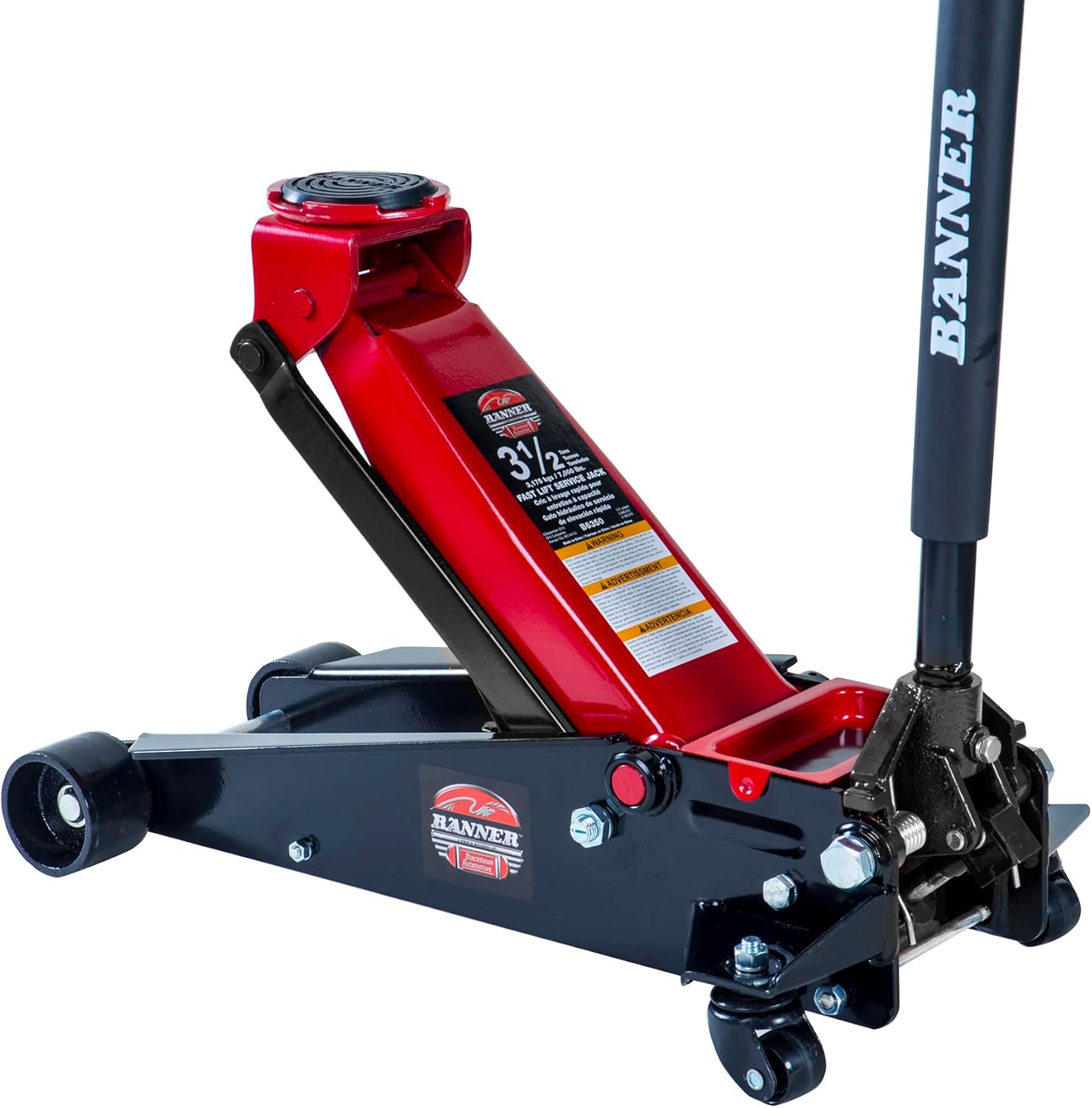
How to Remove the Old Coil Spring
For Strut-mounted Front Coil Springs
For Separate Rear Coil Springs
Separate rear springs are often removed by supporting the rear control arm, disconnecting the lower shock mount or sway bar link, and then slowly lowering the control arm until the spring becomes loose enough to remove. On some vehicles, the spring can be removed without a compressor. On others, a small compressor is still needed. Watch brake hoses, parking brake cables, and ABS wiring as the suspension droops.
Disassemble the Strut and Swap the Spring
If you are installing a complete loaded strut, you can skip this section and go straight to installation. If you are replacing only the spring on a strut assembly, secure the strut on the floor or in a suitable holding fixture and attach the spring compressors to opposite sides of the coil.
Tighten the compressors evenly until the spring is loose in the upper and lower perches. Once the spring pressure is fully off the upper mount, remove the center shaft nut while holding the strut shaft with the required hex or pass-through tool. Lift off the upper mount, bearing plate, dust boot, and bump stop in order.
Remove the old spring and compare it to the new one for height, coil diameter, end shape, and clocking. Transfer any reusable isolators only if they are in good condition. If the upper mount bearing feels rough, the rubber is cracked, or the dust boot is torn, replace those parts now while everything is apart.
Seat the New Spring Correctly
Install the new spring so the end of the bottom coil rests against the stop in the lower spring perch, and align the top end according to the upper seat marks. Incorrect clocking is a common mistake and can cause noise, ride height problems, and premature mount failure.
Install the New Coil Spring
Reassemble the strut in the same order it came apart. Install the upper mount and thread on the center shaft nut by hand first. Tighten it to the factory torque specification while holding the strut shaft from spinning. After the mount is secure, slowly release the spring compressors a little at a time, checking that the spring remains fully seated in both perches.
Reinstall the strut or spring assembly into the vehicle. Start all upper mount nuts by hand, then align the lower mounting points and install the lower bolts and nuts. Reattach the sway bar link, brake hose bracket, ABS wire bracket, and any clips or retainers you removed.
If you are working with a separate rear spring, place the new insulators in position, set the spring into the lower control arm and upper body seat correctly, then raise the control arm slowly until the spring is trapped in place. Reinstall the shock bolt or any disconnected suspension links.
Recommended Tools for This Job


Torque Notes and Final Tightening
Use the exact torque specs for your vehicle whenever possible. Suspension fasteners are often torque-to-yield or have model-specific tightening angles. If the manual says to replace certain nuts or bolts, do it. Reusing one-time-use hardware can lead to loosening, alignment problems, or unsafe clamp force.
Many control arm and bushing bolts must be tightened at normal ride height, not with the suspension hanging. If you disconnected any bushing-mounted arms, support the suspension so it sits close to ride height before performing final torque. Tightening bonded bushings at full droop can preload and tear them.
- Torque the strut shaft nut to spec using the proper holding tool.
- Torque the upper mount nuts evenly and do not overtighten them.
- Torque lower strut-to-knuckle bolts with the suspension aligned properly.
- Torque wheel lug nuts in a star pattern after the vehicle is back on the ground.
After Installation
Reinstall the wheels, lower the vehicle, and torque the lug nuts to specification. Bounce each corner of the vehicle lightly to help the suspension settle. Check that the vehicle sits level left to right and verify that the spring ends are still properly seated if visible.
Take a short, slow test drive and listen for clunks, popping, or rubbing. Steering wheel position may change if front struts were removed, and ride height may settle slightly after a few miles. Schedule a four-wheel alignment anytime front strut bolts or camber-related hardware were loosened.
Signs Something Is Wrong After Replacement
- A metallic pop when turning can mean the spring is not seated correctly or the mount bearing is installed wrong.
- A crooked steering wheel or tire wear can mean alignment changed during the repair.
- A clunk over bumps can point to loose sway bar links, loose upper mount nuts, or missing isolators.
- Uneven ride height can mean mismatched springs or an incorrectly clocked spring.
Common Mistakes to Avoid
- Replacing only one spring on an axle.
- Using cheap or poorly fitting spring compressors.
- Loosening the center strut nut before the spring is safely compressed.
- Installing the spring with the end coil out of position in the perch.
- Skipping worn mounts, bearings, or isolators while the assembly is apart.
- Failing to get an alignment after removing front strut hardware.
If the vehicle has severe rust, seized lower strut bolts, or damaged mounting holes, the repair can escalate quickly. Heat, cutting, or bolt extraction may be needed, and at that point a professional shop may save time and reduce risk.
Key Takeaways
- Replace coil springs in pairs on the same axle to maintain ride height and balanced handling.
- If the spring is mounted on a strut, a loaded strut assembly is often safer and faster than compressing the old spring yourself.
- Seat the new spring exactly in its upper and lower perches or you can end up with noise, uneven height, and mount damage.
- Torque all suspension fasteners to spec and tighten any bushing-loaded bolts at normal ride height when required.
- Plan on a professional alignment after front strut removal, even if you marked the original bolt positions.
FAQ
Can I Replace Just One Coil Spring?
It is not recommended. Springs weaken with age, so replacing only one side often leaves the vehicle sitting unevenly and can affect handling and braking balance. Replace springs in pairs on the same axle.
Is It Better to Replace the Spring or the Whole Strut Assembly?
If your vehicle uses a strut-mounted coil spring, a complete loaded strut assembly is usually the better choice for most DIYers. It eliminates the need to compress the spring and also renews the strut, mount, and related wear parts in one job.
Do I Need an Alignment After Replacing Coil Springs?
If you removed front struts from the steering knuckle or disturbed camber-related hardware, yes, you should get a professional alignment. For some separate rear spring jobs, alignment may not change much, but it is still smart to check if ride height changed significantly.
How Do I Know if a Coil Spring Is Broken?
Common signs include a lower ride height on one corner, clunking or scraping noises, visible rust cracks, tire rubbing, or a broken end coil sitting out of place in the spring perch.
Can I Drive with a Broken Coil Spring?
You should avoid driving it unless absolutely necessary for a very short trip to a repair facility. A broken spring can shift, damage a tire, reduce stability, and make the vehicle unsafe over bumps or during emergency maneuvers.
Should I Replace Strut Mounts and Isolators at the Same Time?
Yes, if they show wear, cracking, noise, or rough bearing movement. Since the assembly is already apart, replacing worn mounts, bearings, boots, bump stops, and isolators can prevent repeat labor and recurring noise.
Why Is My Car Still Sitting Unevenly After New Springs?
Possible causes include a spring installed out of position, mismatched left and right parts, worn control arm bushings, a bad strut mount, or the suspension not being fully settled yet. Recheck seating and part numbers first.
Need Parts for This Repair?
The right parts and supplies vary by vehicle.
Select your make and model to find compatible parts and accessories for your car.
Exact Fit
Parts that fit your make and model
Quality You Can Trust
Top brands and OEM quality options
Fast Shipping
Get the parts you need, delivered fast