

Note: This article contains affiliate links. If you click on these links and make a purchase, I may earn a small commission at no extra cost to you. This helps support my research and content. Read my full affiliate disclosure here.
Repair Snapshot
Use a mechanic if the window regulator blocks access, the latch assembly must be drilled out, or the door has side airbag wiring you are not comfortable working around. Professional help is also smart if the lock issue may be caused by wiring, a body control module, or anti-theft programming rather than the actuator itself.
This article is part of our Body and Exterior Maintenance & Repair Guides.
Replacing a door lock actuator is a manageable DIY repair on many vehicles if you take your time and keep track of screws, clips, and linkages.
A failing actuator usually causes one door to stop locking or unlocking with the key fob, power lock switch, or automatic lock feature. You may hear buzzing, clicking, or weak movement inside the door, or the lock knob may move only partway before stopping.
The exact layout varies by vehicle, but the overall process is usually the same: remove the interior door panel, peel back the moisture barrier, disconnect the actuator from the latch or lock rods, install the new unit, and test everything before reassembly. A factory repair manual or torque spec source for your exact model is always the best reference when available.
Signs the Door Lock Actuator Is the Problem
Before pulling the door apart, make sure the actuator is the likely failure point. A bad actuator normally affects one door only, while a blown fuse, body control module issue, or bad lock switch may affect multiple doors.
- One door will not lock or unlock electronically, but the others still work.
- You hear a click or buzz inside the door, but the latch does not move.
- The lock works sometimes, especially in warm weather, and fails when cold.
- The manual lock knob or inside handle still works, but power lock operation does not.
- The actuator moves weakly or only part of the way before stopping.
If the lock is completely jammed, the door will not open from either handle, or the latch feels mechanically stuck, you may also have a broken latch assembly, bent linkage rod, damaged child safety lock mechanism, or internal corrosion. In those cases, inspect carefully before ordering parts.
Before You Start
Confirm the Replacement Part
Some vehicles use a separate actuator, while others combine the actuator and latch into one assembly. Compare the new part to the old one by door position: front left, front right, rear left, or rear right. Driver door components are often unique because they may include key cylinder or security switch connections.
Protect Memory Settings and Electronics
If your vehicle has side airbags in the door, memory seats, or advanced anti-theft features, disconnect the negative battery cable before disconnecting door wiring. Wait several minutes after battery disconnection before unplugging connectors near airbag wiring. Check your owner’s manual for any battery disconnect precautions.
Work with the Window in the Best Position
In most cases, raising the window fully gives you more room and protects the glass. On some models, lowering the window slightly helps access fasteners. Decide based on what provides the most clearance once the panel is off.
Remove the Interior Door Panel
Start by inspecting the door panel for hidden screws. They are commonly found behind trim caps, in the armrest pull handle, near the inside door handle, at the lower edge of the panel, or behind a small bezel around the lock switch.
- Remove any visible screws using the correct Phillips, hex, or Torx bit to avoid stripping them.
- Use a plastic trim tool to gently pry off switch bezels, handle trim covers, and sail panels near the mirror.
- Unplug electrical connectors for the window switch, mirror switch, courtesy light, or speaker if they are attached to the panel.
- Slip a trim tool between the panel and the metal door shell and pop the retaining clips loose one at a time.
- Lift the panel upward if it hooks over the window ledge, then set it aside somewhere safe.
Do not yank the panel away from the door. Many panels still have a cable or rod for the inside handle attached after the clips release. If your vehicle uses a Bowden cable, rotate the cable housing out of its bracket and unhook the cable end from the handle. If it uses rods, note their routing and clip orientation before disconnecting them.
Expect a few brittle clips to break on older vehicles. Having replacement panel clips on hand can save frustration during reassembly.
Tools That Make This Job Easier


Access the Actuator and Latch Area
Behind the panel, you will usually find a plastic foam or sheet-style moisture barrier. Peel it back slowly instead of tearing it. The adhesive can often be reused, but old barriers may need fresh butyl tape during reassembly.
With the barrier moved aside, locate the door latch at the rear edge of the door. The actuator may be attached directly to the latch, mounted nearby with rods linking it to the latch, or built into a larger latch module.
Inspect Before Removal
- Check for disconnected or bent lock rods.
- Look for broken plastic rod clips.
- Inspect the electrical connector for corrosion or loose pins.
- Watch the mechanism while an assistant presses lock and unlock, if safe to do so.
- Verify the child safety lock is not creating a false symptom on rear doors.
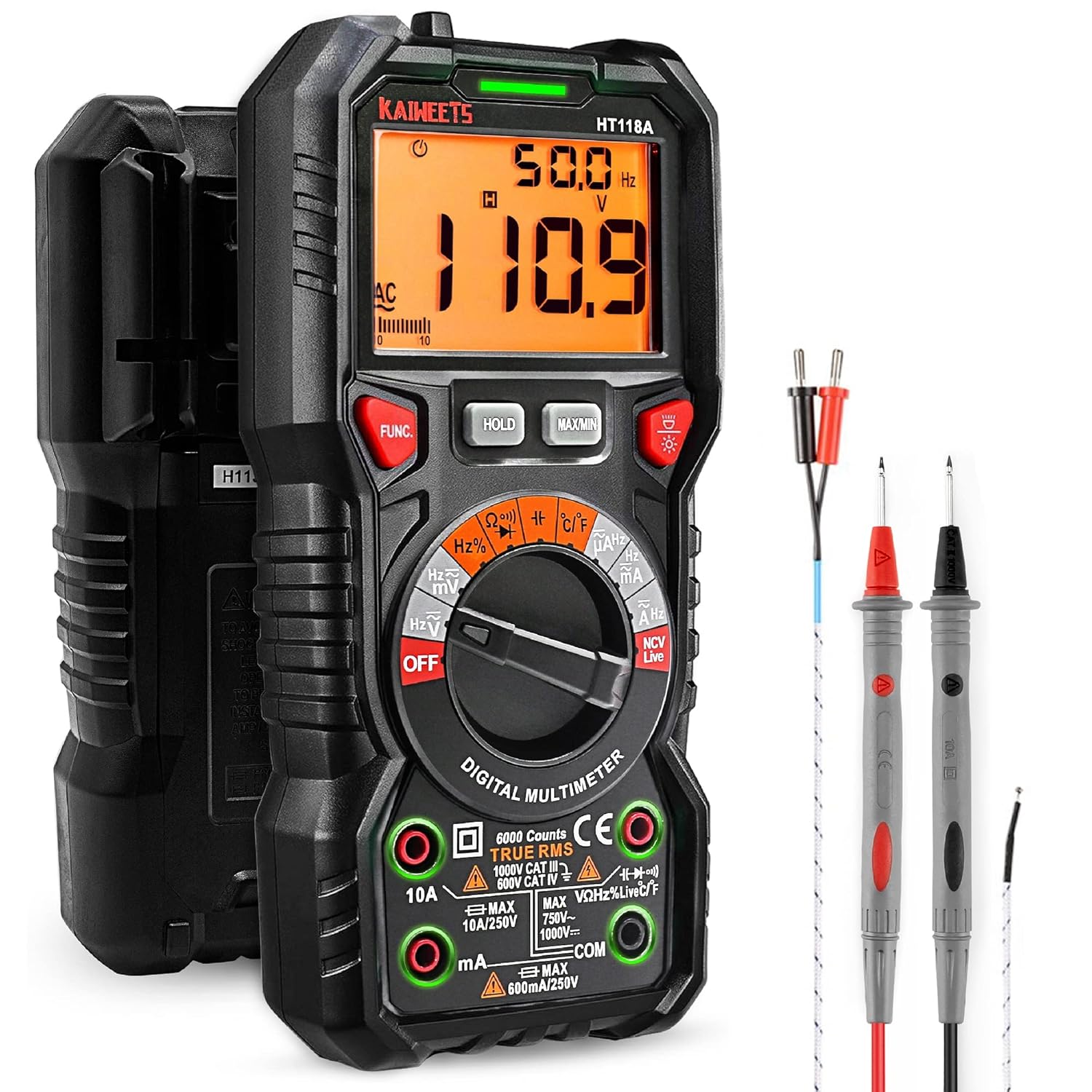
If you have a multimeter and can safely back-probe the connector, check for voltage and ground command while operating the locks. Many actuators receive a brief polarity-reversing signal. If proper power and ground are reaching the actuator but it does not move, the actuator is likely bad. If there is no command at the connector, the problem may be wiring, a switch, fuse, or module instead.
Remove the Old Door Lock Actuator
Removal varies most at this stage. Some vehicles let you remove only the actuator. Others require taking out the latch and actuator together through an access opening. Take photos before disconnecting anything so the rods, cables, and connectors go back exactly the same way.
- Disconnect the actuator electrical connector by releasing its locking tab.
- Unclip any linkage rods or cables attached to the actuator or latch assembly.
- Remove mounting screws or bolts holding the actuator or latch in place. These are often Torx fasteners at the door edge.
- Support the assembly as the final fastener comes out so it does not drop inside the door.
- Rotate and maneuver the actuator or latch assembly through the access opening carefully to avoid scratching the glass or damaging rods.
On some models, the exterior door handle rod, interior handle cable, lock cylinder rod, and latch all connect together in a tight area. Move slowly and do not force plastic clips. Most clips open by rotating them away from the rod, then lifting the rod out of the slot.
If the old part is integrated with the latch, compare every lever, connector, and mounting point before installation. It is easy to end up with a similar-looking part that is not correct for your trim level or build date.
Install the New Actuator
Transfer any brackets, clips, foam isolators, or rods from the old unit to the new one if the replacement does not include them. Lightly clean dirty latch surfaces, but do not soak electrical components with solvent.
- Position the new actuator or latch assembly into the door the same way the old one came out.
- Start all screws or bolts by hand before tightening anything fully.
- Reconnect each rod or cable to the correct lever and lock the plastic retaining clips back into place.
- Plug in the electrical connector until the tab clicks.
- Tighten fasteners evenly and follow factory torque specs if available.
A small dab of dielectric grease on the connector seal can help resist moisture, but keep grease off the electrical terminals unless the connector design specifically allows it. If the lock rods or handle pivot points are dry, apply only a light lubricant suitable for latches. Heavy grease can attract dirt and cause sluggish operation over time.
Do not fully reinstall the moisture barrier or door panel yet. First verify that the new actuator works correctly and that both inside and outside handles still operate the latch.
Test the Lock Before Reassembly
This is the most important checkpoint of the job. A lock rod clipped into the wrong hole or routed incorrectly can leave you reopening the door a second time.
- Reconnect the battery if it was disconnected and keep fingers clear of moving parts.
- Use the key fob and the interior lock switch to test lock and unlock several times.
- Check the manual lock knob or lever for smooth movement.
- Test the inside handle and outside handle with the door open.
- If equipped, verify child lock operation on rear doors.
- Close the door gently and confirm it locks, unlocks, and opens normally from both sides.
Do not slam the door on the first test. If something is misrouted, you could end up with a door that will not open. Use a screwdriver to simulate latch closure with the door open if needed, then release the latch manually after testing.
Recommended Tools for This Job


Reinstall the Moisture Barrier and Door Panel
Once the lock works correctly, reinstall the moisture barrier carefully. This barrier matters more than many DIYers realize. If it is loose or torn, water entering the door can soak the panel, damage switches, or cause rattles.
- Press the moisture barrier back into its original position and seal loose areas with butyl tape or approved adhesive.
- Reconnect any door panel electrical connectors and courtesy lights.
- Reattach the inside handle cable or rods to the panel if they were removed.
- Hook the top of the panel over the window ledge if required, then align the panel clips with the holes in the door.
- Press the panel in evenly, reinstall all screws, and snap trim covers back into place.
After the panel is back on, test the locks, windows, mirrors, and speakers again. Make sure the panel sits flush all the way around and that no clips are left protruding.
Common Problems After Replacement
The New Actuator Does Not Work
Recheck the electrical connector, fuse, and part number. If the old actuator also had no voltage signal, the fault may be in the door harness, jamb wiring, switch, or control module.
The Lock Works Backward or Partially
A rod may be connected to the wrong lever, the wrong assembly may have been installed, or the latch may not be in the same position as the original part. Compare with photos taken before removal.
The Inside or Outside Handle No Longer Opens the Door
A handle rod or cable is likely disconnected, misrouted, or clipped incorrectly. Remove the panel again before forcing anything, especially if the door still opens only with one handle.
The Door Panel Rattles or Leaks Water
Replace missing clips and reseal the moisture barrier. Water leaks after door work are commonly caused by a barrier that was not pressed back into place around its full perimeter.
Torque Notes and Vehicle-Specific Differences
Door latch and actuator fastener sizes and torque values vary widely by make and model. Many are small screws threaded into captive nuts or sheet-metal inserts, so overtightening can strip them. Use factory specifications whenever possible rather than guessing.
Some late-model vehicles require window guide removal, glass run channel loosening, or partial regulator movement to gain access. Others use rivets instead of bolts on parts of the latch or regulator system. If you encounter rivets, tight access near the glass, or side impact sensor wiring you cannot clearly identify, that is a good point to stop and consult a service manual or a professional.
If your door lock issue began after a collision, water intrusion, or repeated blown fuses, replacement of the actuator alone may not solve the problem. Inspect the door harness at the rubber jamb boot closely, since broken wires there are common and can mimic actuator failure.
Key Takeaways
- Verify the problem is isolated to one door and that power and ground commands reach the actuator before replacing parts.
- Take photos of rod and cable routing before removal because one misconnected linkage can leave the lock or handle inoperative.
- Test the new actuator with the door open before reinstalling the panel so you do not trap yourself with a stuck latch.
- Reseal the moisture barrier carefully to prevent future water leaks, switch damage, and interior panel warping.
- Use a professional if the door contains airbag wiring, riveted hardware, jammed latch components, or suspected module and wiring faults.
FAQ
Can I Drive with a Bad Door Lock Actuator?
Usually yes, but it is not ideal. A failed actuator can leave the door unlocked, unable to unlock electrically, or difficult to secure, which is a safety and security issue.
How Do I Know Whether the Actuator or the Switch Is Bad?
If only one door fails and the others respond normally, the actuator is more likely. If multiple doors fail, check the fuse, lock switch, body control functions, and wiring before replacing the actuator.
Do I Need to Disconnect the Battery for This Repair?
It is strongly recommended, especially if the door contains side airbag wiring or multiple electronic connectors. Disconnecting the negative cable reduces the risk of shorts and accidental electrical issues.
Is the Door Lock Actuator the Same as the Door Latch?
Not always. Some vehicles use a separate actuator attached to the latch, while others combine both into one latch-actuator assembly. Order parts by exact door position and vehicle details.
Why Does My Lock Work Manually but Not with the Key Fob?
That often points to a weak or failed actuator, but it can also be caused by poor electrical supply, broken wiring in the door jamb, or a control issue. Testing for voltage at the connector helps narrow it down.
What if the Door Will Not Open at All?
A fully jammed latch is more difficult than a standard actuator replacement. You may need to remove trim with the door closed and release the latch manually, which can be frustrating and may justify professional help.
Do I Need Any Programming After Replacing a Door Lock Actuator?
Most basic actuator replacements do not require programming. However, some vehicles with integrated security features, smart entry systems, or advanced body modules may require initialization or scan tool procedures.
Need Parts for This Repair?
The right parts and supplies vary by vehicle.
Select your make and model to find compatible parts and accessories for your car.
Exact Fit
Parts that fit your make and model
Quality You Can Trust
Top brands and OEM quality options
Fast Shipping
Get the parts you need, delivered fast