

Note: This article contains affiliate links. If you click on these links and make a purchase, I may earn a small commission at no extra cost to you. This helps support my research and content. Read my full affiliate disclosure here.
Repair Snapshot
Use a mechanic if access to the master cylinder is extremely tight under the dash, the hydraulic line fitting is seized, or the system will not bleed properly after installation. A pro is also a better choice if the clutch pedal bracket or firewall appears cracked or damaged.
This article is part of our Transmission and Drivetrain Maintenance & Repair Guides.
Replacing a clutch master cylinder is a practical DIY repair when your clutch pedal feels soft, sinks to the floor, or no longer disengages the transmission correctly. On most vehicles, the job involves disconnecting the hydraulic line, removing the master cylinder from the firewall, installing the new unit, and then bleeding the clutch hydraulic system.
The exact layout varies by vehicle, but the general process is similar whether the reservoir is built into the master cylinder or mounted remotely. The biggest challenges are usually tight access under the dash, avoiding damage to the hydraulic fitting, and getting all air out of the system afterward.
Before you start, confirm that the master cylinder is actually leaking or bypassing internally. A wet firewall, fluid dripping near the clutch pedal, a low reservoir, or a clutch pedal that slowly sinks under steady pressure are strong signs the master cylinder is the problem.
What the Clutch Master Cylinder Does
The clutch master cylinder converts pedal movement into hydraulic pressure. When you press the clutch pedal, a pushrod moves the piston inside the master cylinder, forcing fluid through the hydraulic line to the slave cylinder or concentric release bearing. That hydraulic action disengages the clutch so you can shift gears.
When the master cylinder fails, it may leak externally, draw air into the system, or leak internally past its seals. Internal leakage often causes a pedal that feels weak or slowly drops with pressure, even when you do not see fluid outside the cylinder.
- Low clutch fluid with no obvious slave-cylinder leak can point to a leaking master cylinder.
- Fluid on the carpet or near the clutch pedal usually indicates rear seal failure at the master cylinder.
- Hard shifting, gear grinding, or a clutch that will not fully release often happen because the system cannot build enough pressure.
Before You Replace It
Confirm the Source of the Problem
Check the entire clutch hydraulic system before ordering parts. Look at the reservoir level, the hydraulic line from the master cylinder to the slave cylinder, and the slave cylinder itself. If the slave cylinder is leaking, replacing only the master cylinder will not solve the problem.
Compare the New Part to the Old One
Before disassembly goes too far, compare the new master cylinder with the old one. Verify the mounting pattern, line fitting size, pushrod style, reservoir configuration, and any pedal-pin or clip hardware. Small differences can stop the repair once the old part is already out.
Check Fluid Specification
Use only the brake fluid grade specified by the manufacturer, commonly DOT 3 or DOT 4. Do not mix in power steering fluid, transmission fluid, or the wrong brake fluid type. Contaminated hydraulic fluid can quickly damage seals in the new cylinder.
Preparation and Safety
Park on a level surface, set the parking brake, and switch the engine off. If you need extra room around the battery tray or intake ducting, disconnect the negative battery cable first and remove only what is necessary for access.
Brake fluid damages paint and some interior surfaces, so protect the fender, firewall area, and carpet with towels. Keep water nearby to rinse any accidental spill immediately, and wear gloves and safety glasses throughout the job.
- Use flare-nut wrenches on hydraulic fittings whenever possible to reduce the chance of rounding the line nut.
- Have plugs or caps ready before opening the hydraulic system so fluid loss and contamination stay to a minimum.
- Take photos under the dash before disconnecting the pedal linkage so the new cylinder goes back together the same way.
Tools That Make This Job Easier


How to Remove the Old Clutch Master Cylinder
Remove Fluid From the Reservoir
Open the clutch fluid reservoir cap and remove as much old fluid as possible with a syringe or turkey baster. This reduces spills when the line and master cylinder are disconnected. Dispose of used brake fluid properly; do not pour it on the ground or into household drains.
Gain Access in the Engine Bay and Under the Dash
On some vehicles, the clutch master cylinder is easy to reach from the firewall. On others, you may need to remove an air intake tube, battery tray, cowl trim, lower dash panel, or knee bolster to reach the retaining fasteners and pedal connection. Work methodically and keep small clips and fasteners organized.
Disconnect the Clutch Pedal Linkage
Inside the cabin, locate where the master cylinder pushrod attaches to the clutch pedal. Remove the retaining clip, cotter pin, or locking tab, then slide out the clevis pin or pivot pin. Support the pedal if needed and avoid forcing plastic bushings, since they can crack with age.
Disconnect the Hydraulic Line
Place towels and a drip pan below the fitting. Use a flare-nut wrench to loosen the hydraulic line from the master cylinder. If the fitting is rusty or stubborn, apply penetrating oil and let it soak before trying again. Once loose, cap or plug the line to reduce fluid loss and prevent dirt from entering the system.
Some vehicles use a quick-connect hydraulic fitting rather than a threaded line. If yours does, follow the release procedure exactly. Do not pry aggressively on plastic retainers because replacement clips may not come with the new cylinder.
Unbolt and Remove the Master Cylinder
Remove the mounting nuts or bolts securing the master cylinder to the firewall. Hold the cylinder as the last fastener comes off so it does not drop and spill fluid. Then guide the unit out of the engine bay or away from the firewall, watching for wiring, hoses, and insulation that may snag.
- Drain or extract as much old fluid as possible.
- Remove interior or engine-bay trim for access.
- Disconnect the pushrod from the clutch pedal.
- Loosen and cap the hydraulic line.
- Remove the firewall fasteners and extract the old cylinder.
Prepare the New Master Cylinder
Bench Bleed if Recommended
Many clutch master cylinders benefit from bench bleeding before installation, especially if the unit mounts at an angle or is known to trap air. Clamp the cylinder gently in a vise by the mounting flange if needed, keep it level, fill the reservoir, and slowly stroke the piston with a screwdriver or pushrod tool while routing fluid back into the reservoir or bench-bleed hoses.
Do not bottom the piston violently. Slow, short strokes help purge air without aerating the fluid. Continue until bubbles stop appearing. If the part manufacturer says not to bench bleed, follow that guidance instead.
Transfer Hardware and Verify Adjustments
If the new unit does not include a reservoir, switch, grommet, boot, or pushrod hardware, transfer those parts from the old cylinder if they are still in good condition. Compare pushrod length and clevis depth carefully. Some systems are self-adjusting, while others require pedal free-play or pushrod adjustment to match factory specifications.
Do not guess on pedal adjustment. A pushrod that is too long may keep the system partially pressurized, while one that is too short can reduce clutch release travel.
How to Install the New Clutch Master Cylinder
Mount the Cylinder to the Firewall
Guide the new master cylinder into position and start the mounting nuts or bolts by hand. Make sure the gasket or seal seats correctly against the firewall if your design uses one. Tighten the fasteners evenly, then torque them to the vehicle manufacturer’s specification if available.
Reconnect the Hydraulic Line Carefully
Start the hydraulic line fitting by hand first to prevent cross-threading. Once it turns smoothly, tighten it with a flare-nut wrench. The fitting should feel secure, but overtightening can damage threads, distort a flare seat, or crack an aluminum cylinder body.
Reconnect the Pedal Linkage
Inside the cabin, attach the pushrod to the clutch pedal with the original or replacement pin and clip. If there is a threaded clevis adjustment, set it to the correct length before locking it down. Make sure the pedal moves freely and the pushrod is aligned without binding.
Reinstall Removed Components
Reinstall any battery tray, intake ducting, lower dash trim, insulation panels, or cowl pieces removed for access. Double-check that no wiring connectors, vacuum hoses, or trim clips were left loose during reassembly.
Recommended Tools for This Job
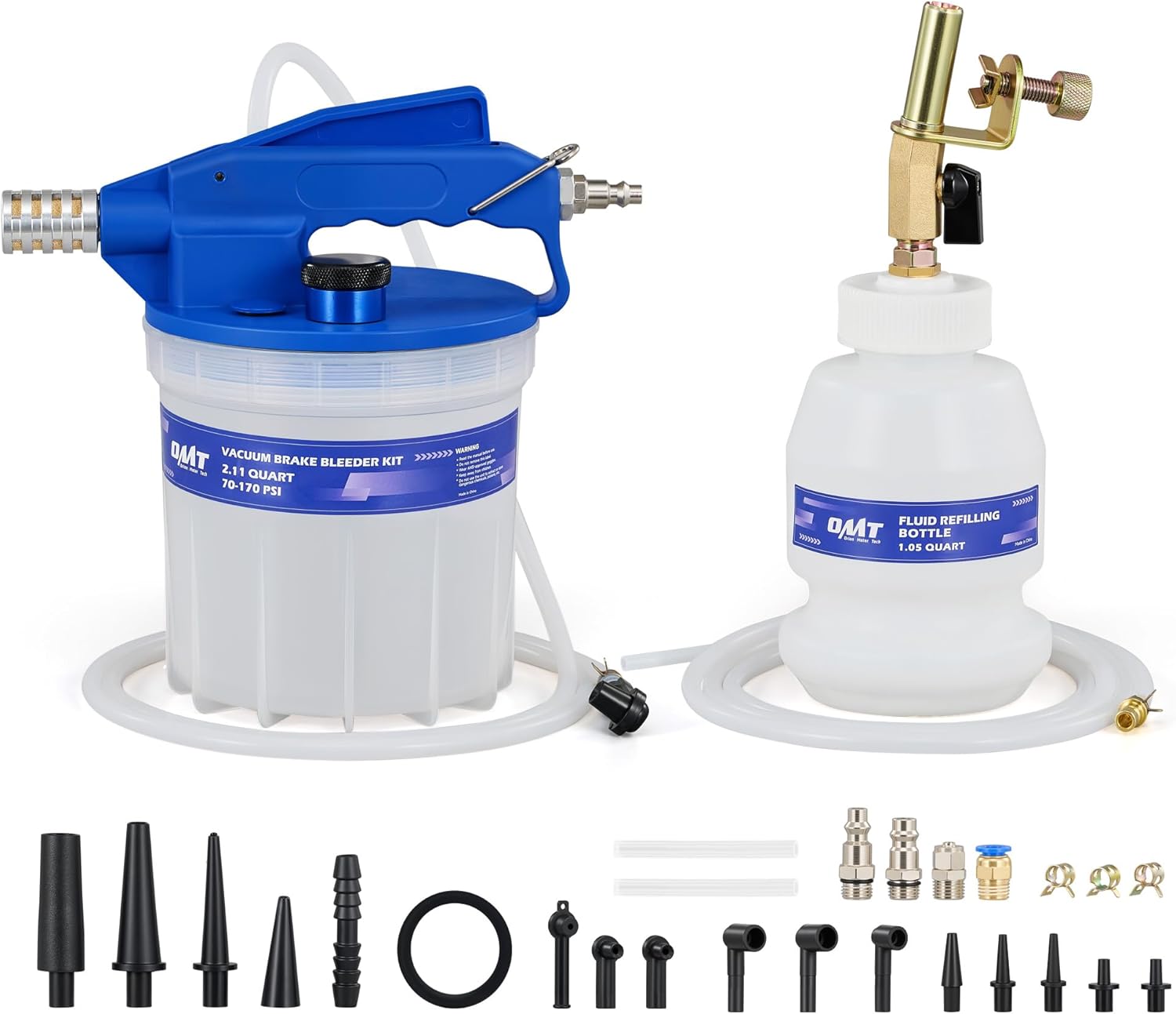


Bleed the Clutch Hydraulic System
Bleeding is the step that determines whether the repair feels successful. Even a perfectly installed master cylinder will not work correctly if air remains trapped in the line or slave cylinder. Keep the reservoir full at all times during bleeding so you do not pull fresh air into the system.
Manual Bleeding Method
- Fill the reservoir with the correct fresh brake fluid.
- Attach a clear hose to the slave-cylinder bleeder screw and place the other end in a container.
- Have a helper slowly press the clutch pedal and hold it down.
- Open the bleeder screw to release air and fluid, then close it before the pedal is released.
- Repeat until only clean fluid without bubbles exits and the pedal begins to feel firm.
Gravity, Vacuum, or Pressure Bleeding
Some stubborn systems bleed better with a vacuum pump or pressure bleeder. Gravity bleeding can also help on simpler layouts by opening the slave bleeder and letting fluid move downward on its own. If the master cylinder sits lower than parts of the line or the line loops upward, trapped air can make the process slower.
Signs That Bleeding Is Complete
- The clutch pedal feels consistent and returns normally.
- The engagement point is predictable instead of changing between presses.
- The transmission goes into gear without excessive resistance or grinding.
- No more bubbles appear at the bleeder screw.
Final Checks Before Driving
Top off the reservoir to the proper level and install the cap securely. Have a helper press the clutch pedal several times while you inspect the master cylinder, hydraulic line fitting, and slave cylinder for leaks. Any dampness around the new connection needs to be corrected before driving.
With the engine off, press the clutch pedal repeatedly and verify full, smooth travel. Then start the engine and test gear engagement at a standstill. Reverse and first gear are especially useful checks because they often reveal incomplete clutch release right away.
If everything feels normal, take a short test drive in a safe area. Recheck fluid level and inspect again for leaks after the drive.
Common Mistakes to Avoid
- Rounding the hydraulic fitting by using an open-end wrench instead of a flare-nut wrench.
- Letting the reservoir run dry during bleeding and pulling air back into the system.
- Cross-threading the line fitting into the new master cylinder.
- Skipping pushrod or pedal adjustment when the design requires it.
- Assuming a soft pedal means the master cylinder is bad when the slave cylinder is actually leaking.
- Using old or contaminated brake fluid in the new cylinder.
When Replacement Does Not Solve the Problem
If the clutch pedal still feels wrong after replacing and bleeding the master cylinder, look at the rest of the system. A leaking slave cylinder, a damaged hydraulic line, a cracked pedal bracket, or a worn clutch release mechanism can mimic master-cylinder failure.
On vehicles with an internal concentric slave cylinder, transmission removal may be required to address the leak source. If you have repeated air intrusion with no visible external leak, inspect all fittings and the slave area closely before replacing more parts.
A clutch that still drags even with a firm pedal may indicate a mechanical clutch problem rather than a hydraulic one. Bent pressure plate fingers, a seized pilot bearing, incorrect clutch parts, or installation issues can all cause poor disengagement.
Torque Notes and Vehicle-specific Information
Torque values for clutch master cylinder mounting fasteners, hydraulic fittings, pedal bracket fasteners, and any pushrod locknuts vary widely by vehicle. Always use the factory service information or a trusted repair manual for exact numbers.
If no torque spec is readily available, do not overtighten small fasteners threaded into sheet metal, aluminum, or plastic reservoir components. The safest approach is to look up the proper specification before final assembly.
Key Takeaways
- Confirm the master cylinder is actually the leak or pressure-loss source before replacing it.
- Use a flare-nut wrench and hand-start the hydraulic line to avoid expensive thread damage.
- Bench bleed when recommended and never let the reservoir run dry during system bleeding.
- Check pushrod length or pedal free-play if your vehicle requires adjustment after installation.
- Do not drive the vehicle until the pedal feel is consistent and the system is completely leak-free.
FAQ
How Do I Know if the Clutch Master Cylinder Is Bad?
Common signs include a soft or sinking clutch pedal, low clutch fluid, fluid leaking near the clutch pedal or firewall, hard shifting, and gear grinding from incomplete clutch release. Confirm the slave cylinder is not the actual source of the leak before replacing the master cylinder.
Do I Have to Bench Bleed a Clutch Master Cylinder?
Not always, but it often helps. Many replacement cylinders bleed more easily if bench bled first, especially when the design traps air. Follow the instructions that come with the new part or the vehicle service manual.
Can I Replace the Clutch Master Cylinder Without Replacing the Slave Cylinder?
Yes, if the slave cylinder is in good condition and not leaking. However, if both parts are old or the system has contamination, replacing both at the same time can prevent repeat bleeding and another failure soon after.
What Fluid Goes in a Clutch Master Cylinder?
Most hydraulic clutch systems use brake fluid, usually DOT 3 or DOT 4, but you should verify the exact specification on the reservoir cap or in the owner’s manual. Never substitute transmission fluid or power steering fluid.
Why Is My Clutch Still Soft After Replacing the Master Cylinder?
The most common reason is trapped air in the hydraulic system. Other possibilities include a leaking slave cylinder, a loose hydraulic fitting, an incorrectly adjusted pushrod, or a damaged clutch pedal bracket.
How Long Does It Take to Replace a Clutch Master Cylinder?
For a typical DIYer, plan on about 2 to 4 hours. Vehicles with tight under-dash access, remote reservoirs, or difficult bleeding procedures can take longer.
Is It Safe to Drive with a Failing Clutch Master Cylinder?
It is not a good idea. A failing master cylinder can suddenly lose pressure, leaving you unable to disengage the clutch properly. That can make shifting unsafe and may leave you stranded.
Need Parts for This Repair?
The right parts and supplies vary by vehicle.
Select your make and model to find compatible parts and accessories for your car.
Exact Fit
Parts that fit your make and model
Quality You Can Trust
Top brands and OEM quality options
Fast Shipping
Get the parts you need, delivered fast