

Note: This article contains affiliate links. If you click on these links and make a purchase, I may earn a small commission at no extra cost to you. This helps support my research and content. Read my full affiliate disclosure here.
What You’ll Need
A quick look at the tools and supplies commonly used for this job.
Tools
- Flashlight or work light
- Trim removal tool
- Inspection mirror
- Air compressor or canned air
- Garden hose with adjustable nozzle
- Spray bottle
- Clean microfiber towels
- Painter’s tape
- Step stool or ladder
- Moisture meter or dry paper towels
Parts & Supplies
- Replacement cabin air filter if soaked
- Automotive seam sealer if body seam leaks are found
- Rust converter or primer for exposed rust around the frame
- Plastic sheeting to protect the interior during testing
- Silica gel or interior drying aid
This article is part of our Body and Exterior Maintenance & Repair Guides.
A windshield water leak is often misdiagnosed because the water you see inside the cabin may not be entering exactly where it appears.
If your headliner is damp, the A-pillar trim is wet, the dash smells musty, or the front carpet gets soaked after rain, the windshield area is a prime suspect. But the leak could also come from a cowl drain, roof seam, antenna base, sunroof drain, or poorly sealed body seam that lets water travel before it drips inside.
The goal of diagnosis is to confirm the true entry point before you buy sealant or schedule glass work. A careful, low-pressure water test and good interior inspection will tell you whether the problem is the windshield bond itself, surrounding trim, corrosion around the pinch weld, or another opening nearby.
Common Signs of a Windshield-Area Water Leak
Leaks near the windshield usually show up after rain, a car wash, or melting snow. In many cases, the water tracks down behind trim panels and appears much lower than the actual leak.
- Water dripping from the top corner of the windshield or the A-pillar trim.
- Damp headliner near the upper windshield edge.
- Wet front carpet, especially near the kick panel or under the dash.
- Foggy windows, mildew smell, or repeated interior condensation.
- Visible rust staining, water marks, or mineral trails around the windshield opening.
- Sloshing sounds or dampness after a storm even when doors and windows were fully closed.
If the leak only happens when the vehicle is parked nose-up or nose-down, note that detail. Vehicle angle changes how water pools in the cowl and roof channels and can help narrow the source.
Before You Start Testing
Dry the Area First
A leak test works best when the interior surfaces start dry. Wipe down the glass, dash edge, trim, headliner edge, and carpets. Place dry paper towels along likely leak paths such as the upper corners of the windshield, A-pillars, and under-dash areas. These towels make small drips easier to spot.
Protect Sensitive Electronics
If your vehicle has a fuse box, body control module, infotainment connections, or airbag wiring near the kick panel or A-pillar, protect the area with plastic sheeting and avoid flooding the car with water. You only need a controlled trickle, not high pressure.
Work with Two People if Possible
One person stays inside with a flashlight while the other applies water outside. This makes it much easier to identify the exact moment and location the leak begins.
Areas That Commonly Mimic a Windshield Leak
Before blaming the windshield bond, check nearby leak sources. Water often enters above or below the windshield and then travels behind panels.
- Clogged cowl drains under the wiper area that let water overflow into the HVAC intake or firewall seams.
- Sunroof drains that leak down the A-pillars.
- Roof ditch seams or factory seam sealer cracks near the top corners of the glass.
- Antenna mounts, roof rack fasteners, or marker lights on some vehicles.
- Door weatherstrips or misaligned doors that send water into the kick panel area.
- Rust holes or previous collision repairs around the windshield frame.
If the windshield was replaced recently, the chances of a bad urethane bond, contamination during installation, improper primer use, or missed rust around the pinch weld are much higher.
Initial Visual Inspection
Inspect the Windshield Perimeter Outside
Look closely along the top, sides, and lower corners of the windshield. You are checking for lifted trim, gaps between glass and body, cracked or missing reveal molding, uneven glass height, or signs that the windshield sits crooked in the opening.
Do not assume decorative outer molding is the seal. On most modern vehicles, the actual water seal is the urethane adhesive bond beneath the glass edge. Exterior trim may only cover the gap and direct water.
Inspect the Inside Edges
Use a flashlight to examine the headliner where it meets the top of the windshield, both A-pillars, and the dash corners. Brown water marks, mineral trails, or localized staining usually point back toward the leak path.
Look for Rust Clues
Rust bubbling around the windshield edge, especially after previous glass replacement, is a strong clue. Corrosion can create a channel under the urethane bead and allow water to bypass the seal entirely.
Tools That Make This Job Easier


How to Perform a Controlled Water Test
Use the least aggressive method first. A high-pressure hose can force water past good seals and create a false diagnosis.
Start Low and Move Slowly
Begin at the lowest suspect area and work upward in sections. Apply a gentle stream for 30 to 60 seconds to one small area at a time. Wait inside to see whether water appears before moving higher.
- Test the lower windshield corners first.
- Then test each side edge halfway up.
- Next test the upper corners.
- Finish by testing the center of the upper windshield edge.
- If needed, test the cowl area separately from the glass perimeter.
Use Tape to Isolate Sections
Painter’s tape can help isolate roof seams, trim joints, or upper corners. Cover one suspected gap and repeat the water test. If the leak stops, you have narrowed the source.
Watch for Delayed Drips
Some leaks take a minute or two to travel through insulation or trim channels. After each test section, pause and inspect carefully instead of moving too fast.
What the Leak Pattern Tells You
Water at the Top Edge of the Windshield
This often points to a failed upper urethane bond, roof seam issue, or leak from a roof attachment above the glass. If the headliner gets wet before the A-pillar, check the roof seam and top glass bond carefully.
Water From One A-pillar
A single wet A-pillar can mean a side bond failure, a top corner leak, or a sunroof drain problem. Test the roof and sunroof channels separately before concluding the windshield is at fault.
Water at the Lower Dash Corner or Wet Floor
Lower corner leaks may come from the bottom windshield bond, cowl overflow, HVAC fresh air intake, or a body seam near the firewall. Remove leaves and debris from the cowl before repeating the test.
Leak Only During Driving Rain
A leak that appears mostly at highway speed may indicate airflow is pushing water under loose trim or through a marginal adhesive gap that does not show during light static testing. It can also point to door or roof sealing issues rather than the windshield itself.
Checking the Cowl and Drain Areas
Many front cabin leaks are actually cowl leaks. The cowl is the area below the windshield where rainwater collects and drains away. If those drains clog, water can rise high enough to enter the HVAC intake or pass through seams.
- Remove leaves, pine needles, and mud from the cowl screen and drain pockets.
- Check whether water pools under the wiper panel instead of draining quickly.
- Inspect the cabin air filter housing for water trails or a soaked filter.
- Look for cracked seam sealer or open joints along the firewall and cowl ends.
- Retest the cowl area separately from the glass edge once it is clean.
If pouring water only into the cowl reproduces the leak, the windshield may be innocent. That distinction matters because cowl and seam repairs are very different from glass resealing or replacement.
Recommended Tools for This Job


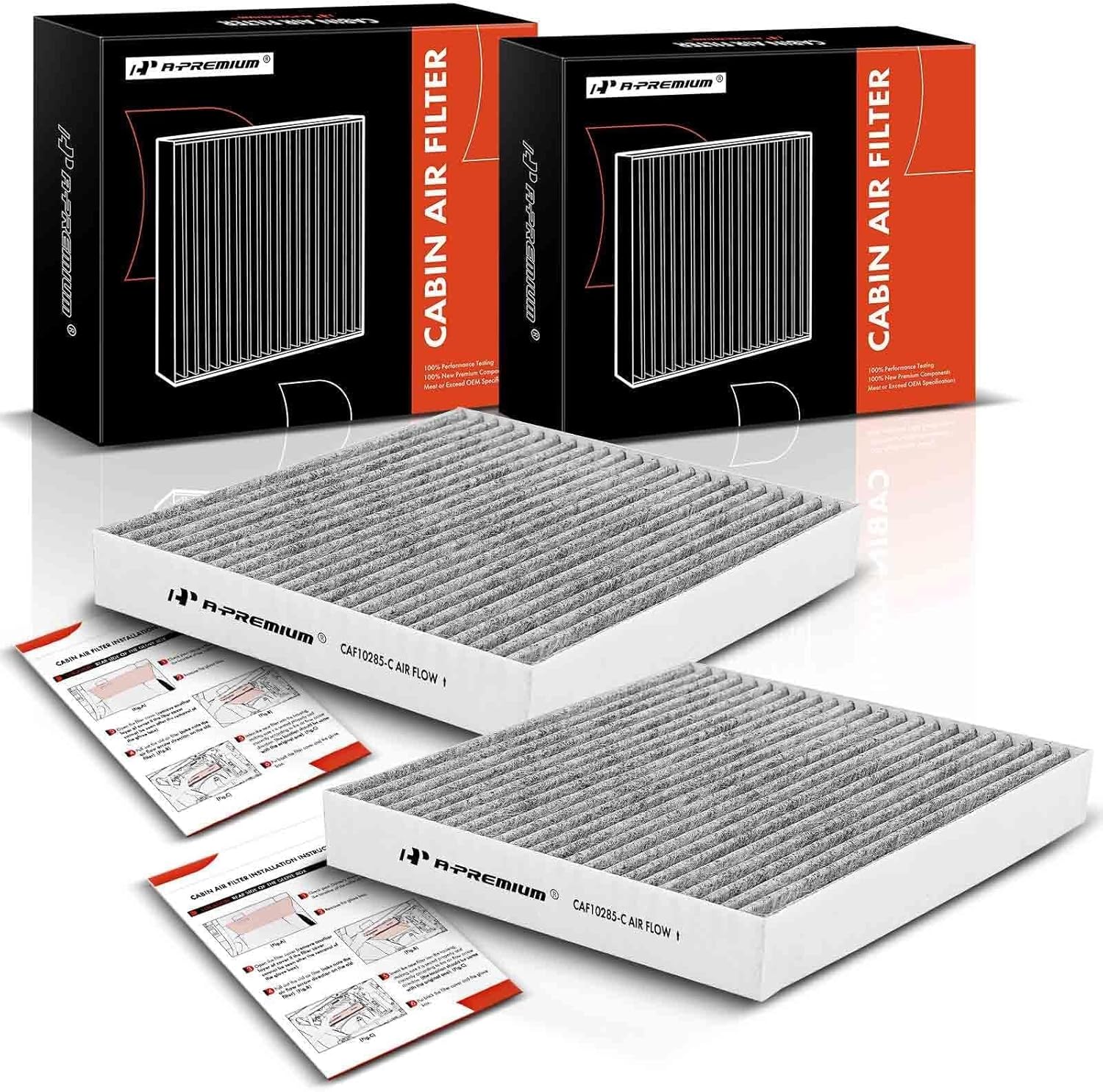
When Previous Windshield Replacement Is the Likely Cause
If the leak started soon after windshield replacement, focus on installation-related issues. Common problems include an incomplete urethane bead, poor glass positioning, contamination of the bonding surfaces, failure to prime bare metal, or rust that was not corrected before installation.
- Uneven reveal molding or glass spacing side to side.
- Visible adhesive gaps or messy urethane lines.
- Wind noise paired with water intrusion.
- A leak concentrated at one corner shortly after replacement.
- Rust spots forming around the windshield edge within months of installation.
In this situation, a surface sealer smeared around the trim is rarely a proper fix. A bad urethane bond usually requires professional glass removal, frame inspection, rust repair if needed, and correct reinstallation.
Can You Fix It Yourself or Should a Shop Handle It?
DIY-friendly Situations
- Cleaning clogged cowl drains and removing debris.
- Replacing a soaked cabin air filter after fixing the water path.
- Resealing an exposed body seam or non-structural trim joint if the exact leak point is confirmed.
- Drying the interior and preventing mold once the source is corrected.
Usually Best Left to a Professional
- Any leak caused by a failed windshield urethane bond.
- Rust around the windshield frame or pinch weld.
- Leaks on vehicles with advanced driver assistance systems that require camera calibration after glass work.
- Structural seam damage or evidence of prior collision repair around the windshield opening.
Modern windshields contribute to body stiffness and airbag performance. If the actual glass bond is compromised, professional repair is the safe choice.
Mistakes to Avoid During Diagnosis
- Do not use a pressure washer because it can force water through good seals.
- Do not start by applying household silicone around the windshield trim.
- Do not assume the visible drip point is the entry point.
- Do not ignore cowl drains, roof seams, or sunroof drains.
- Do not peel A-pillar trim aggressively on vehicles with curtain airbags.
- Do not leave the interior damp after testing because trapped moisture can create mold and corrosion.
The biggest mistake is sealing before identifying the leak path. Temporary sealers can hide the evidence, trap water, and make later professional repair more difficult.
What to Do After You Find the Source
Once you confirm the leak location, document it with photos and notes. Record exactly where water was applied and where it appeared inside. That helps if you need warranty work from a glass shop or need to compare results after a repair.
- If the cowl drains were clogged, clean them fully and retest.
- If a body seam leaked, clean, dry, and reseal the seam using an automotive-approved product.
- If rust is present around the windshield frame, stop and have the area professionally evaluated.
- If the urethane bond failed, schedule windshield removal and proper reinstallation rather than applying cosmetic sealer.
- Dry wet carpet padding, insulation, and trim as soon as possible to prevent odor and electrical issues.
Even after the leak is fixed, continue checking for dampness over the next few storms. Some trapped water stays in padding and insulation longer than expected.
Key Takeaways
- Use a gentle, section-by-section water test because high pressure can create a false leak.
- Check cowl drains, roof seams, and sunroof drains before blaming the windshield itself.
- Water showing at the A-pillar or floor may have entered much higher than the visible drip point.
- Leaks after recent windshield replacement usually require professional correction of the adhesive bond or frame condition.
- If you find rust around the windshield opening, treat it as a repair priority and avoid temporary sealers.
FAQ
Can I Use Silicone Around the Outside of the Windshield to Stop a Leak?
It is usually not the right fix. Most windshield leaks come from a failed urethane bond, rust under the glass, or a nearby seam or drain issue. Smearing silicone on exterior trim often hides the problem temporarily, traps moisture, and can interfere with proper glass repair later.
How Do I Know if the Leak Is the Windshield or the Cowl?
Test them separately. First apply water only to the cowl area below the windshield and watch for intrusion. Then test the windshield perimeter in small sections. If cowl-only testing causes the leak, the problem is likely drainage, the HVAC intake, or a seam rather than the glass bond.
Why Is the Passenger Floor Wet if the Windshield Leak Is at the Top?
Water often travels behind the headliner, down the A-pillar, or behind the dash before it becomes visible. The wet floor is not always the entry point. That is why a dry interior and controlled water test are so important.
Will a Windshield Leak Always Show Up During a Hose Test?
Not always. Some leaks only happen when the car is angled a certain way or when airflow pushes water at highway speeds. If your leak only appears while driving in rain, note that pattern and inspect loose trim, top corners, and door or roof seals as well.
Can a Bad Windshield Installation Cause Both Wind Noise and Water Leaks?
Yes. An incomplete or uneven urethane bead, poor glass alignment, or contamination during installation can cause both symptoms. If you hear new wind noise after replacement and also have water intrusion, the glass installation should be inspected.
Is It Safe to Remove A-pillar Trim to Inspect for Leaks?
Use caution because many vehicles have curtain airbags behind the A-pillar trim. Follow service information for your vehicle, avoid prying aggressively, and disconnect the battery if you will be working near airbag components. When in doubt, limit inspection to visible edges and let a shop handle trim removal.
What Should I Do if I Find Rust Around the Windshield Frame?
Do not ignore it. Rust can undermine the adhesive bond and spread under the glass. The proper repair usually involves removing the windshield, cleaning or repairing the metal, treating corrosion correctly, and reinstalling the glass with the right materials.
Need Parts for This Repair?
The right parts and supplies vary by vehicle.
Select your make and model to find compatible parts and accessories for your car.
Exact Fit
Parts that fit your make and model
Quality You Can Trust
Top brands and OEM quality options
Fast Shipping
Get the parts you need, delivered fast