

Note: This article contains affiliate links. If you click on these links and make a purchase, I may earn a small commission at no extra cost to you. This helps support my research and content. Read my full affiliate disclosure here.
Replacing or upgrading your Mercedes-Benz C-Class intake manifold can restore smooth idle, improve throttle response, and stop vacuum-related drivability issues. Choosing the right manifold matters because fitment, materials, and sealing behavior directly affect engine performance and long-term reliability.This guide covers seven shortlisted intake manifolds that met our selection criteria. We evaluated each option for fit accuracy, sealing method, and material quality to help you find a durable, well-fitting replacement or upgrade. Read on to see the factors that mattered and why these options made the list.
Looking for other parts? See all Mercedes-Benz C-Class parts & accessories.
Top Picks at a Glance


1. MILIPARTS Intake Manifold for Mercedes V6 272 Engine (fits 2005–2013 Mercedes C/E/SLK/ML/GLK/SL/R series)
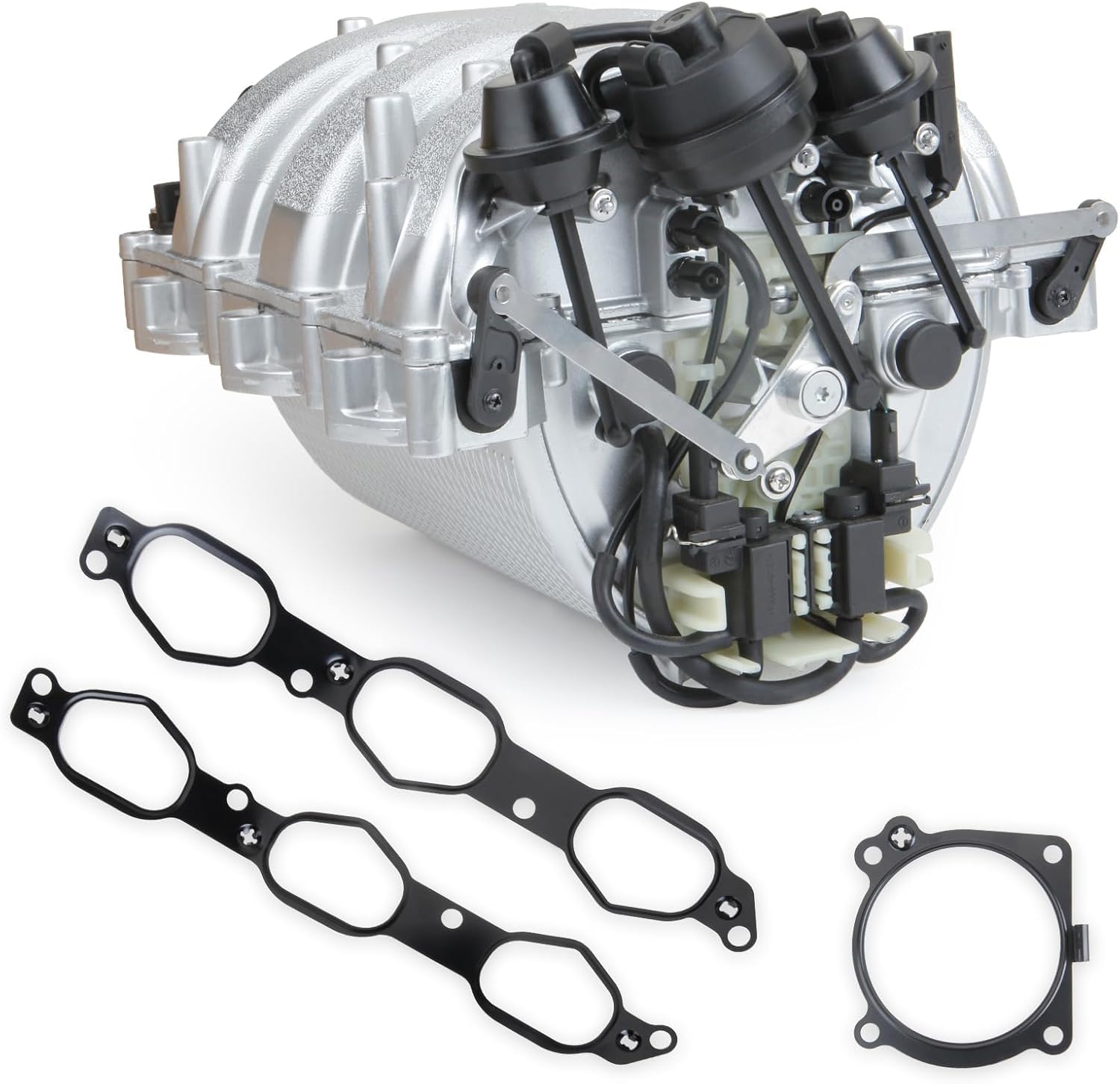
| Brand | MILIPARTS |
|---|---|
| Model | Intake Manifold |
| Manufacturer Part Number | 3009-044 |
| OEM Part Number | 2721402401, 2721402201, 2721402001, 2721402101, 272140240164 |
This MILIPARTS intake manifold is a full replacement assembly for Mercedes vehicles with the V6 272 engine and is intended to restore proper airflow and engine response when the original manifold has failed. It ships as a kit with gasket, aluminum swirl air flap runner lever, and a sensor so you can replace the entire assembly in one job. Constructed from aluminum and described as polished, the manifold aims to match factory fitment and bring a worn or cracked original back to normal operation. Real-world users report improved idle and drivability after installation, though installers should prepare to clean casting debris from injector ports and to tap or thread some bolt bosses before fitting since not all bolt holes arrive threaded. Expect a multi-hour installation and basic mechanical skills or shop time for best results. The product is a practical choice for balanced buyers who want a single-part solution that closely mirrors the factory component without aftermarket performance modifications.
Best for: A balanced all‑round buyer who wants a practical, full replacement to restore factory drivability on Mercedes V6 272 engines without seeking performance upgrades.
Less Ideal for: Not a good choice for buyers seeking upgraded performance manifolds or those who need a plug‑and‑play part without any prep work or machine work during installation.
- Complete replacement kit including gasket, swirl flap lever, and sensor for a single swap
- Aluminum construction intended to match factory specifications and durability
- Fits the Mercedes V6 272 engine family across many C‑Class and related models
- Many buyers report restored drivability and resolution of bogging or rough idle issues
- Some casting debris reported in injector ports requiring cleaning before installation
- Several bolt bosses are not pre‑threaded which may require tapping or additional hardware
Verdict: A ready‑to‑install aluminum intake manifold kit that restores factory fitment and drivability for Mercedes V6 272 engines.
2. Auto Parts Prodigy Intake Manifold Assembly for Mercedes-Benz A272 (Fits C300/C350/CLS350/SLK280/ML350/E350/R350)

| Manufacturer | Auto Parts Prodigy |
|---|---|
| Item model number | A2721402401 |
| OEM Part Number | 272 140 24 01, 2721402401, A2721402401 |
| Compatible OE intake system | A2721402401 |
This intake manifold replaces the factory intake assembly for Mercedes-Benz models that use part number A2721402401 and is sold as a complete unit with sensors and linkages. It is typically used when the original manifold develops failing swirl flaps, vacuum leaks, or damaged actuators; installers report it is largely plug-and-play and restores engine responsiveness. Notable features include a reinforced all-metal swirl flap runner lever for improved durability and provision of the common sensor and actuator locations so OEM harnesses mate without modification. Practical benefits are lower cost compared with dealer replacements and the convenience of a single-unit swap instead of replacing multiple components. Important limitations: some units require tapping or self-tapping bolts because a few mount holes are not threaded, and a handful of buyers experienced flap function issues that triggered engine codes requiring replacement with a factory-quality part. Also the included paper gaskets have been reported to underperform versus factory gaskets, so plan to source proper replacement seals for long-term reliability.
Best for: Performance-oriented owners who prioritize restoring engine response and durability without paying dealer prices, and who are comfortable sourcing correct gaskets and performing a detailed installation or using a trusted shop.
Less Ideal for: Buyers who want guaranteed factory-sourced components with full threaded mounting and original-spec gaskets should consider purchasing a Mercedes factory replacement instead.
- Complete assembly with sensors and actuators included for a single-unit replacement
- Reinforced metal swirl flap runner lever reduces risk of the common plastic linkage failure
- Generally fits factory harness and mounting layout for direct installation on covered Mercedes models
- Lower cost than dealer or branded factory replacements while restoring driveability
- Some mounting holes are not threaded and require self-tapping bolts or tapping during install
- Included gaskets are paper and may leak compared with factory gaskets
- A minority of users reported malfunctioning flapper valves that produced check-engine codes
Verdict: A cost-effective, reinforced replacement manifold that restores throttle response and replaces multiple failing components in Mercedes A272 engines.
3. MOSTPLUS Intake Manifold (replacement for Mercedes 2721402101/2721402201/2721402401)

| Compatible part numbers | 2721402101, 2721402201, 2721402401 |
|---|---|
| Fitment note | 3.0L and 3.5L Mercedes-Benz engines (select C, E, SLK, ML models) |
This MOSTPLUS intake manifold is a direct replacement intended for select Mercedes-Benz 3.0L and 3.5L engines, including many C-Class, E-Class, SLK and ML applications. It installs in place of the factory manifold to restore air routing when the original plastic inlet/actuator assemblies fail. The unit is machined and ships with matching part numbers for straightforward identification. In use it returns a car to normal running without the dealer-level cost, and several owners report a good fit and reliable operation after installation. Notable practical points are that some internal actuator parts on these aftermarket manifolds may feel lighter than factory pieces and the plenum may need minor deburring and attention during installation. Buyers should plan for a careful install procedure, possible actuator upgrades, and sourcing the inlet gaskets separately. For someone replacing a failed manifold on a budget this is a pragmatic option; buyers who want longest-term durability may prefer a higher-end or factory replacement instead.
Best for: Practical optimizers who prioritize cost-effective repairs and want a functional, factory-style replacement to extend a Mercedes C-Class without paying dealer prices.
Less Ideal for: Buyers seeking the maximum long-term durability and factory-original materials should consider higher-end or factory replacements instead.
- Direct-fit replacement for specified Mercedes 3.0L and 3.5L engines, simplifying part selection.
- Machined exterior and matching manufacturer part numbers make visual and fit comparisons easy.
- Many users report reliable operation and restored engine performance at a fraction of dealer cost.
- Packed well for shipping and generally matches OEM geometry for a straightforward swap.
- Does not include plenum gaskets, which must be purchased separately.
- Some internal actuator components are plastic and can be less durable than factory metal upgrades.
- Occasional casting marks or burrs near injector bores may require cleaning before installation.
Verdict: A budget-focused, direct-fit replacement that restores engine breathing and saves significantly over dealer parts, but may need small upgrades or extra gaskets for long-term robustness.
4. GELUOXI Intake Manifold Assembly Replacement for Mercedes-Benz V6 Models

| Brand | GELUOXI |
|---|---|
| Item model number | 2721402101 2721402201 2721402401 |
| Manufacturer Part Number | 2721402101 2721402201 2721402401 |
| OEM Part Number | 2721402401, 2721402201, 2721402101 |
| Date First Available | September 25, 2019 |
This GELUOXI intake manifold is an aftermarket replacement designed to restore proper air distribution to Mercedes-Benz V6 engines across many C‑Class and related models. It installs in place of the factory manifold to deliver evenly distributed intake air and interfaces with the vehicle's sensors and throttle body like the original part. The listing highlights broad vehicle fitment and warns to confirm OEM numbers, and the product includes multiple mounting points and ports needed for sensors and coolant passages where applicable. For a budget-focused buyer this manifold offers a cost-effective way to address misfires, rough idle, or coolant leaks related to a failing intake. Expect professional installation and possible minor fitment or finish differences compared with factory parts, and note that some small covers in earlier batches were plastic while later ones may be metal. This part is best used as a practical repair solution rather than a performance upgrade and will typically require swapping over sensors and gaskets from the original manifold.
Best for: Budget-conscious Mercedes-Benz owners seeking a cost-effective, factory-replacement style intake manifold to repair drivability issues and return engine breathing to normal.
Less Ideal for: Buyers who want a performance-focused upgrade or require guaranteed factory-fit finish and documentation should consider OEM replacements or performance manifolds instead.
- Direct replacement design for many Mercedes-Benz V6 C‑Class and related models
- Covers required sensor and throttle body ports for straightforward swap-in
- Lower-cost aftermarket option compared with factory replacement
- Multiple positive customer reports of good fit and reliable operation
- Instruction not included and professional installation is recommended
- Earlier units used plastic covers which some buyers found lower quality
Verdict: A wallet-friendly aftermarket intake manifold that restores proper air delivery for Mercedes-Benz V6 C‑Class engines without the premium cost of a factory part.
5. FORRIE Intake Manifold with Metal Swirl Flap Runner Lever for Mercedes-Benz

| Material | Aluminum |
|---|---|
| Exterior Finish | Aluminium-Magnesium Alloy |
| Manufacturer Part Number | FIM006 |
| OEM Part Number | 2721402101, 2721402201, 2721402401, A2721402201 |
This FORRIE upper intake manifold replaces the original plastic unit with a metal aluminium-magnesium alloy housing and upgraded metal swirl flap runner lever to address common flap and cracking failures. It installs in place of the factory manifold on compatible Mercedes-Benz M272-equipped C-Class models and uses self-tapping bolts in the throttle housing mounting points like the factory part. In practice the metal construction reduces the risk of heat-related warping and broken plastic runners, and many owners report a straightforward fit and restored engine smoothness after swap. Expect a mechanic-level install and careful gasket placement to avoid vacuum leaks; the unit may arrive without intake adjusters or some sensors, so you may need to transfer or replace small vacuum pots or fittings. A few users noted slightly higher heat transfer from the metal housing and one reported a defective adjuster that required additional parts, so budget time for verification at install.
Best for: Reliability-focused buyers who prioritize a longer-lasting, factory-replacement solution to common plastic intake failures on Mercedes-Benz C-Class M272 engines and who prefer fixing once rather than repeating repairs.
Less Ideal for: Buyers seeking a drop-in plug-and-play swap with no additional parts or inspection steps, or those uncomfortable verifying/servicing small vacuum pots and adjusters during installation.
- Metal aluminium-magnesium alloy construction reduces risk of plastic cracking and improves durability.
- Upgraded metal swirl flap runner lever for more robust flap action compared with original plastic components.
- Designed as a direct replacement to fit Mercedes-Benz M272 intake locations for a trouble-free fit when installed properly.
- Includes self-tapping bolt design for throttle housing matching factory assembly practice.
- May not include vacuum pots, sensors, or all intake adjusters so additional parts or transfers can be required.
- Some units have reported vacuum leaks if gaskets or adjusters are not seated correctly during installation.
- Metal housing can transfer slightly more heat than plastic, which some users noticed after long runs.
Verdict: A more durable, metal replacement intake manifold that addresses common plastic part failures on Mercedes-Benz C-Class M272 engines but needs careful installation and possible small-part transfers.
6. TRQ Intake Manifold for Mercedes-Benz (Model IMA08083)

| Brand | TRQ |
|---|---|
| Model | TRQ IMA08083 Intake Manifold |
| Material | Magnesium Alloy |
| Gasket Or Seal Included | No |
| OEM Part Number | 2721402101, 2721402201, 2721402401 |
This TRQ intake manifold is a bolt-in replacement for multiple Mercedes-Benz C-Class and related V6 models and is intended for owners who need a direct-fit repair. It replaces the factory upper intake, ships machined and pre-assembled to simplify installation, and uses magnesium alloy construction claimed by the manufacturer. Typical use is to restore airflow and sealing after a cracked or leaking original manifold; buyers report straightforward installation when following the provided checklist and manufacturer videos. Practical benefits include compatibility with many model years, included reference part numbers for verification, and a design aimed at matching factory routing so throttle bodies and sensors relocate without major modification. Limitations to note are variable long-term durability reported in a few reviews where internal baffles or inserts loosened over time, and gaskets or lower manifold components are not consistently included, so plan to source seals separately. If you value convenience and a near-factory fit, this unit minimizes fabrication or adjustments during replacement.
Best for: Convenience-driven buyers who prioritize a ready-to-install, factory-style replacement to get their Mercedes-Benz C-Class back on the road quickly without custom work.
Less Ideal for: Drivers seeking an upgraded performance manifold or long-term high-mileage durability experiments should consider performance-focused or OEM dealer options instead.
- Direct-fit design for many Mercedes-Benz V6 applications which simplifies installation
- Machined, pre-assembled construction intended to match factory routing and sensor locations
- Manufacturer provides DIY videos and fitment guidance to reduce installation errors
- Magnesium alloy construction offers a lightweight, factory-style alternative
- Gasket or lower manifold parts are not always included with the unit
- Some users reported internal baffling or inserts that can loosen and create rattles over extended use
Verdict: A pre-assembled, direct-fit replacement that simplifies intake manifold repairs on V6 Mercedes-Benz C-Class models.
7. A-Premium Front Intake Manifold for Mercedes-Benz (Direct Replacement)

| Intake Material | Aluminum |
|---|---|
| Package Quantity | 1 |
| Fitment Type | Direct Replacement |
This A-Premium intake manifold replaces the factory front intake unit on compatible Mercedes-Benz models and is intended as a direct, bolt-in replacement. Made from aluminum with smooth internal passages, it is used to route intake air from the throttle body into the engine and is commonly fitted during repairs for leaking or damaged original manifolds. The aluminium construction suggests better heat resistance than some plastics and the smooth inner walls are claimed to improve airflow, which can help restore engine responsiveness. Installation is straightforward for a professional shop or experienced DIYer when paired with new gaskets and proper torqueing. Important limitations are that fitment is restricted to specific Mercedes-Benz model years and engine variants listed by the seller and that long-term durability depends on installation quality and engine conditions. The product comes with a one-year unlimited-mileage guarantee from the brand, but buyers should verify compatibility with their specific C-Class engine variant before purchase.
Best for: Practical, risk-averse buyers seeking a factory-style replacement for mid-2000s to early-2010s Mercedes C-Class models who prioritize reliable repairs over performance upgrades.
Less Ideal for: Buyers looking for high-performance aftermarket intake tuning or those with engine variants outside the listed fitment should consider alternative options.
- Aluminum construction offers improved heat resistance compared with common plastic manifolds
- Smooth internal passages intended to promote steady airflow and restore throttle response
- Manufactured as a direct replacement for a range of Mercedes-Benz models to simplify fitment
- Includes a one-year unlimited-mileage guarantee from the brand
- Compatibility limited to specific Mercedes-Benz years and engine variants so fit must be checked
- Longevity depends on correct installation and condition of related components like gaskets
Verdict: A practical aluminum direct-replacement intake manifold that restores factory-style airflow for compatible Mercedes-Benz models but requires careful fitment verification.
Choosing the Right Mercedes-Benz C-Class Intake Manifold: Key Factors to Consider
Fitment and Port Alignment
Correct fitment is the most important factor because intake manifolds must align precisely with the cylinder head ports and mounting points. Poor alignment can cause intake leaks, uneven airflow between cylinders, and difficulty during installation. Verify the manifold's stated vehicle fitment, flange geometry, and bolt pattern before purchasing.
A manifold that matches the OEM port spacing and mounting locations reduces the risk of vacuum leaks and makes gasket sealing straightforward. If alignment is slightly off, you may face repeated gasket failures or the need for machining, which raises cost and complexity.
Material and Thermal Resistance
Manifolds are typically made from composites, aluminum, or polymer-reinforced plastics; material affects heat soak, durability, and weight. Materials with better thermal resistance maintain dimensional stability under under-hood temperatures, helping preserve sealing surfaces and port geometry over time.
Consider the operating environment of the C-Class engine. Materials that resist cracking and warping reduce the chance of leaks and extend service intervals. Also weigh corrosion resistance for metal components and UV or chemical resistance for polymers used near fuel or oil exposure.
Sealing Method and Gasket Compatibility
Sealing approach—whether using separate gaskets, integrated seals, or O-rings—determines both leak resistance and ease of replacement. A robust sealing system compensates for small surface irregularities and thermal expansion differences between manifold and head.
Choose a manifold that provides a clear gasket specification and matches the head's sealing surface. Where possible, prefer designs that include high-quality gasketing materials and clear torque sequences to minimize the risk of intake manifold leaks and ensure consistent compression across cylinders.
Intake Port and Runner Design
The internal geometry of runners and plenum volume affects airflow distribution, throttle response, and low-end torque. Longer, tuned runners may favor low-rpm torque while shorter, straighter passages can support higher-rpm power. For replacement parts, designs that mimic OEM flow characteristics usually preserve intended drivability.
If you are looking for a performance-focused option, check whether manufacturer data indicates improved flow or optimized runner shape. Keep in mind that drastic changes to runner length or plenum size can alter engine behavior and may require additional tuning.
Installation Accessibility and Hardware
Ease of installation influences labor time and the chance of mistakes during fitting. Manifolds that come with clear hardware, torque specs, and mounting sequences reduce installation errors. Components that allow access to sensors, vacuum lines, and throttle linkages without full disassembly save time.
Look for parts that include or specify correct bolt lengths, torque specs, and recommended sequences. Clear documentation about how to route vacuum lines and where to apply sealant, if any, helps prevent common problems like vacuum leaks or sensor misalignment.
Maintenance and Serviceability
Consider how easy the manifold is to service if you need to clean, replace gaskets, or inspect sensors. Removable sections, accessible vacuum ports, and standard fasteners make future maintenance simpler. Materials that withstand common cleaning methods and chemicals extend service life.
Also consider how readily available replacement gaskets and seals are, and whether torque specifications are provided so you can reinstall the manifold correctly after maintenance. Designs that simplify disassembly lower workshop time and reduce the risk of damage during routine service.
How We Chose the Best Mercedes-Benz C-Class Intake Manifold
We focused on components specifically designed for the Mercedes-Benz C-Class and evaluated candidates across multiple practical dimensions. Key criteria included fitment accuracy to the vehicle's intake ports and mounting points, material and construction quality that influence heat resistance and longevity, and the type and reliability of sealing systems such as gasket or integrated seals. We also examined airflow characteristics and internal design where data was available, plus manufacturing tolerances that affect installation ease.We excluded generic or universal-fit manifolds that do not offer precise alignment to the C-Class intake ports. We also omitted options with unclear material specs or lacking clear mounting and torque guidance. The final shortlist emphasizes parts that balance correct fit, reliable sealing, and durable materials while providing clear installation parameters and documented compatibility.
Our full evaluation process is outlined in our review methodology.
FAQ
How can I tell if the intake manifold on my Mercedes-Benz C-Class is failing?
Common signs often include rough idle, reduced throttle response, or intermittent misfires. You might also notice a hissing sound from the engine bay or diagnostic codes related to fuel trim or vacuum leaks. Inspecting for cracked plastic, loose bolts, or oil and coolant on the manifold can help confirm a problem.
Should I replace the intake manifold gasket when installing a new manifold?
It is usually advisable to replace the gasket whenever the manifold is removed. Gaskets compress and age over time, and reusing them increases the risk of leaks. New gaskets help ensure a reliable seal and are a relatively low-cost step to prevent future issues.
Can I clean the intake manifold instead of replacing it?
Cleaning can resolve carbon buildup or minor deposits that affect airflow and idle quality. However, cleaning will not fix structural cracks, warped surfaces, or degraded sealing faces. If the manifold shows physical damage or recurring leaks, replacement is the more durable solution.
How important are torque specs when installing an intake manifold?
Torque specs and tightening sequences are important because uneven or incorrect torque can cause warping or poor sealing. Following specified torque values ensures even clamp load across the sealing surface and reduces the chance of vacuum leaks. If specs are not provided with the part, consult vehicle service documentation.
What causes an intake manifold vacuum leak and how is it diagnosed?
Vacuum leaks often stem from cracked manifold material, failed gaskets, or loose fasteners. Diagnosis typically involves a visual inspection, listening for hissing noises, and using methods such as smoke testing or propane sampling around the intake perimeter while the engine runs. Testing helps pinpoint the leak so you can decide between repair and replacement.
Conclusion
Pick a manifold that prioritizes correct fit and reliable sealing first, then consider material and internal flow characteristics based on your driving goals. Proper fitment, correct gasket choice, and following torque guidance are the most important factors for long-term reliability.Expect tradeoffs between durable materials and weight or between aftermarket flow-focused designs and OEM drivability. Prioritize the attributes that match how you use your Mercedes-Benz C-Class and ensure installation follows documented torque specs and sealing procedures.
Explore More:
- Check out all Mercedes-Benz C-Class parts & accessories
- Explore Intake Manifolds Maintenance & Repair Guides
- Explore Engine
- Browse all Auto Parts
