

Note: This article contains affiliate links. If you click on these links and make a purchase, I may earn a small commission at no extra cost to you. This helps support my research and content. Read my full affiliate disclosure here.
Replacing the timing belt tensioner on a Kia Optima is one of the most important maintenance steps to protect the engine and preserve smooth operation. You want a tensioner that maintains correct belt tension, resists wear, and minimizes noise so the engine runs reliably between service intervals. This guide highlights the top shortlisted timing belt tensioners chosen for their fitment accuracy, material quality, and expected longevity. Below you will find a concise explanation of why each tensioner made the list and the evaluation criteria used to judge them.
Looking for other parts? See all Kia Optima parts & accessories.
Top Picks at a Glance
| Best Reviewed A top-rated pick with lots of positive feedback | MOCA Timing Belt Kit with Water Pump and Tensioner for Kia Optima |  |
| Most Popular A crowd favorite that many people choose with confidence | SCITOO Timing Belt Water Pump Tensioner Kit for 2.5L / 2.7L G6BA/G6BV Engines |  |
| Best Quality Built to a higher standard if you want something more solid | MPLUS Timing Belt Kit with Water Pump and Hydraulic Tensioner for Kia Optima / Hyundai 2.7L |  |
| Best Budget The cheapest option that still gets the job done reliably | A-Premium Timing Belt Tensioner Assembly (fits Kia Optima / Magentis V6) |  |
| Most Sold A high-volume bestseller chosen again and again | AISIN Hydraulic Timing Belt Tensioner (BTF-500) |  |
| Best Value for Money The sweet spot between price and what you get | DNJ Timing Belt with Hydraulic Tensioner for 2006–2010 Hyundai/Kia 2.7L V6 |  |
| Best Overall The best all-around choice for most situations | AISIN Hydraulic Timing Belt Tensioner (BTH-001) |  |
1. MOCA Timing Belt Kit with Water Pump and Tensioner for Kia Optima

| Manufacturer | OELINE Auto Parts |
|---|---|
| Brand | MOCA AUTOPARTS |
| Manufacturer Part Number | ETBK0028+EWP0019+HYT1016 |
| ASIN | B0819KJY8X |
This MOCA timing belt kit supplies the main drivetrain components needed when servicing a Kia Optima timing system: a timing belt, hydraulic tensioner/adjuster, tensioner pulley, water pump, and seals. It is intended for use during scheduled timing belt replacement or when addressing water pump or tension-related failures, providing the convenience of a single kit rather than sourcing parts separately. Notable features include a factory-quality water pump and a hydraulic tensioner designed to meet OEM performance standards, which helps simplify installation and restore proper belt tension. The inclusion of seals and the adjuster reduces the chance of missing small but necessary parts during a job. Limitations to consider are that fitment is vehicle- and engine-specific so you must confirm compatibility with your Optima model year and engine code, and the kit does not include gaskets or hoses beyond the listed items, which some technicians replace at the same time. For a reliability-focused owner wanting a full replacement kit that mirrors factory expectations, this is a practical option with most core components included.
Best for: Reliability-focused buyers who prioritize restoring factory-level timing system performance with a ready-to-install kit for scheduled maintenance or repair.
Less Ideal for: Those seeking a bare tensioner only or technicians who prefer sourcing OEM-branded components individually should consider alternative single-part options.
- Complete kit includes timing belt, hydraulic tensioner/adjuster, tensioner pulley, water pump, and seals for a one-purchase service.
- Components manufactured to meet or exceed OEM performance standards to restore proper belt timing and cooling function.
- Hydraulic tensioner simplifies setting belt tension compared with manual-only systems, reducing adjustment errors.
- Compatibility varies by Optima model year and engine; buyers must verify fitment before ordering.
Verdict A convenient, reliability-minded timing belt kit that bundles the water pump and hydraulic tensioner to simplify a full timing-service on compatible Kia Optima models.
2. SCITOO Timing Belt Water Pump Tensioner Kit for 2.5L / 2.7L G6BA/G6BV Engines

| Compatible Vehicles | Hyundai Sonata/Tucson/Tiburon/Santa Fe; Kia Sportage/Optima/Magentis (2.5L/2.7L) |
|---|
This SCITOO kit supplies the main components needed when servicing a timing belt on compatible 2.5L and 2.7L G6BA/G6BV engines, combining a timing belt, water pump, tensioner and gaskets into one package. It is typically used for a full timing service where replacing the belt, tensioner and pump at the same time reduces future labor and failure risk. Buyers report generally accurate fit for Hyundai and Kia applications and the kit aims to meet factory-spec fitment. Practical benefits include lower combined cost versus buying parts separately and the convenience of receiving all primary items in one box. Real-world notes from owners indicate occasional fitment or water-pump issues and a few reports of missing pieces on arrival, so verify all parts against your vehicle before installation. For a job that already requires significant labor, this kit is a convenient way to get the core components, but technicians who prefer OEM-brand pumps or belts may swap individual pieces for factory-quality replacements during the service.
Best for: Drivers or DIYers who prioritize convenience and want a single-package solution to complete a timing belt service without hunting down separate parts.
Less Ideal for: Those who insist on strictly factory-brand components or need guaranteed OEM fitment should consider sourcing individual manufacturer-brand parts instead.
- Complete kit including belt, water pump, tensioner and gaskets for a single service event
- Intended fitment for Hyundai/Kia 2.5L and 2.7L G6BA/G6BV engines simplifies part selection
- Lower combined cost and reduced downtime compared with sourcing parts separately
- Multiple buyers report acceptable fit and functioning when installed correctly
- Some customers reported occasional missing components or damaged/warped water pumps on arrival
- Not an OEM-branded kit so some installers prefer swapping the pump or belt for factory-quality parts
Verdict A convenient, cost-effective complete timing kit for 2.5L/2.7L Hyundai and Kia engines that saves time but may prompt some installers to replace the pump or belt with factory-brand parts for maximum reliability.
3. MPLUS Timing Belt Kit with Water Pump and Hydraulic Tensioner for Kia Optima / Hyundai 2.7L

| Compatible with Vehicle Type | Car |
|---|---|
| OEM Equivalent Part Number | Includes 24410-37100 and other listed equivalents |
| Material Type | Cast Iron |
This MPLUS timing belt kit supplies the main components needed when servicing the timing system on a Kia Optima 2.7L V6. The kit bundles a 207-tooth timing belt, serpentine belt, hydraulic tensioner and tensioner adjuster, water pump, multiple seals and extra tensioners so you get everything commonly replaced during a timing service in one box. In practice this simplifies a head-end service by reducing back-and-forth parts sourcing and by using matching parts sized for the Optima application. The inclusion of a new water pump and seals helps avoid coolant leaks after reassembly, and the hydraulic tensioner makes it easier to achieve correct belt tension without improvised shims. Keep in mind this is an aftermarket kit, so fit and finish can vary compared with factory parts and installation still requires proper alignment and torque procedures. For a performance-minded owner the kit is a convenient way to refresh the timing system at the recommended interval, but careful verification of part numbers and a professional installation are advisable to ensure long-term reliability.
Best for: Performance-oriented owners who prioritize restoring reliable engine timing and minimizing downtime by replacing all related components in one service for a Kia Optima 2.7L.
Less Ideal for: If you prefer strictly factory-brand parts or want individual OEM-sourced components purchased separately, this all-in-one aftermarket kit is not the best fit.
- Comprehensive kit includes timing belt, serpentine belt, water pump, hydraulic tensioner and seals so multiple parts are replaced at once.
- Hydraulic tensioner simplifies achieving proper belt tension during installation.
- Includes new water pump and seals to reduce risk of coolant leaks after service.
- Supplied parts are listed to match the Optima 2.7L application which reduces compatibility guessing.
- Aftermarket components may have variable fit or finish compared with factory-quality parts.
- Requires correct alignment and torque during installation so professional or experienced DIY installation is recommended.
Verdict A convenient, performance-focused all-in-one timing kit for Kia Optima 2.7L owners who want to replace the timing belt, water pump and tensioner together rather than sourcing parts individually.
4. A-Premium Timing Belt Tensioner Assembly (fits Kia Optima / Magentis V6)

| Fitment | Kia Optima/Magentis 2001 2.5L; 2002–2006 2.7L (Sept. 30, 2005 & older) |
|---|---|
| Tensioner Type | Hydraulic Cylinder |
| Reference Number | 2441037100, T43193 |
This A-Premium tensioner is a direct-fit hydraulic assembly intended for Kia Optima/Magentis V6 applications (2001 with 2.5L and 2002–2006 with 2.7L, Sept. 30, 2005 and older). It replaces the factory tensioner to restore correct timing belt tension, aiming for quiet rotation and dependable belt tracking. Typical use is as a one-for-one service part when replacing a worn or failed tensioner during a timing belt service; the hydraulic design removes the need for manual adjustment and helps keep tension consistent as the belt and components age. The listing points to OEM-equivalent fit and a one-year unlimited-mileage guarantee, which adds reassurance for budget-focused buyers. Limitations include minimal brand transparency compared with major aftermarket names and the review count is very small, so long-term reliability beyond the guarantee is not well documented. Installers should verify part reference numbers against the vehicle before purchase to ensure correct engine fitment.
Best for: Budget-conscious owners focused on a low-cost, practical replacement that restores factory-style belt tensioning during a timing belt job.
Less Ideal for: Drivers who prioritize long-term proven brand reputation or extended documented service life should consider higher-profile aftermarket options or dealer-sourced parts.
- Direct-fit hydraulic replacement for specified Kia Optima/Magentis V6 engines, simplifying installation during timing belt service
- Designed to maintain consistent belt tension and smooth, quiet rotation under normal conditions
- Backed by a one-year unlimited-mileage guarantee for added confidence on a budget purchase
- Limited public reviews and long-term performance data available
- Brand is less known than major aftermarket suppliers which may concern some buyers
Verdict A wallet-friendly, factory-style hydraulic tensioner for older Kia Optima/Magentis V6s that restores belt tension reliably for routine timing-belt services but has limited long-term review history.
5. AISIN Hydraulic Timing Belt Tensioner (BTF-500)

| Manufacturer Part Number | BTF-500 |
|---|---|
| OEM Part Number | 13033-AA042 |
| Position | Center |
This Aisin hydraulic timing belt tensioner replaces the factory unit and provides the hydraulic damping and automatic tensioning that keep timing belts stable across engine RPMs. It is typically installed during a timing belt service and is intended to be fitted in place of the original center tensioner for a straightforward swap. Notable features include aluminum die-cast construction for strength with reduced mass and a hydraulic pressurizing piston that absorbs belt vibration to reduce noise and wear. In practical use the unit simplifies maintenance by matching factory fit and function so it installs without modification and helps avoid premature belt noise when properly bled before installation. Limitations to note are the need to bleed the piston correctly and to verify exact engine fitment; some customers reported missing keeper pins or early failures with non-factory replacements, so following service procedures and checking the part number before ordering is important.
Best for: Risk-averse mainstream buyers who prioritize factory-quality, proven replacements and want a low-surprise, direct-fit tensioner when doing a timing belt service on their Kia Optima.
Less Ideal for: Shoppers looking for a budget, no-friction tuning upgrade or those who prefer complete hardware kits supplied with aftermarket bundles should consider other options.
- Factory-quality design matching original fit for easier, no-modification installation
- Hydraulic piston dampens timing belt vibration across RPM range for quieter operation
- Aluminum die-cast body balances strength with reduced mass for durability
- Widely used replacement with many positive user reports about fit and initial performance
- Requires correct bleeding of the hydraulic piston during installation to function properly
- Some buyers reported units arriving without auxiliary hardware like the keeper pin
Verdict Buy this if you want a factory-quality, direct-fit hydraulic tensioner and are prepared to follow correct bleeding and installation steps; skip it if you need a plug-and-play kit with extra hardware.
6. DNJ Timing Belt with Hydraulic Tensioner for 2006–2010 Hyundai/Kia 2.7L V6
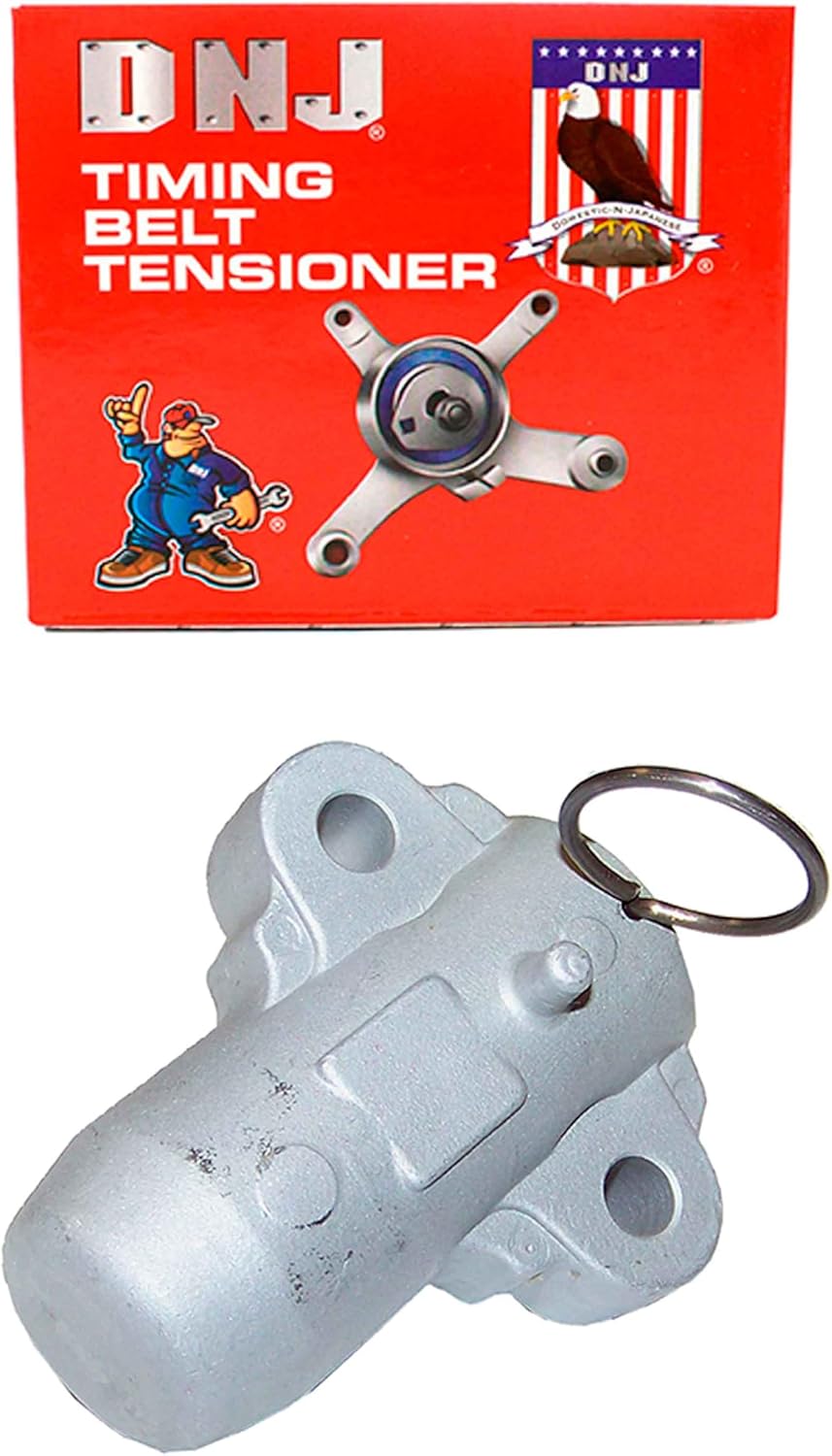
| Included Components | Timing Belt Tensioner |
|---|---|
| Brand Name | DNJ |
| Compatible Devices | Car |
This DNJ kit supplies a timing belt and matching hydraulic tensioner designed to replace the factory unit on 2006–2010 Hyundai and Kia 2.7L V6 engines. It is intended for a direct-fit replacement during a timing service, letting you replace the belt and tensioner together to restore proper valve timing and belt tension. The kit's appeal is its brand-focused fitment and inclusion of a hydraulic tensioner so you do not need to source parts separately. Practical benefits include straightforward installation for anyone following a factory-style procedure and the backing of a limited 12-month/12,000-mile warranty. Limitations are that the listing does not show additional wear parts such as an idler pulley, water pump, or seals, so full-timing-system refreshes may require extra purchases; compatibility is specific to the listed model years and engine so confirm fit before buying; and the warranty covers replacement of defective parts only. For buyers aiming to get a reliable replacement tensioner without unnecessary extras, this kit keeps the focus tight and economical.
Best for: Practical optimizers who prioritize a focused, cost-effective repair and want a matched timing belt and hydraulic tensioner for a targeted service on the specified Kia/Hyundai 2.7L V6 engines.
Less Ideal for: People planning a complete timing-system overhaul or looking for an all-in-one kit that includes water pump and pulleys should consider a fuller timing kit instead.
- Includes a matched hydraulic tensioner and timing belt for direct replacement on the specified 2.7L V6 engines
- Brand provides a limited 12-month or 12,000-mile warranty for part defects
- Fits the exact 2006–2010 Hyundai and Kia applications listed, simplifying fitment decisions
- Does not include other common timing service items such as idler pulleys or water pump
- Warranty is limited to replacement of defective product and does not cover labor or related components
Verdict A budget-minded, direct-fit timing belt plus hydraulic tensioner option for 2006–2010 Hyundai and Kia 2.7L V6 engines when you want a focused, practical replacement.
7. AISIN Hydraulic Timing Belt Tensioner (BTH-001)

| Brand | AISIN |
|---|---|
| Model | Hydraulic Belt Tensioner |
| Position | Center |
This Aisin hydraulic timing belt tensioner replaces the factory unit and restores the damping that keeps a timing belt quiet and under consistent tension. It uses a hydraulic pressurizing mechanism to absorb belt vibration across the engine RPM range, which reduces cold-start ticking and prevents premature belt wear. Typical use is as a direct replacement during a timing belt service or when a leaking or noisy tensioner is diagnosed; installation follows factory bolt locations and fits into the center tensioner position. The die-cast aluminum body keeps the part lightweight while providing robust structural strength. In practice buyers report the part fits like a factory replacement and eliminates rattling noises that appear at cold start. Important limitations are that fitment depends on engine and model year, so you must confirm the Optima's exact engine variation before ordering, and replacing just the tensioner without addressing an aged belt may not be a long-term fix. Expect a straightforward, mechanic-friendly swap but verify compatibility for the Kia Optima engine variant first.
Best for: Balanced buyers who prioritize long-term reliability and a near-factory replacement feel when servicing their Kia Optima, and who want a part that reduces belt noise and vibration without extensive modification.
Less Ideal for: Those looking for a complete timing service kit or a lower-cost, short-term fix should consider alternatives that bundle multiple components or aftermarket budget options.
- Factory-quality hydraulic dampening restores quiet operation and steady belt tension.
- Die-cast aluminum construction balances light weight with durability.
- Designed to match factory fit for straightforward installation.
- Consistent reports of eliminating cold-start ticking and vibration.
- Compatibility depends on specific engine/model year so it may not fit all Optima variants.
- Does not include other timing system parts so a full belt service may still be required.
Verdict If you want a factory-quality replacement to stop timing-belt noise and restore proper damping on a compatible Kia Optima engine, this Aisin hydraulic tensioner is a strong choice, but confirm exact engine fitment and consider replacing the belt at the same time.
Choosing the Right Kia Optima Timing Belt Tensioner: Key Factors to Consider
Fitment and Compatibility
Correct fitment is critical because the tensioner must align precisely with the Kia Optima timing belt path and mounting points. Even minor misalignment can cause accelerated belt wear, uneven tension, or premature bearing failure. Verify that the part lists explicit compatibility with your Optima model year and engine code if applicable. When fitment is guaranteed, installation is more straightforward and torque specifications match factory recommendations.
Compatibility also affects available hardware and whether a tensioner kit includes necessary bolts, spacers, or alignment tools. Choosing a component designed for your vehicle avoids improvised modifications that can introduce risk during installation and operation.
Bearing and Pulley Quality
The internal bearing and pulley material determine how smoothly the tensioner rotates and how long it lasts under load. High-quality bearings reduce friction and heat buildup, which helps maintain consistent tension over time and lowers the chance of seizure. Look for sealed bearings with corrosion-resistant treatments to withstand engine bay conditions.
Pulley construction—whether stamped steel, machined aluminum, or composite—affects balance and noise. A well-machined pulley with tight tolerances reduces vibration and minimizes wear on the belt edge, contributing to quieter operation and longer belt life.
Tensioning Mechanism and Spring Rate
The mechanism that applies tension, often a spring or hydraulic actuator, must provide the correct preload and dynamic response to engine speed changes. An appropriate spring rate keeps the belt taut during acceleration and deceleration without overloading components. If the mechanism is too stiff or too soft it can cause belt slippage or excessive stress on bearings.
Durability of the spring or actuator is important because loss of tension over time is a common failure mode. Components that maintain consistent force through many cycles reduce the frequency of maintenance and lower the risk of timing-related engine damage.
Corrosion Resistance and Environmental Durability
Timing belt tensioners operate in an environment exposed to heat, moisture, road salt, and contaminants. Corrosion-resistant coatings, stainless fasteners, and sealed bearing designs improve long-term reliability. Materials that resist pitting and corrosion maintain smooth operation and prevent binding.
Environmental durability also includes resistance to high under-hood temperatures. Components rated for sustained elevated temperatures are less likely to deform or lose tension, which helps preserve timing accuracy and reduces the chance of sudden failure.
Noise and Vibration Control
A tensioner that minimizes noise and vibration contributes to perceived engine quality and can indicate proper function. Excessive rattling or squealing often signals bearing wear, misalignment, or improper tension. Dampening features, balanced pulleys, and precise machining all help reduce acoustic issues.
Considering noise behavior is useful for diagnosing early wear before catastrophic failure. A quieter tensioner typically correlates with smoother belt tracking and lower mechanical stress on adjacent components.
Ease of Installation and Serviceability
Ease of installation matters for both DIYers and technicians because it affects labor time and the likelihood of correct reassembly. Tensioners that come with clear alignment marks, included hardware, or a straightforward adjustment method reduce installation errors. Compatibility with standard tools and access to torque specs simplifies replacement.
Serviceability also covers whether the component is available as part of a kit with recommended belt or idler replacements, which can save time and ensure mating parts are fresh. Components designed for accessible replacement help keep maintenance predictable and reduce downtime.
FAQ
How do I know if the timing belt tensioner on my Kia Optima is failing?
Common signs include unusual belt noise such as squealing or rattling, visible wobble of the pulley, or irregular belt wear. You may also notice rough idling or intermittent engine misfires if timing is affected. Inspection of the tensioner pulley for play and listening for bearing noise often reveal early failure.
Can I replace the timing belt tensioner myself on a Kia Optima?
Many mechanically inclined people can replace a tensioner with the right tools, a service manual, and attention to torque and alignment specs. The task usually requires engine timing alignment, which is critical to avoid engine damage. If you are unsure about timing procedures, professional assistance reduces the risk of error.
Should I replace the tensioner when changing the timing belt?
It is often advisable to replace the tensioner when the timing belt is changed because the components undergo similar wear cycles. Replacing the tensioner at the same time helps ensure correct tension and reduces the chance of a new belt being compromised by an aging tensioner. This approach is a common maintenance practice to extend service life.
What causes timing belt tensioner failure?
Failure typically results from bearing wear, spring fatigue, corrosion, or contamination that interferes with rotation. Prolonged exposure to heat and moisture accelerates bearing degradation and spring loss of tension. Incorrect installation or misalignment can also lead to premature failure.
How noisy is a failing timing belt tensioner usually?
A failing tensioner often produces a pronounced rattling, chirping, or squealing that changes with engine speed. Noise may start intermittently and become constant as the bearing or pulley wear progresses. Listening for changes during engine start-up and revs can help identify a deteriorating tensioner.
How We Chose the Best Kia Optima Timing Belt Tensioner
We focused on tensioners that deliver dependable belt tensioning and long service life for the Kia Optima engine layout. Primary evaluation criteria included precise fitment to Kia Optima mounting points, material and bearing quality that affect longevity, and design features that reduce pulley wobble and noise. We also looked at resistance to common failure modes, ease of installation for a mid-skilled DIYer or mechanic, and the availability of complete kits or compatible hardware. Durability under normal operating temperatures and corrosion resistance were assessed as indicators of real-world lifespan. We excluded tensioners that lacked explicit Kia Optima fitment data, had inadequate supplier documentation, or used low-grade bearings. The final list emphasizes components that balance correct specification, reliable build, and practical installation considerations for typical maintenance cycles.
Our full evaluation process is outlined in our review methodology.
Conclusion
Choosing the right timing belt tensioner for a Kia Optima means prioritizing correct fitment, bearing and pulley quality, and a reliable tensioning mechanism. Consider corrosion resistance and features that reduce noise, since these affect longevity and day-to-day operation. Balance ease of installation and serviceability against durability so you select a component that maintains proper timing tension with minimal fuss. Address common tradeoffs by deciding whether you want a tensioner with premium bearings and coatings for longer life or a basic unit that meets factory specs if you plan shorter-term maintenance. Prioritize components that explicitly list Kia Optima compatibility and match the installation requirements for your model year.
Explore More:
- Check out all Kia Optima parts & accessories
- Explore Engine
- Browse all Auto Parts
