

Note: This article contains affiliate links. If you click on these links and make a purchase, I may earn a small commission at no extra cost to you. This helps support my research and content. Read my full affiliate disclosure here.
If your Tundra is struggling to start or showing electrical issues, choosing the right starter motor matters for dependable daily use. The correct starter restores consistent engine cranking, reduces the risk of being stranded, and integrates with your vehicle electrical system.This guide lists the top shortlisted starter motor options for the Toyota Tundra, chosen for durability and fitment. Below we outline the evaluation criteria used and what to expect when replacing a starter motor before presenting the top options.
Looking for other parts? See all Toyota Tundra parts & accessories.
Top Picks at a Glance
| Best Reviewed A top-rated pick with lots of positive feedback | A-Premium Starter Motor for Toyota Tundra/Sequoia/GX460 4.6L, 12V 2.0 kW, 9-Teeth Clockwise |  |
| Most Popular A crowd favorite that many people choose with confidence | KAX Starter Motor for Toyota Tundra/Tacoma 4.0L and 4Runner, 12V 2.0KW, 10-Tooth Clockwise |  |
| Best Quality Built to a higher standard if you want something more solid | Go-Parts Starter Motor for 2007–2021 Toyota Tundra 5.7L V8 (1-19045) |  |
| Best Budget The cheapest option that still gets the job done reliably | KAC Replacement Starter Motor for Toyota 3.4L (17672N) |  |
| Most Sold A high-volume bestseller chosen again and again | TRQ Replacement Starter Motor Compatible with Toyota 4.7L V8 Engines |  |
| Best Value for Money The sweet spot between price and what you get | PHILTOP New Starter Motor Replacement for Toyota 4.0L (10-Tooth, 2.0 kW) |  |
| Best Overall The best all-around choice for most situations | TYC Starter Motor compatible with 2007–2011 Toyota Tundra |  |
1. A-Premium Starter Motor for Toyota Tundra/Sequoia/GX460 4.6L, 12V 2.0 kW, 9-Teeth Clockwise

| Voltage | 12 Volts |
|---|---|
| Power Rating | 2.0 KW |
| Number of Teeth | 9 |
| Rotation | Clockwise |
This A-Premium starter motor replaces the factory unit on 4.6L V8 Toyota Tundra (2010–2019), Sequoia (2010–2012) and Lexus GX460 (2010–2011). It supplies 2.0 kW of starting power, uses a 12 volt electrical system, and mounts with a 9-tooth clockwise pinion to match the stock engagement and rotation. In practice it is installed like a standard direct-replacement starter and restores reliable cranking for worn or failed units. The practical benefits are straightforward: correct fitment references are provided, the power rating is adequate for the listed V8 engines, and buyer feedback indicates the unit functions reliably at a lower price than dealer options. Limitations to consider are that this is a direct replacement part rather than a performance upgrade and that longevity depends on installation quality and vehicle electrical health. It includes basic packaging and a one-year unlimited-mileage guarantee from the brand, but professional installation is recommended to ensure correct alignment and electrical connections.
Best for: Practical, reliability-focused buyers looking to restore dependable starting on a Tundra or Sequoia without paying dealer prices and who prioritize a correct-fit, factory-style replacement.
Less Ideal for: Drivers seeking a high-performance or heavy-duty upgrade for repeated cold starts or extreme duty cycles should consider purpose-built heavy-duty starters instead.
- Direct-fit replacement for specified 4.6L V8 Toyota and Lexus models, reducing fitment guesswork.
- 2.0 kW power rating and 12V compatibility provide adequate cranking for the listed engines.
- Includes common OEM reference numbers to simplify verification during purchase.
- Lower-cost alternative to dealer starters while matching rotation and tooth count for proper engagement.
- Not a high-output or performance starter, so it will not improve cold-cranking on severely weak batteries.
- Long-term durability may vary compared with factory-brand units and depends on installation and vehicle condition.
Verdict A straightforward, reliability-minded direct-replacement starter that restores stock starting performance for 4.6L Tundra/Sequoia/GX460 engines at a lower cost than dealer units.
2. KAX Starter Motor for Toyota Tundra/Tacoma 4.0L and 4Runner, 12V 2.0KW, 10-Tooth Clockwise

| Power Rating | 2.0 KW |
|---|---|
| Volts | 12V |
| Number of Teeth | 10 |
| Rotation | Clockwise |
This KAX starter is a bolt-in replacement intended for Toyota Tundra/Tacoma 4.0L engines and similar Toyota applications, delivering the initial cranking torque needed to start the engine reliably. It installs like a factory replacement and includes an integrated solenoid so wiring is straightforward for typical DIY or shop installs. Notable features are a 2.0 kW power rating, 10-tooth pinion and clockwise rotation which match the original starter layouts for the listed Toyota engines. In practice the unit spins up quickly, keeps battery draw modest, and reviewers report solid fit and quiet operation. Build quality looks robust with a polished housing and steel components to resist the mechanical stresses of repeated starts. Potential downsides are minor fitment-sensitive details like soldering or insulation that a few users flagged and the fact that long-term durability can vary compared with dealer remanufactured units. Expect a practical, cost-conscious replacement that restores dependable starting when the original starter fails.
Best for: Convenience-driven buyers who want a ready-to-install, reliable replacement that minimizes time in the garage and gets their Tundra back on the road quickly.
Less Ideal for: Customers seeking a dealer-remanufactured unit with factory-backed service or those who prefer an extended-tested OEM-only supply chain should consider alternatives.
- Designed to match factory replacement fit for Toyota 4.0L starters, simplifying installation
- 2.0 kW rating provides strong cranking torque for reliable cold starts
- Integrated solenoid and common electrical layout make wiring straightforward
- Sturdy construction and steel components aimed at resisting starter-load stresses
- Some customers noted minor assembly finish issues such as exposed soldering or limited wire insulation length
- Long-term lifespan may vary compared with dealer remanufactured starters
Verdict A practical, convenience-oriented replacement starter that restores reliable starting for Toyota Tundra/Tacoma 4.0L engines without the premium cost of dealer units.
3. Go-Parts Starter Motor for 2007–2021 Toyota Tundra 5.7L V8 (1-19045)
| Power Output | 2.0 Kilowatt |
|---|---|
| Configuration | PLGR |
| Fits Years | 2007-2021 |
This Go-Parts starter motor is a direct-fit replacement for the 5.7L V8 Toyota Tundra from 2007 through 2021 and is built to deliver strong cranking performance with a 2.0 kilowatt power output. It installs as a bolt-on unit and is described as meeting or exceeding factory specifications, which makes it suitable for swapping into a Tundra during a failed-starter repair or as an upgrade for owners who want reliable cold-start performance. Notable features include factory-style configuration (PLGR), ISTA-certified packaging to reduce shipping damage, and a claimed VTF vehicle test fit. The practical benefits are straightforward: faster, more consistent starting and a fit intended to eliminate modification or fabrication. Limitations to consider are that this is an aftermarket replacement rather than a branded factory part, and there is limited publicly available feedback volume on long-term durability despite the vendor noting a lifetime warranty. Expect an easy installation for mechanically competent owners but confirm electrical connections and mounting details against your truck before ordering.
Best for: Performance-oriented Tundra owners who prioritize dependable, strong cranking and a factory-style replacement when repairing or upgrading their starter.
Less Ideal for: Buyers seeking an original factory-branded starter or those who require extensively documented long-term field reliability data should consider other options.
- Direct bolt-on design intended to match factory fit for the Tundra 5.7L V8
- 2.0 kilowatt output provides strong cranking power for reliable starts
- Meets or exceeds OEM specifications and claims vehicle test fit to reduce fitment issues
- ISTA-certified packaging to help prevent shipping damage
- Aftermarket unit that is not a factory-branded starter so long-term reliability depends on vendor quality
- Limited independent long-term review data available despite warranty claims
Verdict A high-output, direct-fit aftermarket starter aimed at Tundra owners who want stronger, reliable starting with minimal installation fuss.
4. KAC Replacement Starter Motor for Toyota 3.4L (17672N)

| Power | 1.8 kW |
|---|---|
| Voltage | 12 V |
| Rotation Direction | CW |
| Tooth Pinion | 9 |
This KAC starter is a budget-focused replacement built to fit Toyota 3.4L models and replace the factory unit with a 1.8 kW, 12V motor and nine-tooth pinion. It is intended for straightforward swap-in installs with a plug-and-play design so mechanics or competent DIYers can bolt it in without modification. KAC highlights pure copper windings, high-torque output and factory-style testing to provide quick cranking and reliable starts, including in colder conditions. Practical benefits include reportedly quiet operation, compatibility with the 3.4L drivetrain, and a construction that aims to withstand vibration and fatigue. Limitations to note are that aftermarket quality can be variable—some buyers report immediate success while others experienced a failure—so there is a modest risk compared with a new factory replacement; availability of long-term support or extended warranty is not specified. For a cost-conscious Tundra owner needing a direct replacement, this model delivers essential starting performance but expect to keep records and verify fitment before installation.
Best for: Budget-conscious buyers who prioritize a low-cost, direct-replacement starter for routine repairs on a Toyota Tundra 3.4L and prefer a quick bolt-on solution over dealer service.
Less Ideal for: Owners seeking guaranteed factory-backed parts coverage or worry-free long-term reliability should consider dealer-sourced or higher-tier aftermarket options with documented extended warranties.
- Direct-fit design for Toyota 3.4L engines to simplify installation
- 1.8 kW high-torque motor intended to provide quick, reliable cranking
- 100% copper windings for improved conductivity and durability
- Manufactured and load-tested to factory-style quality standards
- Some buyers reported failures indicating variable unit-to-unit reliability
- No explicit long-term warranty information provided in the listing
Verdict A cost-focused, direct-fit starter for the Toyota 3.4L that delivers factory-style cranking at a lower price but with some variability in long-term reliability.
5. TRQ Replacement Starter Motor Compatible with Toyota 4.7L V8 Engines

| Voltage | 12 VDC |
|---|---|
| Power Rating | 2 KW |
| Gear Reduction Ratio | 4.91:1 |
| Tooth Quantity | 9 |
This TRQ starter is a direct-replacement unit intended for Toyota vehicles with the 4.7L V8 engine and is sold as a pre-assembled, gear-reduction starter with an attached solenoid. It installs like a factory-style swap and is typically used to replace a failing starter on 4Runner, Tundra, Sequoia, or Land Cruiser models from the listed years. Notable features include a 12 VDC electrical rating, a 4.91:1 gear reduction, nine teeth on the pinion, and a machined aluminum housing that keeps weight down while resisting corrosion. The practical benefits are straightforward: simplified installation compared with rebuilding the original, stronger cranking torque from the reduction gearing for reliable engine starts, and included video resources to guide DIY installation. Limitations to consider are that mounting hardware and shims are not included and it is not designed for vehicles with automatic start/stop systems, so additional parts or adaptations may be needed during installation in some shops. Fitment should be confirmed for year and engine before ordering.
Best for: Balanced buyers who want a ready-to-install, factory-style replacement for a Toyota 4.7L V8 engine and prefer a mix of DIY-friendly support and reliable performance.
Less Ideal for: Drivers who need a starter for vehicles with automatic start/stop or those who expect a complete hardware kit included should consider other options or plan to source additional parts.
- Direct-fit design intended to replace factory starter on Toyota 4.7L V8 applications
- Gear reduction 4.91:1 provides stronger cranking torque for reliable starts
- Pre-assembled with solenoid attached to simplify installation
- Machined aluminum housing offers corrosion resistance and lower mass
- Does not include mounting hardware or shims, so additional parts may be required
- Not designed for vehicles equipped with automatic start/stop systems
Verdict A straightforward, gear-reduction direct-replacement starter that balances reliable cranking performance with DIY-friendly installation for Toyota 4.7L V8 owners.
6. PHILTOP New Starter Motor Replacement for Toyota 4.0L (10-Tooth, 2.0 kW)

| Power | 2.0 kW |
|---|---|
| Voltage | 12 V |
| Rotation | CW |
| Tooth Pinion | 10 |
This PHILTOP starter is a budget-focused replacement designed to fit Toyota 4.0L applications like the Tundra and Tacoma. It supplies 2.0 kW of cranking power, clockwise rotation, and a 10-tooth pinion to match the factory driven gear. The unit is described as tested to endurance, corrosion, temperature, and vibration standards, and the design aims for plug-and-play installation with three-bolt mounting and two electrical connections for quick swapping. In real-world use it should restore reliable starting on an older Tundra without the premium cost of a dealer unit. Buyers can expect quieter engagement from improved coils and precision gearing and a component that draws normal cranking current based on customer reports. Limitations are that it may show minor cosmetic differences from factory parts and long-term durability beyond the tested cycles is not guaranteed the same as an OEM remanufactured assembly. Also confirm the pinion tooth count and rotation match your truck before ordering to avoid fitment issues.
Best for: Practical optimizers who want a reliable, cost-effective starter that restores dependable starting on a Toyota Tundra without paying dealer prices.
Less Ideal for: Anyone prioritizing factory-authentic parts and the longest possible warranty coverage should consider dealer or manufacturer remanufactured options instead.
- Direct-fit replacement for Toyota 4.0L engines with matching 10-tooth pinion and CW rotation
- 2.0 kW output suitable for reliable cold cranking on V6 4.0L engines
- Designed for plug-and-play installation to reduce shop time
- Tested for endurance, corrosion, temperature extremes and vibration
- Reports of normal cranking current and consistent starting in real-world installs
- Not an OEM part so long-term lifespan may vary compared with factory remanufactured units
- Minor cosmetic differences between production batches may exist
Verdict A practical, plug-and-play replacement that delivers reliable starting for Toyota 4.0L trucks at a noticeably lower cost than dealer units.
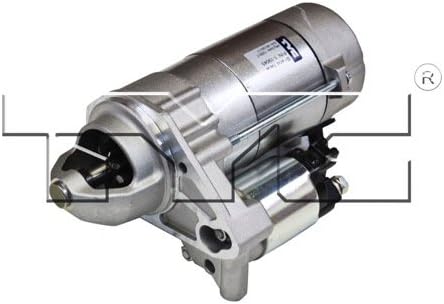
7. TYC Starter Motor compatible with 2007–2011 Toyota Tundra

| Compatible Years | 2007–2011 Toyota Tundra |
|---|---|
| Manufacturer | TYC |
| Model | Starter Motor |
| OEM Part Number | 28100-0S011 |
| Warranty Period | 2 Years |
This TYC starter motor is a brand-new, direct-replacement unit designed to fit 2007–2011 Toyota Tundra trucks. It replaces the vehicle's original starter and is intended for standard engine starting duties; installation requires typical workshop access behind the engine and is not a quick under-hood swap on the Tundra. The unit is built to factory-spec guidelines with new bearings, brushes, armature, field assembly, solenoid, and starter drive rather than remanufactured parts, which should give longer service life and avoid core-return hassles. Buyers will appreciate the 100 percent load and power testing and the claim of OE-comparable fitment that simplifies installation when correct model matching is confirmed. Reported downsides from some users include occasional shipping damage and a louder operating noise compared with some factory units, and installation can be time-consuming on the Tundra. For a balanced buyer seeking a reliable, cost-effective factory-quality replacement, this starter delivers solid value if you confirm fitment and are prepared for the vehicle-specific installation effort.
Best for: Practical, balanced buyers who want a factory-quality replacement for a 2007–2011 Tundra without paying dealership prices and who value tested reliability over brand-new dealership sourcing.
Less Ideal for: Owners who prioritize quietest possible operation, immediate local pickup, or those who prefer buying direct from a dealer for same-day installation and support.
- New, not remanufactured components for longer expected service life
- Designed to meet factory specifications for drop-in fit when correctly matched
- 100 percent computerized load and power tested for reliability
- No core return required
- Some buyers report louder operation than stock starters
- Occasional reports of shipping damage on arrival
Verdict A cost-effective, factory-spec new starter for 2007–2011 Tundra owners who want reliable, tested replacement performance rather than a reman unit.
Choosing the Right Toyota Tundra Starter Motor: Key Factors to Consider
Electrical Compatibility and Ratings
Starter motors must match the vehicle electrical system voltage and current demands. Using a unit with incorrect voltage or inadequate current carrying capacity can lead to slow cranking, overheating, or early failure. Check the rated voltage, amp draw, and solenoid activation requirements to ensure the unit works with your Tundra's battery and wiring.
Connector type and terminal layout matter because mismatched plugs or stud positions can require rewiring or adapter terminals. Confirming electrical specs before buying reduces installation complications and protects the vehicle wiring harness.
Mechanical Fitment and Mounting
Proper flange alignment, bolt pattern, and drive shaft engagement are essential for a stress-free installation. A starter that does not sit flush or aligns poorly with the flywheel can cause premature wear on gear teeth and create vibration or noise during cranking.
Verify mounting dimensions and starter nose length to ensure the pinion gear reaches the flywheel without excessive protrusion. Matching the physical interface avoids the need for modifications and helps preserve transmission and bellhousing components.
Build Quality and Materials
Durable internal components such as high-quality armatures, bearings, and brushes extend service life and maintain consistent performance. Corrosion-resistant housings and sealed bearings reduce the risk of moisture-related failures, especially in regions exposed to road salt or heavy rain.
Pay attention to the quality of the solenoid, gear teeth, and return springs. Better materials and tighter manufacturing tolerances often translate to fewer failures and longer intervals between replacements.
Engagement Reliability and Torque Output
Reliable pinion engagement and sufficient torque output are critical for consistent engine starts, particularly in cold conditions or with higher-compression engines. A starter should be rated to provide enough torque to crank the engine quickly without excessive strain on the motor.
Look for specifications or test data showing engagement cycles and torque ratings. Smooth, positive engagement reduces the chance of grinding, clicking, or incomplete starts.
Ease of Installation and Serviceability
A starter that is straightforward to install reduces labor time and the chance of installation errors. Clear terminal labeling, compatible connectors, and accessible mounting points simplify the replacement process. In some cases, replaceable components such as solenoids or brushes make future repairs easier and less costly than replacing the entire unit.
Consider whether the design allows for bench testing or partial servicing and whether common tools suffice to complete the job safely.
Warranty and Support
Warranty terms indicate manufacturer confidence and provide protection against premature failure. A longer warranty with clear coverage for mechanical and electrical faults offers peace of mind. Support resources such as installation guides, customer service, and return procedures are also valuable if issues arise.
Confirm what is covered, how claims are handled, and whether documentation is readily available. Warranties that require professional installation should be weighed against the potential benefits.
FAQ
What are common starter motor symptoms on a Toyota Tundra?
Common symptoms often include a clicking noise when turning the key, slow cranking, or no cranking at all. You might also notice intermittent starting or unusual grinding sounds during engagement. These signs usually point to electrical issues, solenoid problems, or wear in the starter drive components.
How can I test a starter before replacing it?
You can start with simple checks like measuring battery voltage under load and inspecting connections for corrosion or looseness. Bench testing the starter with a proper power source lets you verify motor rotation and solenoid actuation. If diagnostic steps are uncertain, consult a qualified technician to avoid misdiagnosing battery or wiring problems.
Can a bad starter motor cause other issues?
A failing starter generally affects starting performance and may place extra stress on the battery and charging system due to repeated attempts to start the engine. In some cases, damaged starter components can cause unusual noises that might be mistaken for other drivetrain issues. Addressing starter problems promptly helps prevent collateral wear on related electrical parts.
Is starter motor installation difficult for DIYers?
Difficulty varies by model year and engine layout, but many Tundra starter replacements are manageable with basic hand tools and vehicle support. Access, weight, and nearby components can complicate some jobs, and safe lifting or vehicle support is important. If you lack experience with electrical connections or engine work, professional installation reduces the risk of errors.
What should I inspect in the existing starter before ordering a replacement?
Inspect electrical terminals and wiring for corrosion, frayed insulation, or loose connections. Check for oil contamination or physical damage to the housing and listen for abnormal engagement noises when attempting to start. Document mounting bolt pattern and connector types so the replacement matches the physical and electrical interface.
Are there maintenance steps to extend starter motor life?
Regularly check battery condition and terminal cleanliness because a weak battery increases starter strain. Keep the engine bay clean to reduce exposure to contaminants and inspect wiring periodically for secure connections. Avoid prolonged cranking attempts; allow short recovery intervals to reduce heat buildup in the starter.
How We Chose the Best Toyota Tundra Starter Motor
We focused on starter motors that match Toyota Tundra fitment and electrical requirements, prioritizing build quality, compatibility with factory electrical systems, and longevity under typical driving conditions. Key evaluation criteria included: motor durability and materials, OEM-equivalent electrical specifications, corrosion-resistant finishes and seals, warranty and support coverage, and ease of installation including connector and flange alignment. We also considered torque output and engagement reliability to ensure consistent cranking across typical temperature ranges.Items were excluded if they lacked clear vehicle-specific fitment data, used ambiguous electrical ratings, or had insufficient documentation for installation. We did not include products that required extensive vehicle modification or custom wiring. The result is a shortlist of seven starter motors that meet practical durability and compatibility standards for Toyota Tundra owners seeking a reliable replacement.
Our full evaluation process is outlined in our review methodology.
Conclusion
When choosing a starter motor for a Toyota Tundra, prioritize electrical compatibility, mechanical fitment, and build quality. These factors determine reliable engagement, reduce installation headaches, and help ensure long service life.Balance torque and engagement reliability against ease of installation and warranty coverage. Careful attention to the evaluation criteria above will help you select a starter that minimizes downtime and fits the vehicle without unnecessary modification.
Explore More:
- Check out all Toyota Tundra parts & accessories
- Explore Starter Motors Maintenance & Repair Guides
- Explore Electrical System
- Browse all Auto Parts
