

Note: This article contains affiliate links. If you click on these links and make a purchase, I may earn a small commission at no extra cost to you. This helps support my research and content. Read my full affiliate disclosure here.
If your Hyundai Sonata blower motor resistor is failing, you may notice inconsistent fan speeds, reduced airflow, or a blower that only works on one setting. Choosing the right replacement part matters because it affects cabin comfort, HVAC reliability, and how long the repair lasts. This guide covers the top shortlisted blower motor resistors for the Hyundai Sonata, focusing on fitment, durability, and electrical reliability. Read on for the criteria we used and what to look for when selecting a replacement.
Looking for other parts? See all Hyundai Sonata parts & accessories.
Top Picks at a Glance
| Best Reviewed A top-rated pick with lots of positive feedback | Aspligo RU656 Blower Motor Resistor for Hyundai Sonata |  |
| Best Quality Built to a higher standard if you want something more solid | A-Premium Front HVAC Blower Motor Resistor (4-Pin) |  |
| Best Budget The cheapest option that still gets the job done reliably | AdvanEX HVAC Blower Motor Resistor (HX-BMR-7) Compatible with Hyundai Sonata |  |
| Most Sold A high-volume bestseller chosen again and again | Allmotorparts HVAC Blower Motor Resistor Kit (PS1064) |  |
| Best Value for Money The sweet spot between price and what you get | STETIG Manual Blower Motor Resistor for Hyundai Sonata and Select Hyundai/Kia Models |  |
| Best Overall The best all-around choice for most situations | YHTAUTO Blower Motor Resistor for Hyundai and Kia Vehicles |  |
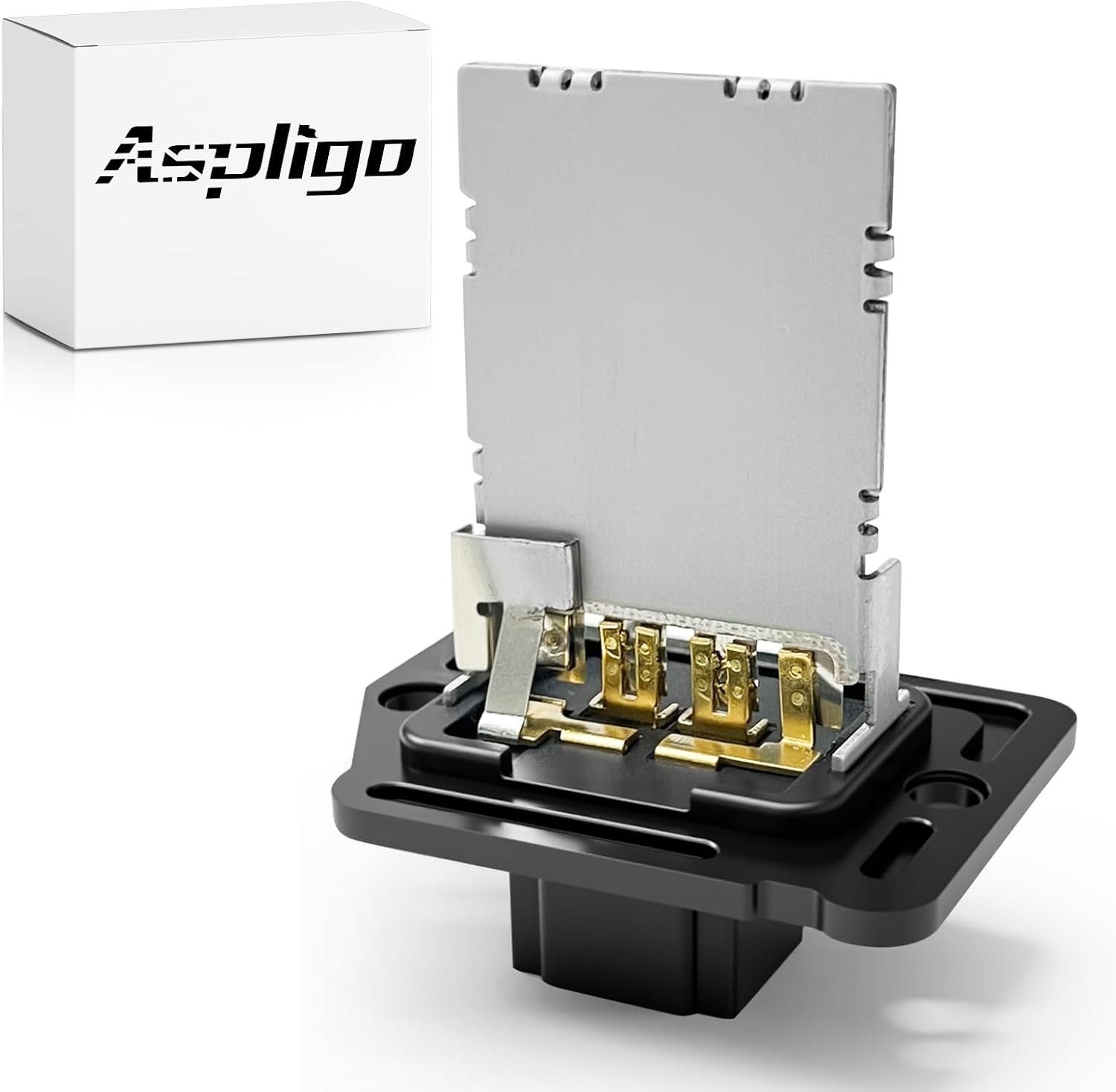
1. Aspligo RU656 Blower Motor Resistor for Hyundai Sonata
| Compatible Vehicles | Hyundai Sonata (2004-2014) |
|---|---|
| Interchange Numbers | RU656, 971283K000 |
| Included Components | Blower Motor Resistor |
This Aspligo RU656 blower motor resistor replaces the speed-control element that sits between the blower switch and the fan motor, restoring stepped fan speeds when the original resistor fails. It is typically used as a direct replacement part during HVAC repairs to fix loss of certain fan speeds or to restore full blower control. The unit uses multiple resistors mounted on a heat-dissipating substrate, which helps manage thermal load during normal operation. For a reliability-focused buyer the component is attractive because it matches the factory-style function and reviewers report straightforward, vehicle-specific fit and simple installation. Important limitations are that this is a replacement resistor only—if the blower motor or climate control module is faulty the resistor will not cure those problems—and accurate fitment depends on matching the listed part number and Sonata model year. Expect a quick bench or vehicle install and restored, predictable fan-speed control when the part is compatible with your vehicle.
Best for: Reliability-focused buyers seeking a straightforward, factory-style repair to restore consistent fan speed control on a Hyundai Sonata as a cost-effective alternative to larger HVAC work.
Less Ideal for: Drivers troubleshooting intermittent electrical faults, complex HVAC control failures, or those who prefer replacing the entire blower motor assembly rather than individual components.
- Direct replacement designed to restore lost blower fan speeds
- Factory-style resistor array with heat-dissipating construction for stable operation
- Multiple positive owner reports of easy installation and correct fit
- Compact, single-component fix that avoids replacing the entire blower motor assembly
- Will not fix problems caused by a failing blower motor or HVAC control module
- Fitment varies by HVAC system type and model year so selection must be verified against vehicle
Verdict A simple, factory-style resistor replacement that reliably restores fan speed control on compatible Hyundai Sonata models when the resistor is the root cause.
2. A-Premium Front HVAC Blower Motor Resistor (4-Pin)

| Manufacturer Part Number | APBMR067AM |
|---|---|
| OEM Part Number | RU656, 971283K000 |
| Connector | 4-Pin |
| Vehicle Fitment | Select Hyundai Sonata and other Hyundai/Kia models listed |
This A-Premium blower motor resistor replaces a failing blower speed controller to restore the multiple fan speeds for heating and air conditioning. It is a direct-fit style 4-pin resistor intended for in-dash installation where the original resistor mounts; typical use is swapping the old, corroded resistor to recover low and mid blower speeds that often fail while leaving the motor itself untouched. Notable features include a 4-pin connector configuration and manufacturer reference numbers that match common Hyundai/Kia part numbers, which helps with fit verification. The practical benefit is a low-cost repair that most mechanically comfortable owners can complete in under an hour with basic tools, avoiding a larger HVAC or motor replacement. Limitations are that installation access can be awkward on some models and replacement only fixes resistor-related failures, so it will not help if the blower motor or control module is at fault.
Best for: Performance-oriented buyers who prioritize restoring full HVAC function quickly and affordably and who are comfortable performing a moderate DIY repair to regain precise blower speed control.
Less Ideal for: Those who prefer professional installation or who suspect the blower motor or vehicle HVAC module is the root cause should consider diagnostic service or a different replacement path.
- Direct-replacement design for straightforward installation in compatible Hyundai/Kia HVAC housings
- 4-pin configuration that matches common factory wiring harnesses for plug-and-play fit
- Consistently reported to restore blower speeds across several Sonata and Santa Fe model years
- Affordable option that enables a quick owner-performed repair without replacing the blower motor
- Does not address failures originating in the blower motor, wiring, or climate control module
- Access to the resistor can require glove box or panel removal on some vehicles, making installation moderately time consuming
Verdict A direct-fit, performance-minded replacement that reliably restores blower speed control for compatible Hyundai Sonata models at a low cost.
3. AdvanEX HVAC Blower Motor Resistor (HX-BMR-7) Compatible with Hyundai Sonata

| Manufacturer | HengxiangParts |
|---|---|
| Brand | AdvanEX |
| Model | HX-BMR-7 |
This AdvanEX blower motor resistor replaces the factory unit responsible for the HVAC fan speed stages. It is used when a Sonata’s blower only works on certain speeds or stops functioning entirely; installation is typically an in-dash or under-dash swap that most DIYers can complete in under an hour. The part lists compatibility with multiple Hyundai models including Sonata and is sold as a single replacement resistor assembly. Practical benefits include a straightforward bolt-and-plug fit for eligible vehicles and a budget-friendly price that makes repairing a faulty blower more affordable than replacing the blower motor or paying for dealer labor. Limitations are the usual risks with aftermarket parts: small differences in detail can affect fitment so you should compare the unit to your original part before installing, and if the blower issue stems from wiring, connectors, or the motor itself this resistor will not fix those underlying problems.
Best for: Budget-conscious owners looking to fix intermittent or single-speed blower operation on a Hyundai Sonata who prefer a low-cost, DIY repair over dealer service.
Less Ideal for: Owners seeking a guaranteed factory-identical part or those who suspect the problem is electrical wiring or the blower motor rather than the resistor should consider other solutions.
- Low-cost replacement that restores fan speed control without replacing the entire HVAC blower assembly
- Listed compatibility with Hyundai Sonata models, simplifying fit checks for owners
- Easy to install for most DIYers; typically a simple plug-and-bolt swap
- Aftermarket unit may have minor detail differences so physical comparison with the original is recommended
- Does not address issues caused by damaged wiring, connectors, or the blower motor itself
Verdict A wallet-friendly, straightforward replacement to restore blower speed control in compatible Hyundai Sonata models, provided the fault is the resistor and not wiring or the motor.
4. Allmotorparts HVAC Blower Motor Resistor Kit (PS1064)

| Brand | Allmotorparts |
|---|---|
| Model | PS1064 |
| Replaces Part Numbers | 973-513, 204-0089, 971283K000, 97128-3K000 |
| Compatible Vehicle | 2006-2014 Hyundai Sonata |
This Allmotorparts blower motor resistor kit replaces a failed resistor to restore the heating and A/C fan speed control on compatible vehicles. Installed near the blower motor, it is intended as a direct replacement and ships ready to fit the factory location so a typical DIY owner or technician can swap it in without modification. The listing calls out compatibility with many Hyundai models including 2006–2014 Sonata, and it replaces common part numbers used on those vehicles. Buyers will find a low-cost aftermarket option that is brand new rather than remanufactured and that arrives tested from the factory. The practical benefit is simple: regain low and mid fan speeds when the heater or A/C is stuck on high or only one speed. Limitations are that it is an aftermarket part rather than a factory genuine module, so long-term durability may vary compared with a factory-quality part, and fitment must be double-checked against your Sonata year and part number before purchase.
Best for: Risk-averse mainstream buyers seeking a straightforward, budget-friendly repair to restore fan speeds on their Sonata and who prefer a ready-to-install replacement over complex alternatives.
Less Ideal for: Shoppers who insist on factory genuine parts for long-term reliability or those who prefer professional remanufactured modules with extended warranties should look elsewhere.
- Direct replacement design for quick swap into the factory blower motor location.
- New, tested unit supplied ready for installation out of the box.
- Lists compatible Hyundai Sonata model years making fitment verification straightforward.
- Aftermarket component rather than a factory genuine part so longevity can be less predictable.
- Product listing covers many vehicles so buyers must confirm exact Sonata year and part number before ordering.
Verdict A cost-effective, ready-to-install aftermarket resistor kit to restore Sonata fan speeds, but verify fitment and accept that it is not a factory genuine part.
5. STETIG Manual Blower Motor Resistor for Hyundai Sonata and Select Hyundai/Kia Models

| Manufacturer | STETIG |
|---|---|
| Manufacturer Part Number | 18B647-1246-AB |
| OEM Part Number | 3A1325, 973504, RU354, 20276, 973-504, RU-354, 3A1275, 3A1276, 9703538000, 970353A000, 970353D000, 971282D000, JA1376, JA1392, JA1393 |
| Item Weight | 2.39 ounces |
This STETIG blower motor resistor replaces the factory unit that controls blower fan speeds when the HVAC system uses a manual resistor pack. It is typically used to fix cases where the fan only works on high or certain speeds are lost. The part is sold as a single resistor assembly intended for in-dash installation and matches multiple OEM cross-reference numbers for Hyundai and Kia fitments. Buyers will appreciate the straightforward fit-and-forget approach: it mounts in the blower housing, connects to the existing harness, and restores stepped fan control without extra modification. Practical benefits include compatibility with many older Hyundai models, a compact footprint that fits into the OEM location, and decent build quality for routine repairs. Limitations are that installation can be awkward on some vehicles because of tight access to the blower housing and that fit may not be perfect for every model or year, occasionally requiring slight alignment of mounting holes. This product replaces a failed resistor but does not address blower motor failures or wiring problems.
Best for: Practical optimizers who want a low-cost, serviceable repair to restore HVAC fan-speed control on Hyundai Sonata models and prioritize straightforward fixes over dealer replacements.
Less Ideal for: Drivers looking for a permanent upgrade to HVAC performance, those with intermittent electrical faults in the blower circuit, or anyone who prefers professional shop installation rather than a DIY repair.
- Direct replacement for common Hyundai/Kia resistor part numbers and cross references
- Restores manual blower fan-speed control without additional parts
- Compact design meant to fit the factory mounting location for easier installation
- Backed by brand quality controls and positive user reports of reliable operation
- Installation can be difficult in tight blower housing locations and may require patience
- Fit is not guaranteed across every year and trim so alignment issues have been reported
Verdict A budget-friendly, practical replacement resistor that reliably restores blower fan-speed control for compatible Hyundai Sonata models but may require some patience to install.
6. YHTAUTO Blower Motor Resistor for Hyundai and Kia Vehicles

| Manufacturer | YTAUTOPARTS |
|---|---|
| Brand | YHTAUTO |
| Item model number | YHTBMR0015 |
| Connector | 3 pins |
This blower motor resistor replaces the speed-regulating resistor used by the vehicle climate system to control blower fan speeds. It is designed as a direct replacement for compatible Hyundai and Kia models and installs where the resistor pack connects to the blower motor and wiring harness. In practice it restores all fan speeds when an original resistor fails, returning proper ventilation and cabin airflow control. Notable features include a factory-style connector with three pins and compatibility notes for vehicles equipped with automatic temperature control. The practical benefit is straightforward: a low-cost repair that avoids replacing the entire blower motor. Limitations to keep in mind are fitment sensitivity and quality variation reported by some users, so verify connector type and model-year fit before ordering and be prepared to test the part on arrival. Installation generally requires dash access and basic hand tools or a mechanic for recessed mounting locations.
Best for: Balanced, cost-conscious buyers who want a practical repair to recover proper fan speed functionality while keeping labor and parts cost low.
Less Ideal for: Those who prefer guaranteed long-term durability or who lack the ability to confirm exact connector and HVAC variant compatibility should consider an alternative or professional parts-sourcing.
- Direct-fit design for supported Hyundai and Kia HVAC systems with automatic temperature control
- Restores full blower speed control without replacing the blower motor
- Affordable replacement compared with dealer or full assembly options
- Three-pin factory-style connector simplifies installation when fitment matches
- Fitment can be finicky between model years and HVAC variants, causing returns or additional troubleshooting
- Some buyers reported inconsistent long-term reliability on identical units
Verdict A budget-friendly, direct-fit resistor that can quickly restore blower speed control on compatible Hyundai Sonata HVAC systems but requires careful fit verification.
Choosing the Right Hyundai Sonata Blower Motor Resistor: Key Factors to Consider
Fitment and Connector Compatibility
Exact fitment matters because the resistor must match the Sonata's blower motor harness and mounting points. A part that aligns precisely with factory holes and plugs reduces installation time and avoids stressing wiring or mounting tabs.
Connector compatibility also affects electrical reliability. Mismatched terminals can cause poor contact, intermittent fan speeds, or arcing. Verify pin count, terminal shape, and mounting orientation to ensure the replacement integrates cleanly with the original HVAC connector.
Thermal Design and Heat Dissipation
The resistor dissipates heat while controlling fan speeds, so effective thermal design extends service life. Look for resistors with substantial heat sinks, appropriate spacing around resistive elements, and materials that tolerate repeated thermal cycling.
Poor heat dissipation is a common cause of failure, especially during prolonged blower use. A robust thermal design reduces hot spots, lowers the risk of melting or insulation breakdown, and helps maintain consistent fan performance over time.
Electrical Rating and Stability
Matching the electrical rating to the Hyundai Sonata blower motor ensures the resistor handles the expected current without overheating. Components rated for the correct voltage and current provide stable step-down resistance for predictable fan speeds.
Stable electrical performance prevents sudden speed loss or erratic operation. Check specifications for current capacity and whether the design accommodates transient loads from the blower motor during startup and variable-speed operation.
Corrosion Resistance and Environmental Sealing
Blower motor resistors are often located in the HVAC housing where moisture and road debris can reach them. Materials and plating that resist corrosion, plus protective coatings or seals, help prevent terminal degradation and electrical failures.
Environmental resilience is important for long-term reliability. A resistor with better sealing and corrosion-resistant connectors will tolerate humidity and temperature swings typical in passenger compartments and engine bays.
Ease of Installation and Serviceability
A straightforward installation reduces the chance of wiring mistakes and shortens repair time. Features like clear connector orientation, accessible mounting screws, and included gaskets or hardware make replacement easier for DIYers and technicians alike.
Serviceability also includes availability of replacement connectors or plug-and-play designs. Parts that require splicing or adapter harnesses increase complexity and potential failure points, so prefer units designed for direct swap when possible.
Quality of Materials and Build
Higher-quality resistors use durable substrates, thicker terminals, and robust mounting brackets that resist vibration and fatigue. Sturdier construction helps maintain contact integrity and mechanical alignment through years of use.
Material quality ties directly to longevity. Components that resist deformation and retain their electrical connections under repeated thermal cycles will typically outlast cheaper alternatives and provide more consistent fan control for the HVAC system.
FAQ
What are common symptoms of a failing blower motor resistor in a Hyundai Sonata?
Common signs include the blower only working on one speed, reduced airflow, or intermittent fan operation. You might also notice certain speed settings do not respond or the fan cuts out under heavy use. These symptoms often vary with temperature and may be more noticeable when the HVAC is under load.
Where is the blower motor resistor located on a Hyundai Sonata?
The resistor is typically mounted near the blower motor housing, often under the glovebox or inside the HVAC housing. Its location places it in the airflow path, which helps with cooling but also exposes it to dust and moisture. Inspecting the blower housing area is a practical first step when diagnosing fan speed issues.
Can I test a blower motor resistor before replacing it?
Yes, you can perform basic diagnostics using a multimeter to check continuity across resistor terminals and measure voltage drop during operation. There are also DIY HVAC blower resistor tests that compare expected resistance values to actual readings. However, testing while the resistor is installed and the blower is running provides the most accurate assessment of performance under load.
Is replacing the blower motor resistor a difficult job?
Replacement difficulty depends on the model year and access to the blower motor area, but many Hyundai Sonata resistors are accessible with basic hand tools and moderate mechanical skill. Tasks usually involve removing the glovebox or an access panel, unplugging the connector, and swapping the unit. If you are uncomfortable working around HVAC components or electrical connectors, a technician can perform the replacement.
What causes blower motor resistors to fail prematurely?
Common causes include heat stress from sustained blower use, corrosion of terminals from moisture, vibration that loosens connections, and poor thermal design in the component. Accumulated dust and debris in the HVAC housing can also trap heat and accelerate wear. Addressing airflow and sealing issues can help reduce premature failures.
Will replacing the resistor fix all fan-related problems?
Replacing a faulty resistor often restores correct fan speeds when the problem is limited to resistor failure. However, if the root cause is a failing blower motor, damaged wiring, or a faulty control switch, changing the resistor may not resolve the issue. A quick diagnosis helps determine whether the resistor is the primary fault.
How We Chose the Best Hyundai Sonata Blower Motor Resistor
We evaluated blower motor resistors using criteria that matter for Hyundai Sonata owners and for HVAC system longevity. Fitment and direct compatibility with the Sonata electrical connector were primary filters to ensure straightforward installation without wiring modifications. Thermal durability and heat-sink design were assessed because resistors operate under sustained heat and poor thermal performance leads to early failure. Electrical rating and reliability were reviewed to ensure the resistor supports the correct current draw and provides stable fan speed steps. Serviceability and ease of installation were considered to minimize labor time and reduce chances of installation error. We also looked at corrosion resistance and connector quality since moisture and vibration can degrade terminals over time. Units that required vehicle wiring changes, lacked clear fitment documentation, or had inadequate thermal protection were excluded. The result is a list of six parts that meet practical standards for fit, durability, and dependable operation in a Hyundai Sonata HVAC system.
Our full evaluation process is outlined in our review methodology.
Conclusion
When selecting a replacement Hyundai Sonata blower motor resistor, prioritize fitment and thermal design because those factors most directly affect installation ease and long-term reliability. Also consider electrical rating, corrosion resistance, and build quality to reduce the chance of repeat failures.Weigh the tradeoffs between simpler plug-and-play units and options that emphasize heavier-duty thermal protection. Focusing on the criteria in this guide will help you restore consistent HVAC performance and minimize future maintenance.
Explore More:
- Check out all Hyundai Sonata parts & accessories
- Explore Blower Motor Resistors Maintenance & Repair Guides
- Explore HVAC
- Browse all Auto Parts
