

Note: This article contains affiliate links. If you click on these links and make a purchase, I may earn a small commission at no extra cost to you. This helps support my research and content. Read my full affiliate disclaimer here.
If you own a Hyundai Sonata, the intake manifold plays a central role in engine breathing, drivability, and long-term reliability. Choosing the right intake manifold matters because a poor fit or inferior material can cause vacuum leaks, rough idling, and reduced fuel efficiency. This guide covers seven shortlisted intake manifolds chosen for their fitment precision and construction quality. We evaluated each option across installation ease, sealing, and material durability to help you narrow down candidates. Read on for practical considerations that will help you pick the best manifold for your Sonata.
Looking for other parts? See all Hyundai Sonata parts & accessories.
Top Picks at a Glance
| Best Reviewed A top-rated pick with lots of positive feedback | zubaydee Intake Manifold Runner Control Motor (911-923 283232GGA1) |  |
| Most Popular A crowd favorite that many people choose with confidence | EZAFIX Intake Manifold Actuator and Purge Valve Repair Kit for 2.4L Hyundai |  |
| Best Quality Built to a higher standard if you want something more solid | A-Premium Intake Manifold Assembly with Gasket for Hyundai Sonata 2.0L |  |
| Best Budget The cheapest option that still gets the job done reliably | TAUTOY Intake Manifold Runner Control Motor (28323-2GGA1) |  |
| Most Sold A high-volume bestseller chosen again and again | OSKYUO Intake Manifold Motor Assembly VCM Control Solenoid (28323-2GGA1) Compatible with Hyundai Sonata 1.6L/2.0L/2.4L |  |
| Best Value for Money The sweet spot between price and what you get | Taesayl Intake Manifold Runner Control Valve for Hyundai Sonata 2008–2010 2.4L |  |
| Best Overall The best all-around choice for most situations | WMPHE Intake Manifold for Hyundai 2.4L (Replacement for 283102GGA0) |  |
1. zubaydee Intake Manifold Runner Control Motor (911-923 283232GGA1)

| Brand Name | zubaydee |
|---|---|
| Model Name | 911-923 283232GGA1 |
| Warranty Description | 1 year |
| Compatible Vehicles | Hyundai Sonata 2015-2019 |
This intake manifold runner control motor replaces the factory unit to restore variable intake runner function on affected Hyundai Sonata engines. It bolts into the intake manifold and controls the internal flaps that optimize airflow across different engine speeds, which helps recover midrange torque and smooth throttle response when the original actuator fails. The part is sold as a direct-fit replacement and reviewers report straightforward installation and immediate symptom resolution on compatible vehicles. Practical benefits include avoiding dealer repair costs and returning the engine to expected performance when the runner is stuck open or closed. Limitations are typical for aftermarket replacements: compatibility must be confirmed by part number and vehicle details before purchase, and long-term durability can vary versus factory-quality parts. This unit is best used as a like-for-like replacement when the Sonata exhibits rough idling, loss of low-end power, or intake flow-related fault codes.
Best for: Reliability-focused buyers who prioritize restoring factory drivability on a Sonata without paying dealer labor premiums, and who prefer practical repairs that get the car back to normal operation.
Less Ideal for: Drivers looking for an upgraded performance part or universal solution should consider performance-specific or OEM-sourced options instead.
- Direct-fit replacement for affected intake runner systems on compatible vehicles
- Restores variable runner operation to improve low- and mid-range engine response
- Reportedly easy to install with bolt-on fit and immediate symptom improvement
- Aftermarket longevity may differ from factory-quality actuators
- Requires verification of part number and engine fitment before ordering
Verdict A cost-effective direct replacement to restore intake runner function on compatible Sonata models, suitable for owners seeking a practical repair rather than a performance upgrade.
2. EZAFIX Intake Manifold Actuator and Purge Valve Repair Kit for 2.4L Hyundai

| Inlet Connection Type | Threaded |
|---|---|
| Outlet Connection Type | Flange |
| Number of Ports | 2 |
| Valve Type | solenoid |
| Material Type | Metal |
This kit supplies a replacement intake manifold actuator and purge solenoid valve intended to restore proper intake and purge control on 2.4L Hyundai engines. It is typically used when the factory actuator or purge valve fails and triggers rough idle, poor drivability, or check engine codes; installers will remove the faulty parts from the intake manifold and fit the supplied actuator and solenoid in their place. The kit’s metal construction and included inlet/outlet connection styles make it a direct repair option for affected 2.4L MPI engines. Buyers benefit from getting both parts bundled together, which simplifies repairs and reduces diagnostic downtime. Some customers reported receiving used returns, so quality control can vary and you should verify parts before installation. Also note this kit only fits 2.4L MPI engines, so it is not a universal swap for other Sonata powertrains.
Best for: Convenience-driven buyers who want a bundled, ready-to-install repair for a 2.4L Hyundai engine with minimal parts hunting and downtime.
Less Ideal for: Owners seeking a long-term OEM-sourced replacement or those with non-2.4L Sonata engines should look for factory-quality or engine-compatible alternatives.
- Includes both intake manifold actuator and purge solenoid so you can replace two common failure points in one job
- Sold as a direct replacement for 2.4L MPI Hyundai intake components, simplifying fitment for compatible vehicles
- Metal construction suggests durability compared with all-plastic aftermarket alternatives
- Reports of used or returned parts arriving indicate inconsistent packaging or inspection
- Fitment limited strictly to 2.4L MPI engines so it will not work on other Sonata engine variants
Verdict A convenient bundled repair kit for 2.4L Hyundai intake actuator and purge valve failures, but check parts on arrival because quality inspection has been inconsistent.
3. A-Premium Intake Manifold Assembly with Gasket for Hyundai Sonata 2.0L

| Fitment | Hyundai Sonata 2011-2014 L4 2.0L |
|---|---|
| Type | Direct Replacement |
| Single or Dual Plane | Single Plane |
| Includes | Gasket |
| Material | Plastic |
This intake manifold assembly replaces the factory unit on 2.0L four-cylinder Hyundai Sonata engines to restore proper air routing and engine response. It is a single-plane, direct-replacement manifold supplied with a gasket and built from molded plastic for a lightweight, corrosion-resistant installation. The smooth internal passages are intended to improve airflow consistency compared with a cracked or warped original manifold, which helps reduce stalling and hesitation under acceleration. Installation follows standard intake manifold procedures and is suitable for a DIY mechanic or professional shop; because it uses factory-compatible mounting points and the referenced OEM part number, fitment is straightforward for the specified model years. Limitations include the plastic construction, which while common, can be less heat-resistant than some higher-end aftermarket alloys, and it does not include additional performance enhancements like velocity stacks or integrated tuning features. For a performance-oriented Sonata owner needing a reliable, factory-spec replacement to recover throttle response, this is a practical choice.
Best for: A performance-oriented buyer seeking a high-quality factory-replacement manifold to restore throttle response and smooth airflow on a Sonata 2.0L while prioritizing reliable street performance.
Less Ideal for: Drivers looking for an upgraded, track-focused intake manifold with metal construction or aerodynamic tuning features should consider purpose-built performance options instead.
- Direct-replacement design for compatible Hyundai/Kia 2.0L engines that simplifies installation
- Smooth internal passages intended to improve airflow consistency and reduce hesitation
- Includes gasket so you get a complete manifold-to-head sealing solution
- Plastic construction resists corrosion and keeps weight low
- Plastic material may be less durable under extreme heat or prolonged high-performance use
- No performance tuning features such as tuned runners or integrated velocity stacks
Verdict A factory-compatible, performance-minded replacement that restores airflow and throttle response for 2.0L Sonata owners who want dependable street performance.
4. TAUTOY Intake Manifold Runner Control Motor (28323-2GGA1)
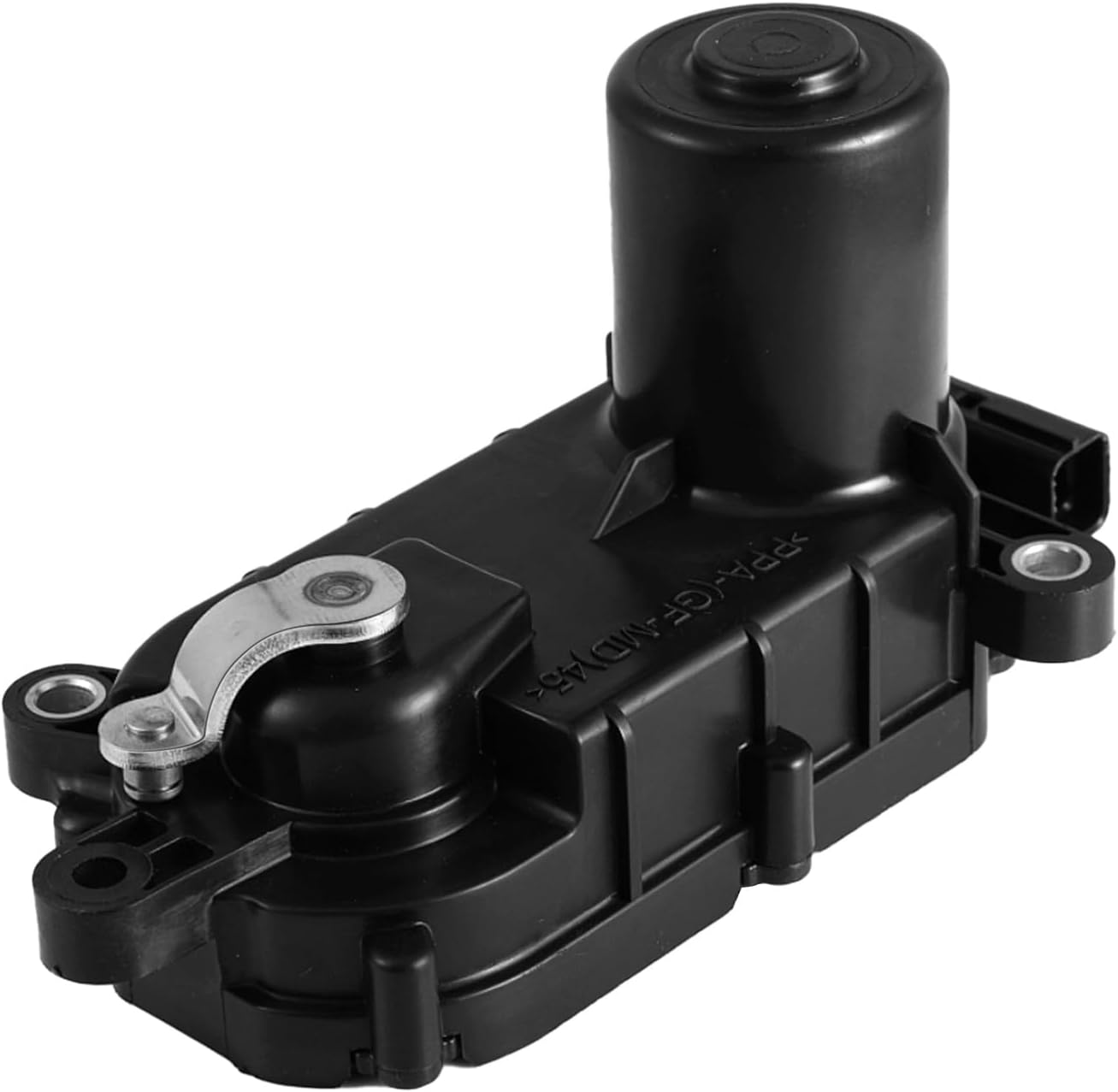
| Manufacturer | TAUTOY |
|---|---|
| Model | TYIMX086 |
| Item model number | 28323-2GGA1 |
| Manufacturer Part Number | TYIMX003 |
This TAUTOY intake manifold runner control motor replaces a failing intake runner actuator to restore proper runner position control and resolve related drivability issues. It is designed as a direct-fit replacement for specified Hyundai Sonata, Santa Fe, Tucson and compatible Kia models and is typically installed in the intake tract to restore variable runner operation and turn off manifold-related engine codes. Notable points include factory-style mounting and a machined exterior with function and leakage testing claimed by the manufacturer. In practice this unit offers an affordable way to fix rough idle, stalling at low speed, or reduced performance caused by a stuck actuator without visiting a dealer. Expect straightforward installation for mechanically inclined DIYers, but take care to confirm the exact rocker-arm style called out in the listing to match your vehicle. The product is a budget-friendly alternative to dealer parts, though long-term durability versus higher-end replacements is less certain and buyers should verify fit before ordering.
Best for: Budget-conscious owners seeking an inexpensive, DIY repair to clear intake runner codes and restore drivability on supported Hyundai Sonata engines.
Less Ideal for: Those wanting guaranteed long-term durability or a dealer-level part should consider higher-end or OEM replacements and professional installation.
- Direct-fit replacement for specified Hyundai and Kia intake runner systems
- Machined exterior and manufacturer test claims aimed at reliable operation
- Affordable option that can resolve check-engine codes and poor idle without dealer labor
- Longevity versus OEM or premium aftermarket units is not guaranteed
- Requires confirming the correct rocker-arm variant before purchase to ensure fit
Verdict A low-cost, direct-fit intake runner actuator that fixes manifold-related drivability issues for supported Sonata engines but may not match OEM longevity.
5. OSKYUO Intake Manifold Motor Assembly VCM Control Solenoid (28323-2GGA1) Compatible with Hyundai Sonata 1.6L/2.0L/2.4L

| Manufacturer | OSKYUO |
|---|---|
| Model | Intake Manifold Motor Assy VCM Control Solenoid |
| OEM Part Number | 28323-2GGA1, 283232GGA1, 911-923 |
| Compatible Engines | 1.6L, 2.0L, 2.4L |
This intake manifold motor assembly (VCM control solenoid) replaces the factory unit on compatible Hyundai Sonata 1.6L, 2.0L, and 2.4L engines and restores variable intake control when the original fails. It is typically used as a direct replacement to clear related check engine codes and recover normal airflow control; installation is straightforward for a competent DIYer or mechanic because the part has a simple structure and matches the OEM mounting and electrical interface listed. Notable features include compatibility with several OEM part numbers and a stated focus on durable materials and stable performance. Practical benefits are quick symptom resolution, inexpensive sourcing compared with dealer parts, and generally positive user reports of reliable short-term operation. Important limitations are occasional fitment or manufacturing defects reported by some buyers and the variable longevity expected from aftermarket parts compared with factory-quality components, so careful inspection at installation is advisable.
Best for: Risk-averse mainstream buyers who want an affordable, practical replacement that resolves intake control faults quickly and avoids extended downtime.
Less Ideal for: Owners seeking a factory-direct part with guaranteed long-term OEM lifecycle or those who need parts certified for professional restoration projects.
- Direct replacement for multiple OEM part numbers including 28323-2GGA1
- Designed to restore VCM/intake control and clear related check engine codes
- Simple structure allows relatively easy installation for DIY or shop
- Good short-term reliability reported by many users
- Some buyers reported fitment or plastic molding defects on arrival
- Aftermarket durability may vary compared with factory-quality parts
Verdict A budget-friendly replacement that typically fixes VCM/intake control issues quickly but requires inspection for fitment and may not match factory longevity.
6. Taesayl Intake Manifold Runner Control Valve for Hyundai Sonata 2008–2010 2.4L

| Replaces part number | 911-922, 28323-2G000, 28323-2G300 |
|---|---|
| Engine fitment | L4 2.4L |
| Connector Type | Threaded |
| Thread Size | 1/4-28 UNF |
| Number of Ports | 2 |
This Taesayl intake manifold runner control valve replaces the factory runner motor on Hyundai Sonata 2008–2010 2.4L engines to restore proper intake flap movement and airflow control. It is typically used to clear P200A/P2004/P2006/P2007-style codes, recover low-speed torque, and reduce rough idling or emissions caused by a stuck or broken runner. The unit ships with a small spacer piece and installation instructions for a direct swap without major modification. The threaded inlet/outlet and two-port valve design match the original connections, and the plastic construction keeps weight down while claiming heat and corrosion resistance. Benefits include straightforward DIY fitment for owners wanting a budget-friendly repair and the potential to regain fuel economy and drivability without replacing the whole manifold. Limitations are the aftermarket plastic build versus factory metal-plastic composites and occasional fitment variance reported by some users, so careful verification before installation and a basic comfort with moderately difficult engine work is recommended.
Best for: Practical owners focused on restoring factory performance and avoiding expensive shop labor who prefer a cost-effective repair they can install themselves or under light shop labor.
Less Ideal for: Those seeking an exact factory-material replica or a lifetime solution should consider OEM replacements or professional repair options instead.
- Direct replacement fitment for Hyundai Sonata 2008–2010 2.4L to clear intake runner codes
- Comes with installation instructions and a small spacer to simplify DIY replacement
- Threaded inlet/outlet and two-port valve match common factory connections
- Lightweight design that can help reduce installation strain and is easier to handle during repair
- Aftermarket plastic construction may not match long-term durability of some factory parts
- Some buyers reported fitment differences requiring minor adjustments or replacement of a spacer/connector
Verdict A budget-friendly direct-replacement runner control valve that restores drivability on Sonata 2008–2010 2.4L models but may require checking fitment and accepts the durability tradeoff of an aftermarket plastic part.
7. WMPHE Intake Manifold for Hyundai 2.4L (Replacement for 283102GGA0)

| Manufacturer | WMPHE |
|---|---|
| Model | Intake Manifold |
| Manufacturer Part Number | B0FP4WP92Z |
This WMPHE intake manifold is a direct-fit replacement for Hyundai and Kia 2.4L four-cylinder engines and is intended to restore proper intake airflow and engine performance after the original unit fails. Typical use is as a one-for-one replacement during routine repair or engine work; the part arrives ready to bolt in once gaskets and torque sequence are followed. The listing emphasizes OEM-spec manufacturing and heat-resistant materials to resist softening and provide a longer service life. Benefits include straightforward compatibility with multiple Sonata, Santa Fe, Tucson, Optima, Sorento, and Sportage model years and reduced installation headaches when alignment and bolt torques are observed. Limitations are the usual ones for aftermarket replacements: you must install new gaskets and follow the recommended diagonal torque pattern to avoid warping, and professional help is advisable if you lack mechanical experience. For buyers focused on a practical, near-factory replacement, this part covers the basics without performance upgrades.
Best for: Balanced all-round buyers looking for a practical, near-factory replacement to restore engine performance on a Hyundai Sonata 2.4L without chasing performance parts.
Less Ideal for: Buyers seeking increased intake flow or aftermarket performance improvements should consider performance manifolds instead.
- Made to match factory specifications for straightforward fitment on compatible 2.4L engines
- Constructed from materials rated to resist high-temperature softening for longer service life
- Covers a wide range of Hyundai and Kia model years, reducing compatibility concerns
- Includes instructions and is intended for direct replacement to restore engine breathing
- Does not provide performance gains over the original manifold since it is a replacement part
- Requires correct gasket replacement and careful bolt torquing to avoid leaks or deformation
Verdict A practical, factory-style replacement manifold for Hyundai 2.4L engines that restores proper airflow without adding performance upgrades.
Choosing the Right Hyundai Sonata Intake Manifold: Key Factors to Consider
Fitment and Compatibility
Correct fitment matters because the intake manifold must align precisely with cylinder head ports, mounting bosses, and sensor openings. Even small mismatches can lead to vacuum leaks, poor throttle response, or stress on mounting hardware. Confirm the manifold matches the Sonata engine variant, intake runner layout, and positions for sensors such as MAP and EGR interfaces. Proper compatibility reduces installation time and the likelihood of additional modifications or custom adapters.
When fitment is correct, you avoid repeated troubleshooting for misfires and rough idle that often stem from poor sealing. A manifold designed for the vehicle also preserves factory routing for vacuum lines and coolant passages when applicable, helping maintain system integrity and simplifying future maintenance.
Material and Construction Quality
The material used—composite, aluminum, or plastic-reinforced polymers—affects thermal stability, resistance to warping, and longevity. Higher-quality materials hold up better under repeated heat cycles and resist cracking, which helps prevent intake manifold leaks and associated symptoms. Look for manifolds molded or cast to tight tolerances with smooth internal surfaces to promote consistent airflow.
Construction quality also determines how well sealing surfaces mate with the head and how resilient the mounting points are to bolt torque. Robust construction reduces the risk of gasket failure and makes routine tasks such as gasket replacement and intake manifold cleaning less likely to cause damage.
Sealing Surfaces and Gasket Interface
A reliable seal between the manifold and cylinder head is crucial to prevent vacuum and coolant leaks. The design and finish of the sealing surface, along with the quality of the intake manifold gasket, directly influence long-term leak resistance. Pay attention to whether the manifold includes factory-style gasket grooves or requires separate gaskets and whether those gaskets are multi-layered or reinforced.
Good sealing reduces common intake manifold symptoms such as rough idle and check engine lights triggered by fuel trim changes. When planning replacement, consider how easy the gasket replacement will be and whether the manifold design helps compress and retain the gasket evenly when torqued.
Serviceability and Installation Ease
Installation complexity can vary based on manifold design and how many ancillary components must be removed. Manifolds that provide clear access to mounting bolts, use common fastener types, and do not require extensive disassembly of intake plumbing will reduce labor time and the risk of installation errors. Serviceability also includes whether the manifold facilitates routine maintenance, such as intake manifold cleaning and throttle body access.
A design that supports straightforward installation helps ensure correct torque application on mounting hardware and minimizes the chance of overtightening or missed torque specs. That can prevent post-installation issues like warping or gasket compression problems.
Compatibility With Vacuum and Sensor Systems
Modern engines rely on vacuum ports and sensors integrated into or mounted near the intake manifold. Compatibility with these systems is essential for correct engine control and emissions behavior. Ensure the manifold has the correct number and placement of vacuum fittings, sensor bosses, and passages for PCV or EGR routing when applicable.
Proper sensor and vacuum compatibility reduces the likelihood of drivability symptoms and diagnostic trouble codes. It also makes vacuum leak diagnosis easier because the expected ports and routing remain in their factory locations.
Thermal and Performance Characteristics
Thermal properties influence how the intake charge temperature is managed, which can affect combustion efficiency and throttle response. Some materials and designs minimize heat soak by isolating the intake runners from hot engine surfaces. Internal runner shape and surface finish also influence airflow behavior and can have subtle effects on torque and responsiveness.
If you are considering an intake manifold performance upgrade, evaluate whether the design favors low-end torque or high-rpm flow. For most drivers focused on reliability and everyday drivability, smooth, consistent airflow and stable thermal behavior are more important than aggressive flow gains.
FAQ
What are common intake manifold symptoms on a Hyundai Sonata?
Common symptoms often include rough idling, reduced engine performance, and unexpected check engine lights. These symptoms usually appear when a vacuum leak or a sealing surface failure allows unmetered air to enter the intake. You may also notice fluctuating idle speed or increased fuel consumption depending on the extent of the leak.
How do I diagnose an intake manifold vacuum leak on my Sonata?
Vacuum leak diagnosis typically involves a visual inspection of sealing surfaces and vacuum lines, listening for hissing noises at idle, and using smoke or propane testing to find escaping air. Start by checking the intake manifold gasket area and all attached vacuum fittings. If the visual checks are inconclusive, a controlled smoke test usually identifies the leak source without removing the manifold.
Can I reuse the intake manifold gasket during replacement?
Gaskets are generally single-use components because they compress to form a seal and can deform during removal. Reusing an old gasket often increases the risk of future leaks and related symptoms. It is usually better to replace the gasket whenever the manifold is removed to ensure a reliable seal.
How important are torque specs when installing an intake manifold?
Torque specs are important to achieve even clamping and to avoid warping the manifold or damaging the head. Following the correct torque sequence and values ensures the gasket compresses evenly and maintains a long-term seal. If torque specs are not followed, you may experience leaks that lead to drivability issues.
Does intake manifold cleaning help resolve performance issues?
Cleaning the intake manifold can help if carbon buildup or deposits are restricting airflow or affecting sensor signals. Light to moderate buildup can often be addressed without removal, but thorough cleaning of ports and runners may require partial disassembly. Cleaning usually improves idle smoothness and throttle response when buildup is a contributing factor.
Are performance-oriented intake manifolds suitable for daily driving?
Performance-oriented manifolds can offer airflow advantages at higher rpm, but they may trade off low-end torque or idle smoothness. For daily driving, prioritize manifolds that preserve reliable sealing, maintain vacuum integrity, and use durable materials. Performance upgrades are best considered when their characteristics match your typical driving conditions.
How We Chose the Best Hyundai Sonata Intake Manifold
We focused on parts and assemblies that directly affect airflow, sealing, and long-term durability for the Hyundai Sonata. Selection criteria included fitment accuracy to factory mounting points, quality of construction materials, intake port alignment, compatibility with engine vacuum and sensor interfaces, and ease of installation with standard tools. We also considered the integrity of sealing surfaces and the availability of service documentation such as torque specs and gasket recommendations. Items were excluded if they lacked clear vehicle-specific fitment information, used unknown or unverified materials, or required significant fabrication to install. Our short list emphasizes options that minimize the risk of vacuum leaks, simplify intake manifold gasket replacement, and reduce the need for aftermarket modification while supporting routine maintenance like intake manifold cleaning.
Our full evaluation process is outlined in our review methodology.
Conclusion
When choosing an intake manifold for a Hyundai Sonata, prioritize fitment accuracy, sealing integrity, and material durability. Those factors most directly influence vacuum integrity, ease of installation, and long-term reliability. Be mindful of tradeoffs between performance-oriented designs and everyday drivability. Ensure you can follow correct torque specs and that the manifold supports necessary vacuum and sensor interfaces to avoid common symptoms and simplify future maintenance.
Explore More:
- Check out all Hyundai Sonata parts & accessories
- Explore Engine
- Browse all Auto Parts
