

Note: This article contains affiliate links. If you click on these links and make a purchase, I may earn a small commission at no extra cost to you. This helps support my research and content. Read my full affiliate disclosure here.
If your BMW 3 Series is showing rough idle, reduced fuel economy, or a persistent check engine light, the oxygen sensor is often a likely cause. Choosing the right BMW 3 Series oxygen sensor matters because a correct‑fitting unit and a precise signal can restore fuel trim, lower emissions, and prevent drivability problems.This guide presents seven shortlisted oxygen sensors selected for sure fitment and reliable electrical response. We explain the evaluation criteria used and what to watch for when replacing an O2 sensor, so you can pick the option that matches your BMW and driving needs.
Looking for other parts? See all BMW 3 Series parts & accessories.
Top Picks at a Glance
| Best Reviewed A top-rated pick with lots of positive feedback | Bosch 13477 Premium Original Equipment Oxygen Sensor |  |
| Most Popular A crowd favorite that many people choose with confidence | Bosch 17102 Premium Original Equipment Oxygen Sensor |  |
| Best Quality Built to a higher standard if you want something more solid | Bosch 17098 Premium Original-Equipment Oxygen Sensor | 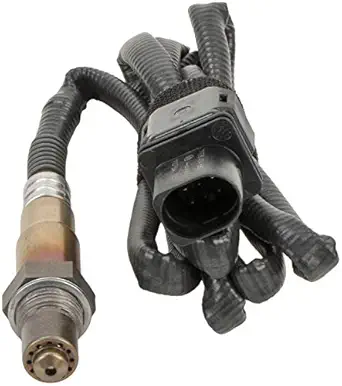 |
| Best Budget The cheapest option that still gets the job done reliably | QIJIAUTO Upstream Oxygen Sensor for BMW L6 2.5L/3.0L (Bank 1 Sensor 1) |  |
| Most Sold A high-volume bestseller chosen again and again | NewYall Oxygen Sensor (Upstream/Downstream) for BMW 3 Series and Related Models |  |
| Best Value for Money The sweet spot between price and what you get | Maxfavor Oxygen Sensor Replacement (2-pack) for BMW Cylinder 4/5/6 |  |
| Best Overall The best all-around choice for most situations | Bosch 16414 Premium Original Equipment Oxygen Sensor |  |
1. Bosch 13477 Premium Original Equipment Oxygen Sensor

| Maximum Supply Voltage | 16 Volts (DC) |
|---|---|
| Measuring Range | 20 – 1000 °C |
| Mounting Type | Flange Mount |
| Output Type | electrical signal |
This Bosch 13477 oxygen sensor replaces the factory sensor in compatible BMW vehicles to restore accurate oxygen readings and clear diagnostic trouble codes. It is a direct-fit, plug-and-play replacement with pre-coated threads and a fast-acting heater so the sensor reaches operating temperature quickly for reliable closed-loop fueling. The stainless steel, double laser-welded body and factory testing signal durable construction and reduced risk of early failure from exhaust exposure. In practice this sensor is installed in the exhaust stream where it monitors oxygen content and feeds that data to the engine control module to correct fuel trim and emissions. Installation is straightforward for someone with basic mechanical skills and an O2-sensor socket; Bosch includes anti-seize and an OEM-style connector to simplify wiring. Limitations are that correct fitment depends on engine and model year so you must verify position and compatibility for your specific BMW 3 Series, and removal can be stubborn on older, seized sensors requiring penetrating oil or specialty tools.
Best for: Buyers who prioritize reliability and want a factory-quality replacement that restores correct emissions and fuel control on older BMW 3 Series cars.
Less Ideal for: If you need a universal or performance-tuned wideband sensor for tuning or non-BMW vehicles, this direct-fit replacement is not the right choice.
- Direct-fit replacement with OEM-style connector for straightforward installation
- Fast-acting heater reduces warm-up time so the sensor reaches operating temperature quickly
- Double laser-welded stainless steel body and factory testing for improved durability
- Threads come pre-coated with anti-seize to protect during installation
- Compatibility varies by engine and model year so fitment must be confirmed before purchase
- Removing a corroded original sensor can require penetrating oil and an O2-sensor socket
Verdict A dependable, factory-quality direct-fit oxygen sensor for BMW 3 Series owners who want a reliable OEM-style replacement to restore emissions and fuel control.
2. Bosch 17102 Premium Original Equipment Oxygen Sensor

| Measurement Accuracy | ±1% |
|---|---|
| Mounting Type | Flange Mount |
| Output Type | electrical signal |
| Material Type | Stainless Steel |
The Bosch 17102 is a direct-fit oxygen sensor intended to replace a failed upstream sensor on compatible BMWs. It provides an electrical output and fast-acting heater so the sensor reaches operating temperature quickly, which helps the engine control module get accurate air-fuel feedback sooner after startup. Typical use is a like-for-like replacement when a check-engine code or drivability issue points to a faulty O2 sensor. Notable features include a double laser-welded stainless steel body for corrosion resistance, factory-tested functionality, pre-applied anti-seize threads, and OEM-style connectors to simplify installation. In real-world use this translates to reliable operation, easier installation, and quick warm-up for stabilized idle and emissions. Limitations to watch for are fitment variations between engines and harnesses on some BMWs and occasional reports of connector or harness length differences that may require minor modification or verification before purchase.
Best for: Buyers who value convenience and want a proven, ready-to-install replacement that minimizes shop time and guesswork when fixing emissions or drivability codes on a BMW 3 Series.
Less Ideal for: Drivers who prefer custom or performance aftermarket sensors with advanced tuning features or those unwilling to verify exact engine-side fitment before ordering should consider alternatives.
- Direct-fit design with OEM-style connector for straightforward replacement
- Fast-acting heater reduces warm-up time for accurate sensor readings sooner
- Durable double laser-welded stainless steel body resists exhaust corrosion
- Comes factory-tested with threads pre-coated with anti-seize to simplify installation
- Some buyers report connector or harness length differences that can require swapping connectors or minor adjustments
- Fitment depends on specific BMW engine and sensor position so verification is required before installation
Verdict A reliable, factory-quality direct-fit oxygen sensor for BMWs that prioritizes easy installation and quick warm-up but requires fitment verification for specific engine harnesses.
3. Bosch 17098 Premium Original-Equipment Oxygen Sensor

| Output Type | Digital |
|---|---|
| Mounting Type | Flange Mount |
| Specific Uses For Product | Temperature |
| Upper Temperature Rating | 1202 Degrees Fahrenheit |
| Material Type | Stainless Steel |
The Bosch 17098 is a direct-fit, heated oxygen sensor intended as a factory-quality replacement for select BMW 3 Series and related models. It measures exhaust oxygen to help the engine control module maintain correct air-fuel ratio, which restores fuel economy, drivability, and emissions control after a failing sensor. Notable features include a stainless steel, double laser-welded body for corrosion resistance, a fast-acting heater to reach operating temperature quickly, and pre-coated threads with anti-seize for easier installation. The sensor comes with a direct-fit connector and harness so it typically plugs into the stock wiring without modification. In real-world use this part is useful for clearing lean/rich codes, improving idle quality, and returning fuel trim to normal without dealer parts. Limitations to expect are the potential for occasional packaging or quality-control outliers reported by some buyers and the need to verify exact fitment position and engine variant for BMW models before ordering. Installation access on some BMW engines can still be tight and may require the right sockets or removal of minor trim pieces.
Best for: Performance-oriented BMW owners who prioritize restoring precise air-fuel control and driveability with a factory-quality replacement sensor.
Less Ideal for: Buyers seeking a universal or multi-vehicle sensor solution or those unwilling to verify exact engine and sensor position before purchase should consider alternatives.
- Direct-fit heated design matches factory connectors and wiring for plug-and-play replacement
- Stainless steel double laser-welded body improves resistance to exhaust damage and moisture
- Fast-acting heater brings the sensor to operating temperature quickly for reliable closed-loop operation
- Threads come pre-coated with anti-seize to simplify installation and reduce risk of thread damage
- Some buyers report occasional received units with packaging damage or premature failure indicating inconsistent quality control
- Wire length may differ from some factory sensors requiring routing or securing of excess cable
Verdict A factory-quality, direct-fit heated oxygen sensor for BMWs that restores proper fuel control and emissions performance, though check fitment and inspect received units for damage.
4. QIJIAUTO Upstream Oxygen Sensor for BMW L6 2.5L/3.0L (Bank 1 Sensor 1)

| Mounting Type | Flange Mount |
|---|---|
| Output Type | electrical signal |
| Upper Temperature Rating | 250 Degrees Celsius |
| Specific Uses For Product | automotive |
This QIJIAUTO upstream oxygen sensor is a budget-friendly direct replacement for the Bank 1 Sensor 1 on BMW models with 2.5L and 3.0L inline-six engines. It is used to replace a failing upstream O2 sensor that causes rough idle, poor fuel economy, and a check engine light by restoring accurate air-fuel ratio feedback to the engine control unit. The sensor is offered with a heated element and an advanced sensing element to speed warm-up and provide a stable electrical signal for smoother engine control and improved acceleration response. The listing emphasizes correct cable length and matching connector fitment, which helps avoid installation headaches common with cheaper replacements. Practical benefits include improved drivability and fuel efficiency without needing a dealer part. Limitations are typical for aftermarket sensors at this price point: long-term durability and sensor calibration may not match factory-quality units, and performance depends on correct part number and exact vehicle fitment, so confirmation before installation is required.
Best for: Budget-conscious BMW 3 Series owners who need an affordable, practical replacement to stop a check engine light and restore normal drivability without paying dealer prices.
Less Ideal for: Drivers seeking an exact factory-quality sensor with proven long-term durability or those who prefer OEM parts and dealer service should consider a factory replacement instead.
- Designed to match OEM cable length and connector for straightforward installation
- Heated sensing element for faster warm-up and more consistent readings
- Stable electrical output aimed at improving acceleration response and fuel economy
- Compatible with multiple BMW inline-six applications listed by part numbers
- May not match long-term durability and calibration of factory-quality sensors
- Aftermarket fitment still requires verifying original part number and sensor position
Verdict A cost-effective upstream O2 sensor that restores ECU air-fuel feedback and drivability for BMW L6 engines but may not match OEM longevity.
5. NewYall Oxygen Sensor (Upstream/Downstream) for BMW 3 Series and Related Models

| Measuring Range | AFR 10-15 to AFR 14.7-1 or λ 0.67-1 to 1.33-1 |
|---|---|
| Mounting Type | Flange Mount |
| Output Type | Analog |
| Material Type | Stainless Steel |
This NewYall oxygen sensor is sold as a flange-mount upstream/downstream replacement for BMW vehicles equipped with the L6 3.0L engine. It measures air-fuel ratio across a usable AFR range and provides an analog signal back to the engine management system, which helps the ECU adjust fuel trim and extinguish OBD-II codes when functioning correctly. Typical use is straightforward: swap the faulty sensor for this unit and reconnect the factory harness or splice as needed for older harnesses. The stainless steel construction and common flange mounting make it durable and mechanically compatible with the specified BMW model years. Practical benefits include restoring proper closed-loop fueling, improving drivability, and meeting emissions requirements when the sensor is the root cause. Limitations are that fitment is limited to the listed BMW L6 3.0L applications and some buyers reported wiring or connector differences that required minor splicing or adapter work; performance and longevity vary compared with higher-cost factory-quality sensors.
Best for: A risk-averse mainstream buyer seeking a budget-friendly, direct replacement sensor to clear emissions codes and restore normal fueling on supported BMW 3 Series L6 3.0L models.
Less Ideal for: Do not choose this if you need a guaranteed factory-quality lifetime or plug-and-play OEM harness match without any wiring work; professional installers or restoration projects may prefer an OEM supplier.
- Designed specifically for BMW L6 3.0L engine applications listed in the product description
- Stainless steel flange-mount construction for mechanical durability
- Analog output provides the ECU with air-fuel ratio data to correct fuel trim
- Measuring range covers typical AFR values used in gasoline engine control
- Some users reported connector mismatches that required splicing or adapter modifications
- Quality and long-term durability may vary compared with factory-quality sensors
Verdict A cost-conscious, application-specific oxygen sensor that can restore emissions and fueling on supported BMW L6 3.0L models but may need minor wiring adaptations and does not match factory-quality longevity.
6. Maxfavor Oxygen Sensor Replacement (2-pack) for BMW Cylinder 4/5/6

| Maximum Supply Voltage | 12 Volts |
|---|---|
| Mounting Type | Flange Mount |
| Output Type | electrical signal |
| Specific Uses For Product | Oxygen Sensor |
| Material Type | Stainless Steel |
This Maxfavor two-pack supplies upstream and downstream oxygen sensors intended for BMW 3.0L engines covering cylinders 4, 5 and 6. They install in the exhaust to monitor oxygen content and send electrical signals to the engine control unit so the ECU can adjust fuel trim and protect the catalytic converter. The kit is sold as a flange-mount sensor with a 12-volt supply rating and stainless steel construction, which suggests reasonable corrosion resistance for exhaust use. For a practical DIYer the sensors offer a clear advantage: you get both positions in one purchase, which simplifies troubleshooting and replacement when codes point to those cylinders. Some buyers report straightforward fit and improved drivability after replacement, while other users experienced inconsistent signals or missing harness features like a heat shield that required repurposing from the old sensor. Expect a budget-friendly, serviceable option that may require extra attention during installation and diagnostic verification if your BMW is sensitive to sensor calibration differences.
Best for: Practical optimizers who want an affordable, do-it-yourself replacement set for BMW 3.0L engines and value getting both upstream and downstream sensors together to restore drivability and clear related fault codes.
Less Ideal for: Buyers who need guaranteed factory-quality calibration or who prefer plug-and-play sensors with full harness accessories should consider higher-end branded sensor options instead.
- Sold as a matched two-pack covering upstream and downstream positions for cylinders 4, 5 and 6.
- Stainless steel body and flange-mount design suitable for direct exhaust replacement.
- Provides electrical signal output compatible with ECU oxygen feedback for fuel trim corrections.
- Includes sensors specifically listed for many BMW 3.0L model years, reducing fitment hunting for compatible vehicles.
- Some units have produced erratic voltage readings in user reports, requiring reinstallation or replacement.
- May arrive without a wire heat shield or connector accessories included by other brands, so minor wiring work can be needed.
Verdict A cost-conscious two-pack aimed at DIY BMW owners that can restore oxygen-sensing function affordably but may require careful installation and verification due to variable unit performance.
7. Bosch 16414 Premium Original Equipment Oxygen Sensor

| Maximum Supply Voltage | 12 Volts |
|---|---|
| Measuring Range | 0% – 21% O2 |
| Mounting Type | Flange Mount |
| Upper Temperature Rating | 1000 Degrees Celsius |
The Bosch 16414 is a direct-fit oxygen sensor intended to replace the factory sensor on compatible BMW 3 Series and related models. It measures exhaust oxygen concentration across 0 to 21% O2 and includes a fast-acting heater so the sensor reaches operating temperature quickly, which helps the engine control module get accurate readings sooner after startup. The sensor uses a stainless steel, double laser-welded body with factory-style electrical connector and pre-coated threads to simplify installation and resist exhaust corrosion. In practice this means straightforward plug-and-play replacement for the correct sensor position and predictable long-term operation when installed correctly. The part is factory-tested for functionality, but fitment depends on engine and sensor location so confirm fit before ordering. Some users report excellent OEM-like fit and durability while a few experienced installers noted installation can be fiddly and that verifying correct upstream or downstream position is important to avoid repeat codes.
Best for: Balanced buyers who want a reliable, factory-quality replacement sensor for routine maintenance or to clear oxygen-sensor-related codes on supported BMW 3 Series models.
Less Ideal for: Shoppers seeking a universal or multi-vehicle sensor or those unwilling to verify exact engine and sensor location should consider alternatives or consult a dealer.
- Direct-fit factory-quality connector and wiring for plug-and-play replacement on listed BMW models
- Fast-acting heater reduces warm-up time for accurate readings soon after startup
- Double laser-welded stainless steel body resists exhaust corrosion for longer service life
- Threads pre-coated with anti-seize for easier installation
- Compatibility depends on vehicle year, engine and sensor position so ordering the wrong upstream/downstream unit is a possible mistake
- Installation can be tight and may require the correct oxygen sensor socket or professional assistance
Verdict A reliable, factory-style direct-fit oxygen sensor for BMW 3 Series drivers who want OEM-like performance and straightforward replacement when the correct position is chosen.
Choosing the Right BMW 3 Series Oxygen Sensor: Key Factors to Consider
Fitment And Connector Type
Correct physical fit and the proper electrical connector are essential for a hassle-free installation. A sensor that matches the original mounting threads and plug avoids the need for adapters or rewiring, which can introduce faults or poor grounding.
Verify whether the replacement is specified for the exact BMW 3 Series model year and engine configuration. Differences in thread pitch, hex size, or connector gender can lead to leaks, poor contact, or false diagnostics. Ensuring plug compatibility reduces installation time and the chance of a loose connection that could trigger intermittent fault codes.
Heater Element Performance
Most modern oxygen sensors include an integrated heater to bring the sensing element up to operating temperature quickly. A reliable heater shortens warm‑up time, which helps the engine control unit get accurate readings sooner and improves cold‑start emissions and drivability.
Look for heater specs such as cold‑start current draw and rated life. A heater that fails to reach target temperature reliably can cause prolonged closed‑loop delays, higher emissions, and persistent diagnostic trouble codes related to heater circuits.
Signal Response And Accuracy
The sensor must provide a fast, accurate voltage or voltage‑equivalent signal so the engine control unit can adjust air‑fuel ratio precisely. Slow or noisy signals can lead to hesitations, poor fuel economy, and difficulty passing emissions tests.
Consider how quickly the sensor responds to rapid changes in exhaust composition and whether the output is stable under steady conditions. Consistent, predictable output improves fuel trim correction and reduces the likelihood of false OBD codes tied to sensor performance.
Durability And Contaminant Resistance
Oxygen sensors operate in a harsh environment with extreme heat, vibration, and exposure to oils and fuel additives. Materials and protective coatings that resist soot, lead deposits, and thermal cycling extend service life and maintain performance over time.
Assess construction features like robust sheathing, corrosion‑resistant materials, and protective guards. A more durable sensor reduces the frequency of replacements and minimizes the risk of premature failure due to contamination or thermal shock.
Sensor Position And Compatibility (Upstream Vs Downstream)
Different sensor positions serve different diagnostic roles. Upstream sensors monitor combustion for fuel‑trim control and require fast response and accurate readings. Downstream sensors are typically used to monitor catalytic converter efficiency and can tolerate slower response times but must remain stable over long durations.
Make sure the replacement is specified for the correct bank and sensor position. Using the wrong position type can lead to incorrect diagnostics or failure to detect catalyst degradation even if the physical fit is possible.
Installation And Serviceability
Ease of installation affects both cost and the chance of a correct repair. Features such as an integrated anti‑seize coating on the threads, a proper hex size for common oxygen sensor sockets, and well‑routed wiring reduce installation errors and damage.
Consider whether the part includes clear instructions and whether common maintenance tools are sufficient. Good documentation and serviceable design reduce the odds of cross‑threading, damaged connectors, or improper torquing that can cause exhaust leaks or premature failures.
FAQ
How do I know if my BMW 3 Series oxygen sensor is failing?
Symptoms often include a rough idle, decreased fuel economy, and a persistent check engine light. You may also notice uneven acceleration or increased emissions. Diagnostics such as live sensor voltage readings and heater circuit checks can help confirm a failing unit.
Can I install an oxygen sensor myself on a BMW 3 Series?
Many owners can perform the swap if they have basic hand tools and a vehicle lift or safe jack stands. Proper torque, connector seating, and thread condition are important. If you are unsure about electrical connections or are working in tight spaces, professional installation reduces the risk of damage.
Should I replace upstream and downstream sensors at the same time?
It depends on age and symptoms. Upstream sensors typically fail earlier because of exposure to hotter, unfiltered exhaust, while downstream units often last longer. If one sensor shows clear failure and others are old, replacing related sensors can prevent repeat visits and ensure consistent diagnostics.
How long does a typical oxygen sensor last in a BMW 3 Series?
Service life varies with driving conditions and fuel quality, but many sensors last several years under normal use. High‑mileage engines, frequent short trips, or fuel contamination can shorten lifespan. Regular diagnostic checks help catch declining performance before it affects drivability.
Will replacing the oxygen sensor fix a check engine light?
If the code specifically points to an oxygen sensor or heater circuit, replacing a faulty sensor will often resolve the warning. However, the underlying cause should be confirmed with diagnostic data because wiring issues, exhaust leaks, or fuel system faults can produce similar codes.
How We Chose the Best BMW 3 Series Oxygen Sensor
We focused on items that offer direct fitment for BMW 3 Series models and consistent electrical performance under real driving conditions. Our editorial filters prioritized sensor fit and connector compatibility, heater element reliability, response time to air‑fuel changes, and long‑term durability against heat and contaminants. We also considered the quality of wiring and strain relief, as brittle harnesses often lead to failures on older cars.We excluded universal or generic sensors that require splice kits or extensive modification, and we did not include units lacking documented OEM-style connectors. Items were evaluated for measurable attributes such as signal response time, heater start current, expected service life, and compatibility with bank and sensor positions. Finally, we favored parts with clear installation guidance and robust build quality to reduce installer errors and rework.
Our full evaluation process is outlined in our review methodology.
Conclusion
When selecting an oxygen sensor for a BMW 3 Series, prioritize correct fitment, reliable heater operation, and fast, stable signal output. These attributes directly affect drivability, fuel economy, and emissions control.Balance durability and ease of installation with the sensor position required by your vehicle. Focus on parts that match the exact bank and sensor location to minimize installation issues and ensure accurate diagnostics over the long term.
Explore More:
- Check out all BMW 3 Series parts & accessories
- Explore Oxygen Sensors Maintenance & Repair Guides
- Explore Engine
- Browse all Auto Parts
