

Note: This article contains affiliate links. If you click on these links and make a purchase, I may earn a small commission at no extra cost to you. This helps support my research and content. Read my full affiliate disclosure here.
If your Mitsubishi Outlander is showing ABS warnings or irregular braking behavior, the wheel speed sensor is a common component to inspect. Choosing the right ABS wheel speed sensor affects braking performance, ABS responsiveness, and diagnostic accuracy. This guide gathers the top shortlisted sensors for the Outlander and explains the reasons they made the cut. We evaluated each option for fitment reliability, signal consistency, and ease of installation. Read on to see which sensors match your repair goals and what to check before replacing the part.
Looking for other parts? See all Mitsubishi Outlander parts & accessories.
Top Picks at a Glance
| Best Reviewed A top-rated pick with lots of positive feedback | A-Premium Rear Left ABS Wheel Speed Sensor (Rear Driver Side) | 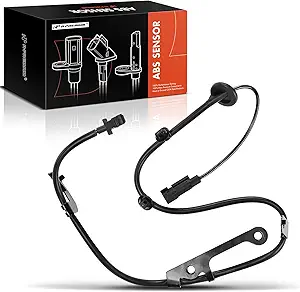 |
| Most Popular A crowd favorite that many people choose with confidence | BOXI Front Left & Right ABS Wheel Speed Sensor Set for Mitsubishi Outlander |  |
| Best Quality Built to a higher standard if you want something more solid | moseiny 4-Piece ABS Wheel Speed Sensor Set for Mitsubishi Lancer & Outlander (Front + Rear) |  |
| Best Budget The cheapest option that still gets the job done reliably | A-Premium ABS Wheel Speed Sensor — Rear Driver Side (Mitsubishi) |  |
| Most Sold A high-volume bestseller chosen again and again | Hiolpen 4‑Pack ABS Wheel Speed Sensors for Mitsubishi Outlander |  |
| Best Value for Money The sweet spot between price and what you get | X AUTOHAUX ABS Wheel Speed Sensor Front Left (ALS1785 4670A575) |  |
| Best Overall The best all-around choice for most situations | Auto Parts Prodigy Front Left & Right ABS Wheel Speed Sensor Pair for 2007–2014 Mitsubishi Outlander and Lancer |  |
1. A-Premium Rear Left ABS Wheel Speed Sensor (Rear Driver Side)
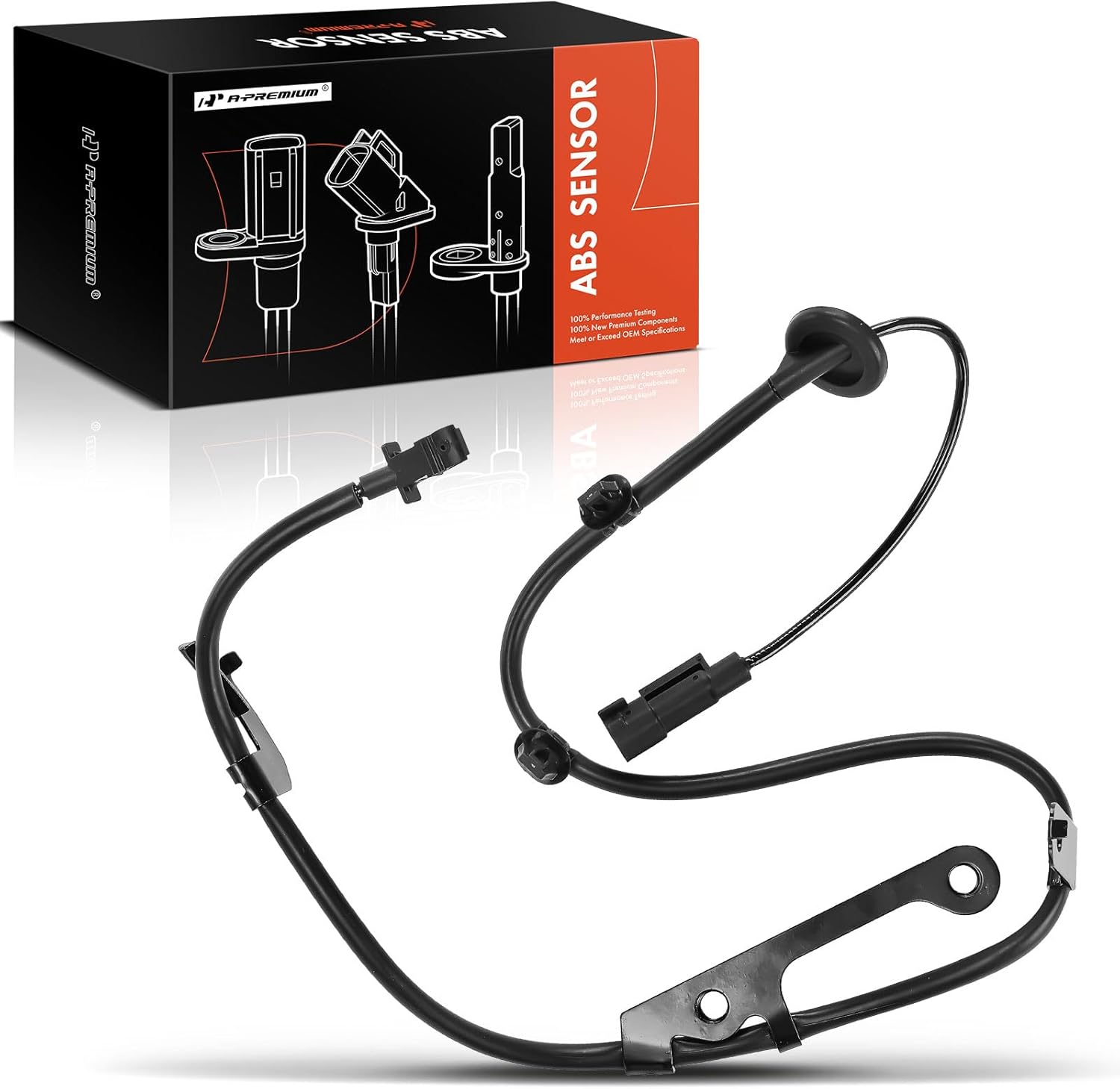
| Compatible Models | Mitsubishi Outlander 2017-2020, Outlander PHEV 2018-2022, Outlander Sport 2017-2023 |
|---|---|
| Location | Rear Left (Driver Side) |
| Material | Acrylonitrile Butadiene Styrene (ABS) |
| Manufacturer Part Number | APABS3256 |
This A-Premium wheel speed sensor replaces the rear left sensor on compatible Mitsubishi Outlander models and restores the ABS and traction control wheel-speed input. It installs in the flange mount location and plugs into the factory harness using a push-pull output connector, so installation is the same basic process as a factory replacement. Made from ABS plastic and sold as a single rear-driver side unit, it is intended for routine replacement after sensor failure or damage. The practical benefits are straightforward: it brings back accurate wheel-speed readings to clear ABS warnings and allow normal braking and stability system operation, and the sensor ships with a one-year unlimited-mileage guarantee from the maker. Limitations include being a single-side aftermarket part so you must purchase the opposite side separately if needed, and material and fit can vary versus factory-quality parts which may affect long-term durability in harsh environments.
Best for: Reliability-focused buyers who prioritize restoring proper ABS and traction control function on an Outlander without unnecessary complexity or modification.
Less Ideal for: Buyers wanting a pair or a premium OEM-equivalent sensor set in one purchase or those seeking heavy-duty sensors for extreme off-road conditions.
- Direct replacement for rear left (driver) wheel speed sensor on specified Mitsubishi Outlander models
- Flange-mount design and push-pull connector match factory-style installation for straightforward fitment
- Includes a one-year unlimited-mileage guarantee from the manufacturer
- Aftermarket ABS plastic construction may not match longevity of higher-end factory-quality sensors
- Sold as a single sensor so replacement of both sides requires a second purchase
Verdict A cost-conscious aftermarket rear-left wheel speed sensor that restores ABS function on specified Outlander models but is sold as a single aftermarket unit rather than an OEM paired set.
2. BOXI Front Left & Right ABS Wheel Speed Sensor Set for Mitsubishi Outlander
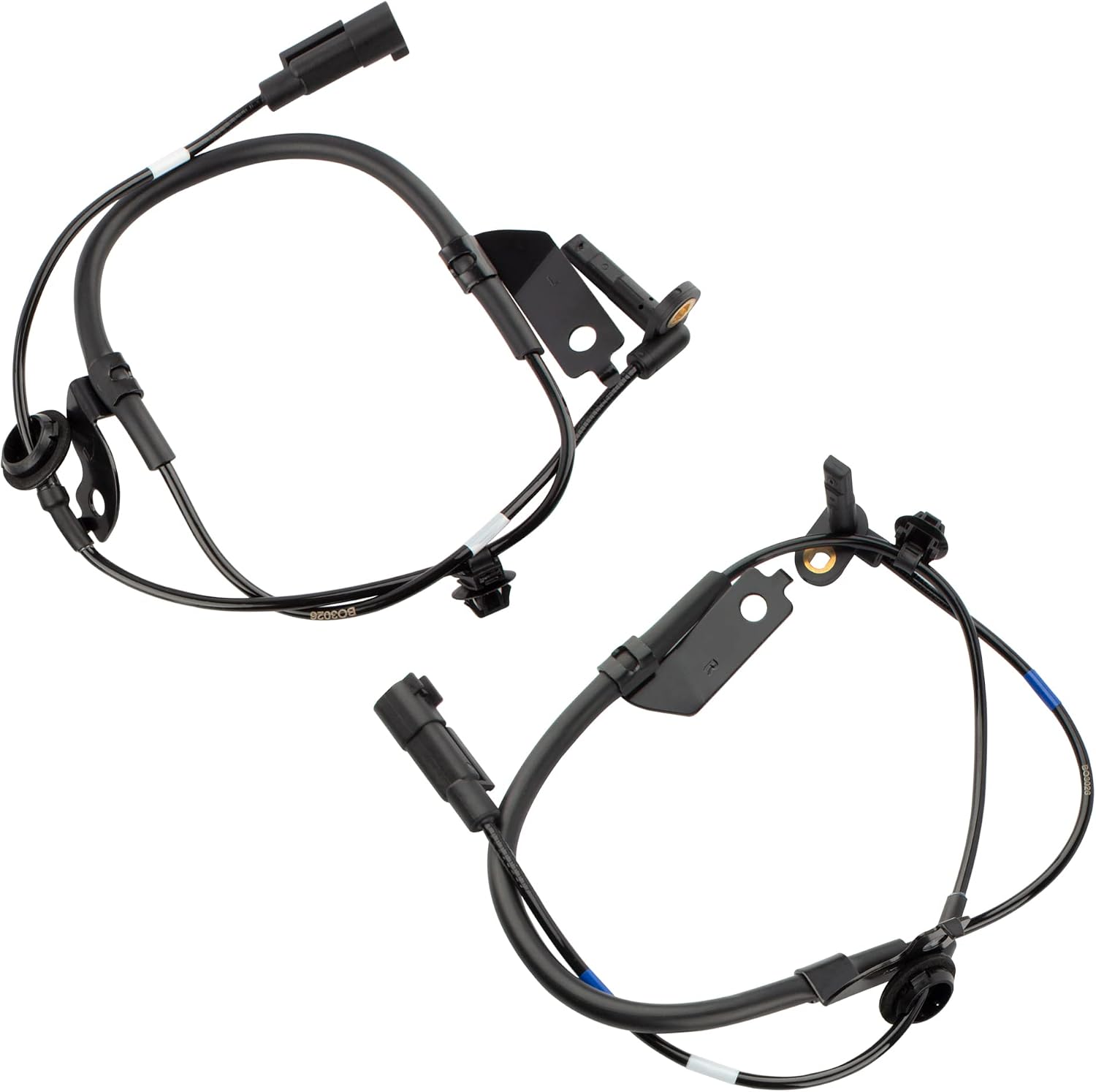
| Material | Acrylonitrile Butadiene Styrene |
|---|---|
| Maximum Supply Voltage | 12 Volts |
| Measurement Accuracy | ±1% |
| Mounting Type | Flange Mount |
This BOXI sensor pair replaces the front left and right wheel speed sensors on compatible Mitsubishi Outlander models and is intended to restore vehicle speed detection and ABS input after a failed factory sensor. The kit includes two sensors that mount in the factory locations and use a flange-style connection and standard push-pull output so they plug into the existing wiring harness. In use they provide a stable signal and quick response for the ABS and traction systems, and many buyers report a straightforward swap when the old sensors are accessible. Installation may require rust-broken fastener removal or basic mechanical service, and some vehicles may need an ECU relearn or OBD2 reset after installation for the system to fully recognize the new sensors. Build quality is typical of aftermarket ABS sensors and can offer good value versus factory parts, but occasional long-term durability complaints suggest this is best when you want a convenient, budget-conscious repair rather than a lifetime fix.
Best for: Convenience-driven buyers who want a ready-to-install front sensor pair to quickly restore ABS function on a Mitsubishi Outlander without sourcing individual parts.
Less Ideal for: Owners seeking an extended-service, premium OEM-level replacement or those unwilling to accept possible variability in long-term durability should consider higher-end alternatives.
- Sold as a matched pair for front left and right replacement
- Direct-fit flange mount design intended to plug into factory wiring
- Stable signal and high response frequency for ABS and traction systems
- Replaces several factory part numbers for straightforward compatibility checks
- May require ECU relearn or OBD2 reset to clear codes and register sensors
- Some long-term reliability reports vary compared with factory-quality parts
Verdict A convenient, cost-effective front sensor pair for Mitsubishi Outlander owners who need a quick ABS repair but who may trade some long-term durability compared with premium factory replacements.
3. moseiny 4-Piece ABS Wheel Speed Sensor Set for Mitsubishi Lancer & Outlander (Front + Rear)

| Material | Acrylonitrile Butadiene Styrene |
|---|---|
| Mounting Type | Snap-On |
| Output Type | electrical signal |
| Fitment | Direct Replacement for Mitsubishi Outlander 2008-2013 and Lancer 2008-2017 |
This kit supplies four direct-replacement wheel speed sensors intended for front left, front right, rear left and rear right locations on compatible Mitsubishi Lancer and Outlander models. Each sensor uses a snap-on mounting style with a pin-plug electrical terminal so installation follows the factory connector layout and typically requires no vehicle wiring changes. The sensors are made from ABS plastic and are marketed as meeting factory-spec tolerances for fit and signal output, which helps restore proper ABS and traction control behavior after a failed sensor. For a performance-oriented buyer the practical benefit is predictable wheel-speed readings and a full-vehicle set to avoid mixing old and new parts. Limitations are that the listing provides basic material and fitment details only and does not include bench test data, OEM supplier traceability, or explicit environmental ratings, so long-term durability under demanding driving is not independently verified.
Best for: Drivers focused on restoring or maintaining precise ABS and traction control performance who prefer replacing all sensors at once to ensure consistent sensor behavior.
Less Ideal for: Buyers seeking sensors with certified lab-tested durability ratings or those who want supplier-traceable OEM parts should consider alternatives with documented test results.
- Complete four-sensor kit covers both front and rear positions for consistent replacement across the vehicle
- Direct-replacement fitment with snap-on mounting and factory-style pin-plug terminals simplifies installation
- Made from ABS material for a lightweight, wear-resistant housing suitable for typical road use
- No published independent durability or environmental test specifications to confirm long-term performance
- Product information lacks explicit manufacturer traceability or detailed electrical specifications
Verdict A convenient four-sensor direct-replacement kit that restores ABS sensing across the vehicle, suited for performance-minded owners who want matched sensors but lacking detailed durability certification.
4. A-Premium ABS Wheel Speed Sensor — Rear Driver Side (Mitsubishi)

| Compatible Vehicles | Selected Mitsubishi Lancer and Outlander model years (rear driver side) |
|---|---|
| Connector Pins | 2 Pins |
| Mounting Type | Flange Mount |
| Output Type | Digital |
This A-Premium ABS wheel speed sensor is a direct-fit replacement for the rear driver side on selected Mitsubishi Lancer and Outlander models. It transmits wheel-speed data to the anti-lock brake control module to restore ABS and traction functions and is typically used when a failed sensor triggers fault codes or ABS lights. The sensor is a two-pin digital unit made from ABS plastic and is marketed as 100% tested and factory-quality compatible with the listed OEM reference numbers. In practice it offers a straightforward swap-in installation for owners doing a DIY repair or a quick shop replacement, and the stable output signal and fast response help clear speed-sensor faults and restore normal ABS behavior. Limitations are typical of budget aftermarket parts: build materials are basic plastic and long-term durability can vary compared with higher-end replacements, and buyers should confirm exact model-year fitment and connector match before ordering.
Best for: Budget-conscious owners seeking an inexpensive, DIY-friendly replacement to clear ABS faults on the specified Mitsubishi Outlander and Lancer model years.
Less Ideal for: Drivers who prioritize long-term durability or want a premium aftermarket or factory sensor with extended service life should consider higher-end options.
- Direct-fit rear driver-side replacement for specified Mitsubishi Lancer and Outlander model years
- Two-pin digital output compatible with factory wiring harness for straightforward installation
- Advertised 100% performance testing and OEM-equivalent reference numbers for fit and function
- Plastic construction may not match longevity of higher-tier aftermarket or factory sensors
- Fitment limited to the listed Mitsubishi model years and engine variants so cross-check is required
Verdict A cost-effective, direct-fit rear speed sensor that restores ABS function quickly for budget-focused Mitsubishi owners, but it may not match premium sensors for long-term durability.
5. Hiolpen 4‑Pack ABS Wheel Speed Sensors for Mitsubishi Outlander

| Compatible vehicle | Mitsubishi Outlander (listed 2007–2015 fitments in product) |
|---|
These Hiolpen ABS wheel speed sensors replace the four wheel-mounted sensors on compatible Mitsubishi Outlander models to restore ABS, traction control, and stability functions. The kit includes front and rear left and right sensors and plugs into the factory wiring harness to deliver electrical speed signals to the vehicle ABS control unit. In normal use they monitor wheel rotation and help the ABS modulator and traction control respond correctly during emergency braking or low-traction conditions. The product is molded ABS plastic with OEM-style connectors and lists multiple factory replacement part numbers for fit verification. Practical benefits are that you receive all four sensors in one purchase and can address multiple faulty sensors at once, which is useful when the ABS light is on or systems are intermittently failing. Limitations include dependency on correct fitment verification and possible differences in connector clips or harness routing versus factory parts, which can make installation fiddlier on some vehicles. Expect basic plug-and-play for a mechanically straightforward swap but plan for cleaning the mounting area and standard wheel-hub access during installation.
Best for: Risk-averse buyers who prioritize restoring factory safety systems on a Mitsubishi Outlander and prefer replacing all sensors at once to eliminate intermittent ABS or traction-control faults.
Less Ideal for: Buyers looking for a single-sensor purchase or those who need guaranteed factory-direct parts and dealer-level fitment support should consider other options.
- Includes a full set of four sensors to replace both front and rear wheels
- Designed to plug into the factory wiring harness for straightforward signal connection
- Lists multiple compatible Mitsubishi part numbers to aid fit verification
- Delivers the core function of wheel speed monitoring so ABS, TCS, and ESC can operate normally
- Requires confirming exact fit before installing since connector or mounting details can vary by trim year
- Made from aftermarket materials which may not match long-term durability of factory parts
Verdict A convenient four-piece aftermarket kit to restore ABS function on supported Mitsubishi Outlander models, but confirm fitment details before installation.
6. X AUTOHAUX ABS Wheel Speed Sensor Front Left (ALS1785 4670A575)

| Placement on Vehicle | Front Left |
|---|---|
| Voltage | DC 12V |
| Pin Number | 2 |
| Mounting Type | Flange Mount |
| Output Type | Push-Pull |
This X AUTOHAUX front-left ABS wheel speed sensor replaces a worn or faulty factory sensor on Mitsubishi Outlander models and restores the wheel-speed signal the ABS and traction systems need. It installs in the flange mount location and connects with the two-pin push-pull plug common to the factory harness, so installation is straightforward for a competent DIYer or technician. The part is metal and plastic construction with a 12V supply rating and is promoted as a direct replacement for the ALS1785 4670A575 reference number. In practice this sensor should clear ABS-related fault codes, improve braking stability and steering behavior tied to wheel-speed input, and shorten stopping distance compared with a failed sensor. It is an aftermarket, non-OEM unit, so long-term durability may vary compared with factory-quality parts and fit can be slightly different on some chassis years. For buyers prioritizing value, it delivers the basic functionality needed to get an Outlander back on the road without a large investment.
Best for: Practical optimizers who want a low-cost, functional replacement to restore ABS and traction control operation on a Mitsubishi Outlander without paying for an OEM sensor.
Less Ideal for: Owners seeking a factory-quality or performance-grade sensor with extended durability testing should consider OEM or premium aftermarket options instead.
- Direct replacement design for front-left wheel on compatible Outlander models
- Two-pin push-pull connector matches common factory harnesses for easier installation
- Metal and plastic construction suitable for standard road use
- Aftermarket part so long-term durability and exact fit may not match factory-quality sensors
- Fitment covers specific model years only and may not suit other Outlander variants
Verdict A budget-friendly direct-replacement sensor that restores ABS function on compatible Mitsubishi Outlanders but lacks OEM-level assurance of long-term durability.
7. Auto Parts Prodigy Front Left & Right ABS Wheel Speed Sensor Pair for 2007–2014 Mitsubishi Outlander and Lancer

| Fitment | 2007-2014 Mitsubishi Outlander, 2008-2014 Mitsubishi Lancer |
|---|---|
| Position | Front left and right pair |
| Material | Acrylonitrile Butadiene Styrene |
| Output Type | electrical signal |
| Upper Temperature Rating | 180 Degrees Fahrenheit |
This Auto Parts Prodigy kit supplies a front left and right ABS wheel speed sensor pair intended as direct replacements for 2007–2014 Mitsubishi Outlander and Lancer models. Installers use these sensors to restore wheel-speed data to the ABS/traction control system after a failed OEM sensor triggers warnings or degraded braking behavior. The sensors are manufactured from ABS plastic, mount in the factory wheel locations, and output the electrical signal the vehicle control module expects, so fit and function match typical factory requirements. Buyers will appreciate getting both front sensors in one kit, which simplifies repair and often clears fault codes without additional programming. Some users report a very tight connector routing and slight length variance between sides, so careful routing during install is advisable to avoid stress on the wiring. For a balanced buyer looking for value, this kit offers a practical replacement that performs like factory-quality parts for routine ABS sensor failures.
Best for: A balanced all-round buyer who wants a cost-effective, ready-to-install replacement that restores ABS/traction control performance on a 2007–2014 Mitsubishi Outlander without fuss.
Less Ideal for: Not the best choice for someone seeking an OEM-branded part with manufacturer warranty support or for custom wiring/extended-length sensor installations.
- Includes both front left and right sensors so both sides can be serviced at once
- Direct replacement design for factory fit and electrical compatibility with targeted Mitsubishi models
- Manufactured from durable ABS material with specified temperature rating for typical under-hood conditions
- Generally reported to clear ABS codes and restore system function when fitted correctly
- Some users note a tight fit and shorter lead on one side which can make routing and installation fiddly
Verdict A practical, value-focused front-pair ABS sensor kit that restores ABS function on 2007–2014 Mitsubishi Outlander models with factory-style fit and performance.
Choosing the Right Mitsubishi Outlander ABS Wheel Speed Sensor: Key Factors to Consider
Fitment and Mounting Compatibility
Correct fitment is essential because the sensor must align precisely with the tone ring or reluctor to produce an accurate signal. An improperly seated sensor can cause intermittent readings, triggering ABS warnings or uneven braking behavior.
Check the sensor body length, mounting bolt pattern, and connector orientation. Differences in these dimensions often require modifications or adapters, which can introduce failure points. Prioritizing direct-fit items reduces installation time and the risk of misalignment that leads to false fault codes.
Electrical Signal Quality
The sensor’s ability to produce a clean, consistent electrical signal directly affects ABS and traction control performance. A weak or noisy signal can confuse control modules, resulting in degraded stopping performance or active safety warnings.
Look for sensors with consistent output across the vehicle’s typical speed range and stable resistance values within the specified tolerance. Signal quality also influences diagnostic clarity when reading pulse counts or waveform patterns during troubleshooting.
Connector and Wiring Durability
Sensors sit in a harsh environment where moisture, salt, and vibration are common, so durable connectors and potted electronics matter. Corroded terminals or brittle wiring can lead to intermittent open circuits and sporadic ABS faults.
Inspect the connector sealing, strain relief design, and the quality of terminal plating when choosing a sensor. Longer-term reliability often depends on corrosion resistance and how well the sensor’s wiring resists chafing or heat exposure near suspension components.
Environmental Resistance and Materials
Exposure to road debris, water, and temperature swings means sensor materials and seals need to resist ingress and mechanical wear. A sensor that tolerates contaminants will maintain accurate readings for longer and reduce repeat trips for replacement.
Consider sensors with robust housings and effective sealing compounds. Materials that resist cracking, swelling, or corrosion help preserve the sensing element and connectors under repeated stress from driving and harsh weather.
Ease of Installation and Serviceability
Some sensors are straightforward to replace with basic hand tools, while others require additional steps such as wheel removal, brake component shifting, or careful connector access. Ease of installation affects labor time and the likelihood of correct reassembly.
Choose sensors that align with the Outlander’s service access and that include or match OEM-style clips and mount hardware. Sensors designed for simple swap-in installation reduce the chance of installation-induced faults and simplify future diagnostics or replacements.
Diagnostic Compatibility and Testing
A sensor should allow reliable diagnosis using common scan tools and simple electrical tests. Consistent waveforms and predictable resistance values make it easier to distinguish sensor faults from wiring or ABS module issues.
Consider whether the sensor’s output is compatible with standard diagnostic procedures, such as checking for expected pulses while spinning the wheel or performing an ABS sensor wiring test. Clear diagnostic behavior reduces troubleshooting time and helps determine if replacement is truly required.
FAQ
What are common symptoms of a failing wheel speed sensor on a Mitsubishi Outlander?
Common signs include an illuminated ABS warning light, traction control or stability system activation, and inconsistent braking feel during stops. You may also notice speedometer fluctuations on some vehicles since the sensor signals are used for multiple systems. These symptoms often occur intermittently at first and worsen over time.
Where is the ABS wheel speed sensor located on the Mitsubishi Outlander?
On the Outlander, wheel speed sensors are mounted at each wheel hub or near the axle housing, positioned to read the tone ring or reluctor on the hub. Access typically requires raising the vehicle and removing the wheel, and sometimes partial removal of brake components to reach the sensor and connector.
How can I test the ABS sensor wiring and sensor function?
You can perform a visual inspection for damaged wires and connectors, then use a multimeter to measure resistance and check continuity. Spinning the wheel while observing output pulses with an oscilloscope or scan tool can confirm waveform integrity. These tests help separate sensor failures from wiring or control module issues.
Will replacing a wheel speed sensor clear ABS fault codes?
Replacing a faulty sensor often resolves the root cause, but stored fault codes may remain until cleared with a diagnostic tool or until the vehicle self-clears after several successful drive cycles. Make sure the repair addresses any wiring or connector corrosion to avoid repeat codes.
How do I know if I need wheel speed sensor replacement or just a wiring repair?
If diagnostics show inconsistent signals or an open circuit localized to the sensor wiring, a wiring repair may suffice. However, if the sensor’s resistance, waveform, or physical condition indicates internal failure, full replacement is usually the proper solution. A thorough inspection and simple electrical tests can guide the decision.
Does a faulty ABS sensor affect normal braking performance?
A single faulty sensor may not eliminate baseline braking, but it can disable ABS and traction functions, which affects braking behavior under hard stops or slippery conditions. The vehicle’s normal hydraulic brakes typically still operate, but the safety systems that modulate braking and stability may be degraded.
How We Chose the Best Mitsubishi Outlander ABS Wheel Speed Sensor
We focused on parts that deliver reliable wheel speed data to the vehicle control systems and that fit Mitsubishi Outlander mounting and electrical interfaces precisely. Key evaluation criteria included connector and mounting compatibility to ensure direct fit, sensor signal quality and consistency under varied speeds, durability against road contaminants and temperature cycles, and the simplicity of installation for typical DIY or shop repairs. We also considered electrical characteristics such as resistance and output waveform consistency, plus resistance to corrosion at the terminals. Exclusions included any components that required mechanical modification, significant wiring harness changes, or did not meet common OEM connector standards. The final list favors sensors that balance dependable signal performance with straightforward installation for the Outlander platform.
Our full evaluation process is outlined in our review methodology.
Conclusion
When choosing an ABS wheel speed sensor for a Mitsubishi Outlander, prioritize fitment and signal reliability to ensure accurate ABS and traction control operation. Durable connectors, sealed housings, and sensors that match the vehicle’s electrical characteristics reduce the chance of repeat faults.Balance ease of installation with long-term durability. If you perform diagnostics first, you can determine whether a full sensor replacement is needed or if wiring repairs will address the issue, which helps avoid unnecessary work.
Explore More:
- Check out all Mitsubishi Outlander parts & accessories
- Explore ABS Wheel Speed Sensors Maintenance & Repair Guides
- Explore Electrical System
- Browse all Auto Parts
