

Note: This article contains affiliate links. If you click on these links and make a purchase, I may earn a small commission at no extra cost to you. This helps support my research and content. Read my full affiliate disclosure here.
Replacing worn rotors on a Mitsubishi Outlander affects braking feel, pedal response, and long-term component life. Choosing the right rotors helps maintain safe stopping distances and reduces vibration or noise that can develop with age.This guide highlights seven shortlisted rotors selected for their fitment reliability, material construction, and expected durability. It explains the key factors we evaluated and what to watch for when comparing options, so you can pick the rotor that best suits your driving habits and maintenance goals.
Looking for other parts? See all Mitsubishi Outlander parts & accessories.
Top Picks at a Glance


1. Power Stop CRK3032 Front Coated Brake Rotor and Ceramic Pad Kit

| Position | Front |
|---|---|
| Exterior | Geomet Coated Rotor |
| Special Features | Ceramic pads, low dust, noise-insulating shims |
| Model | CRK3032 |
This Power Stop front kit replaces the factory front rotors and pads with fully Geomet coated vented rotors, matched ceramic pads, stainless hardware, and lubricant for a straightforward replacement on the Mitsubishi Outlander. Installation is the same as a factory replacement so a mechanic or experienced DIYer can fit it using standard tools. The full coating, including the rotor vanes, helps resist corrosion and keeps the visible surfaces looking fresh behind open wheels, while the ceramic pad compound is marketed to produce low dust and reduced noise thanks to dual-layer rubberized shims. Practical benefits include having all necessary hardware and grease included and a rotor machined to tight tolerances for predictable pedal feel. Expect good stopping power and quieter operation, though a few users report these kits may not last as long as premium, more expensive brands under heavy use. Also, coated rotors can show surface wear more visibly over time if used in harsh environments.
Best for: A reliability-focused buyer who wants a clean-looking, direct-fit rotor-and-pad replacement for routine driving on a Mitsubishi Outlander and values straightforward installation and quieter braking.
Less Ideal for: Drivers who demand maximum longevity or heavy-duty performance for frequent towing or aggressive driving should consider higher-end performance or heavy-duty brake options instead.
- Complete kit with rotors, ceramic pads, stainless hardware and high-temp grease for an all-in-one replacement
- Geomet coating covers rotor vanes to reduce rust and maintain appearance behind wheels
- Ceramic pads formulated for low dust and dual-layer shims to reduce brake noise
- May wear faster than higher-end premium rotors and pads under severe or heavy towing use
- Some users report occasional early surface corrosion or squeal in specific climates
Verdict A practical, factory-style front brake kit for Mitsubishi Outlander owners who want low-dust, quieter braking and corrosion-resistant rotors at a value-oriented level.
2. Max Advanced Brakes Rear Brake Kit — ValueMAX Rotors and Ceramic Pads (Rear, Vehicle-Specific)

| Position | Rear |
|---|---|
| Set Name | ValueMAX Series Automotive Replacement Brake Kit |
| Automotive Fit Type | Vehicle Specific Fit |
| Exterior | Machined |
This Max Advanced Brakes rear kit supplies two machined cast-iron rotors and four carbon-infused ceramic pads plus installation hardware for a direct, vehicle-specific replacement on compatible Mitsubishi Outlander AWD and Outlander PHEV models. It is designed for everyday driving: the precision-machined, double-disc ground rotors aim to reduce vibration during bedding, and the non-directional finish helps deliver consistent pedal feel. The ceramic pads are marketed to cut brake dust and low-speed noise, which keeps wheels cleaner and reduces nuisance squeal in stop-and-go traffic. Installation is intended to be bolt-on with the included hardware, making it convenient for DIYers or quick shop jobs. The kit targets durability and quiet operation rather than aggressive performance, so you can expect stable, predictable stops in daily commuting and family driving. Limitations are that this is a value-oriented aftermarket kit so it may not match higher-end performance rotors for heat resistance under sustained heavy towing or spirited driving, and buyers should confirm exact year and brake option fitment before purchase.
Best for: Convenience-driven buyers who want a straightforward, quiet rear brake replacement for routine driving on a Mitsubishi Outlander and prefer a complete bolt-on kit that simplifies installation.
Less Ideal for: Drivers who frequently tow heavy loads, engage in spirited driving, or require upgraded heat-handling rotors should consider performance-oriented brake options instead.
- Vehicle-specific fitment for Mitsubishi Outlander AWD and Outlander PHEV models, enabling direct bolt-on installation
- Precision-machined, double-disc ground rotors designed to reduce vibration and promote smooth pad bedding
- Carbon-infused ceramic pads that substantially reduce brake dust and lower low-speed noise
- Complete kit includes rotors, pads, and hardware so no extra parts are required for a standard rear brake replacement
- Designed for everyday driving rather than high-heat performance, so not ideal for heavy towing or repeated hard stops
- Aftermarket value positioning means it may not match premium factory-quality materials in long-term durability
Verdict A convenient, vehicle-specific rear brake kit for Mitsubishi Outlander owners seeking quiet, low-dust everyday braking without needing extra parts or modifications.
3. Detroit Axle Front and Rear Drilled & Slotted Brake Kit with Ceramic Pads for Mitsubishi Outlander

| Fitment | Mitsubishi Outlander (listed years and trims) |
|---|---|
| Kit contents | Front and rear drilled/slotted rotors, front and rear ceramic pads, brake cleaner, DOT3 fluid |
| Rotor type | Drilled and slotted |
| Pad material | Ceramic |
This Detroit Axle kit is a complete replacement package for Mitsubishi Outlander models listed in the fitment, delivering drilled and slotted rotors for both axles plus ceramic brake pads and small accessories like brake fluid and cleaner. It is intended for DIY installation or shop fitment and includes the hardware needed to swap rotors and pads. The drilled and slotted rotor faces help dissipate heat and resist glazing during spirited driving, while the ceramic pads favor quiet, consistent pedal feel and reduced vibration compared with some metallic compounds. The included brake cleaner and DOT3 fluid are convenient for a full-service job. Expect a noticeable improvement in braking bite and heat management versus worn stock parts, though some drivers report light noise or brake dust depending on driving style. The kit arrives well packaged and generally fits without modification, but the box does not mark front versus rear rotors and instructions are minimal, so some hands-on experience is helpful during installation.
Best for: Performance-oriented owners who prioritize stronger, more consistent braking and improved rotor cooling on their Mitsubishi Outlander and are comfortable doing or overseeing a full front-and-rear brake replacement.
Less Ideal for: Drivers who want a no-fuss plug-and-play replacement with detailed step-by-step instructions or who prefer the absolute maximum stopping power from performance metallic pads should consider alternatives.
- Complete front-and-rear kit includes rotors, ceramic pads, brake cleaner and DOT3 fluid for a single purchase replacement
- Drilled and slotted rotors improve heat dissipation and reduce glazing under repeated heavy braking
- Ceramic pads provide smooth, quiet stopping and consistent pedal feel
- Components are packaged to arrive undamaged and generally fit Mitsubishi Outlander without modification
- Kit boxes are not labeled front or rear which can complicate installation
- Instructions are sparse so some mechanical experience or reference material is needed
- Ceramic pads can produce noticeable dust for some drivers and may be less aggressive than high-performance metallic pads
Verdict A well-rounded, performance-oriented full brake kit for Mitsubishi Outlander that improves cooling and pedal feel but requires some mechanical confidence to install.
4. TRQ Rear Solid Brake Rotor Set, direct fit for Mitsubishi Outlander/Outlander Sport/Eclipse Cross

| Compatible vehicles | Mitsubishi Outlander, Outlander Sport, Eclipse Cross (listed fitments) |
|---|---|
| Finish | Machined, non-directional surface |
| Casting alloy | G3000 Casting Alloy |
| Kit contents | Rear driver and passenger rotors |
These TRQ rear solid rotors are sold as a two-piece kit intended to replace the factory rear rotors on compatible Mitsubishi Outlander models. They are cast from TRQ's G3000 alloy and come with a machined, non-directional surface finish that aims to reduce vibration and brake noise. Typical use is a direct replacement during routine brake service or when rotor wear or scoring requires swapping both sides. The kit is marketed as direct-fit so no modifications should be necessary, and TRQ provides DIY installation videos to simplify the job for a home mechanic. Many owners report good fit and short-term performance, and the alloy plus machined finish helps deliver predictable pedal feel. However some reviews note early surface rust in certain climates and isolated reports of premature failure, so long-term durability may vary by use and driving conditions. If you prioritize inexpensive, easy-to-install replacements for scheduled maintenance these rotors are practical, but those seeking long life in corrosive environments may want a different finish or a premium option.
Best for: Budget-conscious owners seeking an affordable, straightforward rear rotor replacement for routine maintenance on their Mitsubishi Outlander who prefer a DIY-friendly option.
Less Ideal for: Drivers who regularly operate in high-corrosion conditions or who expect long service life under heavy towing or track use should consider higher-grade or coated rotors instead.
- Direct-fit replacement for compatible Mitsubishi Outlander models so no modifications are required
- G3000 casting alloy and machined finish intended to reduce vibration and noise
- Includes driver and passenger rear rotors so both sides can be replaced together
- Manufacturer provides step-by-step DIY installation videos to assist home mechanics
- Some users report visible surface rust within weeks in certain environments
- A few isolated reviews describe structural or premature-failure issues
Verdict A cost-effective, direct-fit rear rotor kit for Mitsubishi Outlander owners doing routine maintenance, but consider coated or premium rotors if corrosion resistance and long-term durability are priorities.
5. R1 Concepts eLINE Drilled & Slotted Front and Rear Brake Kit for Mitsubishi Outlander

| Compatible Vehicles | Selected Mitsubishi Outlander model years as listed by manufacturer |
|---|---|
| Brake Type | Drilled and slotted rotors with ceramic pads |
| Kit Contents | Front and rear rotors, 8 ceramic pads, hardware included |
| Material Grade | G3000 iron grade for rotors |
This R1 Concepts eLINE kit supplies both front and rear drilled and slotted rotors plus matching ceramic pads and installation hardware for direct-fit replacement on compatible Mitsubishi Outlander years. It is intended for routine and light performance braking, with cross-drilled and diamond slotted rotors made from a specified iron grade to help with heat dissipation and consistent pedal feel. The ceramic pads are formulated for lower dust and reduced noise, which keeps wheels cleaner during daily driving. Installation is straightforward for a competent DIYer or a shop since the kit is sold as a complete set and claims factory-spec fitment. Buyers should note mixed long-term durability reports in user feedback and occasional fitment issues with clips or accessories, so confirm the exact Outlander trim and inspect included hardware on arrival. The kit offers an affordable way to refresh braking components, but drivers seeking heavy-duty longevity or track use may prefer higher-end options.
Best for: Risk-averse mainstream buyers who prioritize a full, factory-replacement style kit that restores everyday braking performance and reduces dust and noise for normal commuting and family driving.
Less Ideal for: Drivers who need track-capable, heavy-duty braking or those unwilling to verify trim-specific fitment before installation should consider more robust or vehicle-specific premium options.
- Complete kit includes front and rear rotors, ceramic pads, and installation hardware for one purchase
- Drilled and slotted rotors help dissipate heat and maintain braking performance under typical driving
- Ceramic pads are engineered for lower dust and quieter operation, improving daily driving cleanliness and comfort
- Some users report premature wear on pads and rotors compared with higher-end brands
- Occasional fitment problems reported with certain clips or rear hardware requiring reuse of original parts
Verdict A budget-friendly, complete front-and-rear replacement kit that improves daily braking feel and cleanliness but may not match premium options for long-term durability.
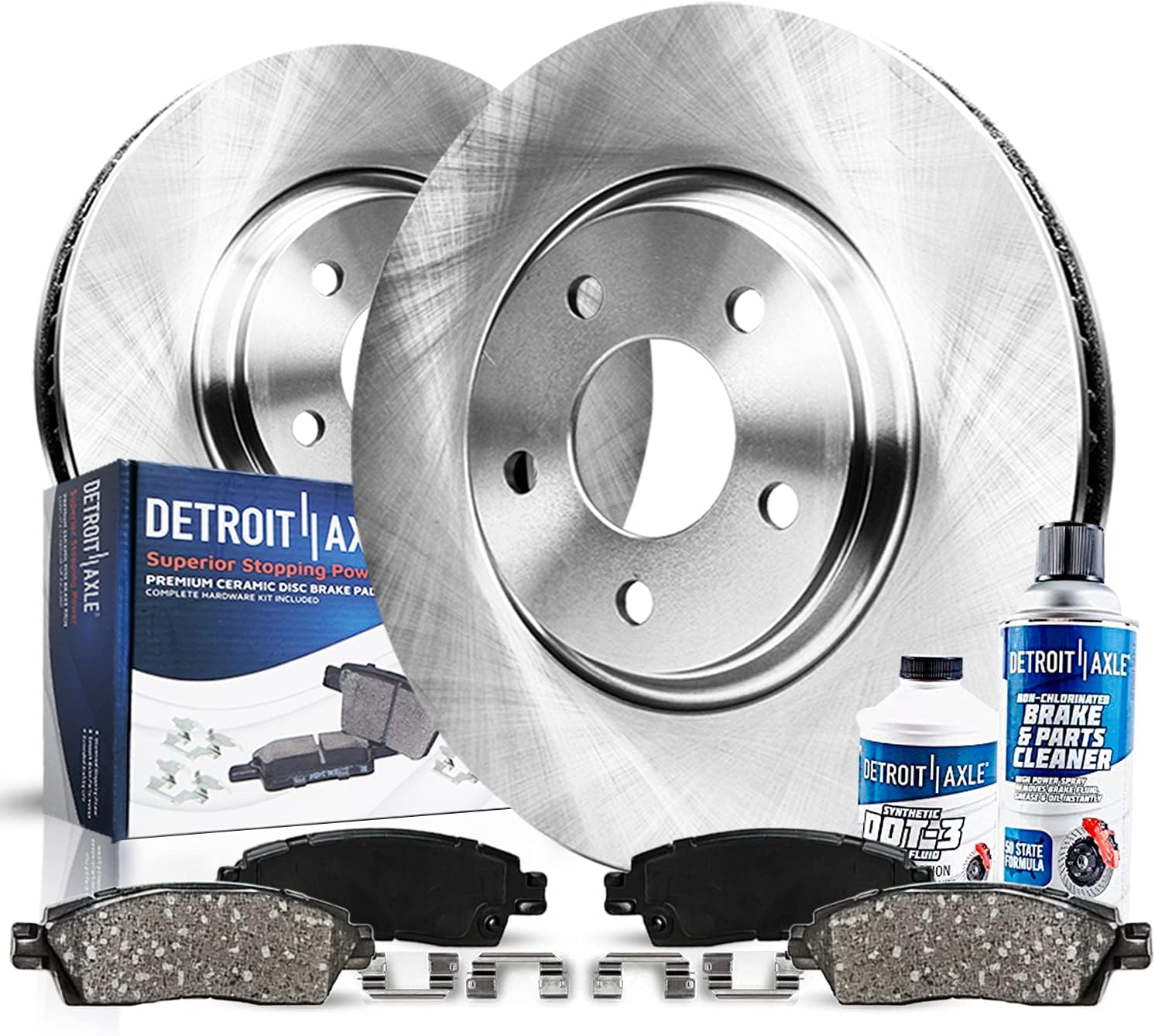
6. Detroit Axle Front Brake Kit with 10.87" Rotors and Ceramic Pads
| Fitment rotor size | 10.87 inch (276 mm) front rotors |
|---|---|
| Includes | 2 rotors, 2 pads, brake cleaner, brake fluid |
| Rotor type | Ventilated, zinc plated |
| Pad type | Ceramic |
This Detroit Axle front brake kit supplies everything needed for a front brake job on Mitsubishi Outlander models listed with 10.87 inch (276 mm) front rotors. The kit includes two ventilated rotors that are zinc plated to resist corrosion, four ceramic brake pads with hardware, a can of brake cleaner, and a bottle of brake fluid so you can replace rotors and pads in one visit. Ventilated, machined locating holes and factory-style fitment make installation straightforward and help ensure the rotors seat correctly without modifications. Ceramic pads aim for quieter operation and reduced dust compared with cheaper organic pads. Practical benefits include a full parts-and-consumables package and rotors machined for heat dissipation, which suits routine road use and restores safe stopping performance. Limitations are that this is an aftermarket replacement kit rather than a premium performance package, and some buyers prefer to source brake fluid separately for quality control. Also the included brake fluid quantity is limited and intended only to top off a system during installation.
Best for: Practical optimizer buyers who want a full, budget-conscious brake refresh for a Mitsubishi Outlander that restores safe, quiet stopping with minimal fuss and parts-sourcing.
Less Ideal for: Drivers seeking high-performance or heavy-duty brake upgrades for track use or towing should consider premium rotors and pad compounds instead.
- Complete kit: rotors, pads, hardware, brake cleaner, and brake fluid included for a single front brake job.
- Ventilated, machined rotors with zinc plating improve cooling and resist corrosion for longer life in wet conditions.
- Ceramic brake pads reduce noise and produce less dust than many economy organic pads.
- Designed to match factory locating holes and fitment so installation requires no modifications.
- Aftermarket-grade components that prioritize value over high-performance braking characteristics.
- Included brake fluid is a small supply and may not meet every buyer's quality preference.
- Not a performance-oriented rotor design for track or heavy towing duty.
Verdict A cost-effective, all-in-one front brake kit that makes a practical, low-hassle replacement for Mitsubishi Outlander owners focused on value and reliable daily braking.
7. Max Advanced Brakes Front & Rear Brake Kit for 2017–2020 Mitsubishi Outlander AWD

| Compatible vehicle | 2017–2020 Mitsubishi Outlander AWD |
|---|---|
| Rotor exterior | Cross Drilled |
| Pad type | Carbon-infused ceramic |
| Set contents | 2 front rotors, 2 rear rotors, 8 pads, hardware |
This Max Advanced Brakes kit supplies everything needed for a full brake refresh on a 2017–2020 Mitsubishi Outlander AWD: two front and two rear cross-drilled rotors, eight ceramic low-dust pads, and installation hardware. The drilled rotors are intended to shed heat more quickly and help reduce fade during repeated stops, while the carbon-infused ceramic pads aim to lower dust and reduce low-speed noise for a cleaner wheel appearance and quieter operation. The kit is sold as a vehicle-specific bolt-on set, so installation is straightforward for a competent DIYer or a local shop. Users report good pedal feel and noticeably reduced dust, though some buyers noted surface rust can appear on rotors after wet weather and occasional fitment mismatches if vehicle fitment details are not confirmed. This is a practical upgrade for drivers seeking improved everyday braking performance and cleaner wheels without moving to a track-focused compound.
Best for: Balanced owners who want a straightforward, all-in-one brake refresh that improves daily braking feel, reduces dust, and is suitable for routine city and highway driving.
Less Ideal for: Drivers who need race-spec compounds or extreme high-temperature track performance should choose a dedicated performance rotor and pad combination instead.
- Complete kit includes front and rear rotors, ceramic pads, and stainless hardware for a full axle replacement.
- Cross-drilled rotors improve heat dissipation and help reduce brake fade under repeated stopping.
- Carbon-infused ceramic pads cut visible brake dust and suppress low-speed noise for cleaner wheels and quieter operation.
- Rotors can show surface rust after exposure to moisture if not cleaned or coated.
- Some buyers reported fitment issues when vehicle selection data was incomplete, requiring returns or vendor support.
Verdict A practical, vehicle-specific full brake kit that cleans up dust and improves everyday braking for Outlander AWD drivers, but check fitment carefully and expect normal surface rust over time.
Choosing the Right Mitsubishi Outlander Brake Rotors: Key Factors to Consider
Material and Construction
Rotor material and how the rotor is constructed determine heat capacity, wear characteristics, and resistance to cracking. Cast iron is common for everyday driving because it balances thermal mass and cost, while higher-spec constructions may use specialized alloys or two-piece designs for improved thermal expansion control.
Construction choices also affect how the rotor behaves under heavy braking. Heavier, denser materials absorb more heat but can increase unsprung mass. Lighter or ventilated designs can reduce fade during repeated stops, but construction quality is critical to avoid warping.
Dimensional Accuracy and Runout
Accurate dimensions and minimal lateral runout reduce pedal pulsation and steering vibration. Tolerances on thickness, hat-to-friction-surface concentricity, and face flatness all influence how smoothly the rotor rotates under load.
When tolerances are loose, the rotor can induce uneven pad contact and early wear. Detailed dimensional specs indicate tighter manufacturing control and predict more consistent braking feel after installation.
Surface Finish and Coating
The rotor surface finish directly affects initial bedding and noise. A smooth, uniformly machined face promotes even pad transfer and quieter operation, whereas rough or inconsistent finishes can lead to squeal or uneven wear.
Corrosion-resistant coatings on the hat and non-contact surfaces help prevent rust that can complicate future removal and affect fit. Coatings should not be present on friction surfaces unless specifically designed for that purpose.
Thickness, Minimum Spec, and Wear Indicators
Starting thickness and the manufacturer minimum thickness determine how many service cycles the rotor can tolerate before replacement. A larger starting thickness usually means a longer usable life, but the minimum safe thickness is the true replacement threshold.
Some rotors include chamfers or visual indicators to show wear limits. Knowing how to measure rotor thickness correctly helps you track remaining life and schedule replacement before performance or safety is compromised.
Design Features: Slotted, Drilled, or Smooth
Design choices like slotted or drilled faces influence pad cleaning, gas dissipation, and water shedding. Slotted rotors can help maintain a cleaner pad contact patch and manage high-temperature gas buildup, while drilled rotors can aid in heat dispersion but may be more prone to stress concentration.
For typical daily driving, a smooth ventilated rotor often balances noise, longevity, and performance. The design should match driving patterns: more aggressive stop-start driving may benefit from features that prioritize heat control.
Fitment and Compatibility
Correct fitment to the Mitsubishi Outlander hub, stud pattern, and caliper clearance is essential. A rotor that does not seat properly or that interferes with surrounding suspension components can cause mounting issues, noise, or unsafe braking behavior.
Verify bolt pattern, center bore, overall diameter, and thickness against the vehicle specifications. Proper hardware and, where applicable, directionality markings should be confirmed to ensure straightforward installation.
FAQ
How often should I inspect brake rotors on a Mitsubishi Outlander?
Inspect rotors at every pad change or at least once a year under normal driving conditions. Look for runout, scoring, excessive rust, and thickness below the manufacturer minimum. More frequent checks are advisable if you notice vibration, noise, or reduced braking performance.
Can rotors be resurfaced instead of replaced?
Resurfacing, or turning, can restore a worn rotor if it remains above the minimum thickness and the runout can be corrected. Resurfacing removes material and can temporarily improve surface finish, but excessive material removal shortens rotor life. Many modern rotors are thin enough that replacement is often the safer long-term option.
What are common brake rotor wear symptoms to watch for?
Typical symptoms include a pulsating brake pedal, steering wheel vibration during braking, unusual squeal or grinding noises, and visible scoring or grooves on the rotor face. These signs often indicate uneven wear, warping, or contamination of the friction surface and should prompt inspection.
How do I measure rotor thickness correctly?
Use a micrometer to measure the rotor at multiple points near the braking surface, avoiding the chamfered edges. Compare readings to the manufacturer minimum thickness stamped on the rotor or listed in service literature. If measurements vary significantly around the circumference, that indicates uneven wear or potential runout.
Are slotted or drilled rotors necessary for everyday driving?
For most daily driving, standard ventilated rotors provide adequate performance, longevity, and quiet operation. Slotted or drilled rotors target specific needs like heavy-duty heat management or debris clearing and can increase noise or wear in some cases. Choose design features that match your driving demands rather than trends.
Will a different rotor design affect my brake pad choice?
Rotor design can influence pad bedding and wear patterns. Certain pad compounds pair better with specific rotor finishes and designs, so match pad recommendations to the rotor type when possible. If switching to a different rotor style, allow a proper bedding-in period to establish even pad transfer.
How We Chose the Best Mitsubishi Outlander Brake Rotors
We shortlisted rotors that match Mitsubishi Outlander fitment and that offer consistent machining and material standards. Primary evaluation criteria included rotor material and construction for heat management, dimensional accuracy and runout tolerances for vibration control, compatibility with the Outlander’s hub and caliper clearances, and expected longevity based on thickness and coating.We also considered manufacturing processes such as casting quality and surface finish, corrosion protection to resist pitting, and the availability of replacement hardware where applicable. Noise, vibration, and harshness potential was assessed indirectly via tolerance and finish specifications rather than subjective testing.Excluded items included rotors without explicit fitment for the Mitsubishi Outlander, hybrid or vehicle-specific performance packages that alter fitment, and parts lacking published dimensional specs. The final list focuses on options that meet fit, finish, and durability standards relevant to typical Outlander use cases.
Our full evaluation process is outlined in our review methodology.
Conclusion
Prioritize correct fitment, sufficient starting thickness, and a construction that matches your driving habits when choosing Mitsubishi Outlander brake rotors. Balancing material quality, surface finish, and design features will help maintain consistent braking performance and extend component life.Keep in mind the tradeoffs between heat management and longevity: features that improve high-temperature performance can sometimes increase noise or wear. Regular inspection and correct measurement against minimum thickness specs ensure safe, predictable operation over time.
Explore More:
- Check out all Mitsubishi Outlander parts & accessories
- Explore Brake Rotors Maintenance & Repair Guides
- Explore Brake System
- Browse all Auto Parts
