

Note: This article contains affiliate links. If you click on these links and make a purchase, I may earn a small commission at no extra cost to you. This helps support my research and content. Read my full affiliate disclosure here.
If you want clearer exhaust tone and more efficient flow from your Lexus IS, choosing the right cat-back exhaust system matters. The right system can change sound character, reduce backpressure, and improve throttle response without replacing catalytic converters. This guide shortlists the top options for Lexus IS owners and summarizes why each made the list. We evaluated build material and acoustic profile along with fitment and ease of installation to help you pick the right upgrade. Read on for concise notes on what to expect from each shortlisted option.
Looking for other parts? See all Lexus IS parts & accessories.
Top Picks at a Glance
| Best overall The best all-around choice for most situations | MBRP XP Series 3" Dual Split Rear Race Cat-Back Exhaust System (S7275409) |  |
| Best Quality Built to a higher standard if you want something more solid | SPEC-D Tuning Stainless Steel 4" Tip Catback Exhaust for 2001–2005 Lexus IS300 |  |
| Best Value The sweet spot between price and what you get | Invidia Q300 Cat-Back Exhaust System with Rolled Stainless Steel Tip for Lexus IS250/350 |  |
| Best budget The cheapest option that still gets the job done reliably | MBRP S5236AL 3" Aluminized Steel Single Side Exit Cat-Back Exhaust System |  |
| Highest Rated A top-rated pick with lots of positive feedback | MBRP S5200AL 3" Cat-Back Single-Side Exhaust System (Aluminized Steel) |  |
| Most Popular A crowd favorite that many people choose with confidence | DNA Motoring Stainless Steel Catback Exhaust System for 2001–2005 Toyota IS300 / Lexus IS300 |  |
| Best Seller A high-volume bestseller chosen again and again | DNA Motoring Cat-Back Exhaust System for 01-05 Lexus IS300 (Stainless Steel) |  |
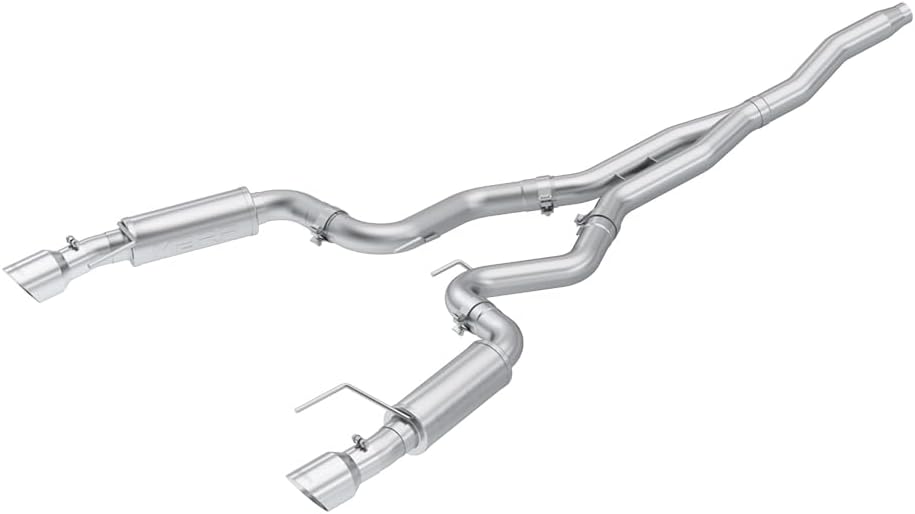
1. MBRP XP Series 3" Dual Split Rear Race Cat-Back Exhaust System (S7275409)
| Brand | MBRP |
|---|---|
| Item model number | S7275409 |
| Series | XP Series (Race) |
This MBRP XP Series cat-back replaces the factory rear exhaust with a mandrel-bent 3" dual-split system tuned for stronger flow and a deeper, more aggressive note. It is a direct-fit bolt-on design that uses OEM hangers and includes clamps and hardware for a straightforward installation on compatible vehicles. In daily driving it tends to stay civilized at cruise but opens up to a throaty growl under throttle, and many owners report minimal highway drone. The mandrel bends and race-oriented muffler architecture are intended to reduce backpressure, which can help throttle response and work well alongside intake or tuning upgrades. Build quality is generally good for the price, though some experienced installers note fitment and weld consistency can vary and tips may require minor adjustment to sit perfectly. Expect a noticeable sound and performance character upgrade, but plan for a competent installation and occasional minor trimming or alignment to get perfect fitment on some cars.
Best for: Balanced buyers who want a significant sound and performance upgrade that still works for daily driving and pairs well with other bolt-on modifications.
Less Ideal for: Anyone needing perfect, show-quality fit and finish or a completely silent factory-like exhaust should consider higher-end systems or custom fabrication instead.
- Bolt-on, no-weld installation using factory-style hangers and supplied hardware
- Mandrel-bent 3" tubing and performance muffler design improves exhaust flow
- Deep, aggressive exhaust note that remains reasonably tame at cruise
- Includes clamps and parts for a complete cat-back replacement
- Fitment and tip alignment have inconsistent reports and may need adjustment
- Material and weld finish are not as refined as higher-end stainless systems
Verdict: A cost-effective cat-back that delivers a muscular sound and better flow for balanced owners, but expect occasional fitment tweaks rather than showroom-perfect finish.
2. SPEC-D Tuning Stainless Steel 4" Tip Catback Exhaust for 2001–2005 Lexus IS300

| Compatible Model Years | 2001-2005 Lexus IS300 |
|---|---|
| Material | T-304 stainless steel |
| Tip Diameter | 4 inches |
| Piping Diameter | 2.5 inches |
| Silencer | Removable |
This SPEC-D Tuning cat-back replaces the rear section of the IS300 exhaust with mandrel-bent T-304 stainless piping, a removable silencer, and a 4-inch titanium burnt tip for a deeper, sportier tone. It is intended for owners who want a louder, more aggressive exhaust note and a modest power bump; the listing claims up to 15 additional horsepower. The kit ships with gaskets, hangers, and bolts but does not include installation instructions, so professional installation or solid mechanical experience is recommended. Real-world feedback shows it can deliver a strong, throaty sound and looks noticeably upgraded, but fitment varies: some buyers reported alignment issues that required bending pipes, hanger adjustments, or shop labor to finish the install, and a few found the tip sits close to the bumper. Build quality is generally good for the price thanks to T-304 construction and CNC bending, though cosmetic defects and minor rust have been reported on rare units. This is a budget-friendly performance option that needs careful fitting to get the intended result.
Best for: Performance-oriented buyers who prioritize a louder, more aggressive exhaust sound and improved exhaust flow for their Lexus IS300 and are willing to pay for installation or do fabrication to achieve proper fitment.
Less Ideal for: Buyers seeking a guaranteed bolt-on, factory-exact replacement or those who want a completely plug-and-play install without any adjustments should consider more expensive, vehicle-exact systems or dealer-level options.
- T-304 stainless steel and CNC mandrel bends for better flow and corrosion resistance
- Removable silencer lets you tune sound level between louder and quieter setups
- Includes gaskets, hangers, and bolts for a mostly complete installation kit
- Vehicle-specific design aimed at 2001–2005 Lexus IS300 to match exhaust routing and appearance
- Fitment can be inconsistent and may require professional adjustment or fabrication to align flange and hangers
- Some units have arrived with cosmetic damage or surface rust out of the box
Verdict: A budget-friendly stainless steel cat-back that delivers a louder, deeper tone and improved flow for the 2001–2005 Lexus IS300 when fitment is finished correctly.
3. Invidia Q300 Cat-Back Exhaust System with Rolled Stainless Steel Tip for Lexus IS250/350

| Vehicle fitment | 2013-Up Lexus IS250/350 |
|---|---|
| Pipe size | 60mm (2.4") |
| Tip size | 110mm (4.3") |
| Construction | SUS304 stainless steel |
The Invidia Q300 cat-back replaces the factory rear exhaust on 2013-up Lexus IS250/350 to free up flow and change the car's tone. It uses mandrel-bent SUS304 stainless piping, CNC flanges and robot TIG welding for a factory-quality finish and durability, with rolled double-wall stainless tips for a polished look. The flat-bottom muffler and continuous piping are intended to reduce back pressure and offer modest horsepower and torque gains while producing a deep, sporty sound with little drone at cruising speeds. Installation is typical for a bolt-on cat-back and reviewers report straightforward fitment on compatible IS models, though some shoppers note this kit is an axle-back and a separate mid-pipe may be needed for a louder sound or additional gains. If you want a noticeable, refined tone without extreme volume and prefer OEM-level build quality, this system delivers; buyers seeking maximum horsepower or an aggressive track sound should plan on additional piping or tuning.
Best for: Practical optimizers who want a solid, factory-quality sound upgrade and improved flow on a Lexus IS250/350 without chasing maximum power or excessive volume.
Less Ideal for: Buyers focused on extracting the most horsepower gains, aggressive track noise, or a full exhaust replacement should consider systems that include the mid-pipe or aftermarket tuning instead.
- Constructed from SUS304 stainless steel with mandrel bends for durability and consistent flow
- CNC-machined flanges and Robot TIG welding for precise fit and factory-quality finish
- Flat-bottom muffler and continuous piping provide a deep, sporty tone with minimal cruise drone
- Rolled double-wall stainless tips improve appearance and resist corrosion
- Listed as an axle-back configuration for some listings, which may require purchasing a mid-pipe separately for a fuller sound or more power
- Not targeted at extreme power gains compared with full exhaust systems or systems paired with tuning
Verdict: A well-built, factory-quality cat-back that gives Lexus IS250/350 drivers a refined, deeper tone and modest performance improvement without excessive noise or complexity.
4. MBRP S5236AL 3" Aluminized Steel Single Side Exit Cat-Back Exhaust System

| Material | Aluminized steel |
|---|---|
| Gauge | 16 gauge |
| Exit | Single side exit |
| Model | S5236AL |
This MBRP cat-back system replaces the factory exhaust from the catalytic converter back with heavy gauge aluminized steel piping and a single side exit tip. It is intended to deliver a richer, deeper exhaust note, modest gains in torque and horsepower, and small fuel-economy improvements in real-world driving. Typical installation uses common hand tools and can be completed by a competent DIYer or a shop; components are preformed to fit as a direct replacement for the intended vehicle. Notable features include 16-gauge aluminized construction and seam protection to improve corrosion resistance compared with bare steel, plus polished stainless-style tips for a finished look. Practical benefits are improved throttle response and a more satisfying sound without large mechanical changes. Limitations are its aluminized steel construction is not as long-lived as full stainless systems and may show surface wear over many seasons in harsh climates, and sound preference is subjective so it may be louder than OEM at higher rpm.
Best for: Budget-conscious buyers seeking a cost-effective way to add sound and modest performance gains to a Lexus IS while keeping installation simple and factory-style fitment.
Less Ideal for: Drivers who prioritize maximum corrosion resistance or a completely quiet factory-like cabin should consider higher-end stainless systems or tuned mufflers instead.
- Direct-fit cat-back design for straightforward replacement installation
- 16-gauge aluminized steel construction offers better corrosion protection than plain steel
- Delivers a richer exhaust tone and small gains in torque and fuel economy
- Polished single-side tip provides a finished appearance without extra parts
- Aluminized steel is less corrosion-resistant long-term than full stainless steel
- May be louder than factory exhaust at higher RPMs, which could be undesirable for some drivers
Verdict: A wallet-friendly cat-back that adds sound and modest performance with improved rust protection versus plain steel, but it is not as durable as stainless options.
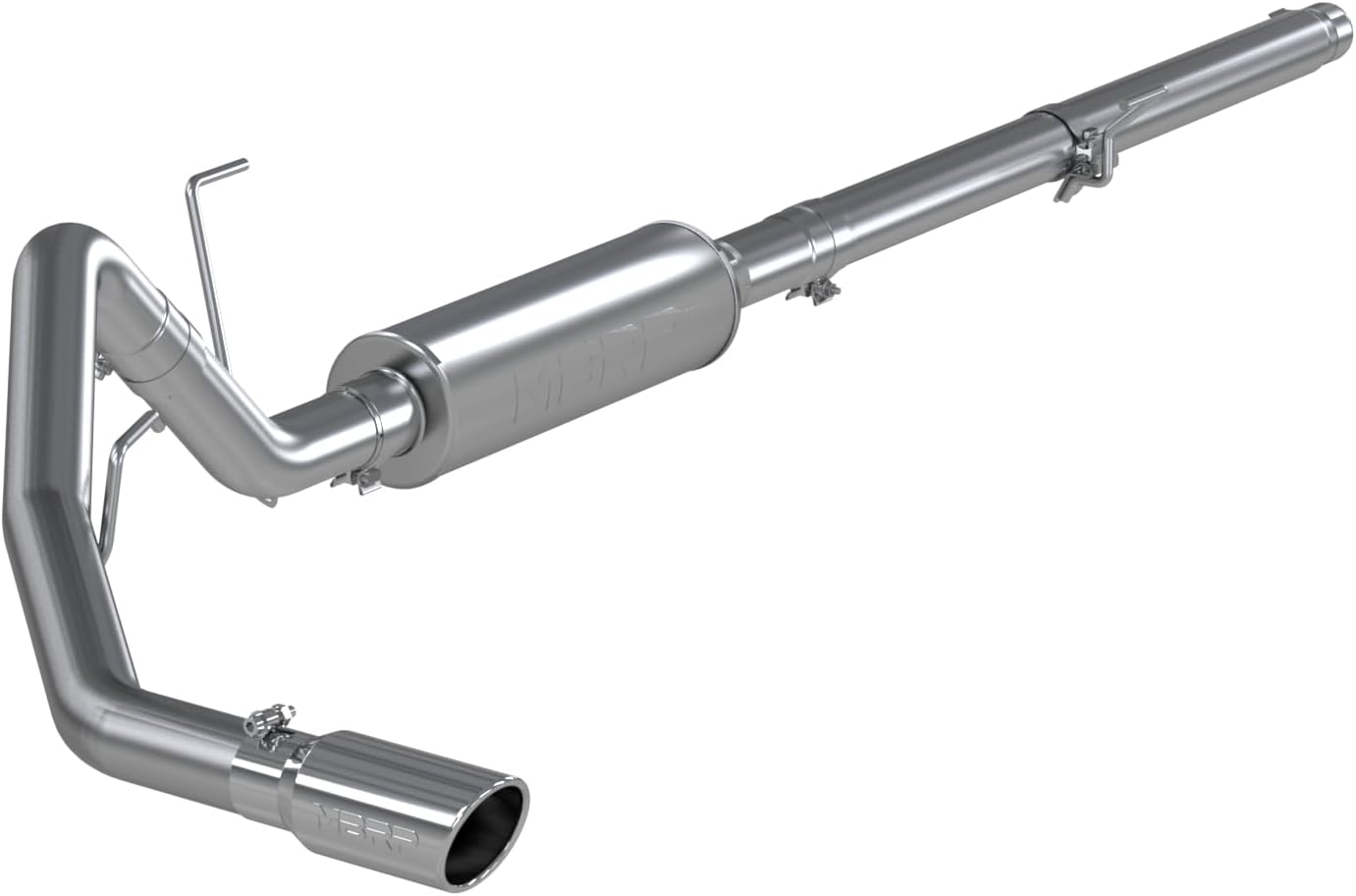
5. MBRP S5200AL 3" Cat-Back Single-Side Exhaust System (Aluminized Steel)
| Installation Type | Clamp-On |
|---|---|
| Finish Type | Aluminized |
| Manufacturer | MBRP |
This MBRP Installer Series cat-back is a clamp-on exhaust system built from heavy-gauge aluminized steel to offer performance improvements without the cost of stainless options. It replaces the factory back section with a 3-inch single-side layout that bolts to existing hangers and uses supplied clamps for a no-weld installation. In practice the system delivers a noticeably deeper, throaty exhaust note and can improve throttle response and highway fuel economy by a small margin thanks to reduced backpressure. The aluminized finish and sealed seams are intended to resist corrosion better than thinner competitors, making it a practical choice for long-term use. Trade-offs are the potential for highway drone on some vehicles and the aluminized steel will not match stainless for long-term rust resistance in very salty environments. Installation may require cutting and occasional adjustment to align hangers, so a competent installer or a well-equipped DIYer is recommended.
Best for: Reliability-focused buyers who prioritize a cost-effective, bolt-on performance upgrade that improves sound and drivability while offering better-than-cheap corrosion protection.
Less Ideal for: Drivers seeking long-term stainless steel durability in coastal or heavily salted-road areas or those who need a completely drone-free highway experience should consider other options.
- Bolt-on clamp-on design fits existing hangers for mostly straightforward installation
- Heavy gauge aluminized steel with sealed seams for improved corrosion resistance over cheap kits
- Tuned to produce a deeper, throaty exhaust tone and better throttle response
- Includes clamps and necessary hardware so no additional parts are required for typical installs
- Aluminized steel is less corrosion-resistant than stainless in harsh, salty climates
- Some users report a noticeable drone at highway speeds on certain vehicles
Verdict: A practical, budget-conscious cat-back that brings stronger sound and modest performance gains with installer-friendly clamp-on fitment, but not as corrosion-proof as stainless.
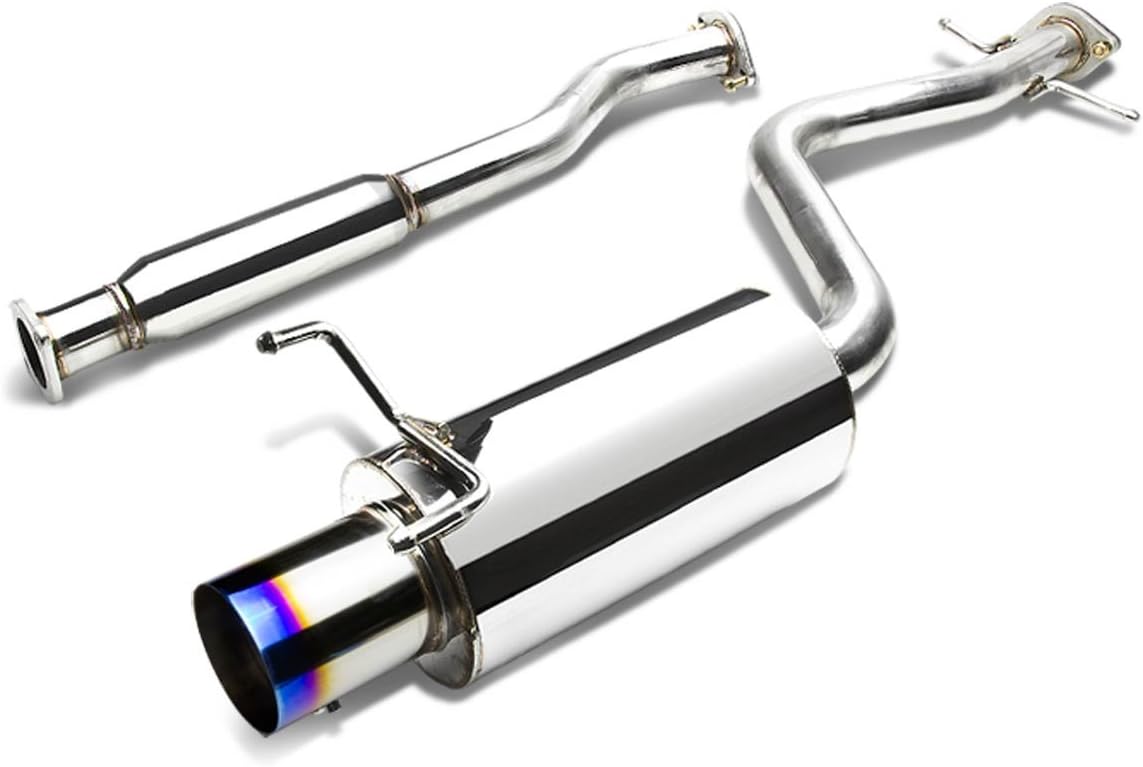
6. DNA Motoring Stainless Steel Catback Exhaust System for 2001–2005 Toyota IS300 / Lexus IS300
| Compatible with Vehicle Type | 2001-2005 Toyota IS300 Altezza XE10 |
|---|---|
| Material Type | Stainless Steel |
| Included Components | 1 x Catback Exhaust System |
This DNA Motoring cat-back replaces the factory rear exhaust on 2001–2005 IS300/Altezza XE10 models to free up flow, sharpen sound, and add a more aggressive look. Made from T-304 stainless steel with mandrel bends and TIG-welded flanges, it is intended to reduce backpressure and provide a deeper, throaty tone while offering a claimed dyno gain in low-end torque and horsepower. Typical use is direct replacement of the axle-back and rear midpipe sections; installation usually requires basic exhaust tools and in some cases light modification or adjustment of hangers and bumper clearance. Buyers report strong weld quality and satisfying sound for the price, though fitment can be variable and professional installation is recommended if alignment issues arise. The system ships with gaskets and hardware but not step-by-step instructions, so expect to rely on a shop if you want a plug-and-play experience. This is a practical performance upgrade for owners seeking improved sound and usable power without a high-end price tag, accepting occasional fitment tweaks during install.
Best for: Convenience-driven buyers who want a straightforward performance and sound upgrade without spending on premium brands and who prefer a product that mostly bolts on with minimal extra parts.
Less Ideal for: Drivers who require guaranteed factory-accurate fitment or a fully bolt-in, no-adjustment install should consider higher-end, vehicle-specific systems or professional-made options instead.
- Constructed from T-304 stainless steel with mandrel bends for corrosion resistance and smoother flow
- TIG-welded CNC flange to reduce leaks and improve sealing at junctions
- Designed to reduce backpressure and produce a deeper, aggressive exhaust tone
- Includes gaskets and hardware so fewer additional parts are needed for installation
- Dyno-claimed gains in low-end torque and horsepower for improved driveability
- Fitment is inconsistent across reports so some vehicles require fabrication or hanger adjustment
- Installation instructions are not included which can complicate DIY fitting
Verdict: A budget-friendly T-304 stainless cat-back that sharpens sound and frees up low-end power for 2001–2005 IS300/Altezza owners.
7. DNA Motoring Cat-Back Exhaust System for 01-05 Lexus IS300 (Stainless Steel)

| Compatible Configuration | 01-05 Lexus IS300 Altezza XE10 |
|---|---|
| Material Type | Stainless Steel (T-304) |
| Inlet Connection Size | 3 Inches |
| Included Components | 1 x Catback Exhaust System |
This DNA Motoring cat-back replaces the rear section of the IS300 exhaust to reduce backpressure, sharpen the sound, and claim a measurable horsepower gain. It is built from T-304 stainless steel with mandrel bends and TIG-welded flanges, so the system resists corrosion and holds up to routine driving. Typical use is direct replacement of the factory axle-back and muffler, delivering a deeper, throatier tone and the vendor states a dyno-proven 15–25 hp increase at the low end. Buyers should expect a louder, sportier exhaust note and improved exhaust flow that can translate to better throttle response. Fitment reports are mixed: many owners fit it with minor trimming or hangar adjustments, while others found alignment or flange fit issues that required shop work. The kit does not include universal hangers and some customers trimmed bumper or modified factory fittings during installation. For a risk-averse buyer this is a cost-effective way to get a performance sound and improved flow, but plan for potential fitment tweaks or a professional install.
Best for: Practical, risk-averse Lexus IS owners who want a factory-style performance upgrade that improves sound and low-end response without pursuing extreme tuning changes.
Less Ideal for: Buyers who demand perfect bolt-on fitment without any adjustments or those who want a quiet, near-stock exhaust will be better served by higher-end, vehicle-specific systems or dealer replacements.
- T-304 stainless steel construction with mandrel bends for corrosion resistance and strength
- Designed to increase low-end horsepower and torque according to brand dyno claims
- TIG-welded flanges and larger piping aimed at reducing exhaust backpressure
- Produces a deeper, more aggressive tone that many owners prefer
- Fitment is inconsistent for some vehicles and may require trimming or shop adjustments
- Does not include replacement hangers and may need additional hardware for installation
- Some buyers reported misaligned tips or interference with bumper requiring modification
Verdict: A budget-friendly stainless steel cat-back that adds a stronger exhaust note and claimed low-end power gains for 01–05 Lexus IS300s, but expect possible fitment work during installation.
Choosing the Right Lexus IS Cat-back Exhaust System: Key Factors to Consider
Material and Corrosion Resistance
The construction material determines long-term durability and how well the system resists corrosion in wet or salted-road conditions. Stainless steel alloys are common because they provide a good balance of cost and resistance to rust, while higher-grade metallurgy can last longer under coastal or winter use. Material also affects thermal behavior and weight. Thicker tubing and mandrel bends maintain cross-section and minimize flow losses over time. Consider coatings and weld quality as part of material assessment, since poor welds or thin flanges can become stress points that lead to leaks or failure.
Sound Character and Muffler Design
Sound is often the main reason owners choose a cat-back system, so evaluate how muffler design shapes tone across RPM ranges. Straight-through designs tend to produce louder, sharper notes and increase rasp, while chambered or baffled mufflers usually yield a deeper, more refined tone that is quieter at cruising speeds. Think about how you use your car: daily driving demands a controlled, neighbor-friendly sound, while occasional spirited driving may benefit from a more aggressive profile. Also consider drone at highway speeds; some designs amplify certain frequencies, which can affect comfort on long trips.
Fitment and Alignment
A properly fitting system reduces installation time and minimizes the need for adjustments. Look for systems that match factory hanger locations, flange dimensions, and exhaust routing to avoid interference with suspension or heat-sensitive components. Good alignment prevents premature wear at mounting points and helps maintain a sealed, leak-free system. Exact fitment also affects ground clearance and tip placement. Poorly aligned tips can look awkward or increase the chance of contact with parking curbs and speed bumps, so verify vehicle-specific fit details before choosing a system.
Backpressure and Flow Characteristics
Cat-back systems alter the pathway for exhaust gases, which changes backpressure and flow. Systems with smoother mandrel bends and consistent tubing diameter typically reduce restriction and encourage scavenging, which can improve engine responsiveness. However, overly large diameters on smaller engines can reduce low-end exhaust velocity and hurt drivability. Balance flow with the engine's displacement and tuning; the goal is to improve mid- and high-RPM breathing without introducing lag or losing torque where you use the car most.
Installation Complexity and Hardware
Installation ranges from basic bolt-on to jobs requiring cutting or welding. Systems that include factory-style gaskets, bolts, and hangers are generally quicker to install and simpler for DIYers. Consider whether you have access to common tools and a safe work area, or whether you will need professional installation. Also check instructions and presence of hard-to-find hardware. Reduced installation complexity lowers labor costs and the risk of incorrect assembly that could cause leaks or rattles down the line.
Maintenance, Warranty, and Support
A solid warranty and accessible customer support can protect your purchase if corrosion or manufacturing defects appear. Warranty length and coverage terms vary and may include protection for finish, welds, or structural failure. Confirm what is covered and how claims are handled. Maintenance considerations include how easy the system is to inspect and clean, and whether replacement components like hangers or gaskets are readily available. Choose a system where replacement parts and service information are reasonably accessible.
How We Chose the Best Lexus IS Cat-back Exhaust System
We focused on systems designed specifically to bolt on behind the catalytic converter for the Lexus IS, selecting options that balance durability, sound, and fitment. Key evaluation criteria included construction material and corrosion resistance, the exhaust routing and muffler type for targeted sound, flange and hanger alignment for factory-style fitment, and compatibility with factory electronics and sensors. We also assessed ease of installation based on typical bolt-on procedures and availability of hardware, plus documented warranty and manufacturer support for peace of mind. Excluded items included full exhaust systems that replace catalytic converters, universal-fit mufflers that require major fabrication, and parts intended for racing-only use. Our process prioritized systems that preserve emissions hardware and that are realistic for street-driven Lexus IS models, rather than aftermarket pieces that need extensive modification.
Our full evaluation process is outlined in our review methodology.
FAQ
Will a cat-back exhaust system fit my Lexus IS without modification?
Many cat-back systems are designed to match factory mounting points and require minimal modification. Fitment depends on the exact model year and submodel of the Lexus IS, so check the manufacturer's fitment notes. Installation that preserves hangers, flanges, and sensor locations usually avoids cutting or welding.
How does a cat-back system affect sound and drivability?
A cat-back system primarily changes sound character by altering muffler design and tubing layout. It can make the exhaust note deeper or more aggressive and may reduce backpressure to improve throttle response. The overall effect depends on muffler type and pipe diameter; properly matched systems tend to improve responsiveness without harming low-end torque.
Is professional installation recommended for a cat-back exhaust?
Professional installation is recommended if you lack tools or experience, especially when hangers need alignment or if the system requires removal of factory components. Many systems are bolt-on and achievable for experienced DIYers, but a shop can ensure correct torqueing, sealing, and alignment to prevent leaks and rattles.
Are there legal or emissions concerns with installing a cat-back exhaust?
Cat-back systems that keep the factory catalytic converter in place typically avoid altering emissions control hardware. Local regulations vary, so confirm that the system complies with noise and emissions rules in your area. Some regions restrict modifications that change sound levels or remove emissions equipment.
How do I choose the right pipe diameter for my Lexus IS?
Pipe diameter should match the engine's displacement and tuning goals. Smaller diameters preserve low-end exhaust velocity and responsiveness, while larger diameters help high-RPM flow. Aim for a balanced diameter that supports your driving style without creating excessive drone or losing low-end torque.
What maintenance should I expect after installing a cat-back system?
Inspect hangers, clamps, and welds periodically for corrosion or loosening. Clean visible tips to preserve finish and check for exhaust leaks at joints after the first few heat cycles. Keeping fasteners tightened and addressing small issues early will extend the system's service life.
Conclusion
When choosing a cat-back exhaust system for a Lexus IS, prioritize build material, sound profile, and vehicle-specific fitment. Those factors have the biggest effect on longevity, comfort, and day-to-day drivability. Balance desired sound with practical concerns like highway drone and installation complexity to find a system that meets your driving preferences. Remember that tradeoffs exist: louder, straight-through systems often sacrifice comfort, while chambered designs may preserve civility at the expense of maximum volume. Focus on the criteria above to select the right compromise for your needs.
Explore More:
- Check out all Lexus IS parts & accessories
- Explore Cat-back Exhaust Systems Maintenance & Repair Guides
- Explore Exhaust & Emissions
- Browse all Auto Parts
