

Note: This article contains affiliate links. If you click on these links and make a purchase, I may earn a small commission at no extra cost to you. This helps support my research and content. Read my full affiliate disclosure here.
If your Subaru Forester struggles to start or produces a clicking noise when you turn the key, choosing the right starter motor matters for dependable daily driving. You want a unit that fits your Forester precisely, delivers enough torque to crank the engine consistently, and holds up to the demands of cold starts and repeated use.This guide shortlists six top starter motors specifically for Subaru Foresters. We evaluated candidates on fitment accuracy, torque and engagement reliability, build quality, and ease of installation to help you narrow the field. Read on to see which features matter most and which tradeoffs to expect before you inspect individual options.
Looking for other parts? See all Subaru Forester parts & accessories.
Top Picks at a Glance
| Best Reviewed A top-rated pick with lots of positive feedback | A-Premium 12V 1.2KW Starter Motor, 9-Teeth Counterclockwise, Compatible with Subaru |  |
| Best Quality Built to a higher standard if you want something more solid | Denso First Time Fit Starter Motor 280-0336 |  |
| Best Budget The cheapest option that still gets the job done reliably | MISIOEK 12V Starter Motor 1.4 kW, 9-Tooth Compatible with Subaru Forester (Select Years) |  |
| Most Sold A high-volume bestseller chosen again and again | KAX Starter Motor 19273N Compatible with Subaru Forester 2.5L (12V, 1.2kW, 8-tooth, CCW) |  |
| Best Value for Money The sweet spot between price and what you get | SINTLY Starter Motor 17840N — Replacement for Subaru Forester and Select Subaru Models |  |
| Best Overall The best all-around choice for most situations | AOTPAT Starter Motor for Subaru Forester and Impreza (12V, 1.0 kW, 8‑tooth) |  |
1. A-Premium 12V 1.2KW Starter Motor, 9-Teeth Counterclockwise, Compatible with Subaru

| Voltage | 12 Volts |
|---|---|
| Wattage | 1.2 KW |
| Number of Teeth | 9 |
| Rotation | Counterclockwise |
| Applicable OEM Part Numbers | 19268N, 19268, M000T38571, M0T38571, 23300-AA710 |
This A-Premium starter motor is a direct-replacement unit intended to restore reliable starting for compatible Subaru vehicles. It installs in place of the factory starter and is used the same way: mount, connect the battery and solenoid wiring, and verify engagement of the 9-tooth pinion during cranking. Notable features include a 1.2 kW power rating, 12-volt electrical design, and counterclockwise rotation to match Subaru crank orientation. The practical benefit is straightforward: it brings dead or weak-starting engines back to life without needing core exchanges. Buyers should expect typical aftermarket fitment work such as aligning mounting holes and reconnecting factory cables; some installations require partial wheel or splash shield removal for access. The unit is backed by a one-year unlimited-mileage guarantee from the maker, which adds reassurance for reliability-focused owners. It may not match long-term durability of higher-end remanufactured factory-quality units and buyers who want brand-new OEM-level components may prefer an alternative.
Best for: Reliability-focused Subaru owners who prioritize a practical, unquestionable starter replacement to restore dependable starting and prefer a straightforward aftermarket swap backed by a short-term guarantee.
Less Ideal for: Drivers seeking an exact OEM-new unit with the highest long-term durability or those who want a factory remanufactured option with extended proven lifespan should consider other sources.
- Direct-replacement design for compatible Subaru applications simplifies installation
- 1.2 kW power rating provides adequate cranking for standard Subaru engines
- 12V electrical compatibility fits factory charging systems
- Counterclockwise rotation and 9-tooth pinion match Subaru starter requirements
- One-year unlimited-mileage guarantee offers added peace of mind
- Aftermarket construction may not reach long-term durability of premium remanufactured factory-quality starters
- Some installations require removing the front-left wheel or splash shield for access
Verdict A practical, reliability-minded aftermarket starter for compatible Subaru models that restores dependable starting at a reasonable compromise to long-term OEM-level durability.
2. Denso First Time Fit Starter Motor 280-0336

| Manufacturer | DENSO |
|---|---|
| Phase Type | Three Phase |
| Exterior | Machined |
| Model | DENSO First Time Fit® Starter Motor |
This Denso First Time Fit starter motor is a vehicle-specific replacement intended to restore dependable engine starts for compatible models. It installs like a factory-quality unit and is typically used to replace a failing or noisy starter; customers report straightforward bolt-in fitment and plug-and-play electrical connections. Notable features include machined exterior surfaces and Denso remanufactured quality that follows OEM manufacturing standards, which aims to reduce vibration and deliver consistent engagement. In practical use you can expect quieter cranking and reliable starts under normal conditions, making it a good option when the original starter shows wear or intermittent starting issues. Limitations are that this is a specific-fit replacement so you must confirm exact Forester fitment, and being a remanufactured unit it will match OEM performance but may not provide performance gains beyond factory specifications.
Best for: Performance-oriented buyers who prioritize factory-quality, reliable starting and a direct-fit replacement that restores OEM behavior rather than increasing output.
Less Ideal for: Buyers seeking a high-performance upgrade with increased cranking power or modified starters for cold-climate extreme starts should consider performance-specific options instead.
- Factory-quality remanufacture for consistent starting performance
- Direct-fit design for straightforward installation and OEM-like fit
- Machined exterior and build quality aimed at reducing vibration and noise during cranking
- Remanufactured unit matches factory performance but does not increase starting power or torque
- Fitment is vehicle-specific so verification against your Forester model and year is required
Verdict Choose this Denso starter when you want a factory-quality, direct-fit replacement that restores original starting reliability for your Forester rather than boosting performance.
3. MISIOEK 12V Starter Motor 1.4 kW, 9-Tooth Compatible with Subaru Forester (Select Years)

| Voltage | 12V |
|---|---|
| Rotation | CW |
| Number of Teeth | 9 |
| Power Rating | 1.4 KW |
This MISIOEK starter motor is a straightforward, budget-focused replacement for Subaru Forester models that use a 9-tooth, 12V starter. It installs like a factory-replacement unit and is intended for use on Forester 2003–2016 2.5L naturally aspirated automatics, 2009–2013 2.5L turbo Foresters, and 2014–2018 2.0L turbo Foresters that require a 9-tooth CW starter. The unit is sold new in factory packaging and the manufacturer states it is fully tested before shipping, with a 1 year unlimited-mileage guarantee. In real-world use this means a ready-to-install swap for a failed starter with the same rotation and tooth count, restoring normal starting performance without modifying the vehicle. Limitations to consider are the need to confirm exact year and transmission match before purchase and that higher-output or heavy-duty upgrades are not offered here. Expect a no-frills, cost-conscious replacement that aims to match factory fit and function for the listed Forester models.
Best for: Budget-conscious Subaru Forester owners looking for an affordable, direct-replacement starter to restore reliable starting without extra features or performance upgrades.
Less Ideal for: Drivers seeking a heavy-duty, high-torque starter for frequent cold starts, motorsport use, or nonstandard engine swaps should consider upgraded alternatives.
- Designed to match factory fit for compatible Subaru Forester models with the same rotation and tooth count
- Sold new in original-style packaging and advertised as 100% mechanically tested prior to leaving the factory
- 1 year unlimited-mileage quality guarantee provides short-term coverage after installation
- Compatibility limited to Forester models with the listed 9-tooth, CW starter specification so fit must be verified
- Not positioned as a high-performance or heavy-duty upgrade compared with higher-power aftermarket options
Verdict A low-cost, factory-style replacement starter for Forester models that match the 9-tooth 12V CW specification, offering basic reliability without performance upgrades.
4. KAX Starter Motor 19273N Compatible with Subaru Forester 2.5L (12V, 1.2kW, 8-tooth, CCW)

| Power rating | 1.2 kW |
|---|---|
| Voltage | 12V |
| Number of teeth | 8 Teeth |
| Rotation | CCW |
| OEM number | 19273N |
This KAX starter motor is a direct-fit replacement intended for Subaru Forester 2.5L models from the specified fitment years. It replaces the factory starter and delivers a 1.2 kW, 12V unit with an 8-tooth pinion and counterclockwise rotation so it lines up with Forester engines that use that configuration. Typical use is straightforward swap-in installation to restore reliable cranking when the original starter begins to fail. Notable features called out by the manufacturer include an optimized excitation coil for stronger immediate torque, extensive durability and corrosion testing, and claimed operation across a wide temperature range. In practice that translates to quicker, more consistent starts and a product designed to survive everyday driving conditions. Limitations to note are typical of aftermarket starters: compatibility must be double-checked against your Forester VIN and engine variant before ordering, and some buyers report slightly louder engagement than factory units. Expect a functional, cost-conscious replacement that prioritizes reliable starting rather than quiet or upgraded performance.
Best for: Risk-averse mainstream buyers who want a tested, factory-style replacement to restore dependable starting on a Subaru Forester 2.5L without pursuing performance upgrades.
Less Ideal for: Drivers seeking a quieter, premium remanufactured or high-torque performance starter or those who prefer dealer-sourced factory units for warranty-backed service.
- Direct-fit replacement specified for compatible Forester 2.5L applications
- 1.2 kW 12V rating with 8-tooth CCW pinion matches common factory starter configurations
- Manufacturer testing claims wide temperature tolerance and corrosion/durability validation
- Optimized excitation coil for quicker initial torque and more consistent starts
- May run louder on engagement compared with some factory starters
- Requires confirming exact fitment for year and engine variant before purchase
Verdict A practical, tested direct-replacement starter that restores reliable starting for Subaru Forester 2.5L models if you confirm exact fitment.
5. SINTLY Starter Motor 17840N — Replacement for Subaru Forester and Select Subaru Models
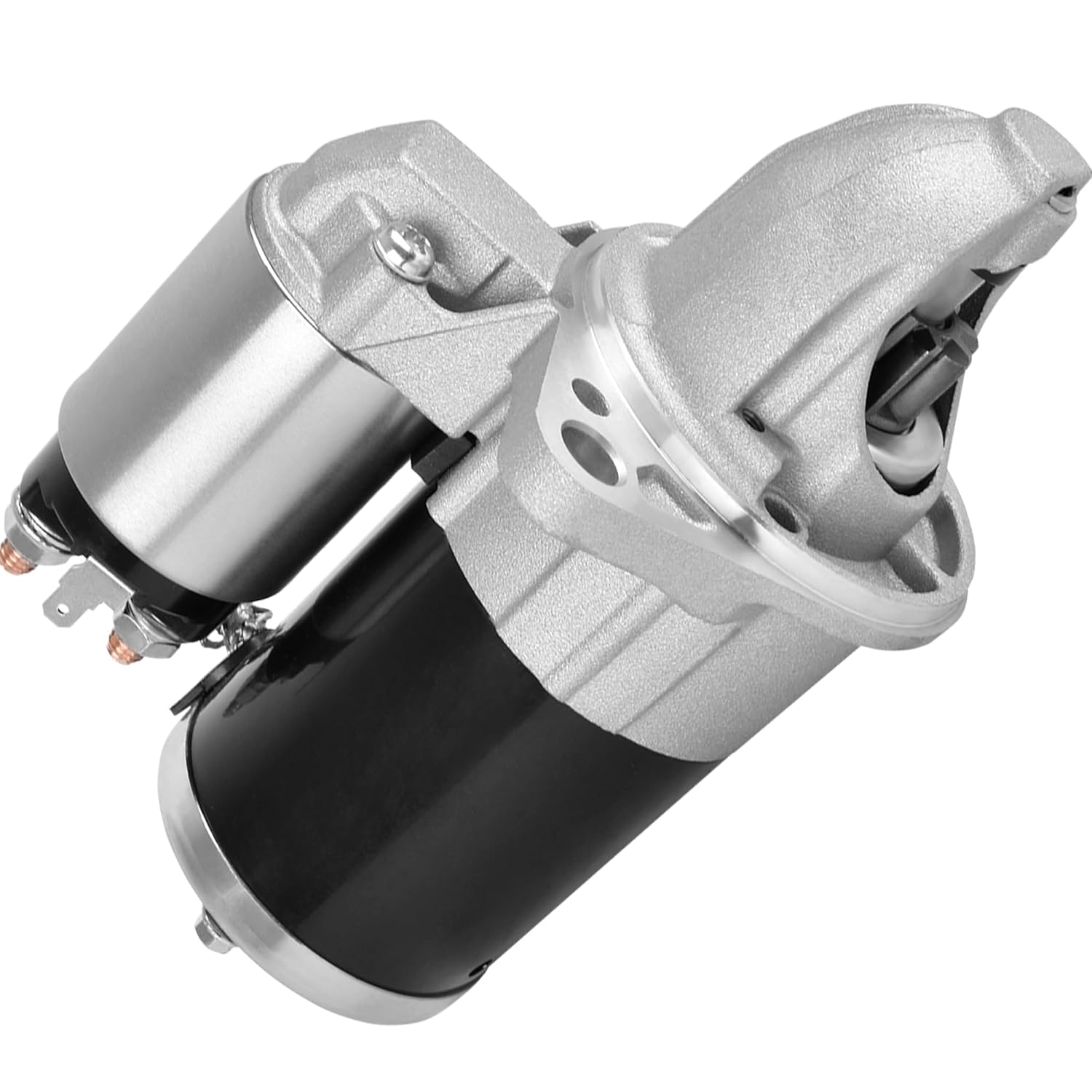
| Power | 1.6 kW |
|---|---|
| Voltage | 12V |
| Teeth | 9 |
| Rotation | Counterclockwise |
This SINTLY 17840N starter motor is a budget-minded replacement designed to restore starting function on compatible Subaru Forester models. It installs like a factory-style unit and is used in the same way as the original starter: mount to the bellhousing, connect the battery and starter wiring, and the solenoid engages the 9-tooth pinion to crank the engine. Notable features called out by the manufacturer are a 1.6 kW power rating, 12V electrical system compatibility, and counterclockwise rotation, which match the requirements for many Forester engines covered by the fitment list. In practice buyers report straightforward fit and reliable starting when new, making it a practical option for owners replacing a failed starter without paying dealer prices. Limitations to consider are mixed long-term durability reports for some units and fewer brand assurances compared with OEM replacements, so professional installation and checking electrical connections are recommended to avoid premature solenoid or drive failures.
Best for: Practical optimizers who want a cost-effective, ready-to-install replacement that gets a Subaru Forester back on the road without the premium of dealer parts.
Less Ideal for: Owners seeking a long-term factory-quality rebuild with comprehensive warranty coverage or those who prioritize OEM-brand assurance over initial cost savings should consider higher-end options.
- Designed to match factory fitment for many Subaru Forester models, simplifying installation
- 1.6 kW, 12V motor provides adequate cranking power for the listed engines
- Direct replacement with 9-tooth pinion and counterclockwise rotation for compatibility
- Lower-cost alternative to factory replacements with generally positive initial user feedback
- Some user reports of early solenoid failures indicate variable long-term reliability
- Limited manufacturer support and fewer warranty details compared with branded factory-quality parts
Verdict A budget-friendly, directly compatible starter for Subaru Forester owners who prioritize immediate value and fitment over long-term OEM-backed assurance.
6. AOTPAT Starter Motor for Subaru Forester and Impreza (12V, 1.0 kW, 8‑tooth)

| Fitment | Subaru Forester 1998–2002 2.5L (manual); Impreza 1993–2003 1.8L/2.2L/2.5L (manual) |
|---|---|
| Power Rating | 1.0KW |
| Voltage | 12V |
| Number of Teeth | 8 |
| Rotation | CCW (Counterclockwise) |
This AOTPAT starter motor is a direct replacement designed for Subaru Forester 1998–2002 2.5L manual transmissions and compatible Impreza model years. It provides the basic function of cranking the engine using a 12V, 1.0 kW drive with an 8‑tooth pinion and counterclockwise rotation, and the listing emphasizes factory‑matching fit and tested production tolerances. Typical use is a bolt‑in replacement when the original starter fails; many buyers report it installs and runs like OEM units. Notable features include manufacturer testing, claimed quiet operation, and an installation design intended for DIY replacement. Practical benefits are lower cost than dealer parts and a straightforward swap for someone working on these Subaru models. Limitations to expect are variable long‑term durability compared with premium branded starters and that some installs can be difficult without the right tools or a lift; a few users reported early failures. If precise OEM fit and long warranty support matter, consider a higher‑end remanufactured or brand‑name alternative.
Best for: Balanced buyers who want a budget‑minded, direct replacement that closely matches factory fit for routine starter failures on the specified Subaru Forester and Impreza models.
Less Ideal for: Buyers who prioritize longest‑possible service life or extended warranty coverage should consider premium remanufactured or OEM‑branded starters instead.
- Designed to match factory mounting and rotation for the specified Subaru Forester and Impreza models
- 12V 1.0 kW power rating suitable for cranking the listed engines
- 8‑tooth pinion and CCW rotation match common Subaru starter specifications
- Manufacturer testing and measured tolerances aimed at straightforward installation and fit
- Reported longevity varies among users compared with premium remanufactured starters
- Some installations are tight and may require a lift or professional help despite the advertised easy install
Verdict A cost‑effective, factory‑match replacement starter for older Subaru Forester and Impreza manuals that delivers OEM‑style fit and performance for buyers balancing price and function.
Choosing the Right Subaru Forester Starter Motor: Key Factors to Consider
Fitment and Compatibility
Exact fitment is essential because starters must align with the engine block, flywheel ring gear, and battery cable locations. A starter that does not match the Forester's bolt pattern or electrical connector can lead to improper engagement, oil leaks, or the need for adapters. Confirming compatibility reduces installation time and eliminates the risk of interference with nearby components such as heat shields or exhaust routing.
Compatibility also covers engine subvariants and model years. Small differences in bellhousing, mounting flange, or pinion geometry can affect performance. Choosing a starter specified for your exact Forester variant minimizes callbacks and simplifies any required wiring or mounting steps.
Torque and Cranking Capacity
Torque rating and cranking capacity determine whether the starter can turn an engine effectively, especially in cold weather or when the engine has higher internal friction. Starters with higher cranking torque reach operating speed faster and reduce strain on the battery and starter solenoid. If you frequently start in low temperatures or have a higher-compression engine, prioritize a starter with robust torque specs.
Manufacturers may publish rated torque or amperage draw under load. These figures help predict real-world performance but remember that electrical system health and battery condition also influence starting success.
Build Quality and Durability
The materials and internal components affect how long a starter lasts. Look for durable housings, quality bearings, and reliable brush assemblies or permanent magnet designs that resist wear. A well-built starter tolerates heat cycling, vibration, and repeated engagement without premature failure.
Robust construction also means better resistance to common failure modes such as worn pinion gears, seized solenoids, or electrical shorts. Longevity reduces maintenance frequency and the chance of being stranded due to starter failure.
Engagement Mechanism and Solenoid Reliability
The engagement mechanism, often controlled by a solenoid, governs how consistently the pinion meshes with the flywheel. Smooth, positive engagement prevents grinding noises, incomplete engagement, or solenoid sticking which can leave the engine inoperable. Solenoid durability is critical because repeated activations can wear contacts or cause intermittent operation.
Evaluate designs that minimize bouncing or delayed engagement and that have proven resistance to moisture and corrosion. A dependable solenoid reduces one of the most common failure points in starter systems.
Electrical Requirements and Amperage Draw
Starters draw significant current at initial engagement. Your Forester's electrical system and battery must supply sufficient amperage; otherwise the starter may spin slowly or fail to engage. Check the starter's rated amperage draw and ensure your battery and cables are in good condition and sized appropriately.
Excessive amperage draw can indicate internal friction or a failing starter design. Choosing a starter with matched electrical demands avoids overtaxing the wiring and reduces the risk of voltage drop issues that affect other systems during starting.
Ease of Installation and Serviceability
Some starters are straightforward bolt-on replacements that require minimal disassembly, while others need removal of nearby components or transfer of sensors and heat shields. A design that allows easy access to mounting bolts, terminals, and the solenoid can shorten repair time and reduce labor complexity. Consider whether common replacement parts such as brushes, solenoids, or mounting hardware are readily available.
Serviceability also includes clear labeling of terminals and eliminating the need for special tools. A service-friendly starter lowers installation mistakes and makes future repairs less costly and faster.
FAQ
What are common symptoms of a failing Subaru Forester starter motor?
Common signs include a clicking noise when turning the key, slow cranking, or no crank at all. You might also notice intermittent starting where the engine starts sometimes but not others. These symptoms often coincide with electrical issues like dimming dash lights during attempts to start.
How can I test a starter motor on a Subaru Forester?
You can start by checking battery voltage and cable connections, then listen for clicks or motor spin when attempting to start. A voltage drop test during cranking reveals if the starter is drawing excessive current. For a definitive test, a bench test by a technician isolates the starter from the vehicle to confirm motor and solenoid function.
Is starter motor replacement difficult on a Subaru Forester?
Difficulty depends on model year and engine layout. Many Forester starters are accessible with basic hand tools, but some require removing protective covers or nearby components. If you are comfortable with basic electrical wiring and under-hood work, the job is manageable; otherwise professional installation can reduce risk of improper wiring or mounting.
What causes a starter to click but not turn the engine?
A clicking sound often indicates the solenoid is engaging but the starter motor is not spinning. Causes include low battery voltage, corroded or loose battery cables, a seized starter, or worn internal components. It can also result from poor electrical connections that prevent sufficient current from reaching the motor.
Can other parts mimic starter motor problems in a Forester?
Yes. Weak batteries, faulty ignition switches, poor ground connections, or alternator issues can produce similar symptoms to a bad starter. Performing basic electrical checks such as battery voltage and cable integrity helps distinguish starter failures from other electrical problems.
How We Chose the Best Subaru Forester Starter Motor
We selected six starter motors for Subaru Foresters using strict fitment and performance filters focused on real-world reliability. Primary criteria included OEM-equivalent fitment to ensure correct bolt patterns and electrical connections, and rated torque or cranking capacity to handle typical Forester engines under cold and hot conditions. We also weighed construction quality such as housing materials, bearing types, and brush or solenoid durability to estimate long-term service life.Additional evaluation points were engagement consistency, meaning the starter reliably engages the flywheel without grinding or sticking, and ease of installation, measured by how many subcomponents need transfer or special tools. Units with unclear compatibility information, missing core specifications, or known widespread fitment problems were excluded. We favored starters with clear replacement parts availability and straightforward installation procedures to reduce repair time and recurring issues.
Our full evaluation process is outlined in our review methodology.
Conclusion
Prioritize precise fitment, sufficient cranking torque, and solid build quality when choosing a starter for a Subaru Forester. Those factors most directly affect reliability, repeatable engagement, and long-term durability.Balance electrical demands with your vehicle's battery and wiring condition, and consider ease of installation to reduce labor and potential errors. Focusing on these tradeoffs will help you pick a starter that minimizes downtime and delivers consistent starting performance.
Explore More:
- Check out all Subaru Forester parts & accessories
- Explore Starter Motors Maintenance & Repair Guides
- Explore Electrical System
- Browse all Auto Parts
