

Looking for the perfect fit?
Select your Nissan Rogue configuration to see the most relevant Oxygen Sensors recommendations
Note: This article contains affiliate links. If you click on these links and make a purchase, I may earn a small commission at no extra cost to you. This helps support my research and content. Read my full affiliate disclosure here.
If your Nissan Rogue is showing rough idle, reduced fuel economy, or an uneasy check engine light related to fuel trim, choosing the right oxygen sensor matters. The correct sensor helps the engine control module get accurate exhaust oxygen readings so fuel delivery and emissions control work as intended. This guide covers six shortlisted options that meet common fitment and performance needs for the vehicle and explains the evaluation criteria we used. Read on to understand the practical differences between sensor types and which qualities matter most when replacing an oxygen sensor on a Nissan Rogue.
Looking for other parts? See all Nissan Rogue parts & accessories.
Top Picks at a Glance
| Best Overall The best all-around choice for most situations | SYKRSS Oxygen O2 Sensor Kit (Upstream 234-9036 & Downstream 234-4382) |  |
| Best Quality Built to a higher standard if you want something more solid | DENSO Downstream Oxygen Sensor for Nissan Rogue 2017–2019 |  |
| Best Value The sweet spot between price and what you get | ISINMOTOR Oxygen Sensor Kit — Upstream & Downstream Direct-Fit for Nissan Rogue 2.5L |  |
| Best Budget The cheapest option that still gets the job done reliably | PUAMRPTS Oxygen (O2) Sensor — Upstream Replacement for 2017–2019 Nissan Rogue/Rogue Sport |  |
| Highest Rated A top-rated pick with lots of positive feedback | Automotive-leader 234-9149 Heated Upstream Oxygen O2 Sensor (4-Wire) for Nissan Rogue 2.5L |  |
| Best Seller A high-volume bestseller chosen again and again | DrCax 234-9148 Upstream Heated Oxygen (O2) Sensor |  |
SYKRSS Oxygen O2 Sensor Kit (Upstream 234-9036 & Downstream 234-4382)

| Brand | SYKRSS |
|---|---|
| Material | Stainless Steel |
| Mounting Type | Plug Mount |
| Output Type | Push-Pull |
| Style | 234-9036 234-4382 |
This SYKRSS kit includes both an upstream (234-9036) and downstream (234-4382) oxygen sensor designed to replace the factory sensors on Nissan Rogue and Altima 2.5L L4 applications. Each sensor installs in the exhaust stream and feeds the engine control unit with oxygen-level data so the ECU can adjust fuel trim and maintain proper combustion. The sensors are stainless steel and marketed as high temperature resistant, which is useful for longevity in the exhaust environment. Practical benefits include restoring fuel economy and stopping check-engine lights caused by failed sensors when fitment is correct. Installation is straightforward for a DIYer comfortable with exhaust work, but the listing warns to let the exhaust cool and to verify plug length and connector compatibility before buying. Limitations are that fitment is vehicle-specific so incorrect connector or length will prevent successful installation, and there is no explicit warranty information in the listing to cover early failures.
Best for: Practical, balanced buyers who want a ready-made replacement kit to repair emission-related drivability or fuel-economy issues on a Nissan Rogue 2.5L and prefer a direct-fit option over sourcing individual parts.
Less Ideal for: Buyers who need broad multi-vehicle compatibility or a guaranteed supplier-backed warranty should consider manufacturer-backed or dealer options instead.
- Includes both upstream and downstream sensors for a complete replacement job
- Stainless steel construction and high temperature resistant materials suited to exhaust conditions
- Direct-fit design intended for specified Nissan 2.5L models which simplifies installation
- Helps restore proper fuel trim and can clear OBD-II codes when compatible
- Compatibility depends on connector length and plug type so mis-match is possible
- No explicit warranty or warranty terms listed with the product information
Verdict: A convenient two-sensor replacement kit aimed at getting a Nissan Rogue 2.5L back to factory-like running when the connector and plug length match the vehicle.
DENSO Downstream Oxygen Sensor for Nissan Rogue 2017–2019

| Mounting Type | Flange Mount |
|---|---|
| Output Type | electrical signal |
| Specific Uses For Product | automotive |
This DENSO downstream oxygen sensor is a direct replacement designed for the Nissan Rogue 2017–2019 and supplies the vehicle computer with exhaust oxygen readings to help manage fuel trim and emissions. It installs at the downstream position and connects as a flange-mounted, electrical-signal sensor that replaces the factory unit without modification. Notable features include factory-quality manufacturing, original-style packaging and hardware, and advertised direct-fit compatibility for the specified Rogue model years. In practice the sensor restores closed-loop fueling and emissions monitoring after an old sensor fails, improving idle stability and catalytic converter diagnostics. Limitations are that fitment is restricted to the downstream location and only to the listed Rogue years, so it is not a universal option for other locations or vehicles. For performance-minded owners this part offers a straightforward way to return sensor accuracy and engine management responsiveness to factory levels without aftermarket tuning changes.
Best for: Performance-oriented owners who prioritize restoring precise engine management and emissions sensing with a factory-quality replacement on a Nissan Rogue 2017–2019.
Less Ideal for: Drivers who need a universal sensor, an upstream pre-catalyst sensor, or compatibility outside the specified Rogue model years should look elsewhere.
- Factory-quality DENSO construction for consistent sensor output
- Direct-fit flange mount designed for straightforward installation
- Includes original-style packaging and hardware for an OEM-like replacement
- Restores accurate downstream O2 readings to support fuel trim and emissions monitoring
- Only fits the downstream position for Nissan Rogue 2017–2019 and is not usable for upstream locations
Verdict: A factory-quality downstream oxygen sensor that restores accurate O2 feedback for Nissan Rogue 2017–2019 to maintain proper fuel control and emissions diagnostics.
ISINMOTOR Oxygen Sensor Kit — Upstream & Downstream Direct-Fit for Nissan Rogue 2.5L

| Brand | ISINMOTOR |
|---|---|
| Material | Stainless Steel |
| Mounting Type | Plug Mount |
| Upper Temperature Rating | 125 Degrees Celsius |
This ISINMOTOR kit provides both the upstream (wideband) and downstream oxygen sensors as a direct replacement for the Nissan Rogue 2.5L. It is used to restore accurate air-fuel ratio feedback to the engine management system and to monitor catalytic converter efficiency, which typically clears related check-engine codes and can improve idle quality and fuel economy after installation. Notable features include factory-style electrical connectors, pre-coated threads for easier installation, and a fast-acting heater to bring the sensor to operating temperature quickly. Materials called out—platinum sensing elements, ceramic internals and 310S stainless protection—support durability in high-heat exhaust environments. Real-world benefits are straightforward: you get a complete emissions-sensor solution in one purchase, fewer compatibility headaches thanks to direct-fit connectors, and a quick return to normal drivability for a fraction of dealership cost. Limitations are typical of aftermarket kits: some users report occasional fitment or functionality failures, and the long-term longevity may not always match higher-cost factory-quality parts.
Best for: Practical optimizers looking to repair a Nissan Rogue 2.5L economically while avoiding dealership pricing and minimizing installation complexity.
Less Ideal for: Drivers seeking the longest possible lifespan or factory-brand assurance should consider higher-end OEM replacement options or dealer parts.
- Includes both upstream and downstream sensors for a complete replacement job
- Direct-fit electrical connectors eliminate splicing and simplify installation
- Pre-coated threads reduce the chance of galling during installation
- Fast-acting heater helps the sensor reach operating temperature quickly to clear codes and restore performance
- Some buyers reported nonfunctional or short-lived units, so quality can vary
- May not match long-term durability of higher-priced factory-quality sensors
Verdict: A cost-effective direct-fit upstream and downstream O2 sensor kit that restores emissions control and drivability on Nissan Rogue 2.5L models, with value-conscious buyers accepting some variability in long-term durability.
PUAMRPTS Oxygen (O2) Sensor — Upstream Replacement for 2017–2019 Nissan Rogue/Rogue Sport

| Brand | PUAMRPTS |
|---|---|
| Material | Ceramic, Metal |
| Mounting Type | Plug Mount |
| Output Type | Analog |
This PUAMRPTS upstream oxygen sensor is a direct-replacement unit intended to swap into 2017–2019 Nissan Rogue and Rogue Sport 2.0 L4 applications to restore the vehicle’s air-fuel monitoring. Typical use is a quick field replacement when a failing sensor triggers a check-engine light or causes rough idle and reduced fuel economy. The listing emphasizes plug-and-play fitment and comes with straightforward installation instructions so a competent DIYer can remove the old lambda sensor and install this unit without specialty tools. Practical benefits include measurable improvement in drivability and fuel trim correction once the new sensor is reporting correctly, and the analog output and claimed measurement accuracy suggest it will behave like a factory-style sensor for engine management. Limitations are inherent to budget aftermarket parts: long-term durability and exact OEM calibration are not guaranteed, and professional diagnostics may still be required if related issues persist after replacement.
Best for: Budget-conscious Nissan Rogue owners who prioritize saving on parts and want a straightforward, do-it-yourself replacement to clear a check-engine code or restore fuel economy.
Less Ideal for: Drivers seeking long-term, guaranteed factory-quality longevity or exact OEM calibration should consider a factory-quality replacement from a major sensor brand or dealer service instead.
- Direct-replacement fit designed for 2017–2019 Nissan Rogue and Rogue Sport 2.0 L4 for straightforward installation
- Analog output and stated measurement accuracy that supports closed-loop fuel control once installed
- Compact, plug-mount design simplifies DIY swaps and reduces labor compared with dealer service
- Aftermarket unit may not match factory lifespan or exact sensor calibration over many years
- Limited runtime and durability information compared with branded OEM replacements
Verdict: A cost-focused, plug-and-play upstream O2 sensor that gets a 2017–2019 Nissan Rogue back to proper closed-loop operation quickly, but may not match OEM longevity.
Automotive-leader 234-9149 Heated Upstream Oxygen O2 Sensor (4-Wire) for Nissan Rogue 2.5L
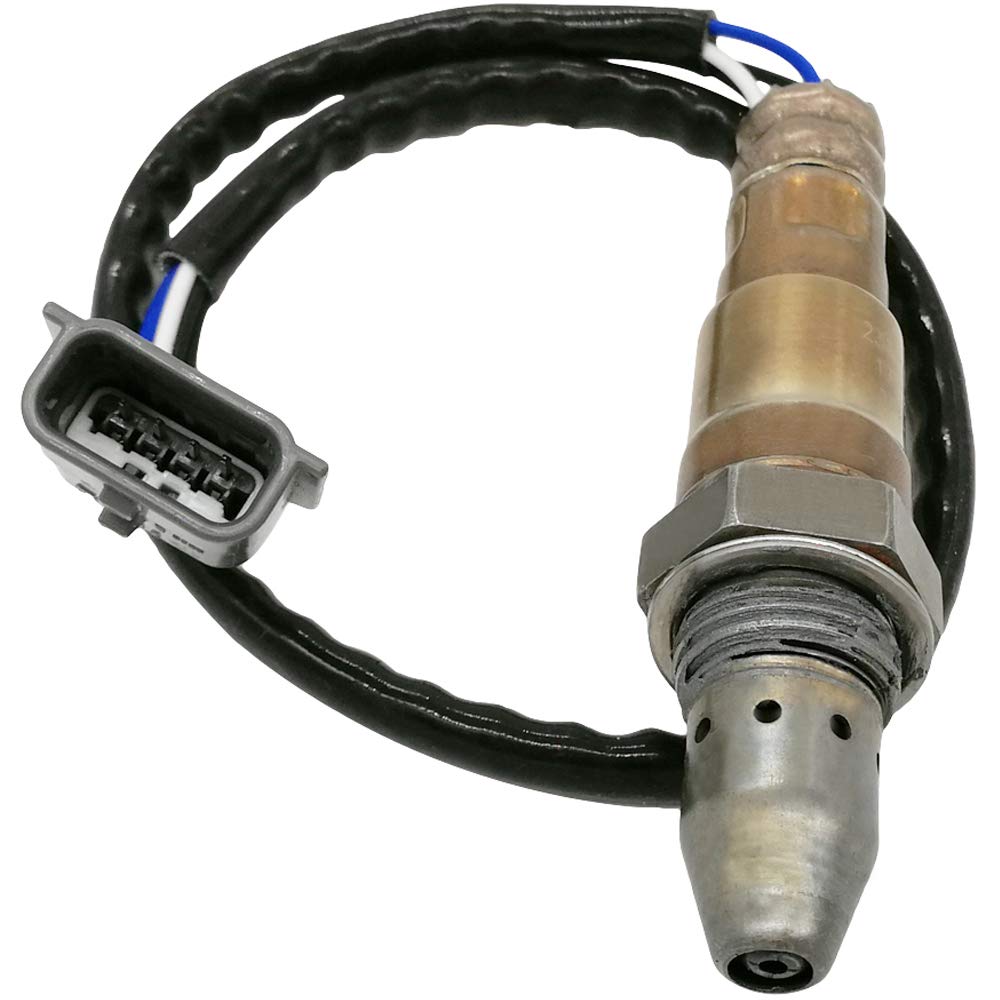
| Sensor Type | Heated |
|---|---|
| Wire Quantity | 4 Wires |
| Placement on Vehicle | Upstream, Front, Pre-cat |
| Wire Harness Length | 11.02 IN |
This Automotive-leader 234-9149 is a 4-wire heated upstream O2 sensor intended as a direct replacement for the front (pre-cat) sensor on 2014–2018 Nissan Rogue 2.5L vehicles. It provides the same basic function as the factory sensor by monitoring exhaust oxygen content and sending an electrical signal to the engine control unit to help manage fuel trim and emissions. Typical use is straightforward: unplug the old sensor, screw in the replacement, and reconnect the harness; the included 11 inch pigtail makes routing practical in the engine bay. Notable features are the heated element for faster warm-up and a 4-wire connection that supports the vehicle's heater circuit and signal/ground. In real-world terms the unit can clear lean/rich fault codes and restore normal fuel control when the original sensor fails, offering a lower-cost alternative to dealer parts. Limitations include variable fitment tolerances between aftermarket connectors and factory plugs and reports of inconsistent connector pin alignment, so careful fit verification before installation is advisable.
Best for: Reliability-focused drivers who prioritize restoring correct fuel control on a Nissan Rogue without paying dealer prices and who prefer a straightforward direct-replacement part.
Less Ideal for: Drivers who want guaranteed factory-quality longevity or who prefer parts supplied directly by the vehicle manufacturer should consider an OEM factory replacement instead.
- Direct-fit design for 2014–2018 Nissan Rogue 2.5L upstream position
- Heated 4-wire sensor for faster warm-up and stable signal at idle
- Includes an 11 inch wire harness for easier routing and connection
- Interchangeable with multiple OEM part numbers listed for cross-reference
- Aftermarket connector alignment can differ from factory plugs, causing fit issues for some vehicles
- Not an OEM part which may mean shorter long-term durability compared with factory-quality sensors
Verdict: A budget-friendly heated upstream replacement built to restore proper fuel trim on 2014–2018 Nissan Rogue 2.5L models but verify connector fit before installation.
DrCax 234-9148 Upstream Heated Oxygen (O2) Sensor

| Brand | DrCax |
|---|---|
| Material | Stainless Steel |
| Measuring Range | 12:1 – 18:1 |
| Output Type | NPN, PNP |
| Upper Temperature Rating | 100 Degrees Celsius |
This DrCax upstream heated O2 sensor replaces the factory upstream oxygen sensor to measure exhaust oxygen and help the engine control unit adjust fuel delivery. It is used at the front bank exhaust location and installs in the original sensor bung with a flange-style mount and standard connector. The sensor includes a heating element for faster warm-up and supports common output types used by modern engine management systems. In practice it restores closed-loop fueling when a failed sensor triggers a check engine light and can improve drivability and fuel economy compared with a worn sensor. Build details list stainless steel construction and an OE-equivalent parts list for fitment verification. Limitations to expect are a basic one-year warranty and mixed user reports on long-term reliability, so this is best for drivers who need a quick, budget-friendly replacement rather than a lifetime performance upgrade.
Best for: Risk-averse mainstream buyers who prioritize restoring proper engine function and avoiding aftermarket surprises will appreciate a direct-fit replacement that matches factory form and connects without modification.
Less Ideal for: Drivers seeking the longest-term durability or performance tuning parts should consider premium branded sensors or OEM replacements with longer documented lifespans.
- Direct-fit upstream sensor with flange mount for straightforward installation on compatible Nissan Rogue engines
- Heated element for faster warm-up and more reliable closed-loop operation during normal driving
- Stainless steel construction that resists exhaust-side corrosion compared with cheaper plated parts
- One-year warranty may be short for buyers seeking longer-term coverage
- Some users report inconsistent long-term performance compared with factory-quality sensors
Verdict: A practical, direct-fit upstream heated O2 sensor that restores factory-style air-fuel sensing on compatible Nissan Rogue setups but may not match premium OEM longevity.
Choosing the Right Nissan Rogue Oxygen Sensor: Key Factors to Consider
Fitment and Connector Compatibility
A sensor that physically fits the exhaust location and plugs into the existing wiring harness saves time and avoids electrical issues. Ensure the sensor matches the Rogue's mounting thread size and connector type so you do not need adapter pigtails or splicing.
Incorrect connector or thread can lead to poor contact, exhaust leaks, or check engine light triggers. Confirming fitment up front reduces installation hassle and prevents repeated returns or rework.
Heater Circuit and Warm-Up Time
Many oxygen sensors include a built-in heater to reach operating temperature quickly. Faster warm-up improves closed-loop fueling sooner after cold starts, which helps idle stability and emissions control.
If the heater circuit is incompatible or fails, the sensor may not produce reliable voltage during warm-up, causing longer open-loop operation and potential drivability issues.
Response Time and Signal Accuracy
A sensor's ability to respond quickly to changes in exhaust oxygen affects how precisely the engine control module can adjust fuel trim. Faster, stable signals help maintain optimal air-fuel ratio across varied driving conditions.
Laggy or noisy signals can cause hunting fuel trims, rough idle, or higher emissions. Look for sensors rated for consistent voltage swings and minimal signal drift over time.
Upstream Versus Downstream Placement
Upstream sensors sit before the catalytic converter and directly influence fuel control, while downstream sensors monitor converter efficiency. Choosing the proper upstream or downstream style for the Rogue's specific bank and location is essential for correct operation.
Installing the wrong placement type can lead to improper feedback to the ECU and persistent trouble codes. Verify which bank and sensor position are required for your vehicle before purchasing.
Durability and Thermal Protection
Exhaust sensors endure extreme heat and corrosive gases. Durable materials, protective sheathing, and robust mounting surfaces extend service life and reduce failure risk.
Sensors that resist contamination and thermal cycling reduce the chance of progressive signal degradation, which otherwise leads to intermittent faults and repeat replacements.
Ease Of Installation and Serviceability
A sensor that is straightforward to access and replace saves labor time whether you install it yourself or have a technician do the job. Features like captive nuts or clear wiring labels make installation simpler.
Also consider whether the sensor uses common thread sizes and torque specifications so standard tools work. Easier serviceability lowers repair time and helps ensure correct installation torque and sealing.
Recognizing Nissan Rogue Oxygen Sensor Symptoms
A failing oxygen sensor on a Nissan Rogue rarely appears out of nowhere. Drivers commonly notice gradual changes before a full failure. Typical symptoms include a persistent check engine light related to the oxygen circuit, rough idling, reduced fuel economy, and sometimes hesitation or stumble under acceleration. Pay attention to new or recurring drivability issues that coincide with the light coming on.
Beyond generic indicators, specific behavior of the engine can help narrow the diagnosis. A Rogue that suddenly runs rich may emit a stronger fuel smell from the tailpipe. Conversely, lean conditions can cause misfires or surging at low speeds. These symptoms often point to incorrect readings from the sensor rather than mechanical fuel delivery problems.
- Persistent check engine light tied to oxygen circuit or fuel trim codes
- Noticeable drop in MPG during usual driving cycles
- Rough idle, stalling, hesitations, or misfire-like feeling
- Strong fuel odor from the exhaust or dark exhaust smoke
Common Diagnostic Trouble Codes and What They Mean
On the Nissan Rogue, the onboard diagnostics will usually set an OBD-II code when an oxygen sensor fails or produces implausible readings. Codes can reference specific banks and sensor positions. One example you may encounter is code P0135, which indicates a heater circuit fault for an upstream oxygen sensor. That code often triggers the check engine light and is a clear indicator to inspect the sensor wiring and connector.
Other codes might indicate slow response, sensor circuit high or low voltage, or fuel trim anomalies. When a code points to bank 1 sensor 1 or another specific location, it helps pinpoint whether the issue is on the side of the engine containing cylinder one and whether the sensor is the one closest to the exhaust manifold or further downstream.
- P0135: heater circuit fault for an upstream sensor
- Codes referencing bank 1 sensor 1 help locate the affected sensor
- Voltage high/low or slow response codes indicate signal problems rather than fuel delivery failures
Where Oxygen Sensors Sit on the Nissan Rogue and How to Identify Them
Knowing the physical location of sensors speeds troubleshooting and replacement. On the Rogue, sensors are typically positioned along the exhaust path so you will find one closest to the exhaust manifold and another further downstream near the catalytic converter. Identifying bank and sensor number from the code will tell you whether the issue is on the engine side with cylinder one or the downstream monitor.
Before attempting any work, locate the exact sensor by consulting the service information for your model year. Visual inspection can reveal obvious problems such as broken wires, heavy soot, or physical damage to the sensor body or threads. Take note of the sensor harness routing and connector style so you can match connectors and replacement parts precisely when purchasing a new unit.
- Upstream sensor is nearer the engine; downstream sits after the catalytic converter
- Use diagnostic codes to determine bank and sensor number
- Inspect wiring and connector routing before removing the sensor
How to Test an Oxygen Sensor on a Rogue
Basic testing can separate a bad sensor from other causes. Start with a live data scan tool to observe the sensor voltage and response time while the engine is warmed up. A functioning narrowband sensor will fluctuate regularly across a voltage range as the ECU adjusts fuel trim. Watching fuel trim and O2 voltage together can reveal whether the sensor responds to changes in engine load and throttle position.
If you do hands-on tests, measure sensor voltage and continuity with a multimeter following safety precautions for a hot exhaust. Backprobe the signal wire and compare readings to expected values in repair documentation. For more precise diagnostics, smoke tests of the exhaust and controlled fuel enrichment can verify sensor reaction. The wider topic of wideband versus narrowband oxygen sensor technology is useful to understand because it affects how the sensor reports air/fuel changes and how you interpret the readings during testing.
- Use a scan tool to watch live O2 voltage and fuel trim while the engine is warm
- Backprobe the signal wire with a multimeter to check for proper voltage swing
- Consider a controlled enrichment test to verify sensor response
Safe DIY Replacement Steps and Installation Tips
If diagnostics point to a failed sensor, replacing it is a common DIY task for the Nissan Rogue if you have basic mechanical skills. Park the vehicle on level ground, allow the exhaust to cool, and disconnect the battery before working on the electrical connector. Unplug the sensor harness at the connector and remove any heat shields or obstructions to access the sensor. Use the correct oxygen sensor socket or a wrench sized for the sensor hex to avoid rounding the hex flats.
When installing the new sensor, apply anti-seize compound to the threads only if the replacement part requires it. Tighten the sensor to the torque specified in the service manual to prevent leaks or thread damage. Reconnect the electrical connector making sure the seal is intact and route the harness away from hot surfaces or moving parts. After installation, clear any stored codes and perform a test drive while monitoring live data to confirm the sensor is operating as expected.
- Allow exhaust to cool and disconnect the battery before disconnecting the sensor harness
- Use a proper O2 sensor socket to remove and install without damaging the sensor
- Follow torque specifications and check wiring routing after installation
- Clear codes and scan for correct operation during a post-install drive
Maintenance, Expected Lifespan, and Cost Considerations
Oxygen sensors are wear items. On a Nissan Rogue you can expect a usable service life measured in tens of thousands of miles, but life varies with driving conditions and fuel quality. Regular inspections during routine service can catch early signs of degradation such as contamination, soot accumulation, or damaged wiring. Replacing a sensor proactively when mileage or performance trends indicate wear helps avoid catalytic converter stress and prolonged poor fuel economy.
When budgeting for an oxygen sensor replacement, consider both parts and labor if you choose a shop. If you plan to handle the install yourself, factor the cost of any specialty tools you might need. Searching for the typical O2 sensor price for the Rogue will give you a ballpark for parts so you can weigh DIY versus professional installation. Keep records of any replacements and note mileage to build a maintenance timeline for future reference.
- Lifespan varies with driving conditions; inspect sensors during routine service
- Proactive replacement can prevent extended poor fuel economy or converter damage
- Consider tool costs when planning a DIY install versus professional labor
How a Failing Oxygen Sensor Affects Emissions and Everyday Driving
A compromised oxygen sensor will impact engine management and emissions control. Incorrect oxygen readings lead the engine computer to overfuel or underfuel, which raises hydrocarbon and carbon monoxide emissions and can reduce catalytic converter efficiency. For the Rogue owner this often shows up as lower MPG and a lingering check engine light, but the downstream effect can include early converter degradation if a rich condition persists.
From a driving perspective, a bad sensor can make the Rogue feel less responsive and smooth. Short trips and cold starts can exaggerate the issue because the engine does not spend enough time in optimal operating temperature ranges. Addressing sensor problems promptly restores better fuel economy and steadier throttle response and limits the risk of additional exhaust system damage.
- Incorrect air fuel readings increase emissions and can harm converter life
- Fuel economy and throttle response commonly decline with sensor failure
- Fixing sensor faults early reduces the chance of more costly exhaust repairs
How We Chose the Best Nissan Rogue Oxygen Sensor
We focused on items that fit the Nissan Rogue and deliver reliable oxygen sensing under real driving conditions. Key evaluation criteria included electrical compatibility with the vehicle wiring and ECU, sensor response time and signal stability, thermal durability for exhaust temperatures, connector and harness match for correct fitment, and ease of installation for typical DIY or mechanic replacement. We also considered long-term reliability based on design features such as protective sheathing and heater circuit robustness where applicable.We excluded parts that required vehicle-specific programming beyond a straight swap or that lacked clear fitment information for the Nissan Rogue. We did not include sensors intended only for racing or heavily modified engines. The final list highlights sensors that balance accurate oxygen readings, durable construction, and straightforward installation for this model.
Our full evaluation process is outlined in our review methodology.
FAQ
What are common signs a Nissan Rogue oxygen sensor is failing?
Common indicators include a persistent check engine light, rough or fluctuating idle, and decreased fuel economy. You might also notice less responsive acceleration or increased emissions. These symptoms often appear gradually and can resemble other engine issues, so diagnosis is usually done with code scanning and signal checks.
Can I replace a Nissan Rogue oxygen sensor myself?
Many people can handle the swap with basic hand tools if the sensor is accessible and the connector matches. Allow the exhaust to cool, use the correct socket or wrench, and follow proper torque recommendations. If you are uncomfortable with electrical connectors or sensor placement, a technician can complete the replacement.
How do I know whether I need an upstream or downstream sensor?
The vehicle's service manual or an OBD-II trouble code will indicate the bank and sensor position that needs attention. Upstream sensors affect fuel control directly while downstream sensors monitor catalytic converter performance. Selecting the correct location type for the code and bank avoids recurring faults.
Will replacing the oxygen sensor clear a check engine light?
Replacing a faulty sensor can resolve the underlying fault and often clears the related trouble code, but some vehicles require a drive cycle or code reset to update readiness monitors. If multiple codes exist or there is damage elsewhere, the light may persist until all issues are addressed.
How is a faulty oxygen sensor diagnosed?
Diagnosis typically involves reading OBD-II codes and observing the sensor's voltage or frequency response with a scan tool or multimeter. Technicians check heater circuit continuity, signal switching behavior, and response to changes in throttle. This approach helps distinguish sensor faults from wiring or ECU issues.
Are all oxygen sensors the same for every model year of Nissan Rogue?
Not always. Sensor type, connector, and thread specifications can vary by model year and engine configuration. Confirm the correct part number or fitment details specific to your Rogue's year and engine to ensure compatibility.
Final Verdict
When selecting a replacement oxygen sensor for a Nissan Rogue, prioritize correct fitment, heater circuit compatibility, and fast, stable signal response. These factors most directly affect drivability, emissions, and the vehicle's ability to maintain proper fuel trims.Balance durability and ease of installation against your expected service life and maintenance preferences. Verifying bank and sensor location before purchasing helps avoid mistakes and gets the vehicle back to steady operation more quickly.
Explore More:
- Check out all Nissan Rogue parts & accessories
- Explore Oxygen Sensors Maintenance & Repair Guides
- Explore Engine
- Browse all Auto Parts
