

Note: This article contains affiliate links. If you click on these links and make a purchase, I may earn a small commission at no extra cost to you. This helps support my research and content. Read my full affiliate disclaimer here.
Picking the right Nissan Rogue radiator hose matters because a failing hose can cause overheating, roadside breakdowns, and costly engine damage. You want a hose that fits correctly, resists heat and coolant exposure, and stays secure under pressure. This guide highlights four shortlisted radiator hoses that meet those practical needs. We evaluated durability, material and construction, and fitment accuracy to narrow the list to dependable options you can consider. Read on for clear factors to weigh before replacing a hose and how the shortlisted items meet common buyer priorities.
Looking for other parts? See all Nissan Rogue parts & accessories.
Top Picks at a Glance
| Best Reviewed A top-rated pick with lots of positive feedback | ACDelco Gold Molded Upper Radiator Hose |  |
| Best Quality Built to a higher standard if you want something more solid | A-Premium Upper Radiator Coolant Hose for Nissan Rogue (2018–2019, Japan-built) |  |
| Best Value for Money The sweet spot between price and what you get | Continental Molded Radiator Hose (66310) |  |
| Best Overall The best all-around choice for most situations | YUNLIANDA 90° 4‑Ply Reinforced Silicone Elbow, ID 1.75" |  |
1. ACDelco Gold Molded Upper Radiator Hose

| Brand | ACDelco |
|---|---|
| Material | Rubber |
| Specific Uses For Product | vehicle cooling systems, automotive applications |
| Manufacturer Part Number | 19163104 |
This ACDelco Gold molded upper radiator hose replaces the factory upper coolant hose and routes coolant between the engine and radiator. It is typically used when the original hose shows wear, cracks, or leaks and needs a direct-fit replacement to restore the cooling circuit. The hose is molded for a specific routing and claims factory-quality fit and function for compatible vehicles, which helps simplify installation and reduces the need for trimming or modification. Built from rubber with ACDelco Gold designation, it emphasizes durability and compatibility with GM-engineered cooling systems while also being offered for other makes. Practical benefits include straightforward swap-in installation, reduced downtime compared with custom or generic hoses, and the backing of a major parts brand. Limitations are that this is a single upper hose rather than a full hose kit and fitment must be confirmed for the specific engine and model year of the vehicle before purchase.
Best for: Practical, reliability-focused buyers who prioritize factory-quality replacements and want a straightforward, long-lasting solution to a failed upper radiator hose.
Less Ideal for: Owners seeking a complete coolant system refresh, a multi-hose kit, or an off-the-shelf universal hose solution should consider other options.
- Molded shape provides direct-fit replacement for intended applications which eases installation.
- ACDelco Gold tier indicates factory-quality design and durability for cooling systems.
- Made of rubber formulated for coolant service to resist common hose degradation.
- Backed as a replacement part for vehicle cooling systems so it matches factory routing.
- Covers only the upper radiator hose function so additional hoses or clamps may be required for a full repair.
- Product listing does not specify Nissan Rogue compatibility so vehicle year and engine must be checked before buying.
- No included hardware or hose clamps are provided in the single-hose package.
Verdict A single molded upper radiator hose that aims to match factory fit and durability for buyers who want a reliable, direct-fit replacement.
2. A-Premium Upper Radiator Coolant Hose for Nissan Rogue (2018–2019, Japan-built)

| Compatible Model | Nissan Rogue 2018–2019 (Japan-built) |
|---|---|
| Engine | L4 2.5L |
| Quantity Sold | One Piece |
| Reference Numbers | 19501RB1000, 254113X600, 23881, 66678 |
This upper radiator coolant hose from A-Premium replaces the factory hose on 2018–2019 Nissan Rogue L4 2.5L vehicles built in Japan. It is sold as a single-piece direct-fit and uses materials the maker says are tested to meet factory-quality standards. Installation is typical for a radiator upper hose: remove the old hose, transfer or replace clamps, and fit the new hose to the coolant neck and radiator outlet. Because it matches OEM reference numbers listed for the Rogue, the hose should line up with factory routing and mounting points without modification. Practical benefits include restoring proper coolant flow and helping prevent leaks or overheating when the original hose shows age or cracks. Limitations are that this listing is for the single upper hose only and does not include clamps or additional hoses, and long-term durability depends on local driving conditions and maintenance; buyers wanting a multi-piece overhaul will need to purchase other hoses separately.
Best for: Performance-oriented buyers who prioritize a factory-quality direct replacement to restore cooling system reliability on a 2018–2019 Nissan Rogue built in Japan.
Less Ideal for: Those planning a full cooling-system refresh or who need a multi-hose kit and hardware should look for a more complete set rather than this single-piece replacement.
- Direct-fit replacement referencing OEM part numbers for Nissan Rogue 2018–2019 Japan-built models.
- Constructed and tested to meet factory-quality standards for coolant hoses.
- Sold individually which makes it simple to replace only the failed upper hose.
- Multiple customer reports confirm correct fitment on late-model Rogue engines.
- Only the single upper radiator hose is included so clamps or additional hoses are not supplied.
- Fitment is limited specifically to Rogue units built in Japan for 2018–2019, so it may not fit all 2018–2019 vehicles.
Verdict A practical, factory-quality direct replacement upper radiator hose for Japan-built 2018–2019 Nissan Rogue owners who want a like-for-like fix.
3. Continental Molded Radiator Hose (66310)

| Material | Epdm |
|---|---|
| Compatible Coolants | Ethylene and propylene glycol-based, long-life coolants |
| Temperature Range | -40F to 275F |
| Meets/Exceeds | SAE 20R4EC Class D1 specifications |
This Continental molded radiator hose is built to channel glycol-based coolants through the cooling system while matching the original routing on the vehicle. Molded for full flow through tight bends, it installs like a factory replacement and helps relieve stress at radiator and component connections. Constructed from EPDM with synthetic knit reinforcement, the hose resists electrochemical degradation and is compatible with common ethylene glycol and propylene glycol long-life coolants, so it performs reliably in normal engine operating temperatures from cold starts up to typical hot conditions. Its molded shape simplifies installation compared with universal hoses and reduces the chance of kinks in confined areas. It is not intended for fuel or oil transfer and like all rubber hoses will eventually age; periodic inspection and replacement remain necessary. For owners wanting a direct, maintenance-focused replacement this delivers the expected fit and coolant compatibility without extra features.
Best for: Practical optimizers seeking a factory-quality, value-focused replacement for a Nissan Rogue who prioritize reliable fit, straightforward installation, and long-term cooling performance.
Less Ideal for: Drivers who want performance upgrades, braided lines, or lifetime components should consider higher-end aftermarket options instead of a direct factory-style replacement.
- Molded shape provides direct fit and full coolant flow through tight bends.
- EPDM construction with synthetic reinforcement resists coolant breakdown and electrochemical degradation.
- Compatible with common long-life ethylene and propylene glycol coolants.
- Temperature-rated for typical engine conditions from -40F to 275F for normal driving environments.
- Not suitable for fuel or oil transfer applications.
- Rubber hose will eventually degrade and requires periodic inspection and replacement.
Verdict A practical, factory-style replacement hose that gives Nissan Rogue owners reliable fit and coolant compatibility at a sensible value.
4. YUNLIANDA 90° 4‑Ply Reinforced Silicone Elbow, ID 1.75"
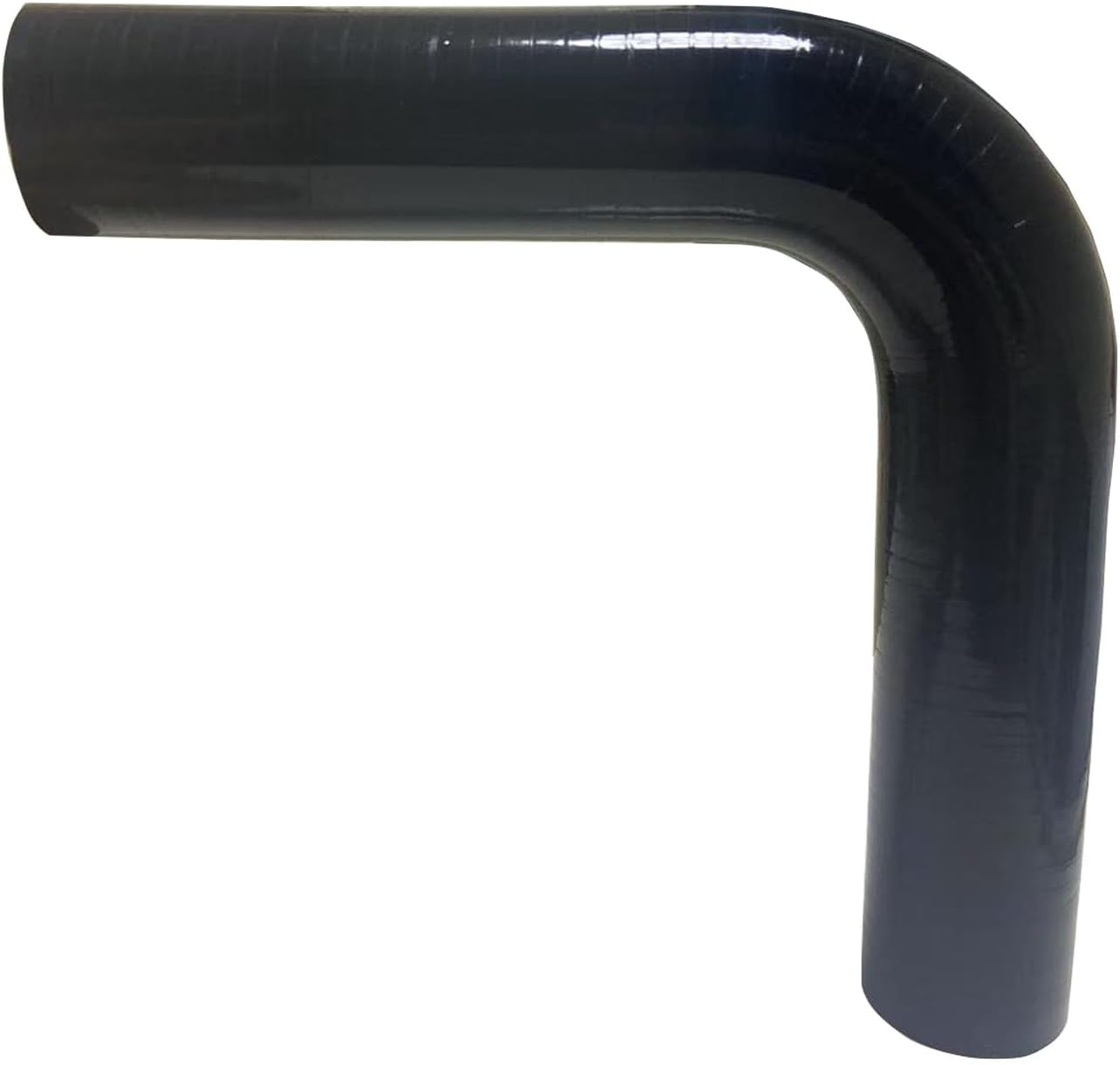
| Material | Silicone Rubber, 4‑Ply reinforced |
|---|---|
| Inner Diameter | ID 1.75" |
| Leg Length | 7 inches |
| Wall Thickness | 0.2 inches |
| Temperature Range | -60 C to 230 C |
This YUNLIANDA 90° silicone elbow is a reinforced coolant/intercooler connector intended to replace a bent or damaged radiator or intake hose on Nissan Rogue models that accept a 1.75 inch ID elbow. It is built from four layers of silicone with heat‑resistant fiber reinforcement, a 0.2 inch wall and a 7 inch leg length, so it resists collapse under vacuum and holds pressure in boosted or high‑temperature running conditions. Typical use is as a radiator or intercooler elbow during repair or custom piping when factory replacement parts are unavailable or when routing requires a 90° bend. Benefits include wide temperature tolerance for engine bay use and a thicker construction that improves durability compared with basic rubber hoses. Limitations are that fit depends on exact Nissan Rogue hose routing and inlet/outlet sizes so trimming or clamps may be needed, and the universal design means it is not a direct factory‑style molded replacement for every Rogue model year or engine variant.
Best for: Balanced owners looking for a durable, serviceable replacement or custom routing solution for a Nissan Rogue who value a reliable, heat‑resistant hose without overspecialized parts.
Less Ideal for: Buyers seeking an exact factory molded radiator hose or a direct plug‑and‑play OEM replacement for a specific Rogue year and engine should look for model‑specific parts instead.
- 4‑ply reinforced silicone construction for improved pressure and heat resistance
- Wide working temperature range suitable for engine bay use
- Thicker 0.2 inch wall reduces collapse under vacuum and improves durability
- 7 inch leg length gives extra material to trim for a clean fit during custom routing
- Universal elbow may require trimming and careful clamping to match Nissan Rogue inlet/outlet fittings
- Not a molded factory‑style piece so routing or clearance differences on some Rogue model years may need adaptation
Verdict A robust, heat‑tolerant universal 90° silicone elbow that works well for Nissan Rogue coolant or custom routing when a flexible, durable connector is needed.
Choosing the Right Nissan Rogue Radiator Hose: Key Factors to Consider
Material and Heat Resistance
The hose material determines how well it tolerates engine heat and coolant chemistry. Higher-grade EPDM rubber or reinforced silicone withstands temperature cycles and exposure to antifreeze without becoming brittle or soft.
Materials that resist ozone and chemical breakdown reduce the risk of cracking and swelling. When assessing materials, look for clear specifications on temperature range and resistance to coolant additives since those details indicate how long the hose will maintain flexibility and sealing performance under typical driving conditions.
Reinforcement and Construction
Reinforcement layers and internal braiding help a hose retain shape under pressure and prevent collapse during vacuum or throttle changes. A hose with proper reinforcement resists bulging at high temperatures and under sustained coolant pressure.
Construction quality also affects how a hose handles repeated heating and cooling cycles. Smooth internal walls promote flow and reduce turbulence, while uniform wall thickness lowers the chance of weak spots that lead to early failure.
Fitment Accuracy and Dimensions
Correct diameter, length, and bend radius ensure the hose routes properly without kinking or rubbing against nearby components. A hose that follows the OEM path reduces stress at clamps and connectors, helping prevent leaks and premature wear.
Confirming connection diameters and overall length against factory specifications avoids installation issues. Fitment accuracy matters most for tight engine bays where even small deviations can cause contact with pulleys, brackets, or sharp edges that cut into the hose over time.
Clamp Compatibility and Connection Design
A hose is only as good as its connection points. Compatibility with quality clamps and well-designed bead profiles at each end helps maintain a tight seal and prevents clamp slippage. Bead or bulged ends give clamps a positive stop to compress against, reducing leak risk.
Consider the available clamp space and whether the hose ends allow for easy installation of screw-type or ear clamps. A connection design that minimizes reliance on excessive clamp torque reduces the chance of crushing the hose while still providing reliable sealing.
Flexibility and Bend Radius
Flexibility affects how easily a hose can be routed around engine components without kinking. A hose with an appropriate bend radius for the application avoids internal restrictions that impede coolant flow and increases service life by reducing stress at bends.
Stiffer hoses can offer durability but may require more precise fitment and risk rubbing against adjacent parts. Balancing flexibility with reinforcement ensures the hose can be installed cleanly and remain free of stress points during operation.
Resistance to Coolant Exposure and Aging
Long-term exposure to coolant and heat accelerates hose aging through swelling, softening, or hardening. Hoses engineered for chemical resistance and low permeability hold up better over years of service and help maintain system pressure.
Look for hoses with test data or specification statements about ozone, oil, and coolant resistance. Features that limit porosity and permeability reduce the chance of minor weeping or internal degradation that can lead to sudden failure.
FAQ
How do I tell if my Nissan Rogue radiator hose needs replacing?
Common signs include visible cracks, soft or spongy sections, hardening or brittleness, and obvious swelling or blisters. You might also notice coolant puddles under the vehicle, or the engine running hotter than normal. Inspect hoses when the engine is cool and check for leaks around clamps and connection points.
Can I replace an upper or lower radiator hose myself?
Many owners can replace either hose with basic tools and a safe parking area. Work when the engine is cold, drain enough coolant to avoid spills, and note hose routing before removal. Take care with clamps and connections, and refill and bleed the cooling system afterward to remove air pockets. If you are unsure, a technician can complete the job and verify proper sealing.
What causes a coolant hose leak on a Nissan Rogue?
Leaks often stem from age-related degradation like cracking or softening, poor clamp seating, or abrasion where a hose rubs against other components. Repeated heat cycles and chemical exposure can weaken materials over time. Ensuring correct fitment and secure clamps helps reduce the likelihood of leaks.
Should I replace both radiator hoses at the same time?
It depends on the hoses' age and condition. If one hose has failed due to age, the other may be close behind, so replacing both can be convenient and reduce future labor. If the other hose shows signs of wear or has been in service for many years, simultaneous replacement is reasonable to improve long-term reliability.
How important is getting the correct radiator hose size and fitment?
Correct size and fitment are critical because even small mismatches can cause kinks, rubbing, or poor sealing at connectors. Proper fitment ensures consistent coolant flow and reduces mechanical stress at clamps. Always verify diameters and routing requirements against factory specifications when selecting a replacement.
What type of clamp should I use when installing a new radiator hose?
Use clamps that provide even compression without cutting into the hose, such as screw-type or high-quality ear clamps designed for coolant service. The clamp should seat against a bead or reinforced end of the hose to prevent slippage. Avoid over-tightening, which can damage the hose material and cause premature failure.
How We Chose the Best Nissan Rogue Radiator Hose
We focused on features that directly affect reliability and service life for Nissan Rogue radiator hoses. Key evaluation criteria included material composition and heat resistance to handle engine temperatures; reinforcement and construction quality to resist collapse and bulging under pressure; clamp compatibility and secure connection design to reduce the chance of coolant leaks; and dimensional fitment to match factory hose paths and connection diameters. We also considered ease of installation, including flexibility and bend radius for routing, and corrosion resistance where metal fittings are present. Products were excluded if they lacked clear dimensional data, used unspecified or low-grade materials, or relied on unverified fitment claims. We prioritized hoses with documented spec sheets and design features that address common failure modes like swelling, cracking, and clamp slippage. The result is a focused list of hoses that meet the practical needs of Nissan Rogue owners seeking reliable replacements.
Our full evaluation process is outlined in our review methodology.
Conclusion
When replacing a Nissan Rogue radiator hose, prioritize correct fitment, durable materials, and secure connections. Those factors together reduce the risk of leaks, overheating, and repeat service. Balance flexibility and reinforcement so the hose routes cleanly and resists collapse or bulging. If you focus on material specs, dimensional accuracy, and proper clamp usage, you will pick a replacement that restores reliable cooling performance.
Explore More:
- Check out all Nissan Rogue parts & accessories
- Explore Cooling System
- Browse all Auto Parts
