

Note: This article contains affiliate links. If you click on these links and make a purchase, I may earn a small commission at no extra cost to you. This helps support my research and content. Read my full affiliate disclosure here.
Repair Snapshot
Use a mechanic if the new cap does not fix a fuel smell, repeated EVAP codes, or a loose filler neck. A damaged filler neck, vent issue, or charcoal canister problem may need further diagnosis.
This article is part of our Fuel System Maintenance & Repair Guides.
Replacing a gas cap is one of the easiest repairs most DIY car owners can do, but it still matters because the cap helps seal the fuel system and prevent EVAP leaks.
A worn, cracked, or incorrect gas cap can trigger a check engine light, let fuel vapors escape, or keep the cap from clicking tight after refueling. The good news is that most gas caps can be replaced in just a few minutes with no tools beyond a rag and a flashlight.
This guide walks you through how to identify the correct cap, remove the old one, inspect the filler neck, install the new cap properly, and confirm the problem is actually solved.
When a Gas Cap Needs Replacement
A gas cap seems simple, but it plays an important role in your vehicle’s evaporative emissions system. If it cannot seal the filler neck correctly, the system may detect a leak and turn on the check engine light. Some vehicles are especially sensitive to small EVAP leaks, so even a cap that looks fine can still be the problem.
Common Signs of a Bad Gas Cap
- The gas cap will not click, tighten, or lock normally.
- You see a cracked, brittle, swollen, or flattened rubber seal.
- The tether is broken and the cap has been dropped or contaminated.
- There is a fuel smell near the filler door after driving.
- A check engine light appears with small EVAP leak codes such as P0440, P0442, P0455, or P0457.
A missing cap should be replaced immediately. Dirt and moisture can get into the filler area, and the fuel system will not stay sealed. If the cap is simply loose, tightening it fully may solve the issue, but if the warning light returns after several drive cycles, replacement is a smart next step.
Before You Buy the New Cap
The most common mistake is buying a cap that looks close enough but does not match the vehicle. Many gas caps appear similar, yet the thread pattern, pressure rating, venting design, and seal dimensions can differ. Using the wrong one can cause the same problems as a bad cap.
How to Get the Right Replacement
- Check the owner’s manual for the correct cap type if it is listed.
- Use your vehicle’s year, make, model, engine, and trim level when shopping.
- Compare the old cap to the replacement for thread style, locking tabs, tether setup, and gasket shape.
- If possible, choose an OEM or high-quality direct-fit aftermarket cap instead of a universal cap.
If your vehicle uses a capless fuel system, this guide does not apply because there is no traditional screw-on gas cap to replace. On those vehicles, fuel door and internal flap issues require a different inspection process.
Safety and Preparation
Although this is a low-risk job, you are working around gasoline vapors. Take a few simple precautions before starting so you do not create a fire hazard or damage the replacement cap.
- Park on a level surface in a well-ventilated area.
- Turn the engine off and remove the key or power the vehicle down fully.
- Do not smoke or work near sparks, heaters, or open flames.
- If you just drove the vehicle, let the area cool for a few minutes before opening the fuel door.
- Keep dirt, shop debris, and cleaning chemicals away from the fuel opening.
You do not need to disconnect the battery for a gas cap replacement. In most cases, the only preparation needed is opening the fuel door and making sure the filler neck area is clean enough to inspect.
How to Remove the Old Gas Cap
Open the Fuel Door
Release the fuel door from inside the vehicle if required, or simply press the exterior fuel door if your vehicle has a push-open design. Make sure the area is well lit so you can inspect the sealing surface around the filler neck.
Unscrew the Cap
Turn the gas cap counterclockwise until it releases. If the cap is tethered, let it hang or unclip it carefully depending on the design. If it feels sticky or unusually hard to remove, avoid forcing it sideways because that can damage the tether or filler neck lip.
Inspect the Old Cap
Look closely at the rubber seal and the cap body. A good seal should be flexible and evenly shaped. Replace the cap if the gasket is cracked, flattened, torn, swollen, or missing. Also check for damaged threads, broken locking ears, or a ratcheting mechanism that no longer clicks properly.
If the old cap was loose but not damaged, it may have been installed incorrectly after fueling. Even so, if the cap has any wear or the check engine light has returned more than once, replacement is usually worth the small cost.
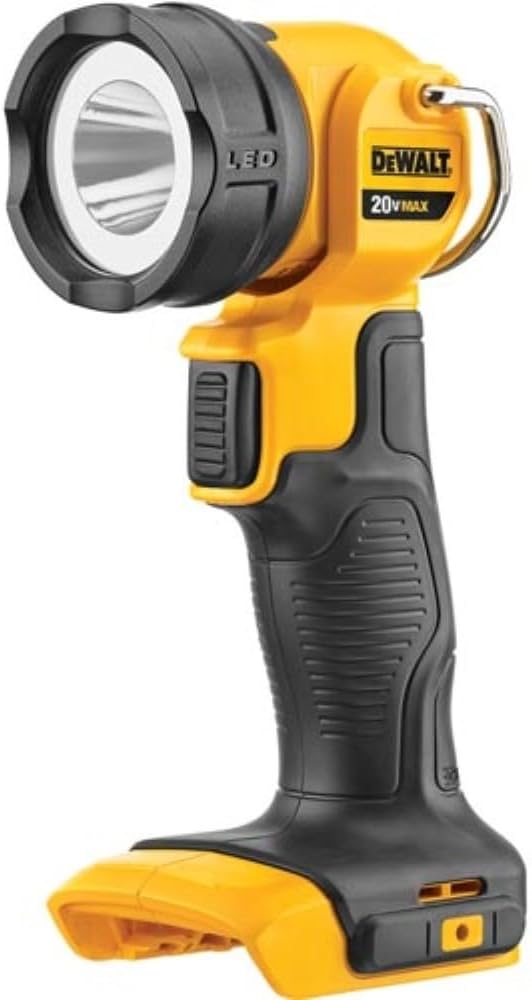
Tools That Make This Job Easier


Inspect and Clean the Filler Neck
Before installing the new cap, inspect the filler neck sealing surface. A new cap cannot seal properly if the metal or plastic seat is dirty, bent, rusty, or damaged.
What to Look For
- Dust, grit, or sand on the sealing surface
- Rust, corrosion, or pitting on metal filler necks
- Nicks or distortion where the cap gasket seats
- Cross-thread damage or broken tabs on the neck
- Evidence of fuel residue or repeated overflow
How to Clean It
Use a clean, dry rag first to wipe the sealing area gently. If needed, lightly dampen the rag with a silicone-safe cleaner and wipe away grime, then follow with a dry section of the rag. Do not spray cleaner directly into the filler neck, and do not allow lint or debris to fall into the tank opening.
If you find significant rust, a bent filler neck edge, or damaged threads, the cap may not be the real problem. In that case, replacing the cap alone may not stop the EVAP leak or fuel smell.
Install the New Gas Cap
Gas cap installation is simple, but the cap must be started squarely and tightened correctly. A cross-threaded or partially engaged cap can create the same symptoms as a failed one.
Attach the Tether if Needed
If the new cap includes a tether or retainer clip, transfer or attach it before threading the cap on. Make sure the tether does not get twisted in a way that could pull on the cap when tightened.
Thread the Cap on by Hand
Place the cap squarely on the filler neck and turn it clockwise by hand. It should engage smoothly. If it feels crooked, backs off, or binds immediately, stop and restart the threads. Do not force it.
Tighten Until It Clicks
Most modern gas caps use a ratcheting mechanism and should be tightened until you hear several clicks, usually one to three depending on the design and manufacturer instructions. Those clicks indicate the cap has reached its proper tightening point. Do not use pliers or extra leverage.
Some caps use a different locking feel rather than an obvious click. If your replacement came with instructions, follow those exactly. The goal is a firm, fully seated seal without overtightening or thread damage.
What to Do After Installation
After the new cap is installed, close the fuel door and confirm it latches normally. Then pay attention to whether the original symptom changes over the next few drives.
If You Replaced the Cap Because of a Check Engine Light
A gas cap replacement does not always turn the light off immediately. Many vehicles need several normal drive cycles to rerun the EVAP self-test. If you have a code reader, you can clear the code after installation, but the light may return if another EVAP problem exists.
- Drive normally for several trips over a few days.
- Check that the cap stays tight and clicks normally after refueling.
- Watch for a returning fuel smell or warning light.
- Scan for stored or pending EVAP codes if the light comes back.
If the cap was missing, replacing it right away often prevents continued EVAP faults, but the system may still need time to confirm the leak is gone.
Recommended Tools for This Job


Torque Notes and Adjustment Information
Traditional gas caps do not usually have a published torque specification the way wheel nuts, brake components, or suspension fasteners do. Instead, they are designed to be tightened by hand until the cap clicks or seats fully according to the manufacturer’s instructions.
There is also no bleeding procedure required for a normal gas cap replacement. You are not opening a pressurized fuel line or hydraulic system. The only adjustment is making sure the cap is the correct part and that it threads on smoothly and seals against a clean filler neck.
If a replacement cap requires unusual force, does not line up correctly, or never clicks, treat that as a fitment problem rather than trying to make it work.
Common Mistakes to Avoid
- Buying a universal cap without confirming exact fitment for your vehicle.
- Installing the cap over a dirty or rusty sealing surface.
- Cross-threading the cap by starting it at an angle.
- Assuming every EVAP code means the gas cap is the only problem.
- Using tools to overtighten the cap.
- Ignoring a damaged filler neck or persistent fuel smell after replacement.
The gas cap is a frequent cause of EVAP issues, but not the only one. If you replace it and the problem continues, the fault could be in a purge valve, vent valve, hose, canister, leak detection pump, or the filler neck itself.
When a New Gas Cap Will Not Fix the Problem
If you have already installed the correct gas cap and the same symptoms remain, more diagnosis is needed. A recurring EVAP code can be caused by very small leaks elsewhere in the system, and those often require a scan tool or smoke test to find accurately.
Signs the Issue Is Somewhere Else
- The new cap clicks and seals properly, but the check engine light returns.
- You still smell fuel even with a new cap installed.
- The filler neck is rusty, cracked, bent, or loose.
- You have multiple EVAP-related trouble codes.
- The fuel door area is wet with fuel after filling up.
At that point, a professional inspection is usually the fastest path. Shops can smoke-test the EVAP system and confirm whether the leak is at the cap, filler neck, hoses, or another emissions component.
Key Takeaways
- Always match the replacement gas cap to your exact vehicle instead of relying on appearance alone.
- Clean and inspect the filler neck before installation so the new cap can seal correctly.
- Thread the cap on by hand and tighten it until it clicks or seats as instructed by the manufacturer.
- Do not expect every check engine light to disappear immediately because EVAP monitors may need several drive cycles.
- If a new cap does not fix the problem, inspect the filler neck and have the EVAP system tested for leaks.
FAQ
How Long Does It Take to Replace a Gas Cap?
Most gas cap replacements take 5 to 20 minutes, including checking the old cap, wiping the filler neck, and installing the new one.
Can a Bad Gas Cap Cause a Check Engine Light?
Yes. A loose, cracked, or poorly sealing gas cap can trigger EVAP-related check engine light codes because the fuel system can no longer hold vapor pressure properly.
Do I Need Special Tools to Replace a Gas Cap?
No. In most cases you only need your hands, a clean rag, and a flashlight to inspect the sealing area.
How Tight Should a New Gas Cap Be?
Tighten it by hand until it clicks or fully seats according to the cap design. Do not use pliers or other tools to tighten it further.
Will Replacing the Gas Cap Make the Check Engine Light Turn Off Right Away?
Not always. Some vehicles need several drive cycles before the EVAP monitor reruns and confirms the leak is gone. You can also clear the code with a scan tool if appropriate.
What if the New Gas Cap Still Does Not Click or Fit Correctly?
Stop and verify the part number and fitment. A cap that does not thread on smoothly or click normally may be the wrong cap or may point to damage at the filler neck.
Can I Drive with a Missing or Bad Gas Cap?
You usually can drive short term, but it is not a good idea. A missing or bad cap can allow vapor leaks, trigger warning lights, and let dirt or moisture reach the filler area.
When Should I See a Mechanic Instead of Replacing the Cap Myself?
See a mechanic if a new cap does not solve the issue, if you smell fuel after replacement, or if the filler neck is rusty, damaged, or loose. Those problems often require further EVAP diagnosis.
Need Parts for This Repair?
The right parts and supplies vary by vehicle.
Select your make and model to find compatible parts and accessories for your car.
Exact Fit
Parts that fit your make and model
Quality You Can Trust
Top brands and OEM quality options
Fast Shipping
Get the parts you need, delivered fast