

Note: This article contains affiliate links. If you click on these links and make a purchase, I may earn a small commission at no extra cost to you. This helps support my research and content. Read my full affiliate disclosure here.
Repair Snapshot
Use a mechanic if the leak requires a smoke machine to pinpoint, if the charcoal canister or fuel tank area is hard to access, or if rusted fasteners and fuel vapor exposure make the repair unsafe.
This article is part of our Exhaust and Emissions Maintenance & Repair Guides.
An EVAP leak means your vehicle’s evaporative emissions system is no longer sealed, allowing fuel vapors to escape instead of being stored and burned by the engine. In many cases the car will still drive normally, but the check engine light stays on and emissions testing may fail.
The good news is that many EVAP problems come from simple issues like a loose gas cap, cracked rubber hose, or a failed purge or vent valve. The challenge is that the leak can be small and hidden, so a careful inspection matters more than replacing random parts.
This guide walks through what the EVAP system does, how to narrow down the leak, which parts fail most often, and how to make a practical DIY repair without creating new problems.
What an EVAP Leak Means
The EVAP system captures gasoline vapors from the fuel tank and stores them in a charcoal canister until the engine can burn them. To work properly, the system must remain sealed except when the engine computer commands the purge or vent functions.
When the computer detects that the system will not hold vacuum or pressure, it sets an EVAP leak code. Common codes include P0440, P0442, P0455, P0456, P0457, P0446, and P0496. A large leak code often points to something obvious, while a small leak can take more time to track down.
- A large leak is often caused by a loose or bad gas cap, disconnected hose, or broken fitting.
- A small leak is commonly caused by cracked rubber lines, weak seals, or a valve that does not close fully.
- A vent or purge system fault can trigger an EVAP code even if no hose is visibly split.
Symptoms That Point to an EVAP System Problem
Most EVAP leaks do not cause major drivability issues, but they usually turn on the check engine light. Some failures can also lead to hard starting after refueling, a fuel smell around the vehicle, or trouble filling the tank.
- Check engine light with EVAP-related trouble codes
- Gasoline vapor smell near the rear of the car or around the fuel filler area
- Hard starting after adding fuel, especially if the purge valve is stuck open
- Gas pump nozzle repeatedly clicking off during fill-ups
- Failed emissions or inspection test
If you also have fuel leaks, wet spots, or strong raw fuel odors near hot exhaust parts, stop driving until the issue is inspected. That is no longer just an EVAP issue and can become a fire hazard.
Safety Before You Start
Work in a well-ventilated area away from open flames, heaters, cigarettes, or anything that can ignite fuel vapors. EVAP repairs do not usually involve opening fuel lines, but you may still be working near the tank, filler neck, and vapor hoses.
- Let the vehicle cool before working near the exhaust or fuel tank area.
- Support the car securely with jack stands if you need underbody access.
- Wear safety glasses because dirt and rust often fall from the underside.
- Do not use shop lights or tools that can spark around concentrated vapors.
Tools and Information That Make Diagnosis Easier
A basic code reader is enough to confirm an EVAP fault, but a scan tool that displays pending codes and allows you to clear codes is much more helpful. If you have access to a smoke tester, diagnosis gets much easier because tiny leaks become visible.
It also helps to know your exact code and freeze-frame data. For example, a code for gross leak or no purge flow sends you in a different direction than a code for a vent valve control issue.
- OBD2 scan tool to read and clear codes
- Flashlight and inspection mirror for tight areas
- Hand tools for clamps, shields, and brackets
- Vacuum pump or smoke tester if available
- Vehicle-specific service information or hose routing diagram
Start with the Gas Cap and Filler Area
Check the Easiest Failure Point First
The gas cap is the fastest and cheapest EVAP item to check. Remove it and inspect the seal for cracks, flattening, hardening, or dirt. Look at the filler neck too. Rust, dents, or debris on the sealing surface can prevent a good seal even with a new cap.
If the cap does not click properly, feels loose, or the seal is damaged, replace it with a correct cap for your vehicle. A wrong aftermarket cap can cause recurring EVAP codes.
- Inspect the cap seal and threads.
- Clean the filler neck sealing surface.
- Reinstall and tighten until it clicks, or replace the cap if anything looks questionable.
- Clear the code and drive for several trips to see if the monitor completes without the light returning.
Tools That Make This Job Easier


Inspect Visible EVAP Hoses and Lines
Look for Cracked Rubber, Broken Plastic, and Loose Connections
After the gas cap, hoses are the next most common problem. Follow the vapor lines from the engine bay purge valve area toward the charcoal canister and fuel tank. Some lines are rubber, some are hard plastic, and many fail where they connect to fittings or bend around brackets.
Pay close attention to lines near heat, road debris, and the rear suspension. A small split on the underside of a hose can be easy to miss unless you bend the hose slightly during inspection.
- Cracked or brittle rubber hoses
- Disconnected vapor lines after previous repairs
- Broken quick-connect fittings
- Damaged plastic lines near the fuel tank
- Missing or loose clamps where applicable
Replace damaged sections with the correct type of vapor-rated hose. Do not use random vacuum tubing if it is not fuel-vapor compatible. Cut the hose cleanly, seat it fully, and route it exactly like the original to avoid kinks.
Check the Purge Valve
A Stuck Purge Valve Can Mimic or Create an EVAP Leak
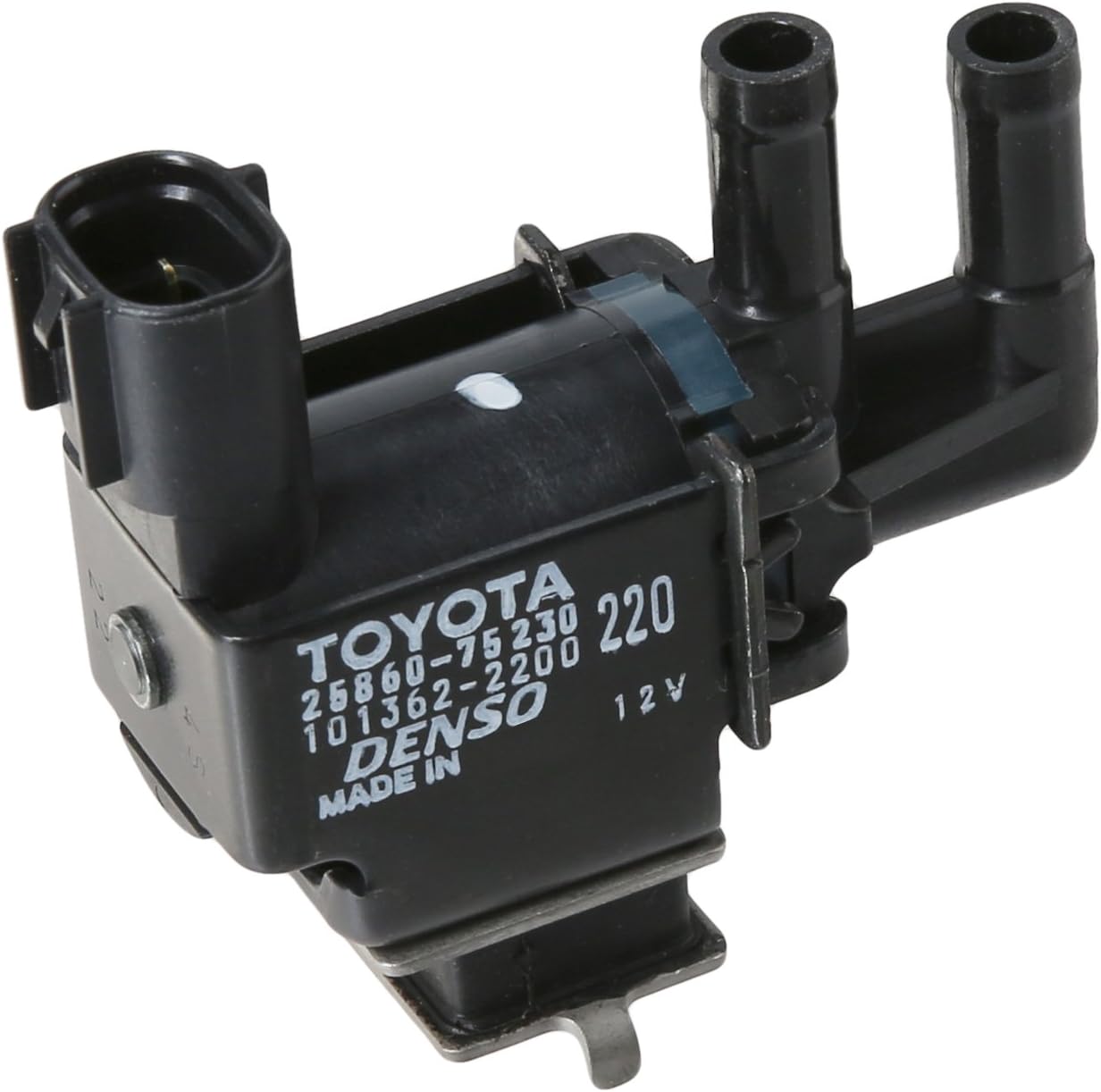
The purge valve usually sits in the engine bay and controls when stored fuel vapors are drawn into the intake. If it sticks open, the system may not seal correctly, and the engine can pull vapors at the wrong time. That can cause EVAP codes and hard starting after refueling.
Unplug the electrical connector and inspect for corrosion or damaged wires. Remove the valve if needed and test it according to service information. On many vehicles, the valve should remain closed with no power applied. If air passes through when it should be shut, replace it.
- Locate the purge valve and inspect the hoses and connector.
- Check for cracks at the valve nipples and hose ends.
- Test valve operation with a vacuum pump or by confirming whether it seals when unpowered, if your design allows this test.
- Replace the valve if it leaks, sticks, or fails an electrical test.
Installation is usually simple: transfer hoses one at a time, mount the new valve, reconnect the wiring, and make sure hose routing matches the original layout.
Check the Vent Valve and Charcoal Canister
Rear-mounted EVAP Parts Often Fail From Dirt and Moisture
The vent valve and charcoal canister are commonly mounted near the fuel tank. The vent valve lets fresh air enter the system during purge events and closes during leak checks. If it sticks open, sticks closed, or gets clogged with dust, the computer may set EVAP codes.
A damaged charcoal canister can also leak or become saturated with fuel. This can happen after repeated topping off of the fuel tank, which forces liquid fuel into parts designed only for vapor.
- Broken canister housing or cracked nipples
- Vent valve packed with dirt or corrosion
- Disconnected or split hose at the canister
- Fuel smell and canister damage after overfilling the tank
- Restricted vent filter causing refueling problems
If access requires removing shields or lowering part of the rear underbody trim, spray rusted fasteners with penetrating oil first. Replace any damaged valve or canister assembly as a unit if the fittings are brittle or the housing is cracked.
Use a Smoke Test if the Leak Is Still Not Obvious
Smoke Is the Fastest Way to Find Small Leaks
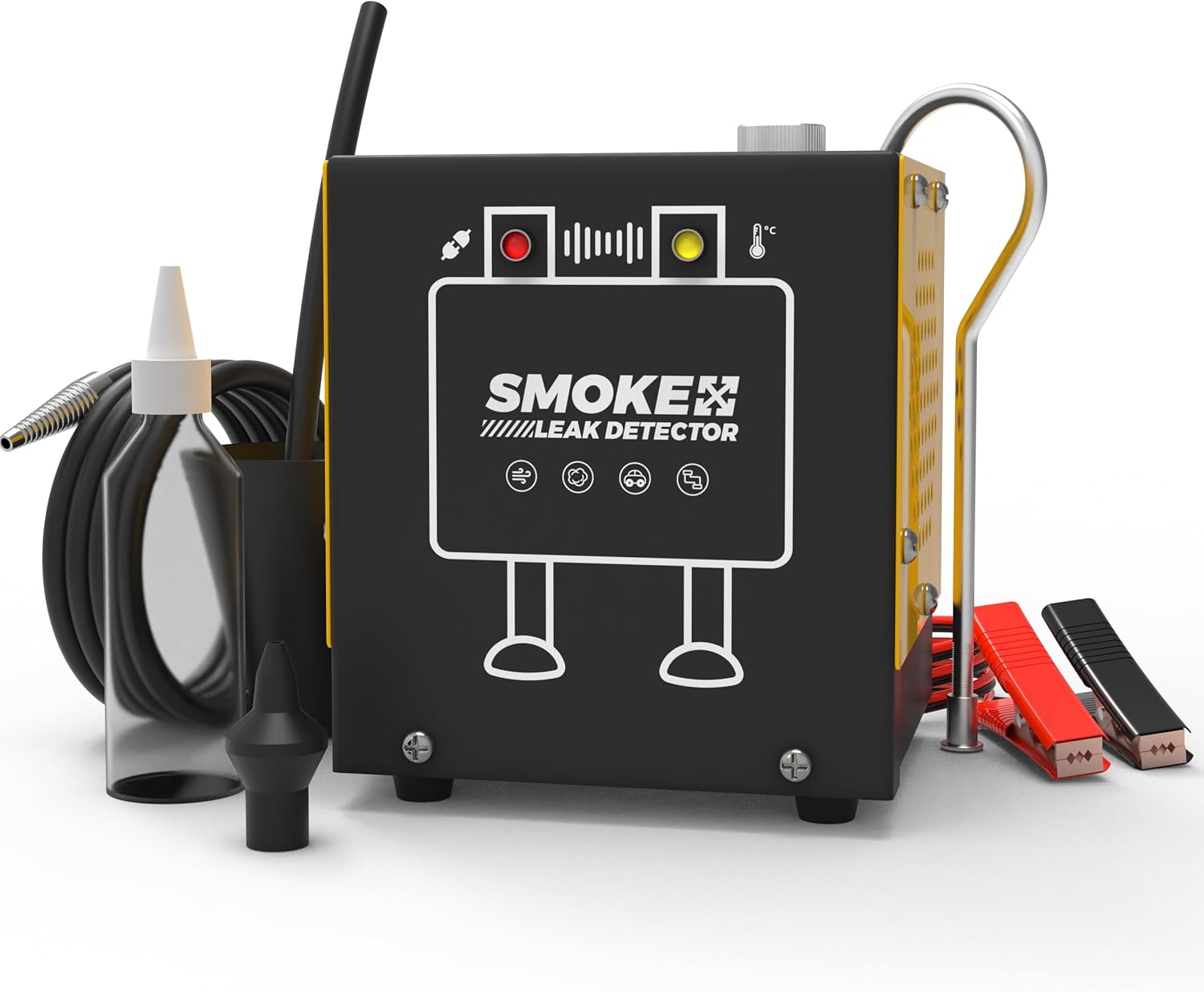
Small EVAP leaks can be nearly impossible to find by eye. A smoke machine introduces low-pressure smoke into the sealed EVAP system so you can watch where it escapes. This often reveals leaks around hose joints, canister seams, filler neck seals, or top-of-tank connections.
If you use a smoke tester, follow the tool instructions carefully and avoid over-pressurizing the system. EVAP systems are designed for very low pressure. Too much pressure can damage valves or create a leak that was not there before.
- Cap off the system as directed by the tool instructions.
- Introduce smoke slowly at the proper service port or approved connection point.
- Watch the gas cap area, purge valve, vent valve, canister, hose connections, and tank top for smoke trails.
- Mark the leak location before taking parts apart.
If the leak appears to be coming from the top of the fuel tank, the repair may involve the fuel pump seal, rollover valve fittings, or hoses that are difficult to access without lowering the tank. That is often the point where professional help makes sense.
Recommended Tools for This Job

How to Replace Common EVAP Leak Parts
Replacing a Gas Cap
Remove the old cap, clean the filler neck sealing surface, and install the new cap until it clicks securely. This is the simplest repair and often fixes P0455 or P0457 type codes.
Replacing an EVAP Hose
Remove the old hose carefully so you do not break brittle plastic fittings. Match the inside diameter and length, use vapor-rated hose, and secure it exactly like the original. Keep it away from sharp edges and exhaust heat.
Replacing a Purge Valve
Disconnect the battery if recommended by the service manual, unplug the electrical connector, remove the hoses and mounting fastener, then install the new valve. Double-check flow direction arrows if present.
Replacing a Vent Valve or Charcoal Canister
Raise and support the vehicle safely, remove any shields or brackets, then disconnect hoses and wiring one connection at a time. Label hoses if needed. Install the new part in the same orientation and make sure the vent filter or fresh-air inlet is not left hanging where it can ingest road splash.
Clear the Code and Confirm the Repair
After the repair, clear the codes with a scan tool. Then drive the vehicle normally through several cold starts, idle periods, and steady-speed drives so the EVAP monitor can run. The monitor usually does not complete immediately.
If the same code returns, do not assume the new part is bad. Recheck your connections, hose routing, and electrical plugs first. EVAP diagnosis often fails because one obvious problem was repaired while a second smaller leak was missed.
- Make sure every hose is fully seated.
- Check that connectors are latched and wires are not strained.
- Verify the gas cap is tightened properly.
- Look for pending codes before the full monitor completes.
Mistakes to Avoid During EVAP Repairs
EVAP repairs are often straightforward, but a few common mistakes can waste time and money. The biggest one is replacing parts based only on a code description without any inspection or testing.
- Do not replace the charcoal canister first unless you have evidence it is damaged or saturated.
- Do not use non-rated hose that can soften or leak from fuel vapor exposure.
- Do not force quick-connect fittings; many break easily with age.
- Do not top off the fuel tank after the pump clicks off, because that can damage the canister.
- Do not ignore rust around the filler neck, which can prevent the cap from sealing.
When to Let a Shop Handle It
A DIY repair makes sense when the issue is a gas cap, visible hose, accessible purge valve, or vent valve you can reach safely. A shop is usually the better choice if the leak is very small, the code is intermittent, or the suspected leak is on top of the tank.
Professional shops can use factory-level scan data, command EVAP valves on and off, and run a controlled smoke test quickly. That can be cheaper than guessing and replacing multiple parts you do not need.
Key Takeaways
- Start with the gas cap, filler neck, and any visible EVAP hoses before replacing expensive parts.
- A stuck purge valve or vent valve can trigger EVAP leak codes even when no hose is obviously broken.
- Use vapor-rated hose and handle old plastic fittings gently to avoid creating new leaks during repair.
- A smoke test is the most effective way to find a small EVAP leak that is not visible during inspection.
- If the leak appears to be on top of the fuel tank or requires major disassembly, a professional diagnosis is usually worth it.
FAQ
Can I Drive with an EVAP Leak?
Usually yes, if the only symptom is a check engine light and there is no raw fuel leak. However, you may fail emissions testing, and you should not ignore any strong fuel smell, wet fuel spots, or hard-starting issues.
Will a Loose Gas Cap Really Cause an EVAP Code?
Yes. A loose, damaged, or incorrect gas cap is one of the most common causes of EVAP codes, especially large leak or fuel cap-related codes.
How Much Does It Cost to Fix an EVAP Leak?
DIY cost can be as low as $10 to $40 for a gas cap or hose, or $80 to $250 for a valve or canister repair. A shop diagnosis and repair commonly runs $120 to $650 depending on labor time and which parts failed.
What Is the Most Common Part That Fails in the EVAP System?
The most common issues are a bad gas cap, cracked hoses, a failed purge valve, or a vent valve contaminated by dirt and moisture. Exact failure patterns vary by vehicle design.
Do I Need a Smoke Machine to Find an EVAP Leak?
Not always. Many EVAP problems can be found by checking the gas cap, visible hoses, and common valves first. But for small leaks, a smoke test is often the fastest and most reliable method.
Why Does My Car Get Hard to Start After I Fill the Tank?
That symptom often points to a purge valve stuck open. Extra fuel vapor gets pulled into the engine during startup after refueling, which can make the engine crank longer or stumble briefly.
Can I Just Clear the EVAP Code and Ignore It?
You can clear it, but if the leak is still present the code will usually return after the EVAP monitor runs again. Clearing the light without fixing the cause also makes it harder to know whether your repair actually worked.
Need Parts for This Repair?
The right parts and supplies vary by vehicle.
Select your make and model to find compatible parts and accessories for your car.
Exact Fit
Parts that fit your make and model
Quality You Can Trust
Top brands and OEM quality options
Fast Shipping
Get the parts you need, delivered fast