

Note: This article contains affiliate links. If you click on these links and make a purchase, I may earn a small commission at no extra cost to you. This helps support my research and content. Read my full affiliate disclosure here.
Repair Snapshot
Use a mechanic if the engine still will not start after clearing attempts, if fuel flooding keeps returning, or if you smell strong fuel leaks. Professional help is also the safer choice if access to the plugs is difficult or you suspect ignition, injector, or carburetor faults.
This article is part of our Engine Maintenance & Repair Guides.
A flooded engine happens when too much fuel enters the cylinders and the air-fuel mixture becomes too rich to ignite. The engine may crank normally but refuse to start, smell strongly of gasoline, or briefly sputter and die.
In many cases, you can clear a flooded engine at home without replacing major parts. The right method depends on whether the vehicle is fuel-injected or carbureted, how long it has been cranked, and whether the spark plugs have become fuel-soaked.
The key is to stop adding more fuel, let excess fuel clear out, and avoid creating a fire hazard or draining the battery. If flooding keeps coming back, treat it as a symptom of another problem rather than a one-time starting issue.
How to Tell If the Engine Is Flooded
A flooded engine usually gives a few predictable clues. The starter turns the engine over, but it will not catch. You may smell raw fuel near the tailpipe or under the hood, and the engine may sound like it is trying to start but never fully fires.
- The engine cranks strongly but does not start.
- There is a noticeable gasoline smell after repeated start attempts.
- The engine briefly sputters, then dies immediately.
- Spark plugs come out wet with fuel.
- The problem started after repeated pumping of the gas pedal or many failed start attempts.
Do not confuse flooding with a no-crank condition. If the engine does not turn over at all, the issue is more likely a dead battery, starter problem, bad connection, or security system fault. Flooding applies when the engine cranks but will not start.
Safety Steps Before You Try to Start It Again
Because excess fuel may be present in the intake, cylinders, or exhaust, take basic fire precautions before doing anything else. Gasoline vapors can ignite easily, especially in a garage.
- Move the vehicle outdoors or open the garage door fully.
- Do not smoke or work near heaters, pilot lights, or sparks.
- Set the parking brake and place the transmission in Park or Neutral.
- Wear safety glasses if you plan to remove spark plugs.
- Stop cranking if you notice fuel dripping, leaking, or pooling.
If the battery is already weak from repeated starting attempts, connect a charger or jump pack before continuing. A low battery can slow cranking speed, making the engine even less likely to clear itself.
Clear a Flooded Fuel-Injected Engine
Most modern vehicles use electronic fuel injection. On many fuel-injected cars, pressing the accelerator pedal fully to the floor during cranking activates a clear flood mode that reduces or cuts injector pulse width. That allows more air in while limiting added fuel.
Use the Wide-open-throttle Clearing Method
- Turn the key off and wait about 30 seconds.
- Press the accelerator pedal all the way to the floor and hold it there.
- Crank the engine for about 5 to 10 seconds.
- Release the key, but keep your foot off the pedal after the attempt.
- Wait another 30 seconds to let the starter cool slightly.
- Repeat once or twice if needed, but do not keep cranking continuously.
If the engine begins to fire, ease off and let it catch without pumping the pedal. Once it starts, keep it running at a light, steady throttle for a short time so the remaining fuel can burn off. Do not rev it hard on a cold engine.
When to Stop Trying This Method
If two or three clearing attempts do not help, stop and inspect further. Repeated cranking can drain the battery, overheat the starter, and wash excess fuel onto cylinder walls. At that point, the plugs may be fouled or another problem may be causing repeated overfueling.
Tools That Make This Job Easier


Clear a Flooded Carbureted Engine
Older carbureted engines are easier to flood, especially after pumping the gas pedal too many times before startup. In these systems, pumping the pedal sprays extra fuel through the accelerator pump, which can quickly wet the intake and cylinders.
Use the Pedal Carefully
- Stop pumping the pedal completely.
- Hold the accelerator pedal about halfway to fully open, depending on what the engine responds to best.
- Crank the engine for 5 to 8 seconds.
- If it tries to start, slightly adjust pedal position rather than pumping.
- If it starts, keep it running gently until it smooths out.
Some carbureted engines respond best with the throttle held fully open, while others catch with a little less pedal. The goal is the same: add more air without repeatedly dumping more fuel into the intake.
Check for a Stuck Choke
If flooding happens often on a carbureted engine, inspect the choke plate. A choke that stays closed after the engine should be warming up can create an overly rich mixture and repeated hard starts. A sticking float or leaking needle and seat can do the same thing.
If It Still Will Not Start, Remove and Dry the Spark Plugs
When an engine has been flooded badly, the spark plugs may become soaked with fuel and stop firing properly. Removing and drying or replacing them is often the next logical step.
Before Removing Plugs
Let the engine sit for at least 10 to 15 minutes so vapors can dissipate. Disconnect the negative battery cable if you will be working near exposed ignition components, and label any plug wires or coil connectors so they go back in the same place.
Spark Plug Inspection Steps
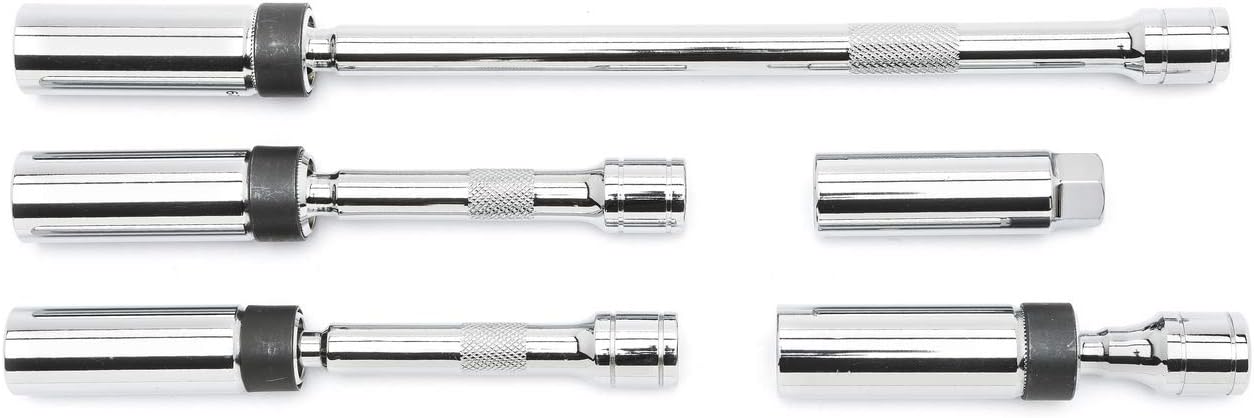
- Remove one spark plug at a time using the correct spark plug socket.
- Inspect the tip for wet fuel, heavy carbon, oil deposits, or damage.
- If the plug is only lightly wet, allow it to air dry completely.
- If the plug is old, fouled, or badly fuel-soaked, replace it.
- Check the plug gap if the manufacturer specifies a serviceable gap.
- Reinstall plugs to the correct torque and reconnect coils or wires securely.
Avoid using an open flame to dry spark plugs. If you use a cleaner, allow the plugs to dry fully before reinstalling. On some modern engines, plug access is tight enough that removal is not worth the risk for a beginner; that is a good point to consider professional help.
Clear Excess Fuel From the Cylinders
If the plugs were very wet, there may still be excess fuel in the cylinders. With the plugs removed, you can clear some of that fuel safely by cranking the engine briefly.
- Disable ignition or fuel delivery if practical according to the owner’s manual or service procedure.
- Place clean rags over the plug holes to catch misted fuel.
- Crank the engine for a few seconds only.
- Remove the rags and allow vapors to dissipate.
- Reinstall dry or new plugs and try starting again using the proper clearing method.
This step should be done carefully because fuel vapor may exit the spark plug holes. Keep all ignition sources away, and do not lean directly over the engine while cranking.
What to Do Once the Engine Starts
A just-cleared engine may run rough for a minute because leftover fuel is still being burned off. That is normal, as long as it quickly smooths out and no warning lights or fuel leaks appear.
- Let the engine idle or hold a light steady throttle for 30 to 60 seconds if needed.
- Watch for misfires, strong fuel smell, smoke, or a flashing check engine light.
- Do not shut the engine off immediately unless you notice a leak or unsafe condition.
- Allow the battery to recover with some normal running time if repeated cranking weakened it.
If the engine starts but runs very poorly, stalls again, or floods a second time right away, the problem is likely not just operator error. That usually points to a failed sensor, leaking injector, stuck carburetor component, weak ignition, or another mechanical issue.
Recommended Tools for This Job


Why Engines Flood in the First Place
Understanding the cause helps prevent it from happening again. Flooding is most common during cold starts, after repeated short cranking attempts, or when another component causes an excessively rich mixture.
- Repeated pumping of the gas pedal on a carbureted engine.
- Multiple failed start attempts that keep adding fuel.
- Leaking or stuck fuel injectors.
- A bad engine coolant temperature sensor telling the computer the engine is colder than it is.
- Weak ignition coils, worn plugs, or low spark output that fail to ignite the mixture.
- A stuck choke, high float level, or leaking carburetor needle and seat.
- Low cranking speed from a weak battery.
Fuel flooding can also mimic other issues. For example, if there is no spark at all, the engine may smell flooded simply because fuel is entering but never igniting. In that case, clearing the flood alone will not solve the root problem.
How to Prevent a Flooded Engine Next Time
Good starting habits and basic maintenance go a long way. Modern fuel-injected cars generally should not need any pedal input during starting, while carbureted engines need only the specific amount of pedal movement the engine is known to like.
- On fuel-injected vehicles, do not pump the accelerator while starting.
- On carbureted vehicles, avoid repeated pumping unless the engine specifically requires one or two priming strokes.
- Keep the battery in good condition so cranking speed stays strong.
- Replace worn spark plugs on schedule.
- Fix hard-start problems early instead of masking them with more throttle input.
- Investigate strong fuel smells, poor fuel economy, or black exhaust smoke.
If the issue happens only in very cold weather, review the owner’s manual for the correct cold-start procedure. Using the wrong technique is a common reason an otherwise healthy engine gets flooded.
When a Flooded Engine Means You Need Diagnosis, Not Just a Restart
One accidental flooding event is usually manageable. Repeated flooding, however, means the engine or fuel system needs testing. Continued DIY starting attempts can hide the real problem, contaminate oil with fuel, and create unnecessary wear.
Get Professional Diagnosis if You Notice
- Flooding returns every few starts.
- The engine only starts with the pedal on the floor.
- Spark plugs foul again quickly.
- There is visible fuel leakage.
- The check engine light is on or flashing.
- The oil smells like gasoline.
- You suspect injector, sensor, timing, or compression problems.
A shop can test injector leak-down, scan sensor data, verify fuel pressure, inspect ignition output, and check carburetor operation. Those tests are often faster and cheaper than replacing random parts after repeated no-start episodes.
Key Takeaways
- If the engine cranks but smells strongly of fuel, stop pumping the pedal and use the correct clearing method for your fuel system.
- On many fuel-injected cars, holding the accelerator fully down while cranking can activate clear flood mode and reduce added fuel.
- If the engine still will not start after a few attempts, inspect for wet spark plugs, weak battery voltage, or signs of an underlying fuel or ignition fault.
- Never keep cranking a flooded engine endlessly because you can drain the battery, overheat the starter, and worsen plug fouling.
- Repeated flooding is usually a repair issue, not a starting-technique issue, and should be diagnosed before it leaves you stranded.
FAQ
How Long Should I Wait Before Trying to Start a Flooded Engine Again?
A short wait of 10 to 30 minutes is often enough for excess fuel to begin evaporating, especially if you stop adding more fuel. If the engine was heavily flooded, waiting longer and drying or replacing the spark plugs may be necessary.
Does Flooring the Gas Pedal Always Help Clear a Flooded Engine?
It often helps on modern fuel-injected vehicles because many systems use a clear flood strategy at wide-open throttle during cranking. It can also help on carbureted engines by increasing airflow, but the exact response varies, so avoid repeated pumping.
Can a Flooded Engine Damage the Car?
One brief flooding event usually does not cause lasting damage, but repeated cranking can foul spark plugs, drain the battery, overheat the starter, and wash fuel onto cylinder walls. Severe repeated flooding can also dilute the engine oil with gasoline.
How Do I Know if the Spark Plugs Are Too Fouled to Reuse?
If the plugs are badly fuel-soaked, heavily carboned, worn, or the engine still will not start after drying them, replacement is usually the smarter choice. If they are near their service interval anyway, install new plugs.
Why Does My Car Flood Repeatedly Even when I Start It Correctly?
Repeated flooding usually points to another issue such as leaking injectors, a bad coolant temperature sensor, weak ignition components, a stuck choke, carburetor problems, or low battery voltage. The engine needs diagnosis rather than another starting trick.
Should I Use Starting Fluid on a Flooded Engine?
Usually no. A flooded engine already has too much fuel, so starting fluid can add risk and confusion to the diagnosis. It is better to clear the excess fuel, verify spark, and check whether the plugs are wet or fouled.
Can I Clear a Flooded Engine Without Removing the Spark Plugs?
Sometimes yes. A mildly flooded fuel-injected engine often starts after using clear flood mode and letting it sit briefly. If the plugs are badly soaked or the engine has been cranked many times, plug removal or replacement may be necessary.
Need Parts for This Repair?
The right parts and supplies vary by vehicle.
Select your make and model to find compatible parts and accessories for your car.
Exact Fit
Parts that fit your make and model
Quality You Can Trust
Top brands and OEM quality options
Fast Shipping
Get the parts you need, delivered fast