

Note: This article contains affiliate links. If you click on these links and make a purchase, I may earn a small commission at no extra cost to you. This helps support my research and content. Read my full affiliate disclosure here.
Repair Snapshot
Use a mechanic if the battery is hard to access, the vehicle requires special registration or coding after replacement, or there is visible damage to cables, the hold-down, or surrounding electrical components.
This article is part of our Electrical System Maintenance & Repair Guides.
Replacing a car battery is one of the most approachable DIY repairs, but it still needs to be done carefully to avoid electrical shorts, acid exposure, or damage to sensitive electronics.
Most vehicles use a 12-volt battery mounted under the hood, though some place it in the trunk or under a seat. The job usually comes down to disconnecting the old battery in the correct order, removing the hold-down bracket, cleaning the terminals, and installing the new battery with the proper size, orientation, and connection sequence.
Before you begin, confirm that the battery is actually the problem. A weak starter, alternator issue, corroded battery cables, or a charging-system fault can mimic a dead battery. If your battery has tested bad or is clearly failing, the steps below will help you replace it safely and correctly.
Before You Start
Start by parking on a flat surface, turning the ignition fully off, and removing the key or key fob from the vehicle. Set the parking brake and open the hood or access panel. If the battery is in the trunk or cabin, make sure the area is well lit and ventilated.
Wear gloves and safety glasses. Car batteries are heavy, and corrosion around the terminals can contain acidic residue. Never smoke or create sparks near a battery, especially if it has been overcharging or leaking.
Make Sure You Have the Correct Replacement Battery
Match the new battery to your vehicle’s required group size, cold cranking amps, terminal layout, and battery type. Some vehicles require AGM batteries from the factory, and replacing them with a conventional flooded battery can cause poor performance or charging issues. Check your owner’s manual, the battery label, or a reliable parts catalog before buying.
- Verify the group size so the battery fits the tray and hold-down correctly.
- Match or exceed the vehicle’s cold cranking amps requirement.
- Check terminal position so the cables reach without stretching or crossing.
- Confirm whether the vehicle requires AGM, EFB, or standard flooded battery construction.
Signs the Battery Really Needs Replacement
A battery that is simply discharged may still be usable after charging, but a battery with internal failure will keep causing problems. If the vehicle repeatedly needs jump-starts, cranks slowly even after charging, or tests below specification under load, replacement is usually the right fix.
Also inspect the battery case and terminals. Bulging sides, cracking, acid seepage, loose posts, or heavy terminal corrosion are all strong indicators that the battery should be replaced rather than reused.
- Engine cranks slowly or clicks, especially after sitting overnight.
- Battery repeatedly dies even after being fully charged.
- Battery is more than 3 to 5 years old and testing weak.
- Case is swollen, leaking, or physically damaged.
- Dash warning lights or electrical glitches appear during startup.
Important Battery Memory and Registration Notes
Disconnecting the battery can erase radio presets, clock settings, window auto-up calibration, seat memory, and powertrain adaptive memory. On many older vehicles this is only a minor inconvenience, but some late-model vehicles may need battery registration, coding, or scan tool procedures after replacement.
If you want to preserve memory settings, use a battery memory saver according to the tool instructions before disconnecting the old battery. If your vehicle is European, luxury, hybrid-adjacent, or equipped with extensive battery management systems, check service information first. Installing a battery without registration on certain vehicles can shorten battery life or trigger charging issues.
If you are not sure whether your vehicle needs battery coding, stop and verify before proceeding. This is one of the main reasons a simple battery replacement sometimes becomes a better job for a shop.
Tools That Make This Job Easier


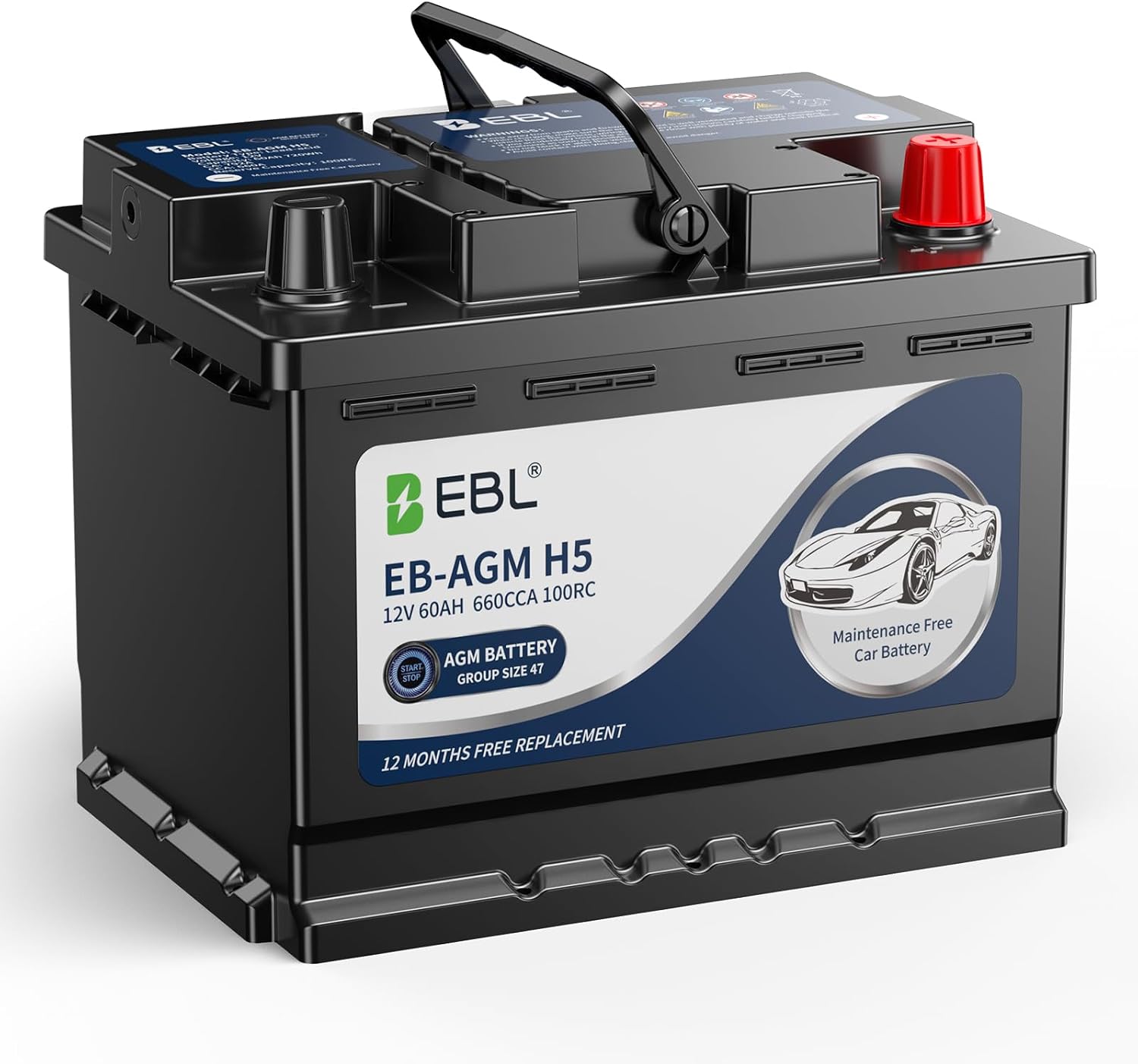
How to Remove the Old Battery
Identify the Positive and Negative Terminals
The negative terminal is usually marked with a minus sign (-) and often has a black cable. The positive terminal is marked with a plus sign (+) and often has a red cable or cover. Confirm these markings before loosening anything.
Disconnect the Negative Cable First
Loosen the negative terminal clamp and lift it off the battery post. Tuck it aside so it cannot spring back and touch the terminal. Removing the negative side first reduces the chance of creating a short if your tool touches grounded metal.
Disconnect the Positive Cable Second
After the negative cable is safely isolated, loosen and remove the positive cable. Be careful not to let your tool bridge between the positive terminal and any metal part of the vehicle.
Remove the Hold-down Bracket or Clamp
Most batteries are secured by a top clamp, side wedge, or bottom hold-down bracket. Remove the retaining hardware and set it aside in order. The battery must be firmly secured when reinstalled, so do not skip this hardware or leave it loose.
Lift the Battery Out Carefully
Car batteries are often 30 to 50 pounds or more. Keep the battery upright as you lift it out to avoid spilling electrolyte from a damaged case. If the battery feels stuck, check again for a hidden hold-down or cable retainer instead of forcing it.
- Turn the vehicle off and remove the key.
- Disconnect the negative battery cable.
- Disconnect the positive battery cable.
- Remove the battery hold-down hardware.
- Lift the battery straight up and out.
Clean and Inspect the Battery Area
With the old battery out, inspect the tray, hold-down hardware, and both battery cable ends. Corrosion can interfere with charging and cranking performance, so this is the best time to clean everything before installing the new battery.
If you see white, blue, or green corrosion on the terminals, neutralize it with a baking soda and water solution, then wipe the area dry. Use a battery terminal brush to clean the inside of the cable clamps and the battery posts if needed. Avoid getting cleaning solution into vent openings on the new battery.
Also look for damaged cable ends, frayed wiring, cracked insulation, stripped hold-down bolts, or rusted tray components. A fresh battery cannot compensate for poor cable connections or a loose mounting bracket.
- Clean corrosion from cable ends and the battery tray.
- Make sure the tray is dry and free of debris.
- Inspect the hold-down for damage or missing hardware.
- Replace badly corroded or loose cable terminals before installing the new battery.
How to Install the New Battery
Set the New Battery in Place Correctly
Lower the new battery into the tray with the terminals oriented exactly like the old one. Do not force the cables to reach. If the positive and negative posts are reversed relative to the original battery, stop and confirm you have the right part.
Reinstall and Tighten the Hold-down
Secure the battery with its original bracket or clamp before connecting the cables. The battery should not shift or rock in the tray. A loose battery can crack internally, damage the case, or place stress on the terminals.
Connect the Positive Cable First
Install the positive cable onto the correct positive post and tighten the clamp so it is snug and fully seated. Do not overtighten to the point of distorting the terminal. If the vehicle uses a protective red cover, reinstall it after tightening.
Connect the Negative Cable Last
Install the negative cable onto the negative post and tighten it securely. Connecting the negative side last reduces the chance of accidental shorting during the installation process.
Apply Corrosion Protection
Once the terminals are tight, apply terminal protectant spray, dielectric grease, or anti-corrosion pads if desired. This helps slow future corrosion, especially in humid climates or on vehicles with a history of battery terminal buildup.
- Place the new battery in the tray with the correct terminal orientation.
- Install and tighten the hold-down bracket.
- Connect the positive cable first.
- Connect the negative cable last.
- Apply corrosion protection and reinstall any covers.
Recommended Tools for This Job


Final Checks After Installation
Before closing the hood, gently try to move the battery by hand. It should remain firmly in place. Check that both cable clamps are fully seated and that no tools or hardware were left in the engine bay.
Start the engine and verify that it cranks normally. Watch the dash for warning lights. In many vehicles, a brief idle relearn is normal after reconnecting the battery, and the engine may idle differently for a short time before stabilizing.
Reset the clock, radio presets, and any one-touch window features if needed. If the vehicle has a battery monitoring system or calls for battery registration, complete that procedure now using the proper scan tool or service method.
- Battery is secure and does not move in the tray.
- Terminals are tight and covered where applicable.
- Engine starts quickly without excessive clicking or slow cranking.
- No new warning lights remain on after startup.
Common Mistakes to Avoid
Battery replacement is straightforward, but a few common mistakes can create expensive problems. The biggest is reversing the cables or installing the wrong battery type. Even a brief polarity mistake can blow fuses, damage modules, or harm the alternator.
Another mistake is failing to clean corrosion or reusing damaged cable ends. Poor connections can make a new battery seem bad because voltage cannot flow properly to the starter and electrical system. Leaving the battery loose in the tray is also a frequent DIY oversight.
- Disconnecting the positive cable first instead of the negative cable.
- Mixing up the positive and negative terminals.
- Choosing the wrong group size or wrong battery technology.
- Overtightening terminal clamps and damaging the posts.
- Skipping battery registration on vehicles that require it.
What to Do With the Old Battery
Do not throw an old car battery in the trash. Automotive batteries are recyclable and usually carry a core charge. Most auto parts stores, battery retailers, repair shops, and municipal recycling programs will accept the old battery and return your core credit if applicable.
Keep the battery upright during transport and place it in a sturdy box or tray if there is any sign of leakage. If acid has leaked onto the battery tray or surrounding metal, clean the area promptly to reduce corrosion damage.
When a New Battery Does Not Fix the Problem
If the vehicle still will not start after installing a new battery, the issue may be elsewhere. Double-check terminal tightness first, then consider the starter, alternator, battery cables, main fuses, parasitic drain, or ignition system.
A charging system problem is especially common. If the alternator is not maintaining about 13.5 to 14.8 volts with the engine running on many vehicles, the new battery can go dead quickly. Repeated dead batteries usually mean the car needs diagnosis rather than another replacement battery.
Key Takeaways
- Always disconnect the negative cable first and reconnect it last to reduce the risk of short circuits.
- Match the new battery’s group size, terminal layout, and battery type exactly to your vehicle’s requirements.
- Clean corrosion and secure the hold-down properly so the new battery can charge and operate reliably.
- Check whether your vehicle needs battery memory preservation, registration, or coding before replacement.
- If the new battery does not solve the no-start problem, test the charging system and battery cables next.
FAQ
Do I Disconnect the Positive or Negative Battery Terminal First?
Disconnect the negative terminal first and reconnect it last. That sequence helps prevent accidental shorting if your tool contacts metal on the vehicle.
How Long Does It Take to Replace a Car Battery?
For most vehicles, battery replacement takes about 30 to 60 minutes. It may take longer if the battery is hidden under covers, mounted in the trunk, or requires post-install registration.
Will Replacing My Car Battery Erase Computer Settings?
It can. You may lose radio presets, clock settings, window calibration, and learned idle or shift behavior. Some vehicles also require battery registration or coding after replacement.
Can I Use a Battery with Higher Cold Cranking Amps than the Original?
Usually yes, as long as the battery is the correct group size, terminal layout, and type for the vehicle. Higher CCA is generally acceptable, but the battery still must physically fit and meet the manufacturer’s specifications.
Do I Need to Charge a New Car Battery Before Installing It?
Many new batteries are ready to install, but not all are fully charged. If possible, check the battery voltage or ask the seller to confirm its state of charge before installation.
Why Is My New Battery Already Going Dead?
A new battery can discharge quickly if the alternator is not charging properly, the battery cables are loose or corroded, or the vehicle has a parasitic electrical drain. In that case, the battery is not always the root problem.
Can I Replace an AGM Battery with a Standard Flooded Battery?
Not unless your vehicle specifically allows it. Many vehicles designed for AGM batteries need that battery type for proper charging behavior and electrical reliability.
Where Should I Take My Old Battery?
Take it to an auto parts store, battery retailer, repair shop, or local recycling center that accepts automotive batteries. Most locations recycle them and may refund a core charge.
Need Parts for This Repair?
The right parts and supplies vary by vehicle.
Select your make and model to find compatible parts and accessories for your car.
Exact Fit
Parts that fit your make and model
Quality You Can Trust
Top brands and OEM quality options
Fast Shipping
Get the parts you need, delivered fast