

Note: This article contains affiliate links. If you click on these links and make a purchase, I may earn a small commission at no extra cost to you. This helps support my research and content. Read my full affiliate disclosure here.
What You’ll Need
A quick look at the tools and supplies commonly used for this job.
Tools
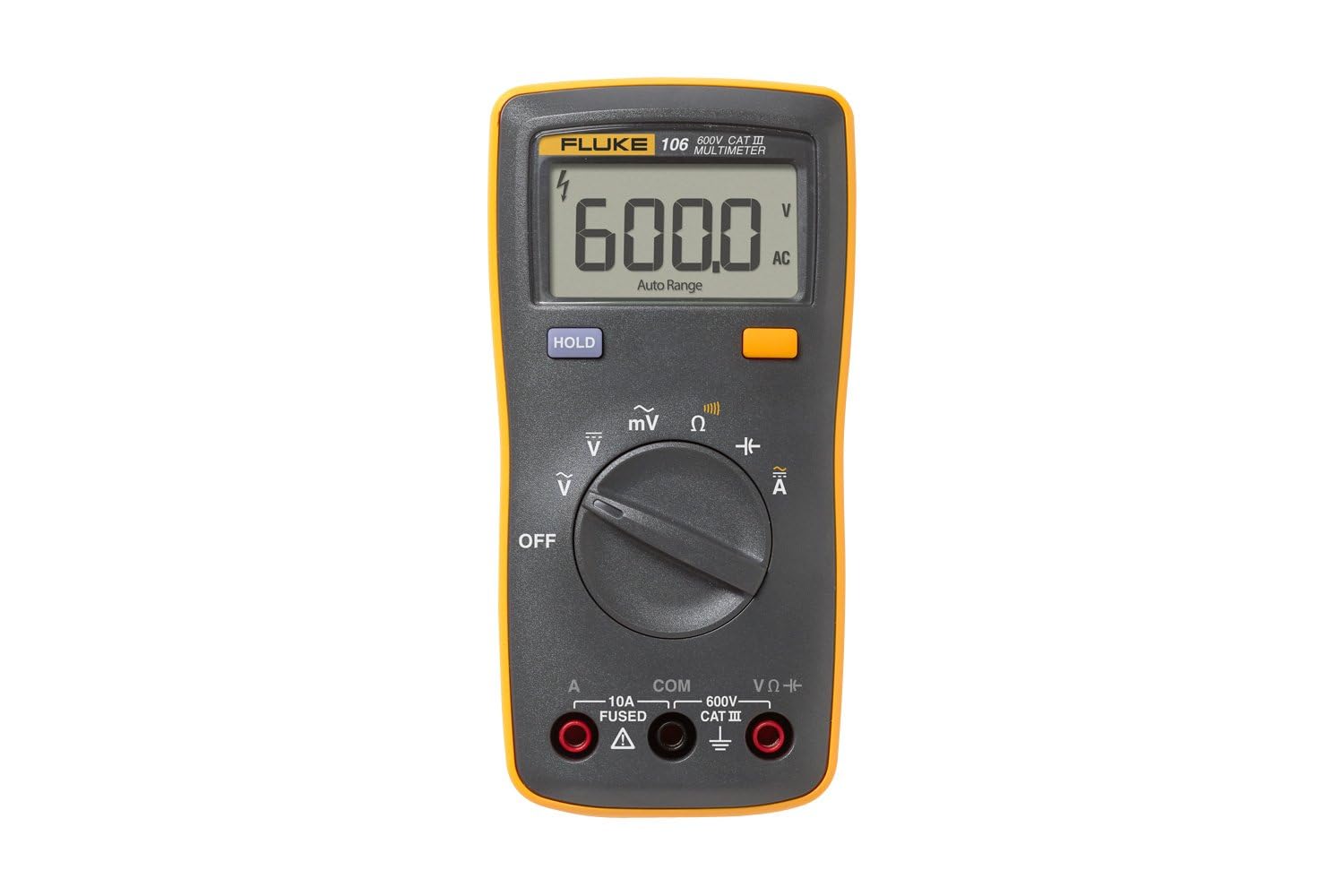
- Digital multimeter with amperage function
- Battery charger
- Clamp meter with low-amp capability
- Fuse puller or needle-nose pliers
- Basic hand tools
- Vehicle owner’s manual or fuse box diagram
Parts & Supplies
- Replacement fuses
- Battery terminal cleaner
- Shop rags
- Dielectric grease
This article is part of our Electrical System Maintenance & Repair Guides.
A parasitic battery drain happens when something in the vehicle keeps drawing power after the car is shut off. A small amount of standby current is normal for memory functions, alarms, and modules, but too much current overnight can leave you with a weak or dead battery by morning.
The key to diagnosing this problem is making sure the battery is fully charged, the vehicle is actually entering sleep mode, and then measuring current draw correctly before pulling fuses one at a time. If you skip any of those steps, you can easily chase the wrong problem.
This guide walks you through the symptoms, tools, safety steps, testing process, and how to interpret your readings so you can narrow the drain to a circuit, component, or wiring issue.
What a Parasitic Drain Looks Like
A parasitic drain is different from a battery that is simply old, undercharged, or failing in cold weather. The vehicle may start fine after being driven, then struggle or fail to start after sitting for several hours or overnight.
Common Symptoms
- Battery goes dead after the car sits for a few hours, overnight, or over a weekend.
- Jump-starting gets the vehicle running normally, but the problem returns later.
- Interior lights, glove box lights, or trunk lights stay on longer than they should.
- You hear relays clicking, cooling fans running, or modules waking up after shutdown.
- A relatively new battery keeps testing low even though the alternator charges normally.
Before assuming the problem is a parasitic draw, confirm the battery itself is in good condition and fully charged. A weak battery can mimic a drain because it loses voltage faster than a healthy one.
Rule Out Battery and Charging Problems First
You should not start a drain test on a half-dead battery. Charge the battery fully first, then verify that it can hold charge and that the alternator is charging properly with the engine running.
Quick Pre-checks
- Inspect battery terminals for looseness, corrosion, or damaged cables.
- Charge the battery completely before testing current draw.
- Check battery voltage after charging; around 12.6 volts is typical for a healthy, fully charged battery at rest.
- With the engine running, charging voltage is often around 13.5 to 14.8 volts depending on the vehicle and conditions.
- If the battery repeatedly fails a load test or will not hold charge, replace it before chasing a drain.
If the alternator overcharges, undercharges, or has a bad diode, it can also create strange battery problems. Some alternators can even cause a key-off drain through an internal fault, so keep that possibility in mind if the fuse test does not quickly identify another circuit.
Tools and Setup That Make the Test Accurate
The most common DIY method uses a digital multimeter connected in series with the battery. The meter becomes part of the circuit, allowing you to measure how much current the vehicle is drawing with the key off.
Important Safety Points
- Use the meter’s amperage port and correct amp range before connecting it.
- Never try to crank the engine or switch on high-draw accessories with the meter in series.
- If your meter has a low amp fuse, one mistake can blow it instantly.
- A low-amp clamp meter is safer and faster if you have one, but many DIYers will still use a multimeter.
To get an accurate reading, all doors, hood, trunk, and interior lighting circuits must appear closed to the vehicle. That may mean manually latching door strikers, disabling the under-hood lamp, removing the key from range, and waiting for modules to go to sleep.
How to Measure Key-Off Current Draw
Prepare the Vehicle
Turn the vehicle off, remove the key or key fob from the immediate area if the car uses passive entry, and make sure all accessories are off. Close or latch anything that would normally keep a courtesy light or control module awake. If you need access to a fuse box inside the cabin, leave the panel open before beginning and manually latch the door so the car thinks it is shut.
Connect the Meter in Series
A common approach is to disconnect the negative battery cable and place the meter between the negative battery post and the negative cable end. Set the meter to amps on the highest safe range first. One lead goes to the battery post and the other to the cable, creating a bridge through the meter.
Let the Vehicle Go to Sleep
Right after connecting the meter, the reading may be high because modules are awake. That does not automatically mean there is a problem. Many vehicles need 15 to 45 minutes, and some need longer, before their systems fully power down. During that time, do not open doors, press the remote, or wake up the network unless necessary.
Know What Reading Is Normal
Many modern vehicles settle somewhere below 50 milliamps, though exact acceptable draw varies by make, model, and equipment. Older vehicles may draw less. Some newer vehicles with telematics can be a little higher for a period after shutdown, but a stable draw well above normal after sleep mode usually points to a parasitic drain.
- Around 20 to 50 milliamps is often considered a normal standby range.
- Readings around 80 to 100 milliamps or more after full sleep are suspicious on many vehicles.
- A draw in the hundreds of milliamps can kill a battery quickly.
- A draw above 1 amp with the car off usually means something is clearly staying on.
Tools That Make This Job Easier


How to Isolate the Faulty Circuit
Once you confirm the draw is excessive, the next step is to find which circuit causes the reading to drop. The usual method is pulling fuses one at a time while watching the meter.
Fuse-pulling Method
Start with the interior fuse box, under-hood fuse box, or both depending on the vehicle. Pull one fuse, note the current change, then reinstall it unless you found a major drop. Work slowly and keep track of what you removed. If the reading falls from an abnormal level to a normal one when a fuse is removed, that fuse’s circuit is where you focus next.
- Record the stabilized key-off current draw before pulling any fuses.
- Pull one fuse at a time and watch for a significant drop.
- If the reading changes dramatically, identify everything powered by that fuse using a diagram or service information.
- Reinstall unrelated fuses so you do not create new variables.
- Once the problem circuit is identified, inspect each component on that branch.
When Fuse Pulling Wakes the Car Up
Some vehicles wake modules when certain fuses are removed or reinstalled, making the readings jump around. If that happens, wait again for the system to settle, or use voltage drop across fuses as an alternative method if you have the necessary service data and experience. For many DIYers, patience is the most important part of the process.
Components That Commonly Cause Battery Drain
Once you narrow the drain to a circuit, think about what on that circuit could stay on, fail to shut down, or short internally. Some items are much more common than others.
- Glove box, vanity mirror, trunk, cargo, or under-hood lights that stay on.
- Aftermarket alarms, stereos, dash cams, GPS trackers, and remote start systems.
- Relays stuck closed, especially for cooling fans, accessories, or power seats.
- Body control modules, door modules, infotainment systems, or networked electronics that never go to sleep.
- Power seat or window switches sticking internally.
- Alternator diode failure allowing current to flow backward when the engine is off.
- Phone chargers or accessories left in always-hot power outlets.
Aftermarket accessories deserve extra suspicion. They are often tied into constant power, may be installed without factory-level integration, and can drain the battery even when they appear off.
How to Interpret What You Find
If Removing a Fuse Drops the Draw to Normal
That usually means the battery drain is somewhere on that circuit, not necessarily that the fuse itself is bad. Use the fuse legend, owner’s manual, or wiring information to identify each device on that branch. Then unplug components one at a time if accessible and see when the draw disappears.
If No Fuse Changes the Reading Much
Look at high-current unfused or maxi-fused items such as the alternator, starter connections, fuse distribution blocks, and battery current sensor wiring. A bad alternator diode is a classic example of a drain that may not show up cleanly during standard fuse pulling.
If the Reading Starts High and Slowly Drops
That can be normal while modules time out. The important thing is the final stabilized reading after the sleep period. Do not diagnose based on the first few minutes unless something obvious is staying on.
If the Draw Is Intermittent
Intermittent drains are harder because the problem component may wake up only occasionally. In those cases, a clamp meter with min/max recording, a battery monitor, or professional scan tool data can save a lot of time. Intermittent telematics, door modules, and aftermarket electronics are common culprits.
Recommended Tools for This Job


Practical Next Steps After You Identify the Circuit
Once the suspect circuit is known, inspect the easiest and most common causes first. Look for lights that remain on, relays that feel warm with the vehicle off, signs of water intrusion, rubbed-through wiring, and non-factory accessories spliced into power and ground.
- Unplug the suspect component and repeat the draw test.
- Inspect connectors for corrosion, overheating, or moisture.
- Check relay operation by swapping with a known-good matching relay if appropriate.
- Disconnect aftermarket accessories before condemning factory modules.
- Repair wiring damage before replacing expensive control units.
If the drain points to a control module, do not replace it just because the circuit was involved. Modules may stay awake because of bad inputs, stuck switches, network communication faults, or software issues. At that stage, vehicle-specific wiring diagrams and scan data become much more important.
Mistakes That Can Mislead Your Diagnosis
Parasitic draw testing is simple in theory but easy to get wrong in practice. Small setup errors can make a normal car look faulty.
- Testing a weak or sulfated battery and mistaking it for a current drain problem.
- Opening a door, touching the key fob, or waking modules during the sleep countdown.
- Using the wrong meter port or range and blowing the meter fuse.
- Forgetting about hood, trunk, or glove box lights that stay on during testing.
- Assuming the first high reading means the fault is confirmed without waiting for sleep mode.
- Pulling multiple fuses at once and losing track of which circuit caused the change.
Taking notes helps a lot. Write down the initial draw, sleep time, fuse locations checked, and any current drops you see. That makes it much easier to return to the problem later if the issue is intermittent.
When to Stop DIY and Get Professional Help
Many battery drains come down to simple issues like a light, relay, or aftermarket accessory, but some involve multiplexed modules and network communication faults that require brand-specific diagnostics.
- The draw is intermittent and does not stay active long enough to isolate with basic tools.
- The suspect circuit includes multiple control modules and no obvious component remains on.
- Fuse removal keeps waking the vehicle and prevents stable readings.
- The alternator, battery sensor, or body control network may be involved.
- You are not comfortable placing a meter in series with the battery.
A professional shop may use a low-amp clamp meter, fuse voltage drop charts, scan tools that show sleeping and awake modules, or data loggers that capture the event when the drain appears.
Key Takeaways
- Fully charge and verify the battery first, because a weak battery can mimic a parasitic draw.
- Measure key-off current only after the vehicle has had enough time to enter sleep mode.
- A stable draw above normal standby range is best isolated by pulling one fuse at a time and watching for a major current drop.
- Aftermarket electronics, stuck lights, relays, and alternator diode faults are common causes worth checking early.
- If the drain is intermittent or tied to control modules, professional scan-tool diagnosis may save time and parts.
FAQ
What Is a Normal Parasitic Battery Draw?
On many vehicles, a normal key-off draw is roughly 20 to 50 milliamps after all modules have gone to sleep. Some vehicles may vary, so always compare your reading with manufacturer information when available.
How Long Should I Wait Before Checking the Final Current Draw?
Many vehicles need 15 to 45 minutes to enter sleep mode, though some take longer. If you test too soon, the reading can look high even when nothing is wrong.
Can a Bad Alternator Cause a Parasitic Drain?
Yes. A failed alternator diode can allow current to flow backward with the engine off, slowly draining the battery. This is a common cause when fuse pulling does not clearly isolate another circuit.
Why Does My Meter Reading Jump Around During the Test?
Opening a door, moving the key fob near the vehicle, pulling certain fuses, or modules waking up on their own can change the reading. Let the system settle again before making conclusions.
Can I Find a Battery Drain by Disconnecting the Positive Cable Instead of the Negative?
It is usually safer and more common to disconnect the negative cable for testing. The key point is that the meter must be placed in series with the battery circuit, and you must use the proper amp setting and port.
Will Pulling Fuses Damage Anything?
Usually no, if done carefully with the vehicle off, but some modules may wake up or lose stored settings. Avoid forcing fuses out, and do not pull multiple fuses at once if you are trying to isolate the drain accurately.
What Drains a Car Battery Overnight Most Often?
Common overnight drains include trunk or glove box lights staying on, aftermarket alarm or stereo equipment, relays stuck closed, modules failing to go to sleep, and alternator diode problems.
Need Parts for This Repair?
The right parts and supplies vary by vehicle.
Select your make and model to find compatible parts and accessories for your car.
Exact Fit
Parts that fit your make and model
Quality You Can Trust
Top brands and OEM quality options
Fast Shipping
Get the parts you need, delivered fast