

Note: This article contains affiliate links. If you click on these links and make a purchase, I may earn a small commission at no extra cost to you. This helps support my research and content. Read my full affiliate disclosure here.
Repair Snapshot
Use a mechanic if your vehicle has multiple body control modules, repeated battery drain after basic testing, or if accessing the suspect circuit requires interior disassembly or advanced scan-tool programming.
This article is part of our Electrical System Maintenance & Repair Guides.
A parasitic battery drain happens when something in the car keeps using power after the key is off and the vehicle should be asleep. A small amount of draw is normal for memory functions, but too much draw can leave you with a dead battery after the car sits overnight or for a day or two.
The good news is that most parasitic drain problems can be found at home with a digital multimeter, some patience, and a fuse-by-fuse test. The key is to test the vehicle correctly so you do not wake modules back up and get misleading readings.
This guide walks you through how to confirm the drain, measure battery draw, isolate the bad circuit, and fix common causes such as glove box lights, relays, audio equipment, and control modules.
How Parasitic Drain Works
Modern vehicles always use a little battery power with the engine off. The clock, radio presets, alarm system, and control module memory all need a small standby current. On most passenger vehicles, an acceptable key-off draw is usually around 20 to 50 milliamps, though some newer vehicles may briefly draw more before going to sleep.
A problem starts when a component stays on or a module fails to enter sleep mode. That can create a draw of several hundred milliamps or more, enough to kill a healthy battery in a short time. Common offenders include interior lights, stuck relays, aftermarket accessories, trunk lamps, charging ports, and electronic modules.
- Normal draw: usually about 0.02 to 0.05 amps after all systems go to sleep.
- Borderline draw: roughly 0.06 to 0.10 amps may cause trouble if the car sits several days.
- Excessive draw: anything well above 0.10 amps after sleep mode usually needs diagnosis.
Signs You Likely Have a Parasitic Drain
A parasitic drain often feels like a battery or alternator problem, but the pattern is different. The car usually starts fine after driving, then struggles or will not crank after sitting. If the battery tests good and the alternator charges normally, hidden current draw becomes more likely.
- Battery goes dead overnight or after one to three days of sitting.
- You have already replaced the battery, but the problem came back.
- The alternator output is normal when the engine is running.
- Interior or cargo lights seem to stay on longer than they should.
- An aftermarket stereo, remote start, dash cam, or phone charger is installed.
Safety and Setup Before You Test
Start with a fully charged battery. A weak battery can make diagnosis harder because modules may behave unpredictably at low voltage. Charge the battery first, then confirm the terminals are clean and tight.
Park on a level surface, turn the ignition off, remove the key or fob from the vehicle, and close all doors, the trunk, and the hood latch if possible. If you must leave the hood open, use a screwdriver to manually latch the hood switch or disable the under-hood light so the vehicle thinks everything is closed.
Be careful when using a multimeter in amperage mode. If you try to crank the engine or turn on a high-draw accessory while the meter is connected in series, you can blow the meter fuse or damage the tool.
Check the Battery and Charging System First
Rule Out Simple Causes
Before chasing a drain, make sure the battery itself is not worn out and the alternator is charging correctly. A bad battery can mimic a drain because it loses voltage quickly under normal standby load.
- Charge the battery fully.
- With the engine off, a healthy battery should usually read about 12.6 volts after resting.
- Start the engine and check charging voltage at the battery terminals; many vehicles will show about 13.5 to 14.8 volts.
- Inspect the terminals and grounds for corrosion, looseness, or damaged cables.
If the battery fails a load test or the charging system is weak, fix that first. A good parasitic draw test depends on a healthy battery and normal system voltage.
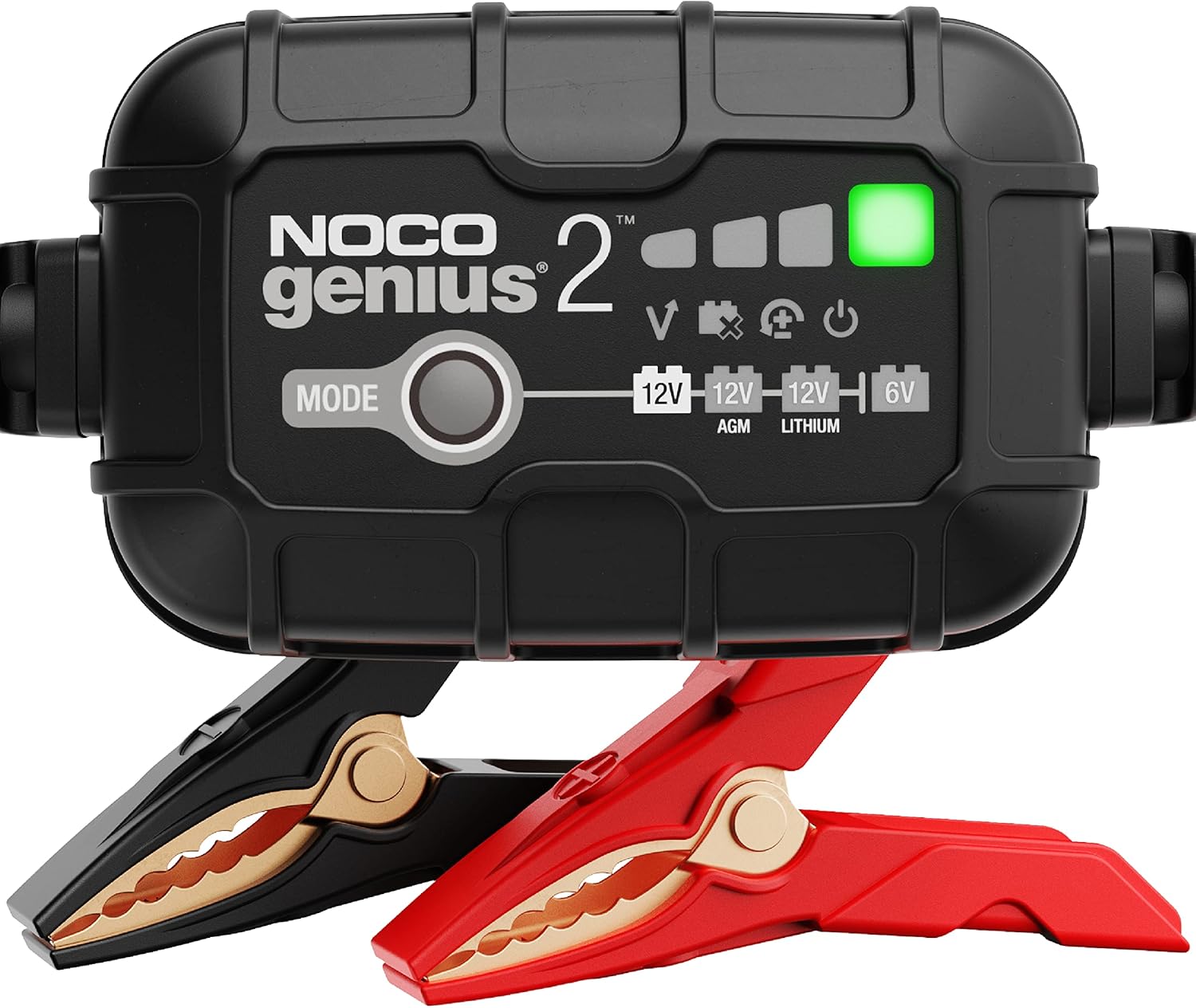
Tools That Make This Job Easier


Measure Key-Off Battery Draw
Use a Multimeter in Series
The most accurate DIY method is measuring current flow between the negative battery post and negative battery cable. This tells you exactly how much current the vehicle is using while parked.
- Turn everything off and let the car sit for several minutes.
- Set the multimeter to the highest amperage range first.
- Disconnect the negative battery cable.
- Connect one meter lead to the negative battery post and the other lead to the disconnected negative cable, placing the meter in series.
- Do not open doors, turn on lights, or wake the vehicle while connected.
- Wait for control modules to go to sleep, which may take 15 to 45 minutes depending on the vehicle.
At first, you may see a high reading because modules are awake. That is normal. Wait until the reading stabilizes. If it settles around 0.02 to 0.05 amps, the draw is likely normal. If it remains much higher, continue isolating the problem circuit.
If your meter has a low amperage fuse, begin on the 10A setting if available. Once the draw is low and stable, you can switch to a milliamp range for a more precise reading.
Isolate the Bad Circuit with the Fuse Test
Once you confirm excessive draw, the fastest next step is pulling fuses one at a time while watching the meter. When the current suddenly drops into the normal range, the circuit tied to that fuse is your main suspect.
- Keep the meter connected and the vehicle asleep.
- Locate the interior and under-hood fuse boxes.
- Pull one fuse at a time and watch for a significant drop in current.
- Reinstall each fuse before moving to the next unless you found the problem circuit.
- Write down the fuse number and circuit description when the draw changes.
Use the fuse diagram on the panel cover or in the owner’s manual to identify what that fuse powers. Some fuses feed multiple components, so the fuse test tells you the branch of the problem, not always the exact failed part.
Try not to open doors or activate electronics during this step. If the reading jumps unexpectedly, give the car more time to go back to sleep before continuing.
Common Causes of a Parasitic Battery Drain
Lighting Problems
Glove box, vanity mirror, trunk, cargo, and under-hood lights are common causes because they can stay on with the panel closed. Check switches, misaligned latches, and bulbs that remain warm after the car sits.
Relays Stuck Closed
A stuck relay can keep a circuit energized after the key is off. Cooling fan relays, accessory relays, and fuel pump relays are common examples. If removing a relay drops the draw, swap it with a known good matching relay if possible to confirm.
Aftermarket Electronics
Aftermarket stereos, amplifiers, alarm systems, remote starts, GPS trackers, dash cams, and USB adapters often cause drains if wired to constant power incorrectly. Disconnect these accessories one at a time if they share the suspect fuse or are known to be recently installed.
Modules That Do Not Sleep
A body control module, door module, seat module, or infotainment unit may stay awake because of a software issue, bad switch input, or internal fault. Door-ajar switches are especially important because one false signal can keep several systems alive.
Charging System Leaks
A failing alternator diode can allow current to drain backward through the alternator when the engine is off. If you suspect this, disconnect the alternator electrical connector or main output wire only if you can do so safely and according to service information. If draw drops, the alternator may be faulty.
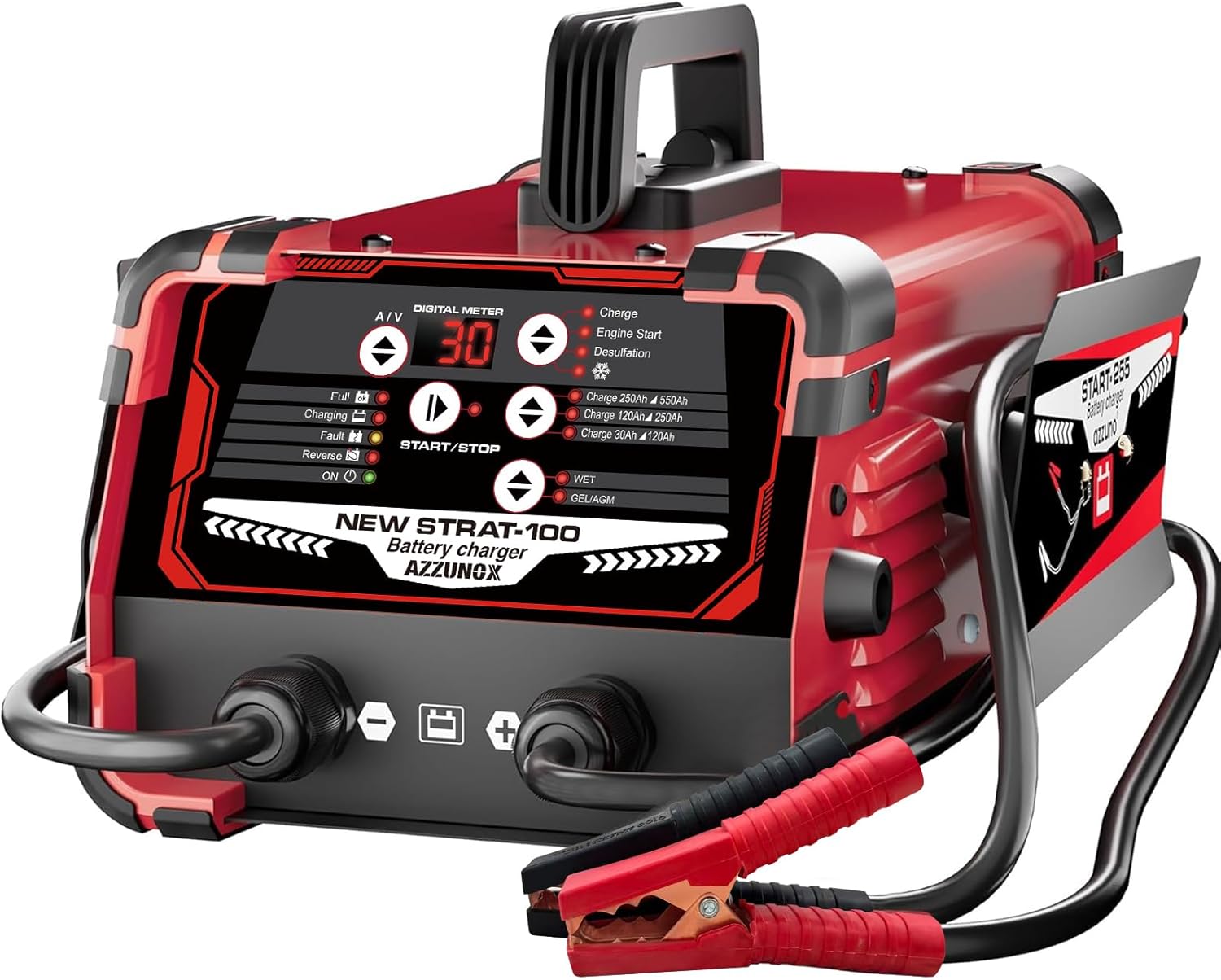
Recommended Tools for This Job


How to Fix the Problem Once You Find the Circuit
After the fuse test identifies the affected circuit, inspect each component on that circuit for signs of staying on, overheating, buzzing, or failing to switch off. Fixing the drain usually means replacing a stuck relay, repairing a switch, correcting bad wiring, or replacing a faulty accessory.
- Replace any fuse with the correct amperage if it is damaged, but remember a fuse usually does not cause drain by itself.
- Repair pinched, chafed, or poorly spliced wiring, especially around aftermarket accessories.
- Replace stuck relays rather than trying to reuse them.
- Adjust or replace trunk, hood, glove box, or door switches that fail to turn lights off.
- Disconnect or rewire aftermarket devices that are using unswitched battery power incorrectly.
If the suspect circuit includes multiple modules or communication networks, a scan tool may be needed to see which module stays awake. At that point, a professional diagnostic shop may save time and avoid unnecessary parts replacement.
Verify the Repair
Do not stop after replacing one part. Always verify the repair by reconnecting the meter and repeating the key-off draw test. Let the vehicle return to sleep mode and confirm the final reading is within normal range.
- Reconnect the repaired circuit or install the new part.
- Close up the vehicle as before and allow enough sleep time.
- Check that current draw settles into the normal range.
- Leave the vehicle parked overnight if possible and confirm it starts normally the next day.
If the draw is lower but still above normal, you may have more than one drain source. Continue pulling fuses until all abnormal current sources are identified.
Mistakes to Avoid During Diagnosis
Parasitic drain testing is straightforward, but small mistakes can lead you in the wrong direction. The biggest issue is accidentally waking the vehicle and interpreting normal awake current as a fault.
- Do not open a door, press a key fob button, or cycle the ignition while testing.
- Do not try to start the car with the multimeter in series.
- Do not assume a new battery means there is no drain problem.
- Do not replace modules or the alternator before confirming the affected circuit.
- Do not skip the final verification test after repairs.
When This Repair Becomes a Professional Job
Many DIY owners can find a simple drain, especially when it is caused by a light, relay, or aftermarket accessory. The repair becomes more difficult when the draw involves multiplex electronics, intermittent module wake-ups, or factory anti-theft and infotainment systems.
If the current draw changes randomly, only appears after several hours, or traces back to a module that may need software updates or coding, a professional with a wiring diagram, low-amp clamp meter, and scan tool will usually diagnose it faster.
Key Takeaways
- Charge the battery fully and verify charging voltage before diagnosing a parasitic drain.
- Measure key-off current with a multimeter in series and wait for all modules to enter sleep mode.
- Pull fuses one at a time to find the circuit that causes the current draw to drop into normal range.
- Check common causes first, especially interior lights, stuck relays, aftermarket accessories, and door or trunk switches.
- Always repeat the draw test after repairs to confirm the battery drain is actually fixed.
FAQ
What Is a Normal Parasitic Battery Draw?
For many vehicles, normal key-off draw is roughly 20 to 50 milliamps after all systems go to sleep. Some newer vehicles may briefly draw more before settling down, so always allow enough sleep time before judging the reading.
How Long Does It Take a Car to Go to Sleep for Testing?
It depends on the vehicle. Some go to sleep in 10 to 15 minutes, while others can take 30 to 45 minutes or longer. If the reading seems high, wait longer before pulling fuses.
Can a Bad Alternator Cause a Parasitic Drain?
Yes. A failing alternator diode can leak current with the engine off and drain the battery. If other circuits test normal, the alternator should be checked as a possible source.
Will Disconnecting the Battery Every Night Fix the Problem?
It may prevent the battery from going dead temporarily, but it does not solve the underlying fault. It can also reset electronics, erase presets, and create new issues on some vehicles.
Can I Test Parasitic Draw with a Test Light Instead of a Multimeter?
A test light can give a rough indication that current is flowing, but it does not provide an accurate reading. A digital multimeter is the better tool because it shows the actual draw and lets you confirm when the circuit returns to normal.
Why Did the Current Jump when I Opened a Door During Testing?
Opening a door wakes up modules, turns on interior lights, and often spikes current draw. That is why parasitic drain testing must be done with the vehicle closed up and undisturbed.
Is Replacing the Battery Likely to Fix a Parasitic Drain?
Not usually. A new battery may hide the problem for a short time, but if something keeps drawing power with the key off, the new battery will also go dead.
Need Parts for This Repair?
The right parts and supplies vary by vehicle.
Select your make and model to find compatible parts and accessories for your car.
Exact Fit
Parts that fit your make and model
Quality You Can Trust
Top brands and OEM quality options
Fast Shipping
Get the parts you need, delivered fast